
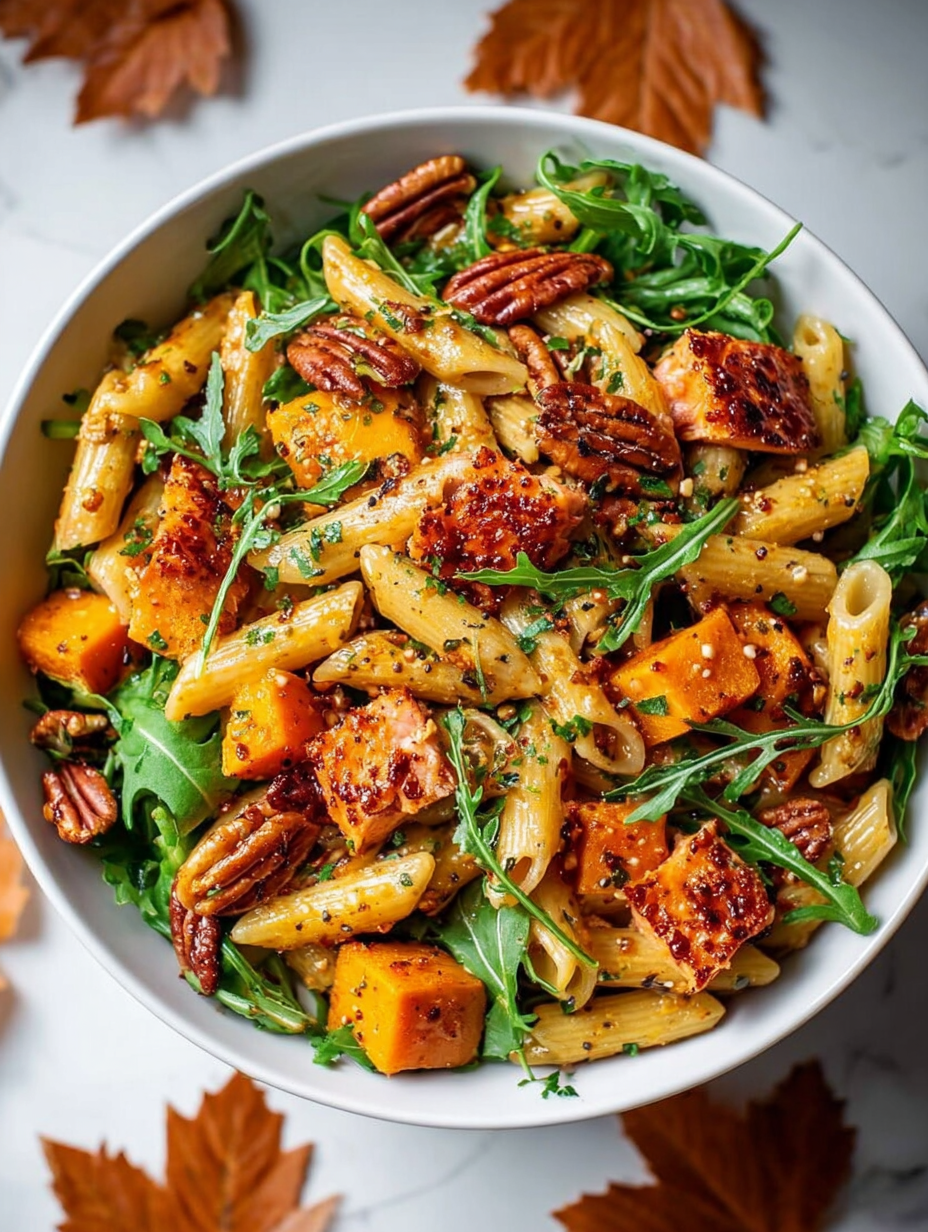
Summer might claim the undisputed crown for traditional pasta salads, but frankly, it’s high time we acknowledge the autumnal contenders. When the air turns crisp and suddenly everything tastes like cinnamon and nostalgia, you need robust dishes, and these18 Best Fall Pasta Salad Recipesdeliver that perfect cozy satisfaction, moving beyond light, watery fare.
I distinctly remember trying to bring a bright, cucumber-dill salad to a chilly October potluck, only to have it frostily rejected in favor of a hearty squash dish—that’s when I realized fall salads demand depth, warmth, and serious texture to be truly appreciated.
- This recipe is incredibly straightforward, minimizing active cooking time so you can actually enjoy the vibrant autumn scenery instead of standing over a stove.
- The flavor profile boasts a perfect harmony of sweet maple, tangy cider vinegar, and smoky roasted vegetables, creating a deeply satisfying balance.
- Visually, the dish is a stunning mosaic of deep crimson cranberries, vibrant orange butternut squash, and emerald kale, making it the star of any holiday table.
- Its versatility means it functions flawlessly as a substantial main course for a light lunch or a breathtaking side dish for any Harvest celebration or festive gathering.
Why Fall Pasta Salads Reign Supreme
Forget everything you think you know about pasta salad being strictly a poolside affair. Fall pasta salads are the sophisticated, tweed-wearing cousins who show up with complex flavors and great stories. They possess a heft that summer salads lack, allowing them to pair beautifully with heartier mains like roasted turkey breast or savory lamb kebabs. The key to their brilliance lies in embracing seasonal transformation.
During the summer, we rely heavily on raw ingredients, but autumn calls us into the kitchen to coax out deep, caramelized flavors. We trade pale tomatoes for sweet, dark root vegetables and sun-drenched basil for earthy sage and thyme. This transition ensures that the salad maintains its integrity and flavor profile even when made ahead, improving as the flavors meld together—unlike some delicate summer versions that wilt dramatically after an hour.
Embracing Seasonal Produce
If you want a truly spectacular fall salad, you must utilize the heavy hitters of the harvest season. Think about ingredients that offer both color and complexity. Butternut squash, roasted until its edges are sticky and brown, provides a delightful sweetness and creamy texture. Brussels sprouts, thinly shaved or roasted until crispy, introduce a welcome bitterness and crunch. Instead of watery bell peppers, utilize shredded kale or chard, which holds up wonderfully to bold dressings.
The addition of fruit, such as tart dried cranberries or finely diced Honeycrisp apples, is mandatory. These ingredients offer bursts of acidity and brightness, preventing the salad from becoming overly heavy. Finally, don’t skimp on the nuts—toasted pecans or walnuts provide that essential nutty warmth that defines autumn comfort food. By balancing roasted warmth, raw crunch, and tangy additions, you create a complex dish that keeps everyone coming back for more.
Mastering the Autumnal Vinaigrette
The dressing is the undisputed hero of any pasta salad, and in the fall, it needs to wear a cape. You must move past simple oil and vinegar and introduce elements that shout “cozy.” Maple syrup, for example, is a non-negotiable sweetener. It provides depth and a subtle woodsy note that sugar cannot replicate. Similarly, replacing white vinegar with high-quality apple cider vinegar or even a splash of pomegranate juice concentrate adds necessary tang while complementing the seasonal fruits and vegetables.
When making your dressing, consider texture. Unlike summer vinaigrettes that are usually thin and light, an autumnal dressing benefits from being slightly emulsified and rich. Whisking in a small spoonful of smooth Dijon mustard acts as a binding agent, helping the olive oil adhere better to the pasta and ensuring every bite is fully coated. Remember to season aggressively; a fall salad packed with hearty vegetables needs a generous amount of salt and pepper to truly sing.
Creamy vs. Zesty: Choosing Your Base
You essentially have two paths for your fall pasta salad dressing: creamy comfort or vibrant zest. The creamy path often involves a base of Greek yogurt, sour cream, or even blended silken tofu mixed with fresh herbs like sage and rosemary. This yields a wonderfully thick dressing perfect for hearty shapes like rotini or penne, ensuring a deeply satisfying, almost casserole-like texture. This style is excellent for cold-weather gatherings when guests crave richness.
If you choose the zesty route, focus on bright, sharp contrasts. A lemon-herb dressing infused with grated garlic, a touch of red pepper flakes for warmth, and plenty of fresh parsley provides a light counterpoint to the sweetness of roasted root vegetables. The key here is acidity; the zing prevents the inherent heaviness of the fall produce from weighing the salad down. Either choice works perfectly, but make sure the texture of your dressing matches the density of the pasta and ingredients you select.
Ingredients for 18 Best Fall Pasta Salad Recipes
Here’s what you’ll need to make this delicious dish:
- Pasta (Farfalle or Rotini)These shapes hold the dressing beautifully and capture small bits of roasted vegetables, ensuring balanced flavor in every bite.
- Butternut SquashLook for firm, heavy squash; roasting cubes of this squash brings out intense sweetness and a necessary soft texture contrast.
- Brussels SproutsSelect small, tight heads; shave them thinly or roast them aggressively for deep flavor and a pleasant textural crunch.
- Dried CranberriesThese add essential pops of tartness and chewy texture, balancing the savory elements of the salad.
- Pecans or WalnutsToasting them lightly enhances their nutty aroma and provides a crucial, warm crunch throughout the dish.
- Feta or Goat CheeseCrumble a high-quality cheese over the salad for a salty, tangy counterpoint that cuts through the richness of the roasted items.
- Fresh Herbs (Sage and Thyme)Use fresh, finely chopped herbs; these classic fall seasonings infuse the oil and pasta with essential autumnal aroma.
- Olive OilA robust, fruity extra virgin olive oil forms the foundation of the vinaigrette and helps carry the seasoning throughout the salad.
- Apple Cider VinegarThis provides the necessary sharp acidity for the dressing, offering a better, fruitier tang than standard white vinegar.
- Maple SyrupChoose pure maple syrup, not pancake syrup; it contributes a complex, woody sweetness that complements the roasted vegetables perfectly.
- Chicken or Turkey BreastCooked, diced pieces of lean poultry add protein and make the pasta salad substantial enough to serve as a full meal.
The full ingredients list, including measurements, is provided in the recipe card directly below.
How to Make 18 Best Fall Pasta Salad Recipes
Follow these simple steps to prepare this delicious dish:
Step 1: Roasting the Autumnal Vegetables
Preheat your oven to 400°F (200°C). Toss the cubed butternut squash and halved Brussels sprouts generously with olive oil, salt, pepper, and a pinch of dried sage. Spread the vegetables in a single layer on a large baking sheet and roast for 20 to 25 minutes, stirring halfway, until they are tender and caramelized at the edges.
Step 2: Cooking the Pasta to Perfection
While the vegetables roast, cook the pasta according to package directions in well-salted boiling water until it is perfectly al dente. Drain the pasta immediately and rinse it briefly under cool water to stop the cooking process, ensuring the pasta retains a firm structure suitable for salad.
Step 3: Whisking the Maple Cider Vinaigrette
In a medium bowl, vigorously whisk together the apple cider vinegar, maple syrup, Dijon mustard, minced garlic, salt, and pepper. Slowly stream in the olive oil while continuing to whisk until the mixture is fully emulsified and slightly thickened. Taste the dressing and adjust the seasoning for salt and acid as needed.
Step 4: Combining the Main Components
In your largest mixing bowl, combine the cooled pasta, the warm roasted vegetables, the diced cooked chicken or turkey, the dried cranberries, and the toasted pecans. Pour about three-quarters of the vinaigrette over the mixture and gently toss everything until all components are evenly coated with the dressing.
Step 5: Adding the Final Touches and Resting
Gently fold in the crumbled feta or goat cheese and the fresh, chopped herbs. Cover the pasta salad and refrigerate it for at least two hours. This resting period allows the pasta to fully absorb the dressing and for the complex fall flavors to truly meld together. Before serving, give the salad a final toss and add the remaining vinaigrette if the salad seems dry.
Transfer to a beautiful serving dish and garnish with a few extra pecan halves and fresh sage leaves for the perfect finishing touch.
Tips and Tricks for Next-Level Fall Pasta Salads
While the recipe is straightforward, a few professional tricks can elevate your creation from good to unforgettable. Firstly, always remember the importance of temperature contrast. If you combine piping hot pasta or vegetables with cold dressing, the oil separates and the flavor becomes muted. Ensure your pasta and roasted items are cooled to at least room temperature before adding the vinaigrette; this promotes better absorption and flavor integration.
Secondly, consider the texture hierarchy. A superior salad must feature something creamy (the cheese/dressing), something chewy (dried cranberries), something soft (roasted squash), and something crunchy (toasted nuts/crispy sprouts). If one texture is missing, the salad falls flat. Finally, make it ahead! Fall pasta salads are inherently better the next day. Preparing it 12 to 24 hours in advance allows the pasta to soak up all the fantastic dressing, deepening the savory notes and rounding out the acidity.
The Art of the Roast
Roasting is perhaps the single most important technique when preparing a truly outstanding fall pasta salad. Unlike steaming or boiling, roasting caramelizes the natural sugars in vegetables, producing an unparalleled depth of flavor. To achieve optimal results, do not crowd the pan. If the vegetables are piled high, they will steam instead of roast, leading to mushy textures instead of crispy, sweet edges.
Use high heat—400°F (200°C) is ideal—and use good quality oil, like olive oil or avocado oil, which can withstand the heat without burning. Seasoning is also critical; before roasting, toss the vegetables with dry seasonings, such as smoked paprika, garlic powder, or chili powder, to build a savory crust. This roasted flavor foundation is what transforms simple ingredients into the complex, warm base needed for these recipes.
You can also apply this roasting method to your protein. Instead of simply dicing plain cooked chicken, try tossing it with a touch of maple and soy sauce before a brief, high-heat roast. This caramelizes the exterior of the protein, adding another layer of deep, savory flavor that integrates seamlessly into the18 Best Fall Pasta Salad Recipesframework. This small extra step yields significant flavor dividends.
Frequently Asked Questions About Fall Pasta Salads
Can I substitute the butternut squash with another vegetable?
Absolutely, you can easily substitute butternut squash with sweet potato, delicata squash, or even roasted carrots. Choose any root vegetable that benefits from high-heat roasting and offers a similar sweetness and robust texture for the best results.
How long will this pasta salad keep in the refrigerator?
This fall pasta salad stores exceptionally well. When kept in an airtight container, it will remain fresh and delicious for four to five days in the refrigerator. In fact, many people find the flavors are even better on days two and three after they have fully matured.
What types of pasta work best in this kind of salad?
Medium-sized pasta shapes with grooves or nooks are ideal because they hold onto the thick vinaigrette and small ingredients better. Excellent choices include fusilli, cavatappi, rotini, or medium-sized shells. Avoid very tiny or very long, thin pasta shapes.
Is it possible to prepare the components in advance?
Yes, preparing components ahead is highly recommended. You can roast the vegetables and cook the chicken up to two days in advance. Store the cooked pasta separately from the other ingredients, and then assemble the entire salad, including the dressing, on the day before you plan to serve it.
The moment that first cool breeze whispers across the patio, signaling the official end of relentless humidity, we all know what happens next: the cooking panic sets in. Summer sides were easy—a heap of grilled vegetables, a quick tzatziki, and maybe a vibrant, light pasta salad. But fall demands comfort, complexity, and ingredients that shout “cozy sweater weather.” It’s a transition period where warm casseroles feel premature, yet cucumber salad feels tragically inappropriate.
Enter the humble, mighty fall pasta salad. This isn’t your grandma’s mayo-drenched picnic staple; this is a sophisticated, textured feast designed to bridge the gap between bright summer flavors and deep, earthy autumn indulgence. It’s the ideal dish for tailgates, potlucks, or simply watching the leaves change color from your window.
The Necessity of the Autumn Noodle
Why do pasta salads become essential when the calendar flips to October? Simple. They are the perfect vehicle for roasted root vegetables, savory proteins, and punchy, slightly sweet vinaigrettes. While spring salads feature delicate herbs and lemon, fall versions lean into robust ingredients like squash, apples, nuts, and hearty grains. Furthermore, they are fantastic make-ahead meals, improving in flavor as they sit overnight, something we busy autumn cooks absolutely require.
Many people assume “salad” means cold and crisp, but these autumn variations thrive when served lukewarm or at room temperature. This allows the pasta to soak up the luxurious dressing and the spices in the roasted vegetables to really shine. We embrace textures here—the crunch of toasted pecans, the chewiness of dried fruit, and the tender bite of perfectly cooked chicken. This blend ensures every forkful is interesting and deeply satisfying, moving far beyond the simple side dish classification.
Harvest Chicken & Butternut Squash Delight
We are tackling the ultimate autumn staple—a salad that combines sweet, salty, savory, and tangy notes in perfect harmony. This recipe uses roasted chicken and bright seasonal vegetables tossed in a tangy maple-cider vinaigrette. It is vibrant, wholesome, and truly captures the essence of the season. Forget heavy, complicated dinners; this recipe delivers maximum comfort with minimal fuss.
The Essential Ingredients List
- 1 pound short pasta (e.g., penne, farfalle, or rotini)
- 2 cups cooked, diced chicken breast (roasted or pan-seared)
- 3 cups butternut squash, peeled and cubed
- 1/2 cup dried cranberries or tart cherries
- 1/2 cup toasted pecans or walnuts
- 1/2 red onion, finely diced
- 1/2 cup crumbled goat cheese or feta (optional, for tang)
- 2 tablespoons olive oil (for roasting)
- Salt and black pepper to taste
Whipping Up the Maple-Cider Vinaigrette
The dressing is the soul of any great pasta dish, and this one is the perfect mix of fall sweetness and sharp acidity. Combine 1/3 cup high-quality olive oil, 1/4 cup apple cider vinegar, 2 tablespoons pure maple syrup, 1 teaspoon Dijon mustard, and 1 finely minced clove of garlic. Whisk the mixture vigorously until it emulsifies slightly and becomes creamy. Taste it and adjust the sweetness or tang as needed, perhaps adding a pinch of salt or a splash more vinegar.
Step-by-Step Assembly Instructions
Begin by preheating your oven to 400°F (200°C). Toss the cubed butternut squash with the 2 tablespoons of olive oil, salt, and pepper. Roast for 20 to 25 minutes until the squash is tender and slightly caramelized around the edges. While the squash roasts, cook the pasta according to package directions until it reaches the al dente stage. Drain the pasta, rinse it briefly with cool water to stop the cooking process, and set it aside in a large mixing bowl.
Once the squash and pasta are ready, combine all the main ingredients in the mixing bowl: the pasta, roasted squash, diced chicken, red onion, dried fruit, and toasted nuts. Drizzle about two-thirds of the maple-cider vinaigrette over the mixture. Toss gently but thoroughly until everything is evenly coated. If using, sprinkle the crumbled cheese over the salad just before serving. Allow the salad to rest for at least 15 minutes at room temperature before serving; this rest time allows the pasta to fully absorb the incredible fall flavors.
Perfecting the Cooking Process
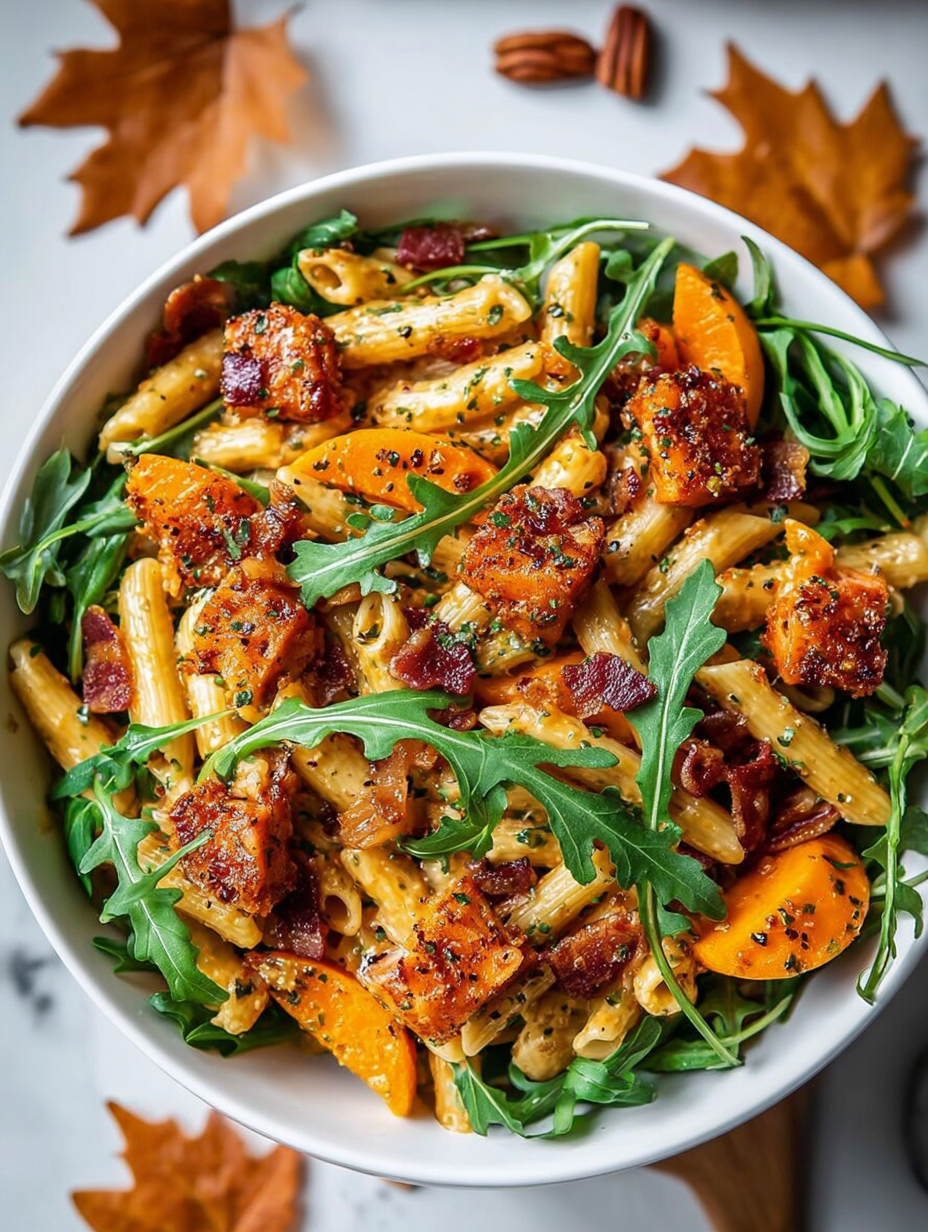
Sear the diced chicken breast first to lock in flavor and achieve beautiful caramelization. While the chicken cools slightly, cook your pasta al dente. Finally, roast the butternut squash until tender, ensuring the pasta and protein are ready to mix just as the dressing finishes emulsifying for peak freshness.
Add Your Touch
Swap chicken for seared lamb or roasted turkey for variety. If you dislike pecans, try toasted walnuts or sunflower seeds for crunch. For an enhanced savory note, incorporate smoked paprika into the dressing or swap the cider vinegar for a balsamic glaze alternative.
I once took a massive bowl of this harvest pasta salad to a neighborhood gathering. Everyone raved, but my cousin secretly asked for the recipe—it totally stole the spotlight from the host’s fancy casserole!
- Choose robust, small pasta shapes like rotini or fusilli; they hold the heavier dressing and autumn ingredients much better than thin spaghetti.
- Toss the warm, drained pasta immediately with a spoonful of the dressing or a drizzle of olive oil to stop it from clumping together.
- Taste test your roasted squash before cooling. If it needs depth, sprinkle it with a pinch of nutmeg and brown sugar right when it comes out of the oven.
Exploring the 18 Best Fall Pasta Salad Recipes
While the Harvest Chicken and Butternut Squash Delight is a masterpiece, the beauty of fall pasta salads lies in their versatility. The 18 Best Fall Pasta Salad Recipes encompass a wide spectrum of flavors suitable for any occasion, proving that these satisfying dishes are a culinary requirement. You can transition from light and tangy to deeply savory simply by swapping out a few key components.
Consider a Mediterranean-inspired option featuring oven-dried tomatoes, Kalamata olives, chickpeas, and a bright oregano vinaigrette. Or perhaps you need something heartier—a steak and caramelized onion pasta salad featuring a deep beef broth and balsamic reduction dressing. We also love vegetarian versions, such as a mushroom and caramelized pear salad that plays beautifully with aged sharp cheddar and toasted sage. When building your own unique creation, always aim for three core elements: a sturdy pasta, a hearty protein or vegetable base, and a complex vinaigrette.
Beyond the Harvest: Unique Flavor Combinations
If you want to move beyond the traditional squash and apple profile, there are numerous other combinations that celebrate the bounty of the season. Think about integrating grains like farro or barley into your mix for added fiber and texture. You might also try focusing on specific spice profiles. A successful curry-seasoned lentil and turkey pasta salad, for example, offers warmth and complexity perfect for a chilly evening.
Another beloved autumn approach involves utilizing root vegetables like sweet potatoes and carrots, roasting them with herbs like thyme and rosemary. These deeply flavored vegetables pair wonderfully with a light lemon-tahini dressing, offering a creamy, savory experience without the need for heavy cream or mayonnaise. This versatility is precisely why compiling the 18 Best Fall Pasta Salad Recipes is such a delightful task—there truly is a version for every preference, ranging from brightly spiced curries to smoky BBQ-style chicken. Remember, the trick is always texture: make sure you have something crunchy, something tender, and something chewy in every bowl.
Storing & Reheating
Store this salad in an airtight container for up to four days in the refrigerator. Always keep the dressing separate if making ahead for a party to prevent soggy pasta. Never microwave this salad; serve it chilled or at room temperature for the best texture and flavor profile.
Frequently Asked Questions About Fall Pasta Salads
What kind of pasta works best for cold salads?
You should use sturdy, short shapes like rotini, fusilli, penne, or bow ties. These shapes have grooves and pockets that effectively hold the heavier autumn ingredients and thicker vinaigrettes, preventing everything from slipping to the bottom.
Can I make this salad vegetarian?
Absolutely. Simply omit the chicken and double the quantity of roasted butternut squash or add roasted chickpeas for protein. You can also incorporate black beans or kidney beans for added heft and fiber.
How far in advance can I prepare a fall pasta salad?
You can fully prepare the solid components (pasta, vegetables, chicken) two days ahead. Store the dressing separately and toss everything together about two hours before serving. This ensures the ingredients remain fresh and the pasta doesn’t become overly saturated.
Whether you are seeking the ultimate centerpiece for a game-day feast or simply need a stellar meal prep solution for the week, the fall pasta salad is your answer. Grab your favorite seasonal ingredients, toss them together, and enjoy the cozy comforts that this beautiful season brings to your kitchen. Happy cooking!
Conclusion for 18 Best Fall Pasta Salad Recipes
These amazing 18 Best Fall Pasta Salad Recipes prove that pasta salad isn’t just a side dish reserved for summer barbecues; it’s a versatile, hearty centerpiece perfect for the autumn season. By embracing earthy ingredients like roasted squash, sharp cranberries, and robust greens, you transform simple noodles into spectacular, cozy meals. Whether you need a simple weeknight dinner or a crowd-pleasing potluck contribution, these vibrant dishes offer balance, texture, and the warmth of seasonal cooking. So grab your favorite pasta shape and those glorious autumn harvest ingredients—your seasonal cooking repertoire is officially upgraded and ready to impress.
Print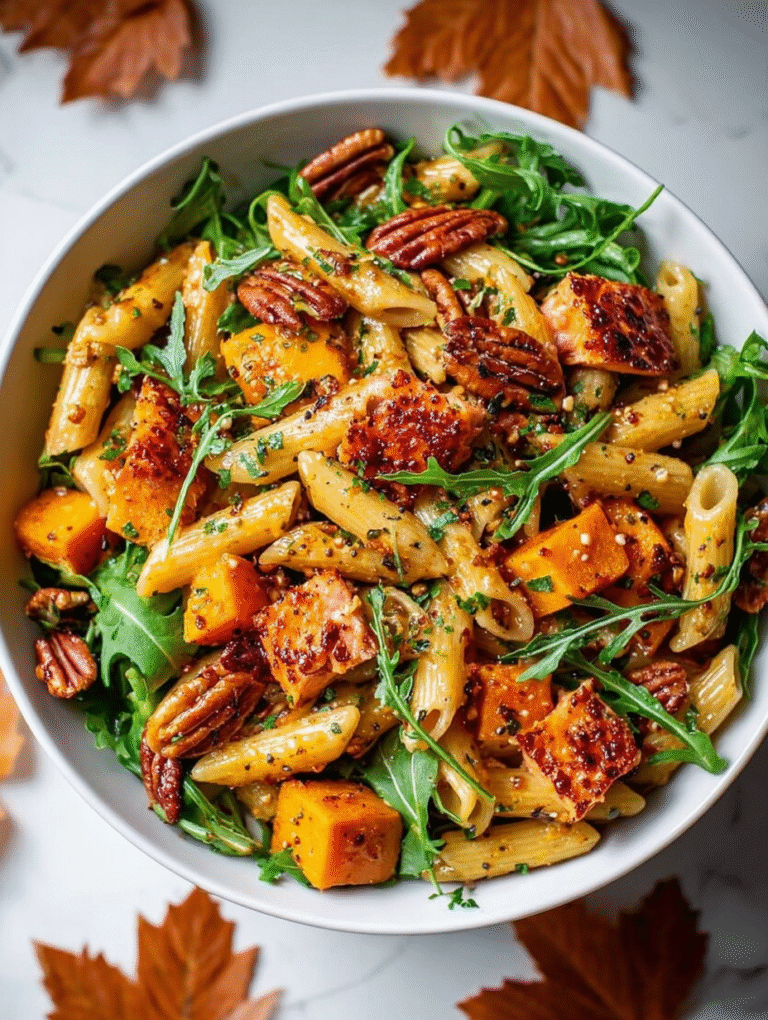
18 Best Fall Pasta Salad Recipes
Roasted squash and tangy goat cheese meet peppery arugula, coated in a bright maple-Dijon dressing. This perfect cold pasta salad needs only al dente pasta.
- Total Time: 35 minutes
- Yield: 4 servings 1x
Ingredients
- 12 ounces dried pasta (such as rotini or farfalle)
- 2 cups cubed roasted butternut squash
- 4 cups packed fresh arugula
- 1/2 cup crumbled goat cheese
- 1/4 cup extra virgin olive oil
- 2 tablespoons pure maple syrup
- 1 tablespoon Dijon mustard
- 1/3 cup toasted pecans, roughly chopped
Instructions
- Step 1: Cook the pasta according to package directions until al dente. Drain the pasta immediately and rinse with cold water to stop the cooking process; set aside in a large bowl.
- Step 2: Prepare the dressing by whisking together the olive oil, maple syrup, and Dijon mustard in a small bowl until fully emulsified; season lightly with salt and black pepper to taste.
- Step 3: Add the cooled roasted butternut squash to the bowl with the pasta, then pour three-quarters of the prepared dressing over the mixture. Toss gently to ensure all ingredients are lightly coated.
- Step 4: Fold in the arugula and the toasted pecans, being careful not to over-toss, which can bruise the greens. Taste and add the remaining dressing if the salad seems dry.
- Step 5: Gently mix in the crumbled goat cheese. Cover the pasta salad and refrigerate for at least 30 minutes before serving to allow the flavors to meld.
Notes
- Keep leftovers fresh in an airtight container for up to 3 days, noting that for maximum crunch and vibrancy, it’s best to keep the arugula and pecans separate if assembling the salad more than a few hours ahead.
- Since this is a cold salad, never reheat it; instead, if serving directly from the fridge, allow it to sit at room temperature for 10 minutes to let the dressing soften and the flavors bloom fully.
- For a hearty meal, serve this bright salad as a refreshing counterpoint to a rich, creamy fall soup, or pair it alongside a thinly sliced grilled flank steak.
- For the best flavor contrast, ensure the butternut squash is deeply caramelized during roasting, intensifying its sweetness to perfectly balance the sharp Dijon and tangy goat cheese.
- Prep Time: 15 minutes
- Cook Time: 20 minutes
- Method: Stovetop
- Cuisine: American
FAQs
How can I prevent my fall pasta salads from becoming mushy the next day?
To keep your pasta salads vibrant and texturally satisfying, timing is everything. Always slightly undercook the pasta—aim for truly al dente—and immediately rinse it with cold water after draining to halt the cooking process and remove excess starch. This critical step ensures the noodles maintain their structure when mixing with creamy or oil-based dressings. For maximum freshness, add any delicate, highly absorbent ingredients, like fresh herbs or soft cheeses, right before serving. Storing the dressing separately and tossing it just before the meal is an excellent strategy for preserving that perfect bite, especially when preparing large batches of these seasonal noodle recipes.
What are the best seasonal vegetables to include in 18 Best Fall Pasta Salad Recipes?
Autumn vegetables are the true stars, bringing depth and earthiness perfect for your pasta creations. Look beyond standard garden fare and incorporate roasted butternut squash, which adds a delightful sweetness and soft texture, or crunchy, shredded Brussels sprouts. Caramelized onions and finely chopped kale also marry wonderfully with hardy pasta shapes. Don’t forget the rich, jewel tones provided by ingredients like dried cranberries or pomegranate seeds, which offer a sharp, acidic contrast to heavier roasted items. These hearty additions elevate the flavor profile, moving the salad far beyond typical summer picnic food into a cozy, seasonal main dish.
Are plant-based proteins suitable for these autumn pasta dishes?
Absolutely! Plant-based proteins are fantastic additions that keep these autumn pasta salads substantial and satisfying. Chickpeas, black beans, or lentils, for instance, absorb dressing beautifully and provide a wonderful texture alongside roasted vegetables. If you prefer meat alternatives, seasoned baked tofu or tempeh, diced and pan-fried until crispy, work exceptionally well. These options pair wonderfully with savory dressings incorporating maple syrup and Dijon mustard, characteristic flavors of the fall season. Incorporating hearty legumes ensures that even meatless versions of these recipes function perfectly as a complete and flavorful meal, ideal for batch cooking or family gatherings.
How do I store and refresh leftovers from the 18 Best Fall Pasta Salad Recipes?
While pasta salad is generally best enjoyed cold or at room temperature, safe storage is crucial. Always refrigerate leftovers within two hours of preparation. Store the salad in an airtight container to prevent flavor absorption from other items in your refrigerator and keep it fresh for up to three to four days. If you used a creamy, dairy-based dressing, be mindful that the texture might thicken upon chilling; a splash of broth, vinegar, or olive oil can refresh the consistency before serving. Never attempt to heat the entire salad, as the vegetables and fresh herbs will wilt and become unpleasant; simply let it rest on the counter for 15–20 minutes before enjoying.





Leave a Comment