
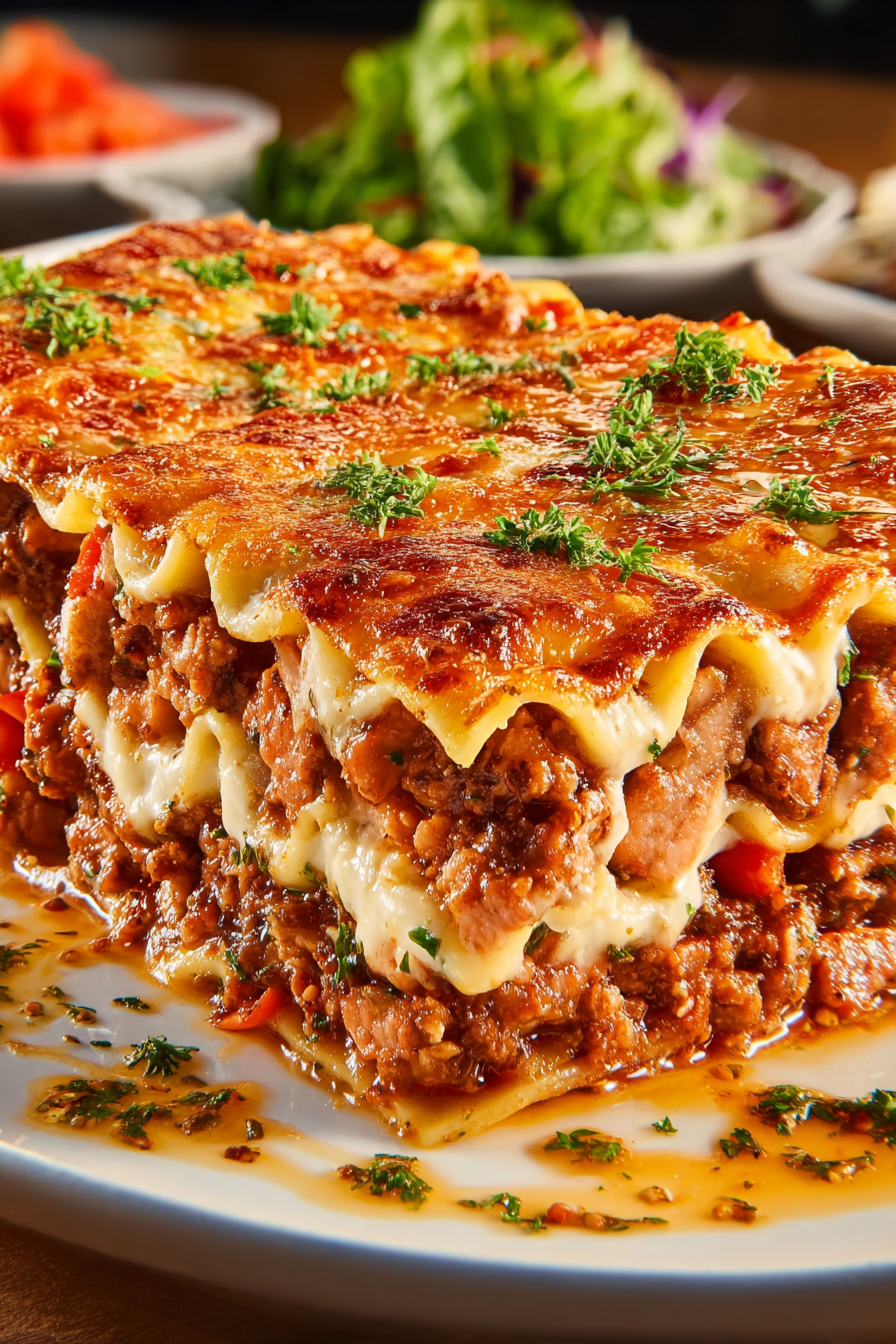
Imagine the aroma of sun-ripened tomatoes, the comforting warmth of garlic-infused olive oil, and the satisfying chew of perfectly al dente pasta. These are the cornerstones of Italian cuisine, a culinary symphony that delights taste buds across the globe.
From hearty lasagna to creamy risotto, Italian food is more than just a meal; it’s a celebration of family, tradition, and the simple pleasures of life. Let’s embark on a delicious journey through the 50 Best Italian Recipes, each dish promising an explosion of flavor and a taste of “la dolce vita.”
Here’s what makes these recipes irresistible:
- Effortless elegance: Prepare restaurant-quality Italian dishes in the comfort of your kitchen with easy-to-follow instructions and readily available ingredients.
- A flavor fiesta: Experience a diverse range of tastes, from tangy tomato sauces and savory herb blends to rich cheeses and delicate seafood creations.
- Visually stunning: Elevate your dining experience with beautifully plated dishes that are as pleasing to the eye as they are to the palate.
- Versatile delights: Discover recipes perfect for cozy weeknight dinners, celebratory feasts, or impressive gatherings with friends and family.
Ingredients for 50 Best Italian Recipes
Here’s what you’ll need to make this delicious dish:
The full ingredients list, including measurements, is provided in the recipe card directly below.
How to Make 50 Best Italian Recipes
Follow these simple steps to prepare this delicious dish:
Step 1: Sauté the Aromatics
In a large pot or Dutch oven, heat olive oil over medium heat. Add chopped onions and cook until softened, about 5-7 minutes. Add minced garlic and cook for another minute until fragrant, being careful not to burn it.
Step 2: Build the Base
Add crushed tomatoes to the pot, along with a pinch of salt, pepper, and a teaspoon of sugar (to balance the acidity). Stir well to combine. Bring the sauce to a simmer, then reduce heat to low and cover.
Step 3: Simmer to Perfection
Allow the sauce to simmer for at least 30 minutes, or up to 2 hours, stirring occasionally. The longer it simmers, the richer and more flavorful it will become. If the sauce becomes too thick, add a splash of chicken broth or water.
Step 4: Add Herbs and Seasonings
Stir in fresh basil, oregano, and any other desired herbs during the last 15 minutes of simmering. Taste and adjust seasonings as needed. Add a pinch of red pepper flakes for a touch of heat, if desired.
Step 5: Cook the Pasta
While the sauce is simmering, cook your favorite pasta according to package directions. Reserve about 1 cup of pasta water before draining.
Step 6: Combine and Serve
Add the cooked pasta to the pot with the sauce. Toss to coat, adding a little pasta water if needed to create a silky, emulsified sauce. Serve immediately, garnished with freshly grated Parmesan cheese and a sprinkle of fresh basil.
Transfer to plates and garnish with fresh basil and a generous grating of Parmesan cheese for the perfect finishing touch. Serve with crusty bread for soaking up the delicious sauce.
More Delicious Italian Dishes to Explore (H2)
Italian cuisine is a treasure trove of flavors and textures, offering endless possibilities for culinary exploration. Beyond the basics, several dishes deserve a spot on your must-try list. Here are a few more ideas to tantalize your taste buds:
Risotto alla Milanese (H3)
This creamy, saffron-infused risotto is a classic dish from Milan. The saffron gives it a beautiful golden color and a unique, delicate flavor. Preparing risotto requires patience and attention, but the result is well worth the effort. Toast Arborio rice in butter, then gradually add warm chicken broth, stirring constantly until the rice is creamy and al dente. Finish with Parmesan cheese and a knob of butter for extra richness.
Osso Buco (H3)
Osso Buco is a hearty and flavorful dish featuring braised veal shanks. The veal is slowly cooked in a rich tomato sauce with vegetables, herbs, and broth until the meat is incredibly tender and falling off the bone. Serve Osso Buco with risotto or polenta for a comforting and satisfying meal. Gremolata, a mixture of lemon zest, parsley, and garlic, is often sprinkled on top for a burst of freshness.
Chicken Cacciatore (H3)
Chicken Cacciatore, meaning “hunter’s chicken,” is a rustic stew featuring chicken braised in a flavorful tomato sauce with onions, peppers, mushrooms, and herbs. This dish is simple to prepare yet incredibly satisfying. Serve Chicken Cacciatore with pasta, rice, or crusty bread for a comforting and flavorful meal. It is a great way to use up leftover vegetables, as it’s very versatile.
Vegetable Minestrone Soup (H3)
Minestrone is a hearty and versatile vegetable soup that showcases the best of Italian produce. This soup can be made with a variety of vegetables, such as zucchini, carrots, celery, beans, and tomatoes. It’s a great way to use up leftover vegetables and create a nourishing and flavorful meal. Add pasta or rice to make it even more filling. A drizzle of pesto or a sprinkle of Parmesan cheese adds the perfect finishing touch.
Tips for Mastering Italian Cooking (H2)
Mastering Italian cooking is all about using high-quality ingredients, understanding basic techniques, and embracing the flavors of the region. Here are some tips to help you elevate your Italian cooking skills:
Use Fresh, High-Quality Ingredients (H3)
Italian cuisine is all about showcasing the natural flavors of fresh ingredients. Choose ripe tomatoes, fragrant herbs, and good quality olive oil for the best results. Locally sourced ingredients, when available, will always deliver superior flavor.
Don’t Overcrowd the Pan (H3)
When sautéing or searing ingredients, avoid overcrowding the pan. This will lower the temperature and prevent the food from browning properly. Cook in batches to ensure even cooking and beautiful color.
Season Generously (H3)
Salt is essential for bringing out the flavors of Italian dishes. Season generously throughout the cooking process, tasting and adjusting as needed. Don’t be afraid to experiment with other seasonings like black pepper, red pepper flakes, and dried herbs.
Reserve Pasta Water (H3)
Before draining pasta, reserve about 1 cup of the cooking water. This starchy water can be added to sauces to help them cling to the pasta and create a silky, emulsified sauce.
Simmer Sauces Low and Slow (H3)
Allowing sauces to simmer for an extended period helps the flavors meld together and creates a richer, more complex taste. Simmer sauces on low heat, stirring occasionally, to prevent sticking and burning.
Italian Cooking Tools Every Home Chef Needs (H2)
Having the right tools can make all the difference in the kitchen, especially when preparing Italian dishes. Here are some essential tools that every home chef should have:
Dutch Oven (H3)
A Dutch oven is a versatile pot that’s perfect for braising, simmering, and making soups and stews. Its heavy construction ensures even heat distribution and excellent heat retention.
Pasta Pot with Strainer Insert (H3)
A pasta pot with a strainer insert makes cooking and draining pasta a breeze. The insert allows you to easily lift the pasta out of the water without having to pour it into a separate colander.
Garlic Press (H3)
A garlic press is a handy tool for mincing garlic quickly and easily. It saves time and effort compared to chopping garlic by hand.
Microplane Zester (H3)
A microplane zester is perfect for grating Parmesan cheese, zesting citrus fruits, and adding a burst of fresh flavor to your dishes.
Good Quality Knives (H3)
A set of sharp, high-quality knives is essential for any home cook. Invest in a chef’s knife, a paring knife, and a serrated knife for all your chopping, slicing, and dicing needs.
The Joy of Italian Cooking: Bring La Dolce Vita to Your Kitchen (H2)
Italian cooking is more than just following recipes; it’s about embracing a lifestyle. It’s about savoring simple pleasures, sharing meals with loved ones, and celebrating the joy of life. By incorporating these 50 best Italian recipes into your cooking repertoire, you can bring a taste of “la dolce vita” to your own kitchen and create memories that will last a lifetime. So, gather your ingredients, put on some Italian music, and get ready to embark on a culinary adventure that will tantalize your taste buds and warm your heart. Buon appetito!
Perfecting the Cooking Process
For the most efficient and delicious results, sear your chicken or beef before anything else. As it rests, get your pasta cooking perfectly al dente. While the pasta boils away, lovingly prepare your sauce, ensuring every flavor blooms in sequence.
Add Your Touch
Feel free to personalize these Italian masterpieces. Swap chicken for turkey in the meatballs, or add a dash of red pepper flakes for an extra kick. Experiment with different cheeses, like creamy fontina instead of mozzarella, to truly make the dish your own.
Storing & Reheating
Store any leftover pasta dishes in airtight containers in the refrigerator for up to three days. Reheat gently on the stovetop with a splash of broth or in the microwave, covered, to prevent drying. Fresh pasta might need a shorter reheating time.
Here are some tips to elevate your Italian cooking game:
- Don’t overcrowd the pan when searing meat. This allows for proper browning, creating that beautiful crust and deep flavor.
- Always salt your pasta water generously. This is your only chance to season the pasta itself, and it makes a world of difference.
- Taste and adjust your sauce as you go. A little extra basil, a squeeze of lemon, or a pinch of sugar can work wonders.
(Personal anecdote formated as paragraph subheading)
My grandma, Nonna Emilia, always said the secret ingredient to any good Italian dish is love. And a generous glug of olive oil, of course. Her lasagna was legendary, a true labor of love.
Unlocking the Secrets: The 50 Best Italian Recipes Await!
Alright, carb-loving comrades, buckle up! We are diving headfirst into the tantalizing universe of the 50 best Italian recipes. These aren’t your run-of-the-mill, toss-it-together-in-ten-minutes meals (though we love those too, don’t get me wrong). No, these are the recipes that make your taste buds sing opera. Prepare for a symphony of flavors!
Pasta Perfection: Beyond Spaghetti and Meatballs
Let’s be honest, spaghetti and meatballs are great, but Italian cuisine is so much more than that. We’re talking about handcrafted ravioli, creamy carbonara that will make you weep with joy, and gnocchi so light and fluffy, they practically float off your plate.
Ravioli Rhapsody: Mastering the Art of Filled Pasta
Making ravioli from scratch might seem daunting, but trust me, it’s worth it. Imagine biting into a delicate pasta pillow filled with ricotta and spinach, drizzled with sage-infused butter. Are you drooling yet? You should be.
Carbonara Chronicles: The Creamiest, Dreamiest Sauce
Forget the jarred stuff! Real carbonara is made with eggs, Pecorino Romano cheese, cured guanciale or beef pancetta, and black pepper. It’s rich, decadent, and surprisingly simple to make. Just be sure to cook the pasta until al dente – nobody likes mushy noodles!
Gnocchi Nirvana: Pillowy Potato Perfection
Gnocchi, those adorable little potato dumplings, are like clouds made of carbs. The key to perfect gnocchi is using the right kind of potatoes (russets are your best bet) and not overworking the dough. Serve them with pesto, marinara, or brown butter and sage for a truly unforgettable meal.
Meatballs Mania: From Classic to Creative
Meatballs are a staple in Italian-American cuisine, but there’s no reason to limit yourself to just one recipe. From classic beef meatballs simmered in tomato sauce to creative variations like turkey meatballs with lemon and herbs, the possibilities are endless!
The Classic Comfort: Beef Meatballs in Tomato Sauce
Ah, the iconic meatball! Made with ground beef, breadcrumbs, Parmesan cheese, and herbs, these little spheres of deliciousness are simmered in a rich tomato sauce until tender. Serve them with spaghetti, polenta, or on a crusty Italian roll for a satisfying meal.
Turkey Temptation: Lemon and Herb Turkey Meatballs
Looking for a lighter alternative? Try making meatballs with ground turkey, lemon zest, parsley, and garlic. These meatballs are just as flavorful as their beefy cousins but are lower in fat. Serve them with a lemon-butter sauce or a dollop of creamy ricotta.
Sauce Sensations: From Simple to Spectacular
The sauce is the heart and soul of Italian cooking. Whether it’s a simple tomato sauce, a creamy pesto, or a rich Bolognese, a good sauce can elevate any dish from ordinary to extraordinary.
Simplicity at Its Finest: The Perfect Tomato Sauce
A good tomato sauce is the foundation of many Italian dishes. All you need is canned tomatoes, olive oil, garlic, basil, and a pinch of salt and sugar. Simmer it for at least 30 minutes to allow the flavors to meld together.
Pesto Power: A Burst of Freshness
Pesto, made with basil, pine nuts, garlic, Parmesan cheese, and olive oil, is a versatile sauce that can be used on pasta, sandwiches, or as a dip for vegetables. Make sure to use fresh basil for the best flavor.
Bolognese Bliss: A Rich and Hearty Ragù
Bolognese, a rich and hearty meat sauce, is a classic Italian dish. It’s made with ground beef, vegetables, tomato paste, and broth, and simmered for hours until the flavors meld together. Serve it with tagliatelle or pappardelle for a truly indulgent meal.
Pizza Pizzazz: Beyond the Basic Beef pepperoni
Pizza is one of the most popular foods in the world, and for good reason. It’s customizable, delicious, and perfect for sharing. But there’s more to pizza than just Beef pepperoni.
Margherita Magic: The Classic Neapolitan Pizza
Margherita pizza, with its simple toppings of tomato sauce, mozzarella cheese, and basil, is a testament to the beauty of simplicity. Use high-quality ingredients and bake it in a hot oven for a crispy crust.
Veggie Victory: A Garden of Fresh Flavors
Load up your pizza with your favorite vegetables, like bell peppers, onions, mushrooms, zucchini, and olives. Use a variety of colors and textures for a visually appealing and flavorful pizza.
Gourmet Glory: Creative Topping Combinations
Get creative with your pizza toppings! Try combinations like turkey prosciutto and fig, goat cheese and caramelized onions, or pesto and roasted vegetables.
Risotto Revelations: Creamy, Dreamy, and Divine
Risotto, a creamy rice dish, is a labor of love that’s well worth the effort. The key to perfect risotto is to add the broth gradually, stirring constantly, until the rice is cooked al dente and the sauce is thick and creamy.
Mushroom Mania: A Forest of Earthy Flavors
Mushroom risotto is a classic dish that’s perfect for a cozy night in. Use a variety of mushrooms, like cremini, shiitake, and porcini, for a complex and earthy flavor.
Seafood Symphony: A Taste of the Sea
Add shrimp, scallops, mussels, or clams to your risotto for a taste of the sea. Sauté the seafood separately and add it to the risotto at the end to prevent it from becoming overcooked.
Dolce Delights: Sweet Endings to Italian Feasts
No Italian meal is complete without a sweet treat. From creamy tiramisu to fruity panna cotta, there’s a dessert to satisfy every sweet tooth.
Tiramisu Temptation: Coffee-Soaked Bliss
Tiramisu, made with ladyfingers, mascarpone cheese, coffee, and cocoa powder, is a classic Italian dessert that’s perfect for any occasion. Use strong coffee and high-quality cocoa powder for the best flavor.
Panna Cotta Paradise: A Silky Smooth Delight
Panna cotta, a silky smooth custard made with cream, sugar, and plant-based gelling agents, is a light and refreshing dessert that’s perfect for summer. Serve it with fresh berries, fruit compote, or caramel sauce.
Cannoli Craze: Crispy Shells and Sweet Cream
Cannoli, crispy fried pastry shells filled with sweet ricotta cheese and chocolate chips, are a Sicilian specialty that’s sure to impress. Fill the cannoli shells just before serving to prevent them from becoming soggy.
Wowza, that was a delicious dive! I hope you found inspiration and are ready to get cooking. Remember, the best Italian food is made with love, passion, and a generous pinch of salt. Buon appetito!
Perfecting the Cooking Process
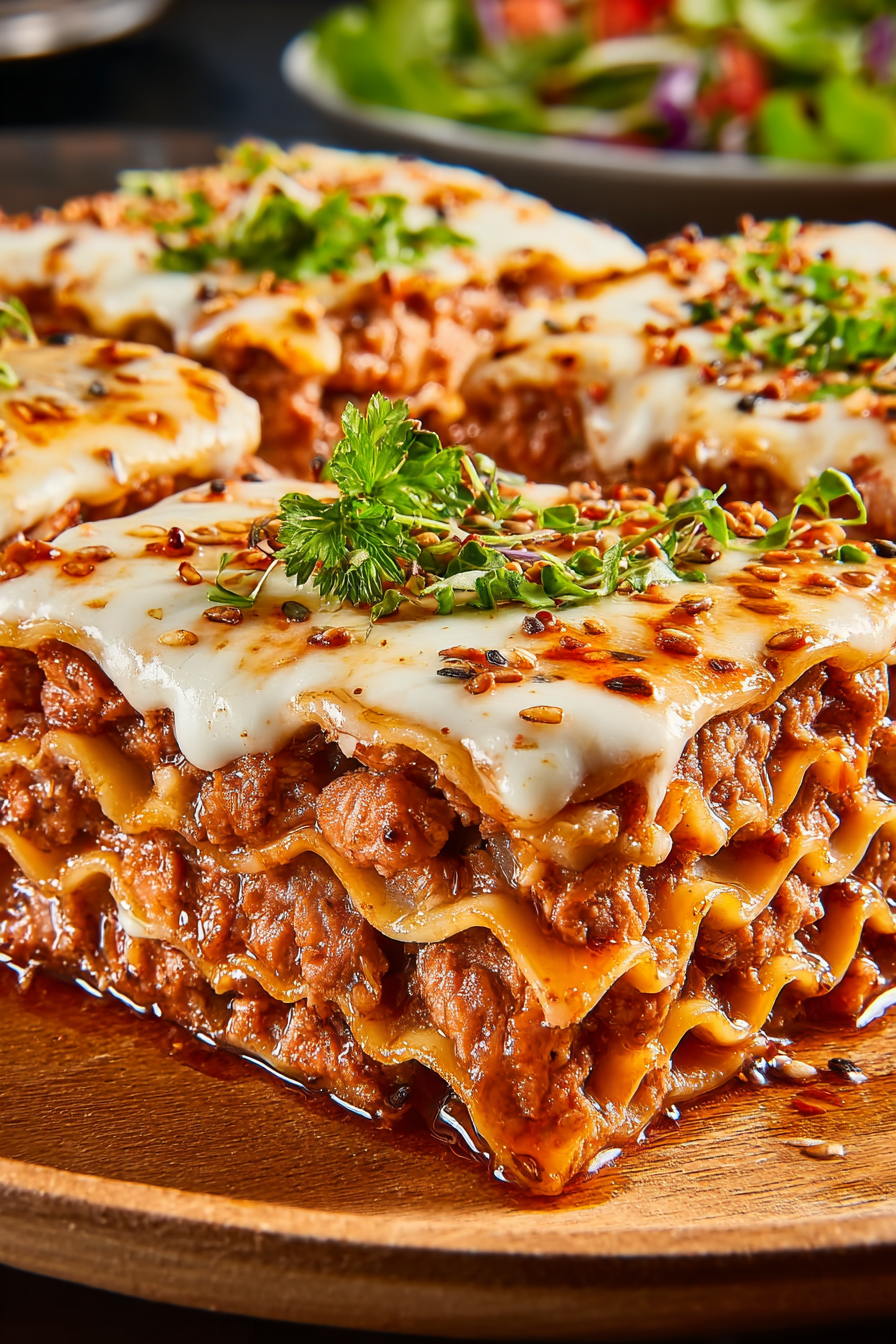
For optimal results, prep all ingredients before starting. Sauté aromatics like garlic and onions first to build flavor, then brown your protein. Add liquids gradually and simmer for the best sauce consistency. Always taste and adjust seasonings.
Add Your Touch
Customize your dishes by experimenting with different herbs and spices. Swap proteins or vegetables based on your preferences and what’s in season. Add a splash of lemon juice or vinegar for brightness and acidity.
Storing & Reheating
Store leftovers in airtight containers in the refrigerator for up to three days. Reheat in a skillet or microwave until warmed through. Add a little broth or water to prevent drying out.
Here are some expert tips to ensure your Italian creations are top-notch:
- Use high-quality ingredients whenever possible, as they will significantly impact the final flavor of your dish.
- Don’t be afraid to experiment with different flavor combinations and put your own personal spin on classic recipes.
- Always taste and adjust your seasonings as you go, ensuring that the flavors are balanced and harmonious.
(Personal anecdote formated as paragraph subheading)
I once tried to make homemade pasta with a broken rolling pin and a questionable recipe. Let’s just say, it looked more like abstract art than authentic Italian fare. Lesson learned: sometimes it’s okay to use store-bought pasta!
Conclusion for 50 Best Italian Recipes :
Exploring the world of Italian cooking has never been more exciting! From quick weeknight dinners to healthier adaptations of classic dishes, there’s a recipe for every occasion and skill level. Remember, the heart of Italian cuisine lies in fresh ingredients and simple techniques. So, grab your apron, unleash your inner chef, and prepare to create some seriously delicious memories. Let the aroma of garlic and basil fill your kitchen, and get ready to savor every bite. Buon appetito!
Print
50 Best Italian Recipes
Delicious 50 best italian recipes recipe with detailed instructions and nutritional information.
- Total Time: 35 minutes
- Yield: 4 servings
Ingredients
- Spaghetti: 1 pound
- Guanciale (or Pancetta): 4 ounces, cubed
- Eggs: 3 large
- Egg Yolks: 1 large
- Pecorino Romano Cheese: 1 cup, grated
- Black Pepper: Freshly ground, to taste
- Salt: To taste
Instructions
- Step 1: Bring a large pot of salted water to a boil. Add spaghetti and cook according to package directions until al dente. Reserve about 1 cup of pasta water before draining.
- Step 2: While the pasta is cooking, sauté the guanciale (or pancetta) in a large skillet over medium heat until crispy and golden brown. Remove from heat and set aside.
- Step 3: In a medium bowl, whisk together the eggs, egg yolk, Pecorino Romano cheese, and a generous amount of freshly ground black pepper.
- Step 4: Drain the spaghetti and immediately add it to the skillet with the cooked guanciale (or pancetta). Toss to coat.
- Step 5: Remove the skillet from the heat (crucial!). Pour the egg and cheese mixture over the hot pasta, tossing quickly and constantly to prevent the eggs from scrambling. Add a little of the reserved pasta water at a time if needed to create a creamy sauce.
- Step 6: Serve immediately, garnished with additional Pecorino Romano cheese and black pepper.
Notes
- Store leftover carbonara in an airtight container in the refrigerator for up to 2 days, though the sauce will thicken.
- For best results, reheat carbonara gently in a skillet over low heat with a splash of milk or cream to loosen the sauce.
- Serve carbonara immediately with a crisp green salad and a side of crusty bread for soaking up every last bit of sauce.
- Don't skip the step of removing the skillet from the heat before adding the egg mixture – scrambled eggs are NOT the goal!
- Prep Time: 15 minutes
- Cook Time: 20 minutes
- Method: Stovetop
- Cuisine: American
FAQs :
What are some quick and easy Italian dinner recipes for busy weeknights?
Oh, you’re in a hurry? I get it. We all live in the fast lane. For those crazy weeknights when you’re staring blankly into the fridge, dreaming of takeout, fear not! Whip up a batch of cacio e pepe, using spaghetti, parmesan cheese, black pepper, and a touch of olive oil to make your sauce perfect. Alternatively, a quick chicken scampi with zucchini noodles is a winner. Light, flavorful, and ready in under 30 minutes! Don’t forget a sprinkle of fresh parsley to make it look fancy (even if you just threw it together!). Enjoy restaurant-quality meals without the wait.
Can I make authentic Italian pasta dishes without special equipment?
Absolutely! The beauty of Italian cooking lies in its simplicity and reliance on fresh, quality ingredients, not fancy gadgets. You don’t need a pasta machine to create amazing dishes. Hand-rolled gnocchi is surprisingly easy and satisfying. For sauces, a good pot and wooden spoon will do the trick. Trust me, the love you put into it will shine through. Plus, washing fewer dishes is always a win, right? So embrace the simplicity and get cooking! It’s all about the flavour, not the equipment.
How can I adapt traditional Italian recipes to be healthier?
Want the taste of Italy without the guilt? No problem! It’s all about clever substitutions. Swap regular pasta for whole wheat or vegetable alternatives like zucchini or squash noodles. Load up on veggies and use leaner proteins like chicken or turkey. Control your portion sizes and don’t be afraid to experiment with herbs and spices for flavor instead of relying solely on salt and oil. Even a classic Bolognese can be lightened up with ground turkey and plenty of finely chopped vegetables. Enjoying Italian food and staying healthy is a delicious possibility.
What are some of the greatest Italian recipes for beginner cooks?
If you’re new to Italian cooking, welcome! Start with the basics. A simple tomato sauce, made from canned tomatoes, garlic, and herbs, is a foundational skill. Then, try your hand at a classic bruschetta with fresh tomatoes, basil, and a drizzle of balsamic vinegar. These are simple, forgiving, and incredibly rewarding. Plus, they’re great for impressing friends and family without having to stress about complicated techniques. Remember, the best Italian food is all about fresh ingredients and a little bit of love.






Leave a Comment