
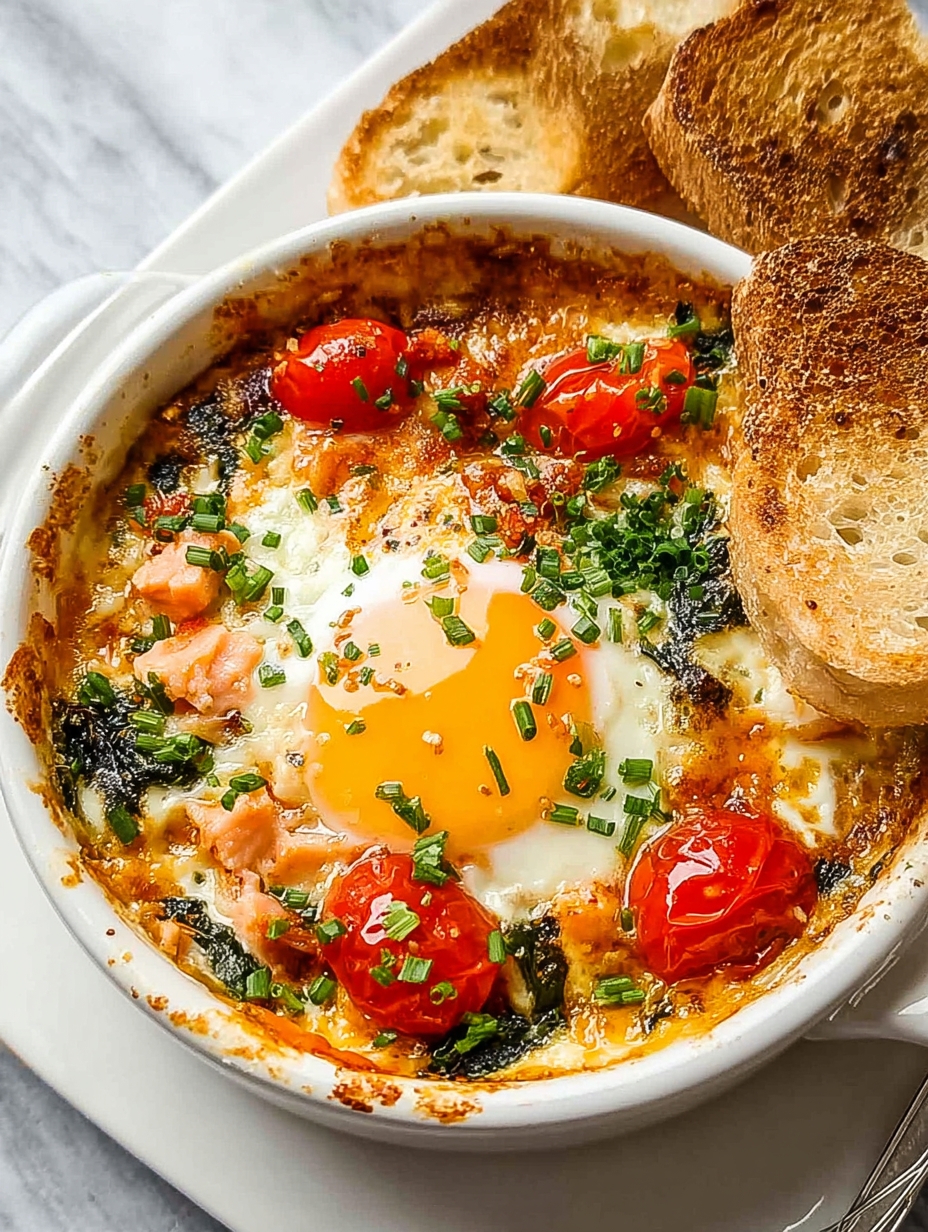
Imagine salty, creamy feta melting into a sizzling olive oil base, cradle for perfectly runny yolks—that is the magic ofBaked Feta Eggs.
This breakfast savior emerged during a hectic morning when I needed maximum flavor with zero effort, transforming my kitchen chaos into culinary triumph.
- You only need five minutes of preparation time before the oven takes over, making this the ideal fast breakfast or brunch centerpiece.
- The tangy, salty Greek feta balances beautifully with the rich, slightly sweet tomatoes and savory aromatic herbs like oregano.
- Serve this vibrant dish straight from the oven in its rustic baking dish, guaranteeing a stunning presentation that impresses guests.
- Pair these irresistible eggs with crusty bread for dipping, or enjoy them over wilted spinach for a lighter, Mediterranean-inspired meal.
Why Baked Feta Eggs Are Your New Morning Obsession
Let us be honest, the standard scramble is fine, but it lacks the drama and depth we crave when the coffee finally kicks in. We need something that feels luxurious without requiring an hour of dedicated stirring. Enter the wonderful world of baked feta, popularized by a certain pasta dish but vastly improved when paired with eggs. This recipe takes that creamy, tangy Mediterranean goodness and transforms it into the most satisfying breakfast imaginable.
I first attempted this recipe when I accidentally bought too much feta and desperately needed to use it before I started snacking on entire blocks of it plain (we have all been there). The result was less of a culinary experiment and more of an effortless revelation. You simply combine the ingredients in one dish, slide it into the oven, and wait for the aroma to lure everyone out of bed. The heat caramelizes the grape tomatoes, softening them into sweet little bursts, while the feta melts and merges with the olive oil to create a flavorful, salty foundation for your eggs.
This method prevents the dreaded dry, rubbery egg syndrome. Baking the eggs directly into the creamy feta environment ensures the yolks remain perfectly runny—essential for dipping crusty bread—while the whites cook through just enough to hold their shape. It is truly a hands-off masterpiece that convinces everyone you are far more capable in the kitchen than you actually are, making it perfect for weekend brunch or a fancy weekday start.
The Secret to Perfect Feta Selection
Choosing the right feta makes or breaks this dish. Skip the pre-crumbled, dryer versions usually found in plastic containers. You must select feta stored in brine, typically sold in blocks. Feta packed in brine retains moisture, flavor, and that signature tangy punch that prevents the dish from tasting flat. Look for Greek feta made from sheep or goat milk for the most authentic flavor profile. The creamy texture achieved when baking brine-packed feta is key to creating that luscious sauce base for the eggs. Do not worry about draining it perfectly; a little brine carryover adds to the overall flavor complexity when baked with the tomatoes and olive oil.
Ingredients for Baked Feta Eggs
Here’s what you’ll need to make this delicious dish:
- Block of Feta CheeseUse good quality feta stored in brine; this ensures maximum creaminess when melted.
- Grape Tomatoes or Cherry TomatoesThese sweeten beautifully under high heat and burst to release natural juices that combine with the cheese.
- Extra Virgin Olive OilUse high-quality oil since it forms the flavor base of the sauce and helps the feta melt smoothly.
- EggsYou will need four to six large eggs, depending on the size of your baking dish and how many servings you intend to make.
- Dried Oregano and Red Pepper FlakesThese spices provide a traditional Mediterranean flavor profile and a subtle warmth without overwhelming the tanginess.
- Fresh Basil or ParsleyUse these herbs for garnish after baking; they add freshness and a pop of vibrant color.
- Salt and Black PepperSeasoning is crucial, especially for the eggs themselves, though the feta already provides significant saltiness.
The full ingredients list, including measurements, is provided in the recipe card directly below.
How to Make Baked Feta Eggs
Follow these simple steps to prepare this delicious dish:
-
Prepare the Feta Base
Preheat your oven to 400°F (200°C). Place the block of feta cheese directly in the center of an 8×8 inch oven-safe baking dish. Scatter the grape tomatoes all around the feta block.
-
Season and Drizzle
Drizzle the feta and tomatoes generously with extra virgin olive oil. Sprinkle the entire dish with dried oregano and a pinch of red pepper flakes, adding salt and pepper judiciously, remembering the feta is salty.
-
Initial Baking Phase
Bake the feta and tomatoes for 15 to 20 minutes. You want the tomatoes to be slightly softened and starting to burst, and the feta should be visibly soft and melted around the edges.
-
Add the Eggs
Carefully remove the dish from the oven. Use a spoon to create wells or small indentations in the melted feta and tomato mixture. Crack the eggs directly into these wells, ensuring the yolks sit nicely in the creamy base.
-
Second Bake and Setting
Return the dish to the oven and bake for another 8 to 12 minutes. Check the eggs frequently; you want the whites to be fully set but the yolks to remain beautifully soft and runny.
Transfer the dish from the oven and garnish immediately with fresh chopped basil or parsley for a burst of flavor and visual appeal.
Troubleshooting and Substitutions
Sometimes things go slightly awry in the kitchen, or perhaps you just ran out of a key ingredient. If your eggs cook too quickly, try slightly lowering the oven temperature during the second baking stage. Remember, the goal is set whites and liquid yolks, which often requires lower heat than you might initially think, especially if your baking dish retains heat well. If you find the tomatoes releasing too much liquid, simply spoon some of the liquid out before adding the eggs back in. We want creamy, not soupy.
If you cannot find suitable feta, or if you prefer a different flavor profile, you have excellent options. Goat cheese, particularly a firm chevre, offers similar tanginess when baked, although it might melt slightly differently. For those who enjoy a milder, firmer texture, halloumi cheese works wonderfully; it does not fully melt but softens beautifully, providing chunks of salty delight among the roasted vegetables and eggs. To add complexity without alcohol, consider splashing a teaspoon of high-quality balsamic vinegar over the tomatoes before baking for a sweet and acidic counterpoint to the salty cheese.
For a heartier meal, stir in cooked, shredded chicken or crumbled turkey sausage links with the tomatoes before the first bake. These additions integrate savory protein into the cheesy base, making the dish a complete meal suitable for lunch or a light dinner. Always ensure you season these additions thoroughly before combining them with the feta mixture.
Serving Suggestions for Maximum Dipping Potential
WhileBaked Feta Eggstaste phenomenal right out of the oven, the serving possibilities are what truly elevate this dish. The number one rule for enjoying this recipe is providing a sturdy vehicle for scooping up that molten feta-yolk sauce. A crusty French baguette, sliced on the diagonal, is a classic choice, offering a crunchy crust that holds up to the richness. Alternatively, warm pita bread or slices of dense sourdough work beautifully.
If you are looking to balance the richness, serving the baked feta eggs alongside a fresh, crisp side salad is divine. Toss mixed greens with a light lemon vinaigrette to cut through the creaminess of the feta. For a fully immersive Mediterranean experience, consider adding a side of hummus and some sliced cucumbers and olives. This provides textural variety and freshness, transforming the simple egg dish into a vibrant mezze platter. Do not forget to drizzle a final touch of high-quality olive oil over the yolks right before serving; it adds a glossy finish and intensifies the flavor.
Frequently Asked Questions about Baked Feta Eggs
Can I prepare the Baked Feta Eggs ahead of time?
While you cannot bake the dish completely ahead (as the eggs need to be fresh and hot), you can certainly prep the feta, tomatoes, oil, and spices in the baking dish hours beforehand. Simply cover it and refrigerate, then pop it in the oven for the first bake when ready. Add the eggs only when you are ready to serve.
What kind of baking dish works best for this recipe?
A small, oven-safe ceramic or glass dish, typically 8×8 inches or slightly smaller, works best. The dish should allow the ingredients to sit closely together so the feta and tomatoes melt and merge into a thick, cohesive sauce rather than spreading too thinly.
How do I ensure the egg yolks remain runny?
Temperature control is crucial for runny yolks. Keep the oven at 400°F (200°C), but monitor closely after the initial eight minutes of the second bake. For very runny yolks, stick to 8-9 minutes. For slightly firmer, jammy yolks, aim closer to 11-12 minutes. Remember, the eggs will continue cooking slightly after you remove the dish from the oven due to residual heat.
What herbs are best if I don’t have oregano?
If oregano is unavailable, substitute with dried thyme or a blend of Italian herbs. Rosemary is also a nice choice, but use it sparingly as its flavor is quite strong. Fresh herbs like dill or marjoram also offer wonderful Mediterranean notes when sprinkled on after baking.
There is a specific kind of morning chaos that can only be solved by aggressive simplification. You know the one: you hit snooze seven times, the cat decided 5:00 AM was party time, and now you have approximately eight minutes to produce a breakfast that looks like you spent hours crafting it, not seconds scraping it together.
For years, my solution was toast. Just… sad, dry toast. Then, during a particularly fraught attempt to clean out the refrigerator before a trip, I stumbled upon a life-altering truth wrapped in crumbled cheese and cherry tomatoes: the magical realm ofBaked Feta Eggs. This dish is not just a meal; it is a declaration of culinary victory over the morning rush. It’s savory, it’s comforting, and it requires so little effort that it practically makes itself while you manage to find both matching socks.
Imagine soft, perfectly runny eggs nestled in a warm, herby tomato bath, all anchored by salty, melting feta cheese. You just grab a sturdy piece of crusty bread, scoop up the sunny goodness, and suddenly, you are not frantic—you are dining seaside in the Mediterranean. Ready to ditch the dreary cereal box? Let’s get baking.
The Essential Ingredients for Ultimate Comfort
What You Will Need
- 1 block (8 oz) quality feta cheese, drained
- 1 pint cherry or grape tomatoes
- 1 small red onion, thinly sliced
- 4 cloves garlic, minced
- 1/4 cup extra virgin olive oil
- 1 teaspoon dried oregano
- 1/2 teaspoon red pepper flakes (optional, for a kick)
- Salt and freshly ground black pepper to taste
- 4 large eggs
- Fresh basil or parsley, for garnish
- Crusty bread or pita for serving
The Simple Art of Preparing Baked Feta Eggs
Forget complex techniques; this dish excels because of its minimal intervention approach. We’re essentially creating a fragrant bed for our eggs to cozy up in. Grab a 9-inch skillet or a small baking dish that looks good enough to bring straight to the table—presentation is key, even when you are eating in pajamas.
Start by preheating your oven to 400°F (200°C). In your chosen baking dish, combine the cherry tomatoes, sliced red onion, minced garlic, dried oregano, red pepper flakes (if using), and a generous drizzle of olive oil. Season lightly with salt and pepper, remembering that the feta will bring its own significant saltiness to the party. Toss everything together until the vegetables are beautifully coated in the seasoned oil.
Now, place the block of feta right in the center of the dish. Do not crumble it yet; we want it to soften and melt gently as the tomatoes burst around it. Bake this flavorful mixture for 15 to 20 minutes. You want the tomatoes to be wrinkly, slightly burst, and releasing their sweet, acidic juices, and the feta should be warm and easily spreadable.
Perfecting the Cooking Process
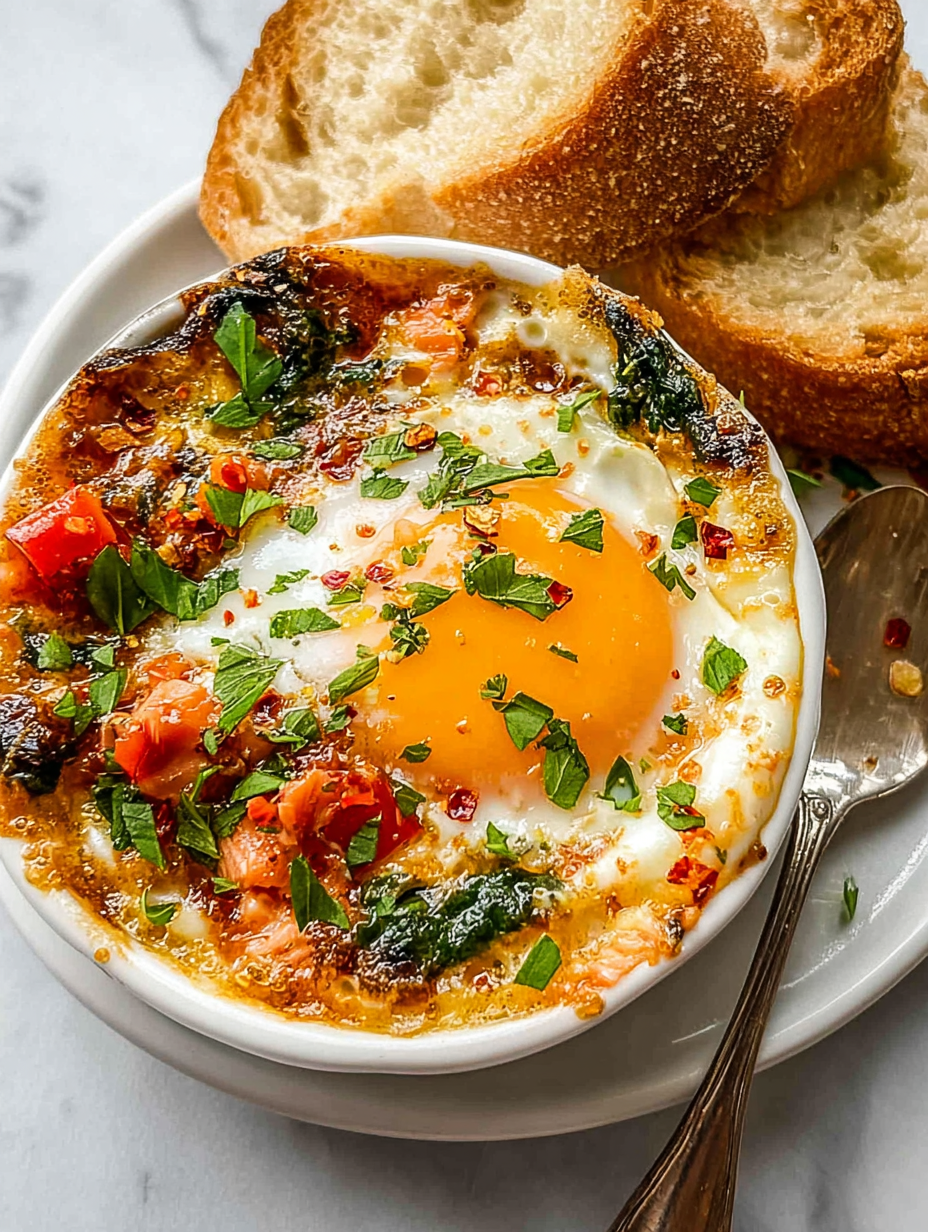
Achieving excellence in this savory breakfast means ensuring the base cooks first, allowing the tomatoes to soften and release their liquid before the eggs enter the scene, guaranteeing that yourBaked Feta Eggsfinish simultaneously with perfectly set whites and runny yolks.
Adding the Eggs to the Feta Base
Carefully pull the dish out of the oven. Using a spoon, create four small wells in the tomato and feta mixture—one spot for each egg. Crack an egg directly into each well. Be careful not to pierce the yolks! Return the dish to the oven and bake for another 8 to 12 minutes, depending on how runny you like your yolks. For soft, dippable yolks, aim for closer to the 8-minute mark. Once the egg whites are set and opaque, you are good to go.
The beauty of this recipe lies in its forgiveness. Even if the yolk is slightly overcooked, the incredible flavors of the garlicky, herby feta cheese and sweet tomatoes will compensate entirely. Sprinkle with fresh basil or parsley before serving immediately with your crusty bread, which is critical for mopping up every last drop of the glorious sauce.
My grandmother, who only speaks in dramatic pronouncements, once declared that this dish was “breakfast poetry.” She usually reserves such compliments for highly complex dishes, so I knew I had struck gold with these simple oven-poached eggs.
Chef’s Expert Tips for Flawless Results
- Use high-quality olive oil; since this is an oil-forward recipe, a robust, fruity olive oil significantly enhances the final flavor profile and richness.
- Ensure the baking dish is hot before adding the eggs; this rapid temperature shock helps the egg whites set quickly, preventing undercooked yolks.
- Try roasting the vegetables without the feta for the first 10 minutes if your feta is very soft; this prevents the cheese from disintegrating too early in the bake.
Add Your Touch
Customize this dish by swapping out herbs for fresh dill and mint for a distinct Greek profile, or add a handful of baby spinach during the final five minutes of the bake for added green nutrition and slight bitterness. A splash of lemon juice brightens the final dish beautifully.
Creative Variations to Explore
While the basic preparation of this feta-baked breakfast is divine on its own, adding extra textures and flavors can elevate it even further. Think about what you usually crave in a hearty morning meal and incorporate those elements. This recipe is sturdy enough to handle creativity.
For those needing a protein boost that goes beyond the eggs, consider stirring in a small amount of finely shredded, cooked turkey or finely crumbled, browned ground beef into the tomato mixture before the first bake. This adds a substantial, meaty texture without detracting from the Mediterranean spices. Just ensure the meat is fully cooked before mixing it into the sauce base.
If you prefer a richer, deeper flavor, substitute the fresh tomatoes with good quality canned crushed tomatoes (about 1.5 cups) and reduce the olive oil slightly. The crushed tomatoes create a thicker, more robust sauce base, perfect for dipping heavily textured sourdough bread.
Pairing and Presentation
The serving vessel here is your best friend. Because this dish is rustic and vibrant, serving it directly from a well-loved cast-iron skillet or a colorful ceramic baking dish maximizes its appeal. Ensure you have plenty of dipping material—crusty baguettes, sliced challah, or warm pita bread are all excellent companions.
For a complete brunch experience, pair the savory egg dish with a simple green salad dressed with a light vinaigrette. The sharpness of the salad cuts through the richness of the feta and yolk, creating a balanced meal that feels light yet satisfying.
Storing & Reheating
Store any leftover feta and tomato base (without the eggs) in an airtight container in the refrigerator for up to three days. Reheat gently in the oven or on the stovetop; however, the dish is best enjoyed immediately as reheating eggs generally compromises their texture and flavor.
Frequently Asked Questions About Baked Feta Eggs
Navigating the world of cheese and egg cookery can sometimes lead to uncertainty. Here are the answers to the most common questions about mastering this simple recipe.
What kind of feta cheese works best for baking?
Opt for feta sold in a block submerged in brine, not the pre-crumbled variety. Brined feta has a higher moisture content and creamier texture, which melts beautifully into the tomato sauce, providing that iconic tangy saltiness without drying out.
Can I prepare the tomato base ahead of time?
Absolutely! Preparing the seasoned tomato and feta base ahead of time makes the morning assembly incredibly fast. Cover the dish and store it in the refrigerator overnight. When ready to cook, just allow it to come slightly closer to room temperature before baking and adding the eggs.
My eggs cracked unevenly; what did I do wrong?
Uneven cracking often occurs when the wells you create in the tomato mixture are not deep enough or are too close to the edge of the dish. Ensure you push the mixture firmly aside to create a defined space, and always use very fresh eggs, as they hold their shape better during cooking.
What if I don’t have oregano?
Thyme, rosemary, or a blend of Italian herbs make excellent substitutes for oregano. However, if you are looking for that authentic Greek flavor profile often associated with feta, dried marjoram is the closest flavor relative to oregano you can find.
Is this recipe suitable for meal prepping?
While the tomato and feta base is perfect for meal prepping, the eggs themselves are best cooked right before consumption. The reheated yolks lose their desired runniness, turning slightly rubbery. Focus on prepping the base and cooking the eggs fresh each time.
Ultimately, the beauty of theBaked Feta Eggsrecipe is its effortless elegance. It transforms simple pantry staples—cheese, eggs, tomatoes, and olive oil—into a vibrant, satisfying dish. Whether you need a lightning-fast breakfast, a surprisingly sophisticated lunch, or a light dinner, this recipe delivers on flavor and simplicity every single time. It’s truly a recipe for those who want gourmet results without the accompanying kitchen meltdown.
Conclusion for Baked Feta Eggs
The beauty of the Baked Feta Eggs recipe lies in its elegant simplicity and the surprisingly complex flavor profile it delivers with minimal effort. We learned that starting your day with creamy yolks, salty, melting feta, and vibrant herbs is the ultimate antidote to breakfast boredom. Remember the essential tips: use high-quality ingredients, don’t skimp on the olive oil for a clean release, and crucially, watch the clock to prevent those beautiful yolks from turning rubbery. This versatile dish proves that gourmet doesn’t need to mean complicated. Serve it hot with crusty bread and enjoy this Mediterranean-inspired masterpiece.
Print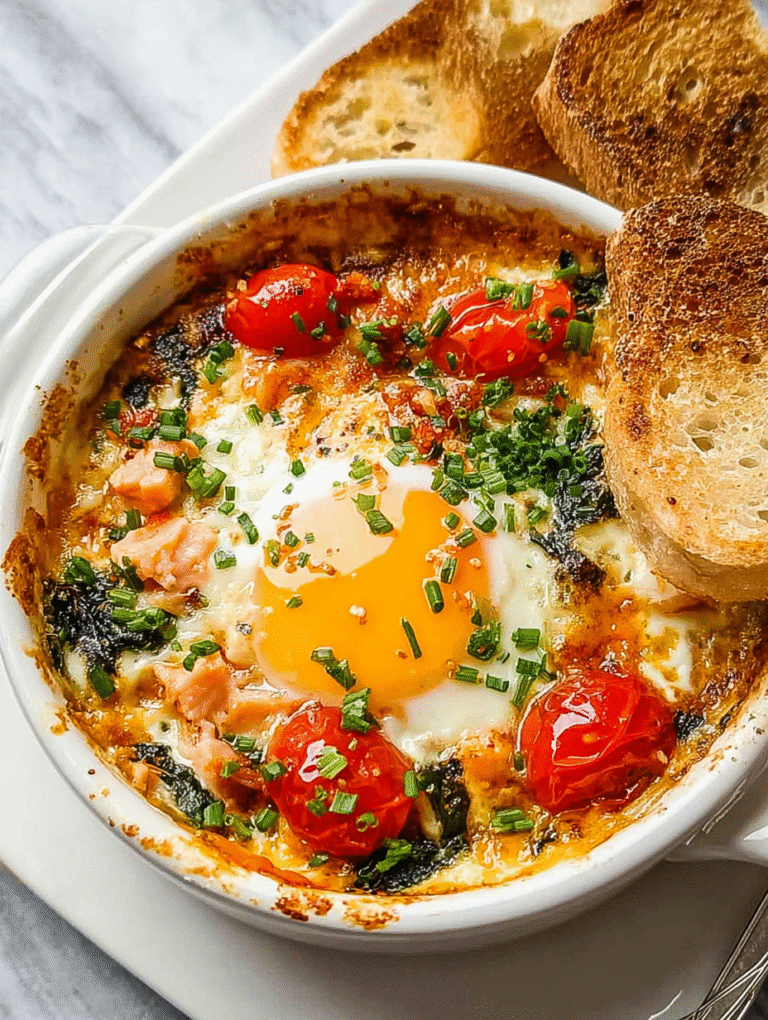
Baked Feta Eggs
Ready for brunch magic? Feta block, cherry tomatoes, and aromatic oregano bake at 400°F until luxuriously soft. Achieve the perfect tangy, creamy base for eggs instantly.
- Total Time: 35 minutes
- Yield: 4 servings
Ingredients
- Feta cheese block (6 ounces)
- Large Eggs (4)
- Olive oil (2 tablespoons)
- Cherry Tomatoes (1 cup, halved)
- Dried Oregano (1 teaspoon)
- Red Pepper Flakes (1/2 teaspoon)
- Freshly Ground Black Pepper (1/4 teaspoon)
- Kosher Salt (to taste, handle lightly as feta is salty)
Instructions
- Step 1: Preheat the oven to 400°F (200°C). Place the block of feta cheese in the center of a small oven-safe skillet or baking dish (about 8-10 inches wide).
- Step 2: Scatter the halved cherry tomatoes around the sides of the feta. Drizzle the olive oil generously over the feta and tomatoes. Sprinkle the dried oregano and red pepper flakes evenly over the ingredients.
- Step 3: Bake the feta and tomato mixture for 10 to 12 minutes, or until the feta is soft, hot, and slightly caramelized around the edges.
- Step 4: Carefully remove the dish from the oven. Using a spoon, gently push the tomatoes and feta aside to create four small indentations (wells) in the baking dish. Carefully crack one egg into each well.
- Step 5: Season the eggs lightly with a pinch of black pepper and salt (if desired). Return the dish to the oven and bake for another 8 to 12 minutes, depending on how runny you prefer your yolks, until the egg whites are set.
- Step 6: Serve immediately directly from the dish, using toasted bread or pita for dipping.
Notes
- Since feta is quite salty, only season the eggs directly after cracking them into the wells, tasting the tomato mixture first before adding any salt to the initial base.
- Store any leftovers promptly in an airtight container in the refrigerator for up to 2 days, keeping in mind that the egg yolks will firm up significantly once chilled.
- For a delicious serving twist, use warm, lightly toasted pita bread or crusty baguette slices perfect for soaking up the runny yolks and creamy tomato-feta sauce.
- To gently reheat, warm the dish loosely covered in an oven set to 300°F (150°C), as microwaving will quickly make the egg whites tough and rubbery.
- Prep Time: 15 minutes
- Cook Time: 20 minutes
- Method: Stovetop
- Cuisine: American
FAQs
How do I prevent my eggs from sticking to the baking dish?
The secret to avoiding a sticky situation, which is perhaps the most frustrating kitchen hiccup, involves a simple oiling routine. Generously coat your baking dish or individual ramekins with olive oil or a non-stick cooking spray before adding the ingredients. Feta cheese releases some moisture and fat, but eggs are notorious for bonding fiercely with ceramic surfaces. Using a high-quality non-stick spray or brushing the oil evenly ensures that your beautifully baked eggs slide right out onto your plate, making cleanup a breeze. Remember, a well-oiled dish guarantees breakfast bliss!
Can I make Baked Feta Eggs ahead of time for meal prep?
While fresh Baked Feta Eggs are undoubtedly the superior choice, you can definitely integrate them into your meal prep strategy. The key is to undercook the eggs slightly if you plan on reheating them later. Once cooled, store them in an airtight container in the refrigerator for up to three days. To reheat, use a microwave on low power or pop them back into a warm oven until heated through. Be aware that the texture of the yolk will firm up upon cooling and reheating, but the salty tang of the feta and herbs remains delicious, making a quick, savory breakfast attainable even on busy mornings.
What are the best savory additions to elevate this dish beyond the basic recipe?
Once you master the basic technique, feel free to turn your baked eggs into a gourmet feast by adding flavorful mix-ins. Consider layering sun-dried tomatoes, thinly sliced roasted red bell peppers, or a handful of fresh spinach beneath the eggs before baking. For protein, cooked ground beef or crumbled lamb sausage (fully cooked first!) provides a hearty boost. Finish the dish with a sprinkle of smoked paprika or a drizzle of chili oil right after pulling it from the oven for an added layer of complexity and a wonderful warming kick. Experimentation is highly encouraged!
Why did my baked eggs with feta come out rubbery instead of creamy?
Rubbery eggs are usually a sign of overcooking, which happens when the oven temperature is too high or the baking time is extended past the optimal point. Eggs cook quickly, and residual heat continues the process even after you remove them from the oven. To achieve that coveted creamy yolk and tender white, monitor them closely. Aim for barely set whites and a yolk that still has a slight wobble when gently shaken. If you prefer a runnier yolk, pull the dish out about a minute sooner than the recipe specifies. Perfection is often achieved through precise timing, not high heat.





Leave a Comment