
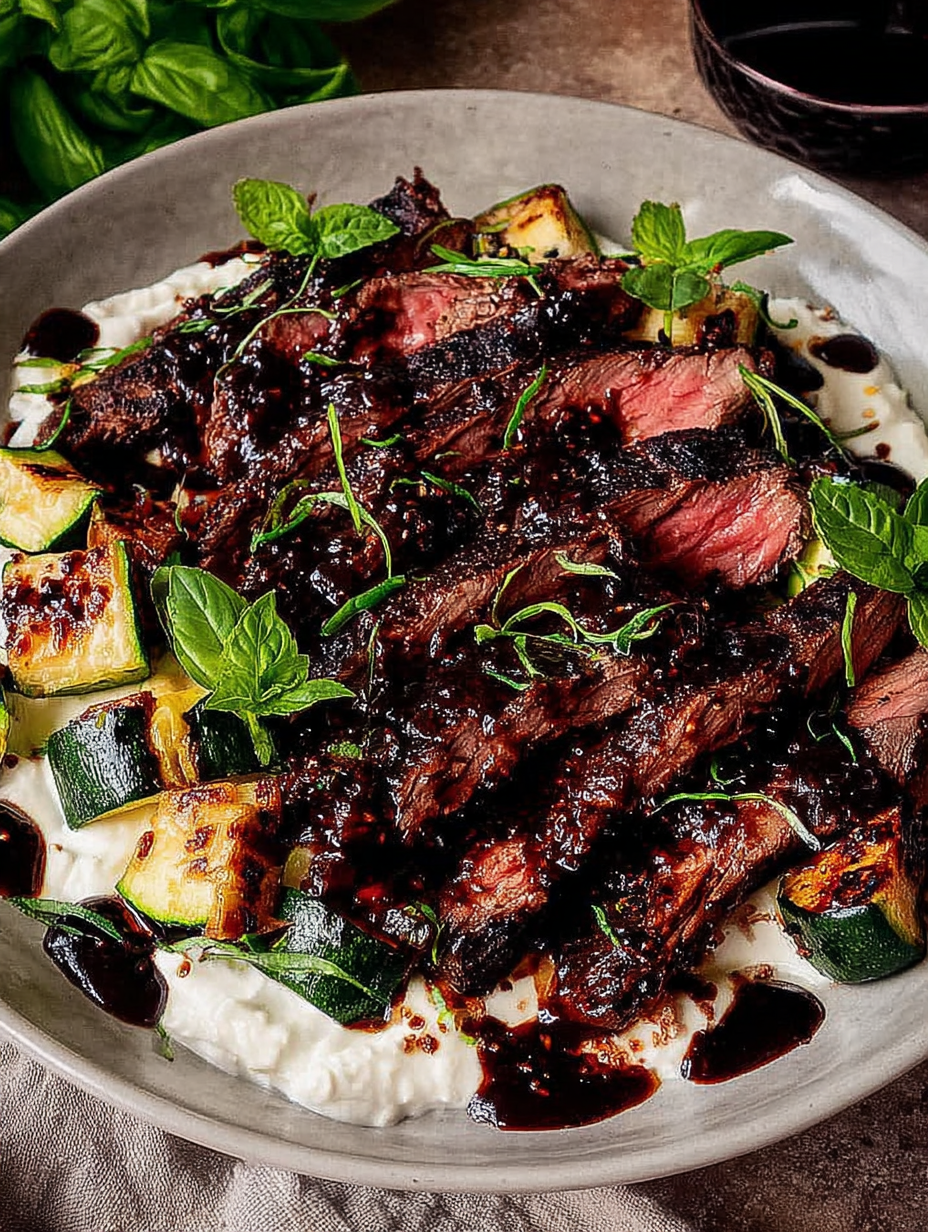
Forget the dry, rubbery excuses for steak you’ve endured; this recipe brings the flavor drama without the hassle. The tangy complexity of this incredibleBalsamic Flank Steakis so good, it might just make your socks disappear.
Picture a perfectly caramelized exterior giving way to tender, juicy beef—it’s the weeknight warrior dish that tastes like a weekend masterpiece. Get ready to impress yourself and everyone else at the table.
- Effortless preparation allows you to achieve intensely complex flavors using basic pantry staples and just ten minutes of active preparation time.
- The deep umami flavor balanced with the vibrant sweetness of the reduction creates an unbelievably craveable and sophisticated profile.
- This beautiful cut of beef develops a stunning, deeply colored crust, making the final presentation look like it came straight from a gourmet steakhouse kitchen.
- Flank steak is versatile enough to star as a main course or be sliced thinly for incredible steak tacos, savory lunchtime salads, and hearty wraps.
Why This Balsamic Flank Steak Recipe Is Your New Go-To
We all have that one recipe that smells incredible while cooking, only to deliver disappointing, tough results once it hits the plate. For years, steak felt like my culinary nemesis. I would watch cooking shows, convinced I had mastered the “perfect sear,” only to present my family with a piece of charred rubber—which, naturally, they still ate out of pity. My attempts at marinades were equally chaotic, often involving random kitchen liquids tossed together in a hopeful, yet ultimately fruitless, endeavor.
That all changed the day I discovered the magic formula forBalsamic Flank Steak. This isn’t just a marinade; it’s an edible intervention for anyone who has ever wrestled with beef. The secret lies in using the potent acidity of balsamic vinegar not just for flavor, but as a tenderizer, helping to break down those tough muscle fibers. The result? A remarkably tender, flavor-packed flat iron steak that cooks quickly and impresses profoundly. This recipe demands minimal effort but gives maximum flavor returns, making it the perfect solution for busy weeknights when you want gourmet taste without the gourmet headache. It truly is the foolproof, low-maintenance centerpiece your dinner table deserves, transforming a budget-friendly cut into something luxurious.
The Magic of the Marinade: Flavor Science (and Dad Jokes)
The marinade is where the real work happens—though calling it “work” feels like an insult to the beef, which just sits there soaking up all the glory. You only need a handful of essential ingredients that pack a massive punch. We use high-quality balsamic vinegar for that sweet-tangy base, robust olive oil to carry the flavor into the meat, and a generous helping of brown sugar to caramelize beautifully on the grill or in the pan. We skip the complicated herbs and stick to simple aromatics like freshly minced garlic and a dash of dried oregano. The acids in the vinegar do the heavy lifting, tenderizing the connective tissue and ensuring the meat is moist and receptive to the bold flavors.
Do not be tempted to skip the brown sugar. When the steak hits the high heat, this sugar content creates a stunning, deeply mahogany-colored crust—the Maillard reaction at its most beautiful. This crust locks in the juices and provides that perfect textural contrast to the tender interior. If you’re worried about over-marinating, don’t fret too much; flank steak is hearty. While four hours is perfect, you can safely leave it bathing in flavor for up to 12 hours without turning it into mush, allowing you incredible flexibility in your meal preparation schedule.
The Perfect Sear: Mastering the Heat
Achieving that stunning crust requires heat, and lots of it. Whether you are using a heavy cast iron skillet, a grill pan, or an outdoor barbecue, you must ensure the surface is screaming hot before the steak touches it. Cold steak on a cold pan leads to steaming, which is the nemesis of flavor and texture. Once the pan is shimmering or the grill grates are white-hot, oil the steak—not the pan—and carefully lay the beef down. Listen for that satisfying sizzle; it is the sound of dinner going exactly right.
Flank steak is a relatively thin cut, so it cooks quickly. For a beautiful medium-rare—the optimal doneness for this cut—you will typically need about 4 to 6 minutes per side, depending on the exact thickness. Resist the urge to poke, prod, or move the steak repeatedly. Let it develop that gorgeous crust undisturbed for those first four minutes. Flipping it once halfway through is all the attention it needs until it reaches the desired internal temperature, usually between 130°F to 135°F (54°C to 57°C) for medium-rare perfection. Remember, mastering the sear means mastering patience for those crucial first few minutes.
Ingredients for Balsamic Flank Steak
Here’s what you’ll need to make this delicious dish:
- Flank SteakSelect a cut that is uniformly thick, ensuring even cooking, typically around 1.5 to 2 pounds for four servings.
- Balsamic VinegarUse a quality brand; its deep, aged flavor is the foundation of this entire recipe.
- Olive OilExtra virgin olive oil helps distribute the marinade flavors and prevents the meat from sticking to the cooking surface.
- Brown SugarThis ingredient provides essential sweetness to counteract the vinegar’s tang and aids in achieving superior caramelization.
- GarlicFreshly minced cloves are necessary; they infuse the beef with a warm, pungent aroma that elevates the overall dish.
- Dried Oregano and ThymeA simple mixture of these dried herbs adds an earthy, classic seasoning component to the marinade mixture.
- Salt and Black PepperUse coarse kosher salt and freshly ground pepper to season the beef generously before and after the marinade process.
The full ingredients list, including measurements, is provided in the recipe card directly below.
How to Make Balsamic Flank Steak
Follow these simple steps to prepare this delicious dish:
Step 1: Prepare the Marinated Steak Mixture
In a medium bowl, thoroughly whisk together the balsamic vinegar, olive oil, brown sugar, minced garlic, oregano, thyme, salt, and pepper until the sugar dissolves completely. Place the flank steak in a large, sealable bag or shallow dish. Pour the marinade over the steak, ensuring the entire surface is coated. Seal the bag, pressing out excess air, and place it in the refrigerator to marinate for at least 4 hours, or up to 12 hours for maximum flavor depth.
Step 2: Bring Steak to Room Temperature and Prepare Heat
Remove the marinated flank steak from the refrigerator about 30 minutes before cooking. This crucial step promotes even cooking throughout the thickness of the meat. Meanwhile, preheat your grill, grill pan, or heavy cast iron skillet to high heat. The surface should be extremely hot to facilitate immediate searing.
Step 3: Sear the Steak
Carefully remove the steak from the marinade, allowing the excess liquid to drip off (do not wipe it completely dry). Place the steak onto the preheated cooking surface. Sear the steak aggressively for 4 to 6 minutes on the first side without moving it, allowing a deep crust to form. Flip the steak only once and cook for an additional 3 to 5 minutes, checking the internal temperature with a meat thermometer.
Step 4: Check for Doneness
Aim for an internal temperature of 130°F (54°C) for medium-rare or 135°F (57°C) for medium. Insert the thermometer horizontally into the thickest part of the beef. Remember that the temperature will rise by several degrees while the steak rests, so pull it off the heat just before it reaches the target temperature.
Step 5: Rest the Beef
Transfer the cooked flank steak to a clean cutting board. Tent it loosely with foil and allow it to rest undisturbed for 10 full minutes. This resting period is non-negotiable; it allows the muscle fibers to relax and redistribute those delicious juices, guaranteeing tenderness and moisture.
Transfer to plates and drizzle with the pan juices or any reduced marinade for the perfect finishing touch.
Tips for the Ultimate Balsamic Flank Steak
Succeeding with this cut of beef is all about technique, not complexity. Flank steak is notorious for being tough if handled incorrectly, but following a few simple professional steps ensures a tender and unforgettable meal. Always use a digital thermometer; guessing at doneness is the fastest way to ruin a good cut of meat. The difference between medium-rare and well-done can be a matter of only two minutes on high heat, so vigilance is key during the cooking process.
Slicing Against the Grain: The Tenderizer Trick
This is arguably the most important step after resting: you must slice flank steak against the grain. Look closely at the cooked meat, and you will see long fibers running parallel across the cut—that is the grain. If you slice parallel to the grain, you end up with chewy, rope-like pieces. To ensure maximum tenderness, position your knife perpendicular to those lines and slice into thin, uniform pieces. Thin slices—about half an inch thick—cut against the grain shorten those tough muscle fibers, making the beef melt in your mouth, which is the only way to truly enjoy marinated flank steak.
What to Serve with Your Marinated Steak
Since the steak is rich and deeply flavored, pairing it with something fresh and light works beautifully. A simple side of roasted asparagus tossed with lemon zest offers a bright, acidic contrast that cleanses the palate. Creamy polenta or garlic mashed potatoes provide a comforting base to soak up all those beautiful balsamic pan juices. For a lighter approach, serve it alongside a vibrant arugula salad dressed with a sharp vinaigrette and shaved Parmesan. You might also consider turning this sliced beef into an incredible main component for stuffed bell peppers or hearty grain bowls.
Frequently Asked Questions About Flank Steak
Can I substitute the flank steak with another cut of beef?
Absolutely. You can use skirt steak or hangar steak, which are similar cuts that benefit greatly from the same acidic marinade. Keep in mind that these cuts are often thinner than flank steak and will require less cooking time, usually only 3 to 4 minutes per side to achieve medium-rare.
How long should I marinate the steak for the best results?
For optimal flavor infusion and tenderization, marinate the steak for a minimum of 4 hours. If your schedule allows, marinating for 8 to 10 hours will further deepen the complex savory and sweet notes without negatively affecting the texture of the beef.
How do I create a sauce from the leftover marinade?
You should never use raw marinade for dipping due to food safety concerns. However, you can create a beautiful balsamic reduction sauce by boiling the strained leftover marinade rapidly in a small saucepan for about 5 to 7 minutes until it thickens and reduces by about half. This intense reduction makes an excellent, safe drizzle for the finished steak.
What if I don’t own a grill?
This recipe works perfectly indoors! Use a heavy cast iron skillet, which retains heat exceptionally well, or a quality grill pan. Follow the same high-heat searing technique, ensuring your kitchen is well-ventilated, as the balsamic reduction can create a lot of flavorful smoke.
Life is too short for boring beef. You know the drill: it’s 6 PM, everyone is hungry, and you are staring blankly into the refrigerator, trying to conjure a dinner masterpiece out of two lonely bell peppers and a package of beef. For years, I suffered through dry, overcooked cuts, trying to find that sweet spot between rapid preparation and jaw-dropping flavor. Then, the celestial choir sang, the heavens parted, and I discovered the profound power of marinating a humble flank steak in a deep, syrupy bath of balsamic vinegar.
This isn’t just a recipe; it’s a weeknight intervention. The secret to transforming a relatively lean, tough cut into something incredibly tender and bursting with flavor lies entirely in the marinade time and a scorching hot pan. The result is a perfect, tangy, savory, and slightly sweet piece of meat that makes you feel like you just spent three hours simmering something complicated, when in reality, you just allowed the vinegar to do all the heavy lifting.
Forget the stress of elaborate sauces and fussy techniques. We are going straight for maximum impact with minimal effort. Prepare to meet your new favorite dinner centerpiece—the spectacular, easy, and unbelievably flavorfulBalsamic Flank Steak.
The Secret Weapon: Ingredients for Balsamic Flank Steak
A great marinade relies on balance: acid to tenderize, sugar for caramelization, and aromatics for depth. This combination is guaranteed to deliver on all fronts, creating that sought-after sticky glaze when cooked.
For the Balsamic Flank Steak Marinade
- 1.5 lbs flank steak (about 1 inch thick)
- ½ cup good quality balsamic vinegar
- ¼ cup beef broth (low sodium)
- 2 tablespoons olive oil
- 2 tablespoons brown sugar, packed
- 1 tablespoon Worcestershire sauce (ensure it is free of restricted ingredients)
- 2 cloves garlic, minced
- 1 teaspoon dried thyme
- ½ teaspoon black pepper
For Cooking and Finishing
- 1 tablespoon olive oil (for searing)
- 1 tablespoon unsalted butter or plant-based alternative
- Pinch of coarse sea salt (for finishing)
Step-by-Step Culinary Commandos
Preparation is key to achieving that perfect crust and medium-rare interior. Following these steps ensures your flank steak absorbs maximum flavor and cooks evenly.
Marinating for Maximum Impact
- Pat the flank steak dry using paper towels. This helps the marinade cling better and promotes a superior crust during searing.
- In a medium bowl, whisk together all the marinade ingredients: balsamic vinegar, beef broth, olive oil, brown sugar, Worcestershire sauce, minced garlic, thyme, and pepper.
- Place the steak into a large, sealable plastic bag or a shallow glass dish. Pour the marinade over the top, ensuring the steak is fully coated.
- Marinate in the refrigerator for at least two hours, but ideally, aim for four to eight hours. For the most tender result, you can even let it sit overnight. Do not marinate for more than 24 hours, as the acidity can start to break down the meat structure too much.
- About 30 minutes before cooking, remove the steak from the refrigerator to allow it to come closer to room temperature. This promotes even cooking. Reserve the leftover marinade.
The Art of the Perfect Sear
- Heat a heavy-bottomed skillet (cast iron works best) over high heat. Add one tablespoon of oil until it shimmers and is just smoking. Heat is crucial here for a dark, flavorful crust.
- Carefully place the marinated flank steak into the hot pan, discarding any excess marinade clinging to the surface.
- Sear the steak for 3–5 minutes per side. For medium-rare (internal temperature of 130°F–135°F), aim for 4 minutes per side. Adjust time slightly if your steak is thinner or thicker than one inch.
- Remove the steak from the pan and place it on a cutting board. Tent it loosely with foil. Let it rest for a non-negotiable 10 minutes. This resting period redistributes the juices, guaranteeing a tender, moist steak.
Creating the Balsamic Glaze
- While the steak rests, pour the reserved marinade into the hot skillet. Bring the marinade to a rolling boil over medium-high heat.
- Reduce the heat and let the mixture simmer for 5–7 minutes, or until the liquid has reduced by half and thickened into a syrupy, glossy glaze.
- Remove the skillet from the heat and stir in the tablespoon of butter until melted and smooth. This adds richness and shine to the finished glaze.
- Slice the rested flank steak thinly against the grain. Cutting against the grain is vital for maximizing tenderness.
- Arrange the slices on a platter and drizzle generously with the warm balsamic glaze. Serve immediately with your favorite sides, such as roasted asparagus or mashed sweet potatoes.
Perfecting the Cooking Process
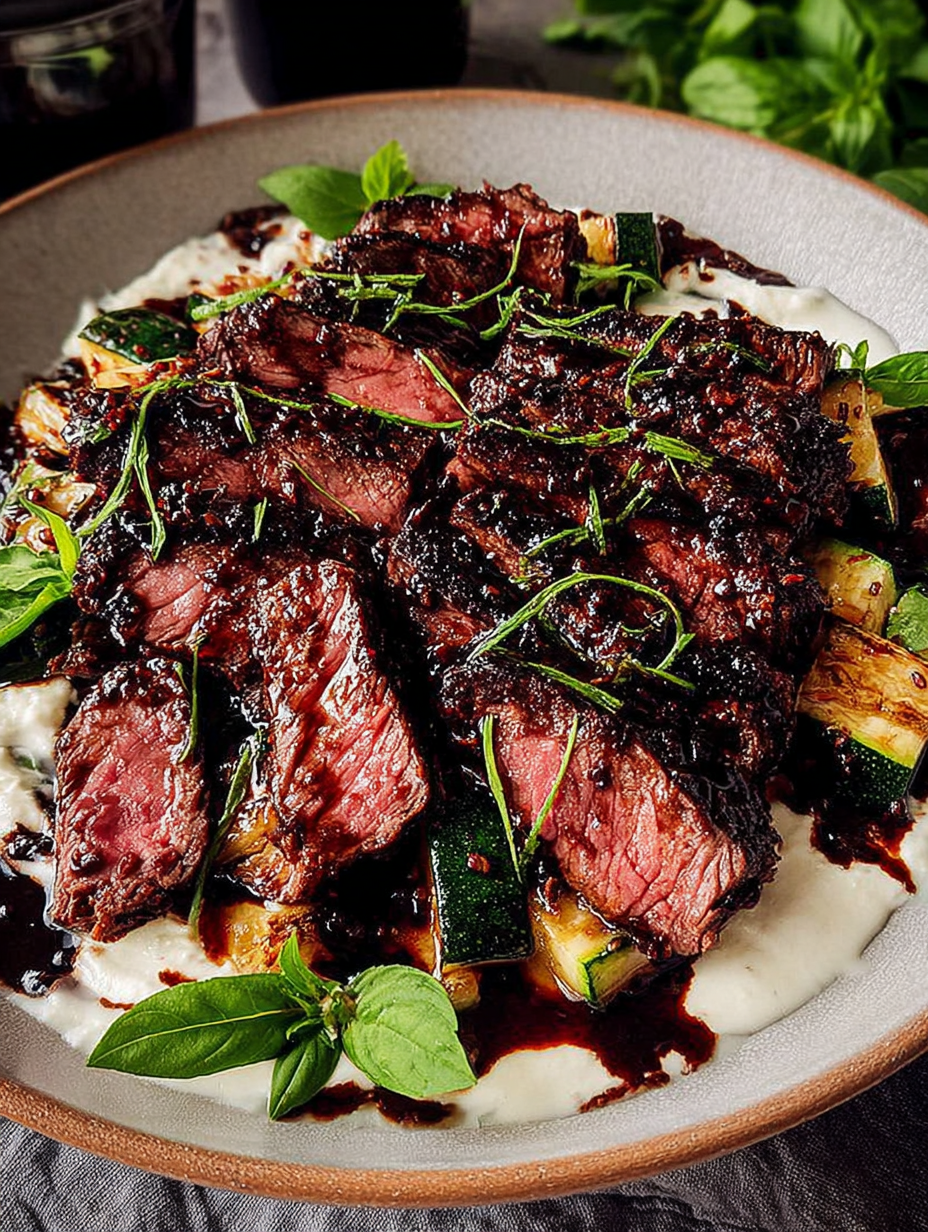
Mastering this dish means focusing on heat management. Sear the marinated beef first in a blazing hot pan to lock in moisture and develop a crust. While the steak rests, immediately use the flavorful fond and remaining marinade to create the thick, glossy glaze.
Add Your Touch
Try swapping the dried thyme for fresh rosemary or adding a tablespoon of fig jam to the marinade for extra sweetness and depth. A splash of pomegranate molasses or orange juice can also replace some of the beef broth for brightness and enhanced flavor complexity.
Storing & Reheating
Store leftover cooked steak tightly sealed in an airtight container in the refrigerator for up to three days. Reheat sliced portions gently in a covered skillet over low heat with a touch of broth to prevent drying out the delicious, tender meat.
My neighbor tried to steal the aroma right out of my kitchen window when I first perfected this Balsamic Flank Steak recipe; it definitely makes a memorable impression and always invites compliments.
Chef’s Expert Tips for Flawless Flavor
-
Always slice the flank steak strictly against the grain; look closely for the long muscle fibers running down the meat before you cut.
-
Ensure your skillet is smoking hot before adding the steak, otherwise, you will steam the meat instead of achieving a desirable, crisp sear.
-
Use high-quality balsamic vinegar. Since the flavor is so concentrated in the final glaze, better quality vinegar makes a huge difference in taste.
Your Burning Questions Answered
How long should I marinate flank steak for maximum tenderness?
For the best texture and flavor absorption, you should aim to marinate the flank steak for at least four hours. If time allows, marinating it for eight hours, or even up to 12 hours, allows the acidic balsamic vinegar to properly tenderize the tough muscle fibers.
What happens if I overcook my Balsamic Flank Steak?
Flank steak is a lean cut, meaning it quickly becomes dry and tough when cooked past medium. To avoid this, use a meat thermometer and pull the steak off the heat right when it hits 125°F (if you are aiming for medium-rare), remembering that the temperature will rise while it rests.
Can I prepare this recipe using a different cut of beef?
Absolutely! This incredible balsamic marinade works wonderfully with other lean, flat cuts. Try using skirt steak or hanger steak. However, keep in mind that those cuts are often thinner, so reduce your searing time to about 2-3 minutes per side.
Why is resting the steak so crucial after cooking?
Resting allows the muscle fibers, which contract during high-heat cooking, to relax. When they relax, the internal juices that have been pushed to the center redistribute evenly throughout the meat. If you skip resting, all those flavorful juices will run out onto your cutting board, leaving the steak dry.
The Recipe Card: Balsamic Flank Steak
Prep Time
15 minutes
Marinating Time
4–8 hours
Cook Time
15 minutes
Servings
4 people
Ingredients
- 1.5 lbs flank steak
- ½ cup balsamic vinegar
- ¼ cup beef broth
- 2 tbsp olive oil (for marinade)
- 2 tbsp brown sugar
- 1 tbsp Worcestershire sauce
- 2 cloves garlic, minced
- 1 tsp dried thyme
- ½ tsp black pepper
- 1 tbsp olive oil (for searing)
- 1 tbsp butter or plant-based alternative
Instructions
- Whisk together all marinade ingredients and pour over the flank steak. Marinate in the refrigerator for 4 to 8 hours.
- Remove the steak from the fridge 30 minutes before cooking. Reserve the leftover marinade for the glaze.
- Heat a heavy skillet (cast iron preferred) over high heat with 1 tbsp of oil until shimmering.
- Sear the steak for 3 to 5 minutes per side until a deep crust forms and the desired internal temperature is reached (130°F for medium-rare).
- Remove the steak and rest it, loosely tented with foil, for 10 minutes.
- Pour the reserved marinade into the hot skillet. Bring to a boil, then reduce heat and simmer for 5–7 minutes until it thickens into a glossy glaze. Stir in the butter.
- Slice the rested steak thinly against the grain and drizzle with the warm balsamic glaze before serving.
The Weeknight Dinner Rescue Mission: Enter the Balsamic Flank Steak
We’ve all been there: 6 PM hits, the hunger monster is roaring, and the fridge looks like a crime scene committed by leftovers. You need something fast, something flavorful, and something that doesn’t require a culinary degree. That’s where the magic of theBalsamic Flank Steakswoops in like a superhero in a slightly stained apron. This recipe isn’t just dinner; it’s a declaration of victory against boring weeknights.
Flank steak is the unsung hero of the beef world. It’s relatively inexpensive, takes flavor like a champ, and cooks in minutes. But the secret sauce—or rather, the secret marinade—is the tangy, sweet, and deeply savory mixture that transforms a simple piece of meat into something guests will rave about. Forget those overly complicated recipes; this one is pure, concentrated deliciousness designed for minimal effort and maximum reward.
The Unbeatable Marinade for Flavor Perfection
Ingredients for the Best Balsamic Flank Steak
Gathering your supplies should be quick. We focus on pantry staples that deliver huge flavor.
- 1.5 lbs Flank Steak (about 1-inch thick)
- 1/2 cup Quality Balsamic Vinegar
- 1/4 cup Olive Oil
- 2 cloves Garlic, minced
- 1 tablespoon Brown Sugar (or maple syrup for subtle sweetness)
- 1 teaspoon Dijon Mustard
- 1 teaspoon Dried Thyme or Rosemary
- 1/2 teaspoon Freshly Ground Black Pepper
- 1/2 teaspoon Salt
Mixing the Magic: How to Marinate
This marinade is so simple, you could mix it while juggling lemons. Whisk together all ingredients—except the steak, obviously—in a medium bowl. Place the flank steak in a resealable bag or shallow dish. Pour the marinade over the meat, ensuring it’s fully coated. We recommend letting it soak up all that goodness for at least 3 hours, but if you’re a planning wizard, leave it overnight. The longer the soak, the tenderer and punchier your marinated flank steak will be. Remember to flip the bag occasionally to ensure even coating and maximum flavor absorption. This step is critical for developing that deep, satisfying flavor profile we crave.
Grilling or Searing Your Flank Steak Masterpiece
The cooking process for flank steak is lightning fast, so preparation is key. Remove the steak from the marinade about 30 minutes before cooking and pat it thoroughly dry with paper towels. This crucial step helps create that beautiful, crusty sear, preventing the meat from steaming instead of caramelizing. Discard the excess marinade immediately.
High Heat is Your Friend
Whether you use a screaming hot grill or a cast-iron skillet, high heat is mandatory for this steak recipe. For medium-rare (which is highly recommended for flank steak), aim for about 4–6 minutes per side, depending on your heat source. If you are unsure about doneness, use a meat thermometer. Pull the steak when it reaches 130°F (54°C) internally. Don’t worry; it will continue to cook slightly as it rests, bringing it to the perfect, juicy temperature.
The Art of Resting and Slicing
Patience is perhaps the most difficult ingredient to master, but resting the steak is non-negotiable. Transfer the cooked steak to a clean cutting board and loosely tent it with foil. Let it rest for a full 10 minutes. If you skip this step, all those lovely juices will flood your cutting board, leaving you with dry meat. When ready to slice, find the grain—those long, visible muscle fibers—and cut sharply against them at a slight diagonal. This final, precise step ensures every bite of your beautiful Balsamic Flank Steak is fork-tender.
Conclusion for Balsamic Flank Steak
TheBalsamic Flank Steakrecipe proves that gourmet results do not require hours of complex kitchen work. By utilizing a simple yet potent marinade of balsamic vinegar, olive oil, and key seasonings, you transform an affordable cut of beef into a magnificent centerpiece meal. Remember the three cardinal rules for perfection: marinate generously, cook hot and fast to develop a proper crust, and always rest before slicing against the grain. This recipe delivers a satisfying balance of sweet, tangy, and savory flavors, making it the perfect choice whether you are hosting a casual gathering or simply winning the nightly battle against quick dinner fatigue. Go forth and conquer your kitchen with this flavor bomb!
Print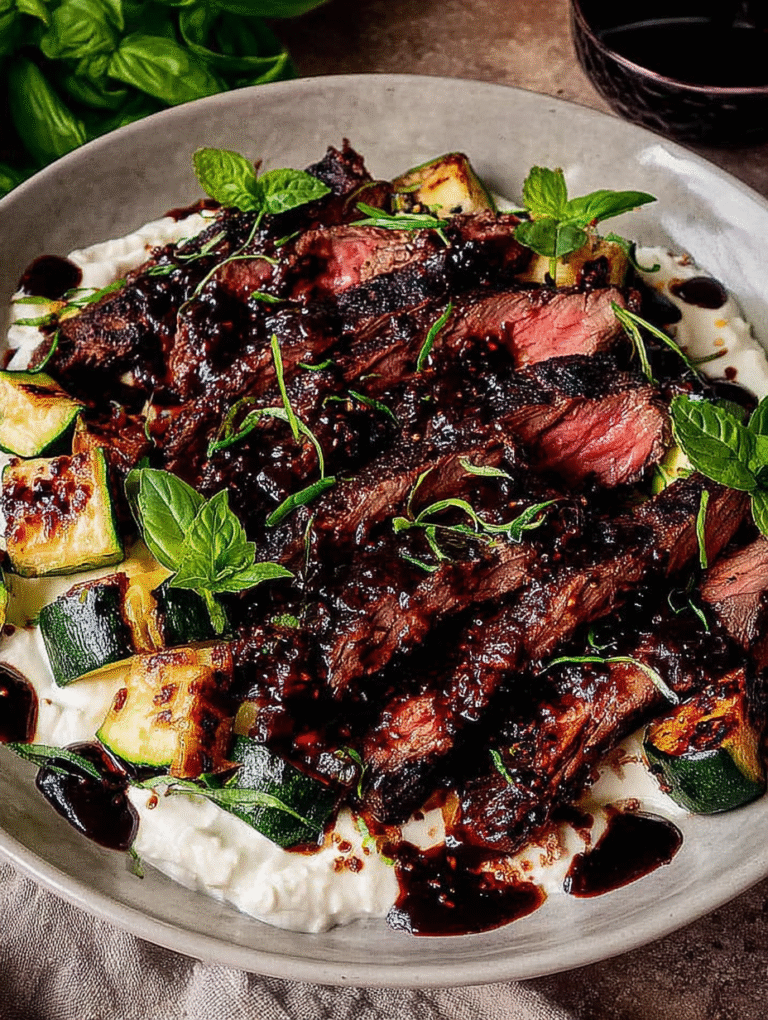
Balsamic Flank Steak
Master this ultimate Balsamic Flank Steak. Tangy vinegar, robust garlic, and sweet brown sugar deeply penetrate the beef during the essential 4-12 hour soak.
- Total Time: 35 minutes
- Yield: 4 servings 1x
Ingredients
- 1.5 pounds flank steak
- 1/2 cup balsamic vinegar
- 1/4 cup olive oil
- 4 cloves garlic, minced
- 1 tablespoon brown sugar (packed)
- 1 teaspoon dried rosemary
- 1 teaspoon kosher salt
- 1/2 teaspoon black pepper
Instructions
- Step 1: In a medium bowl, whisk together the balsamic vinegar, olive oil, minced garlic, brown sugar, dried rosemary, salt, and pepper until the sugar is dissolved. This mixture forms the marinade.
- Step 2: Place the flank steak in a large zip-top bag or a shallow dish and pour the balsamic marinade over the steak, ensuring it is fully coated. Seal the bag (or cover the dish) and refrigerate for a minimum of 4 hours, or up to 12 hours, turning the steak halfway through.
- Step 3: Remove the steak from the marinade 30 minutes before cooking to allow it to come closer to room temperature. Preheat a grill (or a cast-iron skillet) to high heat. Discard the excess marinade.
- Step 4: Grill the steak for 4 to 6 minutes per side for medium-rare (internal temperature of 130-135°F), or adjust cooking time based on desired doneness. Use tongs to transfer the steak directly to a cutting board once cooked.
- Step 5: Allow the cooked flank steak to rest undisturbed for 10 minutes. This is critical for retaining the juices. After resting, use a sharp knife to slice the steak thinly against the grain before serving.
Notes
- To prevent leftovers from drying out, store any un-sliced portions of the cooked flank steak in an airtight container for up to three days.
- Reheat slices gently in a 300°F oven or toaster oven wrapped loosely in foil for about 5-7 minutes, ensuring they are just warmed through and not overcooked, which would toughen the meat.
- The intense balsamic marinade pairs beautifully with starchy sides like creamy garlic polenta or roasted potatoes, and a fresh garnish of chopped parsley brightens the presentation.
- Since the marinade includes brown sugar, keep a close watch while grilling, as the sugars can caramelize quickly and risk burning if the heat is uneven or excessively high.
- Prep Time: 15 minutes
- Cook Time: 20 minutes
- Method: Stovetop
- Cuisine: American
FAQs
How long should I marinate my Balsamic Flank Steak for the best flavor?
The ideal marinating time depends on how deep you want the flavor to penetrate the beef. While you can certainly get away with a quick 30-minute marinade if you are in a desperate rush, we strongly recommend allowing at least 3 to 4 hours in the mixture. For maximum tenderness and the most profound balsamic taste, marinate the flank steak overnight, up to 12 hours. Since balsamic vinegar contains acid, avoid marinating for much longer than 12 hours, as the texture of the beef might start to break down too much, potentially leading to a slightly mushy, rather than tender, result.
Can I use a different cut of beef instead of flank steak for this recipe?
Absolutely! If you cannot find flank steak, or prefer a different texture, this flavorful balsamic marinade works wonderfully with several other thin cuts of beef. Skirt steak is an excellent substitute; it cooks quickly and absorbs the flavors beautifully, though it requires careful slicing against the grain dueing its looser structure. You could also successfully use sirloin steak or even flat iron steak with minimal alteration to the marinade ratios. Just adjust your cooking times slightly based on the thickness of the alternative cut, ensuring high heat remains the primary cooking method for a great exterior crust.
What are the best side dishes to serve alongside this Balsamic Flank Steak?
Because the flavor profile of theBalsamic Flank Steakis rich, savory, and slightly sweet, it pairs perfectly with crisp, fresh sides and hearty starches. Consider serving it with garlic-roasted asparagus or charred green beans, which offer a delightful crunch and freshness. Creamy polenta or garlic mashed potatoes are excellent starches for soaking up those delicious meat juices that gather on the plate. For a lighter meal, a simple arugula salad tossed with goat cheese and a light lemon vinaigrette offers a refreshing, peppery counterpoint to the deep, satisfying flavors of the beef.
How do I ensure my flank steak remains tender and doesn’t become tough?
Tough flank steak usually results from two key errors: overcooking and incorrect slicing. First, monitor the internal temperature carefully; cooking past medium (140°F/60°C) significantly increases toughness and moisture loss. Second, resting the meat for 10 minutes after cooking allows the muscle fibers to relax and redistribute the internal juices effectively. Crucially, always locate the grain—the direction the muscle fibers run—and use a very sharp knife to slice perpendicular (against) that grain. Thin, angled slices against the grain ensure maximum tenderness in every single bite.




Leave a Comment