
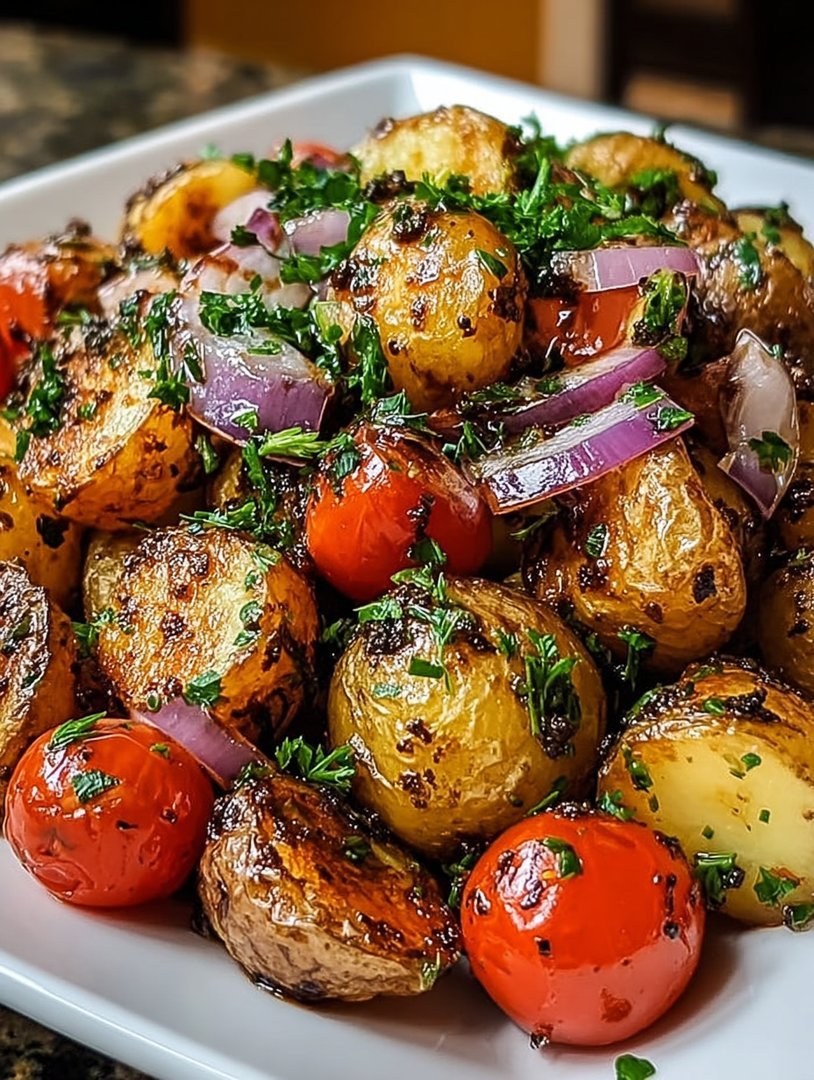
Forget those pale, mayonnaise-drenched tubs of despair often seen sadly sweating at summer cookouts. We are elevating the humble side dish into a sophisticated star with a vibrant tang. ThisBalsamic Potato Saladis sharp, savory, and entirely unforgettable.
I still remember the time I spilled the first, massive batch trying to impress my extremely competitive aunt. Thankfully, the flavor profile—tangy balsamic, fresh herbs, and perfectly tender potatoes—is so deeply satisfying, it’s worth the minor kitchen disaster. Get ready for applause, not cleanup duty.
- Bold Flavor Profile: Experience a delightful dance of sweet, savory, and tangy notes, achieved through the robust reduction of quality balsamic vinegar and Dijon mustard.
- Effortless Elegance: This recipe simplifies side dish preparation, requiring minimal cooking time and maximum flavor payoff for any gathering or casual weeknight meal.
- Vibrant Visual Appeal: Unlike traditional versions, this salad boasts deep, caramelized colors from the dressing, studded beautifully with brilliant green fresh parsley and chives.
- Unbeatable Versatility: Serve this side dish warm or chilled alongside grilled chicken skewers or robust roasted vegetables; it transitions perfectly between seasons and mains.
Why This Balsamic Potato Salad is Your New Picnic MVP
If you have ever attended an outdoor potluck, you know the inherent drama associated with traditional potato salad. It involves mayonnaise, sunshine, and a ticking clock. It’s a culinary tragedy waiting to happen. Thankfully, this vinegar-based dressing removes all that high-stakes worry from the equation, replacing potential spoilage anxiety with pure, delicious confidence.
This recipe is built for success. It relies on the robust, complex flavor of reduced balsamic vinegar and quality olive oil rather than heavy creams. The result is a lighter, brighter, and inherently more resilient salad that maintains its integrity even if your barbecue runs slightly long. It pairs beautifully with everything from slow-cooked brisket to grilled vegetable skewers, offering a welcome acidic contrast that cuts through richness.
The Magic of Balsamic Vinegar in Potato Salad
We are not just dumping a bottle of vinegar into the bowl; we are engaging in a minor culinary alchemy called reduction. Simmering the balsamic vinegar concentrates its sugars and deepens its color, transforming it from a slightly sharp liquid into a thick, syrupy glaze. This concentrated flavor is key to achieving that restaurant-quality depth.
The reduction process mellows the vinegar’s harsh acidity while boosting its natural sweetness. When combined with savory elements like mustard, finely diced red onion, and garlic, the dressing achieves a perfect equilibrium. This balanced flavor profile allows the natural starchiness of the potatoes to shine, rather than being overwhelmed by thick, fatty binders.
Mastering the Art of Potato Selection
Choosing the right potato is critical. You are aiming for a salad, not a bowl of chunky mash. Avoid starchy potatoes, like Russets, which tend to fall apart when boiled and aggressively tossed. They absorb too much liquid, leading to a gluey texture that nobody wants.
Instead, focus entirely on waxy varieties. Waxy potatoes, such as Yukon Golds, new potatoes, or small red potatoes, have a lower starch content and hold their shape beautifully after cooking. Their skin is thinner and their flesh remains firm, ensuring every piece retains its integrity when coated in the luscious balsamic dressing. Keep the skins on for extra texture and nutritional value; just make sure to scrub them thoroughly before cooking.
Ingredients for Balsamic Potato Salad
Here’s what you’ll need to make this delicious dish:
- Yukon Gold PotatoesSelect medium-sized potatoes; their creamy texture and ability to hold their shape make them the optimal choice for this type of salad.
- High-Quality Balsamic VinegarUse a vinegar you enjoy drinking straight; better quality balsamic has a richer flavor and requires less time to reduce into a syrup.
- Extra Virgin Olive OilChoose a robust, fruity oil that complements the sharpness of the vinegar and provides a smooth mouthfeel for the dressing.
- Dijon MustardThis acts as a necessary emulsifier, helping the oil and vinegar stay together while adding a pungent kick that balances the sweet reduction.
- Fresh HerbsA combination of finely chopped chives and flat-leaf parsley adds freshness, color, and a vibrant, grassy note that cuts through the richness.
- Red OnionFinely mince the onion to provide a sharp textural contrast and a necessary aromatic base; soaking it briefly in water can reduce its intensity if preferred.
The full ingredients list, including measurements, is provided in the recipe card directly below.
How to Make Balsamic Potato Salad
Follow these simple steps to prepare this delicious dish:
Step 1: Prep and Cook the Potatoes
Wash the potatoes thoroughly, removing any blemishes. Place them in a large pot and cover with cold, salted water. Bring the water to a boil, then reduce the heat and simmer until the potatoes are fork-tender, which usually takes 15 to 20 minutes depending on their size. Drain the potatoes immediately and allow them to cool just enough so you can handle them easily. Cut the warm potatoes into halves or quarters, aiming for uniform, bite-sized pieces.
Step 2: Create the Balsamic Reduction
In a small saucepan, pour the balsamic vinegar and bring it to a gentle simmer over medium-low heat. Let it bubble lightly, stirring occasionally, until the volume has reduced by about half and the liquid coats the back of a spoon, resembling a light syrup. This process takes approximately 8 to 12 minutes. Remove the reduction from the heat and set it aside to cool slightly.
Step 3: Whisk Together the Dressing
In a large bowl, whisk together the slightly cooled balsamic reduction, the extra virgin olive oil, and the Dijon mustard. Add minced fresh garlic, salt, and freshly ground black pepper. Whisk continuously until the dressing is well combined and slightly emulsified. The dressing should smell intensely savory, tangy, and sweet.
Step 4: Combine Ingredients
Gently transfer the still-warm potato pieces into the large bowl with the dressing. Add the finely minced red onion, chives, and parsley. Use a spatula or wooden spoon to gently fold the dressing and aromatics into the potatoes, ensuring every piece is coated. The warmth of the potatoes is crucial here, as it helps them absorb the depth of the vinegar flavor.
Step 5: Rest and Serve
Cover the salad and let it rest at room temperature for at least 30 minutes, allowing the potatoes to fully absorb the dressing. For maximum flavor integration, chilling the salad for 2 to 3 hours is recommended, though you may prefer it served slightly warm. Just before serving, taste and adjust the seasoning one last time, adding more salt or pepper as needed.
Transfer to plates and drizzle with any remaining dressing left in the bowl for the perfect finishing touch, garnishing with an extra sprinkle of fresh chives.
Essential Tips for the Perfect Dressings
The secret weapon of this particular salad is temperature control. If you try to dress cold potatoes, the vinegar and oil just sit on the surface, refusing to permeate the starch. Always dress the potatoes while they are warm, ideally still steaming slightly. This method ensures maximum flavor absorption, moving the flavor deep into the potato rather than leaving it as a surface coating.
Also, never skip the resting period. Like a fine stew, potato salad improves dramatically as the flavors meld. When you revisit the salad before serving, you may find it needs a second hit of salt. The potatoes naturally absorb a significant amount of the initial seasoning during the resting period, so a final seasoning adjustment is vital for brightness.
If you prefer a milder onion flavor, try rinsing the minced red onion under cold water for 30 seconds before adding it to the salad. This simple technique removes some of the sharp sulfur compounds without sacrificing the texture or color the onion provides. For added richness and a subtle crunch, consider incorporating toasted pine nuts or chopped pecans right before serving.
Variations and Enhancements for Your Salad
While the classicBalsamic Potato Saladrecipe is perfect as written, it acts as an excellent canvas for customization. You can easily adapt it to suit your seasonal preferences or specific protein pairings.
For a punch of smokiness, consider adding sun-dried tomatoes or a sprinkle of smoked paprika to the dressing. If you like a sweeter profile, a teaspoon of maple syrup or date syrup added to the balsamic reduction will give it a noticeable lift. For texture, finely chopped celery or thinly sliced bell peppers add a satisfying crunch that contrasts beautifully with the soft potatoes.
The choice of herbs is also flexible. While chives and parsley offer a classic clean flavor, substituting fresh dill or tarragon can introduce a more savory, almost Mediterranean quality. Always use fresh herbs, as dried herbs simply do not deliver the same level of aromatic freshness required for a vibrant potato salad.
Frequently Asked Questions About Balsamic Potato Salad
Can I prepare Balsamic Potato Salad ahead of time?
Yes, absolutely. This salad is actually better when prepared several hours ahead of time or even the day before, as the flavors intensify overnight. Store it in an airtight container in the refrigerator and allow it to sit at room temperature for 15 minutes before serving for the best flavor.
What kind of vinegar should I use if I don’t have balsamic?
If balsamic vinegar is unavailable, you can achieve a similar effect by using chicken broth vinegar combined with a small amount of dark brown sugar or molasses to mimic the depth and sweetness that aged balsamic provides.
How long does this potato salad last in the refrigerator?
Because this recipe is vinegar and oil-based (mayonnaise-free), it stores very well. When kept in an airtight container, the salad remains delicious and safe to eat for up to 4 to 5 days in the refrigerator.
What is the best way to reheat leftovers?
This salad is best served at room temperature or chilled, not hot. If you prefer it warm, simply take it out of the refrigerator and let it sit on the counter for 30 to 45 minutes before serving.
The Great Barbecue Disaster and the Birth of a Legend
I remember the summer of 2018. It was the Fourth of July, the grill was fired up, and my Aunt Carol, bless her heart, brought her “famous” classic potato salad. It was the kind that sat in the sun for an hour and instantly achieved a consistency only described as ‘mayo-cement.’ By the time the burgers were ready, the salad was sweating profusely, looking decidedly dubious. That day, I vowed never again to serve a barbecue side dish that couldn’t handle the heat—literally.
That culinary trauma led me on a quest for a side dish champion: robust, flavorful, and completely free from the tyranny of heavy mayonnaise. The result? This glorious, tangy, and deeply savoryBalsamic Potato Salad. It throws out the rules of creaminess and introduces a vibrant Italian-inspired zing that elevates any meal, whether it’s a casual weeknight dinner or a scorching summer cookout. Forget the heavy feelings; this salad is light, addictive, and requires zero panic attacks about temperature control.
Unlocking the Ultimate Flavor Bomb
This recipe hinges on the quality of your balsamic vinegar and the texture of your potatoes. We are not aiming for mush; we want tender centers and slightly rustic edges, perfect for soaking up that rich, dark dressing. The secret ingredient isn’t just the vinegar; it’s the magical reduction process that turns simple balsamic into a sweet, tangy syrup that coats every single chunk of potato with profound flavor.
Ingredients for the Best Balsamic Potato Salad
To recreate this masterpiece, gather these items. Remember, quality ingredients make a significant difference, especially with the vinegar and fresh herbs.
- 2 lbs small Yukon Gold or red potatoes (uniform size preferred)
- 1/4 cup extra virgin olive oil, divided
- 1 small red onion, finely diced
- 1/2 cup good quality balsamic vinegar
- 2 tablespoons pure maple syrup or brown sugar
- 1 teaspoon Dijon mustard
- 1/2 cup fresh basil, chopped
- 1/4 cup fresh parsley, chopped
- 2 teaspoons dried oregano
- Salt and freshly ground black pepper to taste
- Optional: 1/4 cup chopped roasted bell peppers or sundried tomatoes for extra color and depth.
The Art of the Vinegar Dressing
The dressing is the heart and soul of this vinegar-dressed potato salad. Do not be tempted to skip the reduction step. That concentrated flavor is what separates a decent potato salad from a truly unforgettable one. You are looking for a syrupy consistency that clings to the potatoes, rather than running off them.
First, cook your potatoes. Wash them thoroughly and cut them into uniform, bite-sized pieces—about one inch. Boiling them in salted water until fork-tender usually takes 10 to 15 minutes. Drain them immediately. While they are still warm, you will toss them with half of the olive oil and a pinch of salt. Warm potatoes absorb flavors much better than cold ones, so timing is critical here.
Next, move on to the dressing. In a small saucepan over medium heat, combine the balsamic vinegar and the maple syrup. Bring the mixture to a gentle simmer. You want it to reduce by about a third, thickening slightly into a glaze. This usually takes about 5 to 7 minutes. Keep a close watch; balsamic vinegar can burn quickly once it thickens.
Once reduced, remove the pan from the heat and whisk in the Dijon mustard and the remaining olive oil. The mustard acts as an emulsifier, helping the dressing combine smoothly. Season generously with salt and pepper. Now, the moment of truth: pour this liquid gold over your warm, lightly oiled potatoes. Toss gently but thoroughly, ensuring every piece receives its fair share of the glaze.
Mixing and Finishing Touches
Finally, we introduce the aromatics and herbs. In a large bowl, combine the glazed potatoes, diced red onion, basil, parsley, and dried oregano. If you are using the optional roasted peppers or sun-dried tomatoes, now is the time to fold them in. The red onion adds a sharp crunch that contrasts beautifully with the soft potatoes and sweet glaze. If raw red onion is too strong for your palate, soak the diced pieces in cold water for 10 minutes before adding them to mellow the flavor.
Once everything is mixed, taste and adjust the seasoning. The salt level must be perfect to make the balsamic flavor pop. While you can serve this salad immediately, it tastes infinitely better once the flavors have time to marry. Cover the bowl and refrigerate it for at least an hour. Serving the potato salad chilled or at room temperature is ideal, making it the perfect make-ahead side dish for any gathering.
Perfecting the Cooking Process
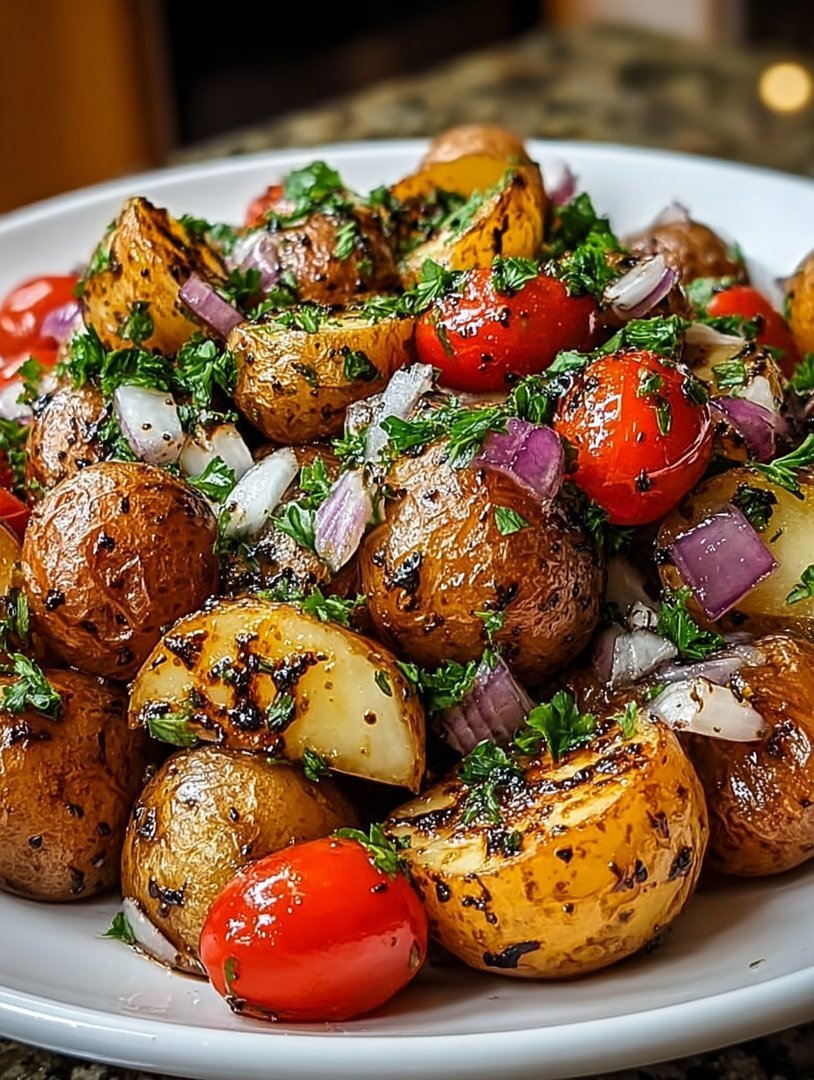
For maximum efficiency, begin by boiling the potatoes; while they cook, finely dice the red onion and chop the fresh herbs. As soon as you drain the hot potatoes, start reducing the balsamic vinegar for the glaze. Coating the potatoes while they are warm ensures deep flavor absorption before combining them with the remaining fresh ingredients.
Add Your Touch
Customize this dish by swapping basil for fresh mint or dill for a brighter flavor profile. For protein, mix in grilled chicken or shredded smoked turkey. If you prefer a milder tang, use white balsamic vinegar instead of traditional dark vinegar. Add crunch with toasted walnuts or pine nuts, transforming this side into a main course salad.
Storing & Reheating
Store leftover Balsamic Potato Salad in an airtight container in the refrigerator for up to four days. This salad actually improves on the second day as the flavors deepen. Avoid freezing, as it ruins the potato texture. Serve chilled or let it sit at room temperature for 30 minutes before serving; reheating is generally not recommended.
My first time making this recipe was for a massive neighborhood block party. Everyone expected the usual mayonnaise mound, so when I unveiled this dark, glossy, fragrant salad, they were skeptical. Within minutes, the bowl was empty, and Aunt Carol was asking for the recipe. It completely stole the show!
Chef’s Essential Tips for Success
- Always use uniform, small potatoes so they cook evenly; uneven sizes lead to some pieces being mushy while others remain hard.
- Do not over-reduce the balsamic glaze, or it will become too thick and difficult to mix thoroughly; aim for a thin, syrupy consistency.
- Toss the dressing while the potatoes are still hot—this critical step allows the starches to soak up the vinegar mixture effectively, maximizing flavor.
Why Ditch the Mayo? The Balsamic Advantage
Traditional potato salad, while nostalgic, is often heavy and high in saturated fats. Furthermore, carrying it to picnics and cookouts carries the constant risk of spoilage, turning a pleasant afternoon into a potential health hazard. The beauty of this particular potato side dish is its inherent stability. Since the dressing is oil and vinegar-based, it stands up beautifully to warmer temperatures, maintaining its integrity and superb flavor profile without needing constant refrigeration.
The robust flavor provided by the reduction is complex and savory, offering notes of caramel and sweetness balanced by the natural acidity of the vinegar. This rich depth is something a simple mayonnaise dressing can never truly achieve. It transforms the humble potato from a boring carrier of fat into an exciting vehicle for complex, adult flavors. Serving this potato side guarantees you will impress guests who thought they knew everything about barbecue sides.
Choosing the Right Spud: A Serious Conversation
The potato is the foundation, so choose wisely. Waxy potatoes, like Yukon Golds or small red potatoes, hold their shape exceptionally well after boiling, which is vital here. If you use starchy potatoes, like Russets, you risk the dreaded potato-mash scenario once you start tossing them with the glaze and other ingredients. We want defined cubes, not a chunky dip.
When preparing the potatoes, make sure your water is salty enough to taste like the sea. Salt penetrates the potato flesh during boiling, seasoning it from the inside out, which is far superior to trying to add all the salt after cooking. Once they are tender, the rapid drainage and immediate dressing application locks in that flavor and prevents them from becoming waterlogged.
Mastering the Herb and Spice Ratios
The freshness of the herbs is non-negotiable in this recipe. Using dried basil instead of fresh basil will significantly dull the overall effect. The combination of fresh basil and parsley provides a bright, herbaceous lift that cuts through the richness of the balsamic glaze. If you can’t find fresh basil, consider doubling the parsley or adding a few sprigs of fresh oregano, but always strive for fresh ingredients here.
The dried oregano listed in the ingredients adds an earthy background note, linking the flavors back to a Mediterranean profile. Don’t underestimate the small amount of Dijon mustard; it doesn’t make the salad taste like mustard, but it provides a necessary sharp edge to prevent the reduced balsamic from tasting overly sweet.
Frequently Asked Questions About Balsamic Potato Salad
Can I make the dressing ahead of time?
Yes, absolutely. You can prepare and reduce the balsamic dressing up to three days in advance and store it in an airtight jar at room temperature. However, ensure you toss the potatoes with the dressing while the potatoes themselves are still warm for optimal absorption.
What main dishes pair well with this salad?
Because thisBalsamic Potato Saladis tangy and robust, it pairs exceptionally well with grilled meats like lemon herb chicken breasts, smoked beef brisket, or even grilled lamb chops. It is also excellent served alongside hearty vegetarian options like grilled halloumi or black bean burgers.
How do I prevent the red onion flavor from overpowering the salad?
If you find raw red onion too intense, simply dice the onion and place it in a small bowl of cold water for 10 minutes before draining and adding it to the salad. This technique effectively removes the harsh pungency without eliminating the desirable crunch.
The transformation from mayo-cement disaster to glossy, flavor-packed elegance is complete. Making this potato salad is not just about cooking; it’s about elevating your standard side dish game and proving that potatoes, when treated with respect and dressed correctly, can truly steal the spotlight. Next time you host a gathering, skip the worry and serve this foolproof, unbelievably delicious side. Your guests—and your peace of mind—will thank you.
We all know that moment. You arrive at the summer gathering, dish in hand, only to realize that three other people brought potato salad. And it’s the same old heavy, mayonnaise-soaked version that tastes vaguely of regret and lukewarm dairy. Friends, we can do better. We must escape the tyranny of the basic spud! I learned this lesson the hard way after a disastrous potluck where my traditional side dish sat untouched, wilting in the sun like a sad culinary failure. That’s when I pivoted, seeking a bright, zesty, and utterly unforgettable alternative. Enter the reigning champion of side dishes: the glorious, slightly rebellious Balsamic Potato Salad.
Why This Tangy Potato Delight is Your New BBQ Champion
The Epic Saga of Spuds and Vinegar
Forget everything you think you know about potato salad. This version is sharp, vibrant, and surprisingly light, making it the perfect antidote to heavy summer meals. The secret lies in treating the potatoes like tiny, absorbent sponges ready to soak up flavor. When warm, they drink the sweet acidity of the balsamic reduction and the zing of good Dijon mustard. This recipe doesn’t just sit on the table; it struts. It’s the side dish that steals the show and leaves everyone demanding the recipe, usually while still chewing.
Ingredients for the Ultimate Balsamic Potato Salad
Gather your arsenal. Quality ingredients are paramount here—especially the balsamic vinegar. Don’t skimp!
- 3 pounds small waxy potatoes (e.g., Yukon Gold or red potatoes), halved or quartered
- 1/2 cup high-quality balsamic vinegar
- 1/4 cup olive oil
- 3 tablespoons robust Dijon mustard
- 2 cloves garlic, minced
- 1/2 cup finely chopped red onion
- 1 cup chopped fresh parsley and basil mix
- Salt and freshly ground black pepper to taste
- Optional: 1 cup chopped roasted chicken breast for added depth
Preparation and Equipment
You need very basic tools for this revolution. Grab a large pot for boiling, a sturdy whisk for emulsifying the dressing, and a large mixing bowl. The key preparatory step involves cooking the potatoes until fork-tender but not falling apart. Remember, we want firm sponges, not mashed sadness. If you are adding roasted chicken, ensure it is shredded and cooled completely before mixing.
Step-by-Step Guide: Mastering the Balsamic Potato Salad
Follow these steps closely, and prepare for glory. Timing is crucial to achieve maximum flavor absorption in this magnificent dish.
- Boil the Spuds:Place the potatoes in a large pot, cover with cold, salted water, and bring to a boil. Cook for 15-20 minutes until tender. Drain immediately.
- Create the Elixir:While the potatoes are still steaming hot, whisk together the balsamic vinegar, olive oil, Dijon mustard, and minced garlic in a small bowl. Whisk vigorously until the dressing emulsifies slightly and thickens.
- Dress Immediately:Place the hot, drained potatoes into the large mixing bowl. Pour two-thirds of the warm balsamic dressing over the potatoes. Toss gently to coat. The warmth helps the potatoes absorb that beautiful tang.
- Cool and Finish:Let the potatoes cool for about 30 minutes. Once slightly cooled, stir in the chopped red onion, parsley, and basil. Add the remaining dressing and toss again.
- Chill and Serve:Taste and adjust salt and pepper. Cover the salad and chill for at least 2 hours to allow the flavors to marry completely. Serve slightly cool or at room temperature.
Tips for Perfect Potato Salad Success
Do not rinse the potatoes after boiling; this removes valuable starch needed to help the dressing cling. Always dress the potatoes while they are hot; this is the secret weapon for deep flavor penetration. If the salad seems dry after chilling, add a small splash of olive oil or a teaspoon of balsamic vinegar just before serving to revive the moisture. For an extra punch, consider roasting the red onion beforehand to give it a sweeter, milder flavor profile that complements the sharp vinegar.
Conclusion for Balsamic Potato Salad
This Balsamic Potato Salad proves that side dishes can be the stars of the show. We successfully swapped the traditional heavy creaminess for a bright, tangy vinegar dressing that elevates every potato chunk. By mastering the technique of dressing the potatoes while they are still warm, you lock in extraordinary flavor that only improves as the salad chills. Stop serving the same predictable potluck fare and embrace this zesty, herbaceous alternative. Whether you are hosting a casual backyard barbecue or prepping for a large gathering, this tangy potato recipe is guaranteed to earn you rave reviews and requests for seconds.
Print
Balsamic Potato Salad
Toss tender Yukon Golds with a punchy, emulsified balsamic-Dijon vinaigrette and sharp red onion. This summer salad skips the mayo, offering bright, robust flavor.
- Total Time: 35 minutes
- Yield: 4 servings 1x
Ingredients
- 2 pounds baby Yukon Gold potatoes, quartered
- 1/2 cup extra virgin olive oil
- 1/4 cup balsamic vinegar
- 1 tablespoon Dijon mustard
- 1/2 cup finely chopped red onion
- 1/4 cup chopped fresh parsley
- 1 teaspoon kosher salt
- 1/2 teaspoon freshly ground black pepper
Instructions
- Step 1: Wash and quarter the potatoes. Place them in a large pot, cover with cold water, and add a generous pinch of salt. Bring to a boil and cook for 10-15 minutes, or until the potatoes are fork-tender. Drain immediately.
- Step 2: While the potatoes are cooking, prepare the balsamic vinaigrette. In a small bowl, whisk together the olive oil, balsamic vinegar, and Dijon mustard until emulsified. Season the mixture with the kosher salt and black pepper.
- Step 3: Place the hot, drained potatoes into a large mixing bowl. Immediately pour about two-thirds of the balsamic vinaigrette over the potatoes and gently toss to coat. The warm potatoes will readily absorb the dressing.
- Step 4: Add the finely chopped red onion and fresh parsley to the bowl. Pour the remaining vinaigrette over the salad and toss carefully to ensure all ingredients are distributed without mushing the potatoes.
- Step 5: Taste the potato salad and adjust seasoning (salt and pepper) as needed. Allow the salad to cool to room temperature, or cover and chill in the refrigerator for at least one hour before serving, allowing the flavors to fully meld.
Notes
- Store leftovers covered in the refrigerator for up to 3 days, but always bring it back to room temperature before serving for optimal flavor.
- This salad should not be reheated; if it is too chilled, simply allow it to rest on the counter for 20 minutes before serving.
- Serve this acidic salad alongside rich, grilled foods like ribeye steak or robust Italian sausages for a perfect summer contrast.
- Ensure you dress the potatoes immediately while they are piping hot, as this crucial step forces the starches to deeply absorb the balsamic vinaigrette.
- Prep Time: 15 minutes
- Cook Time: 20 minutes
- Method: Stovetop
- Cuisine: American
FAQs
How do I keep my Balsamic Potato Salad from getting mushy?
The primary defense against mushiness starts with potato selection. Use waxy varieties like Yukon Gold or red potatoes, as they hold their shape much better than starchy Russets when boiled. When cooking, ensure you boil them just until fork-tender—if your fork meets resistance, they need more time, but if they fall apart, you’ve gone too far. Furthermore, always toss the salad gently after dressing it. Over-mixing hot potatoes, especially with the weight of a dressing, encourages them to break down, resulting in a textural tragedy. Handle them with care to maintain beautiful, intact potato pieces.
Can I prepare this tangy potato side dish ahead of time?
Absolutely! This specific recipe benefits significantly from being made ahead. Preparing the Balsamic Potato Salad one day in advance allows the flavors of the vinegar, herbs, and mustard to thoroughly penetrate the potatoes, resulting in a richer, deeper taste. Make sure you cover it tightly and store it in the refrigerator. If the potato salad seems a little thick or dry upon serving the next day, simply loosen it up with a small amount of additional olive oil or a dash of fresh balsamic vinegar just before plating.
What protein pairs best with this vinegar-dressed potato recipe?
Since this potato salad offers a bright, acidic counterpoint, it works wonderfully alongside grilled and smoky proteins. Try pairing it with marinated grilled chicken thighs, which benefit from the sharp vinegar contrast. Grilled lean beef steaks, rubbed simply with salt and pepper, also shine next to this side dish. For a lighter option, grilled white fish or pan-seared turkey breast slices complement the savory, herbaceous nature of the dressing beautifully. The clean flavor profile ensures it never clashes with your main course.
Is there a substitute for Dijon mustard in this Balsamic Potato Salad?
Dijon mustard is essential for providing the necessary emulsification and sharp depth, but you can certainly try alternatives if needed. If you require a similar sharp flavor without the typical texture, try using a robust brown mustard, though the dressing might be slightly less smooth. Alternatively, for a slightly sweeter, milder tang, you could substitute the Dijon with a teaspoon of prepared English mustard powder mixed with a little water and a small amount of agave nectar. Ensure whatever substitution you choose contributes sufficient acidity to balance the richness of the olive oil and the sweetness of the Balsamic Potato Salad.





Leave a Comment