
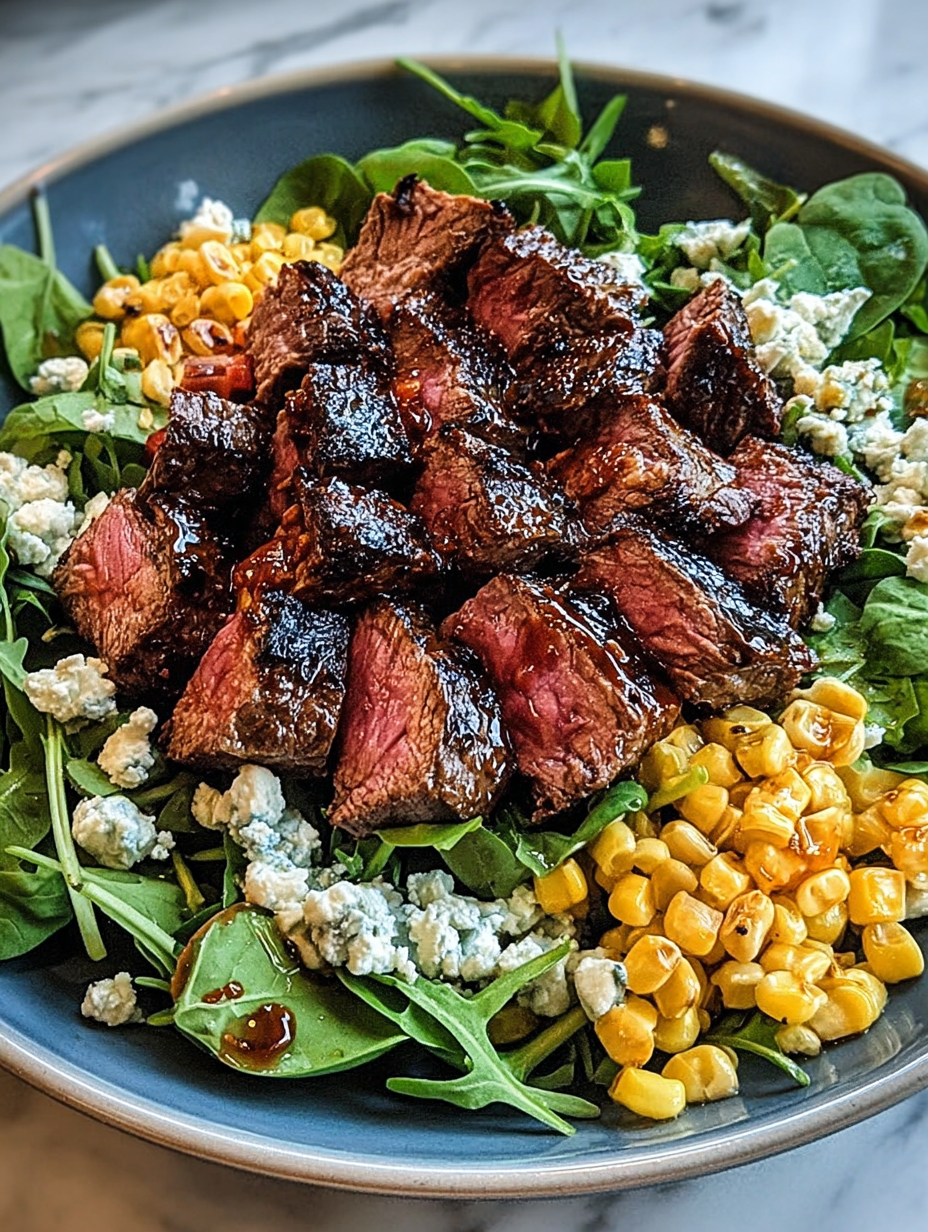
There is nothing quite like the sound of sizzling steak hitting a hot pan after a long day, especially when you know the reward is a truly magnificent Balsamic Steak Salad.
This dish is the culinary equivalent of putting on your favorite cozy sweater—it is rich, comforting, and surprisingly sophisticated, transforming any ordinary weeknight into an exceptional dinner party.
- The combination of sweet, acidic balsamic glaze and perfectly seared, tender slices of beef creates an unforgettable, dynamic flavor profile that dances on the palate.
- Preparation is remarkably straightforward, requiring minimal fuss and maximum impact, making this an ideal gourmet meal for busy weeknights or casual entertaining.
- The stunning visual contrast between the deep purple glaze, ruby red steak, and vibrant green arugula elevates this simple salad into a beautiful centerpiece dish.
- This robust recipe offers incredible versatility, allowing you to easily substitute greens or add seasonal fruits like fresh berries or sliced peaches for textural variation.
Ingredients for Balsamic Steak Salad
Here’s what you’ll need to make this delicious dish:
- Beef SteakChoose a quality cut like flank, sirloin, or ribeye, ideally about one inch thick, ensuring rich flavor and tenderness after searing.
- Balsamic VinegarThis forms the base of the marinade and the crucial glaze, so select a high-quality aged vinegar for the best depth of flavor.
- Extra Virgin Olive OilUsed generously for searing the steak and mixing into the salad dressing, adding necessary richness and healthy fats.
- Garlic and ShallotsThese aromatic staples provide a pungent, savory backbone to both the marinade and the simple homemade dressing.
- Brown Sugar or Maple SyrupA small amount is necessary to balance the sharp acidity of the balsamic vinegar, helping the glaze to caramelize beautifully.
- Arugula and Mixed GreensUse a peppery base like arugula, mixed with spring greens for volume, ensuring the salad provides a fresh, slightly bitter counterpoint to the steak.
- Cherry or Grape TomatoesHalved tomatoes burst with sweetness and juice, adding bright color and moisture to the overall texture of the dish.
- Blue Cheese or Goat Cheese CrumblesThese provide a necessary salty, tangy sharpness that pairs exceptionally well with the sweet balsamic and rich beef.
- Toasted Pecans or WalnutsNuts are vital for adding a delightful crunch and nutty depth, contrasting perfectly with the soft steak and creamy cheese.
The full ingredients list, including measurements, is provided in the recipe card directly below.
How to Make Balsamic Steak Salad
Follow these simple steps to prepare this delicious dish:
Step 1: Marinate and Reduce
In a shallow dish, combine half of the balsamic vinegar, olive oil, minced garlic, salt, and pepper. Place the steak in the marinade, ensuring it is fully coated, and allow it to rest for at least 30 minutes at room temperature, or up to four hours in the refrigerator. Simultaneously, take the remaining balsamic vinegar and reduce it slowly in a small saucepan with the brown sugar over medium-low heat until it thickens into a syrup-like glaze, taking about ten to twelve minutes.
Step 2: Sear the Steak
Remove the steak from the marinade and pat it dry completely using paper towels; this crucial step promotes a perfect crust. Heat a cast iron skillet over high heat with a tablespoon of fresh olive oil until shimmering. Carefully place the steak in the hot skillet and sear for three to four minutes per side for medium-rare, adjusting based on thickness and desired doneness. Use a meat thermometer to ensure accuracy.
Step 3: Rest and Slice the Beef
Immediately transfer the perfectly seared beef to a cutting board and allow it to rest for a mandatory ten minutes. Resting keeps the juices locked inside, preventing a dry result. Once rested, use a sharp knife to slice the steak thinly against the grain; cutting against the grain ensures maximum tenderness in every bite.
Step 4: Assemble the Greens
In a large bowl, toss the arugula and mixed greens with the halved tomatoes, sliced shallots, and toasted pecans. Create a simple dressing by whisking together a splash of olive oil, a teaspoon of the reserved balsamic glaze, and a touch of salt and pepper until emulsified.
Step 5: Final Toss and Serve
Gently toss the dressed greens and vegetables. Divide the salad onto individual plates, arranging the tender steak slices artfully over the top. Sprinkle generously with blue cheese or goat cheese crumbles.
Transfer to plates and drizzle the thick, syrupy balsamic glaze directly over the steak for the perfect finishing touch.
The Magic Behind the Marinade: Achieving Peak Steak Flavor
I remember the first time I attempted a ‘gourmet’ meal for a date. I tried to make something fussy and complicated involving reductions that burned and exotic spices I couldn’t pronounce. It was a disaster, culminating in a takeout order and mutual embarrassment. That’s when I realized the key to impressive cooking is simplicity driven by bold, quality ingredients. This Balsamic Steak Salad is exactly that—a recipe that relies heavily on a perfect marriage between high-quality steak and a powerful balsamic marinade. The acid in the balsamic vinegar works wonders, slightly tenderizing the outer layer of the beef while infusing it with deep, complex flavors that go far beyond a standard salt and pepper rub. When searing, that residual sugar from the reduction caramelizes, giving you a beautiful, dark, slightly sweet crust that is absolutely irresistible. Do not skip the resting step after searing; impatience here is the enemy of juiciness. A properly rested steak will yield slices so tender they almost melt in your mouth, which is exactly what we are aiming for in this vibrant salad.
Choosing the Perfect Cut of Beef for Searing
The success of the Balsamic Steak Salad hinges on the steak itself. While ribeye offers incredible marbling and flavor, flank steak or sirloin are often the most practical and popular choices for searing and slicing into a salad. Flank steak is lean and flavorful but benefits hugely from the acid in the balsamic marinade, which helps to break down the muscle fibers slightly. Always look for cuts that are evenly thick, about one inch if possible, to ensure uniform cooking. Uneven steaks will lead to parts being overcooked and dry while others remain perfectly rare. If you find your steak is thin on one side, consider folding that thin piece over and tying it with butcher’s twine to create a more consistent shape before marinating. The intense heat required for searing demands meat that can handle high temperatures without becoming tough.
Mastering the Balsamic Glaze for Ultimate Richness
The balsamic glaze is the element that ties this entire dish together, transitioning it from a simple steak and greens into a cohesive, gourmet experience. Creating a perfect glaze is surprisingly easy, requiring only balsamic vinegar and a sweetener like brown sugar or maple syrup, but it requires patience. The key is low and slow heat. Rushing the reduction process risks burning the sugars, resulting in a bitter, unusable glaze. You want the vinegar to simmer gently, evaporating water content until it coats the back of a spoon thickly. If you worry about it being too thin, let it cool slightly; it will always thicken considerably as it drops in temperature. If you accidentally reduce it too far and it becomes taffy-like, simply whisk in a teaspoon of warm water or broth to loosen it back up. This glaze offers a phenomenal, sticky sweetness that balances the earthy arugula and pungent blue cheese beautifully.
Building the Ultimate Salad Experience
Too often, salads are relegated to the sad status of a side dish or, worse, a mere collection of limp lettuce and an afterthought of dressing. This is not that salad. This is a meal designed for textural intrigue and flavor explosions. When building the perfect Balsamic Steak Salad, you must think beyond the steak. The greens, the cheese, and especially the crunch components are non-negotiable foundations that elevate the dish. I once had a salad so crunchy it felt like chewing gravel, and it was a painful lesson in balance. We aim for variety: the soft yielding tenderness of the tomatoes, the creamy melt of the cheese, the distinct crispness of the toasted nuts, and the refreshing snap of the fresh greens. This layering ensures that every single forkful is complex and satisfying, preventing the dish from becoming monotonous. It is a full sensory experience that proves a salad can be both robust and refined, suitable for any occasion, from a quick weeknight dinner to an elegant weekend gathering.
Selecting Greens and Crunch Factors
Arugula is the absolute star of the show here. Its peppery, slightly bitter profile cuts through the richness of the beef and the sweetness of the glaze, preventing the dish from becoming cloying. If arugula is too intense for your palate, consider mixing it with tender spinach or delicate butter lettuce to soften the flavor. The crunch factor is essential. Toasted nuts, such as pecans, walnuts, or even sliced almonds, bring necessary texture and a deep, toasted flavor. Toasting the nuts briefly in a dry pan releases their essential oils, significantly boosting their impact. For an added layer of complexity and sweetness that echoes the balsamic glaze, consider adding dried cranberries or finely chopped dates. These small additions provide tiny bursts of flavor that make the overall composition more dynamic.
The Art of Pairing Cheese and Acid
The choice of cheese often dictates the character of the Balsamic Steak Salad. While a mild mozzarella might vanish, a strong, tangy cheese anchors the dish. Blue cheese crumbles, such as gorgonzola or Roquefort, provide a pungent, savory counterpoint to the sweet glaze and the richness of the steak. If blue cheese is too assertive, goat cheese is an excellent, slightly milder substitute. Goat cheese offers a creamy tanginess that balances the acidity of the balsamic beautifully. Regardless of your choice, ensure the cheese is added at the very end. You want the cheese cold and distinct, adding pockets of flavor rather than melting into the warm steak. This intentional layering of temperatures and flavors—warm steak, cool greens, creamy cheese, and sticky glaze—is what makes this salad such a memorable and frequently requested meal.
The Accidental Discovery of Sunshine on a Plate
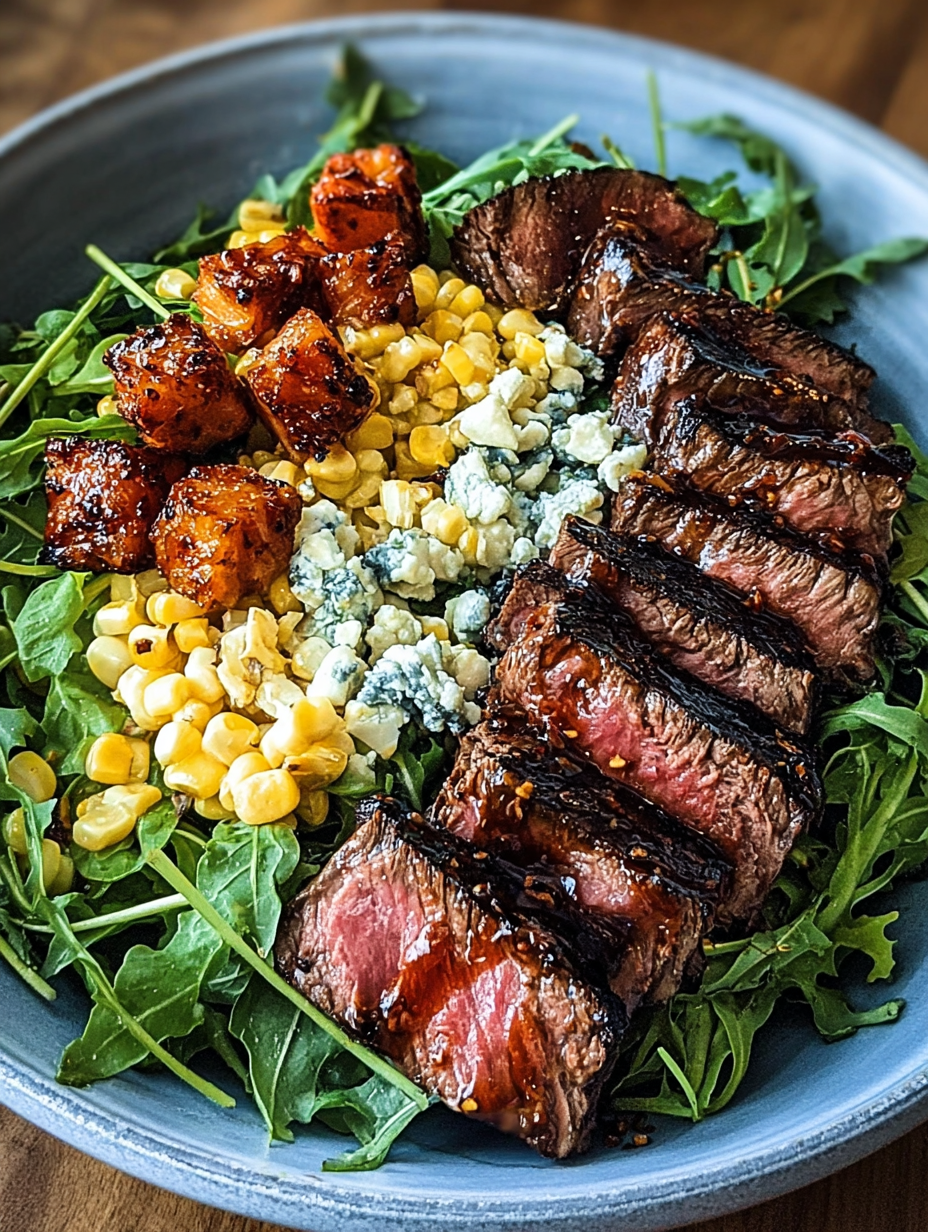
I invented this gloriousBalsamic Steak Saladpurely out of kitchen panic. It was a scorching July afternoon, the grill was too hot, and I had exactly zero desire to eat anything heavy. I needed elegance, protein, and a vibrant punch, and suddenly, the marriage of tender steak and tangy balsamic dressing was born, proving that necessity truly is the mother of delicious invention.
Picture this: The air conditioning was failing, the dog was panting melodramatically, and my elaborate dinner plans had melted faster than an ice cream cone on asphalt. I had a beautiful cut of sirloin, a garden overflowing with greens, and a bottle of my favorite aged balsamic vinegar. It felt like a culinary Hail Mary pass. What emerged was not just dinner, but a transformative experience—a dish so refreshing and robust, it instantly became the star of my summer rotation. This is the salad that makes you feel sophisticated while still wearing sweatpants.
The Anatomy of a Perfect Steak Salad
A truly magnificent salad transcends the mere combination of lettuce and protein; it achieves harmony. For this specific recipe, the secret lies in contrasting textures and temperatures. You need the warm, intensely flavored, perfectly seared strips of beef cutting through the cool, crisp crunch of the mixed greens. The dressing cannot just be an afterthought; it must be the binding agent, the savory conductor leading the entire symphony of flavors. We skip the heavy, creamy stuff here. Instead, we rely on a bright, acidic, and slightly sweet balsamic vinaigrette that slices through the richness of the beef beautifully.
Many people view salad as a consolation prize, the thing you eat when you are trying to be virtuous. This is not that salad. This recipe features rich, seasoned steak that delivers serious satisfaction, coupled with savory additions like caramelized onions or roasted peppers if you choose to amp up the complexity. Mastering the technique ensures every single bite offers a perfect balance: meaty, zesty, fresh, and slightly sweet. It is a hearty meal disguised as a light one, deceiving your taste buds in the most wonderful way possible.
Perfecting the Cooking Process
Achieving peak efficiency and flavor means starting with the marinade. Get the steak soaking first, giving it at least thirty minutes to absorb that garlicky, vinegary goodness. While the steak is resting, you should prepare the dressing, and only then proceed to sear the beef quickly before tossing all the cool elements together for serving.
Searing Secrets: Getting that Crust Just Right
The single most important factor in elevating this dish is how you cook the beef. We are not aiming for slow roasting; we are going for a quick, aggressive sear. You must bring the steak to room temperature before it hits the pan. If the meat is cold, the cooking time will be uneven, and you will sacrifice that gorgeous, flavorful crust. Pat the steak utterly dry using paper towels—moisture is the enemy of a good sear!
Use a heavy-bottomed skillet, like cast iron, and heat it until it is smoking hot. Add a high smoke point oil (like avocado or grapeseed) and lay the steak down gently. Do not overcrowd the pan, and resist the urge to move the steak for the first 90 seconds. That stillness is crucial for developing the Maillard reaction, yielding a deep brown, crusty exterior that contrasts perfectly with the tender interior. For medium-rare, aim for about 3–4 minutes per side, depending on the thickness of your cut. Once cooked, let the steak rest for five to ten minutes—this allows the juices to redistribute, ensuring every slice remains moist and tender. Slicing too early results in dry, tough steak, and nobody wants that. Always slice against the grain for maximum tenderness before you assemble your ultimate Balsamic Steak Salad.
Whipping Up the Signature Balsamic Dressing
The vinaigrette is the soul of the salad. If you are still buying bottled dressing, you are missing out on the easiest win in home cooking. Our signature balsamic dressing requires high-quality balsamic vinegar. Skip the watery stuff and invest in a thicker, aged variety—it makes all the difference. The basic formula is a 3:1 ratio of oil to vinegar, but we are going to jazz it up considerably.
Start by whisking the vinegar with a touch of Dijon mustard and a minced clove of garlic. Dijon acts as an emulsifier, helping the oil and vinegar stay together rather than separating immediately. Slowly drizzle in the olive oil while whisking continuously until the dressing thickens slightly. Season generously with kosher salt and freshly cracked black pepper. If you like a hint of sweetness, a tiny spoonful of maple syrup or honey can balance the acidity beautifully. Remember, taste and adjust—the goal is a dressing that is tangy, slightly pungent from the garlic, and balanced enough to enhance, not overpower, the steak and fresh vegetables.
Ingredients You’ll Need
This recipe serves 4 people.
For the Steak and Marinade
- 1.5 lbs sirloin or flank steak
- 2 tablespoons olive oil (for marinade)
- 2 tablespoons balsamic vinegar (for marinade)
- 1 clove garlic, minced
- 1 teaspoon dried oregano
- Salt and black pepper to taste
For the Salad and Dressing
- 8 cups mixed greens (spring mix, arugula, or baby spinach)
- 1 pint cherry or grape tomatoes, halved
- 1 large cucumber, thinly sliced
- 1/2 red onion, thinly sliced
- 1/2 cup crumbled blue cheese or feta (optional)
- 2 tablespoons extra virgin olive oil (for dressing)
- 4 tablespoons high-quality balsamic vinegar (for dressing)
- 1 teaspoon Dijon mustard
- 1/2 teaspoon dried thyme
Step-by-Step Instructions
- In a shallow dish, combine the steak, 2 tablespoons of olive oil, 2 tablespoons of balsamic vinegar, minced garlic, oregano, salt, and pepper. Marinate at room temperature for at least 30 minutes, or up to 4 hours in the refrigerator.
- Prepare the balsamic dressing: In a small bowl, whisk together the 4 tablespoons of balsamic vinegar, Dijon mustard, thyme, salt, and pepper. Slowly drizzle in the 2 tablespoons of extra virgin olive oil while whisking until emulsified. Set aside.
- Heat a heavy skillet (cast iron preferred) over high heat until smoking. Remove the steak from the marinade and pat it completely dry. Add 1 tablespoon of high smoke point oil (like grapeseed) to the skillet.
- Sear the steak for 3–4 minutes per side for medium-rare. Adjust cooking time based on your preferred doneness. Remove the steak from the pan and let it rest on a cutting board for 5–10 minutes.
- While the steak rests, combine the mixed greens, tomatoes, cucumber, and red onion in a large bowl.
- Thinly slice the steak against the grain.
- Toss the salad ingredients with about three-quarters of the prepared dressing. Arrange the dressed salad on plates, top generously with the sliced steak, and sprinkle with crumbled cheese, if using. Drizzle the remaining dressing over the steak just before serving.
Add Your Touch
This salad welcomes improvisation. Swap the sirloin for flank steak or even grilled chicken for a lighter version. Consider adding roasted sweet potatoes, crunchy pecans, or pickled red onions for extra texture. If you want a deeper flavor, deglaze the steak pan with a touch of beef broth and add it to the balsamic dressing.
Flavor Variations for the Adventurous Chef
While the classicBalsamic Steak Saladis undeniably perfect, embracing a little culinary mischief can yield fantastic results. For those who enjoy a bit of heat, try incorporating a pinch of red pepper flakes into the marinade or the dressing for a fiery kick. If you want to lean into earthier notes, add some toasted walnuts or sunflower seeds to the salad mix for a satisfying crunch.
Seasonal fruits are also brilliant additions. In the summer, sliced fresh peaches or strawberries provide a sweet counterpoint to the savory steak and tangy dressing. During the fall, roasted butternut squash cubes or thinly sliced apples work wonders. For a truly hearty meal, consider adding grains like quinoa or farro to the base of the salad; they soak up the delicious dressing and provide complex carbohydrates. Remember, the core of this recipe is the high-quality steak and vibrant balsamic flavor, so keep those elements front and center while experimenting with complementary textures. Don’t be afraid to double the batch of dressing—it lasts well in the fridge and makes weekday lunches a breeze.
Storing & Reheating
For optimal freshness, store all elements separately. Keep the dressed salad greens only if you plan to eat them immediately, otherwise, store the greens, sliced steak, and dressing in airtight containers in the refrigerator. Reheat the steak gently in a skillet or oven just until warmed through, avoiding high heat which can dry it out.
- The secret to perfect steak slicing is waiting 10 minutes after cooking; this prevents juice loss and keeps the meat incredibly tender and moist.
- Always taste your balsamic dressing before adding it to the greens; adjust salt or acidity with a pinch of sugar or lemon juice, respectively, until perfect.
- When prepping the greens, wash and dry them thoroughly using a salad spinner—residual water will dilute the potent flavors of the balsamic vinaigrette.
The most memorable dinner I served this to was for my brother, a steak purist. He confessed mid-bite that he usually hated “salads,” but this particular Balsamic Steak Salad changed his entire perspective on what a green dish could achieve.
Conclusion for Balsamic Steak Salad
TheBalsamic Steak Saladis far more than just a quick meal; it is proof that elegance and efficiency can coexist happily in the kitchen. By focusing on high-quality ingredients—a well-seared steak, vibrant greens, and a bold, homemade balsamic dressing—you create a dish that is robust, refreshing, and incredibly satisfying. Remember the key techniques: proper steak resting time, high heat searing, and balancing the vinaigrette perfectly. Whether you’re looking for a stunning centerpiece for a dinner party or a fast weeknight solution, this recipe delivers maximum flavor with minimal fuss. Embrace the joy of simple, powerful flavors, and let this stellar salad become your new favorite culinary triumph.
Print
Balsamic Steak Salad
Achieve steakhouse quality! Pan-seared sirloin (130°F medium-rare target) meets cool, crisp mixed greens and a bright balsamic dressing. Quick, satisfying weeknight meal.
- Total Time: 35 minutes
- Yield: 4 servings 1x
Ingredients
- 1 pound sirloin steak (or flank steak)
- 3 tablespoons olive oil, divided
- 1/4 cup balsamic vinegar
- 6 cups mixed greens
- 1 cup cherry tomatoes, halved
- 1/4 cup crumbled blue cheese (or feta)
- 1 teaspoon kosher salt
- 1/2 teaspoon black pepper
Instructions
- Step 1: Season the steak generously on all sides with kosher salt and black pepper. In a small bowl, whisk together the balsamic vinegar and 1 tablespoon of the olive oil to create the vinaigrette; set aside.
- Step 2: Heat a large skillet (cast iron preferred) over medium-high heat with the remaining 2 tablespoons of olive oil. Once shimmering, sear the steak for 4-6 minutes per side, or until it reaches your desired internal temperature (130°F for medium-rare).
- Step 3: Remove the steak from the skillet and place it on a cutting board. Tent it loosely with foil and allow it to rest for 5 to 10 minutes. This resting period ensures the juices redistribute, keeping the steak tender.
- Step 4: While the steak rests, prepare the salad base. In a large bowl, combine the mixed greens and halved cherry tomatoes. Drizzle half of the prepared balsamic vinaigrette over the greens and toss gently to coat.
- Step 5: Slice the rested steak thinly against the grain. Divide the dressed salad among serving plates, top each salad with slices of the warm steak, and sprinkle generously with crumbled blue cheese.
- Step 6: Drizzle the remaining balsamic vinaigrette over the sliced steak just before serving.
Notes
- To keep leftover greens crisp, store the dressed salad components (mixed greens, tomatoes) separately from the steak, cheese, and vinaigrette.
- If reheating sliced steak, quickly warm it in a dry, hot skillet for about 30 seconds per side to avoid overcooking and preserve moisture.
- For an extra layer of flavor and crunch, try adding half an avocado, sliced, or a handful of toasted pecans to the finished salad before serving.
- Chef's Tip: Use a quality, slightly aged balsamic vinegar for the vinaigrette; the thicker consistency will coat the greens better and provide a richer counterpoint to the blue cheese.
- Prep Time: 15 minutes
- Cook Time: 20 minutes
- Method: Stovetop
- Cuisine: American





Leave a Comment