
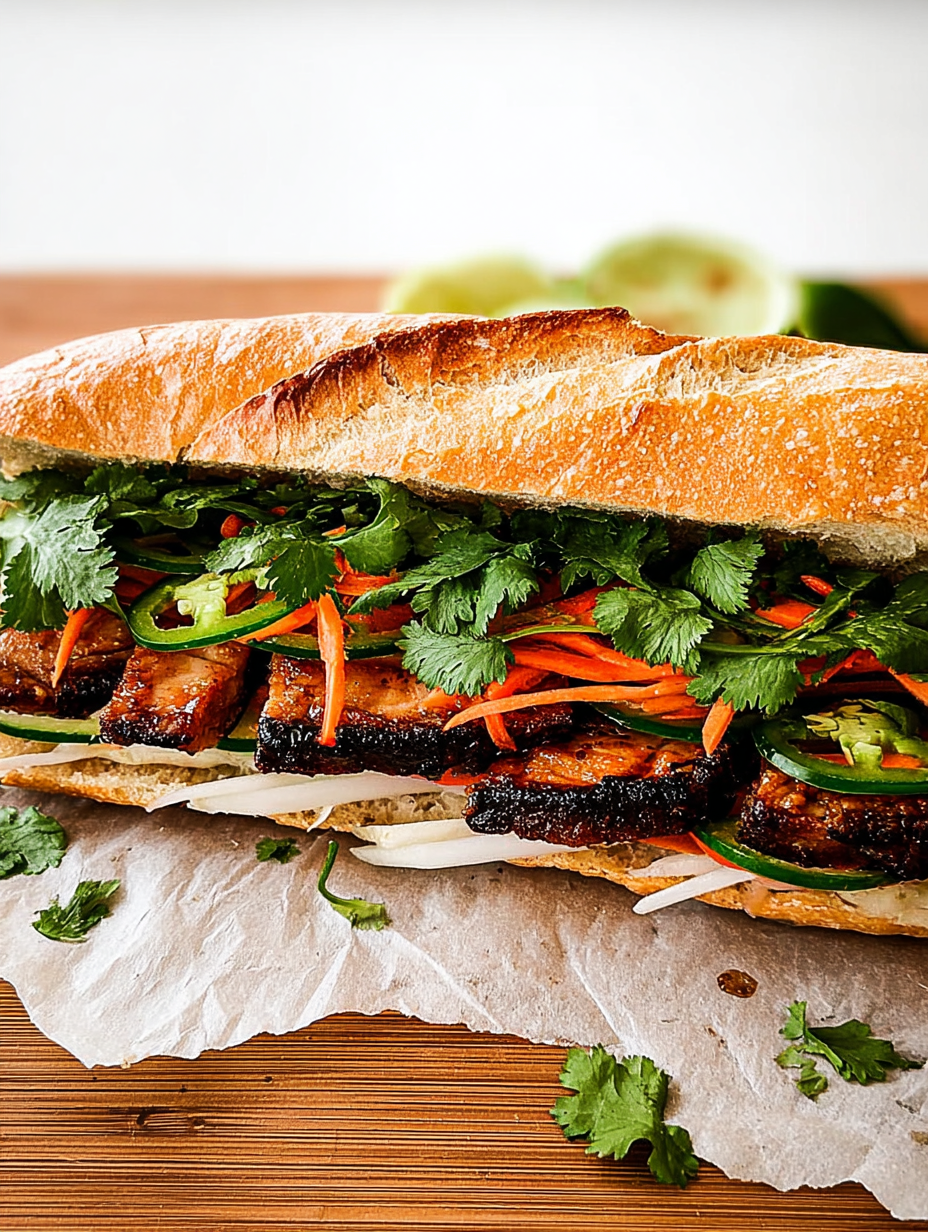
Forget everything you thought you knew about sandwiches. The moment the aroma of crisp cucumber, pickled carrots, and warm cilantro hits your nose, you realize theBanh Mi Sandwichesexperience is pure culinary euphoria.
This isn’t just lunch; it’s a global adventure stuffed into a perfect, crusty baguette. Prepare yourself for the flavor explosion that will make your taste buds salute Vietnamese street food perfection.
- This recipe masters the complex interplay of sweet, sour, salty, and savory flavors, delivering a perfectly balanced Vietnamese sub every time.
- We streamline the pickling process, making it fast and simple so you can achieve that tangy crunch without waiting days for fermentation.
- The visually stunning combination of vibrant pink pickles, green herbs, and golden-brown roasted chicken makes this sandwich truly photogenic.
- Customize your filling easily, swapping roasted chicken for thinly sliced beef or marinated tofu based on whatever you happen to have available.
The Unexpected History of the Ultimate Sandwich
Many moons ago, before I cracked the code on making the perfect Vietnamese baguette, my relationship with this sandwich was purely transactional—I bought it, I ate it, I immediately regretted not buying two. But replicating that delicate balance at home? That felt like trying to solve a Rubik’s Cube blindfolded, especially when trying to nail that perfect street-food flavor.
The beauty of Banh Mi lies in its cultural collision—the French brought the baguette, and the Vietnamese perfected the fillings. It’s an edible history lesson, proving that fusion cuisine can sometimes create something far greater than the sum of its parts. Our challenge today involves capturing that authentic, street-food vibrancy without needing a 10-foot-long rolling pin or a PhD in fermentation science. We ditch the fussy steps and focus instead on maximizing flavor impact.
If you’ve ever tried to make this sandwich and ended up with a soggy mess, you’re certainly not alone. The secret is layering textures: the airy crust of the bread, the soft creamy spread, the crisp vegetables, and the tender protein. It’s a symphony of crunch and creaminess that differentiates a great Vietnamese sub from a mediocre one. We use savory chicken thighs because they retain moisture better than leaner cuts, providing that savory backbone we crave, and we infuse them heavily with classic Southeast Asian aromatics like fresh lemongrass and ginger.
Achieving the Perfect Components
Mastering the Quick Pickle for Crunch
A Banh Mi without its signature sour crunch is just a sad sandwich trying to pretend it’s something more. Traditional pickling takes time, but we are prioritizing immediate gratification, which means we need a fast, reliable method. Our quick pickle uses hot water, rice vinegar, and a touch of sugar to rapidly tenderize and infuse the matchstick-cut carrots and daikon. You only need about 30 minutes for the vegetables to achieve that beautiful bright pink hue and satisfying snap, making this stage incredibly efficient.
Remember to slice your vegetables thinly; think matchsticks, not large, unwieldy chunks. When you combine the rice vinegar and sugar, ensure the sugar fully dissolves before pouring the brine over your vegetables. This step guarantees even flavoring and prevents any undesirable grainy textures. Once the 30 minutes are up, drain them completely before assembly; excess liquid is the primary enemy of a crisp baguette, and we must protect the structural integrity of our sandwich.
The Essential Chicken Marinade
For the protein, we are building deep savory flavor using tender chicken thighs, which handle the high heat required for caramelization beautifully. We marinate them in a blend of soy sauce, brown sugar, finely minced garlic, ginger, and a dash of fish sauce for that necessary umami depth. Allow the chicken to bathe in this flavorful liquid for at least an hour, or ideally, overnight if your schedule permits. Marinating not only tenderizes the meat but ensures every single bite of your cooked chicken is saturated with delicious complexity.
We recommend grilling or pan-searing the marinated chicken until perfectly caramelized and cooked through. The slightly charred edges and sticky glaze contrast beautifully with the cool, crisp vegetables. Always slice the cooked chicken thinly against the grain right before assembly; this makes the entire sandwich easier to eat and ensures optimal texture distribution throughout your delicious Vietnamese baguette.
Ingredients for Banh Mi Sandwiches
Here’s what you’ll need to make this delicious dish:
- The BaguetteChoose light, airy, and very crusty French baguettes; the crust needs to shatter slightly when bitten into for the authentic Banh Mi experience.
- Chicken ThighsUse boneless, skinless chicken thighs, as their higher fat content prevents drying out during cooking and keeps the filling juicy.
- Rice VinegarThis is essential for the quick pickle, providing the necessary clean, sharp sourness without making the pickles overly acidic or strong.
- Carrots and Daikon RadishThese root vegetables must be cut into thin matchsticks to properly absorb the brine and provide the signature textural crunch.
- Fresh Cilantro and MintUse a generous amount of fresh herbs; they provide the fragrant, cooling element that balances the rich, marinated meat.
- Jalapeño or Serrano PepperSlice these very thinly to add a vital flash of heat, balancing the sweetness of the marinade and the tang of the pickle mix.
- Mayonnaise or Vegan AioliA creamy spread is necessary to soften the baguette’s interior, create a moisture barrier, and add a layer of overall richness to the sandwich.
- Fish Sauce (or Soy Sauce)Use a high-quality fish sauce sparingly in the marinade to enhance the deep, savory umami of the chicken and give it authentic depth.
The full ingredients list, including measurements, is provided in the recipe card directly below.
How to Make Banh Mi Sandwiches
Follow these simple steps to prepare this delicious dish:
-
Prepare the Quick Pickles
Shred or cut the carrots and daikon into thin matchsticks. Bring the rice vinegar, sugar, and water to a boil in a small saucepan, stirring until the sugar dissolves completely. Pour the hot brine over the vegetables and let them sit at room temperature for at least 30 minutes, or longer in the refrigerator for added crunch. Drain all the liquid completely before assembling the sandwiches.
-
Marinate and Cook the Chicken
Cube or slice the chicken thighs and toss them thoroughly with the marinade ingredients, which include soy sauce, minced garlic, ginger, and fish sauce. Preheat a skillet or grill pan over medium-high heat. Cook the marinated chicken pieces for 4–6 minutes per side, until they are fully cooked through, beautifully caramelized, and reach an internal temperature of 165°F (74°C). Remove from heat and slice thinly.
-
Prep and Spread the Baguettes
Slice the baguettes lengthwise, ensuring you do not cut entirely through the bottom; the hinge will help hold the substantial sandwich together. Lightly toast the bread in a toaster oven or under the broiler for 1–2 minutes until the interior is slightly warm and the crust is revitalized and crunchy. Immediately spread the cut sides of the baguette liberally with the mayonnaise or aioli.
-
Assemble the Ultimate Banh Mi Sandwiches
Layer the ingredients carefully onto the bottom half of the prepared baguette. Start with a foundational layer of the thinly sliced chicken. Pile on a generous mound of the drained pickled vegetables to ensure that crunch in every bite. Next, tuck in fresh cucumber slices and the sprigs of cooling cilantro and mint. Finally, scatter a few very thin slices of jalapeño over the top for a fiery kick.
Transfer to plates and drizzle with extra chili oil or a squeeze of fresh lime juice for the perfect finishing touch, serving immediately to maximize that crucial crusty crunch.
Tips and Tricks for Banh Mi Perfection
Achieving Banh Mi greatness is less about strict adherence to tradition and much more about managing moisture and maximizing flavor contrast. My greatest culinary failure involved a baguette so soaked it required a spoon to eat—a tragedy we must all actively avoid. The main rule remains: moisture belongs only in the creamy spread and the pickles, not anywhere near the core structure of the bread. Make absolutely sure your quick pickles are patted dry and your protein isn’t swimming in residual sauce when you layer the sandwich, protecting the structural integrity of your Vietnamese sub.
Essential Ingredient Substitutions
Life happens, and sometimes you lack daikon radish or chicken thighs. Don’t panic; this recipe is surprisingly flexible, provided you meticulously maintain the balance of texture and that critical sweet-sour flavor profile.
- Protein Swaps:If you prefer red meat, thinly sliced marinated beef, such as flank steak or sirloin, works wonderfully. For a fantastic vegetarian option, press extra-firm tofu, marinate it in the same savory sauce, and pan-fry until the exterior is crispy and golden brown.
- Vinegar Alternatives:While rice vinegar offers the cleanest, sharpest flavor, you can substitute it with white distilled vinegar if absolutely necessary, but dilute it slightly with water to avoid overpowering the delicate pickles. Never, under any circumstances, use a dark vinegar like balsamic!
- Herb Variations:If fresh cilantro tastes strongly like soap to you (I understand the plight), simply double up on the fresh mint and strategically add some Thai basil for that essential aromatic lift and fragrance.
Why Toasting the Bread is Non-Negotiable
A soft, untoasted baguette loses its structural integrity almost immediately upon contact with the creamy spread and moist fillings, collapsing into a sad, squishy state. Toasting doesn’t just reheat the bread; it cleverly creates a waterproof barrier, similar to a culinary force field. A quick blast in the oven or toaster oven reactivates the crust, giving you that truly delightful crunch that defines theBanh Mi Sandwichesexperience. Skip this critical step at your own risk; soggy bread is considered a crime against all architectural food principles and should be avoided at all costs.
Serving Suggestions and Storage
The beauty of serving these Vietnamese subs is that they truly shine entirely on their own, requiring minimal accompaniment. A simple side of perfectly crispy sweet potato fries or a light, crisp Asian slaw complements the rich, savory filling without ever competing with the complex and layered flavors of the sandwich itself. For drinks, skip the overly heavy sodas and pair it instead with fresh lemonade or iced green tea to cleanse the palate pleasantly between bites.
When considering storage, remember that assembledBanh Mi Sandwichesdo not keep well past about 15 minutes. The acid and moisture from the quick pickles quickly degrade the baguette’s crust, leading to structural failure. If you are preparing components ahead of time, store the marinated, cooked chicken, the drained pickles, and the sauce separately in airtight containers in the refrigerator for up to three days. Always assemble the sandwiches immediately right before serving to preserve the absolutely crucial crispness.
Frequently Asked Questions About Banh Mi Sandwiches
Can I use store-bought pickled vegetables?
Yes, you certainly can use store-bought pickled vegetables, but be acutely aware that many commercially sold pickles use a harsher vinegar or lack the traditional sweet-and-sour balance needed for an authentic Banh Mi flavor profile. If using store-bought ingredients, drain them meticulously and taste test them first.
What is the difference between a Banh Mi baguette and a regular French baguette?
Traditional Banh Mi baguettes often use a combination of wheat and rice flour, which results in a lighter, much airier crumb and a noticeably thinner, cracklier crust compared to the significantly denser, chewier texture typical of a classic French loaf.
How spicy should the sandwich be?
The spice level is entirely personal to your preference, but the sharp heat from fresh chilies is a critical component that effectively cuts through the richness of the chicken and the mayonnaise. Start conservatively with a few thin slices of jalapeño; you can always incorporate more chili sauce or a milder pepper variety if you find it too intense.
There are food obsessions, and then there is the Banh Mi obsession. I still remember the first time I encountered this masterpiece of street food engineering. It was a humid afternoon, and a tiny, unassuming vendor handed me what looked like a simple French baguette, but what tasted like a flavor explosion rivaling the Big Bang. The baguette crackled dramatically, releasing the aroma of savory grilled meat, pungent herbs, and something wonderfully tangy. If food had a theme song, the classicBanh Mi Sandwicheswould certainly be blasting epic guitar riffs.
For years, I believed such perfection was only attainable by culinary wizards in bustling Southeast Asian markets. Trying to recreate it at home seemed like scaling Mount Everest in flip-flops. But friends, I am here to tell you that the summit is within reach, and the view (and taste!) is spectacular. This recipe strips away the intimidation, focusing on the three essential pillars of an exceptional Banh Mi: the crisp bread, the tangy quick pickles, and the deeply flavorful, caramelized protein.
Forget the sad, soggy deli subs you grew up with. We are embarking on a journey of texture—crisp, tender, crunchy, and yielding—all in one perfectly constructed handheld meal. Get ready to impress yourself and whoever is lucky enough to snag one of these incredible Vietnamese sandwiches before you eat them all.
The Architecture of the Perfect Sub
The beauty of the Banh Mi lies in its contrasts. You need hot meat next to cool herbs, rich mayo next to acidic vinegar, and soft filling inside a fortress of crunchy bread. Ignoring any one of these elements guarantees a subpar experience. We start with the chicken, marinating it while we quickly whip up the “Do Chua,” the legendary pickled carrot and daikon that provides the signature zing. This approach ensures maximum flavor absorption while minimizing active cooking time, allowing you to assemble these iconic subs in a flash.
The Essential Shopping List
For the Quick Pickles (Do Chua)
- 1 large carrot, julienned
- 1 cup daikon radish, julienned (or use another carrot if daikon is unavailable)
- 1 cup warm water
- ½ cup distilled white vinegar
- 2 tablespoons granulated sugar
- 1 teaspoon sea salt
For the Marinated Chicken Filling
- 1.5 lbs boneless, skinless chicken thighs, thinly sliced (thighs maintain moisture better than breast)
- 2 tablespoons soy sauce (low sodium preferred)
- 1 tablespoon brown sugar
- 1 tablespoon fish sauce
- 1 teaspoon freshly ground black pepper
- 1 teaspoon minced fresh ginger
- 2 cloves garlic, minced
- 1 tablespoon olive oil or neutral cooking oil
For Assembly and Condiments
- 4 large, airy French baguettes (the crustier the better)
- ½ cup mayonnaise (or a vegan mayo alternative)
- 2 tablespoons sriracha or chili garlic sauce (adjust to heat preference)
- 1 cup fresh cilantro sprigs
- 1 cup cucumber, thinly sliced lengthwise
- 1 jalapeño, thinly sliced (optional, for heat)
Crafting Flavor: Step-by-Step Instructions
Step 1: The Quick Pickle Magic
Start by tackling the pickles. In a medium bowl, combine the julienned carrot and daikon. In a separate jar or bowl, whisk together the warm water, vinegar, sugar, and salt until the sugar dissolves completely. Pour the brine mixture over the vegetables, ensuring they are fully submerged. Let this sit at room temperature for at least 30 minutes, or ideally, while you prepare the remaining components. The longer they sit, the tangier and more vibrant they become.
Step 2: Marinating and Searing the Chicken
Combine the sliced chicken thighs with soy sauce, brown sugar, fish sauce, pepper, ginger, and garlic in a large bowl. Ensure every piece is thoroughly coated. Allow the chicken to marinate for a minimum of 15 minutes—30 minutes is better, but do not worry about lengthy soaking times for this recipe. Heat the oil in a large skillet or wok over medium-high heat. Add the chicken in a single layer, ensuring not to crowd the pan, which is crucial for achieving a beautiful caramelized exterior instead of a sad, steamed pile. Cook until the chicken is deeply browned and cooked through, about 5–7 minutes. If necessary, cook the chicken in two batches to maximize searing surface area.
Step 3: Preparing the Bread and Spreads
This step is often overlooked, but it is the difference between a good sandwich and an outstanding one. Preheat your oven or toaster oven slightly and warm the baguettes for a few minutes until the crust is delightfully crisp and brittle—it should literally threaten to flake everywhere when you slice it. While the bread cools slightly, prepare the spread. Mix the mayonnaise and sriracha together in a small bowl to create a spicy, creamy sauce. Use a generous hand; this moisture agent prevents the sandwich from tasting dry.
Step 4: Assembling the Ultimate Vietnamese Sub
Using a serrated knife, slice the baguette lengthwise, opening it up but leaving the back hinge intact. On both the top and bottom interior surfaces of the bread, spread a generous layer of the spicy mayo. This spread is critical because it acts as a moisture barrier, protecting the fragile baguette from the juicy fillings. Next, pile the cooked chicken onto the bottom half of the bread. Drain the pickles well, pressing out excess moisture, and layer them generously over the chicken. Finish with the long cucumber slices, fresh cilantro sprigs, and jalapeño slices (if using). Gently close the sandwich and prepare for the sound of pure textural bliss as you press down and slice it in half. This is where the magic ofBanh Mi Sandwichestruly comes alive.
Perfecting the Cooking Process
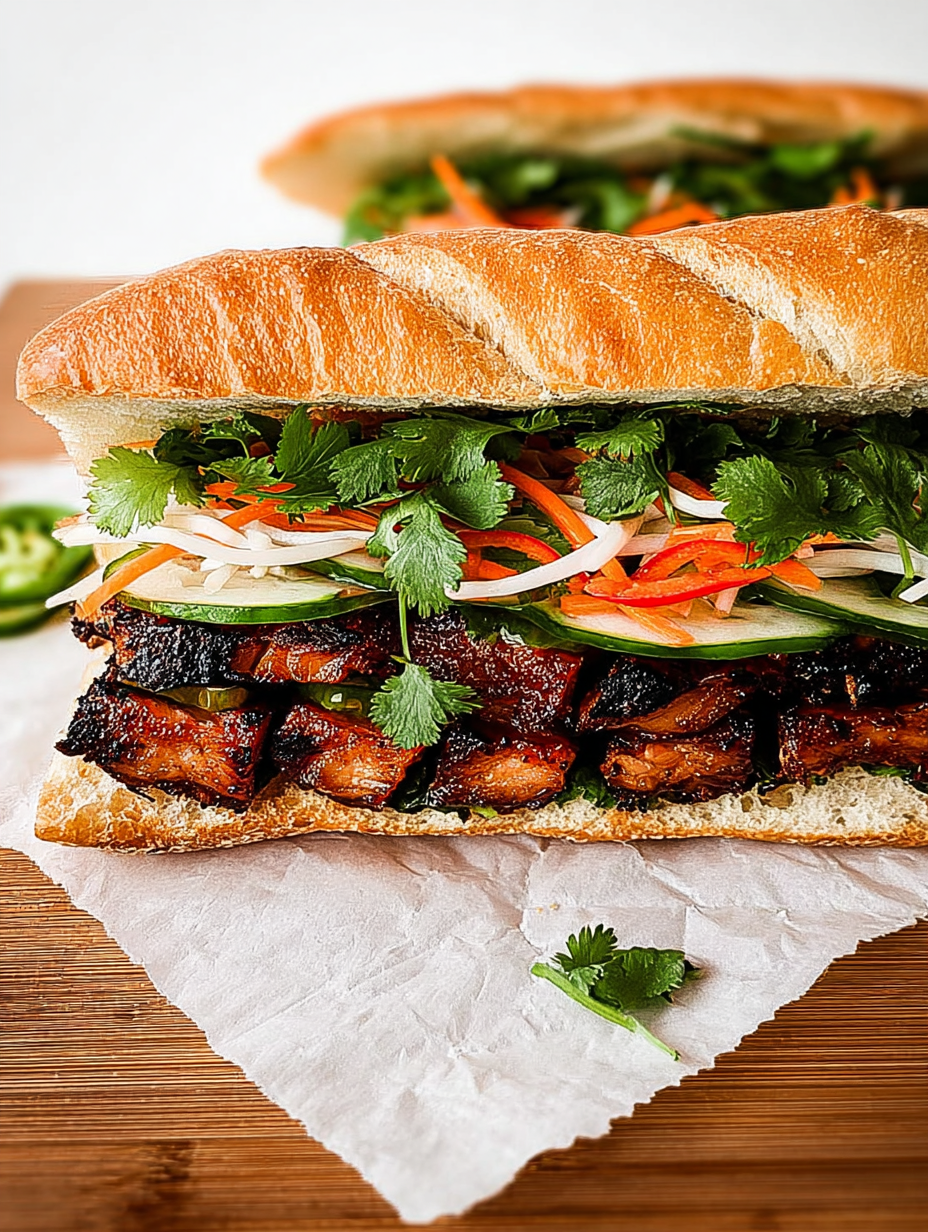
For peak efficiency, begin by mixing the pickle brine and letting the vegetables soak; this frees up time. Next, marinate the chicken quickly while you prepare the assembly ingredients like slicing the cucumbers and herbs. Finally, sear the chicken right before warming the baguettes, ensuring the meat is piping hot when the final assembly occurs.
Add Your Touch
Feel free to substitute the chicken with thinly sliced lemongrass beef or even seared tofu for a plant-based option. If you prefer a milder flavor, swap the spicy sriracha mayo for savory butter or a bit of ground peanuts. Alternatively, try adding shredded green mango or mint for a fresher herbal profile.
Storing & Reheating
Always store the cooked chicken and the pickles separately in airtight containers in the refrigerator (up to 4 days). Never assemble the Banh Mi Sandwiches for future consumption, as the bread will become irrevocably soggy. Reheat the chicken gently in a skillet before warming fresh baguettes and reassembling.
My first attempt at making these at home resulted in the soggiest bread known to man. I learned the hard way that the mayo barrier is not optional—it is a mandatory shield against delicious chicken juices. Now, my family expects these every Sunday.
Expert Tips for Flawless Banh Mi Sandwiches
- Use day-old French baguettes; their structure is slightly firmer, providing that signature resilient crunch needed for a structural success.
- Ensure you drain the quick pickles thoroughly before placing them on the bread; excess brine will quickly ruin the baguette’s fragile, crispy integrity.
- When marinating the protein, a splash of coconut soda or sparkling water helps tenderize the meat, giving it a wonderfully soft texture after cooking.
The History of Vietnamese Street Food
The history of the Banh Mi is fascinating, representing a beautiful collision of cultures. Its very existence is a testament to resourceful fusion cooking. The crusty French baguette, a relic of French colonialism, became the canvas. Vietnamese cooks, faced with limited ingredients and a need for quick meals, filled the bread with native ingredients like pickled vegetables, cilantro, and local proteins, transforming the European sandwich into a distinctly Southeast Asian staple.
What makes these Vietnamese subs so universally adored is their balance. They deliver sweet, sour, salty, savory, and spicy notes in every single bite. This is the definition of Umami packaged perfectly into a budget-friendly and immensely satisfying meal. Mastering the assembly technique guarantees that you, too, can produce street-food-level quality right in your own kitchen.
Choosing the Best Bread
You cannot use just any bread; that would be heresy. The ideal bread for a Banh Mi is light, airy, and thin-crusted, unlike the dense, chewy Italian loaves often used for hero sandwiches. Look for baguettes specifically labeled as “Vietnamese style” or French loaves that feel deceptively light for their size. If the bread is too dense, it will fight your fillings, rather than complementing them with a delicate crunch.
Frequently Asked Questions About Banh Mi Sandwiches
Can I prepare the quick pickles ahead of time?
Absolutely! The pickles (Do Chua) are actually better when prepared a day or two in advance. Store them tightly sealed in their brine in the refrigerator, and they will keep their sharp, tangy flavor for up to two weeks.
What is the difference between Banh Mi and other sandwiches?
The primary difference is the bread texture and the inclusion of Do Chua (pickles), fresh herbs (cilantro), and the specific type of sweet-savory protein marinade. Western sandwiches rarely achieve the specific level of crunchy-soft contrast that defines the Vietnamese version.
What if I don’t like cilantro?
If cilantro tastes like soap to you, you are in luck! Many people substitute mint or Thai basil, or a mixture of both, to maintain the fresh, aromatic quality essential to the sub. Do not skip the fresh herbs entirely, as they cut through the richness of the chicken and mayo.
Can I use turkey or ground meat instead of chicken thighs?
Yes, you can adapt the marinade for thinly sliced turkey breast or ground beef. If using ground meat, consider forming it into thin patties before searing to make assembly easier and prevent the meat from falling out of the crusty roll.
How do I make a vegan Banh Mi?
For a fantastic vegan option, replace the chicken with firm tofu or tempeh, marinated exactly as written in Step 2. Pan-fry until crispy. Ensure you use a reliable plant-based mayonnaise substitute for the spicy spread.
Whether you call them Banh Mi Sandwiches, Vietnamese street food rolls, or simply the best thing you have ever eaten, this recipe provides a foolproof method for capturing that street-side authenticity at home. Do not be afraid to load them up—the baguette can handle it. Happy crunching!
I remember the first time I met a Banh Mi. It wasn’t love at first sight; it was pure, unadulterated shock. How could so many contrasting flavors—spicy, sweet, tangy, and savory—coexist in one crispy baguette without starting a flavor war? The concept seemed absurd, like wearing mismatched socks to a black-tie gala, yet it worked brilliantly. This is the sandwich that challenges everything you thought you knew about handheld meals, offering a textural masterpiece that crackles, shreds, and melts all in the same bite.
The Unexpected Culinary Love Affair
For years, my lunch routine consisted of sad, limp turkey slices pressed between two pieces of equally sad white bread. It was a monotonous existence. Then, I encountered the legendary Vietnamese street food. Making Banh Mi Sandwiches at home initially felt intimidating—like attempting to build a small, delicious spaceship. But I promise you, once you break down the components, you realize it’s actually the easiest path to becoming a culinary hero in your own kitchen. We are focusing on maximizing crunch, balancing the acid of the pickles, and perfecting a protein filling that sings.
The Anatomy of a Perfect Baguette Roll
The foundation is non-negotiable: the bread. A true Banh Mi baguette must have an impossibly thin, shattering crust and an interior that is light, airy, and almost marshmallow-like. If your bread requires dental surgery after the first bite, you’ve failed. Gently warming the baguette ensures that glorious exterior crunch. Next comes the spread—a rich mayonnaise mixed with a dash of seasoning to provide creamy richness and prevent the bread from drying out from the intensely flavored fillings. Remember, every component plays a crucial supporting role in making these homemade Vietnamese sandwiches truly spectacular.
Building the Flavor Profile: Lemongrass Chicken
Since we are avoiding traditional cuts, we are diving deep into the magical world of lemongrass chicken. This recipe provides intense, aromatic flavor and ensures the meat remains juicy even after grilling or searing. You will need about a pound of boneless chicken thighs, which hold up better to the marinating and cooking process than breasts. The marinade acts as a flavor bomb, injecting savory, sweet, and citrusy notes directly into the poultry. Don’t rush this step; letting the chicken soak up the goodness for at least four hours is key to achieving that authentic depth of flavor.
Recipe: Quick Pickled Daikon and Carrot
Without the signatuređồ chua(pickled vegetables), your sandwich is just a highly decorated baguette. This quick pickle is the crucial tangy element that cuts through the richness of the meat and mayo. It takes approximately fifteen minutes of active time and yields delicious, crunchy results. Use equal parts shredded daikon radish and carrots. The brine uses water, vinegar (like distilled white or rice vinegar), sugar, and a pinch of salt. Ensure the vegetables are thinly julienned so they quickly absorb the brine without becoming soggy. Once marinated for at least thirty minutes, they offer that essential bright, acidic contrast we crave in these flavorful rolls.
- 1 cup julienned daikon radish
- 1 cup julienned carrots
- 1 cup hot water
- 1/2 cup white vinegar
- 3 tablespoons sugar
- 1 teaspoon salt
Mix the brine ingredients until the sugar and salt dissolve. Pour the hot liquid over the prepared vegetables and let them cool completely. Drain them well before assembling your Vietnamese sandwiches so your crispy baguette doesn’t turn into a tragic sponge.
The Final Assembly and Garnish
We’ve handled the crunch, the creaminess, and the tang. Now comes the heat and the freshness. A good drizzle of sriracha or chili sauce is mandatory, but adjust the spice level to your personal pain threshold. Fresh herbs—cilantro and mint—are not optional; they are the vibrant, refreshing note that ties the entire complex flavor profile together. Sliced cucumber adds cooling crunch, and thin slivers of jalapeño (seeds removed if you’re sensitive) deliver a sharp, quick bite of heat. Layering is important: spread the mayo, lay down the meat, heap on the pickles, and finish with the fresh herbs and chili. Take a moment to admire your creation before descending into glorious flavor oblivion.
Conclusion for Banh Mi Sandwiches
Mastering Banh Mi Sandwiches involves balancing five crucial elements: the crispy bread, the rich spread, the aromatic protein, the tangy pickles, and the fresh herbs. This guide provides a pathway to recreating this iconic Vietnamese street food using bright lemongrass chicken and perfectly quick-pickled vegetables, ensuring you achieve maximum flavor and textural contrast without needing advanced culinary skills. By focusing on these distinct components, you transform a simple meal into an exciting, unforgettable sensory experience. Ditch the sad lunch routine and embrace the satisfying crunch and vibrant taste of these incredible homemade baguette rolls today.
Print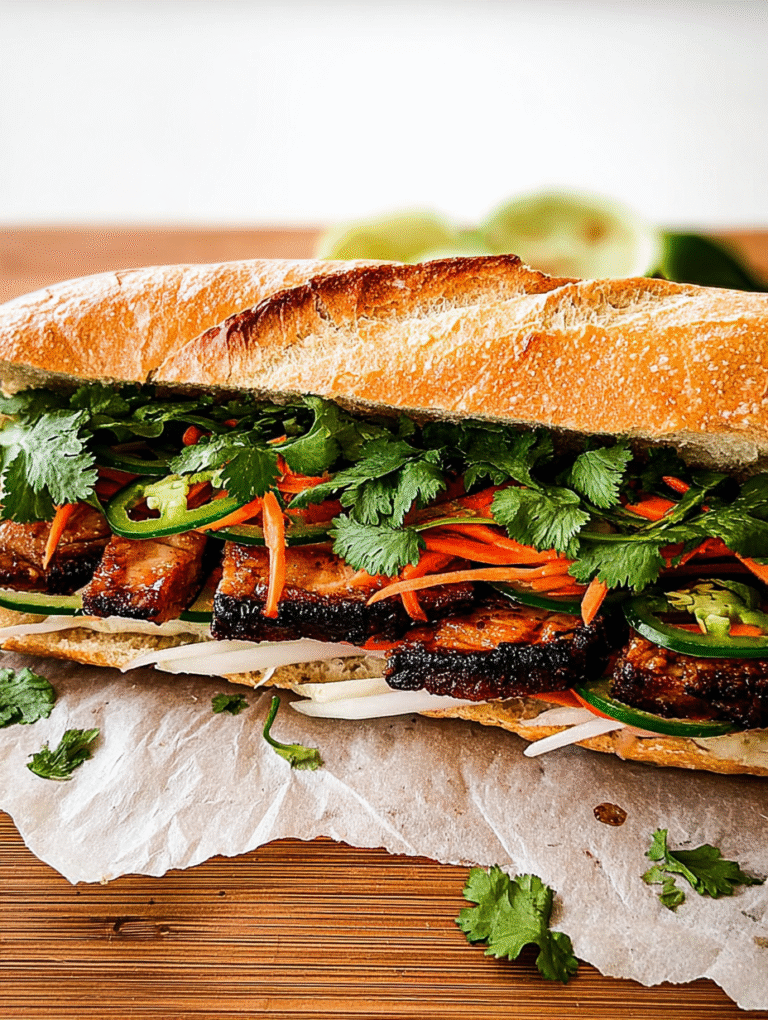
Banh Mi Sandwiches
Crusty, warm baguettes meet savory cold cuts and rich terrine de légumes. This authentic Banh Mi balances creamy mayo, tangy do chua, and crispy bread perfectly.
- Total Time: 35 minutes
- Yield: 4 servings 1x
Ingredients
- 4 small (6-inch) French baguettes or rolls
- 12 ounces Vietnamese cold cuts (e.g., cha lua or thinly sliced smoked turkey)
- 1 cup prepared pickled carrots and daikon (do chua), drained
- 1/4 cup mayonnaise
- 2 tablespoons liver terrine de légumes (optional, but highly recommended)
- 1/2 cup fresh cilantro sprigs
- 1 jalapeño, thinly sliced
- 1 tablespoon soy sauce (or Maggi seasoning)
Instructions
- Step 1: Preheat the oven or toaster oven to 350°F (175°C). Slice the baguettes horizontally down the middle without cutting all the way through, creating a pocket. Lightly toast the opened baguettes for 2-3 minutes until the bread is warm and crispy on the outside.
- Step 2: Immediately spread the interior of the warm baguettes. Apply a thin layer of liver terrine de légumes on one side of the bread and a generous layer of mayonnaise on the opposite side.
- Step 3: Arrange the protein filling inside the sandwich. Lay the Vietnamese cold cuts or turkey ham slices evenly across the bottom half of the baguette.
- Step 4: Top the meat layer with the pickled vegetables (do chua), ensuring they are well-drained to prevent the bread from becoming soggy. Add the cilantro sprigs and several slices of fresh jalapeño, distributing the spice evenly.
- Step 5: Drizzle a small amount of soy sauce (or Maggi seasoning) over the ingredients for added umami flavor. Gently close the baguette, press down lightly, and serve immediately.
Notes
- To maintain crispness, store all filling components (meat, pickles, herbs) separately from the bread in the refrigerator, assembling the Banh Mi only when ready to eat.
- If you have leftover bread, refresh it by wrapping it in foil and warming it in a 300°F oven for 5 minutes, but never attempt to reheat an assembled sandwich.
- For the best texture, consume the Banh Mi immediately after assembly, perhaps pairing it with a strong Vietnamese iced coffee (cà phê sữa đá) for an authentic street food experience.
- Use the highly recommended liver terrine de légumes not just for flavor, but also as a protective layer under the moist ingredients to help prevent the warm baguette from becoming instantly soggy.
- Prep Time: 15 minutes
- Cook Time: 20 minutes
- Method: Stovetop
- Cuisine: American
FAQs
How do I ensure my bread is perfect for Banh Mi Sandwiches?
The bread is arguably the most vital component for exceptional Banh Mi Sandwiches, so choose wisely. You need a baguette that is light and airy on the inside with a crust that shatters easily when pressure is applied. Avoid dense French loaves; look for rolls labeled “Vietnamese baguettes” if available, or choose the lightest possible standard baguette. To achieve the best texture, warm the baguette briefly in a toaster oven or standard oven until the crust feels rigid and delicate. A slight crisping enhances the textural contrast necessary to balance the softer fillings and rich proteins.
Can I prepare the chicken filling ahead of time for easy assembly?
Absolutely! Preparing the lemongrass chicken ahead of time is an excellent strategy for quick assembly, especially if you are making a large batch of Vietnamese sandwiches for a party or meal prep. You can marinate the chicken for up to 24 hours in the refrigerator, allowing the flavors to deepen significantly. After cooking, slice the chicken thinly and store it separately. When ready to assemble the Banh Mi Sandwiches, you can quickly reheat the slices or serve them chilled, which is also a delightful, authentic way to enjoy this street food.
What is the best vegetarian substitute for the traditional meat fillings?
While Banh Mi is often associated with savory meats, there are fantastic vegetarian alternatives that maintain the core flavor profile. Firm tofu or tempeh, marinated in the same lemongrass and soy-based sauce used for the chicken, works exceptionally well. Tofu should be pressed thoroughly before marinating and then pan-fried or baked until the exterior is crispy. Alternatively, roasted mushrooms seasoned with five-spice powder provide a deeply savory, umami-rich filling that pairs perfectly with the pickled vegetables and creamy components of the sandwich.
Why are pickled vegetables essential when making authentic Banh Mi Sandwiches?
Pickled vegetables, known asđồ chua, provide the essential acidic counterpoint that elevates the Banh Mi from a simple sandwich to a complex culinary experience. Their bright, tangy flavor and crucial crunchy texture cut through the richness of the mayonnaise and the savory intensity of the protein filling. Without this acidity, the sandwich would taste heavy and unbalanced. The quick pickling process of the daikon radish and carrots ensures they remain crisp while imparting a slight sweetness and sourness, balancing the spice and savoriness of the other layers.




Leave a Comment