
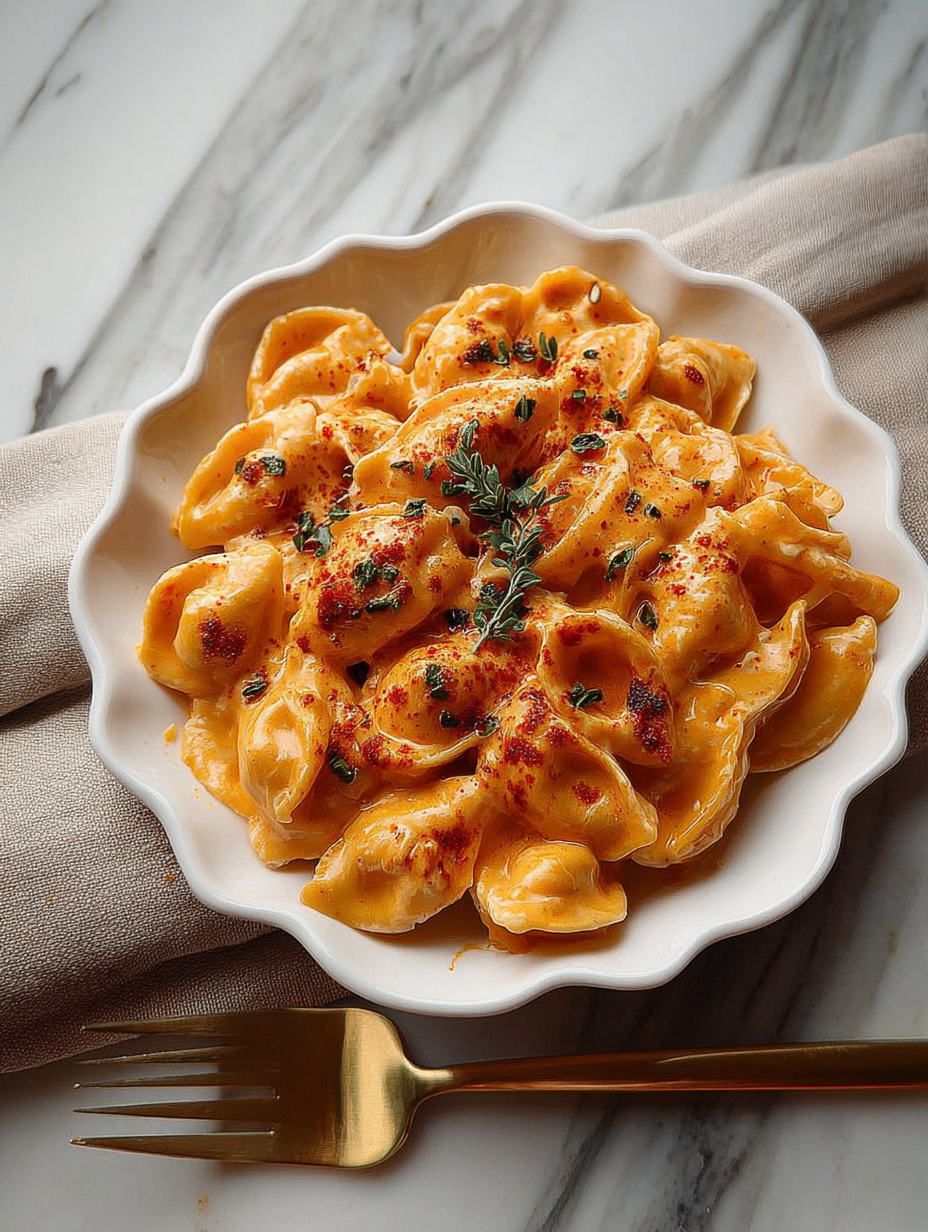
Forget everything you thought you knew about weeknight comfort food because this luxurious, vibrant, and surprisingly easyButternut Squash Baked Feta Pastais about to steal the spotlight in your kitchen rotation.
I first stumbled upon this brilliant hack when I needed dinner fast, resulting in a cozy, sweet, and tangy roasted masterpiece that feels like a warm, comforting hug in a bowl, perfect for cooler evenings.
- This recipe requires minimal hands-on time, as the oven does all the heavy lifting, transforming humble ingredients into culinary genius while you relax.
- Experience the perfect balance of savory roasted feta, sweet caramelized squash, and bright, tangy herbs, creating an unforgettable and deeply satisfying flavor profile.
- The creamy, golden sauce and vibrant orange chunks of squash make this dish an absolute feast for the eyes, ideal for impressing guests with minimal effort.
- Easily adapt this simple baked pasta recipe by adding roasted chicken, toasted pine nuts, or a dash of chili flakes for customization and texture variation.
Ingredients for Butternut Squash Baked Feta Pasta
Here’s what you’ll need to make this delicious dish:
- Butternut SquashLook for a squash with smooth, even skin; ensure you peel and cube it into uniform pieces so it roasts evenly and becomes fork-tender.
- Feta CheeseUse an authentic block of feta packed in brine, as this yields the creamiest and tangiest sauce when baked, unlike pre-crumbled varieties.
- Olive OilA high-quality extra virgin olive oil is essential for coating the vegetables and helping them caramelize beautifully in the oven during the roasting process.
- Garlic and ShallotsThese aromatic staples provide depth and savory complexity to the final sauce, softening delightfully as they roast alongside the squash cubes.
- Dried Oregano and ThymeA generous sprinkle of these Mediterranean herbs adds classic flavor notes that pair wonderfully with the salty cheese and sweet squash.
- Red Pepper FlakesThese are optional but highly recommended to introduce a subtle warmth and counteract the natural sweetness of the roasted winter squash.
- PastaSelect a short, robust pasta shape like rotini, penne, or rigatoni, which can effectively grab and hold onto the thick, creamy sauce once everything is mixed.
- Vegetable BrothA small amount of vegetable broth helps loosen the final sauce consistency after the baking process, ensuring it coats the pasta perfectly without becoming too dense.
- Fresh Basil or ParsleyUse these fresh herbs as a vibrant, fragrant garnish right before serving to add brightness, color, and a final layer of complexity.
The full ingredients list, including measurements, is provided in the recipe card directly below.
How to Make Butternut Squash Baked Feta Pasta
Follow these simple steps to prepare this delicious dish:
-
Step 1: Prep and Roasting Setup
Preheat your oven to 400°F (200°C). In a large 9×13 inch baking dish, combine the cubed butternut squash, halved shallots, and minced garlic. Drizzle generously with olive oil, sprinkle with oregano, thyme, salt, and pepper, then toss everything thoroughly until coated for maximum flavor development.
-
Step 2: Nest the Feta
Clear a space in the center of the seasoned vegetables and place the entire block of feta cheese right in the middle, ensuring it sits flat. Drizzle a tiny bit of olive oil over the top of the feta and add a pinch of red pepper flakes if you enjoy a little heat. Place the dish into the preheated oven and roast for 30 to 35 minutes, or until the squash is tender and the feta is bubbling and golden.
-
Step 3: Boil the Pasta
About 10 minutes before the squash finishes roasting, start boiling your chosen pasta shape according to the package directions. Cook the pasta until it is perfectly al dente, resisting the urge to overcook it. Reserve about a cup of the starchy pasta water before draining the remaining water completely.
-
Step 4: Create the Creamy Sauce
Once the baking dish comes out of the oven—the squash should be fork-tender and the feta slightly browned and bubbling—immediately mash the roasted feta and squash together using a fork or a potato masher. Stir vigorously until a creamy, slightly chunky sauce forms, ensuring the feta is fully integrated into the sweet roasted squash mixture.
-
Step 5: Combine and Finish
Add the drained pasta and about half of the reserved pasta water, mixing constantly until the sauce coats every piece of pasta beautifully. If the sauce seems too thick, add more vegetable broth or pasta water, a tablespoon at a time, until the consistency achieves a lush, vibrant coating.
Transfer to plates immediately and top generously with fresh basil or parsley for a bright, herbal contrast, serving this flavorful roasted pasta while it is piping hot.
Why This Viral Recipe Works (And How to Perfect It)
The original baked feta pasta took the internet by storm because of its incredible simplicity, but let’s be honest, tomatoes can sometimes feel a bit light for a chilly evening. Swapping in butternut squash transforms this dish from a summer fling into a deeply satisfying, rich comfort food perfect for sweater weather. The natural sweetness of the squash balances the sharp, briny saltiness of the feta cheese perfectly, creating a flavor profile that is both complex and incredibly addictive. This isn’t just a simple baked pasta dish; it’s an alchemy of roasting that turns simple produce into culinary gold. Remember, the key to success lies in the quality of your ingredients and resisting the urge to poke the feta too early during the baking phase.
The Magic of Roasted Feta
Using a whole block of high-quality feta is non-negotiable here, so avoid buying the pre-crumbled variety. Pre-crumbled feta, while convenient, often contains anti-caking agents that prevent it from melting down into a smooth, luxurious sauce once roasted. When you roast the feta block surrounded by the hot vegetables, the high heat causes it to soften and slightly caramelize on the edges, deepening its flavor. When you mash it, this creamy, salty foundation combines seamlessly with the caramelized sugars from the squash and the oil, thickening naturally into a velvety smooth sauce. If you prefer a milder flavor, try substituting half the feta block with fresh goat cheese, though this will significantly reduce the characteristic salty tanginess that defines classic baked feta dishes.
Selecting the Perfect Squash
Butternut squash comes pre-cut in many grocery stores, and while tempting for convenience, cutting it yourself guarantees better results because pre-cut cubes often dry out quickly during roasting, which can ruin the sauce texture. When selecting a whole squash, choose one that is heavy for its size and has a deep, uniform tan color, indicating ripeness. Peeling and chopping a butternut squash can feel like a serious workout, which is why I recommend tackling this task the day before, or if you are feeling daring, microwaving the whole squash for three minutes first to soften the skin slightly before peeling it. Ensure your cubes are roughly one inch in size so they cook at the same rate as the other vegetables and achieve perfect tenderness simultaneously.
Troubleshooting and Expert Tips
This recipe for Butternut Squash Baked Feta Pasta is famously easy, a true set-it-and-forget-it wonder, but even the simplest recipes have potential pitfalls. We want creamy perfection, not a dry, chunky mess, so pay close attention to the details when you pull that magical dish out of the oven. If you find your roasted squash pasta sauce is splitting or appears too thick to coat the noodles properly, the secret weapon is always the same: starchy pasta water. Never underestimate the power of that cloudy liquid to emulsify and bind a sauce together, transforming it instantly into silken smooth goodness.
Consistency Control
The biggest challenge when making any baked cheese pasta is achieving the right consistency after mashing the ingredients. If your sauce is too runny, it usually means you added too much oil initially or didn’t allow the feta to brown enough to thicken properly. Conversely, if it’s too thick, you simply didn’t add enough liquid. The reserved starchy pasta water contains starches released from the cooking pasta, which acts as a fantastic natural binder. Start by adding a quarter cup of pasta water, stir vigorously until the sauce looks creamy, and only add more vegetable broth or water if absolutely necessary to thin it further. The ultimate goal is a lush, vibrant coating that adheres to the noodles without dripping away.
Adding Protein Alternatives
While this roasted squash pasta is deliciously filling enough on its own, adding a lean protein turns it into a comprehensive family meal that satisfies the heartiest appetite. Since the oven is already hot, you can easily roast some chicken or turkey alongside the vegetables and feta block. Simply cut boneless chicken breast or turkey tenderloins into one-inch pieces, toss them lightly with olive oil and the same spices you used for the squash, and arrange them around the perimeter of the baking dish. They will cook perfectly in the 30-35 minutes needed for the butternut squash and feta. Alternatively, if you prefer a plant-based protein boost, stirring in a can of drained and rinsed chickpeas or white beans during the last 10 minutes of roasting provides a great textural contrast and nutritional complexity to the finished dish.
Common Questions About Butternut Squash Baked Feta Pasta
Even seasoned home cooks often have questions about perfecting this specific winter squash recipe twist. Here are the answers to the most frequent inquiries we receive regarding this creamy baked pasta.
Can I use a different type of squash?
Yes, absolutely you can swap out the squash. Acorn squash or delicate squash are fantastic alternatives, offering a similar sweetness and texture once roasted, blending beautifully into the sauce. Avoid using waterier squashes like zucchini or yellow summer squash, as they won’t break down into the necessary creamy sauce texture that makes this Butternut Squash Baked Feta Pasta so decadent and comforting.
How should I store leftovers?
Store any leftover baked pasta in an airtight container in the refrigerator for up to three days, ensuring maximum freshness. When reheating, the pasta tends to absorb the sauce when cold, so place the leftovers in a saucepan over medium-low heat and add a generous splash of vegetable broth or plain water to revive the sauce’s original creaminess.
Is it possible to prepare this recipe ahead of time?
You can definitely prep the components in advance to save time during the week. Cube the butternut squash, chop the shallots, and mince the garlic, storing them together in an airtight container in the refrigerator for up to two days. However, do not combine the feta and the vegetables in the baking dish until immediately before baking. The roasting process must happen just prior to serving to ensure the cheese melts and the sauce emulsifies correctly with the hot pasta.
What can I use instead of feta cheese?
If feta is simply not your preference, try substituting it with an equal amount of firm, creamy goat cheese, which provides a similar tanginess, or use a mixture of mozzarella and cream cheese if you prefer a milder flavor. Ensure whatever alternative cheese you select can withstand high oven heat without drying out completely or separating into oily clumps.
Remember that fleeting moment, about three years ago, when the internet collectively decided that baking a block of feta cheese with tomatoes and tossing it with pasta was the single greatest invention since sliced bread? Grocery stores ran out of feta. It was chaos. It was delicious chaos. But like all viral hits, we need a sequel, and that sequel needs to be cozy, comforting, and distinctly autumnal. Welcome to the upgrade, the fall-flavored remix that swaps out summer’s cherry tomatoes for the creamy, sweet richness of the season’s most beloved gourd.
If you thought the original recipe was simple, prepare yourself. TheButternut Squash Baked Feta Pastatakes the viral phenomenon, dials up the comfort factor, and delivers a deeply satisfying meal perfect for chilly evenings. This dish is ridiculously easy, requiring minimal chopping and just one oven dish for nearly the entire process. It’s truly a recipe for when you want dinner to feel fancy without having to put on actual pants.
The Legend of the Butternut Bake
The original baked feta pasta—or “TikTok Pasta” as it became known—was a stroke of genius through its sheer simplicity. Throw ingredients in a dish, bake, stir, and eat. But while cherry tomatoes are excellent, they can sometimes lack the necessary depth required for true, soul-warming comfort food. That’s where the butternut squash waltzes in, wearing a cozy sweater and carrying a rich, earthy flavor profile.
Roasting cubed butternut squash alongside the feta does two magical things. First, the squash caramelizes beautifully, enhancing its natural sweetness. Second, as you crush and mix the roasted vegetables with the warm, softened feta, the squash dissolves slightly, creating a naturally thick, velvety sauce that clings lovingly to every piece of pasta. Forget heavy creams; this velvety texture comes straight from the ground, proving that nature is the best saucier.
We combine the squash and feta with sweet shallots and aromatic garlic, baking them together until the kitchen smells like a five-star Italian eatery. A sprinkle of fresh herbs at the end transforms this simple bake into an unforgettable weeknight meal that will have guests begging for the recipe. This method is foolproof and ideal for busy cooks who still demand maximum flavor payoff.
Why Butternut Squash Works Magic
Butternut squash is often relegated to soups or Harvest celebration side dishes, but its starchy density makes it an incredible base for pasta sauces. Unlike zucchini or bell peppers, which release a lot of water when cooked, butternut maintains its structure and, crucially, thickens the resulting sauce. This natural binding quality means we skip the flour and butter roux traditionally used in creamy pasta dishes. Furthermore, its subtle nutty sweetness balances the strong, salty tang of the baked feta cheese, resulting in a perfectly harmonious flavor profile that is both savory and slightly sweet, making the dish complex yet approachable.
Ingredients You’ll Need for Butternut Squash Baked Feta Pasta
Gathering the ingredients for this dish is straightforward. Focus on fresh, quality components, especially the feta, which acts as the cornerstone of the sauce.
- 1 medium butternut squash, peeled, seeded, and cubed into 1-inch pieces
- 1 pint cherry or grape tomatoes
- 1 block (7–8 oz) feta cheese, preferably packed in brine
- 4 cloves garlic, minced or roughly chopped
- 1 large shallot, roughly chopped
- 1 teaspoon dried oregano
- ½ teaspoon red pepper flakes (optional, for a little kick)
- ¼ cup olive oil, plus more for drizzling
- Salt and freshly ground black pepper to taste
- 12 ounces dried pasta (penne, rotini, or orecchiette work well)
- Fresh basil or parsley, for garnish
Step-by-Step Instructions: The Easiest Dinner Ever
Preparation is key here, but fortunately, the prep work is incredibly minimal. Preheat your oven and grab your largest baking dish; we are about to create autumnal magic.
- Prep the Vegetables and Cheese:Preheat your oven to 400°F (200°C). In a 9×13-inch baking dish, combine the cubed butternut squash, cherry tomatoes, garlic, and shallot. Drizzle generously with ¼ cup of olive oil, sprinkle with oregano, red pepper flakes (if using), salt, and pepper. Toss gently until everything is evenly coated.
- Position the Feta:Create a space in the center of the vegetables and place the entire block of feta cheese right in the middle. Drizzle the feta block with a small amount of extra olive oil.
- The Great Bake:Transfer the dish to the preheated oven and bake for 30–35 minutes. The squash should be tender when pierced with a fork, the tomatoes slightly burst, and the feta should be soft and lightly golden brown around the edges.
- Cook the Pasta:About 10 minutes before the bake is ready, cook the pasta according to package directions in well-salted water. Before draining, reserve about 1 cup of the starchy pasta cooking water. Drain the pasta and set it aside.
- Make the Sauce:Carefully remove the baking dish from the oven. Using a wooden spoon or spatula, mash the baked feta block and the softened squash into the roasted tomatoes and garlic. Stir vigorously until the mixture transforms into a thick, creamy, and uniform sauce.
- Combine and Serve:Add the drained pasta directly into the baking dish. Pour in half of the reserved pasta water. Stir continuously until the sauce coats the pasta beautifully. Add more reserved water, a splash at a time, until you reach your desired consistency. Garnish generously with fresh basil or parsley and serve immediately.
Perfecting the Cooking Process

Achieving culinary perfection starts with the bake. First, toss the squash and tomatoes with oil, then nestle the feta block right in the center. Bake this until the vegetables soften and the cheese is golden. While the bake rests, boil your pasta and reserve some starchy water for the ultimate creamy sauce finish.
I once served this creamy creation to my in-laws, who usually scrutinize every bite. My mother-in-law asked for the recipe before she finished her first forkful—that is when I knew this Butternut Squash Baked Feta Pasta was a certified winner.
- Always choose a block of feta packed in brine; it melts smoothly and offers a superior, authentic salty flavor compared to pre-crumbled varieties. (21 words)
- Do not drain all the pasta water! That starchy liquid is essential for emulsifying the roasted vegetables and cheese into a luxurious, glossy sauce. (24 words)
- Toss the butternut squash cubes in a little cornstarch before baking to encourage crispy edges, adding a delightful textural contrast to the creamy sauce. (23 words)
Add Your Touch
Personalize this dish easily. Try substituting goat cheese for feta if you prefer a sharper tang. For a smoky depth, swirl in a teaspoon of smoked paprika before baking. You can also boost the nutrients by adding a handful of fresh spinach during the final mixing stage for a vibrant green twist.
Storing & Reheating
Store leftovers in an airtight container in the refrigerator for up to three days. When reheating, place the pasta in a skillet over medium heat, adding a splash of vegetable broth or water to restore moisture and prevent drying out. Stir gently until heated through to maintain the creamy texture.
The Joy of Seasonal Pasta
What makes this Butternut Squash Baked Feta Pasta so appealing isn’t just the flavor—it’s the feeling of effortless sophistication it brings to the table. In a culinary world often dominated by overly complex recipes, this dish is a breath of fresh air. It utilizes the best of seasonal produce and relies on the simple magic of roasting to develop deep, nuanced flavors. You are essentially turning your oven into a flavor incubator, creating a concentrated sauce without any unnecessary effort.
This recipe proves that comfort food does not have to be heavy or complicated. The sweetness of the squash, the brine of the feta, the acidity of the tomatoes, and the punch of garlic harmonize beautifully, making this a staple for fall and winter menus. Try serving it with a crisp green salad tossed in a simple vinaigrette to cut through the richness, or perhaps some crusty bread for soaking up every last bit of that velvety sauce.
Frequently Asked Questions About Baked Pasta
What kind of pasta works best for this baked dish?
Medium-sized tubular shapes like penne, rigatoni, or ziti are excellent choices because they trap the creamy butternut sauce inside. Short, curly pasta like rotini or cavatappi also work perfectly, ensuring maximum sauce-to-pasta ratio in every bite.
Can I prepare the Butternut Squash Baked Feta Pasta ahead of time?
While the actual baking and mixing are quick, you can certainly prep the vegetables (cubing the squash, chopping the shallots) a day in advance. Store the prepped ingredients in the refrigerator. However, for the best flavor and texture, bake and mix the pasta just before serving.
Is there a good substitute for feta cheese?
If feta is unavailable or not to your taste, goat cheese is the most recommended substitution due to its similar tangy flavor and high fat content, which helps create a smooth sauce when baked. For a non-dairy alternative, look for high-quality plant-based feta products designed for baking, although results may vary slightly in creaminess.
How do I ensure the squash cubes are tender?
Make sure the squash is cut into uniform 1-inch pieces. If the cubes are too large, they may remain hard while the rest of the ingredients cook. If your oven tends to run cool, you might need to add five to ten minutes to the baking time to ensure the squash is fully softened and caramelized.
What fresh herbs pair well with this creamy feta pasta?
Fresh basil adds a lovely Italian brightness, which is traditional. However, fresh thyme or rosemary complements the butternut squash beautifully, adding a rustic, earthy dimension that is particularly fitting for a fall dish. Always stir the fresh herbs in just before serving to maximize their aroma and freshness.
Conclusion for Butternut Squash Baked Feta Pasta
The Butternut Squash Baked Feta Pasta transcends its viral origins, offering a deeply satisfying and surprisingly easy meal. We combined the sharpness of baked feta with the subtle sweetness of roasted squash, resulting in a comforting dish perfect for those colder evenings. This recipe proves that minimal effort can yield maximum flavor, delivering a rich, creamy sauce without needing complicated steps. Whether you are aiming to impress dinner guests or simply craving a cozy night in, this cheesy, herbaceous pasta bake is the ultimate culinary triumph. Go ahead, grab your sheet pan, and transform your weeknight dinner routine with this glorious autumn upgrade.
Print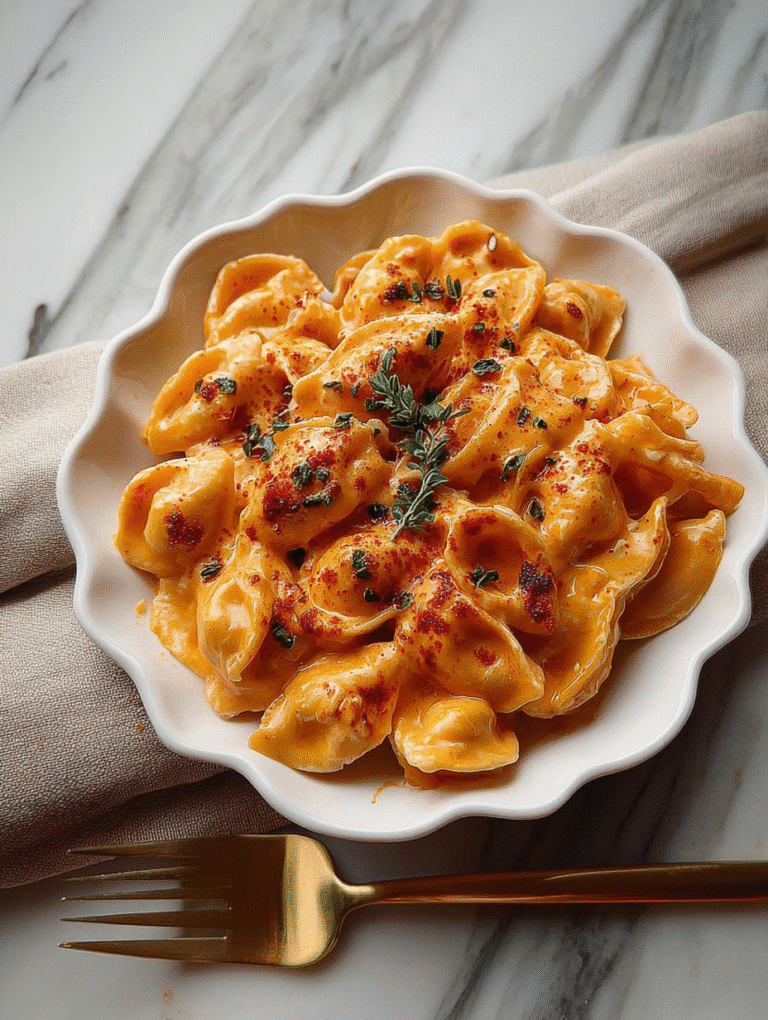
Butternut Squash Baked Feta Pasta
Roast sweet butternut, savory feta, and pungent garlic in one dish at 400°F for a hands-off, ultra-creamy pasta sauce. This viral sensation is autumn’s best comfort meal.
- Total Time: 35 minutes
- Yield: 4 servings 1x
Ingredients
- 1 medium butternut squash (about 4 cups diced into 1-inch cubes)
- 8 ounces block of feta cheese
- 12 ounces short-cut pasta (e.g., penne, rigatoni, or ziti)
- 1/4 cup extra virgin olive oil
- 4 cloves garlic, peeled and smashed
- 1 teaspoon dried thyme
- 1 teaspoon kosher salt (divided)
- 1/2 teaspoon red pepper flakes (optional)
Instructions
- Step 1: Preheat the oven to 400°F (200°C). Place the diced butternut squash, smashed garlic, 1/4 cup olive oil, 1/2 teaspoon kosher salt, thyme, and red pepper flakes (if using) into a 9×13 inch baking dish. Toss to coat the squash evenly.
- Step 2: Create a cleared space in the center of the baking dish and place the whole block of feta cheese directly in the center of the squash mixture. Drizzle the feta block with a small amount of extra olive oil and the remaining 1/2 teaspoon of kosher salt.
- Step 3: Bake the dish for 30 to 35 minutes, or until the squash is tender and slightly caramelized, and the feta is soft, slightly browned, and very creamy.
- Step 4: About 10 minutes before the squash and feta are done, cook the pasta according to package directions until al dente. Reserve about 1 cup of the pasta cooking water before draining the pasta thoroughly.
- Step 5: Remove the baking dish from the oven. Using a wooden spoon or spatula, mash the feta and roasted garlic into the squash mixture until a creamy sauce forms. Pour in the drained pasta and toss well to coat, adding reserved pasta water if the sauce appears too thick.
Notes
- Leftovers store well refrigerated in an airtight container for up to 3 days, though the pasta sauce will thicken significantly as it cools.
- When reheating, loosen the thick sauce by adding a tablespoon or two of water, milk, or vegetable broth before microwaving or warming on the stovetop.
- Balance the richness of the baked feta sauce by serving alongside a simple side of arugula or baby spinach dressed lightly with lemon juice and cracked black pepper.
- To achieve the perfect silky sauce consistency, be sure to reserve at least 1 cup of starchy pasta water to emulsify the mashed feta and squash mixture.
- Prep Time: 15 minutes
- Cook Time: 20 minutes
- Method: Stovetop
- Cuisine: American
FAQs
Why does Butternut Squash Baked Feta Pasta work so well?
The magic of this Butternut Squash Baked Feta Pasta lies in the contrast between creamy, tangy feta and the earthy sweetness of the squash. When the squash roasts, it caramelizes slightly, enhancing its natural sugars. As the hot pasta water and olive oil are added, the roasted ingredients emulsify, creating a luxurious sauce that coats every strand. It’s an easy weeknight meal that tastes incredibly complex, transforming a viral trend into a cozy, gourmet experience perfect for fall and winter dining. The balance of savory herbs like oregano and thyme seals the deal, making it irresistible.
Can I use a different type of squash for this cheesy squash bake?
Absolutely! While butternut squash offers the best combination of sweetness and creaminess for the sauce, you can certainly experiment with alternatives. Acorn squash or delicata squash are fantastic substitutes, although you might need to slightly increase the roasting time since their textures can be firmer. If you use pumpkin, choose a sugar pumpkin or pie pumpkin, not the large carving varieties, as they tend to be watery. Remember that spaghetti squash is stringy and will not blend into a smooth sauce, so stick to varieties that break down nicely when roasted for the best result in this baked pasta dish.
How do I achieve a perfectly creamy sauce without adding dairy?
The secret to a luscious sauce in your Butternut Squash Baked Feta Pasta is leveraging the natural starch in the pasta water and the high moisture content of the roasted squash. Before draining your cooked pasta completely, reserve at least one cup of the starchy cooking liquid. When you combine the roasted feta and squash mixture with the cooked pasta, slowly incorporate the reserved water. Stirring vigorously helps the starch bind with the olive oil and the melted squash pulp, creating a silky, restaurant-quality emulsion. This method adds richness without needing heavy cream or butter, keeping the dish lighter while maintaining ultimate comfort factor.
What is the best way to store and reheat Butternut Squash Baked Feta Pasta leftovers?
Storing your Butternut Squash Baked Feta Pasta is simple. Transfer any leftovers to an airtight container and refrigerate them for up to four days. When reheating, the pasta tends to dry out because the noodles absorb the sauce, so you must introduce moisture. To revive the dish, reheat individual portions in a skillet over medium heat, adding a splash of vegetable broth or plain water while stirring. Avoid microwaving if possible, as it can sometimes make the pasta rubbery. By adding a little liquid during the reheating process, you bring the sauce back to life, ensuring the pasta retains its smooth texture.



Leave a Comment