
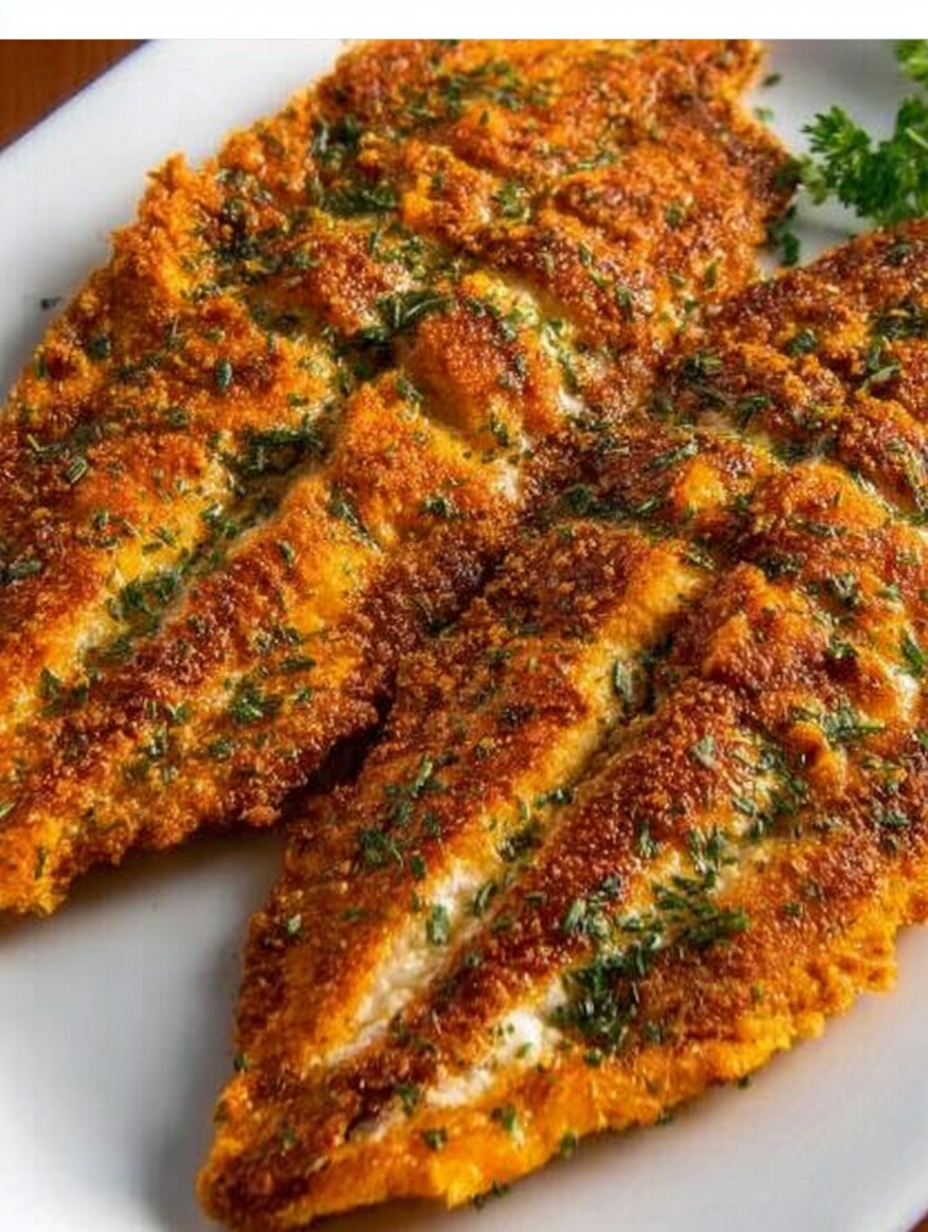
That moment when the spicy, smoky aroma of Louisiana seasoning hits your nostrils, promising perfectly flaky fish—that is the magic ofCajun Baked Catfish.
Forget deep-frying; this recipe delivers a crisp crust and tender interior, making weeknight dinners feel like a celebratory trip down to the bayou.
- This preparation method is incredibly simple, requiring minimal cleanup and ready to eat in under 30 minutes from start to finish.
- Experience the rich, layered flavor profile featuring deep smoky notes balanced by a satisfying, earthy heat that truly wakes up your palate.
- The vibrant, brick-red crust created by the baking process offers a stunning visual contrast to the pearly white, flaky texture of the baked fish fillet.
- Catfish is wonderfully versatile and pairs beautifully with classic Southern sides like creamy grits, seasonal roasted vegetables, or a simple crisp salad.
The Case for Baking: Escaping the Frying Frenzy
My culinary journey with Cajun flavors started disastrously. I thought the only way to achieve authentic bayou taste was to deep-fry everything until the kitchen looked like a grease explosion zone and my smoke detector was staging a protest. If you have ever chased a rogue droplet of hot oil across your ceiling, you know the struggle is real. Fortunately, I discovered the miraculous method of baking. Baking not only cuts down drastically on fat but also concentrates those gorgeous spice flavors, creating a crust that is unbelievably crispy without the heavy, oily feeling of traditional frying.
There is a specific kind of arrogance that comes with deep-frying. You feel like a culinary hero, but really, you are just masking the subtle flavors of the fish with heavy grease. When you bake the catfish, you allow the natural sweetness of the fish to shine through the robust blend of seasonings. This baked approach also ensures that the seasoning mix adheres firmly to the fillet, creating a protective, flavor-packed armor that keeps the interior succulent. Think of it as a low-maintenance, high-reward flavor strategy. Plus, clean-up involves tossing a sheet of parchment paper, which is the ultimate victory for any home cook battling weeknight fatigue.
Mastering the Cajun Spice Blend
The secret weapon in any great Cajun dish is, naturally, the seasoning. Forget those dusty, pre-mixed shakers that have been sitting on the grocery shelf since the last solar eclipse. We are making a bold, balanced blend from scratch, and it makes all the difference in the world. The goal is depth, not just fire. Many people assume Cajun means painfully spicy, but it should be a complex layering of warmth, smoke, and earthy herbs.
The foundation rests on paprika—and here is where you get sneaky. Use both regular sweet paprika for color and robust, smoky paprika for that grill-like depth. Balance that smokiness with ample onion and garlic powder, ensuring every single bite offers that savory, baseline flavor. Then come the herbs: dried thyme and oregano are non-negotiable for that authentic Louisiana feel. Finally, the heat source is a controlled dose of cayenne pepper. Start conservative, taste the blend, and adjust. Remember, you can always add more heat, but you can never take it back unless you happen to possess a time machine and very small tweezers. Getting this seasoning right is critical for the bestCajun Baked Catfishexperience, transforming a simple fillet into a powerhouse of flavor.
Ingredients for Cajun Baked Catfish
Here’s what you’ll need to make this delicious dish:
- Catfish FilletsSelect fresh or frozen (and thawed) fillets that are about 1/2 inch thick for even cooking results and ensure they are patted completely dry.
- Olive OilThis acts as the binder for the spice blend and helps create that desirable crisp, golden-brown exterior while the fish bakes.
- Paprika (Smoked and Sweet)Use a combination of both for depth; the smoked paprika brings that essential rustic, fiery background flavor without being overly spicy.
- Cayenne PepperThis is where the heat comes from, so adjust the quantity based on your personal preference for fiery intensity.
- Onion and Garlic PowderThese foundational spices add aromatic complexity and ensure the blend adheres evenly to the fish.
- Dried Thyme and OreganoThese herbs provide the classic earthy, slightly pungent base notes typical of authentic Louisiana seasoning blends.
- Salt and Black PepperEssential flavor enhancers; use kosher salt for the best texture and coarsely ground black pepper for noticeable bite.
The full ingredients list, including measurements, is provided in the recipe card directly below.
Selecting and Preparing Your Fillets
The quality of your catfish is perhaps the second most important element, right behind the spice blend. Catfish often gets a bad rap, but when sourced correctly and cooked properly, it offers a beautifully mild flavor and a flaky texture perfect for absorbing bold spices. When purchasing, look for fillets that are bright and firm. If you are using frozen fish, which is often easier to find, make sure you thaw it slowly overnight in the refrigerator. Do not rush this process, or you will end up with waterlogged, spongy fish.
The single most crucial step before seasoning is the Great Catfish Pat-Down. I cannot stress this enough: moisture prevents crispiness. Take those fillets, lay them on a thick stack of paper towels, and pat them dry as if you are trying to squeeze out a week’s worth of worry. Any surface moisture will steam the fish rather than sear the spices, leaving you with a soggy result that dishonors the spirit of the bayou. Once they are bone dry, a thin layer of olive oil will ensure that the homemade Cajun seasoning sticks like super glue and crisps up beautifully in the hot oven.
How to Make Cajun Baked Catfish
Follow these simple steps to prepare this delicious dish:
- Prepare the Spice Blend and PreheatPreheat your oven to a blazing 425°F (220°C). In a small bowl, combine all the dry seasoning ingredients—paprika, cayenne, thyme, oregano, onion powder, garlic powder, salt, and pepper—to create your signature Cajun mixture.
- Prep the FilletsPat the catfish fillets aggressively dry using paper towels; moisture is the enemy of crispiness. Lightly brush or rub the fillets on both sides with olive oil, ensuring a thin, even coating.
- Season and CoatSprinkle the dry Cajun seasoning generously over both sides of the oiled fillets. Gently press the seasoning into the fish using your fingertips to ensure a perfect, vibrant crust forms during baking.
- Bake Until FlakyPlace the seasoned fillets on a baking sheet lined with parchment paper or a silicone mat. Bake for 12 to 15 minutes, depending on the thickness, until the fish flakes easily with a fork and the crust is dark red and aromatic.
Transfer to plates immediately and serve alongside lemon wedges and a mound of buttery mashed sweet potatoes for the perfect finishing touch.
Serving Suggestions and Flavor Enhancers
While theCajun Baked Catfishis spectacular on its own, a great dish is always complimented by its supporting cast. When serving this intensely flavored fish, you need side dishes that can handle the spice without competing with it. My personal favorite pairings involve creamy, slightly sweet, or acidic elements to cut through the richness of the spice blend.
Perfect Pairings to Complete the Meal
Consider traditional Southern rice dishes, but keep them simple. Dirty rice, made with ground beef or chicken, provides substance and absorbs the drippings beautifully. For a fresher approach, serve the catfish over a bed of vibrant, creamy coleslaw. The crunch and the tangy vinegar dressing provide a fantastic counterpoint to the baked heat. If you need something slightly more decadent, don’t underestimate the power of a quick-cooking roasted okra and corn medley. Roasting the vegetables brings out their inherent sweetness, which is a lovely companion to the smoked paprika and cayenne.
If you are feeling particularly ambitious, whip up a quick, fresh squeeze of lemon juice mixed with melted butter and a pinch of extra dried thyme to drizzle over the fish just before serving. This small addition brightens the entire dish and adds a touch of necessary moisture. Preparing a dish this flavorful doesn’t need to be complicated, but utilizing contrasting textures and balancing the bold spice with cool, creamy, or sweet sides ensures a truly memorable dining experience.
The Accidental Discovery of Sunshine on a Plate
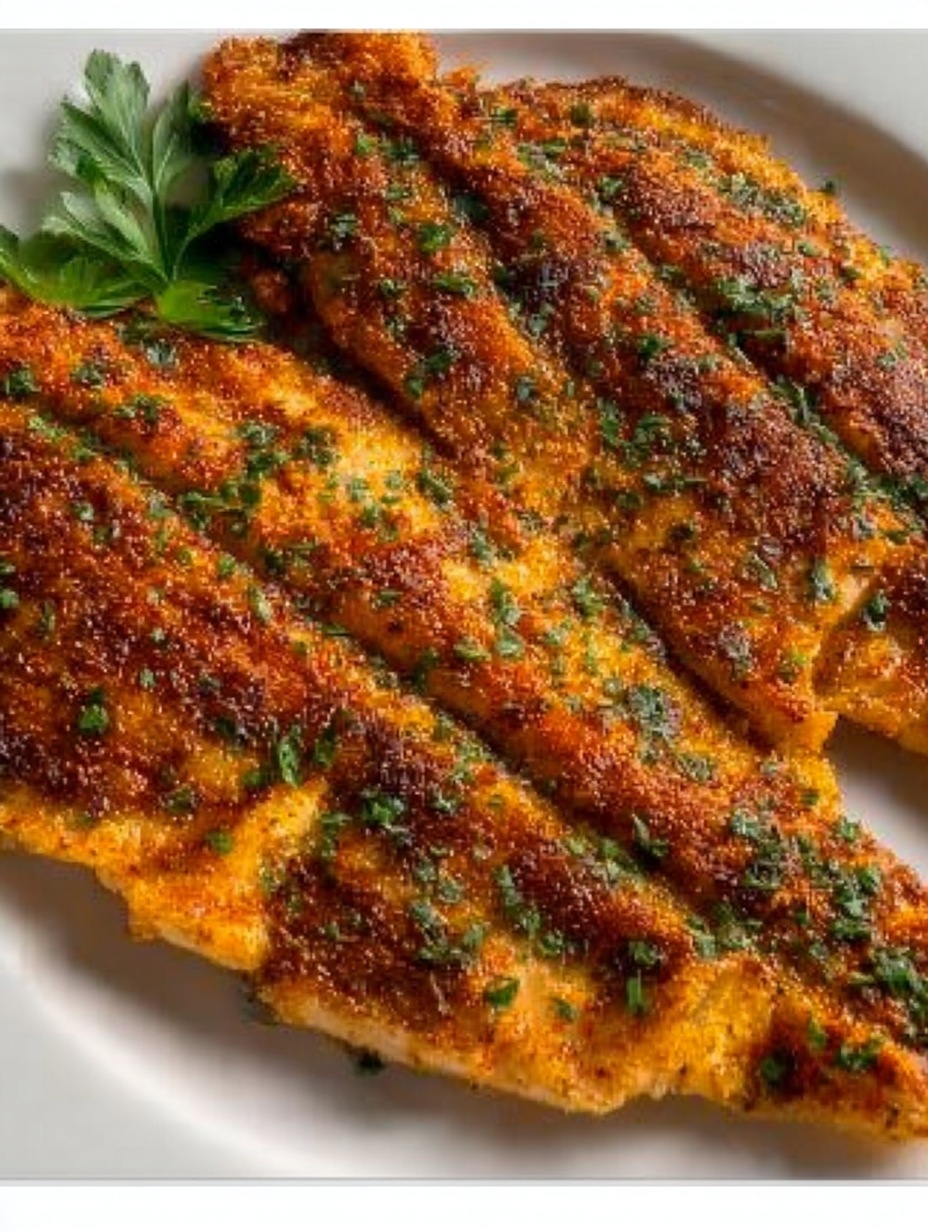
I stumbled upon this method one rainy Tuesday when my fryer spontaneously retired itself. Desperate for that Louisiana punch, I layered the spices onto the fillet and shoved it into the oven. What emerged was a flaky, spicy miracle—a much healthier and cleaner way to enjoy the classic flavor of Cajun Baked Catfish.
Why Baking Is the Better Path to Flavor Town
While deep-frying is often the traditional route for Southern fish, baking the catfish allows the vibrant, earthy complexity of the Cajun spices to truly shine. We aren’t burying the fish in heavy batter; we are creating a sizzling, aromatic crust that seals in moisture. This technique transforms a humble fillet into a five-star meal, crispy on the outside and tender within. Furthermore, ditching the oil slick means less cleanup, which is a massive win in my kitchen book. Nobody wants to spend an hour scrubbing splattered grease when they could be savoring this amazing dish. The key to successful baking lies in proper seasoning coverage and high heat, ensuring maximum flavor payoff with minimum fuss.
The Humble Roots of Cajun Flavor
Cajun cuisine, born from resourceful French Acadians who settled in the swamps and bayous of Louisiana, is famous for its simple, rustic ingredients transformed by complex seasoning blends. Unlike Creole cooking, which leans heavily on tomatoes and high society influences, Cajun food is the true definition of farm-to-table practicality. Our spice mix captures this ethos perfectly. It is loud, proud, and unapologetically flavorful, using household staples like garlic powder, onion powder, and heaps of paprika. When you apply this rub to the catfish, you are performing a culinary history lesson. The high heat of the oven caramelizes the natural sugars and volatile oils in the spices, creating an intensely satisfying aroma that will lure every neighbor to your door.
A common mistake when tackling this cuisine is thinking “more heat equals more flavor.” That’s a novice error! A perfectly balanced Cajun rub requires proportionality. The cayenne pepper provides the heat, but the oregano and thyme offer the savory, herbaceous balance, while the smoked paprika provides the crucial depth. Think of it like a symphony where every instrument plays a critical role, not just the trumpets blasting away. Before you even touch the fish, combine the spices in a dedicated bowl. Mixing them ensures that every square inch of your catfish fillet receives the full, nuanced experience of the seasoning, which is paramount for successful Cajun Baked Catfish.
Prepping the Perfect Catfish Fillet
A note on the fish itself: Catfish fillets are sturdy enough to handle the intensity of the seasoning, yet delicate enough to cook quickly in the oven. Ensure you pat them completely dry before seasoning. This step is non-negotiable! Moisture prevents the spice rub from adhering properly, and wet fish equals steamed fish, not beautifully baked fish. We want maximum crust formation for that glorious texture contrast. If your fish is frozen, make sure it is completely thawed and rested at room temperature for about 15 minutes before drying and seasoning. Cold fish placed directly into a hot oven results in uneven cooking, leaving the edges dry while the center remains underdone. By taking a few extra minutes for preparation, you guarantee yourself a tender, flaky result every time.
Ingredients for Spectacular Cajun Baked Catfish
- 4 catfish fillets (about 6 ounces each)
- 2 tablespoons olive oil or melted unsalted butter
- 1 tablespoon lemon juice, freshly squeezed
- 1 teaspoon dried oregano
- 1 teaspoon dried thyme
- 1 teaspoon smoked paprika
- 1 teaspoon garlic powder
- 1 teaspoon onion powder
- 1/2 teaspoon cayenne pepper (adjust to desired heat level)
- 1 teaspoon kosher salt
- 1/2 teaspoon freshly ground black pepper
- 1/4 teaspoon dried mustard powder
- Optional: Fresh parsley or sliced green onions for garnish
The Art of Baking: Step-by-Step Instructions
- Preheat your oven to 400°F (200°C). Line a baking sheet with parchment paper for easy cleanup, ensuring the fish won’t stick, which would ruin your beautiful crust.
- In a small bowl, combine all the dry seasonings: oregano, thyme, smoked paprika, garlic powder, onion powder, cayenne pepper, salt, pepper, and mustard powder. Mix well until everything looks homogeneous and vibrant.
- Pat the catfish fillets bone dry using paper towels. Place the fillets on the prepared baking sheet, leaving space between them for air circulation.
- Brush the tops and sides of the fillets generously with olive oil or melted butter. This fat is crucial for crisping up the spices and preventing the fish from drying out.
- Sprinkle the Cajun seasoning liberally and evenly over the oiled fillets. Gently press the spice blend into the fish to ensure maximum adhesion. You should see a deep red, beautiful coating that promises incredible flavor.
- Squeeze the tablespoon of fresh lemon juice over the seasoned fillets; the acid acts as a tenderizer and flavor enhancer.
- Bake for 12 to 15 minutes, depending on the thickness of the fillets. The fish is done when it flakes easily with a fork and the internal temperature reaches 145°F (63°C).
- For an extra crisp crust, switch the oven to broil during the last 1–2 minutes, watching carefully to prevent burning—spices burn fast!
- Garnish with fresh parsley or green onions before serving immediately alongside rice pilaf or steamed greens.
Pairing Perfection: Sides that Sing
A bold dish like this demands equally flavorful, yet simple, side dishes that complement the heat without competing with it. I always recommend classic red beans and rice, made with chicken or turkey sausage instead of traditional pork, or a generous serving of creamy, non-dairy coleslaw to cut through the spice. Steamed fresh okra, seasoned simply with a little salt and olive oil, provides a wonderful texture contrast. Avoid overwhelming the plate with heavy sauces. The beauty of this dish is the self-contained flavor bomb of the seasoning, so let the Cajun spices be the star. For a lighter meal, serve the fillets over a bed of mixed greens tossed in a simple vinaigrette made with apple cider vinegar and honey.
Troubleshooting Common Baking Issues
Even the simplest recipe can sometimes throw a curveball. If your crust is looking less “crusty” and more “soggy,” chances are the fish wasn’t patted dry enough, or you overcrowded the baking sheet, trapping steam. If the fish tastes too dry, you likely baked it too long. Remember that fish continues to cook for a minute or two after it leaves the oven, so aim for just flaky, not falling apart, when you pull it out. Conversely, if the spice rub is burning before the fish is cooked, your oven temperature might be slightly inaccurate or the fish was too cold initially. Investing in a simple oven thermometer and a meat thermometer will instantly solve 90% of your baking woes and ensure perfect results every time you prepare this fantastic fish.
Perfecting the Cooking Process
Begin by preparing the spice blend and drying the fillets thoroughly—this prevents a soggy disaster. While the oven preheats, brush the fish with fat, apply the seasoning, and then bake immediately at high heat. This swift sequence ensures the catfish cooks quickly and evenly, achieving a fantastic crust and moist interior.
Add Your Touch
If you prefer a smoky flavor, swap half the smoked paprika for chipotle powder, or try a mix of bass or tilapia instead of catfish. For a richer texture, mix a teaspoon of brown sugar into the seasoning blend for a subtle caramelization, which works wonderfully with the fiery cayenne kick.
Storing & Reheating
Store leftover Cajun Baked Catfish in an airtight container in the refrigerator for up to three days. To reheat, avoid the microwave, which turns it rubbery. Instead, wrap the fish loosely in foil and reheat it in a 300°F (150°C) oven for about 8–10 minutes until warmed through, preserving the crust.
Expert Tips for Flawless Fish
-
Don’t be shy with the oil; it acts as the binding agent for the spices and ensures the crust develops properly under high heat, giving the Cajun baked catfish its desirable crunch.
-
Always use fresh lemon juice right before baking; the acidity brightens the heavy spices and enhances the natural flavor profile of the mild white fish.
-
Check the fish for doneness at the 12-minute mark; thinner fillets cook incredibly fast, and overcooked catfish becomes dry and lacks the tender, flaky texture we aim for.
My grandmother, who insists on taste-testing every new recipe, declared this Cajun Baked Catfish the best fish she’d ever had, which is high praise coming from a woman who usually only trusts fried chicken.
Conclusion for Cajun Baked Catfish
Mastering the art of Cajun Baked Catfish means embracing the powerful, complex flavors of Louisiana without resorting to deep-frying. We learned that precision in spice blending and the simple, crucial step of drying the fish are key to achieving a perfect, crispy crust and a moist interior. This recipe is not just a dinner; it’s a flavor vacation, delivering heat and herbaceous depth in every flaky bite. Whether you are a beginner cook or a seasoned kitchen pro, this simple baking technique offers a fast, healthy, and incredibly flavorful alternative to traditional preparation methods. Serve it up and prepare for the applause!
Print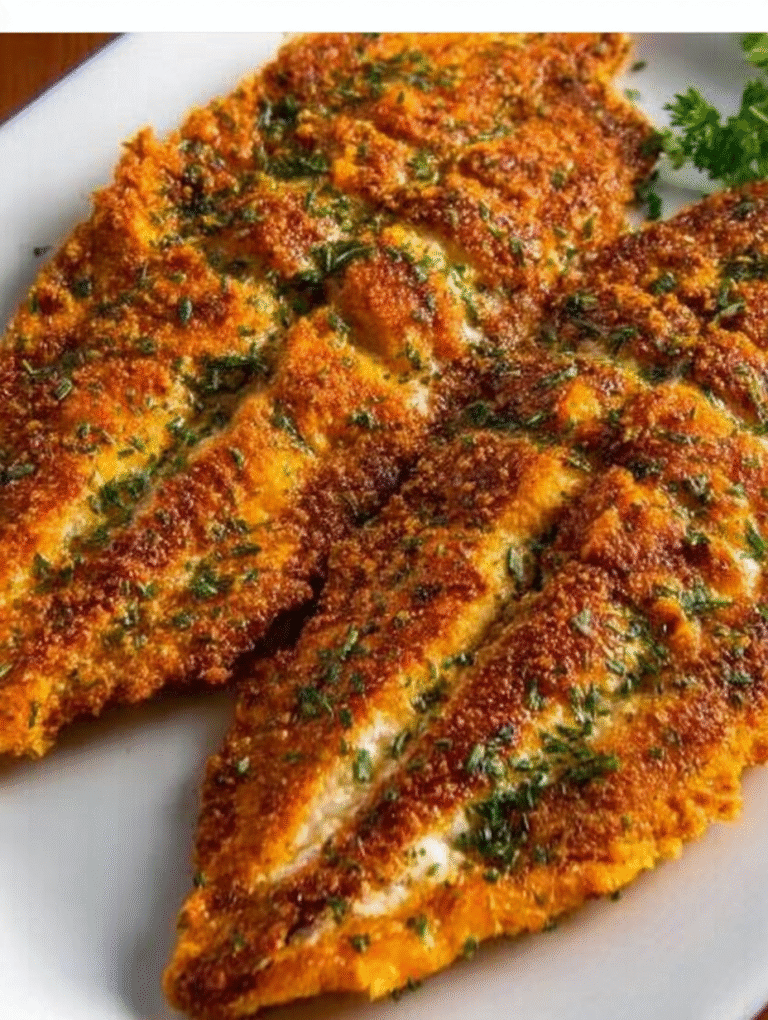
Cajun Baked Catfish
Achieve perfectly moist Cajun Baked Catfish with a savory, buttery garlic crust. This 400°F bake ensures tender fillets. Full instructions included, plus detailed nutritional data.
- Total Time: 35 minutes
- Yield: 4 servings 1x
Ingredients
- 4 medium catfish fillets (about 6 oz each)
- 2 tablespoons Cajun seasoning (low sodium recommended)
- 4 tablespoons unsalted butter, melted
- 2 cloves garlic, minced
- 1 tablespoon olive oil
- 1 lemon, thinly sliced
- 1/4 teaspoon black pepper
- 1 tablespoon fresh parsley, chopped (for garnish)
Instructions
- Step 1: Preheat your oven to 400°F (200°C). Line a baking sheet with aluminum foil and lightly spray it with non-stick cooking spray to prevent the fish from sticking.
- Step 2: Pat the catfish fillets completely dry using paper towels. In a small bowl, whisk together the melted butter, minced garlic, and olive oil. Brush the butter mixture evenly over all sides of the catfish fillets.
- Step 3: In a separate small dish, combine the Cajun seasoning and black pepper. Generously rub this mixture onto both sides of the buttered fillets, ensuring they are fully coated.
- Step 4: Place the seasoned fillets on the prepared baking sheet. Top each fillet with one or two thin slices of lemon, placing them directly on the fish.
- Step 5: Bake for 12 to 18 minutes, depending on the thickness of the fillets, until the fish is opaque throughout and flakes easily when tested with a fork.
- Step 6: Remove the fish from the oven, discard the lemon slices if desired, sprinkle the fish with fresh chopped parsley, and serve immediately.
Notes
- Store any leftover Cajun baked catfish in an airtight container in the fridge for up to three days, though the texture is best enjoyed immediately.
- For best results, gently warm leftover fillets on a low heat setting in an air fryer or toaster oven until just heated through to keep the outside from becoming mushy.
- This flavorful fish is fantastic served over a bed of creamy grits or alongside a crisp vinegar-based coleslaw to balance the richness of the butter and spice.
- Since Cajun blends vary widely in salt content, taste your seasoning blend before coating and adjust the quantity applied to prevent oversaltiness.
- Prep Time: 15 minutes
- Cook Time: 20 minutes
- Method: Stovetop
- Cuisine: American



Leave a Comment