
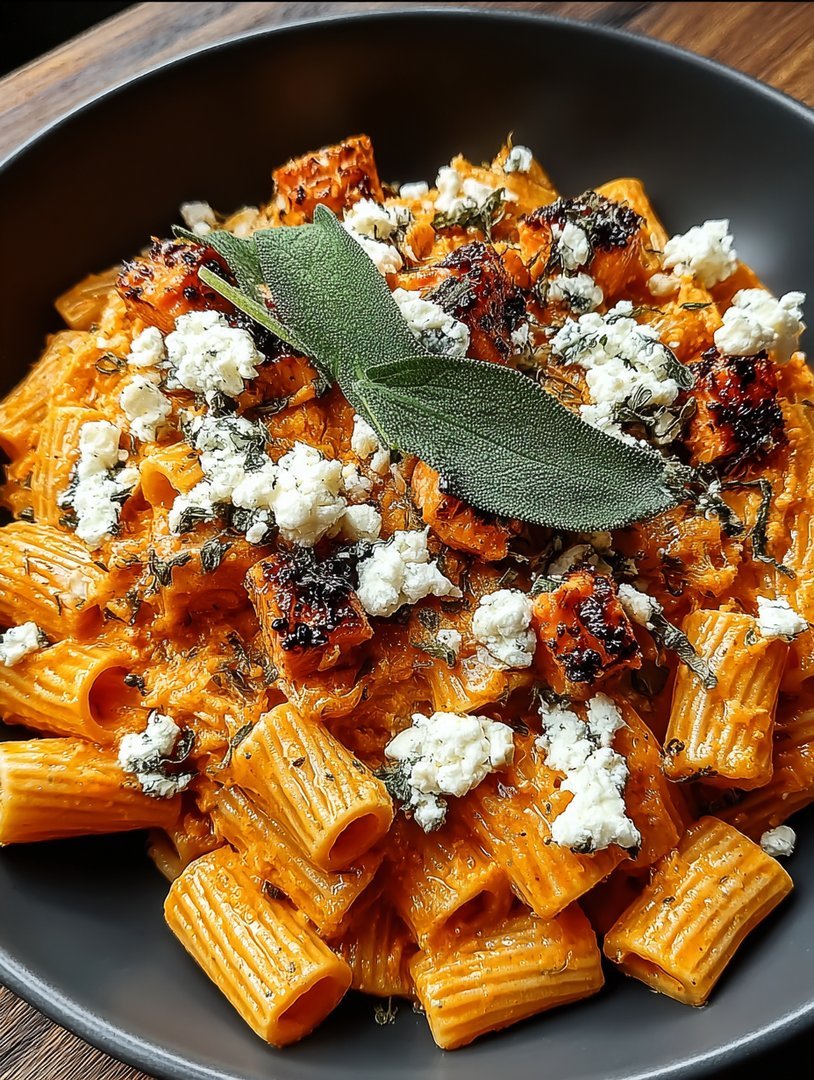
The transition from summer salads to cozy comfort demands something spectacular. Forget boring weeknight meals; this Creamy Sweet Potato Goat Cheese Sage Pasta is the vibrant, velvety hug your soul needs as the leaves turn golden. It’s less a meal, and more a culinary performance. This dish successfully marries savory sophistication with deeply satisfying autumnal flavors, transforming simple pantry ingredients into a five-star experience that will truly impress everyone at your table.
- This recipe achieves a perfect balance of sweet roasted potato, tangy goat cheese, and aromatic fresh sage for a complex flavor profile.
- Preparation is surprisingly straightforward, delivering gourmet restaurant quality flavor in under 45 minutes of active, hands-on cooking time.
- The striking orange pasta coated in rich, white sauce creates a visually stunning dish suitable for sophisticated entertaining or a cozy dinner.
- Easily customizable, this satisfying pasta works beautifully as a hearty vegetarian main course or a luxurious, unforgettable side dish.
Why This Dish Will Change Your Autumn Game
There is a time of year—right when the air turns crisp and suddenly your lightweight cardigan feels woefully inadequate—when we collectively lose interest in complicated cooking. We crave comfort, but our grown-up palates refuse to settle for bland mediocrity. This is where the magic of sweet potato pasta, complemented by sharp goat cheese and earthy sage, sweeps in to save the day, dressed in a velvety smooth sauce.
I stumbled upon this combination after a disastrous attempt at a very traditional, very heavy cream sauce that resulted in something resembling wallpaper paste. Defeated, I looked at the lone sweet potato sitting on the counter, realizing its natural starch and sweetness were the key to achieving richness without the caloric guilt trip. The result was a revelation: a deeply flavorful, earthy, and sweet experience that felt sophisticated but only required about thirty minutes of actual effort. We’ve all been there—standing in the kitchen, dramatically sighing because dinner feels too far away. This recipe eliminates the drama, delivering robust flavor using minimal fuss. It’s the culinary equivalent of putting on perfectly tailored, comfortable sweatpants.
Forget the notion that autumn comfort food must be dense or difficult. This pasta is elegant, surprisingly light yet deeply satisfying, and utilizes seasonal ingredients at their peak. It provides the warmth of a fire on a chilly evening and the complexity of a dish you might pay three times the price for at a fancy bistro. We embrace simplicity here, allowing the key ingredients—the sweetness of the potato, the sharpness of the cheese, and the perfume of the sage—to shine without overcrowding the stage.
The Art of Building Flavor Layers
Successful cooking is often about striking a beautiful contrast, and this dish is a masterclass in controlled chaos. The sweet potato serves as the creamy foundation. When roasted, its natural sugars caramelize, intensifying the sweetness and giving the final sauce its lovely, warm color. This sweetness needs an antagonist, and that’s where the formidable, tangy goat cheese steps in. Goat cheese has a specific acidity and sharpness that cuts through the richness of the potato puree, preventing the dish from becoming overly heavy or cloying.
The third essential player is fresh sage. Sage, especially when fried briefly, transforms into an aromatic, slightly crispy powerhouse. Its earthy, slightly peppery flavor ties the sweetness and the tanginess together, grounding the dish firmly in the seasonal category. If you skip the sage, the Creamy Sweet Potato Goat Cheese Sage Pasta simply isn’t the same; it’s the signature accessory that completes the outfit. Using good quality vegetable broth instead of water for cooking the pasta also adds a hidden layer of savory depth, enriching the final sauce without requiring excessive butter or cream.
Remember that the quality of your main ingredients significantly impacts the final result. Select firm, heavy sweet potatoes without blemishes, and opt for high-quality, creamy goat cheese logs for the best texture. The careful combination of these simple components creates a complex, comforting dish that tastes like pure autumn bliss.
Ingredients for Creamy Sweet Potato Goat Cheese Sage Pasta
Here’s what you’ll need to make this delicious dish:
- Sweet PotatoesChoose two medium-sized sweet potatoes, ensuring they are firm and free of soft spots, as these form the creamy base of the sauce.
- PastaUse a textured shape like rigatoni, penne, or cavatappi; the ridges and tubes are excellent for catching the velvety sauce.
- Goat Cheese (Chevre)Select a high-quality, plain soft goat cheese log for maximum tanginess and smooth melting capabilities in the sauce.
- Fresh SageThis herb is non-negotiable for flavor; fresh leaves are used both to infuse the oil and as a crisp garnish.
- Vegetable BrothUse low-sodium vegetable broth instead of plain water to cook the pasta, greatly enhancing the overall savory flavor profile.
- GarlicFresh minced garlic provides aromatic depth and balances the sweetness of the roasted sweet potato.
- Heavy Cream or Plant-Based CreamerA splash of cream adds luxurious richness and helps bind the final sauce into a perfect consistency.
- Olive Oil and ButterA combination of these fats is used for roasting the potatoes and sautéing the aromatics.
- Nutmeg and Black PepperNutmeg is crucial, as it complements squash and sweet potato flavors, providing a warm, subtle spice note.
The full ingredients list, including measurements, is provided in the recipe card directly below.
How to Make Creamy Sweet Potato Goat Cheese Sage Pasta
Follow these simple steps to prepare this delicious dish:
Step 1: Roast the Sweet Potatoes
Preheat your oven to 400°F (200°C). Peel the sweet potatoes and cut them into even, one-inch cubes. Toss the cubes with one tablespoon of olive oil, salt, and pepper, then spread them in a single layer on a baking sheet lined with parchment paper. Roast for 20 to 25 minutes until they are fork-tender and lightly caramelized around the edges.
Step 2: Cook the Pasta
While the sweet potatoes roast, cook the pasta according to package directions, but use vegetable broth instead of water. Be sure to reserve at least one cup of the flavorful cooking liquid before draining the pasta, as this liquid is essential for thinning the sauce later. Set the drained pasta aside in the pot.
Step 3: Infuse the Sage Oil
In a large skillet over medium heat, melt one tablespoon of butter with one tablespoon of olive oil. Add half of your fresh sage leaves and cook for about one minute until they are slightly crisp and deeply aromatic. Remove the crispy sage leaves with a slotted spoon and set them aside for garnish. Add the minced garlic to the infused oil and cook for about 30 seconds until fragrant, being careful not to let the garlic brown.
Step 4: Blend the Creamy Sauce
Transfer the roasted sweet potatoes, the garlic-infused oil mixture (including the remaining sage leaves), the goat cheese, and the heavy cream into a high-powered blender. Add about a half cup of the reserved pasta cooking broth. Blend until the mixture is completely smooth and velvety, adding more broth a tablespoon at a time until the sauce reaches your desired consistency. Stir in a pinch of nutmeg.
Step 5: Combine and Serve
Pour the smooth, sweet potato and goat cheese sauce over the cooked pasta in the large pot. Toss everything together vigorously until every piece of pasta is thoroughly coated in the rich, orange sauce. If the sauce seems too thick, thin it slightly with an extra splash of the reserved broth. Transfer to plates and top immediately with the reserved crispy sage leaves and a generous crack of black pepper for the perfect finishing touch.
Tips for Achieving Ultimate Creaminess and Texture
The secret to a truly creamy pasta sauce, especially one that doesn’t rely on massive amounts of heavy cream, lies in the starch. When you cook pasta in broth and reserve that liquid, you are capturing concentrated starch and flavor. This starchy liquid acts as a powerful emulsifier, binding the fat (goat cheese and oil) and the liquid together seamlessly, preventing a grainy or separated sauce texture. If your sauce feels slightly grainy after blending, ensure you continue adding warm broth while blending to help the solids incorporate fully.
Another crucial step involves the temperature. When combining the sauce with the pasta, the pasta should still be hot or at least very warm. If the pasta is cold, it will shock the sauce, causing it to seize up and thicken too quickly. If you are preparing components ahead of time, gently reheat the pasta and the sauce separately before combining them right before serving. This ensures the sauce remains glossy and adheres beautifully to the noodles.
When selecting your goat cheese, avoid using the hard, aged variety. You need the soft, spreadable chèvre, usually sold in logs, because it melts readily into the sauce base. If you prefer a milder tang, start by adding three-quarters of the cheese listed, then taste and incorporate the rest if desired. Freshly grated nutmeg is also absolutely essential here; the pre-ground version loses much of its depth, and that warm spice note elevates the sweet potato flavor dramatically.
Storage and Making Ahead
This Creamy Sweet Potato Goat Cheese Sage Pasta is undeniably best enjoyed immediately after preparation when the sauce is fresh and velvety. However, if you have leftovers—and that’s a big if, considering how quickly this disappears—you can store them in an airtight container in the refrigerator for up to three days. The key challenge with storing pasta dishes is that the noodles continue to absorb the sauce, resulting in a much drier dish upon reheating.
To successfully reheat this glorious pasta, transfer the leftovers to a skillet and add a generous splash of milk, cream, or extra vegetable broth. Reheat gently over low heat, stirring constantly, until the sauce liquefies and coats the noodles again. Do not microwave it unless absolutely necessary, as high heat can cause the goat cheese and sweet potato elements to separate awkwardly. Reheating slowly maintains the smooth texture we worked so hard to achieve.
If you plan to make components ahead of time for entertaining, you can roast the sweet potatoes a full day in advance. Store the cooled potatoes in the refrigerator. On the day of serving, prepare the sage oil and garlic, then proceed with the blending step (Step 4), ensuring you use hot broth to blend the chilled sweet potatoes. This technique allows you to shave off significant preparation time right before your guests arrive, making the dinner party experience far more relaxed and enjoyable.
The Accidental Discovery of Sunshine on a Plate
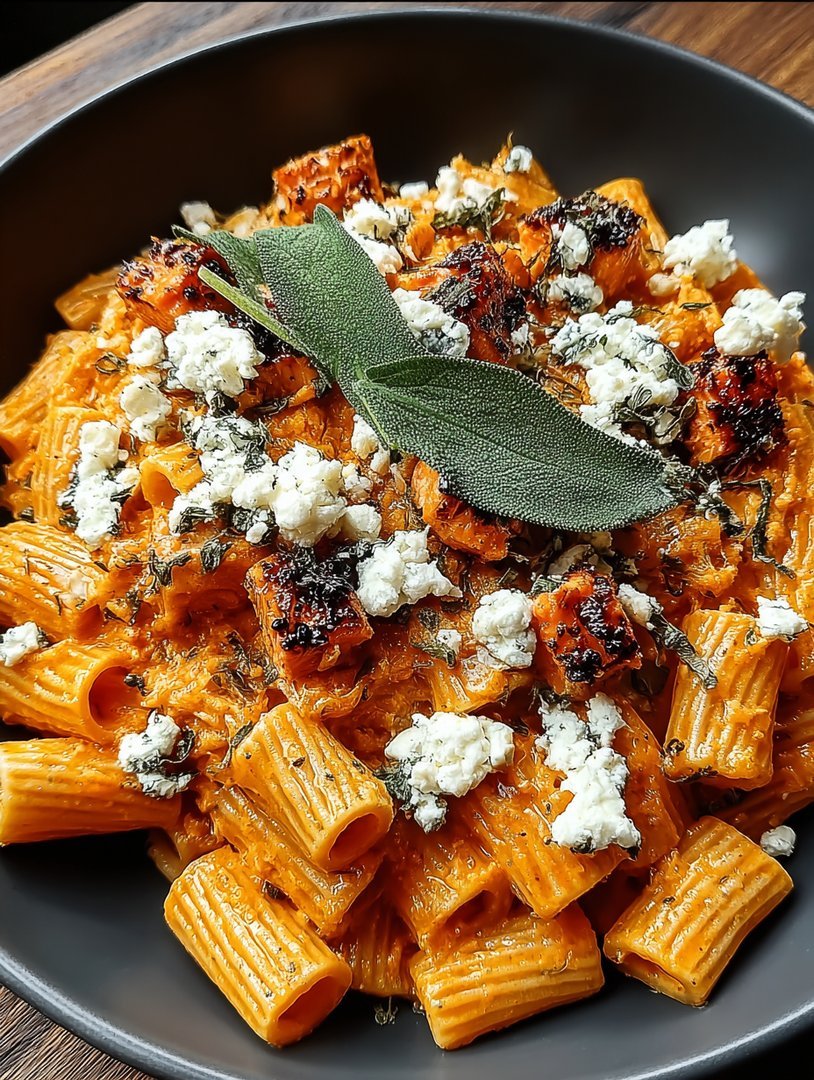
I stumbled upon the idea for this dish during the Great Fridge Cleanout of 2021, when all I had left were a rogue sweet potato, a stubborn log of goat cheese, and a pathetic bunch of aging sage. What began as a desperate attempt at dinner evolved into the most soul-satisfying, luxurious meal imaginable: the now legendaryCreamy Sweet Potato Goat Cheese Sage Pasta.
There are days when you just need a culinary hug. A meal that wraps itself around your weary soul and whispers, “It’s all going to be okay.” This isn’t just pasta; it’s autumn in a bowl, a vibrant explosion of comfort that defies the dull routine of weeknight cooking. Forget complicated sauces and intimidating techniques; this recipe proves that the simplest, often most neglected, ingredients can achieve gourmet greatness.
Before we dive into the delicious madness, let me explain the alchemy at work here. Sweet potatoes bring a natural, earthy sweetness and structure, transforming a standard cream sauce into something velvety without excessive heavy cream. The goat cheese, sharp and tangy, cuts beautifully through that sweetness, preventing the dish from becoming cloying. Finally, the sage—oh, the sage!—is toasted in butter or olive oil until crisp, releasing an incredible aroma that defines the whole experience. This combination is less of a recipe and more of a mood board for happiness.
The Essential Ingredients for Maximum Comfort
To embark on this journey toward ultimate pasta satisfaction, you need quality components. Don’t skimp on the goat cheese; find one that is fresh and slightly tangy. For the pasta shape, I highly recommend a sturdy option that can hold onto the thick, creamy sauce, like rigatoni, paccheri, or even large shells. However, if your heart insists on linguine, who am I to stop you?
- The Sweet Base:2 large sweet potatoes (about 1.5 lbs), peeled and cubed.
- The Carb Carrier:1 lb pasta of choice (rigatoni or penne work wonders).
- The Dairy Dynamite:4 oz fresh goat cheese (chevre), plus extra for crumbling.
- The Aromatic Anchor:3 tablespoons unsalted butter or olive oil.
- The Flavor Hero:1/4 cup fresh sage leaves, whole.
- The Liquid Lift:1 cup vegetable or chicken broth.
- The Finishing Touch:1/2 cup heavy cream (or milk for a lighter sauce), salt, pepper, and a pinch of nutmeg.
A quick note on the sweet potato preparation: roasting is non-negotiable. Boiling works, sure, but roasting concentrates the sugars, deepens the flavor, and gives the final sauce that unmistakable caramelized richness. Cube them, toss them lightly with oil, and let them get slightly browned and tender in the oven before mashing them into oblivion.
Preparation: The Road to Velvety Perfection
Efficiency is key in the kitchen, especially when hunger is an urgent passenger. We’re going to run a simultaneous operation: while the pasta boils, the sauce components come together. This ensures maximum flavor integration and minimal waiting time between chopping and eating.
Roasting the Sweet Potato
Preheat your oven to 400°F (200°C). Toss the cubed sweet potato with a drizzle of oil, salt, and pepper. Roast for about 20 to 25 minutes until fork-tender and slightly caramelized around the edges. Once cooled slightly, mash them thoroughly. You want a creamy texture, not chunky pieces, because these mashed potatoes will form the base of our dreamy sauce.
Creating the Sage Infusion
This step is where we unlock the incredible aroma of the dish. In a large skillet, melt the butter (or heat the oil) over medium heat. Add the whole sage leaves. Let them sizzle until they become crisp and fragrant, about two minutes. Remove the crispy sage leaves with a slotted spoon—save them for garnish—and leave the infused butter/oil in the pan. This fragrant fat is liquid gold.
Building the Creamy Sweet Potato Goat Cheese Sage Pasta Sauce
Lower the heat to medium-low. Add the mashed sweet potato to the infused pan and stir to combine it with the fat. Pour in the broth slowly, stirring constantly until the mixture smooths out. Now for the star: crumble in the goat cheese. Stir until the cheese melts completely and the sauce thickens into a luxurious, pale orange hue. Stir in the heavy cream and the pinch of nutmeg, seasoning generously with salt and pepper. Taste it. Adjust the seasoning. This sauce should be slightly sweet, deeply savory, and irresistibly tangy.
Perfecting the Cooking Process
Start by roasting the sweet potatoes first, as this takes the longest and concentrates flavor beautifully. While they cool, boil the pasta until al dente, reserving at least one cup of the starchy cooking water. Finally, bloom the sage in the butter right before combining the sauce components for the freshest, most intense aromatic experience.
The Grand Finale: Combining and Serving
Drain the pasta once it reaches that perfect al dente stage. Transfer the drained pasta directly into the large skillet with the sweet potato and goat cheese sauce. Toss everything together vigorously, ensuring every nook and cranny of the pasta is coated in the velvety sauce. If the sauce seems too thick (and it often does), use the reserved pasta water, adding it a tablespoon at a time until the sauce reaches your desired consistency. The starches in the water help the sauce adhere perfectly to the pasta.
Serve immediately, garnishing each bowl generously with the reserved crispy sage leaves and an extra crumble of fresh goat cheese. A grind of fresh black pepper elevates the experience further. This is a dish best enjoyed immediately, perhaps with a side of dramatic sighing due to how utterly delicious it is.
Add Your Touch
Feel free to experiment by swapping the goat cheese for ricotta or mild feta if preferred, though you’ll lose some tang. For added texture, stir in toasted pecans or walnuts right before serving. If you crave protein, shredded roast turkey or pan-seared chicken breast would complement the warm, earthy flavors beautifully.
Storing & Reheating
Store any leftovers in an airtight container in the refrigerator for up to three days. The sauce will thicken significantly upon cooling. To reheat, place the pasta in a saucepan over low heat, adding a splash of broth or milk to restore the creamy texture, stirring gently until heated through.
My partner, who usually approaches vegetarian pasta dishes with skeptical reserve, devoured an entire bowl, claiming thisCreamy Sweet Potato Goat Cheese Sage Pastawas the most comforting thing he’d eaten all year. That feedback alone made the entire fridge cleanout adventure worthwhile.
Chef’s Insider Tips for Glorious Pasta
-
Always reserve more pasta cooking water than you think you need; it contains starches crucial for emulsifying and smoothing the final sauce.
-
When cooking the sage, keep a close watch—it transitions from bright green to crispy brown very quickly, and burnt sage tastes bitter and unpleasant.
-
Use good quality broth instead of plain water when building the sauce; it provides essential depth and complexity that elevates the flavor profile beyond the basics.
Conclusion for Creamy Sweet Potato Goat Cheese Sage Pasta
TheCreamy Sweet Potato Goat Cheese Sage Pastais proof that simple, wholesome ingredients can achieve restaurant-quality depth and comfort with minimal effort. We utilized the sweetness of roasted sweet potato, the pungent tang of goat cheese, and the earthy, woodsy notes of crispy sage to create a perfectly balanced, velvety sauce. This recipe is fast enough for a weeknight but special enough for company, delivering warmth and sophisticated flavor in every single forkful. Don’t be afraid to utilize that starchy pasta water to achieve the ultimate creamy coating. Enjoy this sunshine in a bowl and make it a new seasonal staple in your culinary rotation.
Print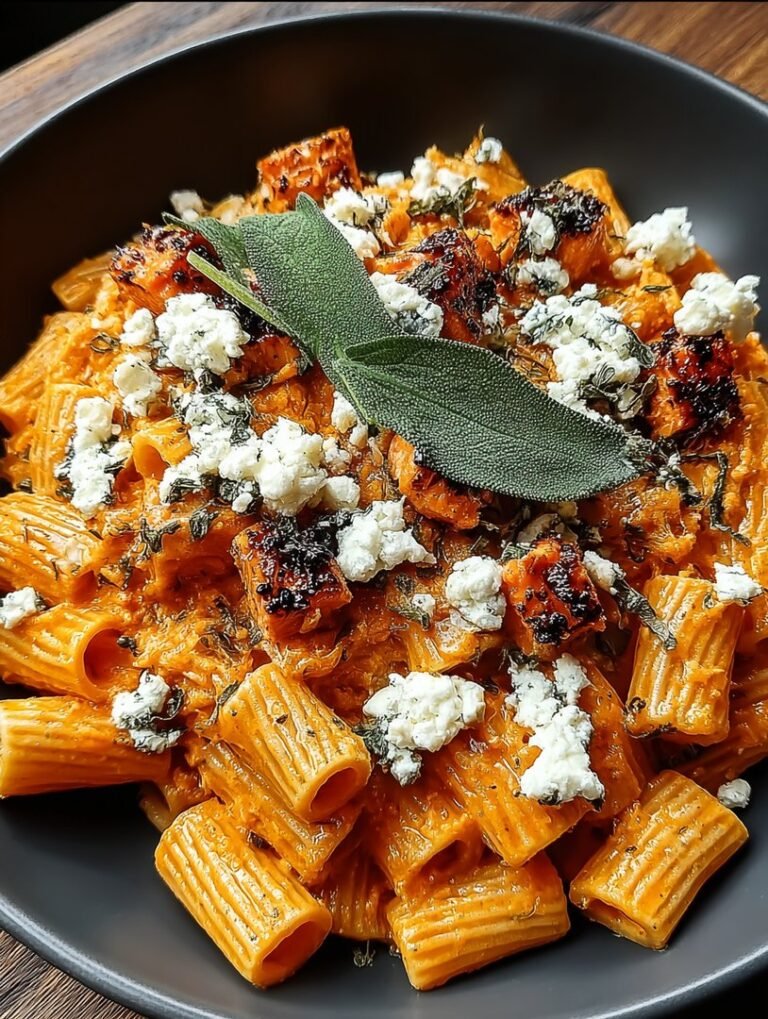
Creamy Sweet Potato Goat Cheese Sage Pasta
Autumn comfort defined: Penne pasta cloaked in a velvety sauce of steamed sweet potato, sharp goat cheese, and fragrant, crisp sage butter. A truly luxurious, yet simple weeknight meal.
- Total Time: 35 minutes
- Yield: 4 servings 1x
Ingredients
- 1 pound Penne or Rigatoni pasta
- 1 large sweet potato (about 1.5 lbs), peeled and diced into 1/2-inch cubes
- 4 ounces soft goat cheese (chevre log), crumbled
- 1/4 cup fresh sage leaves, roughly chopped
- 3 tablespoons unsalted butter
- 2 cloves garlic, minced
- 1/2 cup heavy cream
- Salt and black pepper to taste
Instructions
- Step 1: Cook the pasta according to package directions until al dente. Before draining, reserve 1 cup of the starchy pasta water. While the pasta cooks, steam or roast the diced sweet potato until fork-tender (about 15-20 minutes).
- Step 2: In a large, deep skillet or pot, melt the butter over medium heat. Add the chopped sage leaves and cook for 1-2 minutes until the sage is fragrant and slightly crispy. Add the minced garlic and sauté for 30 seconds until aromatic, ensuring the garlic does not brown.
- Step 3: Pour in the heavy cream and 1/2 cup of the reserved pasta water. Bring the mixture to a gentle simmer. Immediately reduce the heat to low and crumble the goat cheese into the skillet, stirring continuously until the cheese is completely melted and the sauce is smooth. Season generously with salt and black pepper.
- Step 4: Add the drained pasta and the cooked sweet potato cubes directly into the sauce mixture. Toss everything gently for 1 to 2 minutes to ensure the pasta and sweet potatoes are fully coated in the creamy sage sauce.
- Step 5: If the sauce appears too thick, add additional reserved pasta water (1 tablespoon at a time) until the desired creamy consistency is reached. Serve the pasta immediately.
Notes
- Store leftovers airtight in the refrigerator for up to 3 days; remember that the creamy sauce will thicken and require extra liquid when reheated.
- To gently reheat, warm in a skillet over low heat or microwave on medium, adding a splash of milk or vegetable broth (not plain water) to restore the lost creamy texture.
- Balance the richness of the goat cheese sauce by finishing the dish with a light scattering of toasted walnuts or pecans for a delightful textural crunch.
- Do not skip the quick frying of the sage; cooking the leaves in butter until they just turn crisp maximizes the herb’s flavor and creates an intensely aromatic base for the sauce.
- Prep Time: 15 minutes
- Cook Time: 20 minutes
- Method: Stovetop
- Cuisine: American







Leave a Comment