
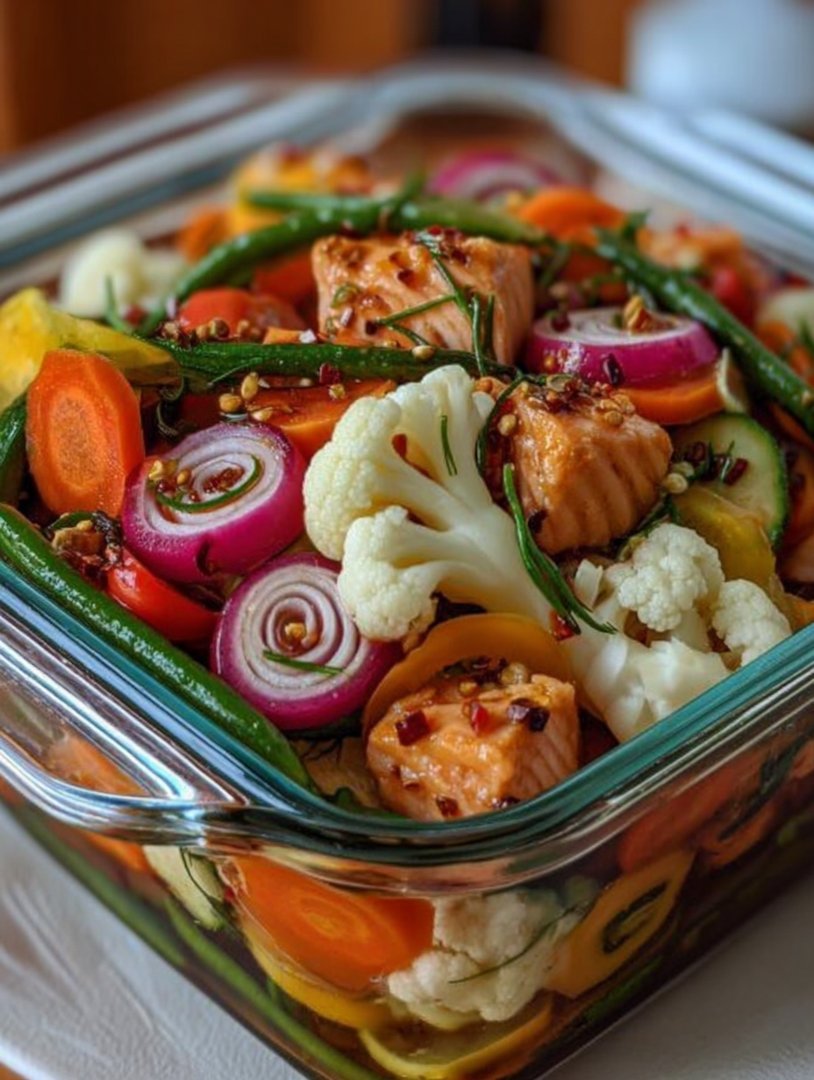
The Secret Weapon of Snacktime: Mastering Crunchy Tangy Refrigerator Pickled Vegetables
Do you remember that moment when your sandwich was just… fine? It lacked that zesty, palate-waking *zing*? That was my life until I discovered the culinary magic ofCrunchy Tangy Refrigerator Pickled Vegetables, transforming boring meals into vibrant feasts.
Forget complex canning processes; this is the quickest route to flavor town. Prepare yourself for the easiest, most addictively delicious condiment that keeps your fridge bursting with color and punchy acidity.
- This recipe offers remarkable ease of preparation, requiring less than twenty minutes of hands-on time before the brine works its enchanting transformation.
- The flavor profile strikes a perfect balance between bright acidity, subtle sweetness, and an irresistible savory punch that complements almost any meal.
- The stunning visual appeal of multicolored vegetables marinated in a clear brine elevates even the most humble countertop presentation and party platter.
- These crisp, versatile refrigerator pickles pair perfectly with everything from grilled chicken sandwiches and hearty rice bowls to simple snack dips and spreads.
Why Refrigerator Pickling is the Ultimate Culinary Hack
I always felt intimidated by the idea of pickling. Images of sterilized jars, bubbling water baths, and the intense pressure of making sure I didn’t inadvertently poison someone filled my mind. It felt like chemistry class collided disastrously with Grandma’s kitchen. Then a friend introduced me to the glorious world of quick pickling, specifically, makingCrunchy Tangy Refrigerator Pickled Vegetables.
Refrigerator pickling is essentially a flavor infusion party held inside your fridge. You skip the stressful heat-sealing canning process entirely. Instead, you pour a hot, flavorful brine over your chosen vegetables and let time, temperature, and acid work their magic. The result? Crisp, vibrant, and incredibly flavorful vegetables that are ready to eat in as little as 24 hours and last for weeks.
This method is fantastic because it preserves the natural crunch of the vegetables beautifully. Unlike traditional pickling, which often softens the texture significantly due to prolonged heat treatment, refrigerator pickles maintain a desirable snap that is deeply satisfying. Moreover, it allows for infinite flavor experimentation. You want a touch of ginger? Add it. Craving some smoked paprika? Toss it in! This simple process encourages creativity and reduces food waste by reviving vegetables that might otherwise be headed for the compost bin.
Choosing Your Vegetable Crew: The Best Candidates for Brine Bliss
The beauty of quick pickling lies in its adaptability. While cucumbers are the traditional star, the concept of quick pickling embraces a whole roster of vegetable heroes. Think about color, texture, and how they will hold up against a hot brine. You want sturdy veggies that don’t easily turn mushy. Mixing firm roots with tender, crunchy options provides a wonderful contrast in every bite.
When selecting your vegetables, always aim for freshness and firmness. Avoid anything that looks wilted or has soft spots. Organic vegetables often work best, but the most important step is cleaning them thoroughly, especially if you plan to keep the skins on, which adds nutrients and texture. For this specific recipe, we rely on a combination that guarantees a great balance of flavors and textures, ensuring that satisfying crunch we crave. Remember, the brine is the conductor, but the vegetables are the orchestra!
Ingredients for Crunchy Tangy Refrigerator Pickled Vegetables
Here’s what you’ll need to make this delicious dish:
- CarrotsChoose crisp, firm carrots; slice them thinly or cut them into matchsticks for maximum surface area and crunch retention.
- English CucumberThese cucumbers have smaller seeds and thinner skins than regular varieties, giving them a superior texture for pickling without peeling.
- Red OnionThe red onion mellows substantially in the brine, losing its harsh bite and developing a beautiful pink hue and sweet tanginess.
- Bell Peppers (Red and Yellow)Providing sweetness and vibrant color, dice these or cut them into thin strips, ensuring they add visual appeal and a refreshing snap.
- Distilled White VinegarThis is the backbone of the brine, providing the necessary acidity for preservation and the dominant tangy flavor profile.
- WaterUse filtered water to ensure the brine is clean and doesn’t introduce any unwanted minerals or flavors that might cloud the finished pickles.
- Granulated SugarA little sweetness balances the intense acidity of the vinegar, rounding out the flavor and preventing the pickles from tasting too sharp.
- Kosher SaltEssential for drawing out moisture and enhancing flavor; avoid iodized salt as it can sometimes cloud the brine or add a metallic taste.
- Garlic ClovesLightly smashed, these cloves infuse the brine with a deep, savory aroma that significantly elevates the overall complexity of the pickles.
- Mustard Seeds and Dill SeedsThese spices provide traditional pickling notes, delivering subtle warmth and an earthy, herbaceous depth to the final product.
The full ingredients list, including measurements, is provided in the recipe card directly below.
How to Make Crunchy Tangy Refrigerator Pickled Vegetables
Follow these simple steps to prepare this delicious dish:
Step 1: Preparing the Vegetables
Wash and thoroughly dry all your chosen vegetables. Slice the carrots, cucumbers, and bell peppers into uniform pieces, about 1/4 inch thick, or into thin matchsticks, which look beautiful in the jar. Thinly slice the red onion. Uniform cuts ensure the vegetables pickle evenly and achieve the perfect texture at the same time. Pack the prepared vegetables tightly into clean, heat-safe glass jars, leaving about half an inch of headspace at the top of each jar.
Step 2: Creating the Flavorful Brine
In a medium saucepan, combine the water, distilled white vinegar, granulated sugar, and kosher salt. Add the smashed garlic cloves, mustard seeds, and dill seeds directly into the mixture. Heat the liquid over medium-high heat, stirring constantly until both the sugar and the salt are completely dissolved. This process takes only a few minutes, usually right before the mixture comes to a full boil.
Step 3: Infusing the Pickles
Immediately remove the brine mixture from the heat. Carefully pour the hot liquid over the packed vegetables in the jars, ensuring all the vegetables are submerged beneath the surface of the brine. The hot liquid initiates the quick pickling process and helps draw moisture from the vegetables, intensifying their crunch. If necessary, you can lightly press the vegetables down using a clean utensil to keep them under the liquid.
Step 4: Cooling and Chilling
Allow the jars of vegetables and brine to cool down completely on the countertop at room temperature for at least one hour. Once the jars are cool to the touch, secure the lids tightly. Transfer the jars to the refrigerator. These quick pickles need a minimum of 24 hours to marinate properly, although they achieve their peak flavor profile after about 48 hours.
Transfer to plates and drizzle with sauce for the perfect finishing touch.
Advanced Flavor Variations for Refrigerator Pickles
Once you master the basic recipe forCrunchy Tangy Refrigerator Pickled Vegetables, you can easily tweak the spices to create endless flavor variations. Think of the brine as your blank canvas. The classic recipe provides a robust foundation, but adding a few key ingredients can transport your pickles to entirely new geographic and culinary regions. This experimentation is one of the most fun aspects of quick pickling, allowing you to tailor condiments to specific meals, such as adding Asian flavors for a bowl of beef ramen or Mexican spices for turkey tacos.
The Asian-Inspired Quick Pickle
For a dynamic, savory pickle that pairs exceptionally well with grilled chicken, substitute half of the water in the brine with rice vinegar and add a teaspoon of fresh ginger, thinly sliced, along with a dash of red chili flakes for heat. Instead of dill seeds, incorporate star anise and whole black peppercorns. This mixture works wonders on thinly sliced daikon radish, carrots, and baby corn, giving them a delightful complexity and heat.
A Hint of Mediterranean Zest
If you prefer a brighter, herbal flavor, modify the traditional brine by adding oregano, bay leaves, and a touch of lemon zest during the heating phase. Consider pickling quartered artichoke hearts, pearl onions, and cherry tomatoes using this brine. The lemon zest provides a beautiful aroma and brightness that complements the savory herbs perfectly. Remember to use high-quality dried herbs, as they hold their flavor better in the pickling solution.
Troubleshooting the Crunch Factor: Tips for Crisp Pickles
The single biggest complaint people have when attempting quick pickles is losing that essential crispness. Nobody wants a soggy pickle; the whole point of makingCrunchy Tangy Refrigerator Pickled Vegetablesis the delightful snap they provide. Achieving and maintaining optimal crispness depends entirely on preparation, ingredient quality, and brine temperature.
First, always select the freshest, firmest vegetables possible, as mentioned before. Old or slightly wilted vegetables are already halfway to softness and the brine will only accelerate that process. Second, ensure you dry your vegetables thoroughly after washing them. Excess surface moisture can dilute the brine, altering the necessary acidity balance and affecting texture. Finally, the temperature of the brine plays a critical role. Pouring the hot brine immediately over cold vegetables helps to “shock” them, setting the pectin structures and maintaining firmness. If the brine cools too much before pouring, you risk losing the desired crunch.
Serving Suggestions: Making the Most of Your Pickles
These refrigerator pickles are far too versatile to be confined merely to the side of a plate. They act as essential textural and flavor agents across countless dishes. They cut through the richness of heavier foods and add a vibrant counterpoint to savory meals. Here are some of the most delicious ways to integrate your batch of crunchy, tangy goodness into your weekly menu planning:
- Sandwich Enhancer:Layer them generously onto grilled cheese sandwiches, turkey wraps, or shredded beef sliders to introduce mandatory zing and moisture.
- Grain Bowl Topping:Dice them finely and use them as a topping for healthy quinoa bowls or rice bowls, where their acidity balances richness from sauces or fats.
- Salad Boost:Chop them into smaller pieces and toss them into simple green or potato salads for an extra layer of texture and a powerful flavor punch that replaces capers or olives.
- Dip Accompaniment:Serve them alongside creamy dips, hummus, or soft cheeses as part of a charcuterie board; the tanginess perfectly cleanses the palate between bites.
Storage and Shelf Life of Quick Pickles
One of the many benefits of this quick pickling method is the ease of storage. Since they are stored entirely in the refrigerator, these pickles last considerably longer than simple marinated vegetables. Properly sealed, full jars ofCrunchy Tangy Refrigerator Pickled Vegetableswill maintain their quality and crunch for up to three to four weeks. Always use clean utensils when removing pickles from the jar to prevent introducing contaminants that could shorten their shelf life.
If you notice the brine becoming cloudy or if the vegetables lose their firmness before the four-week mark, it is best to discard them. However, if stored correctly in an airtight jar and kept consistently cold, the pickles should remain crisp and delicious throughout their lifespan, serving as a reliable flavor booster ready whenever you need a quick zing.
Frequently Asked Questions About Refrigerator Pickling
Can I use different types of vinegar?
You can certainly experiment with different vinegars, but distilled white vinegar is generally preferred because its high acidity ensures safe pickling and its clear color keeps the vegetables vibrant. Apple cider vinegar can be used for a slightly fruitier flavor, but it may cloud the brine slightly.
Do I need to sterilize the jars for quick pickling?
While full sterilization (required for shelf-stable canning) is not strictly necessary for refrigerator pickles, you must use clean jars. Wash the jars thoroughly with hot, soapy water and rinse well before packing the vegetables to ensure a safe and long-lasting product.
How long until the pickles are ready to eat?
Technically, you can eat them after just a few hours, but they are significantly better after 24 hours of chilling. For the absolute best flavor penetration and crisp texture, wait 48 hours before digging in. The flavor will continue to deepen over the first week.
What vegetables should I avoid pickling?
Avoid softer vegetables like leafy greens, tomatoes, or zucchini, as they tend to absorb the brine too quickly and become overly mushy. Stick to firm, dense vegetables like carrots, cauliflower, cabbage, and firm cucumbers for the best results.
Perfecting the Cooking Process

Achieving the perfect texture requires efficiency. First, prepare the brine by heating the liquids until the sugar dissolves completely. While the brine cools slightly, precisely slice and prep your chosen vegetables, ensuring uniform thickness for the best uptake of that wonderful, tangy flavor.
Add Your Touch
Feel free to experiment with flavor! Swap standard white sugar for honey or maple syrup for a different sweetness profile. Try adding a thumb of ginger, dried chili flakes for heat, or different vinegars like apple cider vinegar for an earthy note.
Storing & Reheating
Store theseCrunchy Tangy Refrigerator Pickled Vegetablesin airtight glass jars, ensuring the brine fully submerges the produce. They last deliciously for up to three weeks in the refrigerator. Note that quick pickles are not meant for shelf stability; enjoy them cold!
The Secret Weapon Against Boring Meals
I once hosted a barbecue that was, frankly, a culinary snooze fest. Everything was rich, brown, and heavy—delicious, yes, but desperately needing a wake-up call. I watched my guests politely chewing through heavy pulled chicken sandwiches and deep-fried sides, realizing the entire meal lacked one essential component: brightness. That’s when I realized the absolute power of contrast.
You need that sharp, acidic crunch to cut through the richness of heavy meat dishes or creamy sauces. Forget the tedious, complicated process of traditional canning; we are diving headfirst into the world of instant gratification with quick pickling. This method is the ultimate way to inject personality and zing into any plate, making you look like a kitchen wizard with minimal effort.
This recipe forCrunchy Tangy Refrigerator Pickled Vegetablesisn’t just a condiment; it’s a flavor superhero waiting in your fridge. It takes about fifteen minutes of active prep time and transforms humble carrots, cucumbers, and radishes into vibrant, addictive strips of pure joy. If you’re ready to revolutionize your sandwich game, elevate your weeknight stir-fry, or simply enjoy a perfect, zero-guilt snack right out of the jar, read on. It’s so simple, you’ll wonder why you haven’t started making quick pickles every week since forever.
Understanding the Magic of Quick Pickling
Why Refrigerator Pickling Is Your New Best Friend
Traditional canning methods involve complex sterilization steps, specialized equipment, and a level of commitment usually reserved for major life decisions like buying a house. Refrigerator pickling, however, is the culinary equivalent of a successful weeknight dinner—fast, satisfying, and fuss-free. You simply make the hot brine, pour it over the sliced veggies, and let them chill out in the refrigerator.
The beautiful result is vegetables that retain their glorious crispness and crunch while soaking up a powerful, zesty flavor profile. This method is incredibly forgiving, incredibly fast, and allows for maximum flexibility in flavor combinations. It’s the perfect way to use up those odds and ends in your crisper drawer—that lonely half cucumber or those two forgotten carrots—before they stage a sad, shriveled rebellion.
Gathering Your Produce and Brine Essentials
Ingredients for the Perfect Pickle Crunch
The foundation of this recipe lies in selecting firm, fresh vegetables that hold up remarkably well against the acidic punch of the brine. We are focusing on a classic, versatile mix that offers maximum crunch and vibrant color, ensuring your final product is both beautiful and texturally satisfying.
- 2 cups thinly sliced carrots (julienned is best for long strips)
- 2 cups thinly sliced daikon radish (for that distinct, earthy bite)
- 1 large English cucumber, seeded and sliced into half-moons
- 1 red bell pepper, thinly sliced into strips
- 1/2 small red onion, very thinly sliced
Brine Recipe Staples for Tangy Flavor
The brine is where the flavor truly develops, balancing sweet, salty, and sour notes. If you enjoy a sharper pickle, feel free to increase the amount of vinegar slightly, or if you prefer a sweeter profile, bump up the sugar content.
- 1 1/2 cups white distilled vinegar (ensure it is 5% acidity)
- 1 cup water
- 1 cup granulated sugar
- 2 tablespoons kosher salt
- 1 teaspoon whole black peppercorns
- 1 teaspoon mustard seeds (optional, for deeper flavor)
- 2 cloves garlic, peeled and smashed (optional, adds savory depth)
Step-by-Step Guide to Maximum Zing
Preparing the Vegetables
Begin by ensuring all your selected vegetables are thoroughly washed and sliced consistently. Consistency is absolutely crucial for uniform pickling; aim for thin, matching strips or coins so that every bite offers the same flavorful experience. Once prepped, pack the vegetables tightly into clean, heat-proof glass jars, leaving about half an inch of headspace at the top. Don’t worry if they seem compressed; they will relax slightly once the hot brine is introduced.
Cooking the Flavorful Brine
In a medium non-reactive saucepan, combine the vinegar, water, sugar, and salt. Place the mixture over medium-high heat, stirring continuously until both the sugar and the salt have fully dissolved into the liquid. Bring the mixture just to a light simmer, then immediately remove the saucepan from the heat source. Stir in the peppercorns, mustard seeds, and crushed garlic now, allowing those powerful aromatics to infuse the liquid as it begins its cooling process.
The Great Soak and Chill
Carefully pour the hot, flavorful brine over the prepared vegetables inside the jars, making sure that all the produce is completely and utterly submerged beneath the liquid line. If the brine doesn’t quite cover everything, you can top it off gently with a tablespoon or two of plain cold water or extra vinegar. Seal the jars tightly with their lids. Allow the jars to cool down completely on your counter before finally transferring them to the safety and coolness of your refrigerator. Wait at least 24 hours before trying your first bite, though 48 hours offers the peak, vibrant flavor of these excellentCrunchy Tangy Refrigerator Pickled Vegetables.
Chef’s Secrets: Elevating the Pickling Game
My grandmother taught me this recipe after I ruined a batch by using too much boiling brine. She said, “Patience is flavor, dear.” That simple advice changed how I approach quick pickles forever.
- Always ensure your jars and lids are meticulously clean to maintain freshness and prevent any undesirable flavors from developing during the chilling period.
- Cut hard vegetables (like carrots and daikon) thinner than soft vegetables (like cucumbers) since they require more time to absorb the acidic brine effectively.
- For an extra burst of freshness, substitute up to half a cup of the water with fresh lime or lemon juice right before pouring the brine over the vegetables.
Serving Suggestions and Culinary Pairings
These flavorful quick pickles are the definition of culinary versatility. Their high acidity and crunch make them pair perfectly with rich, savory, and often fatty dishes, providing that necessary acidic balance that prevents palate fatigue. Slice them thinly onto your next grilled beef burger or place them generously inside a chopped chicken sandwich. They also make a fantastic, visually appealing garnish for noodle soups, stews, or simple rice bowls, instantly adding both visual pop and vital textural contrast.
Beyond the Sandwich: Creative Uses
Don’t limit these beautiful pickled items to just side dishes. Chop theCrunchy Tangy Refrigerator Pickled Vegetablesfinely and mix them right into a creamy potato or macaroni salad—this action often replaces standard celery for a major upgrade in flavor complexity and a much brighter profile. You can even use the leftover tangy brine itself sparingly in homemade salad dressings or savory marinades where a powerful vinegary kick is precisely what is desired. The beautiful combination of color and texture also makes them ideal for adding a professional, restaurant-quality finish to simple home-cooked weeknight meals, making every dish feel special.
Frequently Asked Questions About Refrigerator Pickling
How long until the pickles are ready for eating?
While you can certainly sample them after just 12 hours of chilling, for the absolutely optimal flavor and the best, most satisfying crunch, we strongly recommend allowing them to sit for a full 24 to 48 hours. The longer they sit in the brine, the more profound and complex the tangy flavor becomes throughout the vegetable tissue.
Can I reuse the pickling brine mixture?
While technically possible in a pinch, reusing the brine is strongly discouraged for quick pickles, especially if the first batch contained vegetables that release a lot of water content. The critical flavor profile will be significantly weaker, and the delicate salt-to-sugar balance will likely be compromised, leading to duller results.
What happens if the brine doesn’t entirely cover all the vegetables?
If the brine level is slightly low, the vegetables that are exposed to the open air will not successfully pickle and may begin to soften or spoil much faster than the submerged produce. Gently press the vegetables down with a utensil, or simply add a quick splash of cooled, distilled white vinegar to ensure full, protective submersion and longevity.
Can I use frozen vegetables for this quick pickling method?
No, you must absolutely avoid using frozen vegetables for quick pickling. The freezing process severely damages the delicate cell structure of the produce, causing them to turn soft and irreversibly mushy almost immediately upon contact with the brine, completely destroying the signature crunch we are aiming for in these deliciousCrunchy Tangy Refrigerator Pickled Vegetables.
The Case Against Soggy Sides: Mastering the Quick Pickle
We’ve all been there. You excitedly buy a huge haul of fresh vegetables, perhaps you even grew them yourself, and suddenly realize your fridge looks like a miniature produce market ready to stage an intervention. The clock is ticking before those perfect carrots lose their snap and those cucumbers start looking sad.
Enter the hero of our kitchen saga: the refrigerator pickle. Forget those complex, heat-canning adventures that require industrial equipment and patience I simply don’t possess after 4 PM. We are aiming for instant gratification—a vibrant, zesty side dish ready in 24 hours. The key here is maintaining that glorious, satisfying crunch while infusing it with a spectacular balance of sweet, salty, and sour flavors. This isn’t just preserving; it’s flavor elevating.
Prepping for Peak Crunch
Achieving trulyCrunchy Tangy Refrigerator Pickled Vegetablesstarts long before the brine hits the jar. It begins with the cut. Uniformity is your friend, but texture is your goal. Thin slices wilt too easily, so think sturdy spears, thick coins, or chunky ribbons. I often throw in thinly sliced red onion because, let’s be honest, everything is better with a dramatic purple accent.
A quick ice bath or salting helps draw out excess water, tightening the cellular structure of tougher vegetables like carrots and radishes. For softer items, like bell peppers, simply slice them boldly. Remember, this recipe is incredibly forgiving; feel free to include whatever seasonal produce is currently threatening to take over your countertop.
- 2 cups mixed vegetables (carrots, cucumbers, radishes, red onion, bell peppers)
- 1 cup water
- 1 cup white vinegar (or apple cider vinegar for a milder tang)
- 2 tablespoons granulated sugar
- 1 tablespoon kosher salt
- 1 teaspoon mustard seeds
- ½ teaspoon whole black peppercorns
- 2 cloves garlic, smashed
- Fresh dill sprigs (optional, but highly recommended)
The Art of the Balanced Brine
The brine dictates destiny. If it’s too sweet, you get candied veggies. Too sour, and you’ll pucker for a week. A good refrigerator pickle brine is a rapid-fire chemical bath that works its magic quickly. We use a simple 1:1 ratio of water to vinegar, which provides enough acidity to preserve the vegetables without requiring complex canning methods.
In a small saucepan, combine the water, vinegar, sugar, and salt. Heat the mixture just until the sugar and salt are completely dissolved. Do not bring it to a rolling boil; gentle warming is sufficient. Remove the pan from the heat and allow the brine to cool slightly—we don’t want scorching hot liquid touching our precious crunch items right away. This brief cooling period helps maintain the snappy texture we are striving for in these quick-pickled delights.
Jarring and Waiting (The Hardest Part)
Grab a clean pint or quart jar. Pack your prepared vegetables tightly, but not so tightly that the brine can’t circulate. Toss in your spices—the mustard seeds, peppercorns, garlic, and dill. Spices are the personality of the pickle, so feel free to experiment. You could swap dill for thyme, or add a pinch of red pepper flakes for a spicy kick. Pour the lukewarm brine over the vegetables, ensuring they are fully submerged. If necessary, use a small weight or piece of wax paper to keep everything under the liquid line.
Seal the jar and let it sit on the counter for about an hour to fully cool to room temperature. Then, transfer your jar of potentially perfect pickles to the refrigerator. While technically edible after just a few hours, the flavor compounds truly mingle and mature after 24 hours. They will reach peak flavor and satisfying crunch after 48 hours. These vibrant pickles usually last beautifully in the fridge for up to two weeks, providing that tangy contrast needed for everything from sandwiches to elaborate cheese boards.
Conclusion for Crunchy Tangy Refrigerator Pickled Vegetables
Creating these vibrant,Crunchy Tangy Refrigerator Pickled Vegetablesproves that achieving deep, complex flavor doesn’t require a whole day spent standing over a stove. This straightforward method transforms simple produce into a snappy, flavor-packed condiment perfect for elevating any meal. By focusing on fresh, firm vegetables and balancing the sweet, sour, and salty components of the brine, you guarantee a satisfyingly crisp result every time. Enjoy the burst of brightness these quick pickles bring to your table, whether paired with grilled chicken, atop a salad, or eaten straight from the jar. This recipe is your new best friend for managing that abundant garden harvest or just satisfying a sudden, zesty craving.
Print
Crunchy Tangy Refrigerator Pickled Vegetables
Quick refrigerator pickles! Achieve maximum crunch and a perfect tangy-spicy kick in minutes. Just boil the quick brine and pour. Full instructions and nutrition facts included.
- Total Time: 35 minutes
- Yield: 4 servings 1x
Ingredients
- 4 cups assorted crisp vegetables (e.g., sliced carrots, cucumber, bell peppers, radishes)
- 1 cup white distilled vinegar
- 1 cup filtered water
- 2 tablespoons granulated sugar
- 1 tablespoon kosher salt
- 2 cloves garlic, smashed
- 1 teaspoon dill seeds
- 1/2 teaspoon red pepper flakes
Instructions
- Step 1: Wash and slice all assorted vegetables into spears, sticks, or thin rounds suitable for pickling. Tightly pack the prepared vegetables, smashed garlic cloves, dill seeds, and red pepper flakes into 1-2 clean pint jars or one large quart jar.
- Step 2: In a small saucepan, combine the vinegar, water, granulated sugar, and kosher salt. Bring the mixture to a rolling boil over medium-high heat, stirring constantly until the sugar and salt are completely dissolved into the brine.
- Step 3: Carefully pour the hot brine mixture directly over the packed vegetables in the jars, ensuring the liquid fully submerges the vegetables and leaves about a half-inch headspace at the top of the jar.
- Step 4: Securely fasten the lids onto the jars. Allow the jars to sit undisturbed at room temperature for approximately one hour until they are cool enough to touch, which helps initiate the pickling process safely.
- Step 5: Transfer the sealed jars to the refrigerator. Allow the vegetables to pickle for a minimum of 24 hours before serving to ensure optimal crunch and tangy flavor penetration.
Notes
- Keep the jars tightly sealed in the refrigerator for up to one month; while they remain safe longer, their crispness and vibrant flavor begin to diminish after four weeks.
- Do not attempt to reheat these quick pickles; serve them straight from the fridge, always ensuring the vegetables remain submerged in the brine while stored to maximize flavor saturation and prevent dryness.
- The sharp acidity of these tangy pickles cuts beautifully through rich, fatty foods; try serving them alongside a hearty pulled chicken sandwich, grilled sausages, or layered onto a charcuterie board.
- For a slightly more complex flavor profile, add a bay leaf or 1/4 teaspoon of whole peppercorns to the brine mixture before you bring it to a boil.
- Prep Time: 15 minutes
- Cook Time: 20 minutes
- Method: Stovetop
- Cuisine: American
FAQs
How long do Crunchy Tangy Refrigerator Pickled Vegetables last?
These quick pickles are designed for immediate enjoyment and short-term storage, unlike traditional canned varieties. Since we skip the rigorous heat processing, they must remain refrigerated. Generally, you can expect these wonderfully crisp pickles to maintain their prime texture and flavor for about ten days to two weeks. Always ensure the vegetables remain submerged in the brine, as anything exposed to air might spoil faster. If the brine becomes cloudy or develops an off-smell, it is time to discard the contents, though that rarely happens before they are completely devoured.
What is the best type of vinegar to use for quick pickling?
White distilled vinegar is a popular choice due to its high acidity (typically 5%) and neutral flavor, allowing the natural spices and vegetable flavors to shine. However, if you prefer a slightly softer, more complex background note, apple cider vinegar works beautifully, though its color might slightly tint the brine. Avoid using specialty vinegars like balsamic, which are too dark and sweet for this application. The critical factor is ensuring the vinegar has a minimum of 5% acidity to guarantee the safety and proper pickling action for your crunchy pickled vegetables.
Why are my refrigerator pickled vegetables not crunchy enough?
Losing the crispness is the most common pickle tragedy! Several factors contribute to a softer pickle. First, ensure your vegetables are very fresh and firm before starting. Second, avoid pouring boiling hot brine directly onto the produce; letting the brine cool slightly before jarring is essential to prevent “cooking” the vegetables. If you still struggle with softness, try soaking denser vegetables like carrots or cucumbers in an ice bath for 30 minutes before jarring. This technique helps firm up the cell walls dramatically, ensuring maximum crunch.
Can I reuse the leftover brine from my Crunchy Tangy Refrigerator Pickled Vegetables?
Yes, you absolutely can reuse the brine, but with a few caveats. The brine will absorb flavors and moisture from the vegetables, meaning its acidity and flavor profile will weaken slightly with each use. You can typically reuse it once or twice, especially within the first week of storage. Before reusing, check the flavor and add a tiny pinch more salt or sugar if needed. However, if the brine looks cloudy or has any signs of mold, discard it immediately. Reusing the brine is a fantastic, frugal way to maximize your pickling efforts.





Leave a Comment