
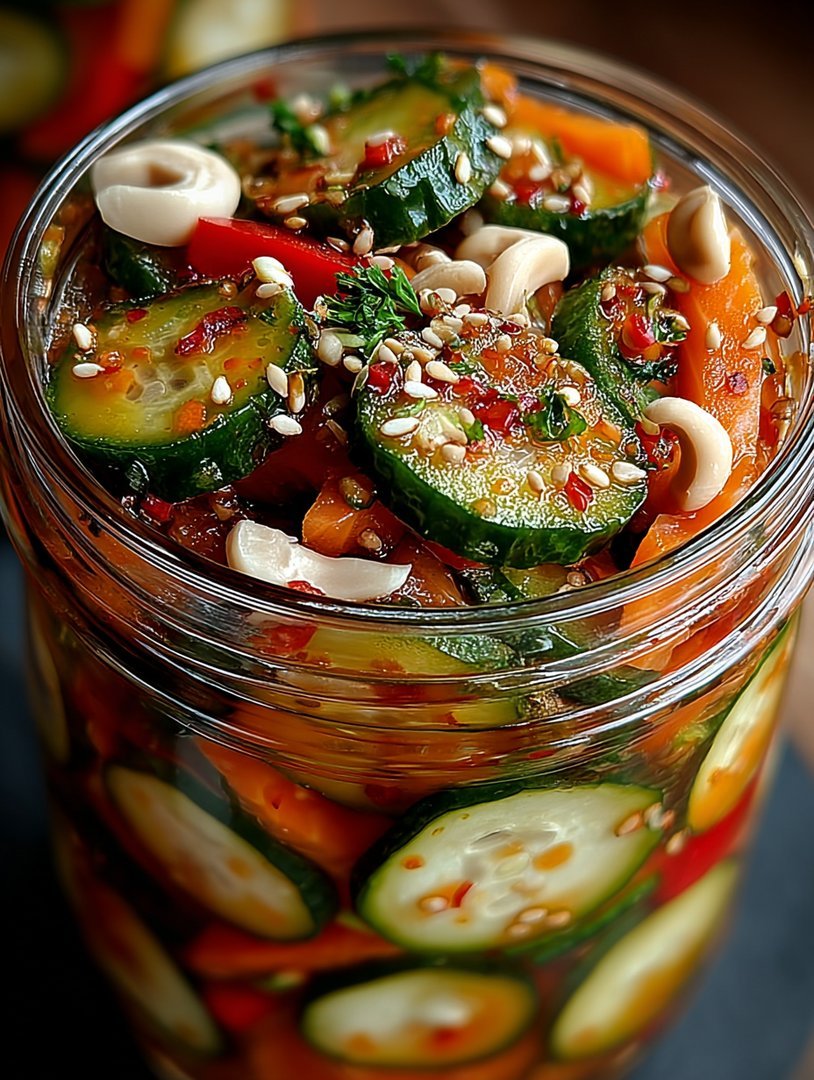
There is a specific sound I chase in life—not the gentle lap of waves, but the aggressive, satisfying crackle of a perfect pickle. Forget sad, soggy vegetables; we are pursuing true audible joy today.
This recipe forcrunchy Vegetable Picklewill transform your fridge into a symphony of zest and snap, guaranteeing that satisfying textural explosion you didn’t know you needed.
- Achieve maximum crunch factor by utilizing fresh, firm vegetables and the perfect brine temperature, ensuring zero sad sogginess.
- This versatile condiment elevates everything from slow-cooked lamb shanks to simple grilled chicken sandwiches with its bright acidity.
- The vibrant, jeweled colors of carrots, cauliflower, and bell peppers make this pickle a visually stunning addition to any charcuterie board.
- Preparation is shockingly simple, requiring minimal active cooking time and delivering intensely complex flavor profiles almost instantly.
Why Ditch the Store-Bought Jars?
We have all been there. You are hosting a gathering, you pull out a jar of pickles, and what do you get? A vague, vinegary sadness that offers no resistance when you bite into it. It is the culinary equivalent of a wet handshake. Store-bought pickles often prioritize preservation convenience over texture and flavor integrity. They are usually flash-pasteurized into submission, leaving you with vegetables that lost their will to live long before they reached your plate.
Making your own pickles is not just about bragging rights; it is about absolute control. You control the spice, the sugar, and most importantly, the snap. This is a quick-pickle method, meaning we are focusing on flavor infusion and maintaining that glorious crispness, not long-term fermentation. It is fast, easy, and drastically superior to anything you can pull off a supermarket shelf. Plus, you get to choose the most beautiful, freshest produce, turning a simple condiment into a vibrant side dish that instantly brightens up any meal. We embrace the chaos of the kitchen but insist on perfection in our preserves.
The Anatomy of the Perfect Snap
Achieving the ideal crunch in yourcrunchy Vegetable Pickleis less about luck and more about chemistry. We must respect the cell walls of the vegetables. When you subject vegetables to vinegar and heat, the acid begins to break down the pectin, which is the structural glue holding the vegetables together. If you boil them, you accelerate this process too much, resulting in mush. The secret lies in using firm vegetables, like fresh carrots or robust cauliflower, and pouring the brine over them when it is hot, but not boiling rapidly. This technique allows the brine to infuse the flavor without cooking the vegetables thoroughly. You also need a proper amount of salt, which helps draw out excess moisture, concentrating the vegetable’s inherent texture and ensuring a vibrant, satisfying pop when you take a bite.
Ingredients for crunchy Vegetable Pickle
Here’s what you’ll need to make this delicious dish:
- Assorted VegetablesChoose firm, fresh vegetables like baby carrots, cauliflower florets, bell peppers (yellow or red), and English cucumber; avoid anything bruised or soft.
- White VinegarUse standard distilled white vinegar (5% acidity) as the primary base for the brine, providing the sharp, necessary tang.
- Filtered WaterEnsures a clean taste in the brine, as impurities in tap water can sometimes muddy the flavor profile of the finished pickle.
- Granulated SugarBalances the high acidity of the vinegar, preventing the pickles from tasting overwhelmingly sour and rounding out the flavor.
- Kosher SaltEssential for preservation and flavor; ensure you use kosher or sea salt, as iodized salt can cloud the brine.
- Garlic ClovesAdds a necessary aromatic depth; smash them slightly to release their flavor without chopping them finely.
- Dill Seeds and Mustard SeedsThese are the classic pickling spices, providing warmth and a traditional, slightly pungent background flavor that complements the vegetables.
- Red Pepper FlakesOffers a gentle kick of heat; adjust the amount based on your preference for mild versus spicy pickles.
The full ingredients list, including measurements, is provided in the recipe card directly below.
How to Make crunchy Vegetable Pickle
Follow these simple steps to prepare this delicious dish:
-
Step 1: Preparation and Cleaning
Wash all your selected vegetables thoroughly under cool running water. Peel and slice the carrots into thin rounds, chop the bell peppers into strips, and separate the cauliflower into uniform, bite-sized florets. Make sure all the vegetables are roughly the same size to ensure even pickling. Pack the prepared vegetables tightly into sterilized, heat-proof glass jars, ensuring you leave about a half-inch of headspace at the top.
-
Step 2: Preparing the Spice Base
Add the aromatic components directly to the packed jars. Distribute the smashed garlic cloves, dill seeds, mustard seeds, and red pepper flakes evenly among the jars. This technique ensures that every jar receives a balanced amount of spice and flavor without requiring extra steps later.
-
Step 3: Creating the Brine Solution
In a medium saucepan, combine the white vinegar, water, granulated sugar, and kosher salt. Place the mixture over medium-high heat and stir constantly until the sugar and salt have completely dissolved. Bring the mixture just to a vigorous simmer, where steam is rising rapidly but the solution is not aggressively boiling. This careful temperature control is crucial for maintaining the crispness of the vegetables.
-
Step 4: Brining and Setting
Carefully pour the hot brine solution over the vegetables in the jars, making sure that the liquid covers all the contents entirely. Tap the jars gently on the counter to release any trapped air bubbles. Seal the jars tightly with their lids. Allow the jars to cool completely at room temperature for approximately one hour before moving on to the next step.
-
Step 5: Chilling and Resting
Once the jars are cool to the touch, transfer them directly to the refrigerator. Allow the pickles to chill and rest for at least 24 hours before serving. While the pickles are technically edible after a few hours, the flavor compounds need this time to fully penetrate the vegetables, transforming them into a truecrunchy Vegetable Pickle.
Transfer the chilled jars to the table and serve alongside grilled meats or hearty sandwiches for a perfect, tangy contrast.
Troubleshooting and Expert Tips for Ultimate Crunch
Even seasoned picklers sometimes encounter challenges, mainly concerning texture. The biggest hurdle is usually a lack of crunch, which turns a hopeful preparation into a disappointing experiment. If you find your vegetables are not achieving that signature snap, double-check your initial vegetable selection; they must be absolutely fresh and firm. Older, slightly wilted vegetables will never revive fully in the brine. Secondly, ensure you use the proper vinegar concentration; an acidity level of 5% is standard for safe, effective pickling. Avoid reducing the amount of salt or vinegar, as these components are essential not only for flavor but also for inhibiting spoilage and maintaining structure. If you desire an ultra-crisp result, some chefs briefly soak their cut vegetables in ice water before brining to tighten the cellular structure, a technique borrowed from salad preparation that works wonders here.
Flavor Variations to Try
Once you master the basic brine, the world of flavor is wide open. For a deeply savory twist, try adding thin slices of fresh ginger and a couple of star anise to the brine while it heats. This creates an East Asian-inspired pickle that pairs beautifully with grilled chicken or roasted turkey breast. If you prefer a more herbaceous note, incorporate fresh sprigs of dill, thyme, and maybe a few bay leaves into your jars instead of relying solely on dried seeds. For a colorful and sweet-tart experience, substitute a quarter cup of the white vinegar with fresh lime juice, and add strips of orange zest for brightness. Remember, the brine is your canvas, so feel free to experiment with spices like coriander, allspice berries, or smoked paprika to match your preferred cuisine style.
Serving Suggestions for Your Perfect Pickle
The beauty of thiscrunchy Vegetable Pickleis its incredible versatility. It is far too good to be relegated to the side of a boring lunch sandwich. Serve a generous bowl of these pickles alongside a robust platter of grilled meats—the sharp, cool tang cuts through the richness of slow-cooked beef or smoky lamb beautifully. They are essential on any charcuterie board; their bright acidity cleanses the palate between bites of rich cheese and crackers, acting as a vibrant counterpoint to creamy textures. Consider finely chopping the pickled vegetables and mixing them into tuna salad or chicken salad for an instant upgrade in both texture and flavor. They also make an excellent, tangy topping for tacos or hearty rice bowls, providing a fresh, zesty layer that elevates the whole dish. Don’t underestimate the power of a quality pickle to transform a simple meal into something memorable.
Common Questions About Quick Pickling
How long does this quick pickle recipe last in the refrigerator?
Because this recipe is a quick pickle, relying on vinegar and refrigeration rather than traditional canning, it lasts wonderfully for about 2 to 3 weeks in the refrigerator, maintaining its superior crunch throughout this period.
Can I reuse the brine after I finish the vegetables?
While the brine is technically safe to reuse immediately, its flavor profile will be weakened and diluted by the moisture drawn out from the first batch of vegetables, so it is generally recommended to prepare a fresh batch of brine for optimal flavor.
What is the best way to keep my pickles from getting soft?
Ensure you use the freshest, hardest vegetables possible, and crucially, avoid boiling the vegetables; pour the hot, dissolved brine over the raw, packed vegetables to achieve the best crunch.
What types of vegetables work best for this recipe?
Root vegetables like carrots, radishes, and turnips, along with sturdy items such as bell peppers, cauliflower, and green beans, hold up exceptionally well to the quick pickling process and deliver fantastic crunch.
There is a special, profound level of disappointment reserved solely for biting into a pickle expecting a glorious, ear-rattling crunch and instead getting a sad, flabby texture. It’s a culinary betrayal. I remember serving homemade brisket sliders—perfectly smoked, gloriously sauced—and using some jarred pickles I had hastily bought. The whole meal was excellent until that soft, vinegary letdown hit my palate. That night, I declared a culinary war on mediocre condiments. We needed a reliable source of tang and, crucially, maximum structural integrity.
The solution, of course, is making your own. Forget long fermentation times that risk turning beautiful vegetables into mush. We are focusing on a quick, refrigerator method designed specifically to maximize that satisfying snap. This recipe works wonders with everything from carrots and cucumbers to bell peppers and radishes. If it grows, we can pickle it, as long as we treat it right to ensure that irresistible texture. Thiscrunchy Vegetable Picklerecipe is non-negotiable for topping tacos, enriching sandwiches, or simply snacking straight from the jar.
The Secret Weapon: Texture Retention
Achieving a truly crunchy texture isn’t just about the vegetable choice; it’s about the preparation and the brine temperature. Many recipes fail because they pour boiling hot brine directly over delicate vegetables, essentially steaming them before they ever reach the fridge. We employ a method that balances heating the aromatics while minimizing the time the vegetables spend exposed to high temperatures. Think of this as a rapid infusion process, locking in the flavor and maintaining peak crispness. You will be amazed how a simple change in technique elevates this condiment from basic to brilliant, ensuring you achieve that perfect snap every time.
Gathering Your Crunch Arsenal
Ensure all your vegetables are fresh and firm. Crispness starts with quality ingredients, so select the freshest, hardest vegetables you can find at the market. A successful pickle depends on a balanced ratio of sweet, sour, and salty in the brine.
Ingredients for the Brine
- 2 cups filtered water
- 2 cups white vinegar (or apple cider vinegar for a milder tang)
- 1/4 cup granulated sugar
- 2 tablespoons kosher salt (ensure it’s non-iodized for clear brine)
- 1 tablespoon mustard seeds
- 1 teaspoon coriander seeds
- 1/2 teaspoon red pepper flakes (optional, for heat)
- 3 cloves garlic, thinly sliced
Ingredients for the Pickle Mix
- 2 large cucumbers (Kirby or Persian work best), sliced into spears or rounds
- 1 cup carrots, sliced into robust sticks
- 1 cup red radishes, thinly sliced
- 1 red bell pepper, sliced into thin strips
- 1 small white onion, thinly sliced (optional)
- Fresh dill sprigs (about 4, for flavor layering)
The Quick Pickle Method: Step-by-Step Instructions
This process is surprisingly fast. Once you have the brine boiling, the hard work is done. Remember, precision in timing is key to ensuring your vegetables remain firm and crisp.
- Prep the Vegetables:Wash and aggressively dry all your chosen vegetables. Place the cucumbers, carrots, radishes, and bell pepper (and onion, if using) into two clean, sterilized quart jars. Place the fresh dill sprigs evenly between the jars.
- Prepare the Brine Base:In a medium non-reactive saucepan, combine the water, vinegar, sugar, and salt. Bring this mixture to a rolling boil over medium-high heat, stirring until the sugar and salt are completely dissolved.
- Infuse the Spices:Reduce the heat to low. Add the mustard seeds, coriander seeds, red pepper flakes, and sliced garlic to the boiling brine. Let the mixture simmer gently for just 60 seconds to allow the aromatics to bloom and release their oils.
- Cool Slightly (The Crunch Secret):Remove the brine from the heat. Let it cool for 3 to 5 minutes. The brine should still be hot enough to sterilize and begin the pickling process, but not violently boiling, which prevents premature softening of the vegetables.
- Pour and Seal:Carefully pour the hot brine over the vegetables in the jars, ensuring all solids (spices and garlic) are distributed evenly. Make sure the vegetables are fully submerged. Leave about 1/2 inch of headspace at the top of the jar.
- Chill Out:Seal the jars tightly. Allow them to cool completely to room temperature on the counter (about 1 hour). Once cool, transfer them immediately to the refrigerator. Wait at least 24 hours before tasting, though 48 hours is ideal for maximum flavor saturation and texture development.
Perfecting the Cooking Process

For peak efficiency, sterilize the jars first by running them through a dishwasher cycle or boiling them, then prep all vegetables simultaneously. Begin making the brine only when the vegetables are packed and ready; this minimizes the cooling time required before pouring and ensures a maximum-crunch result.
Add Your Touch
Swap white vinegar for rice vinegar if you prefer a sweeter, milder flavor profile. For heat, try adding a few slices of fresh jalapeño or a pinch of smoked paprika for earthy depth. You can also substitute the sugar with maple syrup for a rich, nuanced sweetness in your next batch of pickle.
Storing & Reheating
Store your finished pickles, fully submerged in the brine, in airtight jars in the refrigerator. They maintain optimal crunch and flavor for up to four weeks. Do not reheat; these are meant to be consumed cold. If the brine level drops significantly, you can top it off with fresh vinegar.
I once served these pickles at a barbecue where my perpetually skeptical brother-in-law ate half a jar and then demanded the recipe, proving that even the toughest critics yield to perfect texture and bright flavor.
Chef’s Expert Tips for Maximum Crunch
- Always use non-iodized salt (like kosher or pickling salt) as iodine can cloud the brine and potentially interfere with the long-term crispness of the vegetables.
- Ensure the vegetables are completely dry before jarring them. Excess water dilutes the brine concentration, which is essential for flavor and preservation consistency.
- Slice your vegetables uniformly and relatively thick. Thin slices soften faster; thicker slices retain internal structure better under the hot brine treatment.
Troubleshooting Your Pickles
Achieving the Ideal Flavor Balance
Sometimes, the first batch might taste too sweet or too sour, depending on your vinegar type. Remember that the flavors intensify over time in the refrigerator. If they taste slightly off immediately, give them three full days before making adjustments to the next batch. If you find the brine too sweet, slightly increase the salt content or decrease the sugar by a teaspoon in your subsequent attempts.
A great way to boost the overall complexity without changing the core sweet-and-sour structure is to add more aromatics. Try adding slices of fresh ginger or star anise during the one-minute simmering period of the brine. These small additions infuse a background note that dramatically enhances the final taste profile of thecrunchy Vegetable Pickle.
Frequently Asked Questions About Quick Pickling
Are quick pickles safe to keep at room temperature?
No, refrigerator pickles must remain refrigerated. Unlike traditional fermented or canned pickles, these are not shelf-stable. Always store your freshly made crunchy Vegetable Pickle in the fridge to prevent spoilage and maintain food safety standards.
Why did my vegetables go soft after pickling?
Softness usually occurs because the brine was poured while too hot, or the vegetables were sliced too thinly. Make sure you slice them robustly and allow the brine to cool slightly—but remain hot—before pouring it over them. Using very firm vegetables to start also helps.
Can I reuse the pickling brine?
While technically possible, reusing the brine is not recommended for safety or flavor. The brine has been diluted by the water content pulled from the vegetables and its preservative power is weakened. Always use fresh brine for a new batch to guarantee preservation success.
Do I need to peel all the vegetables before pickling?
Generally, no. For most vegetables like cucumbers, carrots, and radishes, the skin provides extra structural support, contributing to that desired crunch. Ensure they are thoroughly scrubbed clean before slicing and jarring. Peeling is only necessary if the skin is damaged or overly thick.
The Glorious Conclusion: Crunch Achieved
Making a truly exceptional pickle doesn’t require a commercial cannery or a family recipe passed down through generations. It simply requires paying attention to temperature control and ingredient quality. The result—that perfectcrunchy Vegetable Pickle—is worth every second of effort.
This method provides a vibrant, flavor-packed condiment that elevates every meal it touches, turning a simple sandwich into a masterpiece and a basic burger into a celebratory event. Stop settling for sadness in a jar. Embrace the snap, master the brine, and enjoy the glorious texture that only fresh, properly prepared vegetables can deliver. Happy crunching!
Conclusion for crunchy Vegetable Pickle
We have conquered the sometimes slippery slope of pickling, transforming humble garden bounty into a powerful condiment. Remember that the secret to this recipe’s success lies in the cold-brine technique and using the freshest, firmest vegetables you can find. This homemade crunchy Vegetable Pickle is more than just a side dish; it’s a bright, tangy punctuation mark for tacos, grilled meats, and even simple rice bowls. Don’t let your preserved vegetables sit shyly in the back of the fridge. Embrace the tang, relish the crunch, and enjoy the bragging rights that come with mastering the perfect, crispy pickle blend.
Print
crunchy Vegetable Pickle
Achieve max crunch with our quick pickle! Simply boil the sugar-salt brine, pour over crisp carrots, radishes, and cukes, then chill. Vibrant, tangy, and ready fast.
- Total Time: 35 minutes
- Yield: 4 servings 1x
Ingredients
- 2 cups mixed vegetables (thinly sliced carrots, radishes, and mini cucumbers)
- 1 cup distilled white vinegar
- 1 cup filtered water
- 2 tablespoons granulated sugar
- 1 tablespoon kosher salt
- 2 cloves garlic, lightly smashed
- 1 teaspoon yellow mustard seeds
- 1/2 teaspoon red pepper flakes
Instructions
- Step 1: Thoroughly wash and thinly slice the mixed vegetables. Pack them tightly into a clean, sterilized pint-sized jar along with the smashed garlic cloves, mustard seeds, and red pepper flakes.
- Step 2: Combine the white vinegar, filtered water, granulated sugar, and kosher salt in a small non-reactive saucepan. Bring the mixture to a boil over medium-high heat, stirring until the sugar and salt are fully dissolved.
- Step 3: Carefully pour the hot brine mixture directly over the packed vegetables in the jar, ensuring the vegetables are completely submerged. Leave about 1/2 inch of headspace at the top of the jar.
- Step 4: Gently tap the jar on the counter to release any trapped air bubbles. Seal the jar tightly with a lid and allow it to cool completely to room temperature on the counter.
- Step 5: Once cooled, transfer the jar to the refrigerator. The pickles will be ready to eat and achieve maximum crunch after chilling for at least 24 hours. They will remain crunchy and fresh for up to 3 weeks.
Notes
- For maximum crunch, keep this pickle refrigerated; it will retain its crisp texture and fresh flavor for up to three weeks after the 24-hour chilling period.
- These bright pickles are perfect for cutting through rich dishes; try tucking them into a shredded beef sandwich or serving them alongside heavy cheese and charcuterie boards.
- To guarantee the snap, ensure your vegetables are freshly crisp and cold before slicing, as the immediate contrast with the hot brine is key to maintaining the final crunch.
- Don't discard the flavorful leftover brine; once the jar is empty, you can reuse the liquid as a zesty addition to salad dressings or as a quick marinade for poultry.
- Prep Time: 15 minutes
- Cook Time: 20 minutes
- Method: Stovetop
- Cuisine: American
FAQs
Why did my pickle lose its crispness?
Achieving that perfect texture in your crunchy Vegetable Pickle is all about technique. If your vegetables went soft, the most common culprit is over-blanching or using boiling brine while the vegetables were still warm. We recommend pouring the hot brine over cold, tightly packed vegetables immediately after preparation. Also, ensure you use super-fresh ingredients; limp vegetables yield limp pickles. A quick soak in ice water right before jarring can also boost the crispness factor significantly, ensuring every bite delivers that satisfying snap we crave.
How long can I safely store this quick pickle recipe?
Since this is a quick pickle relying on refrigeration rather than traditional canning methods, its shelf life is optimized for freshness and maximum crunch. Stored properly in airtight, sterilized jars in the refrigerator, your homemade pickle mix will maintain peak flavor and excellent texture for about three to four weeks. While it might still be safe slightly longer, the vibrant color and highly desired crunchy texture start to diminish after the first month. Always use clean utensils when serving to prevent bacterial contamination and extend the enjoyment of your tangy condiment.
Can I reuse the brine after finishing a batch of crunchy Vegetable Pickle?
Reusing the brine is tempting, but generally, we advise against it for pickling vegetables, especially for recipes aiming for maximum crunch. The vegetables absorb a lot of the salt, sugar, and acid during the initial pickling process, leaving the leftover liquid significantly weaker. This decreased potency means the remaining brine won’t properly preserve the next batch, potentially compromising food safety and definitely resulting in a less crunchy Vegetable Pickle. A safer and tastier approach is to always start with a fresh brine mixture to guarantee the ideal flavor balance and preservation quality.
What are the best vegetables to use for maximum crunch?
While the recipe uses carrots, bell peppers, and cucumbers, you have many excellent options for maximizing the snap factor. Jicama is notoriously resilient and offers an incredible texture, as do tiny pearl onions and thinly sliced radishes. Cauliflower florets, when kept small and tight, also retain their rigidity well through the brining process. Remember that harder, denser vegetables naturally hold up better against the acid than softer, leafier alternatives. Experimentation is half the fun, but stick to firm vegetables for the ultimate crispy preserved vegetables experience.




Leave a Comment