

Forget everything you thought you knew about traditional bread making because we are taking a flavor detour straight into the brine jar. Prepare your taste buds for a transformation; this incredibleDill Pickle Focaccia Breadis the salty, savory, herbaceous mashup you never knew you needed.
It transforms the humble Italian flatbread, beloved for its olive oil-soaked dimples, into a tangy, surprisingly soft masterpiece that guarantees an immediate halt to polite conversation and demands immediate, enthusiastic devouring.
- Achieve a surprisingly easy dough with minimal kneading, perfect for bakers of any skill level seeking maximum flavor reward from humble ingredients.
- Experience a uniquely bold and savory flavor profile where the salty pickle brine cuts perfectly through the richness of the dough and olive oil.
- The visual appeal is stunning, featuring golden crust dimples filled with fragrant dill, fresh herbs, and crunchy, caramelized pickle slices.
- This versatile flatbread serves wonderfully alongside hearty soups and fresh salads, or as a sturdy, flavor-packed base for light luncheon sandwiches.
Ingredients for Dill Pickle Focaccia Bread
Here’s what you’ll need to make this delicious dish:
- All-Purpose FlourUse unbleached flour for the best texture, providing the structural base for the airy, chewy focaccia crumb.
- Active Dry YeastEssential for lift; ensure your yeast is fresh and proof it properly in warm liquid before mixing.
- Granulated SugarA small amount of sugar feeds the yeast, helping it activate and resulting in a more robust rise.
- Fine Sea SaltCrucial for controlling the yeast activity and enhancing the overall flavor profile of the bread.
- Warm WaterThe liquid base for the dough; it should be between 105°F and 115°F (40°C–46°C) to effectively proof the yeast.
- Dill Pickle BrineThe secret ingredient! Use the liquid from a jar of good quality, refrigerated dill pickles for maximum tangy flavor.
- Extra Virgin Olive OilUsed generously in the dough, for oiling the pan, and for drizzling on top to create the iconic crispy crust and moist interior.
- Dill PicklesSelect firm, crunchy dill pickle spears or chips; roughly chop about two cups for incorporating into the dough and scattering on top.
- Fresh HerbsA mix of fresh dill, rosemary, or dried oregano enhances the savory aroma and complements the tanginess of the pickles.
- Garlic Powder or Fresh GarlicAdds a subtle layer of savory depth to the dough that balances the salty and sour elements.
The full ingredients list, including measurements, is provided in the recipe card directly below.
How to Make Dill Pickle Focaccia Bread
Follow these simple steps to prepare this delicious dish, transforming simple flour and brine into a bread masterpiece:
Step 1: Activating the Yeast and Preparing the Brine Mixture
In a large bowl or the bowl of a stand mixer, combine the warm water, yeast, and sugar. Let this mixture stand for about five to ten minutes until it becomes foamy, confirming the yeast is active and ready to work. While the yeast proofs, gently warm the dill pickle brine slightly so it is lukewarm, which aids in dough hydration without shocking the yeast.
Step 2: Mixing and Kneading the Dough
Add the flour, salt, garlic powder, and a generous splash of olive oil to the yeast mixture. Mix on low speed using a dough hook, or stir vigorously by hand, until a shaggy, cohesive dough forms. Knead the dough for just about five minutes until it is smooth and elastic. Now, gently fold in about half of the chopped dill pickles and a good amount of the fresh herbs, distributing them evenly without overworking the dough. Transfer the dough to a well-oiled bowl, turning once to coat, then cover it tightly with plastic wrap.
Step 3: The First Rise and Pan Preparation
Allow the dough to rise in a warm, draft-free spot for one to one and a half hours, or until it has doubled in size. This slow fermentation develops the characteristic focaccia flavor. While the dough rises, prepare a 9×13 inch baking pan by pouring a significant amount of olive oil (about a quarter cup) into the bottom, ensuring the entire surface is generously coated, which is crucial for achieving a deeply golden, crispy base.
Step 4: Dimpling and the Final Proof
Carefully transfer the risen dough to the prepared pan. Gently press the dough out toward the edges using your fingertips. Do not force it; allow the dough to rest for ten minutes if it resists stretching. Once stretched, use oiled fingertips to press deep indentations, or “dimples,” all over the surface of the dough, taking care not to puncture completely through to the bottom of the pan. Drizzle the top liberally with a little more olive oil, sprinkle with the remaining chopped pickles, and a pinch of flaky sea salt. Let the dough proof again for 30 minutes while you preheat your oven to 400°F (200°C).
Step 5: Baking the Focaccia
Bake the Dill Pickle Focaccia Bread on the center rack for 25 to 30 minutes. The bread is done when the top is deep golden brown, and the bottom crust, when lifted slightly, also displays a rich, crisp golden color. If the top seems to be browning too quickly, lightly tent it with aluminum foil during the last ten minutes of baking. Once baked, immediately transfer the focaccia onto a cooling rack to prevent the bottom crust from becoming soggy from the steam.
Serve this flavorful flatbread warm or at room temperature, cut into rustic squares, alongside a creamy roasted tomato soup or a simple platter of marinated vegetables for the perfect finishing touch.
The Flavor Secret: Mastering Texture and Brine
The journey to perfect focaccia, especially one that incorporates such a bold flavor as dill pickle brine, hinges on understanding the role of hydration and the power of the brine itself. Traditional focaccia is famous for its high hydration level, meaning it uses much more water relative to flour than standard bread loaves, which results in that wonderfully open crumb structure and delicate chew. When we substitute half of the standard water content with cold pickle brine, we introduce salinity, acidity, and a complex herbaceousness directly into the dough’s matrix.
The acidity in the brine acts as a natural tenderizer, helping to break down the gluten slightly, contributing to a softer final product. However, the salt in the brine also slows down yeast activity, demanding a careful and often slightly longer initial rise (bulk fermentation). This extended time is beneficial because it allows the fermented flavors to deepen, creating a sophisticated foundation that can stand up to the sharp, savory intensity of the pickles scattered on top. This flatbread should be airy, moist, and slightly oily, with a profound crunch in every bite, a textural symphony only possible through generous oil application and careful, patient dimpling before the bake.
Why Pickle Brine is Better Than Plain Water
Many home bakers shy away from highly flavored doughs, fearing they might disrupt the delicate balance of yeast and gluten. However, pickle brine is arguably a natural fit for this style of rustic bread. While plain water merely hydrates, brine contributes essential minerals that actually strengthen the gluten network while simultaneously offering a built-in seasoning layer. If you use good quality, naturally fermented pickles, the brine carries beneficial elements that enhance dough health, much like a sourdough starter, albeit subtly. This means that every strand of the dough is seasoned from the inside out, rather than relying solely on the topping for flavor, resulting in a cohesive and satisfyingly tangy bread that sings with the essence of dill and garlic without being overwhelmingly sour.
Troubleshooting Your Perfect Flatbread
Making bread, particularly a highly hydrated bread like focaccia, sometimes presents small hurdles. Luckily, the forgiving nature of this dough means most minor issues are easily corrected with patience and temperature control. Achieving that restaurant-quality, crisp-bottomed focaccia requires vigilance regarding the oil quantity and oven temperature, as these elements are the true architects of texture in this particular flatbread.
Solving the Sticky Dough Dilemma
If your dough seems excessively wet or sticky after the first mix, resist the immediate urge to dump in more flour. Remember, focaccia dough is supposed to be soft, almost slack. Instead, try the ‘stretch and fold’ technique. Wet your hands and lift one side of the dough, stretching it gently up and folding it over the center. Rotate the bowl and repeat this action four times. Let the dough rest for fifteen minutes and repeat the process two more times. This low-stress, no-knead approach effectively develops gluten without adding unnecessary flour, maintaining the high hydration necessary for the fluffy interior.
Ensuring a Beautifully Crisp Base
A common complaint is a focaccia base that is pale and slightly soggy. The solution lies in heat and oil. First, ensure your pan is absolutely drenched in olive oil before the second rise; this oil effectively deep-fries the bottom crust in the oven. Second, try baking the focaccia on the lowest rack for the first ten minutes of cooking, allowing maximum heat transfer from the element directly to the pan. Then, move it to the middle rack to finish baking evenly. If you have a pizza stone or baking steel, preheating the stone and placing the baking pan directly on it will provide an immediate, intense heat boost to the bottom crust, guaranteeing that deep golden crispness.
Serving Suggestions and Pairing Delight
The bold, salty, and herbaceous flavor profile ofDill Pickle Focaccia Breadmakes it incredibly versatile, moving far beyond the traditional role of a side bread. Imagine this delightful flatbread split horizontally and used as the base for a hearty lunchtime sandwich, perhaps layered with thinly sliced roast beef and a creamy mustard aioli. It also serves as an outstanding dipper for rich, savory sauces. Try tearing off chunks and dipping them into a high-quality balsamic vinegar mixed with olive oil, or use it to sop up the broth from a rich, slow-cooked lamb stew. For a simple appetizer, toast small squares briefly and top them with whipped cream cheese and extra fresh dill for an elevated, irresistible bite that everyone will talk about long after the last crumb is gone.
I’m going to be completely honest with you: I once considered dill pickles a topping reserved strictly for sandwiches and late-night, slightly questionable snack attacks. The idea of baking them into a gorgeous, oil-slicked slab of Italian bread seemed like kitchen heresy. But necessity, as they say, is the mother of invention—and in my case, necessity usually involves forgetting to buy proper ingredients until the last minute.
One miserable, rainy Tuesday, I decided to tackle focaccia. I had the yeast, the flour, and a desperate craving for something savory. Then I spotted it: a gigantic jar of crunchy, garlicky dill pickles gleaming forlornly on the shelf. The internal debate was swift and dramatic. Could I? Should I? The answer, friends, was a resounding, briny, delicious yes. The first attempt at this Dill Pickle Focaccia Bread was so polarizing that my neighbor threatened to call the police on my bread pan, yet it vanished within the hour. It’s savory, it’s tangy, and it throws traditional bread rules right out the window. Get ready to embrace the sour side of baking.
The Accidental Discovery of Sunshine on a Plate
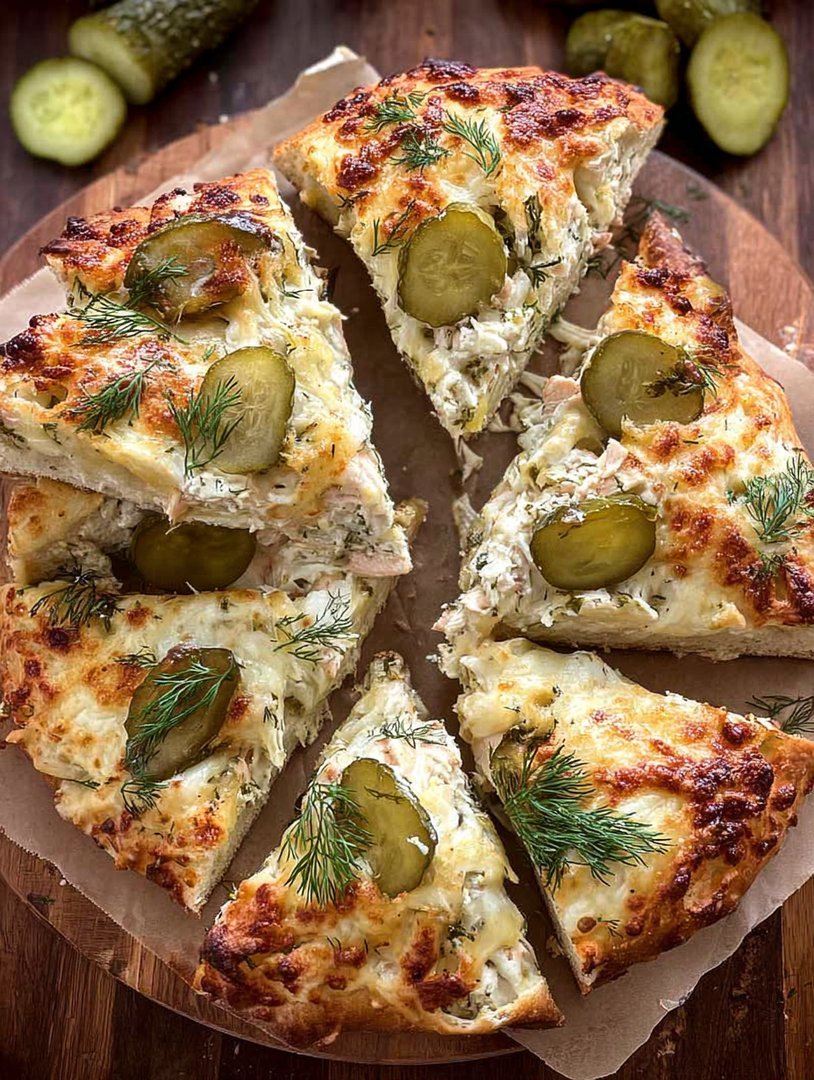
I found this recipe by accident during a desperate pantry raid. I was craving savory bread but only had a jar of pickles. The resulting Dill Pickle Focaccia Bread was so surprisingly good—tangy, salty, and utterly comforting—it tasted like pure, chaotic sunshine.
The Science of the Satisfying Crunch: Mastering Focaccia
Focaccia is often seen as intimidating, but it is one of the most forgiving loaves to bake. The secret lies in treating it less like a fussy sourdough and more like a glorious, edible sponge designed to absorb copious amounts of olive oil and flavor.
Mixing the Perfect Pickle-Infused Dough
The standard focaccia technique involves high hydration—meaning lots of water relative to the flour—to create those characteristic air pockets. For this recipe, however, we introduce a wildcard: pickle brine. Instead of using only water, substitute a portion of the liquid with the leftover dill pickle juice. This introduces salt, acid, and an incredible depth of flavor right into the dough’s structure. Remember, good dough takes time; rushing the first proofing stage means sacrificing those coveted, enormous bubbles.
To start, activate your yeast in warm water with a pinch of sugar. Once foamy, mix in the remaining brine, olive oil, flour, and salt. Unlike traditional kneading, focaccia benefits from the ‘stretch and fold’ technique performed every 30 minutes during the initial proof. This gentle action builds strength without destroying the developing air bubbles. After about two hours, when the dough has doubled in size and looks pillowy, it’s ready for its spa treatment: the baking pan.
Prepping the Pickles: The Key to Avoiding Soggy Bread
This step is non-negotiable if you want crisp focaccia and not a dill-flavored swamp. Pickles are extremely watery, and dumping them straight onto the dough will sabotage the entire bake. You must thoroughly drain the pickles and then pat them dry with paper towels or a clean kitchen cloth. I even recommend leaving the chopped pickles spread out on a plate for 15 minutes before using them to ensure excess surface moisture evaporates.
Once the dough is stretched into the pan and glistening with olive oil, it’s dimpling time. Using oily fingers, press firmly into the dough to create wells for the oil and flavorings to pool. Place the chopped dill pickles, fresh dill, and crushed garlic generously over the top, making sure to push some of the pickles slightly into the dough to anchor them during baking. A final drizzle of extra virgin olive oil and a heavy dusting of flaky sea salt complete the preparation.
Perfecting the Cooking Process
Start by hydrating the yeast and letting the dough rise until puffy, which is crucial for texture. While the dough proofs, finely chop your pickles and herbs. Once dimpled, bake the focaccia quickly at a high temperature to achieve that signature crispy crust.
Add Your Touch
Try replacing some of the brine with garlic oil for an extra savory kick. You can also sprinkle nutritional yeast or grated hard Italian cheese on top before baking. If you dislike traditional dill, swap it for fresh chives or even a little black pepper.
Serving Suggestions for Your Savory Masterpiece
This focaccia with pickles is surprisingly versatile. Due to its intense flavor profile—salty, sour, and garlicky—it stands up beautifully on its own as a hearty snack. However, it also shines when paired correctly. Imagine serving this savory bread alongside a rich, slow-cooked beef stew, where the acidity of the pickles cuts through the fat beautifully. It also makes an incredible base for open-faced sandwiches; try topping a warm slice with sharp cheddar cheese and thinly sliced smoked turkey breast for an epic lunch experience.
If you are serving this for a gathering, cut it into generous squares and arrange them on a wooden board. The vibrant green color of the dill and the craggy, golden crust make for a striking presentation. Remember, the best part of this Dill Pickle Focaccia Bread is the crust—don’t be afraid to pull off an extra crispy edge for yourself before anyone else gets to it.
My cousin, a notorious bread skeptic, tried this Dill Pickle Focaccia Bread and immediately demanded the recipe, proving even the pickiest eaters can’t resist this briny delight.
Expert Tips for Flawless Dill Focaccia
-
Always drain your chopped pickles thoroughly, perhaps even squeezing them slightly, to prevent excess moisture from making the center of your focaccia dense.
-
Don’t be shy with the olive oil; it prevents sticking, contributes immensely to the rich flavor, and gives the bread its iconic golden crust.
-
The final topping of coarse sea salt is mandatory—it enhances both the salty pickle flavor and provides necessary texture contrast against the soft interior crumb.
Storing & Reheating
Store leftover focaccia in an airtight container at room temperature for up to three days. To reheat, wrap slices loosely in foil and bake them at 350°F (175°C) for 5-8 minutes until the edges crisp up again. Avoid the microwave for the best texture.
Conclusion for Dill Pickle Focaccia Bread
Baking this tangy, savory bread is more than just following a recipe; it’s about embracing the unexpected and delivering a delicious surprise to everyone at the table. From the initial brine substitution in the dough to the final scatter of crunchy dill pickles, every step ensures a flavorful, moist, and delightfully crispy result. The combination of classic Italian texture with that zesty pickle tang is truly addictive. Don’t let its unconventional nature scare you away; this Dill Pickle Focaccia Bread is easy to master and guaranteed to be the centerpiece of any meal, proving that sometimes, the best recipes are born from pure, beautiful kitchen chaos.
Print
Dill Pickle Focaccia Bread
Tangy, airy Dill Pickle Focaccia! We use pickle brine for a moist interior and fold in fresh dill. Proofed for two hours under olive oil, this savory bread is pure perfection.
- Total Time: 35 minutes
- Yield: 4 servings 1x
Ingredients
- 3 cups Bread Flour
- 1 cup Lukewarm Water
- 1/2 cup Dill Pickle Brine (lukewarm)
- 2 1/4 teaspoons Active Dry Yeast
- 2 teaspoons Kosher Salt
- 1 cup Finely Chopped Dill Pickles (drained)
- 1/4 cup Fresh Dill, chopped
- 1/4 cup Extra Virgin Olive Oil (plus 2 Tbsp for the pan)
Instructions
- Step 1: In a large bowl, whisk together the lukewarm water and pickle brine, then sprinkle the yeast over the liquid. Let stand for 5-10 minutes until frothy. Add the flour and salt, mixing until a shaggy dough forms, then fold in the chopped dill pickles and fresh dill until just combined.
- Step 2: Pour 1/4 cup of olive oil over the dough, cover the bowl tightly, and allow the dough to proof in a warm place for 1.5 to 2 hours, or until it has nearly doubled in size.
- Step 3: Preheat your oven to 425°F (220°C). Pour the remaining 2 tablespoons of olive oil into a 9×13 inch baking pan, ensuring the bottom and sides are well-coated. Gently scrape the dough into the pan.
- Step 4: Allow the dough to rest in the pan for 30 minutes (second proof). Use oiled fingers to firmly and deeply dimple the entire surface of the focaccia, pushing down to the base of the pan without tearing the dough.
- Step 5: Drizzle the dimpled dough liberally with additional olive oil and sprinkle with coarse salt (or flaky sea salt). Bake for 20-25 minutes until the top is golden brown and the edges are crisp. Cool slightly on a wire rack before serving.
Notes
- For optimal texture, store any leftovers wrapped tightly in aluminum foil or plastic wrap at room temperature for up to two days, as refrigeration tends to dry the bread quickly.
- To revive the crisp crust and warm the bread through, place slices directly on a rack in a 350°F (175°C) oven for 5 to 8 minutes, or use a toaster oven.
- This savory focaccia makes an exceptional base for an open-faced sandwich spread with herbed cream cheese, or serve it alongside a hearty bowl of tomato soup.
- When measuring the pickle brine, ensure you are using good quality, unpasteurized brine, as this liquid is the primary source of the tangy flavor and necessary salt; do not substitute it with plain water.
- Prep Time: 15 minutes
- Cook Time: 20 minutes
- Method: Stovetop
- Cuisine: American





Leave a Comment