
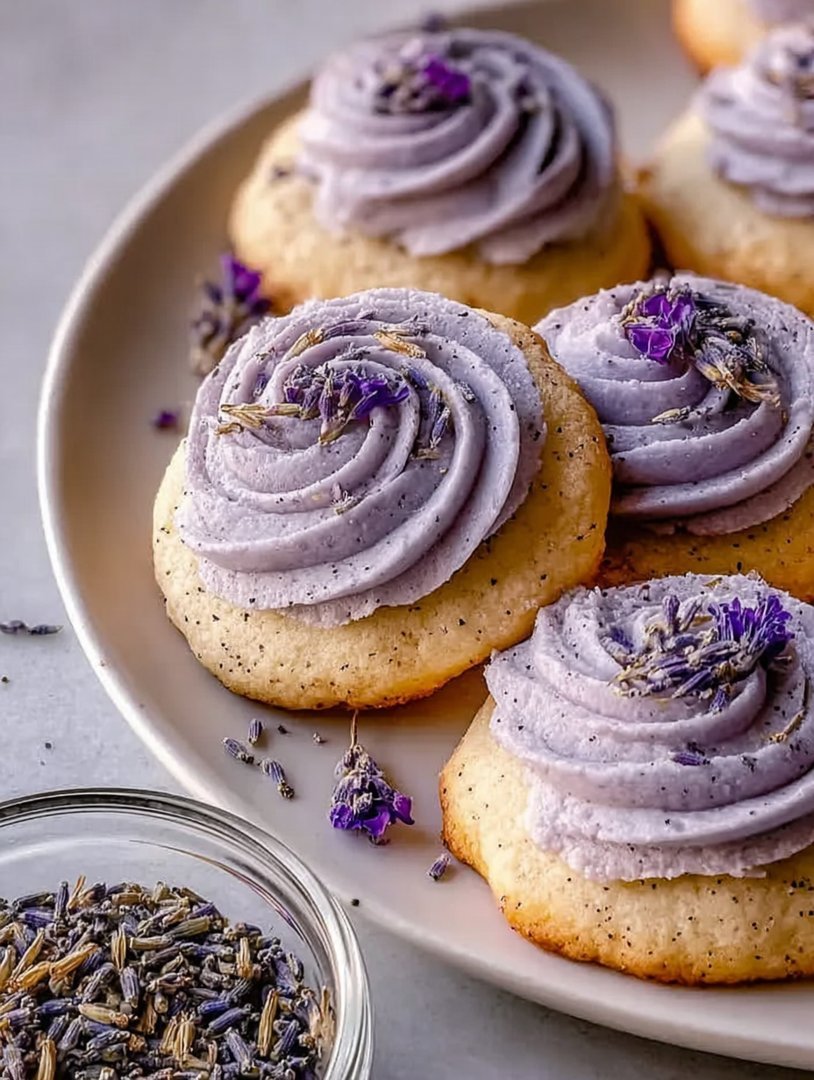
The moment you bite into anEarl Grey Lavender Cookies, the world slows down. It’s like wearing a cashmere sweater on a misty morning—pure, unexpected comfort, bursting with floral citrus notes. Forget bland shortbread; this is elegant edible drama.
This isn’t just baking; it’s therapy disguised as dessert. We are achieving peak English garden sophistication, one perfectly crinkled, buttery disk at a time. Get ready to elevate your afternoon tea ritual permanently.
- This recipe delivers a sophisticated flavor profile, blending the citrusy bergamot of Earl Grey tea with subtle, calming lavender undertones for a unique treat.
- Achieve an irresistibly delicate and melt-in-your-mouth texture thanks to the careful balance of butter and powdered sugar incorporated during the dough preparation process.
- Visually stunning, these floral shortbread delights boast tiny, enticing flecks of finely ground tea leaves and lavender buds, making them perfect for gifting.
- Incredibly versatile, these fragrant lavender tea biscuits pair beautifully with hot black tea or a robust coffee, proving they are suitable for any special occasion.
Ingredients for Earl Grey Lavender Cookies
Here’s what you’ll need to make this delicious dish:
- Unsalted ButterUse cold, high-quality butter cut into cubes. Cold butter is essential for achieving that characteristic crisp, crumbly shortbread texture.
- Granulated Sugar and Powdered SugarWe use a combination; the granulated sugar adds structure, while the powdered sugar contributes to the desired tender, melt-in-your-mouth crumb.
- All-Purpose FlourMeasure the flour carefully, preferably by weight, to avoid adding too much, which would result in a tough cookie.
- Earl Grey Tea LeavesUse 3–4 tea bags or about 2 tablespoons of loose-leaf tea. The finer the grind, the better the flavor distribution will be throughout the dough.
- Dried Culinary Lavender BudsEnsure you are using culinary-grade lavender, as ornamental varieties can taste soapy or bitter in baked goods.
- Egg YolkThis single egg yolk adds richness and helps bind the dough without adding excess moisture, contributing to the delicate texture.
- Vanilla PowderUse a good quality pure vanilla powder to enhance the overall buttery sweetness of the base shortbread recipe.
- Fine Sea SaltSalt balances the sweetness and highlights the subtle floral and citrus notes from the bergamot and lavender.
The full ingredients list, including measurements, is provided in the recipe card directly below.
How to Make Earl Grey Lavender Cookies
Follow these simple steps to prepare this delicious dish:
Step 1: Prep the Lavender and Tea Infusion
Preheat your oven to 350°F (175°C) and line two baking sheets with parchment paper. First, finely grind the Earl Grey tea leaves and the dried culinary lavender buds using a food processor or a spice grinder until they resemble a coarse powder. This grinding step releases the maximum flavor and ensures the mixture disperses evenly throughout the cookie dough, preventing large, chewy pieces of tea or flower.
Step 2: Cream the Butter and Sugars
In the bowl of a stand mixer fitted with the paddle attachment, cream the cold, cubed unsalted butter with both the granulated and powdered sugars. Beat this mixture on medium speed until it is light, fluffy, and pale in color, usually taking about 3 to 4 minutes. This process, known as creaming, incorporates air, which is crucial for achieving that tender, delicate shortbread structure. Stop occasionally to scrape down the sides of the bowl thoroughly.
Step 3: Incorporate Wet Ingredients and Flavorings
Add the vanilla powder and the single egg yolk to the creamed mixture, mixing only until just combined. Now, introduce the prepared tea and lavender mixture, along with the fine sea salt. Mix briefly on low speed until the fragrant elements are evenly distributed, filling your kitchen with the promise of delightfulEarl Grey Lavender Cookies.
Step 4: Add the Dry Ingredients
Gradually add the all-purpose flour to the wet ingredients, mixing on the absolute lowest speed. Stop mixing immediately once the flour is incorporated and the dough just barely comes together. Overmixing shortbread dough develops the gluten, resulting in tough, chewy biscuits, which is the exact opposite of what we want. The final dough should be slightly crumbly but hold its shape when pressed.
Step 5: Chill and Shape the Dough
Turn the dough out onto a piece of plastic wrap and gently form it into a log, approximately 1.5 inches in diameter. Wrap the log tightly and refrigerate the dough for at least 60 minutes, or up to 2 days. Chilling is non-negotiable; it firms up the butter, ensuring the cookies maintain their beautiful circular shape during baking and prevents them from spreading excessively on the pan.
Step 6: Slice and Bake the Biscuits
Once chilled, remove the dough log and use a sharp knife to slice the dough into rounds that are about 1/3-inch thick. Arrange the slices about 1 inch apart on the prepared baking sheets. Bake for 10 to 12 minutes, rotating the pan halfway through, until the edges are lightly golden brown but the centers remain slightly pale. Let the cookies cool completely on the baking sheet for 5 minutes before transferring them to a wire rack.
Transfer to plates and serve immediately with your favorite cup of hot tea for the perfect finishing touch.
Achieving the Perfect Tea Biscuit Texture
Baking these sophisticated bergamot biscuits requires paying attention to subtle details that drastically impact the final texture. The goal is a crisp exterior that gives way to a supremely tender, almost sandy interior—classic shortbread perfection. Many bakers rush the process, but patience, particularly during the creaming and chilling stages, is truly a virtue when making floral shortbread. We use cold butter initially because we do not want it to emulsify fully; instead, we want small pockets of fat to remain within the dough structure. When those pockets melt rapidly in the hot oven, they create steam, which separates the dough layers and results in that wonderfully crumbly texture everyone loves.
The Critical Role of Powdered Sugar
Why use powdered sugar instead of solely granulated sugar? This is where the magic happens for texture. Powdered sugar contains a small amount of cornstarch, which is a key player in moisture absorption. When cornstarch is present, it helps prevent gluten development by coating the flour particles, ensuring the baked cookie remains extraordinarily tender. If you substituted entirely with granulated sugar, you would get a chewier, firmer result, closer to a standard sugar cookie, losing the characteristic delicate crumb that defines greatEarl Grey Lavender Cookies.
Avoiding the Bitter Flavor Trap
While tea and lavender are the stars, they can sometimes turn bitter if not handled correctly. First, always use high-quality culinary lavender. Second, ensure you grind the tea leaves and lavender finely. Large pieces can release too much bitter tannin or overpowering floral oil during baking. Furthermore, the amount of lavender should always be measured precisely; using too much can make the cookies taste soapy, masking the elegant bergamot citrus. Stick to the specified amount for a harmonious balance where the floral notes enhance the tea, rather than competing aggressively with it.
Flavor Variations and Customization Tips
Once you master the basic recipe for these beloved lavender tea biscuits, you might want to experiment with different aromatic combinations. The beauty of the shortbread base is its versatility, allowing it to carry many different flavors beautifully. You can easily swap out the Earl Grey for a different type of highly aromatic black tea, such as Lapsang Souchong for a smoky undertone, or Darjeeling for a lighter, more floral experience. Always ensure the tea leaves are finely ground before incorporation, regardless of the variety you choose.
Garnishing for Enhanced Appeal
To give your cookies an extra touch of elegance and flavor, consider a simple glaze or dusting. A lemon zest glaze, made by whisking powdered sugar with fresh lemon juice, complements the bergamot beautifully, offering a bright, tart counterpoint to the buttery richness. Alternatively, a light dusting of vanilla bean sugar mixed with finely ground freeze-dried raspberries adds a visual pop of color and a subtle fruity dimension. Remember that if you add a liquid glaze, the cookies must be completely cooled, or the glaze will melt right off the surface.
Elevating with Citrus Zest
For those who love intense citrus flavor, incorporating fresh zest is a fantastic way to boost the inherent notes of the Earl Grey. Add the zest of one small orange or half a lemon directly into the butter mixture during Step 3. The essential oils in the zest are highly potent and pair seamlessly with the tea and lavender. This technique creates a brighter, more vibrant flavor profile, transforming the simple cookie into a complex, multi-layered treat. When zesting, be sure to avoid the white pith, as it can introduce unwanted bitterness.
Storage and Shelf Life of Your Baked Goods
These sophisticated bergamot treats hold up remarkably well, making them ideal for preparing in advance or shipping as thoughtful gifts. Proper cooling and storage are vital to maintaining their crisp texture and preventing them from becoming stale or absorbing unwanted odors from the pantry. Once theEarl Grey Lavender Cookiesare completely cool—and we mean truly room temperature—transfer them to an airtight container. Lay the cookies in single layers, separating each layer with a sheet of parchment paper to prevent sticking and breakage. Store them away from direct heat and light.
Freezing Dough for Future Baking
If you prefer the taste of freshly baked cookies but need a quick solution, freezing the unbaked dough log is an excellent strategy. After completing Step 5, you can double-wrap the chilled dough log in plastic wrap, followed by a layer of aluminum foil. Label the package with the date and recipe name. The dough will keep beautifully in the freezer for up to three months. When ready to bake, thaw the log slightly in the refrigerator for about 30 minutes, slice it while still firm, and bake immediately according to the instructions, potentially adding a minute or two to the total bake time.
Maximizing Freshness
Stored correctly at room temperature, these baked cookies will maintain their peak freshness for up to five days. If you notice they are beginning to soften due to high humidity, you can refresh them quickly. Spread the cookies on a baking sheet and pop them into a 300°F (150°C) oven for about 3 to 5 minutes. This brief exposure to heat helps dry out the butter and restores that satisfying crispness, bringing them back to their original texture and making your lavender shortbread seem freshly baked once again.
The Accidental Discovery of Sunshine on a Plate
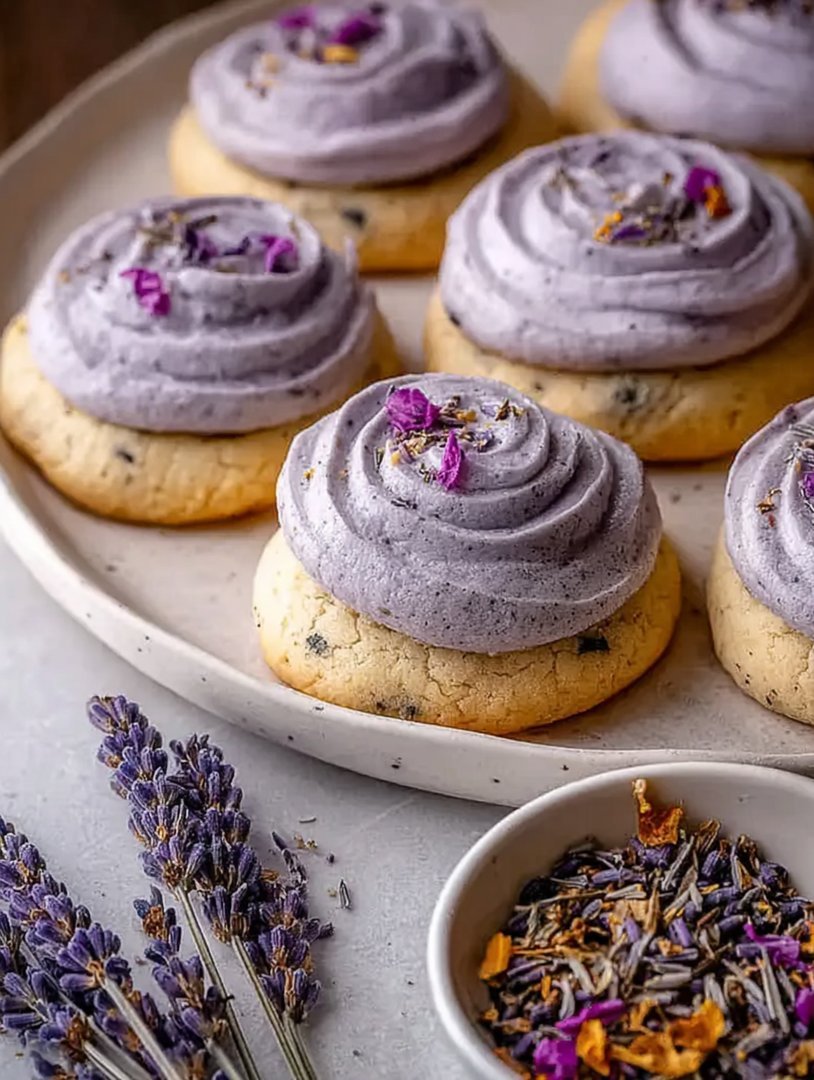
I wasn’t trying to invent a new flavor; I was just trying to stop my tea cabinet from staging a coup. Combining the citrusy notes of bergamot with fragrant lavender buds resulted in these spectacular Earl Grey Lavender Cookies, an utterly delightful surprise that tasted exactly like a cozy afternoon distilled into a perfect, crisp biscuit.
There is a specific kind of chaos that resides only in the pantry of an avid tea drinker. Mine was a riot of forgotten tins, loose leaf explosions, and half-used packets of floral herbs. One rainy Tuesday, driven by the need for order (and a powerful craving for something sophisticated yet crumbly), I decided to blend my two most intimidatingly fancy ingredients: robust Earl Grey tea and delicate, dried culinary lavender. The result? Pure, unadulterated baked sunshine. Forget boring sugar cookies; theseEarl Grey Lavender Cookiesare the adult version of sneaking flowers from the garden, except you get to eat them.
Why Earl Grey and Lavender Are a Match Made in Heaven
If you have ever doubted the power of botanicals in baking, prepare to have your skepticism dusted away like excess flour. Earl Grey, beloved for its bright bergamot oil, brings a vibrant, almost citrusy punch. Lavender, when used judiciously, offers a calming, slightly sweet, and immensely fragrant counterpart. The trick to making these floral flavors work isn’t just sprinkling them haphazardly into the bowl; it involves a method of infusion that ensures maximum flavor impact without turning your cookie into a potpourri sachet.
Too much lavender can taste like soap, a mistake I made early on when I decided “more is more.” Let me assure you, in the world of floral baking, “less is usually magnificent.” We are aiming for a whisper of fragrance, a gentle suggestion of the meadow, not an aggressively fragrant bath bomb. When you bite into these soft, buttery biscuits, you should first taste the richness of the butter and sugar, followed by the crisp, refreshing hit of the bergamot, and finally, the elegant, lingering perfume of the lavender. This balanced symphony of flavors is what elevates them from a simple biscuit to a true tea-time masterpiece.
The aroma alone is enough to justify baking these. Seriously, your kitchen will smell like the most expensive spa crossed with a cozy English library. Be warned, once your neighbors catch a whiff, you might find yourself unexpectedly popular. They are deceptively easy to make, require standard pantry ingredients, and provide a huge return on investment in terms of sheer deliciousness and bragging rights.
Essential Ingredients for the Perfect Batch of Tea Biscuits
To achieve maximum flavor in these delightful treats, sourcing high-quality ingredients is key. Since the tea and lavender are the stars of the show, ensure your Earl Grey is a fine quality loose leaf blend, and your lavender is specifically marked as culinary grade.
-
1 cup (2 sticks) unsalted butter, softened
-
3/4 cup granulated sugar
-
1 large egg, room temperature
-
1 teaspoon pure vanilla powder
-
2 cups all-purpose flour
-
1 teaspoon baking powder
-
1/2 teaspoon salt
-
3 tablespoons high-quality loose leaf Earl Grey tea, finely ground
-
1 teaspoon dried culinary lavender buds
Perfecting the Cooking Process
The secret is infusing the butter first. Cream softened butter with finely ground tea leaves and lavender to truly unleash their aroma before adding the dry ingredients. This ensures the delicate flavor penetrates every crumb, yielding perfectly balanced Earl Grey Lavender Cookies without overworking the dough, keeping them tender.
Step-by-Step Guide to Baking Bliss
Preparation is key to avoiding the dreaded “cookie disaster.” Before you even think about turning on the mixer, ensure your butter is genuinely soft—not melted, but soft enough that a finger can easily make an indentation. Also, take a moment to grind your Earl Grey tea leaves. You can use a spice grinder or a food processor; the goal is a texture that is slightly coarser than flour, ensuring a smooth incorporation into the dough.
Creaming the Aromatics
In the bowl of a stand mixer fitted with the paddle attachment, cream the softened butter, granulated sugar, ground Earl Grey tea, and lavender buds until light and fluffy. This should take about three to four minutes. This vigorous creaming process is essential for incorporating air and for fully releasing the essential oils from the tea and lavender. Once this aromatic mixture is pale and voluminous, scrape down the sides of the bowl thoroughly.
Mixing and Chilling the Dough
Add the egg and vanilla powder, beating until just combined. In a separate bowl, whisk together the flour, baking powder, and salt. Gradually add the dry ingredients to the wet ingredients, mixing on low speed until the dough just comes together. Stop mixing immediately once you no longer see streaks of flour—overmixing develops gluten and leads to tough cookies, which we absolutely do not want. Once combined, turn the dough out onto a piece of plastic wrap, shape it into two even logs (about 1.5 inches in diameter), wrap them tightly, and refrigerate for at least two hours, or until firm.
Baking and Finishing
Preheat your oven to 350°F (175°C) and line two baking sheets with parchment paper. Remove the chilled dough logs and use a sharp knife to slice the logs into rounds about 1/4 inch thick. Arrange the slices two inches apart on the prepared baking sheets. Bake for 10 to 12 minutes, or until the edges are lightly golden brown. They may look slightly underbaked in the center, but they will continue to set up on the cooling rack. Let them cool on the baking sheet for five minutes before transferring them to a wire rack to cool completely. These tea-infused delights are marvelous served alongside a hot cup of black tea.
Add Your Touch
Feel free to substitute lemon zest for a brighter profile, or perhaps a hint of cardamom if you crave spice. If you prefer a richer, chewier texture, swap half the all-purpose flour for cake flour. A drizzle of simple lemon icing makes these floral tea biscuits truly unforgettable.
Customization and Presentation Ideas
While the classic recipe for Earl Grey Lavender Cookies is perfection itself, part of the joy of baking is making the recipe your own. For a truly dramatic presentation, consider dipping half the cooled cookies into white chocolate infused with a tiny drop of orange extract—the citrus and floral pairing is stunning. Alternatively, if you want a bolder tea flavor, you can slightly increase the amount of ground Earl Grey to four tablespoons, though be careful not to overwhelm the subtle lavender note.
Another popular variation involves creating shortbread bars instead of individual cookies. Simply press the dough evenly into a 9×9 inch pan, bake until light golden, and then slice into squares while still warm. Dusting the warm squares with a mixture of powdered sugar and finely ground dried rose petals gives them an extra layer of elegance and fragrance that elevates the humble biscuit significantly.
One time, my picky cousin—who previously stated that anything flavored with a flower was “suspicious”—devoured half a batch of these delicate biscuits before admitting they were the best thing she’d ever tasted, proving the magic is real.
-
Always use culinary grade lavender and grind your tea fine enough; large tea pieces can create a bitter texture rather than the desired smooth, infused flavor.
-
Do not skip the chilling step! It solidifies the butter, preventing the cookies from spreading into thin puddles during the baking process.
-
If you live in a warm climate, add 1/4 cup extra flour to prevent the dough from becoming too sticky, ensuring beautifully defined round cookies.
Storing & Reheating
Store cooled cookies in an airtight container at room temperature for up to five days, though they rarely last that long. For longer keeping, freeze the raw dough logs, wrapped tightly, for up to three months. Slice and bake directly from the freezer, adding a couple of minutes to the baking time.
Making Dough Ahead of Time
If you love the convenience of fresh-baked cookies but despise the sudden impulse to mix batter at midnight, this dough is your best friend. The dough logs freeze exceptionally well. Simply ensure they are wrapped tightly in two layers of plastic wrap and placed inside a freezer bag to prevent freezer burn. When the craving strikes, pull out a log, let it sit on the counter for about five minutes to make slicing easier, and bake immediately.
For fully baked cookies, revive them with a quick 5-minute bake at 300°F (150°C). This process crisps them up slightly, bringing back that satisfying snap they had right out of the oven. Avoid microwaving these cookies, as the delicate texture and fragrant oils will be lost, resulting in a rubbery texture that is a definite culinary tragedy.
Conclusion for Earl Grey Lavender Cookies
These sophisticated Earl Grey Lavender Cookies truly represent the perfect balance of floral elegance and classic butter cookie comfort. By successfully infusing the creamy base with ground tea and fragrant buds, we unlock a depth of flavor far beyond the ordinary sweet treat. Remember the core techniques: cream the aromatics thoroughly, chill the dough until solid, and avoid the temptation to over-bake. Whether you are hosting a formal tea party or simply need a moment of tranquility with a hot drink, these lavender tea biscuits deliver unparalleled delight and a spectacular aroma that transforms any standard kitchen into a haven of aromatic pleasure.
Print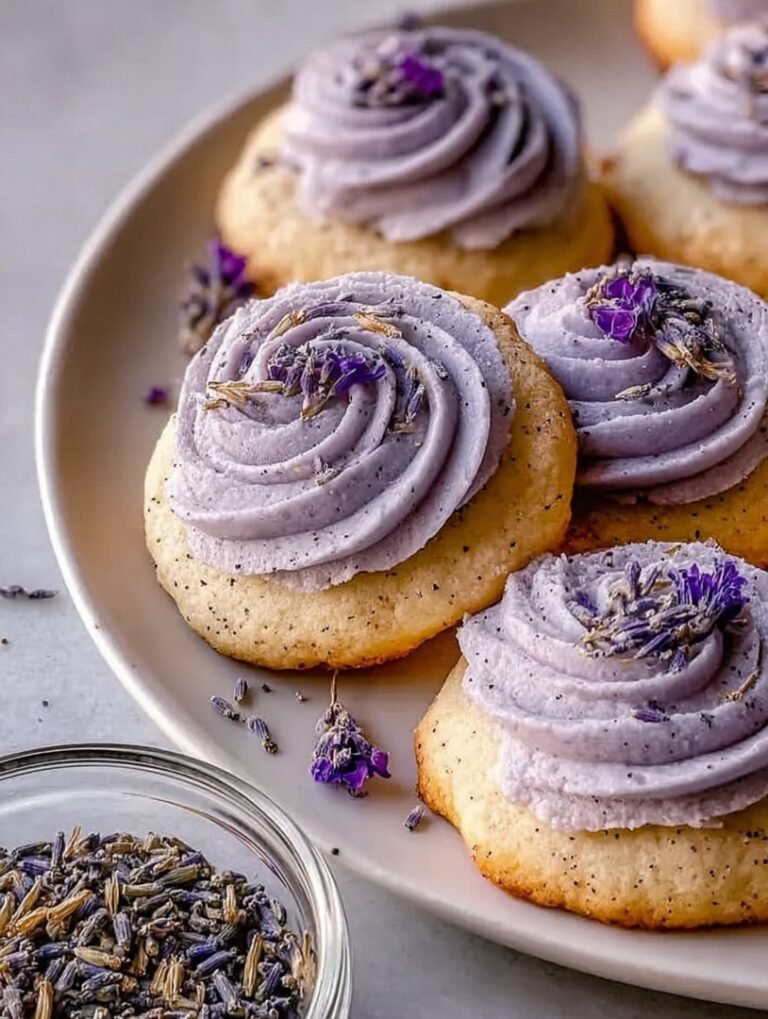
Earl Grey Lavender Cookies
Experience the sublime! We marry finely ground Earl Grey and fragrant lavender into soft butter, creating an impossibly aromatic cookie dough. Detailed steps and nutritional breakdown included.
- Total Time: 35 minutes
- Yield: 4 servings
Ingredients
- Unsalted Butter: 1 cup (2 sticks), softened
- All-Purpose Flour: 2 1/2 cups
- Granulated Sugar: 3/4 cup
- Earl Grey Tea Leaves (finely ground): 2 tablespoons
- Dried Culinary Lavender: 1 teaspoon
- Large Egg: 1
- Alcohol-Free Vanilla Extract: 1 teaspoon
- Fine Sea Salt: 1/2 teaspoon
Instructions
- Step 1: Finely grind the Earl Grey tea leaves (using a mortar and pestle or spice grinder). In a large bowl, cream together the softened butter, granulated sugar, ground tea leaves, and culinary lavender using an electric mixer until the mixture is light and fluffy.
- Step 2: Beat in the egg and vanilla powder until just combined. Scrape down the sides of the bowl to ensure all ingredients are incorporated evenly.
- Step 3: In a separate bowl, whisk together the flour and salt. Gradually add the dry mixture to the wet mixture on low speed until a soft dough forms. Do not overmix.
- Step 4: Shape the dough into a disc, wrap tightly in plastic wrap, and refrigerate for a minimum of 60 minutes or until firm enough to roll out. Preheat the oven to 350°F (175°C) and line baking sheets with parchment paper.
- Step 5: On a lightly floured surface, roll the chilled dough out to 1/4 inch thickness. Use cookie cutters to cut out desired shapes and place them onto the prepared baking sheets.
- Step 6: Bake for 10-12 minutes, or until the edges are lightly golden. Let the cookies cool on the baking sheet for 5 minutes before transferring them to a wire rack to cool completely.
Notes
- Store cooled cookies in an airtight container at room temperature for up to 5 days, or freeze the baked cookies for up to two months for long-term enjoyment.
- If the cookies lose their snap after a few days, refresh them by baking them on a sheet pan at 300°F (150°C) for just 3-4 minutes to restore their crisp texture.
- These delicate cookies pair wonderfully with a traditional afternoon tea setup, or serve them slightly chilled alongside vanilla bean ice cream for a sophisticated dessert.
- For the most intense fragrance and flavor, ensure the finely ground tea leaves and lavender are fully creamed with the butter and sugar in Step 1, as this process efficiently infuses the fats with essential oils.
- Prep Time: 15 minutes
- Cook Time: 20 minutes
- Method: Stovetop
- Cuisine: American




Leave a Comment