
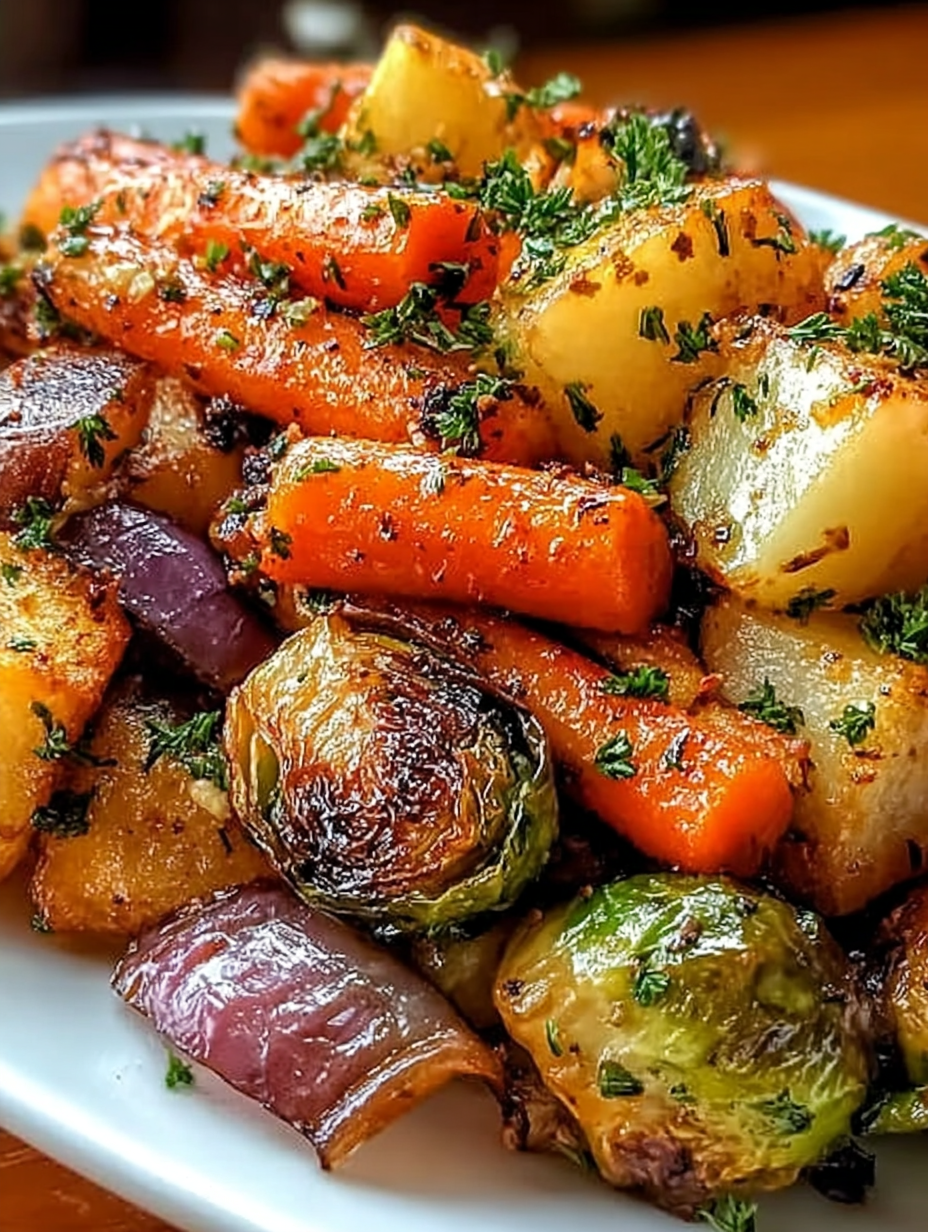
The turkey is trussed, the gravy is simmering nervously, and the entire kitchen smells like a battlefield where cinnamon and sage are fighting for dominance. In the midst of this festive culinary chaos, let’s talk about the dish that is surprisingly the biggest crowd-pleaser. I’m talking about the glorious, colorful, and utterly simpleFestive Roasted winter holiday Vegetables: The Side Dish That Steals The Show. While everyone obsesses over the main course, this recipe guarantees crunchy perfection and vibrant flavor, rescuing your holiday table from overwhelming richness and bland, mushy sides. It is the reliable star player you didn’t even know you needed.
- Simply chop, toss in seasoning, and let the oven transform these humble roots into caramelized jewels, requiring minimal hands-on time during a hectic cooking day.
- A warm blend of earthy sweetness, herbaceous rosemary, and a hint of bright citrus zest delivers comforting and complex holiday cheer in every single bite.
- The deep reds of beets, brilliant orange of carrots, and green Brussels sprouts create a stunning, naturally colorful centerpiece for any celebratory feast.
- Easily adaptable to whatever seasonal produce you have on hand, this recipe works perfectly for November Feast, Year-End Celebration, or any grand dinner gathering.
Ingredients for Festive Roasted winter holiday Vegetables: The Side Dish That Steals The Show
Here’s what you’ll need to make this delicious dish:
- Root VegetablesA mixture of about four pounds, including carrots, parsnips, rutabaga, and quartered small potatoes, providing a hearty base and texture variety.
- Brussels SproutsHalve the sprouts vertically; they crisp up beautifully and provide a necessary touch of green bitterness to balance the sweetness.
- Beets (Optional)Use golden beets if you want to avoid staining your other vegetables, adding a deep, earthy sweetness and gorgeous color variation.
- Olive OilUse a high-quality, robust olive oil to coat the vegetables thoroughly, ensuring maximum caramelization and flavor transfer during roasting.
- Fresh Rosemary and ThymeThese woody herbs are essential for that classic winter flavor profile; avoid dried herbs for this recipe as they tend to burn easily.
- Maple Syrup or Agave NectarA touch of natural sweetener helps create a wonderful, sticky glaze that encourages browning and enhances the inherent sweetness of the vegetables.
- Kosher Salt and Freshly Ground Black PepperSeason aggressively before roasting; the high heat demands proper seasoning to pull out the complex flavors of the root vegetables.
- Orange ZestThe bright, aromatic zest of one orange is a secret weapon that cuts through the richness and adds a finishing layer of freshness.
The full ingredients list, including measurements, is provided in the recipe card directly below.
How to Make Festive Roasted winter holiday Vegetables: The Side Dish That Steals The Show
Follow these simple steps to prepare this delicious dish:
Step 1: The Great Chop and Preheat
Preheat your oven to a fiercely hot 425°F (220°C). High heat is non-negotiable for success here, as it ensures roasting rather than steaming. While the oven heats up, spend time prepping the vegetables: peel all the root vegetables and chop them into roughly one-inch uniform pieces to ensure they cook evenly. Crucially, halve the Brussels sprouts and quarter any small potatoes. If you include beets, you may want to keep them separated initially or use golden beets to prevent the deep red color from bleeding onto the other vegetables.
Step 2: The Perfect Coating
Transfer all the prepped vegetables—excluding the Brussels sprouts—into a large, sturdy mixing bowl. Drizzle generously with olive oil until every piece is lightly coated, but not swimming. Add the maple syrup, minced rosemary, chopped thyme, kosher salt, and black pepper. Toss vigorously with your hands or large spoons until the seasoning is evenly distributed across all the pieces, ensuring the savory and sweet flavors meld.
Step 3: Strategic Sheet Pan Management
This is the single most important technique for achieving crispiness: do not crowd the pan. Arrange the seasoned vegetables in a single layer across two large, heavy-duty baking sheets lined with parchment paper. If vegetables overlap, they will steam each other into submission, resulting in the dreaded soggy texture. Add the Brussels sprouts to the second pan now; they require slightly less cooking time but benefit from the same high heat.
Step 4: The Transformative Roasting Period
Place both sheets into the hot oven, switching their positions halfway through the cooking time to ensure uniform browning. Roast the vegetables for 25 minutes, then flip them using a sturdy metal spatula. Return them to the oven and continue roasting for another 15 to 20 minutes, or until the carrots are tender and the potatoes and sprouts have lovely caramelized edges. The total roasting time should be around 40 to 45 minutes, depending on the density of your root vegetable mix.
Step 5: The Final Flourish
Once the vegetables are perfectly tender and deeply golden brown, remove the pans from the oven. Immediately transfer the contents of both sheets into your serving dish. Before taking them to the table, sprinkle the entire batch generously with the freshly grated orange zest. This simple addition introduces a bright, fragrant lift that perfectly contrasts the savory, caramelized flavors, making this winter root medley truly unforgettable. Transfer to plates and drizzle with sauce for the perfect finishing touch.
The Magic of Maillard: Why High Heat Is Your Culinary Best Friend
If you have ever settled for mushy vegetables at a holiday dinner, you understand the trauma of poor roasting technique. Achieving that beautiful, almost candy-like crust on your roasted vegetables isn’t luck; it’s chemistry, specifically the Maillard reaction. This reaction is the reason we roast at a searing 425°F (220°C). This intense heat causes the natural sugars in the root vegetables—carrots, parsnips, and beets—to caramelize rapidly, creating complex, nutty, savory flavors that a lower temperature simply cannot replicate. Moreover, high heat drives off the moisture quickly. When vegetables are tossed in oil and exposed to a hot oven, the moisture evaporates instantly. This prevents the vegetables from sitting in their own steam, which is the primary cause of mushiness. If you use a lower temperature, the water seeps out slowly, turning your sturdy spuds and crunchy carrots into something resembling baby food puree. Embrace the heat, trust the process, and never underestimate the power of a proper preheat for yourFestive Roasted winter holiday Vegetables.
Troubleshooting: Avoiding the Dreaded Soggy Bottom
There are three main culprits behind soggy roasted vegetables, and they are easily conquered with simple kitchen intelligence. The first, as mentioned, is overcrowding. If your vegetables are piled up like tiny mountains on the sheet pan, they will generate steam and ruin the texture. Always use two pans, even if you think one might suffice. Give every piece space to breathe and brown independently. Think of it as social distancing for your side dish. The second culprit is poorly drained vegetables. After washing your carrots and potatoes, you absolutely must dry them thoroughly. Excess surface moisture prevents the oil from adhering properly and prolongs the steaming stage in the oven. A quick spin in a salad spinner or a vigorous pat-down with a clean kitchen towel will make a world of difference. The third major mistake is inadequate oil or seasoning. Oil facilitates the heat transfer and the crucial browning process. Don’t be shy with the olive oil, and remember that salt also helps draw out residual moisture, promoting a crispy exterior. Following these simple rules ensures that your seasonal vegetable roast achieves its full crunchy potential every time.
Flavor Boosts and Creative Variations for the Holiday Table
One of the great joys of this recipe is its adaptability. While the core combination of rosemary, thyme, and maple syrup is a classic for a reason, you can easily tweak this recipe to match any holiday main dish or preference. Consider adding a spicy kick for those who enjoy a little heat. A half teaspoon of red pepper flakes mixed in with the oil adds a subtle warmth that complements the sweetness of the root vegetables beautifully, without overwhelming the main flavors. For a completely different aromatic profile, skip the rosemary and thyme and try using a tablespoon of high-quality smoked paprika and a teaspoon of cumin. This gives the roast a smoky, earthy depth that pairs exceptionally well with roasted lamb or beef dishes. If you are leaning into citrus, swap the orange zest for lemon zest and finish the dish with a generous squeeze of fresh lemon juice immediately after removing it from the oven; this adds an unparalleled brightness. If you are serving theFestive Roasted winter holiday Vegetablesalongside a strongly flavored main course, consider adding chopped shallots during the last fifteen minutes of roasting. The caramelized shallots provide a pungent, sweet counterpoint that grounds the overall dish, ensuring your side dish is memorable without upstaging the star of the table. Whether you stick to the traditional preparation or venture into new flavor territories, the key remains the same: high heat and ample space for roasting.
The Accidental Discovery of Sunshine on a Plate
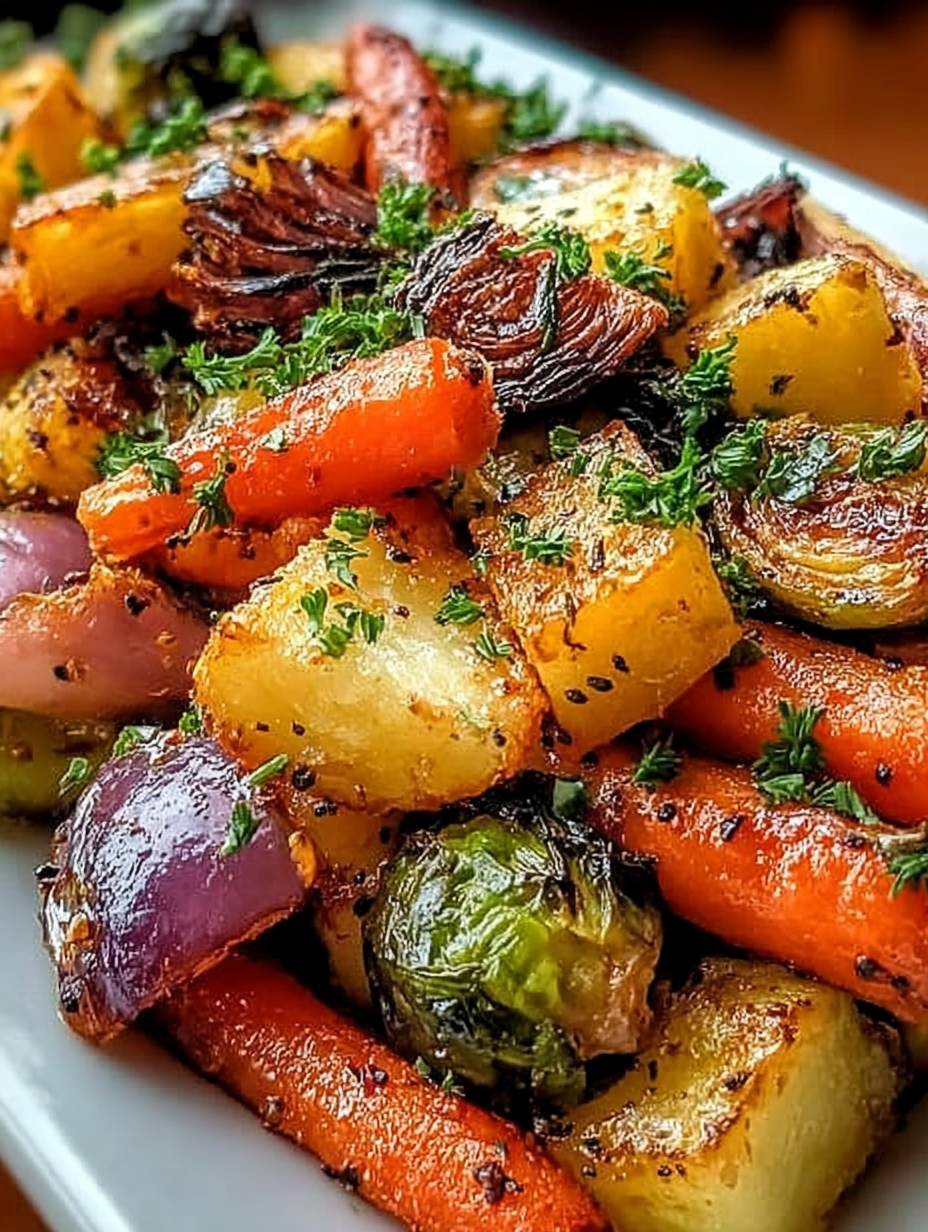
I originally intended this to be a simple, boring side of steamed carrots, but then I spilled an entire bottle of maple syrup nearby. Panic-roasting the vegetables to “save” them accidentally birthed the glorious side dish that truly earned the title:Festive Roasted winter holiday Vegetables: The Side Dish That Steals The Show. It was pure, caramelized magic.
The Humiliation of the Sad, Soggy Side Dish
Every year, the pressure is immense. The turkey (or roast beef, depending on the mood) sits proudly at the center of the table, shimmering under the dining room lights. It receives all the accolades, all the camera flashes, and all the fawning attention. But what about the sides? Historically, my side dishes have been sad, soggy casualties of the main event—limp green beans, flavorless mashed potatoes, and often, over-boiled root vegetables that smelled faintly of desperation. My Aunt Carol once described my brussels sprouts as “textureless water balloons.” I needed redemption, and I needed it crunchy.
The turning point arrived during a particularly chaotic holiday meal prep. I was attempting to juggle three tasks while simultaneously fielding questions about gravy consistency (a topic I know surprisingly little about). Amid the flurry, I realized that I had undervalued the humble root vegetable. Why treat carrots, parsnips, and sweet potatoes like they were merely supporting actors? They deserved the spotlight. They deserved to be vibrant, deeply flavored, and unapologetically delicious. Thus began my quest for the ultimate winter vegetable showstopper.
Why the Roasting Pan is Your Best Friend
Roasting is not merely a cooking method; it is a transformation process. It’s chemistry! High heat coaxes the natural sugars out of the vegetables, resulting in that delightful caramelization that steaming simply cannot replicate. Forget boiling your carrots into submission; we are aiming for browned edges, tender interiors, and a flavor profile that sings of deep, earthy goodness balanced by bright, seasonal spices. This recipe demands that you treat your vegetables with respect, tossing them generously in quality olive oil, a touch of acid, and seasoning that awakens the palate.
The beauty of this recipe lies in its low maintenance. Once you chop, toss, and spread the vegetables onto the pan, your oven does 90% of the heavy lifting. This frees you up to worry about the actual critical components of the holiday meal, like ensuring the gravy is thick enough to withstand a spoon test, or preventing your relatives from debating politics before dessert arrives. The roasting vegetables add an incredible, warming aroma to the kitchen, providing instant, tangible proof that you are, in fact, an incredible cook—even if the main roast is slightly overdone.
Ingredients for the Ultimate Festive Roasted winter holiday Vegetables
To achieve this spectacular side dish, you need high-quality, sturdy vegetables capable of handling the heat and delivering complex flavor. We skip the fragile greens for now and focus on the power players of the colder months.
- 2 large sweet potatoes, peeled and chopped into 1-inch pieces
- 3 medium parsnips, peeled and chopped
- 4 carrots (a mix of colors looks stunning), chopped
- 1 pound brussels sprouts, halved or quartered if large
- 1 red onion, chopped into wedges
- 1/4 cup olive oil (high-quality extra virgin is recommended)
- 3 tablespoons pure maple syrup or agave nectar
- 2 tablespoons apple cider vinegar
- 1 teaspoon dried thyme
- 1 teaspoon dried rosemary, finely crushed
- 1/2 teaspoon ground cinnamon
- Salt and freshly cracked black pepper, to taste
- Optional Garnish: Fresh parsley, chopped cranberries, or toasted pecans
The Simple Steps to Roasting Perfection
Preparation is key. If you manage the chopping, the rest is smooth sailing. Ensure all vegetables are roughly the same size to promote even cooking. Nobody wants a perfectly cooked carrot sitting next to a raw hunk of sweet potato.
- Preheat and Prepare:Preheat your oven to 400°F (200°C). Line two large baking sheets with parchment paper. This prevents sticking and makes cleanup a breeze, allowing you to focus on enjoying the meal rather than scrubbing carbonized root vegetable remnants.
- The Vegetable Prep:In a very large bowl, combine the sweet potatoes, parsnips, carrots, brussels sprouts, and red onion wedges. Ensure the bowl is spacious enough for aggressive mixing without spilling.
- The Flavor Coating:In a separate small bowl, whisk together the olive oil, maple syrup, apple cider vinegar, thyme, rosemary, and cinnamon. The apple cider vinegar provides the necessary tanginess to cut through the sweetness of the syrup and the earthiness of the roots.
- Toss and Spread:Pour the dressing over the vegetables. Using your hands (the best kitchen tool!), toss everything until every piece is beautifully coated. Season generously with salt and pepper.
- Roast for Glory:Spread the vegetables onto the prepared baking sheets in a single layer. Overcrowding is the enemy of crispiness, leading only to steaming and sad results. Use two sheets if necessary.
- The Cook Time:Roast for 25 to 35 minutes, stirring the vegetables halfway through (around the 15-minute mark). The vegetables are ready when they are fork-tender and possess delightfully crispy, caramelized edges.
- Serve:Transfer the roasted vegetables to a serving platter. Garnish with fresh herbs, a sprinkle of toasted pecans for texture, or bright, tart cranberries for a beautiful contrast. Serve immediately and accept the inevitable compliments.
Perfecting the Cooking Process
Achieving truly spectacular results means sequencing your tasks strategically. Focus first on chopping all your root vegetables, then create the glaze, and finally, toss everything together immediately before spreading them onto the hot baking sheets. Immediate tossing ensures maximum flavor adherence and uniform cooking.
The Secret to Caramelization: Timing and Temperature
Many home cooks make two critical errors when roasting: low temperature and overcrowding. If your oven temperature is too timid, you end up braising the vegetables instead of searing them. The 400°F heat is non-negotiable for achieving that essential browning. Furthermore, vegetables need personal space. If they are piled on top of each other, the moisture they release during cooking has nowhere to go but back onto the pan, steaming everything into submission. Use two pans, even if you think one might suffice. This crucial technique transforms your root vegetables from meek side dishes into a robust, flavorful centerpiece—a true embodiment of this glorious side dish.
Add Your Touch
Customize this vibrant side dish easily. Swap out the sweet potatoes for butternut squash, or replace maple syrup with honey or date paste for sweetness. Experiment with smokiness by adding a pinch of smoked paprika, or introduce heat with a dash of cayenne pepper for a thrilling twist.
Flavor Variations to Thrill Your Guests
While the classic maple-thyme combination is foolproof, don’t be afraid to experiment. If you crave an earthy complexity, try adding dried sage and half a teaspoon of ground cumin to the spice mix. For a brighter, Mediterranean feel, skip the maple syrup and instead coat the vegetables in olive oil, lemon zest, fresh oregano, and a touch of red pepper flakes. If you need a more robust, savory note to complement a beef or lamb roast, consider adding a tablespoon of mild chili powder and a few cloves of finely minced fresh garlic just before tossing them into the oven. Remember, the goal is to enhance the natural flavors of the vegetables, not overwhelm them.
Storing & Reheating
Store any leftovers in an airtight container in the refrigerator for up to four days. To regain that glorious crispiness, avoid the microwave; instead, spread the vegetables on a baking sheet and reheat them quickly in a 350°F (175°C) oven until they are hot and the edges are lightly re-crisped.
The Art of Vegetable Revival
Leftover roasted vegetables are often disappointing, turning mushy and losing their structural integrity. The secret to revival is using high, dry heat. Microwaving creates steam, which accelerates the mushiness. If you are pressed for time and cannot use the oven, try reheating them in a skillet over medium-high heat with a tiny splash of olive oil. Stir them frequently to encourage the exterior to crisp up again, mimicking the original roasted texture. These leftovers are also fantastic when chopped coarsely and tossed into a hearty chicken or beef soup, adding deep, caramelized flavor to your stock base.
My younger cousin, who generally only eats plain white rice, actually asked for seconds last November Feast. That’s when I knew this recipe for theFestive Roasted winter holiday Vegetables: The Side Dish That Steals The Showhad officially transcended the boundaries of mere side dishes.
-
Use two pans for maximum crisp:Never overcrowd the baking sheet; the excess moisture will steam your vegetables, preventing the desired browning and caramelization.
-
Add fresh herbs post-roast:Introduce delicate fresh herbs like parsley or chives only after the vegetables come out of the oven to keep their flavor bright and prevent burning.
-
Don’t skip the acid:A small splash of vinegar or lemon juice is vital, balancing the sweetness of the maple syrup and providing a crucial depth of flavor to the earthy roots.
Conclusion for Festive Roasted winter holiday Vegetables: The Side Dish That Steals The Show
Forget the days of sad, steamed sides. This recipe forFestive Roasted winter holiday Vegetables: The Side Dish That Steals The Showensures that every element of your holiday table is worthy of praise. By utilizing high heat, strategic spacing, and a balanced sweet-and-sour glaze, you transform basic root vegetables into a captivating and complex dish. The preparation is simple, requiring minimal hands-on time once the chopping is complete, allowing you more time to enjoy your guests (or supervise the rest of the meal). Whether you stick to the classic maple-thyme combination or explore savory variations, these caramelized, tender, and deeply flavored vegetables are guaranteed to disappear quickly, proving that sometimes, the true star of the meal is the side.
Print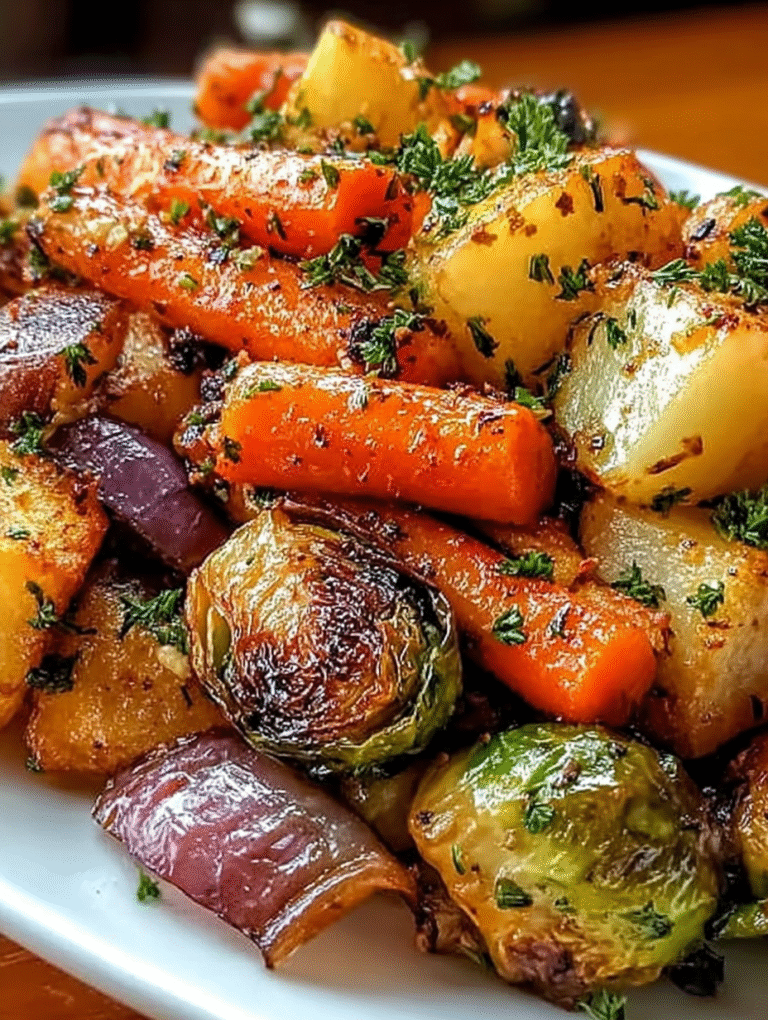
Festive Roasted winter holiday Vegetables: The Side Dish That Steals The Show
Achieve glorious holiday caramelization! Sweet squash, earthy sprouts, and crisp root vegetables are tossed in maple syrup and roasted until tender-crisp. Full instructions and nutrition facts inside.
- Total Time: 35 minutes
- Yield: 4 servings
Ingredients
- Butternut Squash: 1 medium (peeled, seeded, and cut into 1-inch cubes)
- Brussels Sprouts: 1 pound (trimmed and halved)
- Carrots and Parsnips: 1 pound total (peeled and chopped into 1-inch pieces)
- Extra Virgin Olive Oil: 1/4 cup
- Pure Maple Syrup or Honey: 2 tablespoons
- Fresh Rosemary: 2 tablespoons (finely chopped)
- Fresh Thyme Leaves: 1 tablespoon
- Kosher Salt and Black Pepper: 1 teaspoon of each (or to taste)
Instructions
- Step 1: Preheat your oven to 400°F (200°C). Prepare two large, heavy-duty baking sheets by lining them with parchment paper to prevent sticking and ensure easy cleanup.
- Step 2: In a very large bowl, combine the prepared butternut squash cubes, halved Brussels sprouts, carrots, and parsnips. Ensure all pieces are relatively uniform in size for even cooking.
- Step 3: In a small separate bowl, whisk together the olive oil, maple syrup, chopped rosemary, thyme leaves, kosher salt, and black pepper. Pour the entire glaze mixture over the prepared vegetables and toss vigorously until every piece is thoroughly coated.
- Step 4: Divide the seasoned vegetables evenly between the two prepared baking sheets, spreading them into a single layer. Crucially, avoid crowding the pan; use both sheets so the vegetables roast (caramelize) instead of steaming.
- Step 5: Roast the vegetables for 30–40 minutes total. Halfway through the cooking time (at the 15 to 20-minute mark), remove the sheets and use a spatula to stir and flip the vegetables so they brown evenly.
- Step 6: The vegetables are done when they are tender when pierced with a fork, deeply caramelized, and slightly crisp on the edges. Serve immediately as a show-stopping holiday side dish.
Notes
- The absolute secret to crispy edges and deep caramelization is using two baking sheets, ensuring the vegetables are spread in a true single layer and have room to breathe and roast properly.
- Skip the microwave when reheating; spread any leftovers on a baking sheet and return them to a 350°F oven for 8–10 minutes until they just crisp up again.
- To truly make this side dish 'steal the show,' finish the warm vegetables with a sprinkle of toasted pecans or crushed walnuts right before serving for a contrasting holiday crunch.
- Store completely cooled leftovers in an airtight container in the refrigerator for up to three days, understanding that the texture will soften substantially overnight.
- Prep Time: 15 minutes
- Cook Time: 20 minutes
- Method: Stovetop
- Cuisine: American





Leave a Comment