
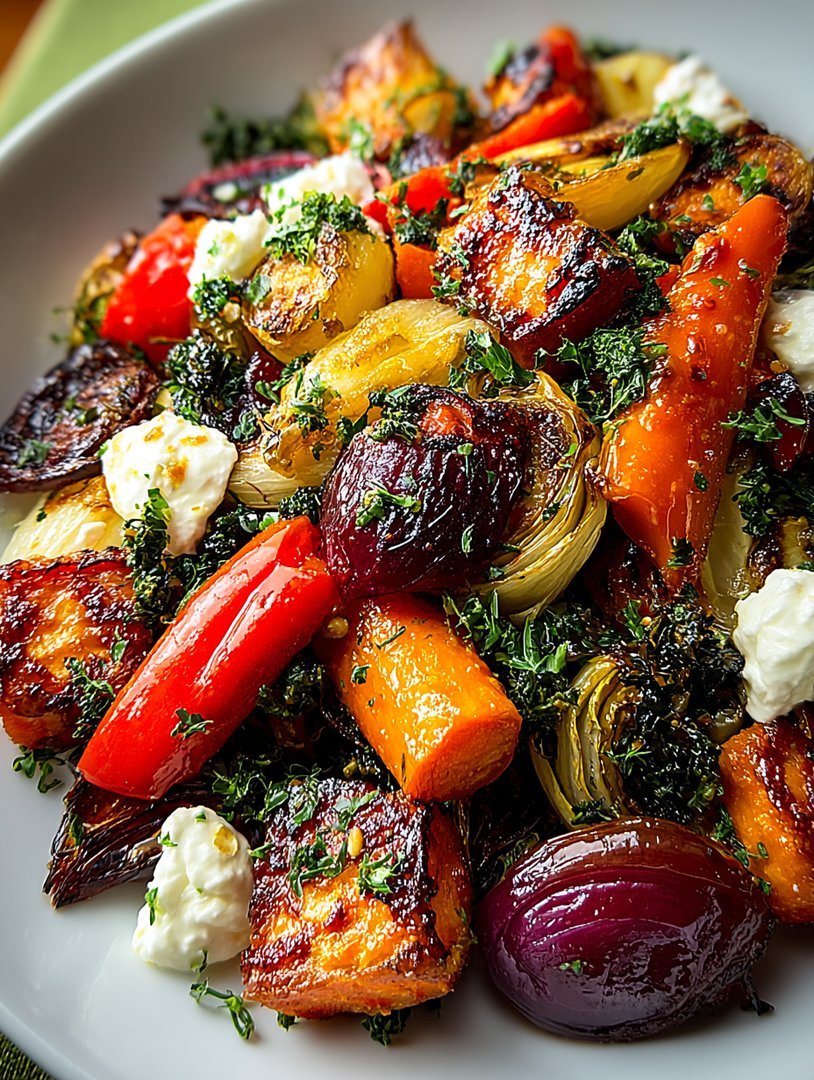
My kitchen used to smell like existential dread and burnt toast, but then I discovered the secret to culinary happiness: a trulyFlavorful Roasted Vegetable Salad. The aroma of caramelized roots transforming on a sheet pan is pure magic that instantly elevates the mood.
Forget limp lettuce and sad tomatoes; this robust, colorful dish is a showstopper, bursting with savory depth and texture in every single forkful, and it makes vegetables undeniably exciting.
- Effortlessly easy preparation that requires minimal chopping but delivers maximum impact, making weeknight dinners stress-free and exciting.
- A deep, savory flavor profile achieved through high-heat roasting that caramelizes natural sugars for unparalleled sweetness and earthy complexity.
- Visually stunning with vibrant colors from seasonal root vegetables and crisp greens, guaranteed to earn enthusiastic compliments at any dinner gathering.
- Incredibly versatile, serving perfectly as a hearty vegetarian main course or a sophisticated, warm side dish for roasted chicken or lamb.
Ingredients for Flavorful Roasted Vegetable Salad
Here’s what you’ll need to make this delicious dish:
- Root VegetablesUse a mix of firm, hearty vegetables like sweet potatoes, carrots, parsnips, and red onions for varied color and texture.
- Cruciferous VegetablesBroccoli florets or Brussels sprouts roast beautifully and offer a necessary hint of bitterness to balance the sweetness.
- High-Quality Olive OilEssential for coating the vegetables evenly, helping them crisp up and caramelize beautifully during the high heat process.
- Aromatic HerbsFresh thyme and rosemary release pungent oils when heated, infusing the vegetables with an irresistible, woodsy fragrance.
- Greens BaseChoose sturdy greens like baby spinach, arugula, or kale, which can stand up to the warm vegetables without wilting immediately.
- Tangy CitrusFreshly squeezed lemon juice brightens the overall flavor profile of the salad and cuts through the richness of the oil.
- Maple Syrup or HoneyA small amount adds depth to the vinaigrette, balancing the acid and adhering perfectly to the roasted elements.
- Toasted Nuts or SeedsPecans, walnuts, or pepitas provide a crucial crunch, enhancing the textural complexity of the final salad immensely.
The full ingredients list, including measurements, is provided in the recipe card directly below.
How to Make Flavorful Roasted Vegetable Salad
Follow these simple steps to prepare this delicious dish:
Step 1: Prep and Preheat the Oven
Preheat your oven to a blazing 425°F (220°C). High heat is crucial for achieving that perfect caramelization. While the oven warms, wash and chop all your chosen root and cruciferous vegetables into roughly equal, bite-sized pieces to ensure uniform cooking.
Step 2: Season and Roast the Vegetables
Transfer the chopped vegetables to two large baking sheets. Avoid overcrowding the sheets, as this causes steaming instead of roasting; use two sheets if necessary. Drizzle the vegetables generously with olive oil, sprinkle with salt, black pepper, and fresh herbs like thyme and rosemary. Toss everything well with your hands, then spread them in a single, even layer. Roast for 25 to 35 minutes, stirring halfway through, until the edges are tender and caramelized.
Step 3: Whisk the Simple Vinaigrette
While the vegetables roast, prepare the vibrant dressing. In a small bowl, combine three tablespoons of olive oil, two tablespoons of fresh lemon juice, one tablespoon of pure maple syrup, a spoonful of Dijon mustard, and a pinch of salt. Whisk vigorously until the dressing emulsifies slightly and achieves a smooth consistency, tasting and adjusting seasoning as needed.
Step 4: Assemble the Flavorful Roasted Vegetable Salad
Remove the perfectly roasted vegetables from the oven. In a very large bowl, gently add the sturdy base greens (like spinach or kale). Carefully scoop the warm roasted vegetables on top of the greens. The residual heat from the vegetables will slightly wilt the greens, softening them just enough without making them soggy.
Step 5: Dress and Finish
Pour the freshly prepared vinaigrette over the salad. Use a large spoon or salad tongs to gently toss the mixture, ensuring every roasted piece and every leaf of green is lightly coated. Immediately sprinkle the toasted nuts or seeds over the top for texture. Transfer to plates and drizzle with extra vinaigrette if desired for the perfect finishing touch.
Mastering the Ultimate Roasted Vegetable Technique
Creating a truly magnificent roasted vegetable component is the secret to elevating any salad from good to gourmet. Many home cooks struggle with achieving that perfect balance of crispy edges and tender centers, often resulting in vegetables that look pale and taste steamed. The primary culprit is insufficient heat and overcrowding the pan. When too many vegetables are packed together, they release moisture, creating steam rather than allowing the dry heat of the oven to caramelize the exterior sugars. You must use two separate sheet pans if necessary, giving each vegetable piece space to breathe and brown independently. Furthermore, ensure your oven temperature is high—425°F (220°C) is ideal—as this temperature blasts the surface, creating crusts quickly. Using stainless steel or dark, heavy-gauge aluminum baking sheets also makes a noticeable difference compared to lighter, older trays, which often transfer heat poorly and unevenly. Finally, do not forget the initial seasoning. Tossing the vegetables thoroughly with good quality olive oil, coarse salt, and freshly cracked pepper ensures the flavors penetrate deeply before the cooking process begins.
Choosing Your Seasonal Bounty
The beauty of thisFlavorful Roasted Vegetable Saladlies in its adaptability based on the season. During the autumn and winter months, lean heavily on root vegetables such as butternut squash, delicata squash, hearty fennel bulbs, and multicolored carrots. These require slightly longer roasting times and develop incredible sweetness. In the spring and summer, you can lighten the mixture by including asparagus, small zucchini, bell peppers, and even sweet corn kernels, though these cook much faster and should be added later or separated. Always select produce that feels heavy for its size and exhibits vibrant colors, indicating freshness and higher nutrient density. For uniformity and consistency, remember to cut harder vegetables like potatoes and carrots into smaller pieces than softer vegetables like zucchini or broccoli, which tend to shrink and soften faster under high heat.
Crafting the Ultimate Vinaigrette for Your Salad
A simple yet powerful dressing acts as the glue that binds the hearty roasted elements to the delicate greens. We need a dressing that complements the deep, savory notes without overpowering them. This recipe relies on an acid, a fat, and a sweetener. Use high-quality extra virgin olive oil for the fat base. For the acid, fresh lemon juice provides a clean, bright tang, while a dash of apple cider vinegar offers a more complex, fermented undertone. The sweetener is essential for balancing the roasted vegetables’ inherent sweetness and the vinaigrette’s acidity; maple syrup works wonderfully, providing mineral complexity that white sugar lacks. For an extra layer of flavor and smooth texture, incorporate a teaspoon of creamy Dijon mustard. Dijon acts as an emulsifier, helping the oil and acid stay perfectly blended rather than separating into oily puddles at the bottom of the bowl. Whisking continuously until the mixture thickens slightly is the key to a stable and professional-looking dressing.
Tips for Making the Salad Ahead of Time
While the immediate consumption of this salad offers the best texture—combining warm vegetables with fresh greens—you can certainly prepare components in advance. Roast all your vegetables up to two days prior. Store the cooled, roasted vegetables in an airtight container in the refrigerator. This saves significant time on a busy weeknight. Prepare the vinaigrette separately, storing it in a jar at room temperature or in the fridge. Do not, under any circumstances, combine the dressing, greens, and roasted vegetables until you are ready to serve. If you dress the salad too early, the greens will become completely saturated and unappealingly soggy. When ready to serve, gently reheat the roasted vegetables in the oven or microwave for a few minutes before tossing them with the fresh greens and dressing.
Flavorful Roasted Vegetable Salad FAQs
What kind of vegetables roast best for this specific salad?
The best vegetables are hearty, dense root vegetables like sweet potatoes, butternut squash, parsnips, and carrots because they handle the high heat well and develop deep caramelization which maximizes flavor potential.
Can I add protein to this roasted vegetable salad?
Absolutely. You can easily turn this side dish into a main course by adding pre-cooked, cubed roasted chicken, slices of medium-rare beef, or even chickpeas tossed with smoky seasoning and roasted alongside the vegetables.
How can I make the vinaigrette creamier without using dairy?
To achieve a creamy texture in your dressing, you can whisk in a tablespoon of smooth tahini or a small spoonful of avocado before serving. These additions provide richness and thickness while remaining completely plant-based.
How long will leftovers of the Flavorful Roasted Vegetable Salad keep?
If you stored the components separately, the roasted vegetables will last 3–4 days in the refrigerator. If you have already tossed the entire salad with dressing, it is best eaten within 24 hours to prevent the greens from becoming excessively soft and losing their structure.
Is it necessary to use two baking sheets when roasting the vegetables?
Yes, using two baking sheets is strongly recommended unless you are halving the recipe. Overcrowding the pan leads to steaming, which prevents the vegetables from achieving the coveted golden-brown, caramelized crust, fundamentally reducing the overall savory flavor.
Perfecting the Cooking Process
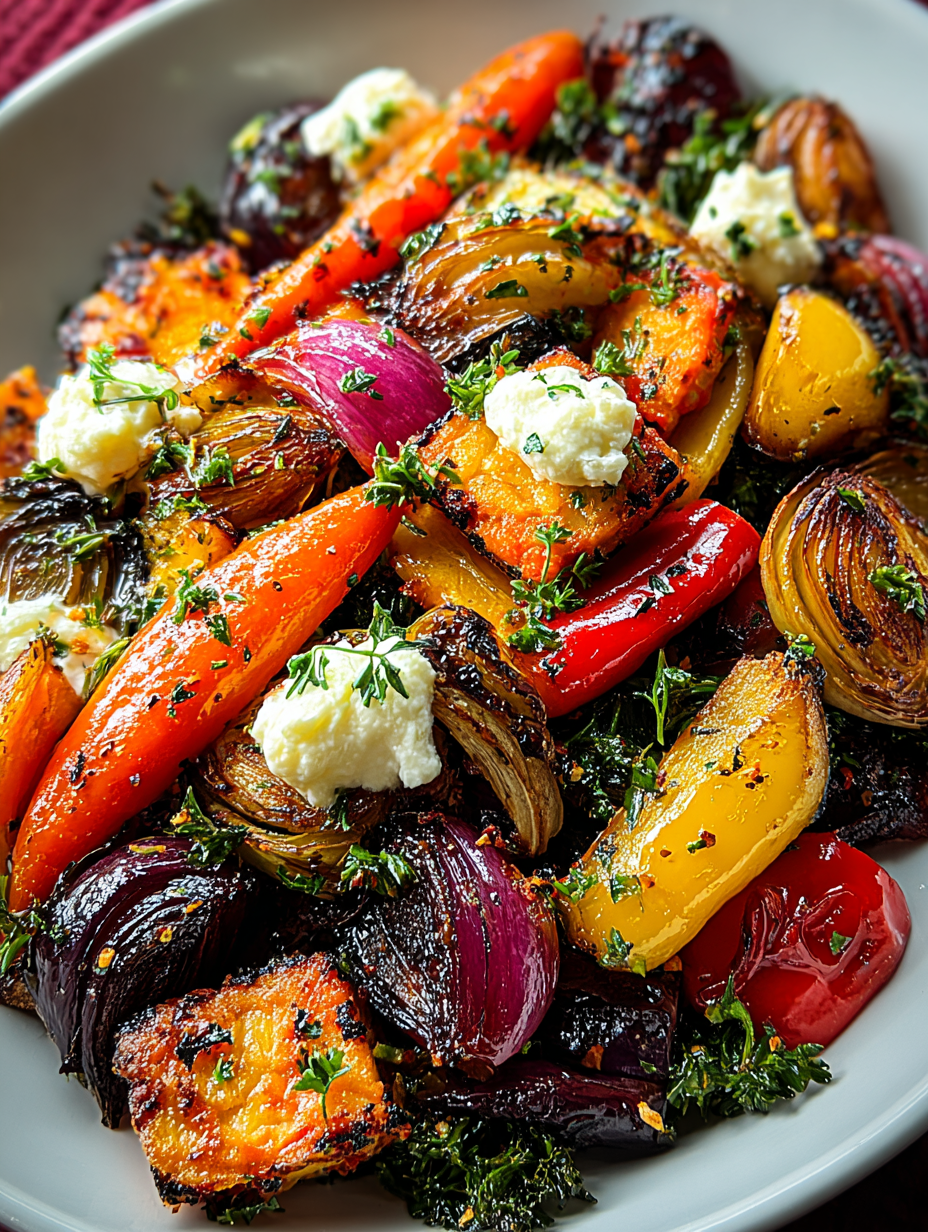
Ensure you prepare the vegetables first, cutting and tossing them with oil before preheating the oven. While the vegetables roast, quickly whisk together the balsamic dressing and prepare your optional toppings, such as toasting the pecans. Add the kale during the final seven minutes of roasting for ideal texture.
Add Your Touch
Try swapping carrots for parsnips for an earthy bite, or include bell peppers for sweetness. For a heartier meal, stir in cooked quinoa or brown rice. If you prefer a brighter dressing, substitute half the balsamic vinegar with fresh lemon juice and a touch of lemon zest.
Storing & Reheating
Store leftover salad and dressing separately in airtight containers in the refrigerator for up to three days. Reheat the roasted vegetables gently in an oven or air fryer to maintain crispness, then toss with the fresh greens and dressing before serving.
The Day I Ditched the Boring Greens
There was a time, not long ago, when “salad” meant a sad, watery pile of iceberg lettuce topped with a single pale tomato slice. It felt less like a meal and more like culinary penance. My turning point arrived during a particularly chilly October evening. I desperately craved something comforting, warm, and bursting with flavor—but without the heavy commitment of a casserole. This is how the idea for the ultimate Flavorful Roasted Vegetable Salad was born.
I realized the secret to an addictive salad wasn’t about raw crunch; it was about transforming humble vegetables into caramelized, deeply savory gems. We are talking about vegetables that develop a slight crispness on the outside and buttery softness within. Roasting pulls out the natural sugars, intensifying their sweetness and complexity tenfold. Forget those limp, tired greens. We are upgrading to a dish that brings warmth, vibrancy, and a serious flavor punch to your dinner table, proving once and for all that salads can, and should, be exciting.
The Heart of the Meal: Ingredients for a Flavorful Roasted Vegetable Salad
This recipe thrives on flexibility, but a core group of root vegetables and hearty greens provides the essential structure. You want sturdy vegetables that can handle high heat without turning into mush. The magic happens when they caramelize, releasing an earthy aroma that will fill your kitchen and make you immediately hungry.
The Roasting Stars
- Root Vegetables:2 large sweet potatoes (cubed), 1 pound Brussels sprouts (halved), 1 red onion (cut into thick wedges), 2 medium carrots (chopped).
- Hardy Greens:1 bunch kale (stems removed, roughly chopped) or baby spinach.
- Flavor Enhancers:4 cloves garlic (minced), 3 sprigs fresh thyme, 1 teaspoon dried oregano.
- Oil & Seasoning:4 tablespoons olive oil, 1 teaspoon sea salt, 1/2 teaspoon black pepper.
The Tangy Balsamic Dressing
- 3 tablespoons balsamic vinegar.
- 2 tablespoons extra virgin olive oil.
- 1 teaspoon Dijon mustard.
- 1 teaspoon maple syrup (or honey alternative).
- A pinch of salt and pepper.
Optional Toppings for Crunch and Richness
- 1/4 cup toasted pecans or walnuts.
- 1/4 cup dried cranberries or sliced dried apricots.
- 2 ounces crumbled goat cheese alternative (or nutritional yeast flakes for a cheesy flavor).
Mastering the Roast: Techniques for Maximum Flavor
Roasting seems straightforward, but a few key techniques separate an average tray of baked veggies from a truly Flavorful Roasted Vegetable Salad. The goal is even cooking and deep caramelization—not steaming. Steam is the enemy of crispy vegetables, and if you overcrowd the tray, you create a tiny, hot sauna for your poor ingredients.
Preparation is Key
First, ensure all your root vegetables are cut roughly the same size—about one inch cubes. Uniformity ensures everything finishes cooking at the same time. The sweet potatoes and carrots take slightly longer than the Brussels sprouts, so cutting them slightly smaller ensures harmony on the baking sheet. Once chopped, toss them in a large bowl with the olive oil, minced garlic, thyme, oregano, salt, and pepper. Use your hands! Get in there and make sure every surface is lightly coated with the seasoning blend. This hands-on approach guarantees maximum flavor infusion.
Avoiding the Overcrowding Catastrophe
This is perhaps the most important tip: use two baking sheets if necessary. Seriously. If the vegetables are piled on top of each other, they release moisture, and instead of roasting, they steam. When they steam, they become mushy and lose that delightful, caramelized crust we are aiming for. Spread the vegetables in a single layer, giving them plenty of space to breathe. Roasting at a high heat (400°F or 200°C) is essential to achieve that wonderful browning and tenderness.
The Kale Crisis Intervention
Kale, or your chosen hardy green, requires a lighter touch. You do not want to roast the kale for the full duration, or it will turn into ash. I usually add the kale to the roasting pan for the last five to seven minutes. Toss it lightly with a tablespoon of olive oil and a small pinch of salt. When added to the hot pan, the kale wilts slightly and crisps up at the edges, absorbing the residual flavors from the already roasted vegetables without becoming bitter or burnt. This final addition adds beautiful texture and vibrant color.
Assembling the Flavorful Roasted Vegetable Salad
Once your vegetables are caramelized, pulling them from the oven is an exercise in restraint—they smell incredible, but hold your horses! Let them cool slightly, just enough so they don’t instantly wilt the greens or emulsify the dressing.
Whipping Up the Perfect Vinaigrette
The balsamic dressing provides the necessary acidity and depth to cut through the richness of the roasted vegetables. To make it, simply combine the balsamic vinegar, extra virgin olive oil, Dijon mustard, and maple syrup in a small jar. Shake it vigorously until it thickens slightly and the ingredients are fully combined. Always taste your dressing before adding it to the salad. Does it need more tang? Add a splash of vinegar. Does it seem too sharp? A little more maple syrup will balance the acidity perfectly.
The Grand Finale: Tossing and Serving
In a very large bowl, combine the slightly cooled roasted vegetables and the wilted kale. Drizzle about two-thirds of the vinaigrette over the mixture. Toss gently. You want the vegetables coated but not swimming in dressing. Add your optional toppings—the toasted pecans provide a nutty crunch, and dried cranberries offer little bursts of sweetness that contrast beautifully with the earthy root vegetables.
Serve this Flavorful Roasted Vegetable Salad warm or at room temperature. It works wonderfully as a hearty side dish for grilled chicken or lamb, but it easily stands alone as a satisfying and nutrient-dense main course. The balance of sweet, savory, and acidic notes ensures every bite is a complex and highly enjoyable experience.
I once served this salad at a harvest dinner, completely forgetting to add the dressing until the last minute. Everyone kept asking why the vegetables tasted so good on their own, proving that the high-heat roasting and seasoning truly carry the dish!
Chef’s Expert Tips for Maximum Roasting Success
- Always ensure your baking sheets are lined with parchment paper; this prevents sticking and encourages that crucial caramelization on the bottom of the vegetables.
- Use high-quality, cold-pressed olive oil for roasting; its robust flavor holds up under high heat and contributes significantly to the final delicious taste.
- Do not stir the vegetables constantly during roasting; allow them 15 minutes of undisturbed contact with the hot pan to develop deep brown, crispy edges.
Frequently Asked Questions About Roasted Salads
Can I substitute other vegetables for the root vegetables listed?
Absolutely! Feel free to incorporate seasonal favorites like cauliflower florets, butternut squash, or green beans. Just remember to adjust cooking times, as softer vegetables cook more quickly than dense root vegetables.
Is this Flavorful Roasted Vegetable Salad suitable for meal prepping?
Yes, it’s excellent for meal prepping. Roast the vegetables fully and store them separately. Do not mix the roasted vegetables with the greens or the dressing until just before you plan to eat them to prevent sogginess.
What gives the vegetables the most flavor during roasting?
The secret lies in the simple combination of high heat, quality fat (olive oil), and adequate seasoning. The high temperature promotes the Maillard reaction, which is the chemical process responsible for browning and developing savory, complex flavors in your Flavorful Roasted Vegetable Salad.
How do I make the Brussels sprouts extra crispy?
Ensure the Brussels sprouts are halved lengthwise and placed cut-side down on the baking sheet. This allows the heat to hit the flat surface directly, giving you a beautiful char and maximum crispness.
What protein complements this roasted vegetable salad best?
Grilled turkey breast, shredded rotisserie chicken, or seared sirloin beef strips are fantastic pairings. Their savory notes complement the sweetness of the roasted vegetables and make the salad a complete and satisfying meal.
Ultimately, the beauty of crafting a Flavorful Roasted Vegetable Salad lies in its simplicity and versatility. It is a dish that requires minimal fuss but delivers maximum satisfaction. It transforms the mundane act of eating vegetables into a culinary adventure. So next time you are looking for a dinner that feels both healthy and deeply indulgent, skip the sad, soggy greens and embrace the caramelized magic of the roast. Your dinner plate—and your taste buds—will thank you for this delightful upgrade.
Conclusion for Flavorful Roasted Vegetable Salad
You now possess the power to transform humble root vegetables into a captivating and satisfying meal. This recipe for Flavorful Roasted Vegetable Salad proves that simplicity often yields the most impressive results, combining the sweetness of caramelized vegetables with a bright, tangy vinaigrette. Remember the key takeaways: don’t crowd your pan, roast hot, and always taste test your dressing before tossing. Whether you are hosting a gathering or just looking for a wholesome weeknight dinner, this vibrant dish offers flexibility and flavor in every bite. Go forth and roast—your taste buds (and your family) will thank you!
Print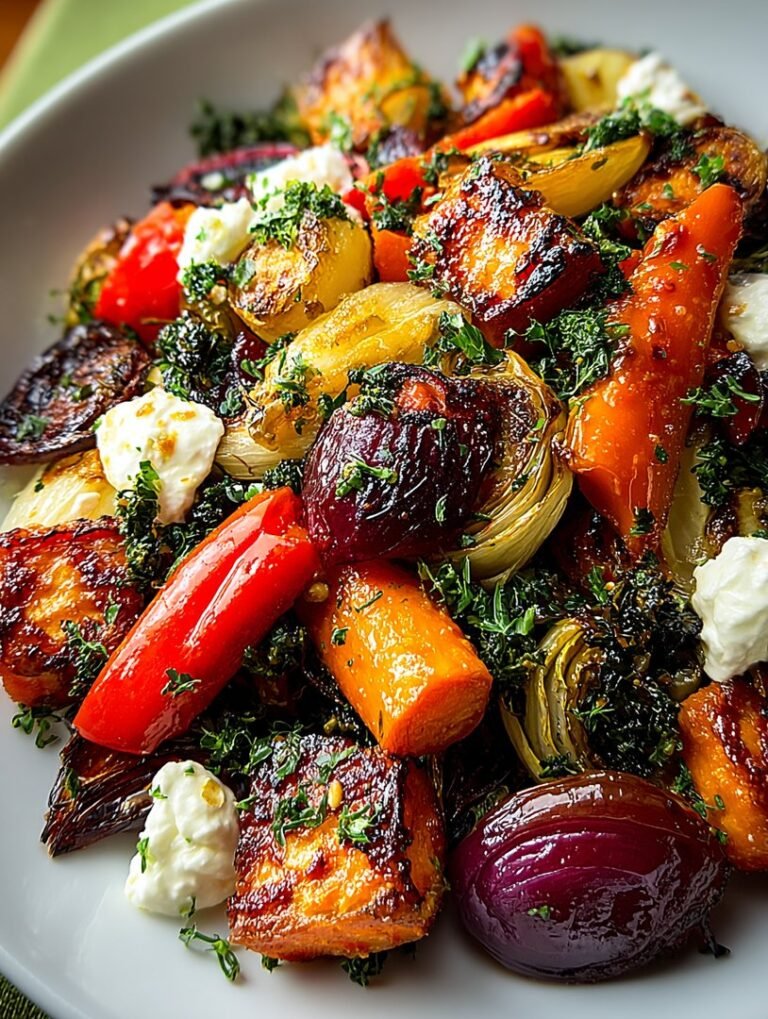
Flavorful Roasted Vegetable Salad
Achieve perfect autumn flavor! Cubed butternut squash, pungent red onion, and caramelized Brussels sprouts meet earthy thyme. Simple sheet-pan roasting instructions and full nutrition facts included.
- Total Time: 35 minutes
- Yield: 4 servings 1x
Ingredients
- 1 medium Butternut Squash, peeled and cubed (1-inch pieces)
- 1 lb Brussels Sprouts, trimmed and halved
- 1 large Red Onion, cut into 8 wedges
- 4 tablespoons Olive Oil, divided
- 1 teaspoon Dried Thyme
- 1/2 teaspoon Kosher Salt and 1/4 teaspoon Black Pepper
- 3 tablespoons Balsamic Vinegar
- 5 ounces Baby Spinach or Arugula
Instructions
- Step 1: Preheat the oven to 400°F (200°C). On a large baking sheet, combine the butternut squash, Brussels sprouts, and red onion. Drizzle with 3 tablespoons of the olive oil, the dried thyme, kosher salt, and black pepper, tossing to coat evenly.
- Step 2: Roast for 20 minutes, then flip the vegetables using a spatula. Return to the oven and continue roasting for an additional 15-20 minutes, or until the squash is tender and the edges of the Brussels sprouts are caramelized.
- Step 3: Remove the baking sheet from the oven. Immediately drizzle the warm roasted vegetables with the balsamic vinegar, tossing gently so the vegetables absorb the flavor and moisture.
- Step 4: Allow the roasted vegetables to cool slightly (about 10 minutes) on the baking sheet to prevent wilting the greens excessively.
- Step 5: In a large serving bowl, combine the baby spinach/arugula and the slightly cooled roasted vegetable mixture. If the salad appears dry, drizzle with the remaining 1 tablespoon of olive oil, toss lightly, and serve immediately.
Notes
- For optimal freshness, store any leftover roasted vegetables and the greens separately; the vegetables will keep well in an airtight container for up to three days.
- If you choose to reheat leftovers, only warm the roasted vegetables (excluding the greens) in a 350°F oven or air fryer for about 5 minutes to restore their caramelized crispness.
- Elevate this salad into a full meal by serving it alongside grilled chicken, flaky salmon, or crumbled goat cheese for extra creamy tang.
- Chef’s Tip: Ensure your vegetables are spread in a single layer without overcrowding the baking sheet, as this prevents steaming and guarantees those desired caramelized edges on the Brussels sprouts.
- Prep Time: 15 minutes
- Cook Time: 20 minutes
- Method: Stovetop
- Cuisine: American
FAQs
How do I achieve maximum caramelization for this Flavorful Roasted Vegetable Salad?
The secret to achieving that coveted sweetness and char lies in two steps: oil distribution and oven temperature. First, ensure your vegetables (like carrots, sweet potatoes, and Brussels sprouts) are cut into roughly equal sizes. This promotes even cooking. Toss them lightly, but thoroughly, with olive oil—you want them coated, not swimming. Roast at a high heat, around 425°F (220°C). Don’t crowd the baking sheet; use two sheets if necessary. This allows steam to escape and encourages a gorgeous, deep brown exterior rather than just steaming the veggies.
Can I use different types of root vegetables or seasonings in this roasted veggie salad?
Absolutely! This recipe welcomes experimentation. If you are missing parsnips, try substituting turnips or celeriac for a similar earthy flavor profile. For protein boosts, consider adding chickpeas or cubed marinated chicken breast during the roasting phase. When it comes to seasoning, feel free to swap out thyme for rosemary or oregano. A pinch of smoked paprika can also add a delightful depth. Remember, the goal is versatility, allowing you to use whatever seasonal produce you have on hand to keep the dish exciting and fresh every time you make it.
What is the best way to store and reheat leftovers of the Flavorful Roasted Vegetable Salad?
While this salad tastes best immediately after assembly, storing leftovers is simple. Separate the roasted vegetables from the dressing if possible, as the acid can sometimes make the hot vegetables soggy overnight. Store both components in separate, airtight containers in the refrigerator for up to four days. To enjoy the crunch again, reheat the vegetables briefly on a baking sheet in a hot oven (350°F or 175°C) until warmed through. Then, toss them gently with the remaining dressing or whip up a fresh batch right before serving to revive that crisp texture.
How can I lighten the vinaigrette dressing without losing the rich flavor?
You can easily maintain a bold, flavorful dressing while reducing the oil content significantly. Instead of a traditional 3:1 oil-to-acid ratio, try starting with a 1:1 ratio and adding volume using vegetable broth or fresh citrus juice. Instead of heavy olive oil, use a lighter avocado oil. Another trick is increasing the savory flavor by mixing in a tablespoon of finely blended roasted red peppers or caramelized onions into the vinaigrette base. The blended ingredients provide creaminess and body, allowing you to use less oil overall while still delivering a powerful, tangy punch.






Leave a Comment