

Have you ever experienced that moment when a single bite transports you straight back to Grandma’s kitchen? These aren’t just rolls; they are buttery, garlicky perfection, and finding the secret to making truly light, airy bread stops with theseFluffy Cottage Cheese Garlic Rolls. They are the comforting cloud nine of dinner sides, begging to be slathered in butter.
I learned this magic trick—using cottage cheese for unparalleled fluffiness—after years of turning out doorstop-dense biscuits. Forget everything you think you know about basic bread; prepare yourself for the irresistible aroma and melt-in-your-mouth texture of the ultimate yeast roll.
- These rolls boast an incredibly tender, cloud-like crumb thanks to the unexpected inclusion of moisture-rich cottage cheese in the dough.
- The flavor profile is rich and deeply savory, combining pungent fresh garlic with melted butter and subtle notes of herbs for a truly addictive experience.
- They achieve a beautiful, golden-brown crust and a vibrant green speckle from the parsley, making them a stunning addition to any holiday table or weeknight meal.
- This recipe is surprisingly straightforward, ideal for novice bakers, offering minimal kneading and maximum payoff in texture and taste versatility.
The Secret Weapon: Why Cottage Cheese Makes Rolls Fluffy
When I first encountered a recipe suggesting cottage cheese in bread, I admit, I was skeptical. Cottage cheese belongs next to a peach half, not mingling with yeast and flour, right? Wrong. This humble dairy star is the unsung hero of soft, billowy bread. The magic lies in two components: moisture and fat. Cottage cheese is primarily water and milkfat, both essential for inhibiting gluten formation just enough to keep the dough tender.
Most recipes struggle to balance structure with softness. If you overwork the dough, you end up with tough rolls suitable for use as hockey pucks. If you skimp on moisture, they dry out faster than a sponge in the desert. Cottage cheese acts as a built-in softener, constantly moisturizing the dough from the inside out as it bakes. It also incorporates tiny bits of curd, which melt slightly during baking, leaving minuscule pockets of air that contribute to that desirable light texture.
Choosing the Right Cottage Cheese
For the best results when makingFluffy Cottage Cheese Garlic Rolls, you should generally opt for full-fat cottage cheese. While low-fat or non-fat versions work, the richness from the extra butterfat in the full-fat variety provides superior tenderness and flavor depth. We are chasing flavor, after all, not austerity! Remember to let the cottage cheese sit out briefly at room temperature. Cold ingredients can shock the yeast and slow down the proofing process, which is the cornerstone of great bread making.
Another crucial step is ensuring the cottage cheese is slightly blended or whipped before adding it to the flour mixture. If you throw the curds in whole, you might end up with little pockets of cheese rather than a homogenous, soft dough. A quick pulse in a food processor or a vigorous stir with an immersion blender makes all the difference, transforming those lumpy curds into a smooth, creamy texture perfect for incorporating seamlessly into the dough structure.
The Science of the Perfect Proof: A Baker’s Guide
Baking yeast rolls can feel like a delicate dance between time, temperature, and patience. The proofing stage—where the yeast gets busy converting sugars into carbon dioxide—is arguably the most important. If you rush it, your rolls will be dense; if you let it go too long, they might collapse in the oven. For theseFluffy Cottage Cheese Garlic Rolls, we aim for two proofs to maximize volume and flavor complexity.
Activating the Yeast
We start by waking up the yeast. Think of it as hitting the snooze button on a sleepy organism. Use warm liquid—specifically, warm water or milk, ideally between 105°F and 115°F (40°C–46°C). If the liquid is too cold, the yeast won’t activate; too hot, and you risk killing the yeast, turning your entire batch into an inert mass. I like to call this the ‘Goldilocks phase’—it must be just right.
Once activated (you should see a bubbly, foamy layer forming within about five to ten minutes), this mixture is ready to combine with the dry ingredients. The yeast, having successfully proven it is alive and well, now anticipates its next meal—the flour and sugar—which will power the rise and give the rolls their spectacular height.
Mastering the First and Second Rises
The first rise, or bulk fermentation, allows the dough to develop flavor and gluten structure. After mixing and brief kneading, place the dough in a lightly oiled bowl, cover it, and let it rest in a warm, draft-free spot until doubled in size. Depending on your kitchen temperature, this can take anywhere from 60 to 90 minutes. A trick I swear by? Placing the covered bowl inside a slightly warm, but turned-off, oven.
The second rise occurs after the dough has been shaped into individual rolls. This final proof is shorter, typically 30 to 45 minutes, and focuses purely on creating air pockets right before baking. Handle the shaped dough gently during this stage. If you press too hard, you deflate the precious gases the yeast worked so hard to create. You are looking for rolls that look puffy but still retain their shape—a key indicator they are ready for their close-up in the oven.
Building the Ultimate Garlic Butter Topping
What is a garlic roll without an aggressively delicious, unapologetically flavorful garlic butter topping? It’s just a roll, and we don’t settle for ‘just rolls’ around here. The topping is where the flavor truly explodes, adding that pungent, savory layer that defines theseFluffy Cottage Cheese Garlic Rolls. The goal is maximum butter saturation without making the rolls greasy.
I recommend using fresh garlic, finely minced, rather than garlic powder. The raw garlic flavor, when gently cooked by the heat of the melted butter and the residual heat from the baked rolls, mellows beautifully but retains its distinct sharpness. Incorporate a blend of dried herbs, like oregano and thyme, and plenty of fresh, bright green parsley for visual appeal and a fresh finish. Melt the butter slowly so the garlic gently infuses, rather than frying and becoming bitter.
The best time to apply the garlic butter is twofold. First, brush a small amount lightly over the shaped rolls just before the second rise. This helps develop a beautiful crust. Second, and most importantly, brush liberally the moment they emerge, gloriously golden, from the oven. The hot surface absorbs the butter immediately, locking in the moisture and delivering the full force of that savory garlic aroma straight to your awaiting nose.
Ingredients for Fluffy Cottage Cheese Garlic Rolls
Here’s what you’ll need to make this delicious dish:
- All-Purpose FlourThe structural backbone of the rolls; measure carefully using the spoon-and-level method to avoid dense results.
- Active Dry YeastEssential for leavening; ensure your yeast is fresh and stored correctly to guarantee a successful, high rise.
- Granulated SugarProvides food for the yeast and aids in browning; use a small amount to activate the yeast quickly.
- Warm Water or MilkThe liquid needed to bloom the yeast; maintain a temperature between 105°F and 115°F (40°C–46°C).
- Cottage CheeseFull-fat, room temperature cottage cheese is crucial for maintaining moisture and achieving the signature fluffy texture.
- Unsalted ButterUsed both in the dough for richness and melted abundantly for the irresistible garlic topping.
- SaltBalances the flavor profile and controls the yeast activity; do not omit this crucial seasoning.
- Fresh GarlicFinely minced garlic provides the dominant savory flavor for the topping; use generously for maximum impact.
- Dried HerbsA mixture of oregano and thyme adds an earthy complexity to the garlic butter.
- Fresh ParsleyChopped finely and stirred into the topping for color and a necessary burst of fresh flavor.
The full ingredients list, including measurements, is provided in the recipe card directly below.
How to Make Fluffy Cottage Cheese Garlic Rolls
Follow these simple steps to prepare this delicious dish:
Step 1: Activate the Yeast and Prepare the Wet Ingredients
In a large bowl, whisk the warm water (or milk) with the sugar until dissolved. Sprinkle the active dry yeast over the mixture and let it sit undisturbed for 5 to 10 minutes until it becomes foamy and visibly active. While the yeast rests, blend the room temperature cottage cheese briefly until it reaches a smoother consistency; it doesn’t need to be perfectly smooth, but minimize large curds.
Step 2: Mix the Dough and Knead Lightly
In a separate large mixing bowl, combine the flour and salt. Add the melted butter, the activated yeast mixture, and the blended cottage cheese to the dry ingredients. Stir using a sturdy wooden spoon or a stand mixer with a dough hook until the mixture forms a shaggy dough. Turn the dough out onto a lightly floured surface and knead gently for about 5 to 7 minutes until the dough is smooth, elastic, and no longer overly sticky.
Step 3: Allow for the First Rise (Bulk Fermentation)
Place the kneaded dough ball into a clean bowl lightly coated with neutral oil, turning it to coat all sides. Cover the bowl tightly with plastic wrap or a clean kitchen towel. Place the bowl in a warm, draft-free location—like a slightly warmed, turned-off oven—for 60 to 90 minutes, or until the dough has doubled significantly in size. This slow rise is essential for flavor development.
Step 4: Shape the Rolls and Begin the Second Proof
Gently punch down the risen dough to release the accumulated gases. Turn the dough onto your work surface and divide it into 15 equal pieces. Roll each piece into a smooth ball and arrange them snugly in a lightly greased 9×13 inch baking dish. Cover the pan loosely and let the rolls rest for the second, shorter proof, about 30 to 45 minutes, until they look visibly puffy.
Step 5: Bake the Rolls to Golden Perfection
Preheat your oven to 375°F (190°C). While the rolls are proofing, melt 2 tablespoons of butter and brush it lightly over the rolls for a nice golden crust. Bake the rolls in the preheated oven for 18 to 22 minutes, rotating the pan halfway through, until they are beautifully golden brown on top and thoroughly cooked inside. They should sound hollow when lightly tapped.
Step 6: Prepare and Apply the Signature Garlic Butter Topping
While the rolls are baking, prepare the topping. Melt the remaining butter in a small saucepan over low heat. Stir in the minced fresh garlic, dried oregano, and thyme; let it infuse for one minute without browning the garlic. Once the rolls exit the oven, immediately and liberally brush the hot garlic butter mixture over every surface of the rolls, ensuring the butter drips down the sides. Sprinkle generously with fresh parsley.
Transfer to plates and serve immediately while they are still warm and dripping with the savory garlic butter for an unforgettable experience.
The quest for the perfect dinner roll often feels like chasing a mythical beast—you hear tales of light, airy texture and golden crusts, but rarely do you achieve true greatness in your own kitchen. For years, my dinner rolls were dense hockey pucks disguised under a veneer of butter. They were edible, sure, but they lacked the necessary “swoon factor.” Then came the day I discovered the transformative power of a dairy product usually reserved for dieting and sadness: cottage cheese.
I know, I know. Cottage cheese in a bread recipe sounds suspect, maybe even a little chaotic. But trust me, this humble, lumpy ingredient is the unsung hero that guarantees these fluffy cottage cheese garlic rolls are unbelievably soft, moist, and delightfully light. Forget everything you thought you knew about baking bread, because we are about to achieve maximum fluffiness with minimal fuss. Prepare yourself for the bread basket star that will overshadow everything else on the table.
The Secret Ingredient That Changes Everything
Many yeast breads rely heavily on butter or milk for tenderness, but cottage cheese adds something unique. It provides high moisture content and fat, but its acidity also helps tenderize the gluten, ensuring the final rolls don’t become tough. Plus, as it bakes, the curds melt seamlessly into the dough. You won’t taste cheese; you will only taste pure, irresistible softness paired with a potent, aromatic garlic topping.
The true genius of this recipe lies in the balancing act. We are pairing that incredible, cloud-like texture with a seriously punchy topping. We are talking about classic garlic rolls, cranked up to 11—drenched in butter, fresh parsley, and just the right amount of savory seasoning. These rolls are perfect for mopping up rich sauces, serving alongside a beef roast, or eating standing right next to the cooling rack (no judgment here).
Gathering Your Supplies
Before you embark on this journey to roll perfection, make sure you have all your tools ready. A stand mixer with a dough hook makes the process breezy, but vigorous hand-kneading works just as well if you’re looking for a good arm workout. You will also need a 9×13 inch baking dish for arranging the rolls snugly.
Ingredients for Fluffy Cottage Cheese Garlic Rolls
For the Rolls:
- 1 3/4 cups warm whole milk (about 105°F to 115°F)
- 1 tablespoon granulated sugar
- 2 1/4 teaspoons active dry yeast (one standard packet)
- 4 cups all-purpose flour, plus extra for dusting
- 1 1/2 teaspoons salt
- 1 cup full-fat cottage cheese, room temperature
- 1 large egg, room temperature
- 4 tablespoons unsalted butter, melted and cooled
For the Garlic Topping:
- 6 tablespoons unsalted butter, melted
- 2 tablespoons finely minced fresh parsley
- 1 tablespoon garlic powder
- 1/2 teaspoon onion powder
- Pinch of coarse salt
Creating the Ultimate Soft Dough
Making bread can sometimes feel intimidating, but theseFluffy Cottage Cheese Garlic Rollsare remarkably forgiving. Focus on the texture of the dough—it should feel slightly sticky but easily manageable. If your dough is too stiff, your rolls will be dense, so don’t be afraid to keep it a little tacky.
Step 1: Activate the Yeast
In a small bowl, combine the warm milk and sugar. Sprinkle the yeast over the top. Let this mixture stand for about 5 to 10 minutes until it looks foamy and bubbly. This confirms your yeast is alive and ready to work its magic. If nothing happens, your milk was either too hot or too cold, and you will need to start this step over.
Step 2: Combining the Wet Ingredients
In the bowl of your stand mixer, whisk together the activated yeast mixture, the room temperature cottage cheese, the egg, and the melted butter until they are roughly combined. Don’t worry if the cottage cheese still looks slightly chunky; the kneading process will smooth most of this out.
Step 3: Mixing and Kneading
In a separate bowl, whisk together the flour and salt. Gradually add the flour mixture to the wet ingredients, mixing on low speed until a shaggy dough forms. Increase the speed to medium-low and knead for 6 to 8 minutes using the dough hook. If kneading by hand, turn the dough onto a lightly floured surface and knead robustly for 10 to 12 minutes until the dough is smooth and elastic.
Step 4: The First Rise (The Glow-Up)
Lightly grease a large bowl. Place the dough ball inside, turning it once to coat. Cover the bowl tightly with plastic wrap or a kitchen towel. Let the dough rise in a warm, draft-free spot for 60 to 90 minutes, or until it has doubled in size. This first rise develops the flavor and structure.
Step 5: Shaping and Second Proof
Gently punch down the risen dough to release the air. Turn it out onto a lightly floured surface. Divide the dough into 18 equal pieces (about 60 grams each if you use a scale). Roll each piece into a tight, smooth ball. Arrange the rolls snugly in your prepared 9×13 inch baking dish. Cover them loosely and let them rise again for 30 to 45 minutes. They should look puffy and close together.
Step 6: The Garlic Bath and Baking
Preheat your oven to 375°F (190°C). While the oven heats, prepare the topping. Mix the melted butter, parsley, garlic powder, onion powder, and salt. Brush half of this fragrant mixture liberally over the puffy rolls. Bake for 20 to 25 minutes, or until they are deeply golden brown. Immediately upon pulling them from the oven, brush the remaining garlic butter mixture over the hot rolls. Serve them warm and prepare for immediate adoration.
The Accidental Discovery of Sunshine on a Plate
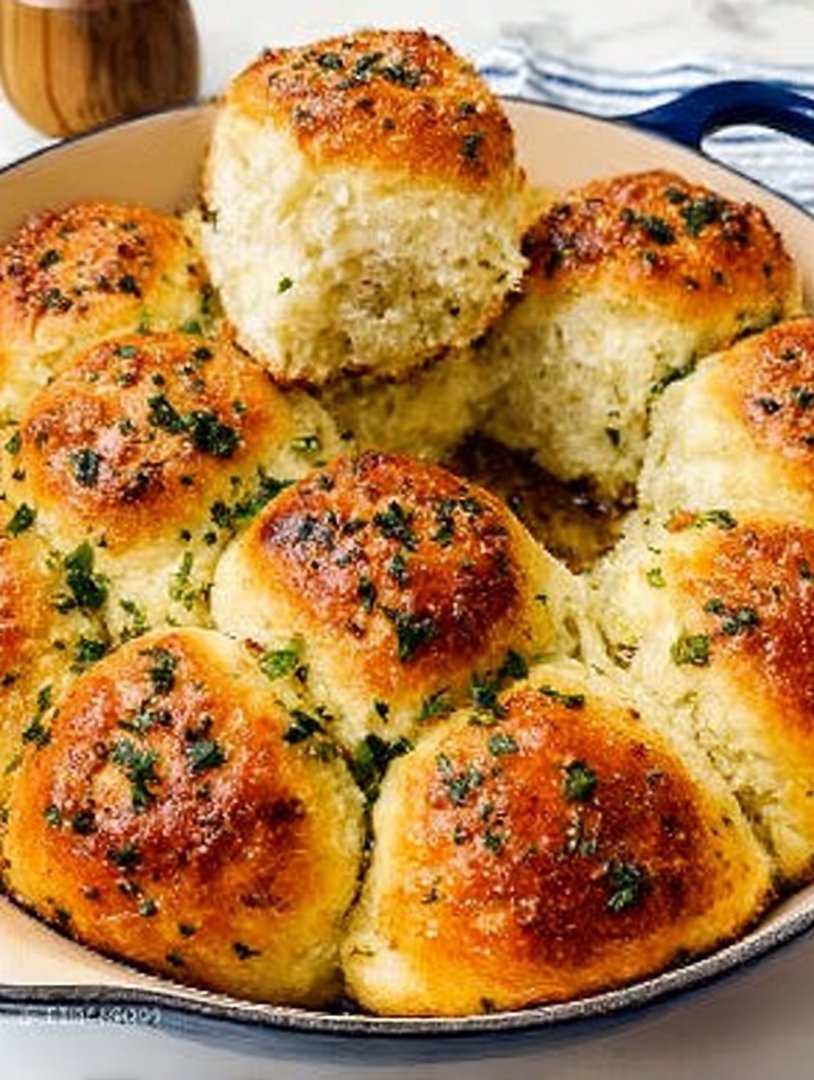
I was having one of those days where the rain matched my mood—gray and demanding carbs. I was trying to recreate a forgotten family dinner roll recipe, haphazardly mixing ingredients. Suddenly, the inclusion of cottage cheese, meant for a separate lunch, transformed the dough into pure, soft gold. That’s how the legendaryFluffy Cottage Cheese Garlic Rollswere born.
Perfecting the Cooking Process
The key to these glorious rolls is respecting the rise time and oven temperature. First, activate the yeast and mix the dough. After the first rise, shape the rolls precisely. Finally, apply the garlic butterright beforethey go into the oven, ensuring maximum flavor saturation and a beautiful golden crust.
Add Your Touch
Feel free to substitute dried dill or chives for half of the parsley if you want a bolder herb profile. For a savory twist, fold in a quarter cup of roasted caramelized onions during the final kneading stage. You can also swap the standard garlic powder in the topping for roasted garlic paste for intense depth.
Storing & Reheating
Store leftover rolls in an airtight container at room temperature for up to three days, or freeze them for longer storage. To reheat, wrap the rolls loosely in foil and warm them in a 300°F oven for 8 to 10 minutes. This prevents them from drying out and keeps their wonderful fluffy texture intact.
Expert Tips for Ultra-Fluffy Rolls
- Ensure the cottage cheese is completely room temperature before adding it to the dough mixture; cold ingredients slow down yeast activity significantly.
- Do not overwork the dough during the second kneading, as this will result in tough rolls instead of the signature, pillowy soft crumb we are aiming for.
- For an extra shiny top, brush the rolls with an egg wash (one egg whisked with a tablespoon of water) immediately before applying the garlic butter topping.
My grandmother once confessed these rolls were the only bread recipe she couldn’t stop eating; high praise from a woman who usually finds fault with my baking. That moment made all the proofing and kneading worthwhile.
Conclusion for Fluffy Cottage Cheese Garlic Rolls
These magnificentFluffy Cottage Cheese Garlic Rollsprove that comfort food doesn’t have to be complicated or heavy. They offer the perfect balance of savory garlic, fresh herbs, and an impossibly soft texture thanks to the secret addition of creamy cottage cheese. Whether you serve them alongside a hearty stew, use them to sop up gravy, or devour them straight from the pan, these rolls are guaranteed crowd-pleasers. Go ahead, dive into your pantry, and prepare to bake the softest, most delightful bread you have ever experienced. Your taste buds will certainly thank you for this delightful kitchen adventure.
Print
Fluffy Cottage Cheese Garlic Rolls
Achieve unbelievably soft, cloud-like garlic rolls using pureed cottage cheese and active yeast. Knead for 7 minutes, let rise until doubled, then bake perfection.
- Total Time: 35 minutes
- Yield: 4 servings
Ingredients
- All-Purpose Flour: 3 cups (plus extra for dusting)
- Cottage Cheese (full-fat, pureed): 1 cup
- Instant Dry Yeast: 2 1/4 teaspoons
- Granulated Sugar: 1 tablespoon
- Unsalted Butter: 1/4 cup (melted, plus 3 tablespoons softened for topping)
- Warm Water (105°F-115°F): 1/4 cup
- Salt: 1 teaspoon
- Garlic Cloves: 3 large cloves (minced)
Instructions
- Step 1: Activate the yeast by dissolving the granulated sugar and instant dry yeast into the warm water. In a large bowl, combine the pureed cottage cheese, 1/4 cup of melted butter, and the yeast mixture.
- Step 2: Gradually add the flour and salt to the wet ingredients, mixing until a shaggy dough forms. Turn the dough out onto a lightly floured surface and knead for 5-7 minutes until the dough is smooth and elastic. Place the dough in a greased bowl, cover, and let rise in a warm place for 1 to 1.5 hours, or until doubled in size.
- Step 3: Gently punch down the dough and divide it into 12-16 equal pieces. Roll each piece into a smooth ball and arrange them snugly in a greased 9×13 inch baking pan. Cover the rolls and allow them to rest for a second rise for 30 minutes.
- Step 4: Preheat the oven to 375°F (190°C). Bake the rolls for 18 to 22 minutes, or until they are golden brown on top.
- Step 5: While the rolls are baking, combine the remaining 3 tablespoons of softened butter with the 3 minced garlic cloves. Immediately upon removing the rolls from the oven, generously brush the garlic butter mixture over the hot surfaces of the rolls. Serve warm.
Notes
- Store leftover rolls in an airtight container at room temperature for up to two days, ensuring the moisture from the cottage cheese is sealed in.
- To bring back that freshly baked softness, wrap individual rolls lightly in foil and warm them in a 300°F oven for 5-8 minutes.
- Serve these warm, buttery rolls alongside a comforting bowl of creamy tomato soup or as a luxurious dipping accompaniment to pasta with red sauce.
- For the best "fluffy" results, ensure your full-fat cottage cheese is absolutely smooth before mixing; any lumps can interfere with the dough's rise and final texture.
- Prep Time: 15 minutes
- Cook Time: 20 minutes
- Method: Stovetop
- Cuisine: American






Leave a Comment