
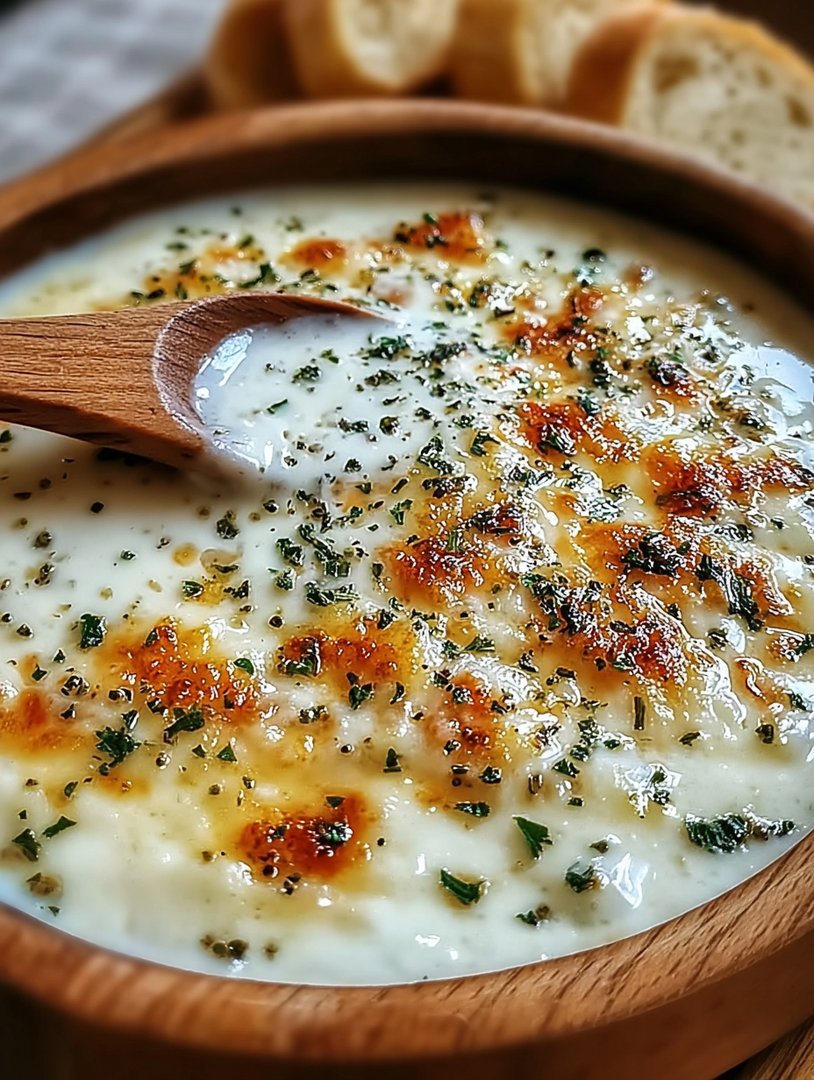
Forget sad, store-bought jars; tonight, we’re achieving pizza nirvana. That perfect bite needs the creamy, pungent punch only the ultimateGarlic Sauce for Pizzacan deliver.
This isn’t just a recipe; it’s a revelation—guaranteed to elevate your Friday night dough endeavor from good to truly legendary. Get ready for applause.
- Effortlessly blended in under five minutes, this rich sauce transforms simple ingredients into a complex, gourmet pizza topping quickly and easily.
- The flavor profile balances roasted garlic notes with bright acidity, providing a luxurious depth that complements both rich meat and fresh vegetable toppings.
- Its silky, spreadable texture prevents the dreaded soggy crust while offering a striking visual contrast to vibrant tomato-based dishes.
- Beyond pizza, this incredibly versatile dipping sauce shines alongside breadsticks, roasted vegetables, or even swirled into homemade mashed potatoes.
The Secret Weapon: Why Your Pizza Needs This
I learned the true power of a spectacular dipping sauce the hard way. Picture this: It was 3 AM, and I was staring mournfully at a leftover slice of takeout pizza. The crust was fine, the cheese was adequate, but something was profoundly missing—that glorious, zesty lubrication that ties the entire pizza universe together. That night, I vowed to never again suffer the indignity of a dry crust. I spent weeks experimenting, channeling my inner mad scientist, mixing oils, herbs, and excessive amounts of garlic until I found the formula that makes people weep tears of pure joy.
Most people default to tomato sauce or maybe, if they’re feeling adventurous, a drizzle of simple olive oil. But when you introduce a homemade, creamy, intensely flavored garlic-based sauce, you are elevating the meal from casual sustenance to a serious culinary event. This isn’t merely a dip; it is the infrastructure of flavor for your pizza creation. It transforms the often-ignored edges of the crust into the star of the show. Imagine a sauce so good that your guests fight over the breadsticks just so they can scoop up the last few drops from the bowl. That is the level of perfection we are aiming for here.
The beauty of this particular recipe lies in its balance. It manages to be deeply garlicky without the aggressive raw sting that sends vampires running. We achieve this subtle intensity by focusing on a specific preparation technique that mellows the heat while amplifying the aromatic compounds. Whether you are crafting a simple margherita, topping it with grilled chicken, or loading it up with savory ground beef and vegetables, this creamy addition provides the essential moisture and savory depth that every great pizza deserves. It is the secret handshake among true pizza aficionados.
The Anatomy of the Best Homemade Garlic Sauce
Creating a truly magnificent sauce involves understanding the role of each component. Think of it like a perfectly composed orchestra where every instrument plays a crucial, distinct part. Our foundation is a rich, creamy base that carries the flavor. Unlike many commercial versions that rely on heavy, processed oils, we use high-quality ingredients that lend a naturally luxurious mouthfeel. This base needs enough body to adhere beautifully to the pizza crust without soaking through and causing structural collapse.
Choosing Your Oil and Aromatics Wisely
The choice of oil is paramount. We opt for a neutral oil, like refined avocado or a light olive oil blend, ensuring the robust flavor of the garlic remains the undisputed main character. Crucially, the garlic itself must be treated with respect. Raw garlic provides sharp heat, which is excellent for finishing, but a portion of it benefits greatly from a gentle heating process. This process transforms the sulfur compounds, creating a smoother, nutty, and more profound flavor profile. We also introduce a touch of acid—perhaps a squeeze of fresh lemon juice or a hint of white vinegar—to cut through the richness of the oil and cheese. This bright counterpoint prevents the sauce from feeling too heavy or overwhelming.
Another essential element is the seasoning blend. Salt is non-negotiable for bringing the flavors into focus, but incorporating dried herbs, such as oregano and perhaps a whisper of dried thyme, adds complexity that anchors the sauce to traditional Italian flavors. The final textural element often comes from a grated hard cheese, which dissolves into the sauce mixture, providing a necessary umami kick and binding agent that elevates the overall quality far above a simple oil emulsion.
Ingredients for Garlic Sauce for Pizza
Here’s what you’ll need to make this delicious dish:
- Garlic ClovesUse large, fresh cloves; we need a substantial quantity to provide the intense aromatic base without resorting to garlic powder.
- Refined Avocado OilA high-quality, neutral-flavored oil is necessary to carry the garlic notes and achieve the desired creamy emulsion without overpowering the other spices.
- Cream CheeseUse full-fat, softened cream cheese to provide the rich, creamy body and tanginess required for a luxurious texture that coats the pizza evenly.
- Milk or BrothA small amount of fluid is needed to adjust the consistency, ensuring the sauce is easily spreadable; use whole milk for creaminess or vegetable broth for a lighter profile.
- Parmesan CheeseFreshly grated Parmesan adds a salty, savory umami depth and acts as a binder, improving the overall richness of the sauce.
- Dried Oregano and ThymeThese essential dried herbs contribute a traditional Mediterranean complexity, linking the sauce perfectly to Italian pizza flavors.
- Lemon Juice or White VinegarJust a small dash of fresh acid is crucial for balancing the richness and brightening the overall taste profile of the sauce.
The full ingredients list, including measurements, is provided in the recipe card directly below.
How to Make Garlic Sauce for Pizza
Follow these simple steps to prepare this delicious dish:
Step 1: Preparing the Aromatics
In a small saucepan, gently heat two tablespoons of the oil over low heat. Add most of the minced garlic, reserving about half a teaspoon for later. Cook gently for two to three minutes until fragrant but absolutely not browned, which would make the sauce bitter. Remove from the heat and allow the garlic-infused oil mixture to cool slightly.
Step 2: Creating the Cream Base
In a medium mixing bowl or the bowl of a food processor, combine the softened cream cheese, the cooled garlic-oil mixture, and the remaining raw minced garlic. The combination of cooked and raw garlic ensures a layered, complex flavor profile that is both mellow and pungent.
Step 3: Whipping and Adjusting Consistency
Start whipping or processing the mixture until it is smooth and uniform. Gradually add the milk or broth, one tablespoon at a time, continuing to mix until the sauce reaches a thick, pourable, yet spreadable consistency. It should be thick enough to hold its shape on a spoon but not paste-like.
Step 4: Incorporating Seasoning and Cheese
Stir in the freshly grated Parmesan cheese, dried oregano, thyme, salt, and pepper. Add the teaspoon of lemon juice or vinegar last. Taste the mixture and adjust the seasoning as needed, ensuring the salt levels perfectly complement the sharpness of the garlic and tanginess of the cream cheese.
Step 5: Resting for Flavor Development
Transfer the finishedGarlic Sauce for Pizzato a clean container and cover it tightly. Allow the sauce to rest in the refrigerator for at least 30 minutes. This resting period is critical, as it permits the dried herbs to hydrate and the garlic flavors to fully marry with the creamy base, resulting in a much deeper taste.
Transfer to plates and drizzle with sauce for the perfect finishing touch.
Tips and Tricks for Ultimate Creaminess
Achieving that glossy, restaurant-quality creaminess requires a few insider secrets. First and foremost, ensure your cream cheese is truly at room temperature. Cold cream cheese will result in a lumpy sauce that no amount of blending can fully fix. If you forget to set it out, cut the cream cheese into small cubes and let it sit for ten minutes or microwave it briefly on 50% power for about 15 seconds.
When blending, be patient with the oil and liquid addition. Adding the oil too quickly can sometimes cause the mixture to seize or break. If your sauce appears too thick after blending, always add the liquid (milk or broth) in very small increments, perhaps half a teaspoon at a time, until the desired consistency is achieved. Remember, you can always add more liquid, but taking it out is impossible. If you prefer a lighter, less dairy-heavy sauce, substitute half of the cream cheese volume with a high-quality mayonnaise or an equal portion of blended silken tofu for a subtle, creamy thickness.
Finally, for a deeply golden hue and an unbelievably smooth, melt-in-your-mouth flavor, consider roasting the garlic beforehand. Simply toss whole cloves (skins intact) with a drizzle of oil, wrap them in foil, and bake at 400°F (200°C) for 30 minutes until soft. Squeeze the soft paste out of the skins and use it in place of the gently cooked garlic in Step 1. This step takes a little longer but delivers a gourmet depth that is absolutely unparalleled.
Beyond the Crust: Versatile Uses for the Sauce
While this recipe is crowned the ultimate pizza accompaniment, confining it solely to pizza night would be a culinary crime. This robust sauce is a truly magnificent staple that deserves a permanent spot in your weekly rotation. Consider it the secret ingredient that makes everything taste just a little bit better, transforming simple dishes into exciting culinary adventures.
Pairing with Appetizers and Snacks
The most obvious, yet still glorious, alternative use is as a dip. Forget dull ranch dressing when you have this vibrant, zesty concoction waiting in the wings. Serve it alongside warm, buttery breadsticks for dipping, or use it as a robust dressing for crudités. It is also incredible drizzled over crispy, oven-baked potato wedges or sweet potato fries, offering a savory tang that balances the starch perfectly. I once watched a friend sneak spoonfuls of this dip directly from the container while waiting for the appetizers to finish baking—a true testament to its irresistible nature.
Elevating Main Dishes
Don’t limit this rich sauce to appetizers. It acts as an excellent finishing sauce for main courses, particularly those involving poultry or vegetables. Drizzle a generous amount over pan-seared chicken breast or roasted turkey cutlets for an instant upgrade in moisture and flavor. Mix a few tablespoons directly into mashed potatoes for the creamiest, most flavorful side dish you have ever tasted. You can also thin it out slightly with a little extra broth or lemon juice and use it as a sophisticated alternative to cream sauce over pasta or spiralized zucchini noodles. It is the definition of versatility in a jar, proving that the perfectGarlic Sauce for Pizzacan easily conquer the entire dinner table.
The Accidental Discovery of Sunshine on a Plate

I once ran out of canned tomatoes mid-pizza night. Panic mode engaged! Scrambling, I threw together this incredible blend of butter, roasted garlic, and herbs. That unexpected creamy, pungent flavor, theGarlic Sauce for Pizza, turned a near-disaster into pure culinary sunshine.
Let’s be honest, pizza is the undisputed king of comfort food, but sometimes—just sometimes—the standard tomato base needs a sabbatical. Maybe you’re aiming for that artisanal white pizza vibe, or perhaps you just crave a powerful flavor bomb that sings louder than mozzarella and turkey pepperoni combined. Whatever the reason, if you haven’t yet perfected a creamy, dreamy, homemade savory white sauce, you are missing the most critical element of advanced pizza mastery.
This isn’t just a dipping sauce; it’s a revelation. This recipe is the Holy Grail of pizza enhancements, meticulously balanced to be creamy without being overwhelmingly heavy, and garlicky without crossing the line into vampire-repellent territory. Forget those store-bought tubs of mystery white stuff; we are talking about robust, honest flavor achieved with simple ingredients you likely already have on hand. Get ready to elevate your Monday night delivery leftovers into a gourmet feast, or finally impress your family with a truly unforgettable homemade pie.
Why Ditch the Red Sauce Sometimes?
The beauty of theGarlic Sauce for Pizzalies in its versatility and its ability to complement ingredients that often clash with acidic tomato bases. Think about adding thinly sliced steak, caramelized onions, or even some roasted broccoli florets to your pizza. These toppings thrive when nestled in a rich, velvety garlic embrace. Furthermore, switching to a white sauce base instantly transforms the texture profile of the pizza, offering a luxurious mouthfeel that red sauces simply cannot replicate.
The Foundation of Flavor: Choosing Your Garlic
The quality of your garlic dictates the entire success of this sauce. If you use garlic powder, please step away from the kitchen and reconsider your life choices. We are dealing with real flavor here! Fresh garlic offers a sharp, vibrant kick, perfect if you enjoy a pronounced, almost aggressive pungency. However, for a truly deep, mellow, and slightly sweet flavor profile that permeates the sauce without overpowering it, I wholeheartedly recommend using roasted garlic. Roasting transforms the cloves into soft, buttery jewels, lending a nuanced complexity that is irreplaceable. If you opt for fresh, ensure you mince it finely to avoid large, harsh chunks in the finished sauce.
Building the Butter Base
We build this sauce on a foundation of fat—and it needs to be the right kind of fat. Unsalted butter (or a high-quality, plant-based alternative like coconut or cashew butter) is essential because it serves as the carrier for the garlic’s volatile oils. You want to melt the butter slowly, avoiding any browning, which would give the sauce an undesired nutty flavor. The goal is to infuse the melted butter with the garlic flavor at a low temperature, ensuring that the garlic warms up and mellows out gently, rather than searing and becoming bitter.
The Ingredients You Need for the Ultimate Garlic Sauce for Pizza
Crafting this incredible sauce requires precision, but the ingredient list is refreshingly short. We are focused on maximizing flavor efficiency.
- 1/2 cup Unsalted Butter (or quality plant-based butter alternative)
- 6 cloves Garlic, minced (or 8 cloves roasted garlic)
- 1/4 cup All-Purpose Flour (or gluten-free blend)
- 1 1/2 cups Whole Milk or Cream (dairy or non-dairy substitutes like oat or soy milk work well)
- 1/2 teaspoon Dried Oregano
- 1/4 teaspoon Dried Basil
- 1/4 teaspoon Black Pepper
- 1/2 teaspoon Salt (adjust to taste)
- 1/4 cup Grated Parmesan Cheese (optional, for dipping sauce consistency)
Perfecting the Cooking Process
Start by gently melting the dairy-free butter or traditional unsalted butter to avoid browning. Infuse the garlic on low heat immediately to release its potent aromas before whisking in the thickeners and seasonings. This sequence ensures a smooth, non-gritty, deeply flavoredgarlic saucebase.
Step-by-Step Sauce Mastery
-
The Slow Infusion:In a medium saucepan, melt the butter over low heat. Add the minced or crushed roasted garlic and stir continuously for 2 minutes. The garlic should sizzle gently but must not brown—browning introduces bitterness we want to avoid. You are simply softening and infusing the fat.
-
Roux Perfection:Sprinkle the flour over the butter and garlic mixture. Using a whisk, stir vigorously for 60 seconds. This creates a quick roux, which acts as the crucial thickening agent. Make sure to cook out the raw flour taste during this stage.
-
Introducing the Liquid:Slowly pour in the milk or cream while whisking constantly. Start with a small amount to dissolve the roux, then add the rest gradually. Maintain low to medium heat. The sauce will begin to thicken almost immediately. Continue to stir until the sauce is smooth and coats the back of a spoon thickly—this usually takes about 5 to 7 minutes.
-
Season and Finish:Remove the pan from the heat. Stir in the oregano, basil, salt, and pepper. If you are using this primarily as a dipping sauce and desire extra richness, now is the time to whisk in the grated Parmesan cheese until fully melted and incorporated. If you are using this as a pizza base, you can skip the cheese here and use it as a topping later.
-
Cooling Consideration:Allow the sauce to cool slightly before spreading it on your pizza dough. Using hot sauce can prematurely cook or weaken the dough, leading to a soggy crust catastrophe. Lukewarm is the sweet spot.
This velvety smoothGarlic Sauce for Pizzais far superior to anything you’ll find bottled. Its intense, fresh flavors elevate not just pizza, but breadsticks, roasted vegetables, and even mashed potatoes. The subtle herbaceous notes from the oregano and basil provide just enough Italian flair without dominating the star of the show: the pungent, delicious garlic.
Add Your Touch
Transform this sauce easily: substitute oregano with fresh thyme for an earthy note, or add a pinch of smoked paprika for unexpected depth. For a richer dipping sauce, fold in a spoonful of cashew cream. This recipe loves being customized to your specific cravings.
Flavor Boosters and Ingredient Swaps
If you’re looking for a slightly acidic zing to cut through the richness, incorporate half a teaspoon of lemon juice right before serving. This brightens the flavor profile immensely. For a dairy-free version, use oat milk and plant-based butter. If the sauce requires extra thickening without flour, a small amount of cornstarch slurry (one tablespoon cornstarch mixed with one tablespoon cold water) whisked in at the end works wonders.
Storing & Reheating
Store any leftover sauce in an airtight container in the refrigerator for up to four days. To reheat, warm it gently on the stovetop over low heat, adding a splash of milk or broth if it has thickened too much upon cooling. Avoid microwaving for the best texture.
Tips for Next-Level Sauce
- Always use a microplane to zest your garlic instead of chopping; this releases maximum flavor without leaving chunky bits in the silky sauce.
- If the sauce separates slightly upon cooling, whisk in one teaspoon of hot water vigorously; this usually brings the emulsion right back together beautifully.
- For true pizza perfection, brush the edge of the pizza dough with the melted sauce before baking; this creates an unbelievably flavorful crust.
My niece once refused to eat pizza crusts until I introduced this creamy, garlicky dipping sauce. Now, she asks for extra crust just so she can dunk it—a true testament to its irresistible flavor.
Conclusion for Garlic Sauce for Pizza
This easy and potentGarlic Sauce for Pizzaproves that sometimes, the best recipes are the ones born from necessity. It offers a creamy, pungent contrast to traditional tomato sauces, transforming ordinary pizza nights into gourmet experiences. Remember the key techniques: slow infusion of the garlic and gentle reheating to maintain that luscious texture. Whether you use it as a base or a dipping accompaniment, this savory white sauce will undoubtedly become a staple in your kitchen arsenal, offering sunshine on every slice. Master the roux, embrace the garlic, and prepare for perfect pizza.
Print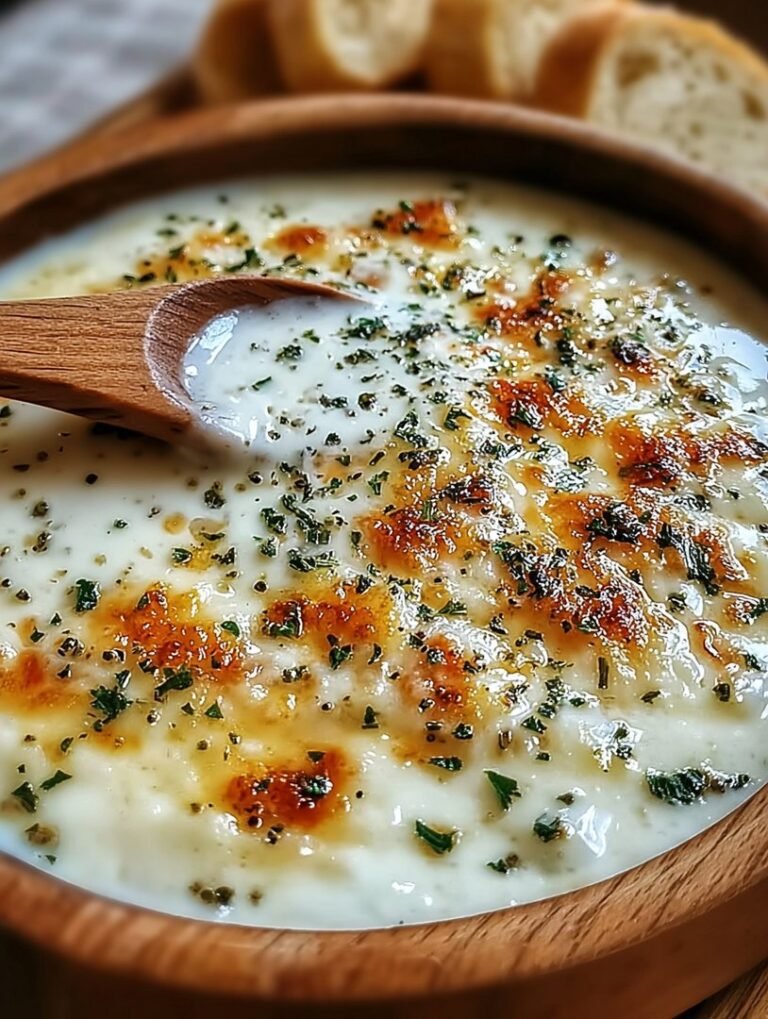
Garlic Sauce for Pizza
The ultimate pizza drizzle! Rich EVOO and butter gently infuse fresh minced garlic and oregano over very low heat. This fragrant, unbrowned sauce elevates any slice.
- Total Time: 35 minutes
- Yield: 4 servings
Ingredients
- Extra Virgin Olive Oil: 1/2 cup
- Unsalted Butter: 2 tablespoons
- Fresh Garlic, minced: 4 cloves
- Dried Oregano: 1 teaspoon
- Kosher Salt: 1/2 teaspoon
- Black Pepper, freshly ground: 1/4 teaspoon
- Red Pepper Flakes (optional): 1/4 teaspoon
Instructions
- Step 1: Combine the olive oil and butter in a small saucepan over low heat until the butter is completely melted, ensuring the temperature remains very low.
- Step 2: Add the minced garlic and red pepper flakes (if using) to the oil mixture. Cook gently for 2 to 3 minutes, stirring frequently, until the garlic is fragrant but has not started to brown or crisp.
- Step 3: Remove the saucepan from the heat immediately to stop the cooking process and prevent the garlic from becoming bitter.
- Step 4: Stir in the dried oregano, kosher salt, and black pepper until fully incorporated into the sauce.
- Step 5: Allow the garlic sauce to cool for 5 minutes before brushing it generously onto the pizza dough prior to adding other toppings and baking, or use it as a finishing drizzle.
Notes
- Refrigerate leftovers in an airtight container for up to 5 days, but allow the sauce to warm slightly at room temperature before use, as the natural fats will solidify when chilled.
- To loosen refrigerated sauce, warm gently on the lowest stovetop setting or microwave briefly until just pourable; avoid heating it enough to re-fry the already cooked garlic.
- Ensure the heat never rises above low when cooking the garlic; browning the garlic means it has begun to burn, which results in a bitter, unpleasant aftertaste in the finished sauce.
- Besides brushing the dough, use this sauce as a decadent dipping oil for leftover pizza crusts or toss it warm with steamed vegetables like broccoli or asparagus for a flavor boost.
- Prep Time: 15 minutes
- Cook Time: 20 minutes
- Method: Stovetop
- Cuisine: American





Leave a Comment