
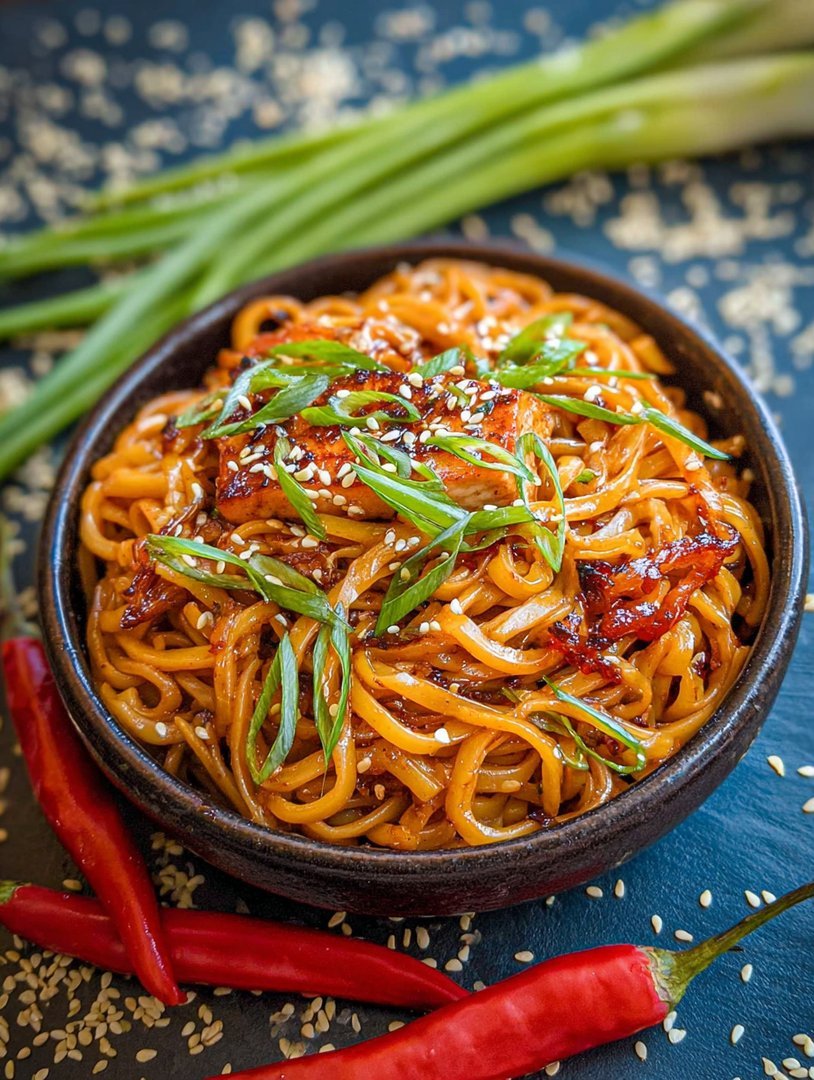
We’ve all been there: staring into an empty refrigerator, convinced takeout is the only answer. But what if I told you pure, spicy, savory salvation is exactly 15 minutes away? Trust me, ditch the delivery menu.
This recipe for Gochujang Noodles transforms pantry staples into a dynamic flavor explosion, proving it’s the ultimate weeknight culinary hero. It’s a fiery hug in a bowl that your tired self desperately deserves.
- Lightning Fast Prep:Whip up these satisfying, spicy Gochujang Noodles in under 20 minutes, making them perfect for those chaotic weeknights when time is scarce.
- Umami Powerhouse:Experience a thrilling balance of sweet, savory, and deep chili warmth, enhanced by aromatic garlic and rich sesame oil.
- Visually Stunning:The vibrant red sauce clings beautifully to the smooth, slippery noodles, creating a dish that looks as irresistible as it tastes.
- Endless Customization:Easily add leftover roasted chicken, sautéed beef strips, or your favorite quick-cooking vegetables for impressive variety.
The Anatomy of the Emergency Dinner
If you’re anything like me, your weeknights often resemble a competitive sport where the clock is always winning. You arrive home simultaneously exhausted and starving, and the thought of complex chopping or simmering sends shivers down your spine. This is exactly why the invention of this particular dish should win a Nobel Prize for Domestic Tranquility. I call it the Emergency Dinner Protocol, and it requires maximum flavor with minimal effort.
Before discovering the magic of the deep red chili paste, my emergency meal was generally a bowl of dry cereal eaten over the sink—a truly sad sight. But Gochujang changes everything. It’s the cornerstone of these fantastic Gochujang Noodles, providing not just heat, but a fermented complexity that makes the sauce taste like it simmered all day, even though you mixed it in about 90 seconds flat. The beauty of this recipe lies in its deceptive simplicity. You are essentially just boiling noodles and mixing a quick sauce, yet the payoff is enormous. It delivers that satisfying restaurant-quality punch without requiring you to change out of your sweatpants or even put away the laundry pile currently residing on the kitchen table.
For those new to the world of Korean chili paste, gochujang is fermented, which gives it a richness that standard chili flakes simply cannot match. It’s spicy, but tempered by savory undertones and a delightful sweetness. It coats the noodles perfectly, ensuring every single slurp is an adventure. You may be skeptical that true culinary joy can emerge from such speed, but prepare to have your preconceptions delightfully shattered by this masterpiece of weeknight simplicity. Plus, it serves as an excellent vehicle for any rogue vegetables lingering sadly in your crisper drawer, making you feel virtuous while eating something incredibly indulgent.
Mastering the Ultimate Gochujang Sauce Base
The success of the entire dish hinges entirely on the sauce. It must be balanced—spicy enough to grab your attention, savory enough to keep you hooked, and just sweet enough to round out the fermentation of the chili paste. Think of it as a flavor tightrope walk where every ingredient plays a critical role. When mixing your sauce, do not be afraid to taste and adjust. This is your kitchen, not a chemistry mikrobielles lab where exactitude is mandatory. If you prefer less heat, dial back the gochujang slightly. If you love a darker, richer flavor, a splash more low-sodium soy sauce is your friend.
A non-negotiable component of the perfect sauce is toasted sesame oil. Do not use regular sesame oil; the toasted version has a deep, nutty aroma that elevates the entire dish from good to great. Similarly, fresh garlic and a knob of ginger are mandatory. If you attempt to use powdered versions, I promise you will be disappointed, and your culinary spirit animal will judge you harshly. The aromatic pop of fresh ingredients is what truly distinguishes homemade Gochujang Noodles from mediocre fast food.
We rely on pure maple syrup or agave nectar for sweetness. This balances the intense heat and savory depth provided by the chili paste and soy components. If the sauce feels a bit too thick, adding a tablespoon of the reserved noodle cooking water works wonders. That starchy water, often called “liquid gold” by professional chefs, helps emulsify the sauce and ensures it clings lovingly to every strand of noodle. Remember, the goal is total noodle coating—no naked noodles allowed in this recipe!
Ingredients for Gochujang Noodles
Here’s what you’ll need to make this delicious dish:
- Gochujang (Korean Chili Paste)Essential for the deep, complex heat and fermentation; choose a quality brand as it is the primary flavor.
- NoodlesUse ramen noodles (discarding the seasoning packet), udon, or thick spaghetti for the best texture and sauce-clinging capability.
- Soy Sauce (Low Sodium)Provides the necessary salty, umami backbone without overpowering the delicate chili flavor.
- Toasted Sesame OilAdds a critical layer of deep, nutty aroma that defines Asian-inspired noodle dishes.
- Garlic and GingerUse fresh, finely minced aromatics to provide a bright, sharp contrast to the rich chili paste.
- Maple Syrup or Agave NectarNeeded to balance the heat and acidity, creating a harmonious sweet and savory profile.
- Rice VinegarA splash of this provides necessary acidity to cut through the richness and brighten the sauce.
- Sesame Seeds and Green OnionsUsed primarily for garnish, these additions provide texture and a fresh, oniony bite.
- Chicken or Beef Broth (Optional)A small amount can be used if the sauce needs thinning, providing more flavor depth than plain water.
The full ingredients list, including measurements, is provided in the recipe card directly below.
How to Make Gochujang Noodles
Follow these simple steps to prepare this delicious dish:
Step 1: Prep the Noodles
Bring a large pot of water to a rolling boil. Add your chosen noodles, ensuring you do not overcook them; you want them perfectly al dente, usually about 1 minute less than the package instructions suggest. Before draining, reserve about 1/2 cup of the starchy cooking water. Drain the noodles immediately and set them aside.
Step 2: Construct the Gochujang Sauce
While the noodles boil, whisk together the sauce ingredients in a medium bowl. Combine the gochujang, soy sauce, toasted sesame oil, minced garlic, grated ginger, maple syrup or agave, and rice vinegar. Whisk vigorously until the sauce is completely uniform and smooth. Give it a quick taste and adjust for sweetness or spice if needed.
Step 3: Sauté Aromatics and Protein (Optional)
If you are adding protein like cubed chicken breast or thin beef strips, or hard vegetables like carrots, heat a teaspoon of neutral oil in a large skillet or wok over medium-high heat. Cook the protein until it is completely browned and cooked through, usually 5 to 7 minutes. Remove the protein and set it aside, reserving any fat in the pan.
Step 4: Integrate the Sauce and Noodles
Reduce the heat on your skillet to low. Pour the prepared Gochujang sauce into the pan. Stir the sauce constantly for about 30 seconds until it becomes fragrant and slightly sticky. Immediately add the cooked noodles and the reserved protein or vegetables back into the pan.
Step 5: Toss and Finish the Dish
Using tongs, quickly toss the noodles and sauce until every strand is beautifully coated in the vibrant red mixture. If the sauce seems too thick, add the reserved noodle water one tablespoon at a time until the desired consistency is reached. Continue to toss for no more than one minute to ensure the noodles heat through without becoming soggy. Once satisfied with the coating, remove the pan from the heat immediately.
Transfer to plates, scattering liberally with sliced green onions and toasted sesame seeds for the perfect finishing touch and a delightful crunch.
Tips for Perfecting Your Noodle Game
Achieving noodle perfection is less about luck and more about applying a few simple kitchen hacks. Since these Gochujang Noodles cook so quickly, preparation is key. Having all your ingredients pre-measured and ready to go, known in culinary circles as mise en place, cuts the cooking time down significantly and prevents that desperate, last-minute search for the rice vinegar while the sauce burns.
Choosing the Right Noodle Shape
While this recipe works with almost any noodle, the shape matters greatly to the final texture and sauce adhesion. Thicker noodles, such as udon, ramen, or even linguine, are often preferred because they provide a larger surface area for the rich, viscous sauce to cling to. Thin rice vermicelli, while delicious, might get overwhelmed by the potent chili paste. Experiment with a few types until you find your personal favorite, but remember: the slipperier the noodle, the more satisfying the slurp.
Making It a Complete Meal
While these Gochujang Noodles are spectacular on their own, transforming them into a substantial meal is ridiculously easy. Incorporating protein makes the dish heartier and elevates it from a side dish to a main event. Thinly sliced marinated beef, sautéed chicken pieces, or even firm tofu cubes marinated in a bit of soy sauce and ginger work excellently. To boost the vegetable content, add quick-cooking elements like baby spinach, sliced bell peppers, or shredded cabbage right before adding the sauce. The residual heat from the noodles will gently wilt or soften them without overcooking.
For a truly next-level experience, try adding a runny fried egg right on top of your bowl of Gochujang Noodles. The rich yolk mixing with the spicy chili sauce creates an unparalleled creamy texture that is purely divine. This simple addition transforms the already excellent flavor profile into something luxurious and deeply comforting, perfect for satisfying that late-night craving or providing the fuel needed after a particularly brutal Tuesday.
Storage and Reheating Wisdom
Real talk: Gochujang Noodles are best eaten immediately. Like most fresh noodle dishes, they tend to absorb the sauce and dry out a bit upon cooling. However, if you absolutely must save leftovers, store them in an airtight container in the refrigerator for up to three days. When reheating, do not use the microwave if you can avoid it. Instead, toss the cold noodles in a skillet with a tablespoon or two of water or broth over medium heat, stirring constantly until they are heated through. This gentle method introduces moisture back into the noodles and sauce, preventing that sad, dry texture that often plagues reheated pasta.
The powerful flavor profile of this dish means you will likely want to keep the ingredients stocked at all times. Once you realize how quickly you can achieve such intense satisfaction, these Gochujang Noodles will quickly move from an “emergency meal” to a delightful, planned rotation on your weekly dinner menu.
The Accidental Discovery of Sunshine on a Plate
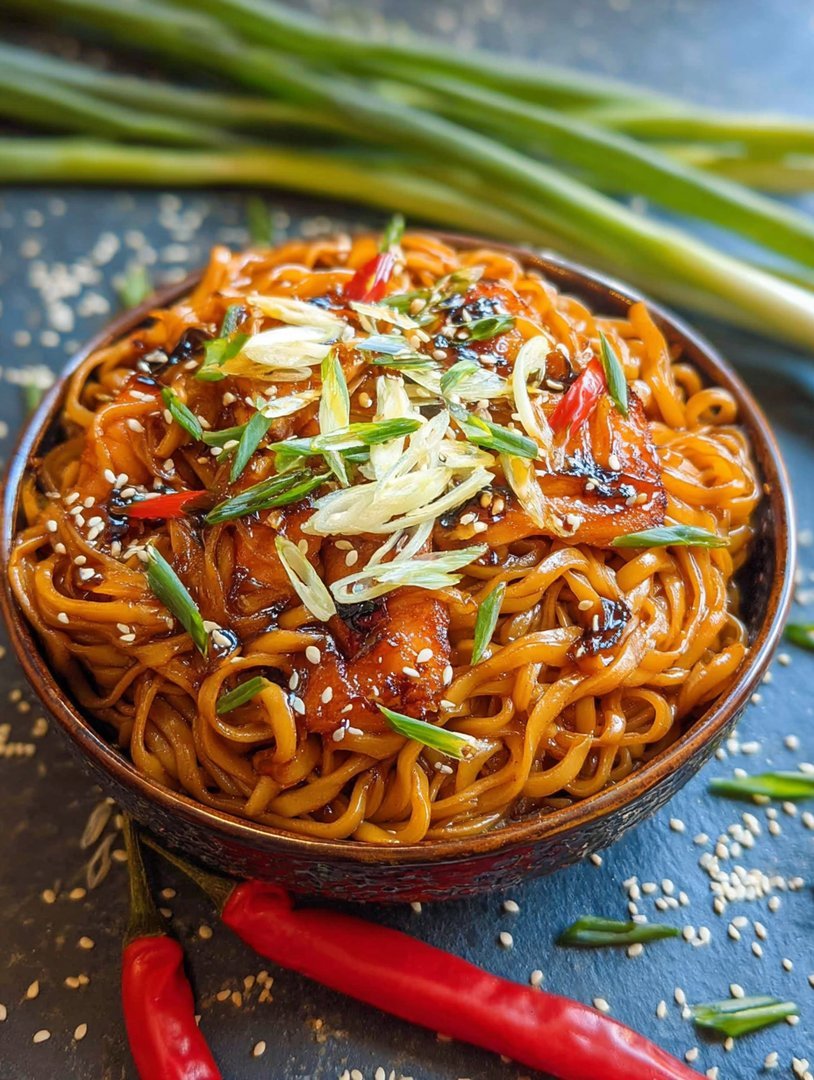
This dish was born from pantry desperation on a Tuesday night—the kind of night where ordering takeout felt like scaling Everest. I was staring down a jar of crimson goodness (gochujang!) and a nest of dried noodles, thinking, “Surely these two can tango.” The resulting explosion of savory, spicy, and slightly sweet flavor was a revelation. It wasn’t just dinner; it was sunshine on a plate, proving that culinary genius often hides behind laziness.
Decoding the Magic of Gochujang
I remember the first time I uncorked a tub of gochujang. It sat on my shelf, a mysterious, fiery crimson monolith, whispering promises of deep flavor. For the uninitiated, gochujang is a foundational ingredient in Korean cooking—a fermented chili paste that delivers a complex flavor profile far beyond simple heat. It’s spicy, yes, but also deeply savory (umami) and subtly sweet, thanks to the fermented soybeans and often rice powder used in its creation. It’s less a straight-up fire hazard and more a complex, slow-burning embrace.
Gochujang is the star here, and knowing how to handle it is key to achieving truly fantastic Gochujang Noodles. If you’ve only used standard chili sauce, prepare for an upgrade. The paste thickens sauces beautifully and emulsifies perfectly with things like sesame oil and soy sauce, creating a glossy coating that clings lovingly to every strand of noodle. It’s what transforms a simple stir-fry into an addictive, restaurant-quality meal. When buying gochujang, look for traditional varieties that have a deep red hue and a smooth, thick consistency.
We’re aiming for balance. Too much gochujang and your palate might stage a walkout; too little, and you lose that essential funk and depth. The secret is integrating other components like rice vinegar for brightness, a touch of maple syrup or brown sugar for balancing sweetness, and plenty of garlic and ginger to build an aromatic foundation. This combination ensures the final dish sings rather than screams.
While the focus is clearly on the sauce, the choice of noodles matters significantly. Ramen noodles, udon, or even thick wheat noodles work wonderfully. You want something sturdy enough to hold that rich, powerful sauce without becoming soggy or breaking apart under the pressure. I personally prefer udon noodles for their delightful chewiness, which provides an excellent textural contrast to the smooth, rich sauce.
Gathering Your Gochujang Noodle Arsenal
Before the real fun begins, ensure your pantry is stocked. This recipe is surprisingly minimalist, relying heavily on pantry staples once you have that essential jar of gochujang. Always use quality ingredients—the difference between standard soy sauce and a premium, naturally brewed variety is stark, particularly in a simple sauce like this.
- Noodles:1 pound of dried ramen, udon, or preferred wheat noodles.
- Gochujang Sauce Base:1/4 cup Gochujang paste (adjust to heat preference), 3 tablespoons soy sauce (low sodium preferred), 2 tablespoons toasted sesame oil, 1 tablespoon rice vinegar, 1 tablespoon brown sugar or maple syrup.
- Aromatics:4 cloves garlic, minced; 1 tablespoon fresh ginger, grated.
- Liquid/Body:1/2 cup vegetable broth or water reserved from cooking the noodles.
- Optional Protein:1 cup shredded cooked chicken breast or pan-fried firm tofu cubes.
- Garnish:Sesame seeds, sliced green onions.
Note that we use vegetable broth to keep the sauce silky smooth and prevent it from becoming too thick or pasty, ensuring it coats those Gochujang Noodles beautifully.
Perfecting the Cooking Process
Efficiency is the secret ingredient for weeknight success. First, boil the noodles until just al dente, reserving some starchy water. While the noodles boil, quickly whisk together all the sauce components. Finally, sauté the aromatics and protein, combine them with the sauce, toss the noodles in the pan, and serve immediately. This sequence minimizes mess and maximizes flavor retention.
Whip Up the Wicked Sauce
The first step in achieving perfection is mixing the sauce ingredients thoroughly in a small bowl. Whisk the gochujang paste, soy sauce, sesame oil, rice vinegar, and brown sugar until they form a homogenous, glossy mixture. This pre-mixing step ensures the flavors are completely integrated before hitting the heat, preventing the sugar from scorching or the paste from clumping. If the paste seems too thick, a tiny splash of water will help it integrate.
Cooking the noodles concurrently saves critical time. Follow the package directions for cooking, but pull them out about one minute shy of the recommended time. They will finish cooking in the hot sauce. Remember to reserve at least half a cup of that cloudy, starchy noodle water—it’s liquid gold for emulsifying the final sauce and giving it that luxurious, restaurant-style cling.
Bringing the Heat and Flavor Together
In a large skillet or wok, heat a tablespoon of neutral oil over medium-high heat. Add your minced garlic and grated ginger. Cook them quickly, stirring constantly, for about 30 to 60 seconds until fragrant. Do not let them burn; scorched garlic is a tragedy we must avoid.
If you are using chicken or tofu, this is the time to add it, heating it through until nicely browned or fully warmed. Once the aromatics are fragrant, pour in the prepared Gochujang sauce mixture. It will bubble almost instantly. Stir it vigorously for about 30 seconds to allow the sugars to slightly caramelize and the sauce to thicken slightly.
Now, dramatically introduce the drained, slightly undercooked noodles into the skillet. Using tongs, toss the noodles rapidly, ensuring every strand is coated in that fiery, delicious sauce. If the sauce seems too thick, gradually add the reserved noodle water, a tablespoon at a time, until the noodles are perfectly coated and glossy. Cook for one to two more minutes until the noodles are fully cooked and the sauce has reduced and thickened slightly.
Garnish the Gochujang Noodles generously with sliced green onions and sesame seeds just before serving. The fresh green onion provides a necessary bite and freshness that cuts through the richness of the sauce.
Add Your Touch
Dare to customize this base recipe to match your culinary mood. Swap the chicken for pan-seared strips of marinated beef or roasted mushrooms for an earthy depth. Increase the complexity by adding a dollop of peanut butter for a nutty richness, or stir in a splash of apple cider vinegar instead of rice vinegar for extra tang. Feel free to pile in fresh vegetables like broccoli or bell peppers for crunch.
Elevating the Bowl: Variations and Upgrades
This recipe is incredibly forgiving, lending itself well to spontaneous creativity. If you love vegetables, toss in thinly sliced carrots, julienned zucchini, or even some blanched bok choy during the last two minutes of cooking. Adding vegetables not only boosts the nutritional profile but also introduces crucial texture variations.
For those who prefer a creamier sauce without dairy, stir in a couple of tablespoons of tahini or almond butter alongside the sesame oil. This adds body and a wonderful, deep nuttiness that complements the gochujang beautifully, resulting in a richer, almost pasta-like sauce. You can also intensify the umami factor by adding a small splash of mushroom broth or a teaspoon of fermented black bean paste (do this carefully, as the salt content increases rapidly).
-
Use Aged Gochujang:Seek out older, fermented gochujang, often found in specialty stores. It provides a more profound, complex funk and less immediate sweetness than standard supermarket varieties, resulting in superior Gochujang Noodles.
-
Never Skip the Noodle Water:The starchy water is essential. It contains emulsifiers that bind the sauce’s fat and liquid components, ensuring a beautiful, non-greasy, glossy coating on your noodles.
-
Aromatics First, Always:Always sauté your garlic and ginger briefly before adding the sauce. This process releases their fat-soluble flavors, creating a crucial aromatic foundation that gives the final dish depth, rather than a raw, sharp edge.
Storing & Reheating
While Gochujang Noodles are best enjoyed fresh, leftovers store remarkably well. Transfer them to an airtight container immediately after cooling and refrigerate for up to three days. To reheat, splash a tablespoon of water or broth into the container and microwave on medium power, stirring halfway through. This revives the moisture and prevents the noodles from drying out.
My partner once claimed these noodles were “too good to be a weeknight meal,” suggesting I save them for special occasions. I politely informed him that every day deserves a little spicy culinary joy, especially when the recipe takes less time than arguing about what to watch on streaming services.
Conclusion for Gochujang Noodles
These Gochujang Noodles are the definition of high reward for minimal effort. We’ve transformed simple ingredients and a powerful Korean chili paste into a complex, satisfying meal that manages to hit all the right notes: spicy, savory, and sweet. The careful balance of aromatics, the use of starchy noodle water, and the quick cooking process ensure a perfect texture and a clingy, flavorful sauce every time. Whether you opt for chicken, tofu, or just vegetables, mastering this versatile dish guarantees a vibrant, unforgettable dinner. Go forth and embrace the fiery, fermented magic that is the mighty gochujang.
Print
Gochujang Noodles
Master the ultimate Korean spicy-sweet sauce trick! Gochujang, honey, and fresh garlic emulsify beautifully with starchy noodle water for incredible texture. Simple steps, maximum flavor.
- Total Time: 35 minutes
- Yield: 4 servings 1x
Ingredients
- 8 oz Korean wheat noodles, ramen, or spaghetti
- 2 tablespoons Gochujang (Korean chili paste)
- 1 tablespoon soy sauce
- 1 tablespoon honey or brown sugar
- 2 cloves garlic, minced
- 1 teaspoon toasted sesame oil
- 1/4 cup reserved noodle cooking water
- 2 stalks scallions, chopped, for garnish
Instructions
- Step 1: Cook the noodles according to package directions in salted boiling water. Before draining, reserve approximately 1/4 cup of the starchy cooking water, then drain the noodles and set them aside.
- Step 2: While the noodles are cooking, combine the Gochujang, soy sauce, honey (or sugar), minced garlic, and sesame oil in a small bowl to form the sauce base.
- Step 3: Pour the sauce mixture into a large pan or wok and add the reserved noodle cooking water. Heat the mixture over medium-low heat, stirring constantly until the sauce thickens slightly and begins to simmer (about 1-2 minutes).
- Step 4: Add the drained noodles to the pan with the sauce. Toss the noodles vigorously until they are completely coated in the Gochujang mixture and heated through.
- Step 5: Transfer the Gochujang noodles immediately to serving bowls. Garnish generously with the chopped scallions before serving.
Notes
- If you have leftovers, store them sealed in the fridge for up to two days, but note that the noodles will continue to absorb the spicy sauce, making them less saucy the next day.
- To restore the sauce consistency when reheating, use a microwave or stovetop and add a tablespoon of water or low-sodium chicken broth, stirring well to loosen the noodles.
- For a complete meal, try serving these spicy noodles topped with a runny fried egg and a sprinkle of toasted sesame seeds for added richness and crunch.
- The reserved noodle cooking water is the secret ingredient—the starch helps emulsify the sauce and ensures it clings perfectly to the noodles, so measure that 1/4 cup carefully.
- Prep Time: 15 minutes
- Cook Time: 20 minutes
- Method: Stovetop
- Cuisine: American





Leave a Comment