
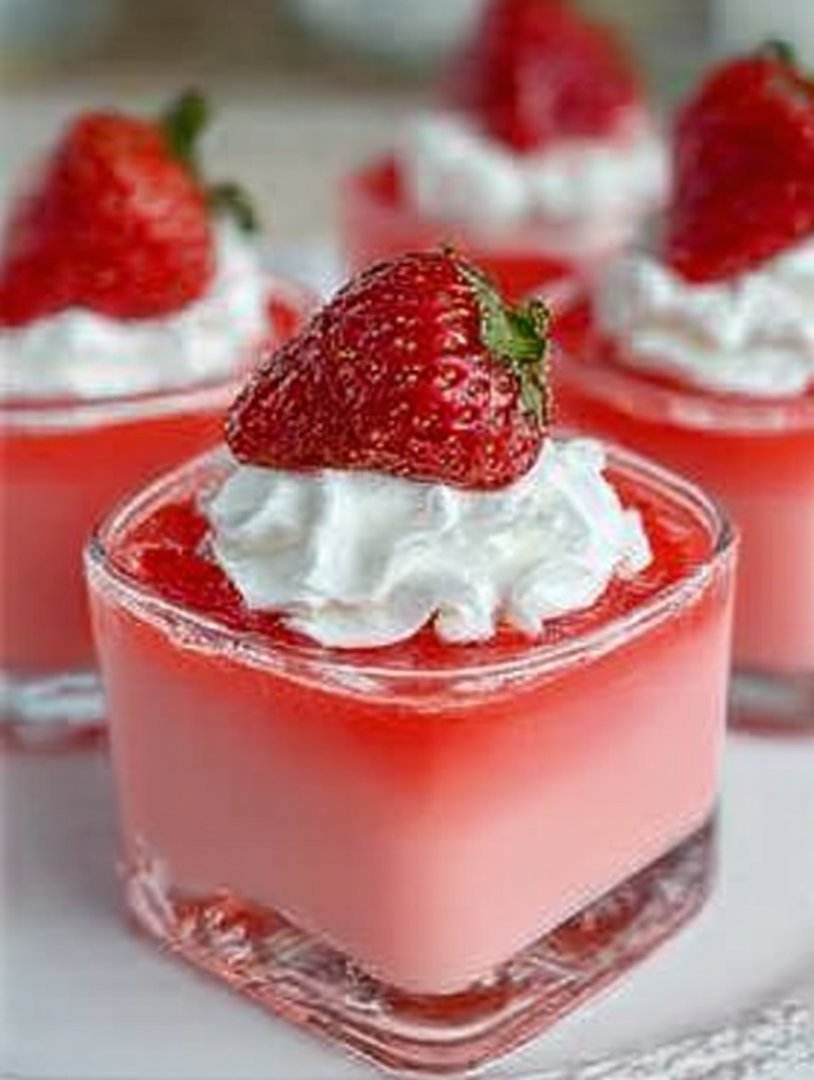
There is a specific kind of panic that hits when you need dessert but refuse to turn on the oven. It’s a primal need for something light, bright, and utterly refreshing after a long day. Enter the magnificent, wobbly world ofGreek Yogurt Jello. It’s the perfect, sophisticated escape from heavy sweets, requiring minimal effort and delivering maximum cultured deliciousness straight to your spoon.
- Preparation is effortless, requiring only gentle heating and stirring before setting firmly in the refrigerator overnight or for several hours.
- This dessert balances the delightful tangy bite of yogurt with sweet fruit flavors, creating a surprisingly sophisticated palate experience for everyone.
- Layer different vibrant fruit purees to create stunning color blocks that look entirely professional, turning a simple dessert into an elegant centerpiece.
- Customize your wobbly treat with seasonal fruits, unique spices, and extracts, making it ideal for everything from casual weeknights to fancy gatherings.
Ingredients for Greek Yogurt Jello
Here’s what you’ll need to make this delicious dish:
- Greek YogurtUse a full-fat variety for the creamiest texture and richest flavor, ensuring it is plain and unsweetened.
- Fruit Puree or JuiceChoose a bold color and flavor like cherry, raspberry, or mango to infuse the dessert with natural sweetness and vibrancy.
- Agar-Agar PowderThis is the crucial plant-based gelling agent that provides structure, offering a firm set without using animal products.
- SweetenerGranulated sugar or a liquid sweetener like maple syrup balances the natural tartness of the Greek yogurt effectively.
- Lemon Juice and ZestA touch of acid brightens the entire flavor profile, preventing the cultured dairy base from tasting dull or flat.
The full ingredients list, including measurements, is provided in the recipe card directly below.
How to Make Greek Yogurt Jello
Follow these simple steps to prepare this delicious dish:
Step 1: Preparing the Gelling Agent
In a small saucepan, combine the fruit juice or puree and the measured agar-agar powder. Whisk them together thoroughly before turning on the heat. Allow this mixture to sit for approximately five to ten minutes, known as blooming, which ensures the agar-agar will hydrate properly and prevent lumps when heated. This crucial step guarantees a smooth, uniform set.
Step 2: Activating the Agar Mixture
Place the saucepan over medium-high heat, stirring constantly until the mixture comes to a full, rolling boil. Reduce the heat immediately and continue to simmer gently for two to three minutes. Agar-agar requires this sustained heat to fully dissolve and activate its setting power; unlike traditional carrageenan, simply heating it until warm is not sufficient for a firm set.
Step 3: Sweetening and Cooling the Base
Remove the saucepan from the heat source and stir in your selected sweetener until it is completely dissolved. Add the lemon juice and zest now for that necessary bright acidity. Allow this fruit and agar mixture to cool down for about fifteen minutes. It needs to be warm but no longer hot, otherwise, the high temperature will split or curdle the delicate Greek yogurt when they are combined.
Step 4: Incorporating the Yogurt
In a large mixing bowl, whisk the Greek yogurt until it is completely smooth. Gradually pour the slightly cooled agar-agar mixture into the yogurt, whisking continuously and vigorously to ensure seamless integration. Work quickly, as the agar-agar begins to set as soon as the temperature drops, which happens rapidly when mixed with cold yogurt.
Step 5: Setting the Dessert
Pour the finalGreek Yogurt Jellomixture into individual serving dishes, ramekins, or a single large mold. Cover the dishes loosely with plastic wrap to prevent a skin from forming. Refrigerate the dessert for a minimum of four hours, or ideally, overnight, allowing it ample time to achieve its perfect, firm, wobbly texture. Transfer to plates and drizzle with extra fruit puree or finely chopped nuts for the perfect finishing touch.
Understanding the Creamy Cultured Dessert
The journey to the perfect wobbly dessert can be fraught with minor peril, mostly involving impatience and temperature mismanagement. If you have ever tried to combine a hot liquid with cold, creamy dairy, you know the resulting texture is usually reminiscent of cottage cheese, not the smooth, ethereal jelly you are aiming for. This recipe solves that conundrum by focusing on tempering and precise cooling times. We rely on the natural tang and body of Greek yogurt, which is significantly thicker and contains less pea protein than regular yogurt. This thickness is key; it prevents the fruit base from separating too much during the initial mixing process, leading to a homogenous, incredibly smooth end product that truly lives up to its sophisticated name.
Many dessert recipes that rely on cultured dairy often turn out tasting overly heavy or too tart, but the ratio of activated fruit juice to yogurt here is carefully calibrated. We aim for a dessert that feels light and refreshing, perfect for capping off a hearty meal or serving as a midday pick-me-up. The inclusion of agar-agar, a potent gelling agent derived from red algae, is also a game changer. It sets at room temperature much faster than animal carrageenan and produces a firmer, almost snap-like texture, which holds up beautifully even when combined with the weight of thick Greek yogurt. This ensures your final product maintains its shape and elegant presentation.
Why Greek Yogurt Makes the Best Wobbly Treat
Choosing Greek yogurt over other dairy alternatives is not just a matter of preference; it is a structural necessity for achieving the desired consistency in this creamy fruit jelly. Greek yogurt has been strained to remove most of the liquid pea protein, resulting in a product that is denser, richer in protein, and lower in carbohydrates than traditional yogurt. This high protein and low moisture content mean the yogurt contributes significant body without making the final dessert runny or prone to syneresis (weeping liquid). Furthermore, the distinct tangy flavor of the cultured dairy cuts through the sweetness of the fruit and any added sugar, providing a necessary counterpoint that elevates the overall flavor profile. It gives the dessert a gourmet feel, making it far more appealing than a standard, overly sweet fruit jelly.
The richness of full-fat Greek yogurt also contributes to a silky mouthfeel. When the agar-agar sets, it encapsulates tiny pockets of fat and moisture from the yogurt, which results in a creamy, melt-in-your-mouth texture rather than a rubbery consistency often associated with traditional jelly-based desserts. Think of it as cheesecake meeting jelly—a combination that is surprisingly harmonious and deeply satisfying. If you attempt this recipe with a thinner yogurt or milk, you run the risk of structural failure and separation, which would require an intervention of the highest dessert magnitude.
Flavor Combinations and Customization
The beauty of making your own creamy cultured dessert is the endless opportunity for customization. Once you master the basic ratio of agar to liquid to yogurt, you become the architect of flavor. While raspberry or cherry are reliable classics, consider venturing into more exciting territory. For a tropical experience, try pureeing passion fruit or high-quality mango with a pinch of finely grated ginger. The resulting dessert is bright, exotic, and absolutely stunning when unmolded. For autumn or winter, consider blending pumpkin puree with warming spices like cinnamon and a whisper of nutmeg, creating a holiday-appropriate jelly that rivals any seasonal pie.
Don’t be afraid to utilize different extracts to enhance your base flavors. A few drops of pure vanilla powder can deepen a simple strawberry base, while alcohol-free almond extract pairs wonderfully with cherry or apricot purees. You can also play with layering. Try making half the mixture with a light-colored puree, such as peach, and the other half with a dark puree like blackberry. Pour one layer, allow it to set for about 45 minutes in the refrigerator, and then gently pour the second layer on top. The result is a visually impressive, two-toned dessert that looks like it took hours of precision work, but truly required only a few extra moments of patience. Remember that the stronger the flavor of the juice or puree, the more pronounced the taste of the finishedGreek Yogurt Jellowill be.
Troubleshooting the Agar-Agar Set
If your dessert is failing to set properly, or if it remains slightly sloppy, the issue almost certainly lies with the agar-agar activation phase. Agar-agar is a powerful hydrocolloid, but it needs specific conditions to unleash its gelling potential. Simply mixing it into cold liquid is insufficient; it must reach a full, rolling boil and simmer for at least two minutes to fully dissolve the polymer chains.
If you suspect the mixture didn’t boil long enough, you have a recovery option. Gently scrape the unset mixture back into a saucepan. Bring it to a boil again, stirring vigorously, and time the two-minute simmer precisely. Then, let it cool partially as described in the instructions before reincorporating the yogurt. A secondary, less common issue is using too much acidic fruit, which can sometimes weaken the set, although agar-agar is much more resilient to acid than animal carrageenan. If using highly acidic citrus juices, you might need to slightly increase the amount of agar-agar powder used.
Another common mistake is incorporating the cool Greek yogurt too slowly into the warm agar base. Because agar sets very quickly once temperatures drop, if you mix too leisurely, you risk getting little lumps of prematurely set jelly distributed throughout your creamy yogurt base, leading to an uneven and unappealing texture. Ensure the yogurt is whisked until smooth and cold before the warm liquid is poured in swiftly and steadily while you whisk the mixture constantly.
The Accidental Discovery of Sunshine on a Plate
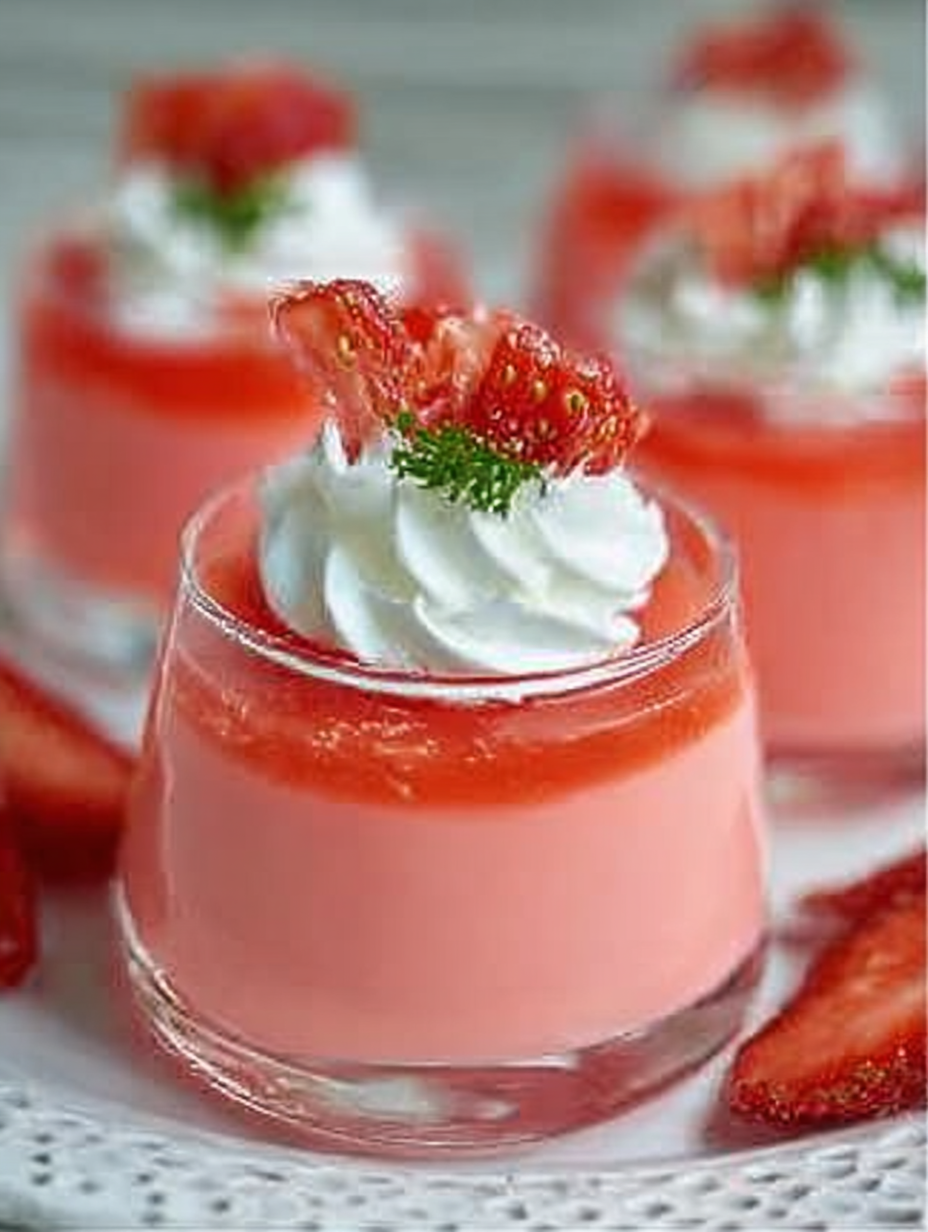
I needed a dessert that felt decadent but wasn’t a week’s worth of calories. My attempt to thicken a basic fruit puree with yogurt ended in a messy failure until I remembered the power of agar-agar. The result was this smooth, protein-packed Greek Yogurt Jello—a delightful surprise that genuinely tastes like a cloud.
There are moments in the kitchen that define your culinary journey. Sometimes it’s the monumental success of a complex dinner party dish, and sometimes, it’s the sheer relief of finding a dessert that tastes unbelievably good while also being ridiculously simple to make. For me, that moment of revelation centered around a desperate search for something light, creamy, and undeniably satisfying to curb those 3 p.m. snack attacks.
We’ve all been there: staring into the refrigerator, willing a virtuous but exciting treat to materialize. You want creamy richness, a slight tang, and maybe even a little bit of that satisfying “jiggle” factor, but you absolutely do not want processed sugar bombs or heavy cream consumption. My initial experiments resulted in soupy disasters that tasted vaguely of slightly spoiled fruit—not exactly the mood I was going for. I almost gave up and declared fruit salad the final word on healthy desserts.
But necessity, as they say, is the mother of invention, or in my case, the mother of aggressive ingredient scavenging. I had a colossal tub of Greek yogurt and a recently purchased bag of agar-agar powder, the magnificent plant-based gelling agent. I decided to combine the protein-heavy tang of the yogurt with the firm setting power of the agar-agar, aiming for a creamy consistency that still offered a pleasant, buoyant set texture. What emerged was a masterpiece of simplicity: a velvety, bright, and refreshing dessert that checked every single box. It was so easy, I felt slightly guilty calling it “cooking.” This delightful treat, often called Greek Yogurt Jello, quickly became the reigning champion of my snack rotation.
The Essential Ingredients for a Silky Smooth Set
The beauty of this recipe lies in its incredibly short ingredient list. You are working with foundational flavors that allow the rich creaminess of the yogurt to shine through. Don’t skimp on quality here; since there are so few components, each one plays a critical role in the final texture and taste. Using good quality, full-fat Greek yogurt yields the most luxurious, velvety result, mimicking the texture of a high-end mousse while offering a solid protein punch.
Gathering Your Supplies
Here is what you need to create this fantastic, light dessert that delivers maximum impact with minimal effort. Remember to use only plant-based gelling powder like agar-agar, as it provides a stable set without compromising any dietary preferences.
- Full-fat Greek Yogurt: 2 cups (Ensure it is plain and unsweetened for optimal control over flavor.)
- Light-colored Fruit Juice: 1.5 cups (Apple, white grape, or clear cherry juice work beautifully as a base.)
- Agar-Agar Powder: 2 teaspoons (This is the magical, shelf-stable gelling agent.)
- Natural Sweetener: 1/4 cup (Use honey, agave nectar, or maple syrup based on your preference.)
- Flavor Extract: 1 teaspoon (Pure vanilla powder is the classic choice.)
- Pinch of Salt: 1/8 teaspoon (A necessary addition to elevate the sweetness.)
Perfecting the Cooking Process
Start by blooming your gelling agent in cold liquid for five minutes; this is critical. While it sets, gently whisk the Greek yogurt and sweetener in a separate bowl. Once the gelling mixture boils and dissolves completely, quickly temper it into the creamy yogurt base to prevent clumping and ensure a silky finish.
Achieving the Perfect Jiggle
While this recipe is fundamentally straightforward, the transition from liquid to set dessert relies entirely on your handling of the agar-agar. Unlike traditional gelling agents that require minimal heat, agar-agar must reach a full, rolling boil for at least one minute to activate its full setting power. Skipping this step results in a tragically runny disappointment, which is exactly what we are trying to avoid after investing time and delicious Greek yogurt.
First, pour the fruit juice into a small saucepan and sprinkle the agar-agar powder evenly over the cold liquid. Let this rest for five minutes. This hydrating or “blooming” step allows the powder to absorb moisture evenly before cooking. Next, bring the mixture to a boil over medium-high heat, stirring constantly with a whisk. Once it begins to boil fiercely, reduce the heat slightly and continue to stir and simmer for a full minute to ensure complete dissolution. Remove it from the heat and let it cool slightly for about three to five minutes; you want it hot, but not boiling hot.
In a large mixing bowl, gently combine the Greek yogurt, sweetener, vanilla powder, and salt. Now comes the critical part: slowly stream the warm agar-agar liquid into the yogurt mixture while continuously whisking the yogurt vigorously. If you dump the hot liquid in too quickly, you risk shocking the yogurt, leading to a lumpy, grainy texture. Continuous, gentle whisking ensures the mixture emulsifies perfectly, resulting in that wonderfully smooth, uniform texture we crave in Greek Yogurt Jello. Pour the finished mixture into individual serving dishes, ramekins, or a single mold, then refrigerate for a minimum of four hours, though overnight is ideal.
Add Your Touch
Customize this creamy set treat effortlessly. Swap out honey for maple syrup for a vegan option, or replace the vanilla powder with alcohol-free almond extract for a nutty twist. For intense color and flavor, swirl in some blueberry or raspberry puree right before pouring the mixture into molds.
One of the true pleasures of this Greek Yogurt Jello recipe is its flexibility. It serves as a magnificent canvas for various flavors. If you’re preparing this for a dinner party, consider adding a layer of finely diced, fresh fruit to the bottom of the mold before pouring in the yogurt mixture. Chopped mango or finely sliced strawberries add beautiful color and a textural contrast to the smooth creaminess.
For those who love intense aroma, citrus zest is your friend. Zest of half a lemon or a full orange adds a zingy, bright note that cuts through the richness of the yogurt. Alternatively, if you want a subtle spice profile, stir in a quarter teaspoon of ground cardamom or cinnamon with the yogurt and sweetener before adding the warm liquid. The goal is to make this treat uniquely yours, so experiment fearlessly!
Expert Tips for Next-Level Greek Yogurt Jello
- Always whisk the agar-agar mixture vigorously while heating to ensure all powder dissolves completely, eliminating grainy texture issues.
- For perfect presentation, lightly spray your molds with cooking spray before pouring; this trick helps the delicate set dessert release cleanly.
- Ensure the Greek yogurt is at room temperature when mixing, otherwise, the hot agar-agar solution can shock it and cause unwanted lumps immediately.
My nephew, usually a chocolate purist, devoured three servings of this light, fruity creation, calling it “magic pudding.” That was the moment I knew this recipe had truly achieved dessert greatness.
Storing & Reheating
Store your finished Greek Yogurt Jello tightly covered in the refrigerator for up to four days. Freezing is strongly discouraged, as the texture breaks down dramatically upon thawing, resulting in a weeping, sad mess. Always serve chilled straight from the fridge for the best, firm texture.
Because this dessert relies on the delicate structure provided by the gelling agent and the fat content of the yogurt, it should only be stored cold. If you need to transport the dessert, ensure you keep it in a cooler with ice packs; prolonged exposure to room temperature will cause the set structure to weaken significantly. If you are prepping ahead for guests, the set dessert can be prepared fully three days in advance, allowing you to focus on other parts of your meal preparation.
Conclusion for Greek Yogurt Jello
The Greek Yogurt Jello recipe proves that satisfying, creamy desserts don’t have to be complicated or heavy. By utilizing the incredible setting power of agar-agar alongside the protein-rich tang of Greek yogurt, we create a treat that is equally sophisticated and simple. Remember the key techniques: fully dissolving the gelling agent and tempering it gently into the yogurt base. This versatile, vibrant dessert is perfect for meal prep, casual snacking, or an elegant finish to any dinner. Grab your whisk, trust the process, and get ready to enjoy a cloud-like confection that will instantly brighten your day.
Print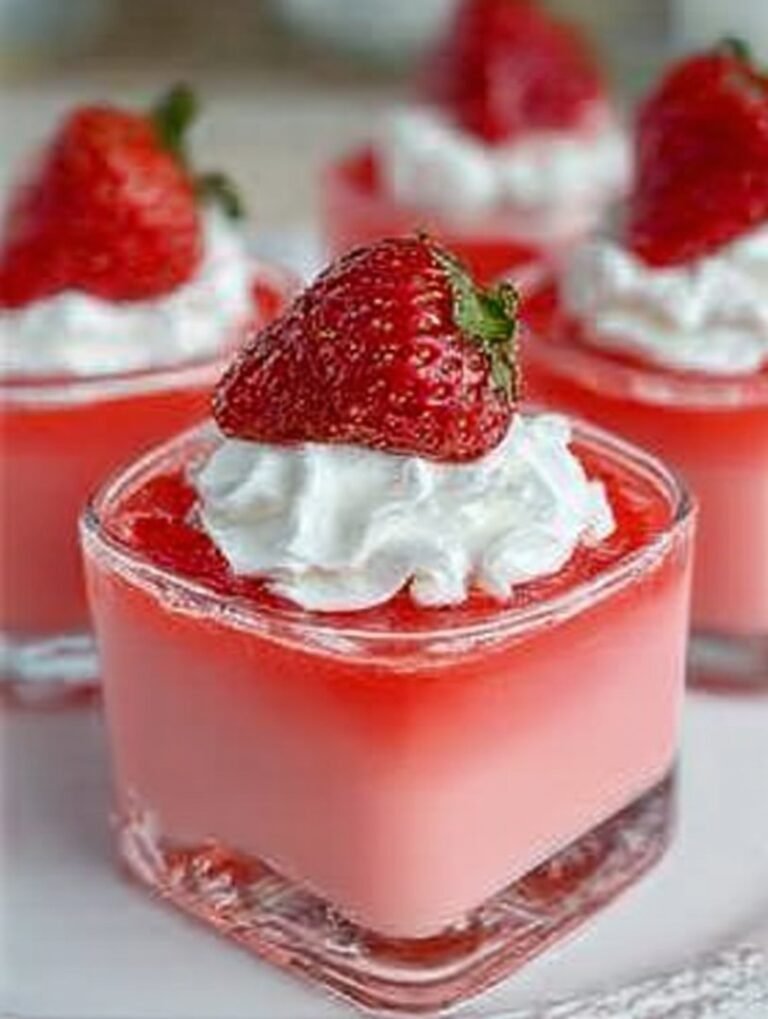
Greek Yogurt Jello
Achieve cloud-like, tangy dessert perfection! Our Greek Yogurt Jello recipe blends jiggly fruit flavor with rich, creamy Greek yogurt. Follow the step-by-step instructions for cooling and combining.
- Total Time: 35 minutes
- Yield: 4 servings 1x
Ingredients
- 1 (3 oz) box flavored Jell-O mix (any flavor)
- 1 cup boiling water
- 1/2 cup cold water (or cold milk for a creamier texture)
- 1 1/2 cups plain Greek yogurt (full-fat or 2%)
- 1/4 cup granulated sugar (or honey, adjusted to taste)
- 1 teaspoon vanilla bean paste
- 1 tablespoon fresh lemon juice
- Non-stick cooking spray (for the mold)
Instructions
- Step 1: Lightly coat an 8×8 inch baking dish or a decorative jello mold with non-stick cooking spray. In a heatproof mixing bowl, pour the Jell-O mix powder and 1 cup of boiling water, stirring vigorously until the powder is completely dissolved (about 2 minutes).
- Step 2: Allow the dissolved Jell-O mixture to cool slightly at room temperature for about 10 minutes, ensuring it is still warm but not boiling hot. Meanwhile, in a separate large bowl, whisk together the Greek yogurt, granulated sugar, alcohol-free vanilla extract, and lemon juice until smooth and well combined.
- Step 3: Gradually stream the 1/2 cup of cold water (or milk) into the slightly cooled Jell-O mixture, stirring constantly. This cools the carrageenan further without causing clumping when combined with the cold yogurt.
- Step 4: Slowly pour the cooled Jell-O mixture into the Greek yogurt mixture, whisking continuously until the mixture is uniform, light pink (or based on the flavor used), and creamy without any streaks of plain yogurt remaining. This mixture will be much thicker and opaque than traditional Jell-O.
- Step 5: Carefully pour the creamy yogurt Jell-O mixture into the prepared mold or baking dish. Refrigerate uncovered for 1 hour, then cover and chill for a minimum of 4 hours, or preferably overnight, until the jello is completely firm and set.
Notes
- Store any leftovers tightly covered in the refrigerator for up to 5 days, though the ideal texture is best achieved when consumed within the first 72 hours.
- As this is a chilled dessert, avoid letting it sit at room temperature for longer than 20 minutes; for easiest un-molding, briefly dip the bottom of the mold into warm water just before inverting.
- For an elegant finish, serve individual slices topped with fresh, tart berries (like raspberries or chopped kiwi) and perhaps a whisper of citrus zest to complement the lemon juice already in the base.
- To guarantee a perfectly smooth set, always stream the slightly cooled Jell-O mixture into the yogurt very slowly while whisking continuously to prevent the cold Greek yogurt from seizing up or becoming grainy.
- Prep Time: 15 minutes
- Cook Time: 20 minutes
- Method: Stovetop
- Cuisine: American




Leave a Comment