

The holiday season demands something truly decadent for breakfast, something that screams ‘celebration’ without requiring a full day of cooking. Forget the boring toast; we are diving headfirst into the creamy, nutmeg-laced magic ofHoliday Eggnog French Toast. This recipe transforms ordinary brioche into a fluffy, spiced masterpiece that tastes exactly like a festive morning hug. I first made this disaster-proof recipe after realizing my ambitious attempt at gingerbread house construction ended in sticky, sugary ruin—I needed a quick, comforting win, and this delightful eggnog infusion delivered.
- This recipe offers an unbelievably creamy texture combined with warm winter spices, achieving a luxurious, dessert-like flavor profile.
- Preparation is remarkably swift, requiring minimal fuss and simple ingredients readily available during the bustling holiday season.
- The golden-brown exterior and snowy powdered sugar finish create a visually stunning dish perfect for festive brunch photographs and presentations.
- You can easily scale this recipe up or down, making it versatile enough for intimate family breakfasts or large holiday gatherings.
Ingredients for Holiday Eggnog French Toast
Here’s what you’ll need to make this delicious dish:
- Thick-Cut BreadUse Challah, Brioche, or even Texas toast to ensure the bread holds up beautifully against the rich eggnog custard without dissolving.
- EggnogChoose a high-quality, creamy eggnog, ensuring it is non-alcoholic to maintain the perfect consistency and flavor balance.
- Large EggsThese are essential for binding the custard and helping achieve that desirable golden crust and fluffy interior texture.
- Ground Nutmeg and CinnamonA necessary spice duo that enhances the seasonal flavor profile and pairs perfectly with the creamy base.
- Vanilla PowderUse pure vanilla to deepen the overall flavor complexity, adding a sweet aromatic note to the batter.
- Brown SugarA small amount mixed into the custard helps create a beautiful caramelization when the toast hits the hot griddle.
- Butter or Neutral OilNeeded for cooking the toast, ensuring a crisp exterior and preventing sticking to the pan or griddle surface.
- Optional ToppingsConsider powdered sugar, pure maple syrup, or a dollop of whipped cream for a magnificent finish.
The full ingredients list, including measurements, is provided in the recipe card directly below.
How to Make Holiday Eggnog French Toast
Follow these simple steps to prepare this delicious dish:
- Prepare the Custard BathIn a shallow dish or baking pan, vigorously whisk together the eggnog, large eggs, vanilla powder, brown sugar, cinnamon, and nutmeg until the mixture is smooth and uniform.
- Soak the Bread SlicesGently place the thick-cut bread slices into the eggnog mixture, allowing them to soak for 30 seconds on each side. Ensure the bread is fully saturated but not soggy, which is the secret to fluffy french toast.
- Preheat the GriddleHeat a large griddle or frying pan over medium heat, applying a thin layer of butter or neutral oil. The griddle is ready when a drop of water sizzles instantly but doesn’t immediately evaporate.
- Cook to Golden PerfectionPlace the soaked slices onto the hot griddle, ensuring they have plenty of space. Cook for 3 to 4 minutes per side, until they achieve a deep golden-brown color and the center feels set.
- Keep Warm and ServeOnce cooked, transfer the french toast to a wire rack set over a baking sheet in a warm oven (about 200°F or 95°C) while you finish the remaining slices.
Transfer to plates, dust generously with powdered sugar, and serve immediately alongside warm maple syrup for the perfect finishing touch.
Why This Seasonal French Toast Recipe Is a Must-Try
There is a specific kind of morning ritual that only happens when the calendar flips to December, and it involves heavy blankets, the scent of pine, and the desperate need for comfort food. Standard French toast is great, sure, but it lacks that essential sparkle. When you introduce eggnog, you elevate the experience from breakfast staple to holiday event.
We infuse the bread with the creamy, spiced richness of the season, transforming simple toast into something deeply satisfying. Unlike complicated holiday baking projects, this recipe is fast, requiring minimal effort but delivering maximum flavor impact. Imagine waking up to that aroma—nutmeg, cinnamon, and vanilla wafting through the house—guaranteed to get even the grumpiest teenager out of bed. The secret lies in the quality of your eggnog and the thickness of your bread. Don’t skimp on either. A watery eggnog results in sad, thin French toast, and thin bread turns mushy before it hits the pan. Treat this dish with the respect it deserves, and it will reward you with unparalleled fluffiness.
Choosing the Best Bread for Festive Flavor
The bread selection is arguably the most crucial decision you will make when preparing outstanding french toast, especially when dealing with a rich, heavy custard like our spiced eggnog mixture. You need a bread that acts less like a sponge and more like a sturdy, slightly reluctant vessel. I recommend steering clear of standard sandwich bread entirely; it simply cannot handle the moisture saturation required for that perfect, gooey interior.
Challah, with its tight crumb and slight sweetness, is an absolute star. Brioche, buttery and rich, is another fantastic option that provides unparalleled richness. If you can find it, look for slices that are at least one inch thick. If your bread is fresh, consider drying it out slightly by leaving the slices exposed overnight, or briefly toasting them in a low oven. This minor step helps the bread absorb the eggnog mixture without completely falling apart under the heat of the griddle, ensuring a beautifully crisp exterior while maintaining a moist, tender center.
Troubleshooting Common French Toast Errors
Even a seemingly straightforward recipe like this spiced french toast can encounter roadblocks. I learned this the hard way one year when I tried to rush the soaking process, resulting in slices that were cold and wet on the inside, yet burned on the outside. We’ve all been there—standing over a smoking pan, wondering where we went wrong. Usually, the issue boils down to temperature management and custard consistency.
Avoiding Soggy Centers and Burnt Edges
The number one mistake people make is setting the heat too high. A fierce flame might seem like the fastest way to get breakfast ready, but it guarantees a French toast disaster. High heat cooks the outside rapidly, forming a dark, crunchy crust before the creamy eggnog custard has a chance to set in the center. Always use medium heat. If your griddle is the correct temperature, you should hear a gentle sizzle when the toast touches the surface, not a violent crackle. If you notice your slices browning too fast, move them to a cooler part of the griddle or temporarily reduce the heat. Patience truly pays off here.
The soak time is also critical. If you soak the bread for too long, say five minutes per side, the cell structure of the bread breaks down, resulting in mush that can’t be flipped. Remember, 30 seconds per side is the golden rule for thick bread. If you are using thinner slices, reduce that to 15 seconds. The key is to achieve saturation without structural failure, giving you that delightful contrast between the crispy edges and the soft, warm interior of theHoliday Eggnog French Toast.
Creative Serving Suggestions and Pairings
While this french toast is magnificent all on its own, the holiday season is the perfect time to go overboard on toppings. Think beyond the standard maple syrup—though quality maple syrup is certainly mandatory—and explore flavor pairings that enhance the nutmeg and cinnamon already present in the dish.
Adding Festive Flavors
- Cranberry Compote:A tart, slightly sweet homemade compote cuts through the richness of the eggnog and provides a beautiful contrast in color and flavor. Use a splash of orange juice for brightness when cooking the cranberries.
- Spiced Pecans or Walnuts:Toasting nuts with a bit of brown sugar and extra cinnamon adds crunch and depth. Scatter these generously over the warm french toast.
- Cream Cheese Glaze:Whisk together softened cream cheese, powdered sugar, and a touch of milk for a quick, tangy frosting that drizzles perfectly over the warm slices.
- Fresh Fruit Medley:While tropical fruits might feel out of place, winter berries like raspberries or strawberries, when slightly warmed, are fantastic complements.
For savory elements, consider serving the french toast alongside perfectly pan-seared chicken sausages or crispy slices of turkey beef bacon. The salty, savory protein balances the sweetness of the breakfast beautifully, creating a more well-rounded and satisfying holiday brunch plate. A hot mug of spiced apple cider or strong coffee completes the tableau.
Make-Ahead Tips for Stress-Free Entertaining
The holidays are supposed to be joyous, but often they become a marathon of complicated cooking schedules. One major benefit of mastering French toast preparation is the ability to handle much of the work ahead of time. This ensures you spend your festive morning enjoying your company, not frantically flipping bread.
Can I Soak the Bread Overnight?
This is a common question, and the answer is usually no. Soaking the bread overnight, particularly in a liquid as dense as eggnog, almost guarantees mushy bread. However, you can make the custard base itself up to 24 hours in advance. Whisk the eggnog, eggs, and spices together, cover it tightly, and store it in the refrigerator. When you wake up, simply pour the prepared custard into your shallow dish and proceed with the soaking and cooking steps. This simple preparation adjustment saves crucial minutes when you are dealing with early risers eager for theirHoliday Eggnog French Toastbreakfast.
Alternatively, you can fully cook the french toast, allow it to cool completely on a wire rack, and then freeze the individual slices. To reheat, arrange the frozen slices on a baking sheet and bake at 350°F (175°C) for 10-15 minutes, or until warmed through and crisp on the edges. They won’t be quite as fresh as straight off the griddle, but they are a phenomenal time-saver when hosting a crowd.
Frequently Asked Questions About Eggnog French Toast
What kind of eggnog should I use for the best results?
Always opt for a full-fat, creamy eggnog. Since the flavor is central to the dish, choose a brand you genuinely enjoy drinking. Ensure the product is pure dairy and egg-based, without any additives that might thin the custard unnecessarily.
My French toast is sticking to the pan, what should I do?
Sticking usually indicates either insufficient fat or low heat. Ensure you apply a fresh, thin layer of butter or oil between batches. If using butter, watch carefully to prevent it from burning. If you still encounter sticking, raise the heat slightly, as a pan that is too cool can also cause adhesion problems.
Can I make this recipe dairy-free?
While traditional eggnog is dairy-based, many excellent plant-based eggnog alternatives made from oat or almond milk are now available. Ensure the texture is thick enough to mimic traditional eggnog, and proceed with the recipe as written for a successful, flavorful outcome.
What is the difference between French toast and Pain Perdu?
The term “Pain Perdu” translates to “lost bread” and historically referred specifically to the method of using stale or day-old bread to revitalize it. While modern French toast recipes often use fresh bread, the core concept of soaking and frying remains the same, making them essentially interchangeable terms in current culinary use.
How do I get the perfect golden-brown color?
The perfect color comes from medium heat and the sugar content in the custard. The brown sugar in the recipe helps promote caramelization. If you want an even deeper color, briefly toss the cooked toast in a mix of cinnamon and granulated sugar immediately upon removing it from the griddle.
There you have it—your foolproof guide to creating the most memorable and deliciously spiced holiday breakfast. ThisHoliday Eggnog French Toastis truly the easiest path to festive morning glory.
The Great Holiday Breakfast Gambit
The holidays bring immense joy, endless carols, and, inevitably, the pressure to create a breakfast that feels truly momentous. Forget the boring pancakes! We are talking about a dish so luxurious, so spiced, and so outrageously delicious that it justifies wearing pajamas until noon. I spent years trying to perfect the ultimate festive morning meal, and honestly, the answer was sitting right in my refrigerator, disguised as a carton of creamy, nutmeg-laced joy: eggnog.
If you have ever stared wistfully at that carton, wondering if it could be more than just a beverage (perhaps a vehicle for carbohydrate delivery?), you are in the right place. Transforming standard French toast intoHoliday Eggnog French Toastis not just a recipe upgrade; it is a spiritual awakening for your taste buds. This isn’t thin, floppy bread; this is thick, custardy, golden perfection, ready to be showered in maple syrup and dusted with holiday cheer.
The Secrets to Truly Custardy French Toast
The biggest mistake people make is using bread that is too soft or rushing the soak. Think of your bread like a sponge that needs to fully hydrate with that glorious eggnog mixture. We need structure, thickness, and patience. My secret? Brioche or challah, cut exceptionally thick—about an inch and a half. These breads offer the necessary backbone to absorb the rich batter without disintegrating into a sad, eggy mess when they hit the griddle.
When creating the batter, we ditch the extra dairy usually needed in classic recipes, because the eggnog already provides the perfect balance of cream, sugar, and spice. A touch of extra vanilla and maybe a sneaky pinch of cinnamon boosts that festive flavor profile, guaranteeing every bite tastes like a winter wonderland explosion. Trust me, your kitchen will smell so good, neighbors might attempt a polite B&E (Breakfast & Entry).
The Essential Ingredients List (The Naughty and Nice)
Gathering your ingredients is the first step toward breakfast glory. Make sure your eggnog is high quality, as it forms the very soul of this festive creation.
For the Holiday Eggnog French Toast
- 1 loaf of day-old brioche or challah bread, sliced 1.5 inches thick (about 8 slices)
- 2 cups rich, spiced eggnog (dairy or non-dairy, but make sure it’s thick)
- 2 large eggs
- 1 teaspoon pure vanilla powder
- 1/2 teaspoon ground nutmeg
- 1/4 teaspoon ground cinnamon
- 2 tablespoons granulated sugar
- 3 tablespoons unsalted butter, or clarified butter/ghee, for cooking
For Toppings and Festive Flourishes
- Maple syrup (the real stuff, please)
- Powdered sugar, for dusting (essential for that fresh snow effect)
- A sprinkle of candied pecans or walnuts
- A dollop of whipped cream or plant-based alternative
Step-by-Step Instructions: Achieving Golden Glory
The cooking process for this decadent breakfast is surprisingly straightforward, provided you follow the golden rule: low and slow is the way to go. We are aiming for a deep, golden-brown crust and a thoroughly cooked, custardy interior. Rushing it results in a burnt exterior and a cold, soggy center—a tragedy we must avoid.
Preparation: The Soaking Ritual
- Slice the bread into those glorious 1.5-inch slabs. If you are using very fresh bread, lightly toast the slices in a 300°F oven for five minutes to dry them out slightly; this prevents immediate sogginess.
- In a shallow dish or pie plate, whisk together the eggnog, eggs, vanilla powder, nutmeg, cinnamon, and granulated sugar until the mixture is completely uniform and slightly frothy.
- Submerge the brioche slices into the batter. This is where patience comes in! Allow them to soak for at least 30 seconds per side. If the bread is dry (day-old bread), let it soak for up to a minute per side. The goal is saturation, not disintegration.
The Cooking Sequence
- Preheat your griddle or large frying pan over medium heat. Add 1 tablespoon of butter. Wait until the butter melts and the foam subsides slightly; the pan is ready when a drop of water evaporates immediately.
- Carefully lift the soaked bread from the batter, letting any excess drip off. Place the slices onto the hot griddle, ensuring they do not crowd the pan. Cook in batches if necessary. Crowding lowers the pan temperature and leads to steaming rather than searing.
- Cook theHoliday Eggnog French Toastfor 3 to 5 minutes per side, or until deeply golden brown and cooked through. If the exterior browns too quickly, reduce the heat immediately. The interior should feel slightly firm when lightly pressed.
- Remove the finished slices to a wire rack set over a baking sheet, and place them in a low oven (around 200°F) to keep warm while you finish the remaining batches, adding more butter as needed.
- Serve immediately, topped generously with powdered sugar, maple syrup, and your favorite festive trimmings.
This recipe consistently delivers a rich, flavorful start to any holiday morning. The spices permeate the bread perfectly, creating an undeniable festive aroma that instantly elevates the mood. It is comfort food at its absolute peak, and it is a guaranteed crowd-pleaser, even for those who claim they are “not breakfast people.” (They just haven’t met the right French toast yet.)
Perfecting the Cooking Process
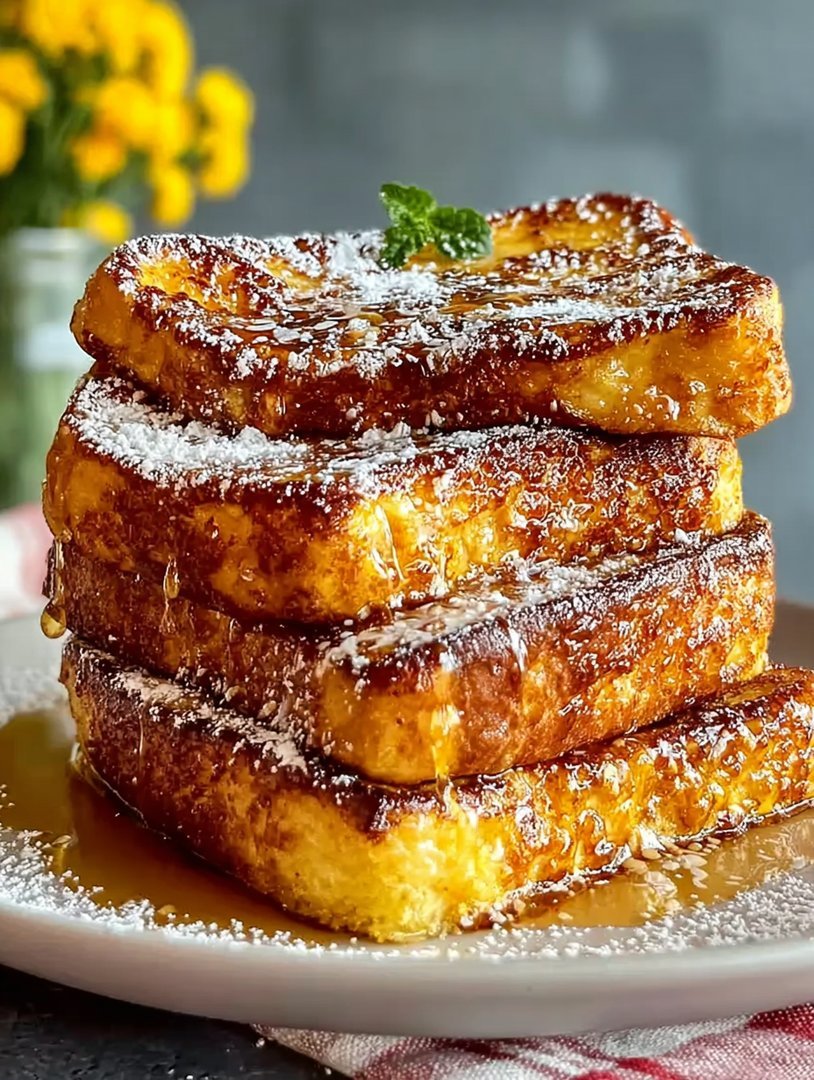
Initiate the process by slicing and soaking the bread first, guaranteeing maximum flavor absorption. Cook the slices in batches using medium-low heat and fresh butter for each round to achieve that flawless, golden crust without burning, keeping finished pieces warm in a low oven while preparing the remaining French toast.
Add Your Touch
Elevate the dish by replacing plain sugar with brown sugar for a deeper molasses note. If you seek texture, fold finely chopped pecans or slivered almonds into the eggnog batter before soaking. For a tangy twist, drizzle a homemade cranberry reduction over the finishedHoliday Eggnog French Toastinstead of standard syrup.
Storing & Reheating
Store leftover French toast slices in an airtight container in the refrigerator for up to three days. For the best quality, reheat them in a toaster oven or air fryer at 350°F (175°C) for 5-7 minutes until they are heated through and the edges are crispy again, avoiding the microwave to prevent sogginess.
My grandmother once tried this recipe and immediately declared it the only French toast worth setting an alarm for. It quickly became the mandatory Year-End Celebration morning staple, overshadowing even the main event brunch!
Chef’s Essential Tips for Perfect French Toast
- Always use day-old bread, or lightly toast fresh bread beforehand; this prevents the slices from dissolving into mush when absorbing the rich eggnog batter.
- Ensure your griddle or pan maintains a steady medium-low temperature; cooking too quickly results in raw custard inside and scorched bread outside, wasting the delicious soak.
- Do not skip the wire rack when holding the cooked French toast; stacking them immediately leads to condensation, which destroys the crisp exterior you worked so hard to achieve.
Frequently Asked Questions About Holiday Eggnog French Toast
What is the best type of eggnog to use for this recipe?
Look for a thick, premium full-fat eggnog, whether dairy or non-dairy. The richness of the liquid is crucial as it creates the thick, custardy texture inside the bread when cooked, mimicking the density of heavy cream.
Can I prepare the batter ahead of time?
Absolutely! You can whisk the eggnog batter together and store it in the refrigerator for up to 24 hours. However, wait to soak the bread until you are ready to cook, or the slices may become too soft and break apart.
Can I bake this instead of frying it on the griddle?
Yes, you can turn this into a festive casserole or “bake.” Arrange soaked bread slices snugly in a buttered baking dish. Bake at 375°F (190°C) for 20–25 minutes until puffed, golden, and fully set in the middle, achieving a slightly firmer structure.
How do I make sure the French toast is cooked through without burning?
The key is temperature control. Use a medium-low heat setting. If the edges are browning rapidly, your pan is too hot. Reduce the heat and cover the pan briefly during the last few minutes of cooking to help the internal custard set without over-browning the crust.
This festive breakfast staple is more than just food; it is an experience, a memory in the making, and a guaranteed way to start any chilly morning right. Go forth and conquer your kitchen, armed with thick slices of bread and copious amounts of spiced eggnog. Your holiday mornings will never be the same again. Happy cooking!
Conclusion for Holiday Eggnog French Toast
Mastering this simple recipe forHoliday Eggnog French Toasttransforms a standard weekend breakfast into a truly magical winter experience. We discovered the secrets to success: selecting the right foundation—sturdy brioche or challah—and perfecting the creamy eggnog custard consistency. Remember that the ultimate trick lies in a swift soak and a sufficiently hot pan to avoid a sad, soggy outcome. Whether you are hosting a festive holiday brunch or simply indulging in a quiet morning treat by the fire, this easy, yet decadent recipe delivers incredible warmth, spice, and seasonal indulgence in every single bite. Go ahead, fill your kitchen with the irresistible aroma of nutmeg and cinnamon, and savor the most luxurious breakfast of the season. (132 words)
Print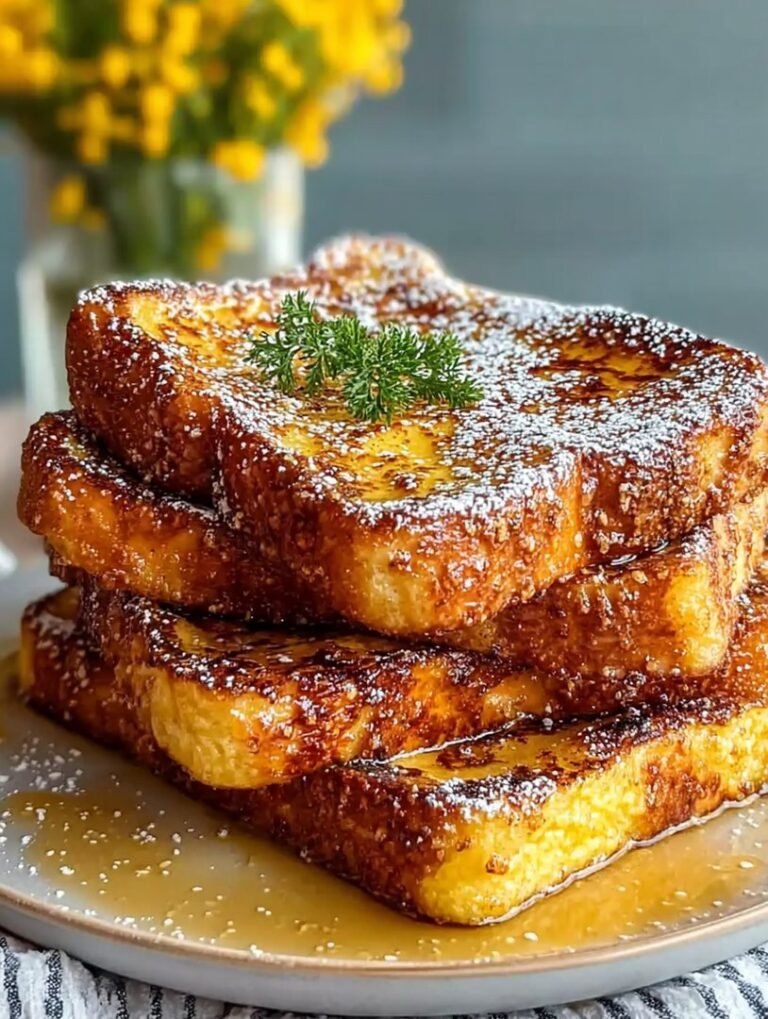
Holiday Eggnog French Toast
Elevate your festive brunch! This Eggnog French Toast uses brioche soaked in rich eggnog and nutmeg, pan-griddled to perfection. Full recipe steps & nutrition available.
- Total Time: 35 minutes
- Yield: 4 servings
Ingredients
- Thick-cut bread (e.g., brioche or challah): 6 slices
- Prepared Eggnog: 1 cup
- Large Eggs: 3
- Ground Cinnamon: 1 teaspoon
- Ground Nutmeg: 1/2 teaspoon
- Vanilla Bean Paste: 1 teaspoon
- Unsalted Butter (for cooking): 2 tablespoons
Instructions
- Step 1: Prepare the Custard Mixture. In a wide, shallow dish (such as a pie plate), whisk together the eggs, eggnog, ground cinnamon, ground nutmeg, and vanilla powder until the mixture is smooth and well combined.
- Step 2: Preheat Griddle and Soak Bread. Heat a large skillet or griddle over medium heat. Melt approximately 1 tablespoon of butter on the cooking surface. Dip each slice of bread into the eggnog mixture for about 15-20 seconds per side, ensuring it is thoroughly coated but not overly saturated.
- Step 3: Cook the French Toast. Place the soaked slices onto the preheated griddle, ensuring not to overcrowd the pan. Cook for 3 to 4 minutes per side, or until the exterior is golden brown and the center is cooked through.
- Step 4: Repeat and Maintain Heat. Add the remaining butter to the griddle as needed, and repeat the dipping and cooking process with the remaining slices of bread.
- Step 5: Serve Immediately. Transfer the finished Holiday Eggnog French Toast to plates, dust with powdered sugar, and serve warm with maple syrup or whipped cream, if desired.
Notes
- Store any cooled leftovers in an airtight container, separated by parchment paper, and keep refrigerated for up to 3 days to prevent sticking and moisture buildup.
- To restore the desirable crisp exterior, reheat slices briefly in a toaster oven or on a wire rack in a conventional oven at 350°F (175°C) until warm throughout.
- Enhance the holiday flavor profile by topping the warm French toast with a sprinkle of fresh orange zest or a drizzle of spiced rum extract caramel sauce.
- Ensure you use thick-cut bread (at least 1 inch) and stick closely to the 15-20 second soak time; overly saturated thin bread will fall apart, while under-soaked thick slices will have a dry center.
- Prep Time: 15 minutes
- Cook Time: 20 minutes
- Method: Stovetop
- Cuisine: American
FAQs
Can I prepare Holiday Eggnog French Toast the night before serving?
Yes, you absolutely can prep yourHoliday Eggnog French Toastmixture ahead of time. Mix your custard, soak the bread slices briefly—aim for about five minutes per side—and then arrange them on a wire rack situated over a baking sheet. Cover this tightly and refrigerate the sheet overnight. This strategy allows the festive flavors to deeply penetrate the bread without causing sogginess. In the morning, you simply transfer the prepped slices directly to the hot skillet or griddle. This technique is perfect for maximizing precious time on stress-free holiday mornings when you want a minimal effort breakfast with maximum festivity. (108 words)
What type of bread works best for absorbing the rich eggnog custard?
The choice of bread dramatically impacts the success of your festive French toast creation. We highly recommend using thick-cut slices of brioche or challah, ideally sliced about an inch thick. These enriched loaves possess the necessary internal structure and density to effectively absorb the rich eggnog custard without dissolving during the cooking process. If brioche or challah proves difficult to find, slightly stale French bread or thick Texas toast are also excellent alternatives. Selecting a sturdier bread prevents a disappointingly soggy middle and reliably ensures you achieve a delightfully crisp, golden exterior when fried. (104 words)
Why did my finished Holiday Eggnog French Toast turn out soggy?
If your final product is too watery or soggy, the most common culprits are soaking the bread for too long, or using a cooking surface that wasn’t adequately hot. When preparingHoliday Eggnog French Toast, utilize a thick bread and restrict soaking time to a quick dip, allowing only the surface to fully absorb the liquid, leaving the center slightly firm. Crucially, ensure your pan is piping hot before adding the slices. Cooking over medium-high heat allows the exterior to rapidly caramelize and seal, preventing internal moisture from escaping and guaranteeing a beautifully crisp finish. (110 words)
How can I adjust the eggnog batter if it seems too thin to coat the bread properly?
If you find that your eggnog mixture is too thin—a common occurrence, especially when using low-fat eggnog varieties—you can easily adjust the consistency to ensure excellent coating. Try whisking in an extra egg yolk or incorporating a small teaspoon of cornstarch, or arrowroot powder, into the batter before you begin soaking the bread. This simple addition significantly boosts the mixture’s binding power, preventing the liquid from weeping out during cooking and resulting in a much richer, creamier internal texture. A slightly thicker coating also tremendously helps in achieving that desirable, uniform golden-brown crust. (106 words)



Leave a Comment