

Forget the dry, disappointing roasts of your childhood. We’re embarking on a mission to create the coziest, most profoundly satisfying meal imaginable—the truly spectacular, fall-apartHomemade Apple Cider beef Roast.
The moment this slow-cooked magic starts bubbling, the aroma will convince your neighbors that you secretly hired a professional chef, wafting notes of sweet, tangy apple and savory herbs throughout the entire house.
- Deep, savory beef flavors are balanced perfectly by the crisp, slightly tart sweetness of a concentrated apple cider reduction, providing an unforgettable depth.
- This recipe uses a simple set-it-and-forget-it slow cooking approach, guaranteeing exceptionally tender, fall-apart results with minimal active preparation time.
- The final presentation is a beautiful, richly browned roast blanketed in a glossy, herb-infused gravy that elevates this dish for any special gathering.
- It is ideal for feeding large family gatherings or easily prepping satisfying weekly meals, pairing beautifully with creamy mashed potatoes or roasted root vegetables.
The Secret to a Fall-Apart Tender Beef Roast
There is a specific kind of magic that happens when you pair a tough cut of meat with a slightly acidic liquid and an entire afternoon of slow, gentle heat. This process isn’t just cooking; it’s an act of culinary demolition, where all the rigid connective tissues in the beef surrender, transforming the hunk of meat into something you can literally cut with a spoon. If you’ve ever served a roast that required a chain saw, you know exactly why we need this strategy.
The secret lies primarily in selecting the right cut. We are looking for beef chuck roast or beef shoulder. These cuts are inherently marbled and contain plenty of collagen, which melts down into that beautiful, glossy carrageenan when braised slowly. If you use a lean cut, like sirloin, you’ll end up with shoe leather, no matter how much apple cider you bathe it in. Trust the chuck; it knows what it’s doing.
The second, and perhaps most crucial, component is the braising liquid. While traditional pot roasts often rely solely on beef broth, the inclusion of apple cider is what separates this dish from the mundane. The natural tannins and malic acid present in the cider act as gentle tenderizers, helping the collagen break down even faster, all while imparting a subtle, non-overpowering sweetness that complements the robust beef flavor perfectly. It creates a rich, nuanced gravy that truly captures the essence of autumn comfort food.
Why Apple Cider, Not Just Broth?
Many home cooks hesitate to introduce fruit components into savory braises, fearing the result will taste too much like dessert. However, quality apple cider—the cloudy, unfiltered kind—is far from simple juice. When reduced and slow-cooked for hours, the cider’s volatile flavor compounds mellow out, leaving behind a complex backbone of earthy sweetness and slight tartness. This acidic edge is vital for breaking down the fibrous muscle tissues in the roast, ensuring maximum tenderness.
We combine the cider with robust beef broth to provide a foundation of savory depth. The resulting liquid isn’t sweet; it’s savory, bright, and incredibly complex. It achieves that coveted balance that makes a good pot roast truly addictive. Plus, the deep caramelization achieved during the searing process means we’ve already built a layer of umami that stands up beautifully to the cider’s brightness. This method ensures that every bite of theHomemade Apple Cider beef Roastis deep, comforting, and perfectly balanced.
Preparation Strategies for Maximum Flavor
Creating an iconic pot roast involves more than just dumping everything into a slow cooker and walking away. While the cooking time is forgiving, the preparation stages are mandatory if you want restaurant-quality depth. Think of the preparation as setting the stage for the nine-hour show. If the actors (your beef and aromatics) aren’t ready, the performance falls flat.
Achieving That Perfect Crust (The Searing Stage)
Searing is not optional. I repeat, searing is not optional. If you skip this step, you are sacrificing hundreds of flavor compounds that are essential to a rich gravy. The Maillard reaction—that magical chemical process that turns brown food delicious—only happens at high heat. Pat the beef thoroughly dry with paper towels before you attempt to sear it. Moisture is the enemy of browning, and wet beef will steam instead of caramelize.
Heat a heavy-bottomed Dutch oven or roasting pan over high heat with a tablespoon or two of high smoke point oil, like vegetable or canola oil. Once the oil is shimmering and just starting to smoke, carefully place the seasoned beef into the pot. Do not touch it for at least four minutes. Seriously, resist the urge to peek or move it. This patience is rewarded with a dark, crusty mahogany color that locks in moisture and provides the foundational flavor notes for your entire roast. Sear all sides until beautifully browned.
Building the Aromatic Foundation
Once the beef is beautifully crusted, remove it and set it aside. This is the moment to introduce your supporting cast: the aromatics. Sautéing onions, carrots, and celery in the remaining beef drippings softens them and helps them release their natural sugars, adding another layer of flavor before the slow cooking begins. Add a generous amount of garlic and fresh herbs like rosemary and thyme toward the end of this sautéing process, only cooking them until fragrant, about 60 seconds. This avoids burning the garlic, which would turn bitter and ruin the subtle, comforting profile of the slow-braised beef.
The vegetables and herbs create a fragrant bed for the beef to rest upon, ensuring that the flavors infuse evenly throughout the entire cooking process. If you want to include potatoes, add heartier types like Yukon Golds or Russets halfway through the braising time so they don’t turn into complete mush, especially if you are aiming for presentation perfection alongside the juicy, tender autumn pot roast.
Ingredients for Homemade Apple Cider beef Roast
Here’s what you’ll need to make this delicious dish:
- Beef Chuck RoastSelect a 3 to 4-pound cut with good marbling; this ensures the roast remains incredibly tender and juicy during the long braise.
- Apple Cider (Unfiltered)Use high-quality, unfiltered cider for the best flavor depth; the acidity is essential for breaking down tough muscle fibers.
- Beef BrothOpt for a low-sodium beef broth to control the overall saltiness since the liquid will reduce significantly during cooking.
- Yellow Onions, Carrots, and CeleryThe classic mirepoix base provides the essential savory foundation for the roast; chop them coarsely.
- Fresh HerbsA mixture of whole sprigs of fresh thyme and rosemary enhances the rustic, earthy flavor profile; bundle them together for easy removal.
- Flour or CornstarchUsed at the end of the cooking process to thicken the remaining braising liquid into a rich, luscious gravy.
- GarlicUse whole cloves, smashed lightly, to infuse the liquid deeply without overpowering the delicate apple notes.
- Browning OilA high smoke point oil like canola or grapeseed is necessary for achieving a deep, dark sear on the beef.
The full ingredients list, including measurements, is provided in the recipe card directly below.
How to Make Homemade Apple Cider beef Roast
Follow these simple steps to prepare this delicious dish:
-
Prepare and Sear the Beef
Preheat your oven to 325°F (160°C). Pat the beef chuck roast completely dry and season all sides generously with salt and black pepper. Heat 2 tablespoons of oil in a heavy-bottomed Dutch oven over high heat. Sear the beef until a deep brown crust forms on all sides (about 4 minutes per side), then remove the roast and set it aside.
-
Sauté Aromatics and Deglaze
Reduce the heat to medium. Add the chopped onions, carrots, and celery to the pot and sauté for about 5 to 7 minutes until they begin to soften. Add the smashed garlic, rosemary, and thyme, cooking for one additional minute until fragrant. Pour in a splash of the beef broth or cider to scrape up any browned bits from the bottom of the pot, incorporating all the flavor into the base.
-
Combine Braising Liquids
Return the beef to the pot, nestling it down among the vegetables. Pour in the remaining beef broth and the apple cider, ensuring the liquid covers at least two-thirds of the beef. If necessary, add a little more broth to meet this level. The total volume of liquid should allow for significant evaporation during the long cooking time.
-
Slow Cook to Perfection
Place the lid securely on the Dutch oven and transfer it to the preheated oven. Allow the roast to cook slowly for 3.5 to 4 hours, or until the beef is profoundly tender and easily shreds with a fork. Flip the roast gently halfway through the cooking time to ensure even moisture distribution.
-
Rest and Thicken the Gravy
Once cooked, remove the beef and the herb sprigs from the pot and cover the meat loosely with foil to rest for 15 minutes. While the beef rests, skim any excess fat from the surface of the braising liquid. Create a slurry by mixing 2 tablespoons of flour or cornstarch with 3 tablespoons of cold water. Bring the liquid to a simmer on the stovetop and whisk in the slurry until the gravy thickens to your desired consistency.
Shred the tender cider-braised beef into large chunks and return it to the gravy, stirring gently to coat. Serve immediately over creamy mashed potatoes, ensuring a generous spoonful of the rich, aromatic gravy covers every piece.
The Accidental Discovery of Sunshine on a Plate
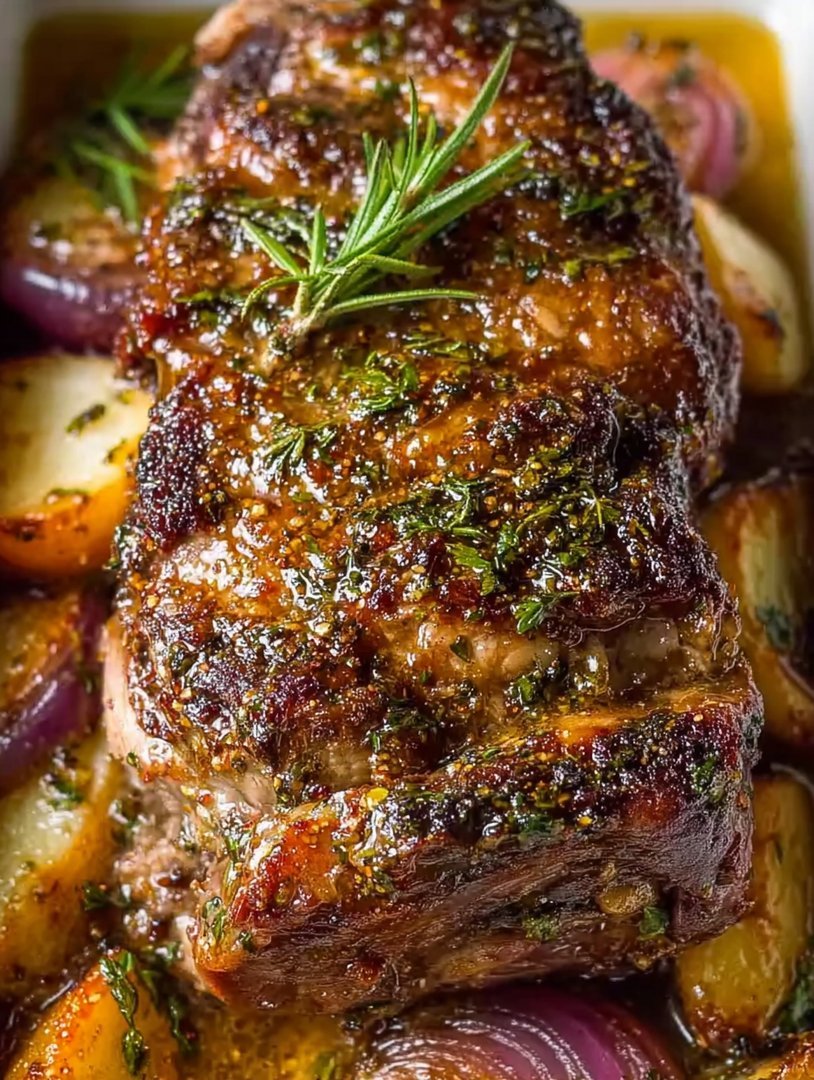
I originally tried to make a simple pot roast, but I had accidentally bought non-alcoholic hard cider instead of beef broth. Instead of panicking, I poured it in and hoped for the best. The result? A savory, tender, and slightly sweet dinner that tasted exactly like a cozy autumn afternoon, transforming a simple meal into pure gold.
There is something inherently magical about taking a tough cut of meat and coaxing it into submission until it practically melts on your fork. We’ve all been there: staring into the refrigerator, trying to figure out how to elevate a humble chuck roast from “meh” to magnificent. My personal cooking philosophy centers around embracing happy accidents, especially when they involve beverages. This particular culinary mishap birthed the now legendaryHomemade Apple Cider Beef Roast—a dish that has become the centerpiece of every cool weather gathering I host.
The genius of this recipe lies in its simplicity and the unexpected pairing of flavors. Beef and apple are classic companions, but slow-roasting the beef in slightly spiced, non-alcoholic apple cider creates a deeply caramelized crust while providing tremendous moisture. The beef doesn’t just taste like cider; it absorbs a complex sweetness balanced by the savory herbs and rich beef stock, resulting in a flavor profile that is both comforting and sophisticated. This isn’t your grandmother’s Sunday roast—unless your grandmother was a secret flavor chemist who understood the autumnal power of the orchard.
Gathering Your Culinary Arsenal
Before we embark on this journey to create the most succulent roast known to humanity, let’s ensure our pantry is stocked. Remember, quality ingredients yield quality results, and since the cider plays such a starring role, choose a high-quality, unfiltered, non-alcoholic apple cider for the best depth of flavor. If your cider is too sweet, a splash of apple cider vinegar helps cut the cloying nature and brightens the overall profile.
Ingredients List:
- 3-4 lb boneless beef chuck roast or shoulder
- 2 tablespoons olive oil
- 1 teaspoon salt
- 1/2 teaspoon black pepper
- 1 tablespoon dried thyme
- 1 tablespoon smoked paprika
- 4 cups non-alcoholic apple cider (ensure it’s not sparkling)
- 2 cups robust beef broth (low sodium)
- 2 large onions, quartered
- 4 carrots, chopped roughly
- 4 celery stalks, chopped roughly
- 4 cloves garlic, smashed
- 1 bay leaf
- Optional: 1 tablespoon brown sugar (if your cider is tart)
The Essential Technique: Seasoning and Searing
The secret to any successful slow-cooked beef dish is initiating the Maillard reaction—that beautiful chemical process that turns raw beef into deeply flavorful, crusty goodness. Do not skip the searing step! Pat the roast dry thoroughly before seasoning it heavily with the salt, pepper, thyme, and smoked paprika. A dry surface is crucial for a great crust. Use a heavy-bottomed Dutch oven or a reliable, oven-safe roasting pot.
Heat the olive oil over medium-high heat until it shimmers. Carefully place the seasoned beef roast into the hot oil. Sear each side for 3-4 minutes until it achieves a dark, rich brown color. This caramelization builds the foundation for the deep flavor of the beef roast. Once the searing is complete, remove the roast and set it aside, reserving the flavorful fond left in the pot.
Perfecting the Cooking Process
For maximum tenderness and flavor, first sear the beef roast aggressively on all sides to lock in those juices. Then, braise the roast in the oven with the cider and aromatics, ensuring the cooking liquid reaches the midway point of the meat for even, moist results.
Building the Flavor Base and Braising
Reduce the heat to medium and toss the chopped onions, carrots, and celery into the pot. Scrape up the fond while the vegetables soften—this transfers all that glorious caramelized flavor into the vegetable base. Sauté the vegetables for about five minutes until they start to turn tender, then add the smashed garlic and cook for one more minute until fragrant. This aromatic base is essential for the depth of the finished gravy.
Return the seared beef to the pot. Pour in the non-alcoholic apple cider and the beef broth, ensuring the liquid covers roughly half to two-thirds of the roast. Add the bay leaf. The liquid is what transforms this tough cut into a tender delight, steaming and basting the meat throughout the long cook time.
Cover the Dutch oven tightly with its lid, or if using a roasting pan, secure it with heavy-duty aluminum foil to create a steam trap. Transfer the pot to a preheated oven set to a low temperature—around 300°F (150°C). This low, slow heat is what breaks down the connective tissues in the beef, making it shreddable.
The Patience Factor
The low and slow approach is non-negotiable for a truly excellent roast. Allow the beef to cook undisturbed for approximately 3 to 4 hours. Cooking time depends entirely on the thickness of your roast, but generally, you are looking for an internal temperature around 200°F (93°C), or until the meat yields completely to fork pressure. You should not need a knife to cut this dish; a simple fork should suffice to pull it apart effortlessly. Around the halfway mark, check the liquid level and give the roast a quick flip to ensure even moisture distribution.
Once tender, remove the roast from the oven. Carefully take the beef out of the pot and let it rest on a cutting board, covered loosely, for at least 15 minutes. While the beef is resting, you can utilize the remaining cooking liquid, which has now turned into an incredibly rich gravy base infused with cider, beef, and vegetables. Strain the liquid, pressing down on the solids to extract every drop of flavor. You can thicken this natural gravy using a simple cornstarch or flour slurry if desired, but often, the reduction is rich enough on its own.
Add Your Touch
Feel free to swap out potatoes for sweet potatoes or parsnips if you want an earthier twist. If you enjoy a smoky depth without using restricted ingredients, add a splash of liquid smoke flavoring. You can also experiment with dried cherries or cranberries for an extra layer of fruity acidity.
For those who love robust herbs, consider adding fresh rosemary sprigs alongside the thyme during the last hour of cooking. If you happen to be serving this in the cooler months, incorporating warming spices like a pinch of ground cloves or allspice into the seasoning rub can deepen the autumn vibe without overpowering the beef. If you prefer your gravy smoother, blitz the vegetables with a bit of the liquid before thickening it, resulting in a rich, pureed sauce that adheres beautifully to the shredded meat.
Storing & Reheating
Store any leftovers in an airtight container, submerged in the cooking liquid, which prevents the beef from drying out. When reheating, use a low temperature in the oven or on the stovetop—slow and low is the key to maintaining that fork-tender texture.
Chef’s Expert Tips for the Perfect Roast
- Always sear the beef in batches if your pot is too small, ensuring the surface temperature remains high enough to achieve that crucial deep, brown crust.
- Use room temperature liquid (cider and broth) when adding it to the hot pan to prevent stalling the cooking process and ensuring steady heat distribution from the start.
- If the roast finishes cooking sooner than expected, turn off the oven and let it rest in the warm cooking liquid; this keeps the beef moist and ready to serve without drying out.
My grandmother once told me, “Honey, the secret to a great roast isn’t the seasoning; it’s the patience.” I once served this roast at a family gathering, and my notoriously picky uncle cleaned his plate twice, whispering that it was the best beef he’d ever had.
Conclusion for Homemade Apple Cider Beef Roast
Creating the perfect Homemade Apple Cider Beef Roast is less about complexity and more about commitment to the slow-roasting process. The non-alcoholic cider infuses the beef with an unparalleled tenderness and a subtle sweetness that balances beautifully with the savory herbs and rich braising liquid. Remember the key steps: thorough searing, low oven temperature, and ample resting time.
This recipe provides a show-stopping meal ideal for family dinners or entertaining guests, offering comfort and sophistication in every bite. Embrace the accidental genius of this dish, and enjoy the praise that follows when you serve this truly exceptional, melt-in-your-mouth beef roast.
Print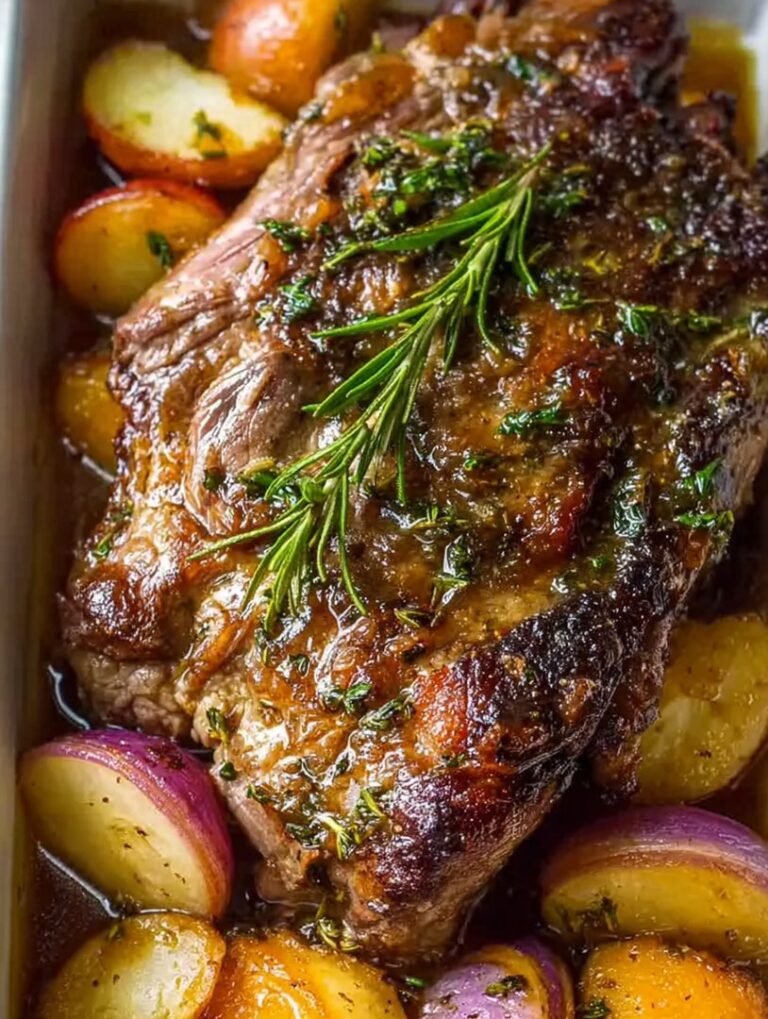
Homemade Apple Cider beef Roast
The ultimate fall comfort! Our Homemade Apple Cider Beef Roast delivers fork-tender beef, deeply seared then slow-braised in crisp, unsweetened cider. Rich, savory, and subtly sweet.
- Total Time: 35 minutes
- Yield: 4 servings
Ingredients
- Beef Chuck Roast: 3 pounds
- Unsweetened Apple Cider: 3 cups
- Yellow onion (large, quartered): 1
- Carrots (thickly sliced): 1 cup
- Garlic cloves (minced): 4
- Dried thyme: 1 teaspoon
- Kosher Salt and Black Pepper: 1.5 teaspoons each, plus extra for seasoning
- Olive oil: 2 tablespoons
Instructions
- Step 1: Pat the beef roast dry and generously season all sides with salt and pepper. Heat the olive oil in a large Dutch oven or heavy pot over medium-high heat, then sear the roast for 3-4 minutes per side until a deep brown crust forms. Remove the roast and set aside.
- Step 2: Reduce the heat to medium and add the quartered onion and minced garlic to the pot, scraping up any browned bits from the bottom. Sauté for 3-5 minutes until the onion begins to soften.
- Step 3: Pour in the 3 cups of apple cider and bring to a simmer, allowing the liquid to reduce slightly (about 2 minutes). Stir in the dried thyme, 1.5 teaspoons of salt, and 1.5 teaspoons of pepper.
- Step 4: Return the seared beef roast to the pot and tuck the sliced carrots around the sides. Ensure the liquid covers at least two-thirds of the roast; add a little water if needed.
- Step 5: Cover the Dutch oven tightly and transfer to an oven preheated to 325°F (160°C). Cook for 3.5 to 4 hours, or until the roast is fork-tender. Let the roast rest for 15 minutes before shredding or slicing and serving with the cooking liquid (jus).
Notes
- For best flavor and moisture retention, cool any leftovers completely and store the shredded beef immersed in the cooking jus in an airtight container for up to 4 days in the refrigerator.
- Reheat gently in a covered pot on the stovetop over low heat, or use a covered oven-safe dish at 300°F, adding a splash of extra cider or water if the jus seems too thick.
- Serve this tender roast over creamy mashed potatoes or polenta to soak up the flavorful apple cider jus, perhaps with a side of simple green beans for color and crunch.
- The initial sear in Step 1 is essential; ensure the Dutch oven is hot and the meat is patted very dry, as this deep brown crust creates the necessary savory foundation that prevents the long cooking time from washing out the flavor.
- Prep Time: 15 minutes
- Cook Time: 20 minutes
- Method: Stovetop
- Cuisine: American





Leave a Comment