
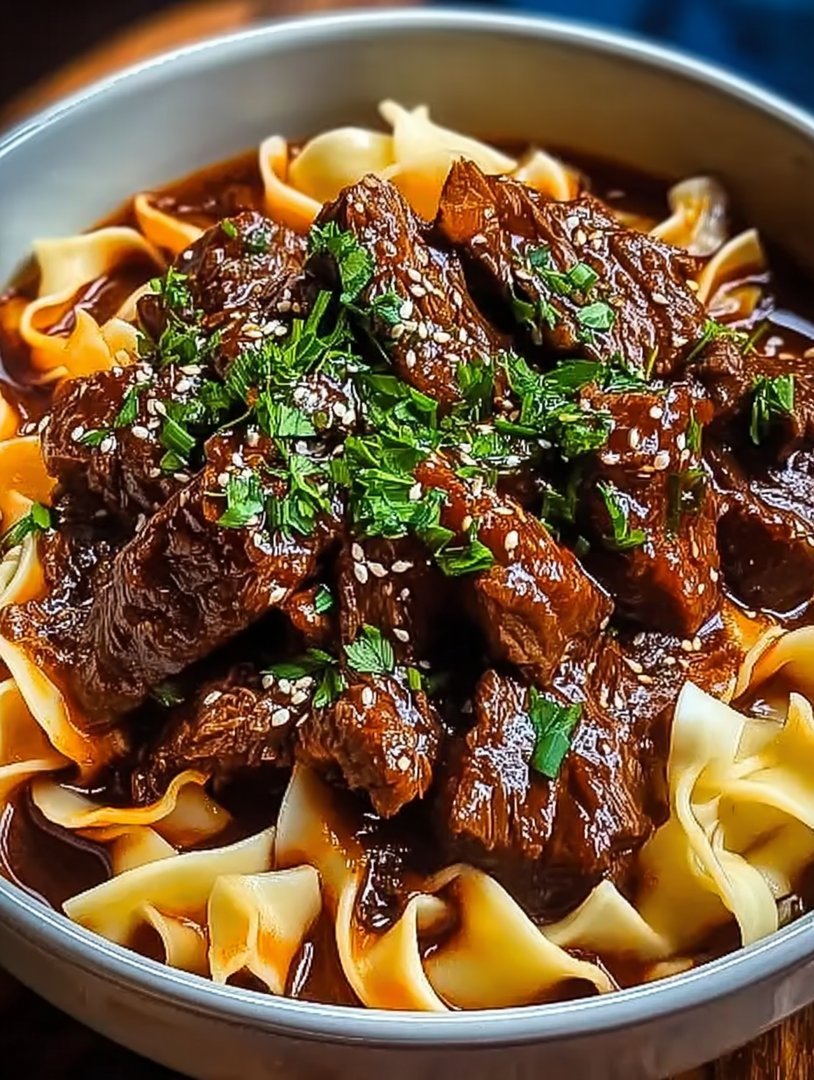
The Magic of Hands-Off Flavor: Introducing Korean Beef Noodles: Slow Cooker Comfort
When the chilly evening air bites and your soul demands maximum flavor for minimal effort, only one dish truly answers the call. Imagine the rich, savory steam curling up from a bowl of meltingly tender beef swimming in a profoundly addictive sauce—this is the glorious promise ofKorean Beef Noodles: Slow Cooker Comfort.
I first perfected this recipe during a week where my kitchen resembled a disaster zone and my energy levels were purely hypothetical. It’s the ultimate antidote to a busy day, delivering complex, deeply satisfying Asian-inspired flavors without requiring you to stand guard over the stove for hours.
- The slow cooker transforms tough cuts of beef into unbelievably tender shreds, ensuring a truly melt-in-your-mouth texture every single time.
- This robust recipe marries sweet, salty, and umami notes, creating an intensely flavorful sauce that coats the noodles beautifully for deep satisfaction.
- Prepare this dish in the morning and return home to an incredible aroma and a gorgeous, restaurant-quality meal ready for serving.
- The versatility of these noodles allows you to pair them with any greens or crunchy toppings you prefer, making customization easy and fun.
Ingredients for Korean Beef Noodles: Slow Cooker Comfort
Here’s what you’ll need to make this delicious dish:
- Beef Chuck RoastSelect a well-marbled chuck roast, often labeled as “pot roast,” as the fat content keeps the beef juicy and breaks down beautifully during the long slow cook time.
- Soy Sauce (Low Sodium)This provides the essential salty base and deep umami flavor necessary for authentic Korean-style seasoning, while the low sodium version allows better control over the final saltiness.
- Brown Sugar or Maple SyrupYou need a touch of sweetness to balance the salty soy sauce and the strong savory components; brown sugar adds a deep molasses note, while maple syrup provides a cleaner sweetness.
- Fresh Ginger and GarlicThese aromatic staples are non-negotiable for flavor depth, ensuring the sauce tastes bright and complex, not muddy, so chop them finely.
- Sesame OilAdded at the end, this oil provides that signature nutty, toasted fragrance that immediately signals an authentic East Asian culinary experience.
- Rice VinegarA splash of this brightens the entire dish, cutting through the richness of the beef and preventing the overall flavor profile from becoming too heavy or monotone.
- Beef BrothUse high-quality beef broth to ensure enough liquid for the slow cooking process and to contribute a robust foundation to the rich sauce.
- Dried Noodles (Ramen or Udon)We use substantial, chewy noodles like Udon or thick ramen to absorb the incredible sauce without falling apart during the final quick heating stage.
- Optional GarnishesSliced green onions, toasted sesame seeds, and a sprinkle of chili flakes add texture and visual appeal to the finished bowl.
The full ingredients list, including measurements, is provided in the recipe card directly below.
How to Make Korean Beef Noodles: Slow Cooker Comfort
Follow these simple steps to prepare this delicious dish:
Step 1: Prep the Beef and Aromatics
Pat the 3-pound beef chuck roast dry with paper towels. While optional, searing the beef in a hot pan for 3 minutes per side develops incredible flavor depth and color before it enters the slow cooker. Once seared, place the beef into the slow cooker basin. In a separate small bowl, whisk together the beef broth, low-sodium soy sauce, brown sugar, rice vinegar, grated ginger, and minced garlic.
Step 2: Slow Cook the Flavor Base
Pour the prepared sauce mixture over the beef roast in the slow cooker, ensuring the liquid covers the meat adequately. Cover the slow cooker tightly. Cook the beef on the LOW setting for 8 hours or on the HIGH setting for 4 hours. The beef is ready when you can easily shred it with two forks; it should be meltingly tender.
Step 3: Shred and Season
Carefully remove the tender beef from the slow cooker and transfer it to a large cutting board. Using two forks, shred the beef completely, discarding any large pieces of fat that remain. Return the shredded beef to the slow cooker, stirring it into the sauce. At this point, stir in the sesame oil to finalize the rich, nutty flavor base.
Step 4: Cook the Noodles
Prepare your dried noodles (ramen, udon, or lo mein) according to the package directions, typically boiling them for 3 to 5 minutes until just al dente. Drain the noodles immediately, reserving about half a cup of the cooking water, just in case the sauce needs thinning. Add the hot, drained noodles directly into the slow cooker with the sauced beef.
Step 5: Combine and Serve
Toss the noodles gently with the shredded beef and the incredible sauce until everything is evenly coated and piping hot. If the sauce seems too thick, add a splash or two of the reserved noodle water until you reach your desired consistency. Transfer to plates and drizzle with sauce for the perfect finishing touch.
Choosing the Right Cut for Tender Slow Cooked Beef
Achieving truly tender, shredded beef is the cornerstone of greatKorean Beef Noodles: Slow Cooker Comfort. The key lies in selecting a muscle group that benefits from long, slow moist heat. Cuts like chuck roast, brisket, or even bottom round are ideal candidates because they contain a high amount of connective tissue, specifically collagen. During the initial hours of cooking, these cuts seem tough, but as the temperature remains low and steady, the collagen slowly dissolves into luxurious, moist agar-agar. This process transforms the fibers, resulting in that incredibly juicy, pull-apart texture that defines the best crockpot recipes. Avoid leaner cuts like sirloin or tenderloin, which will dry out and become stringy if cooked for extended periods.
Why the Slow Cooker Wins Every Time
The slow cooker is undeniably the MVP of weeknight dinners, especially when dealing with tough meats and complex flavors. Its genius lies in consistency. Unlike stovetop cooking, where temperatures fluctuate and require constant attention, the slow cooker maintains a low, even heat environment. This prevents burning, ensures thorough cooking, and, most importantly for this recipe, allows the robust flavors of the soy sauce, ginger, and garlic to deeply penetrate the beef fibers over several hours. You set it, forget it (within reason, obviously), and return to a kitchen smelling like a gourmet Korean restaurant. This hands-off method is exactly what elevates thisKorean Beef Noodles: Slow Cooker Comfortrecipe from good to absolutely necessary.
Customizing Your Korean Beef Noodles Experience
While the classic preparation of this dish is spectacular, part of the joy of home cooking is personalizing it. You can easily adapt this recipe to suit dietary needs or simply utilize what you already have in your pantry. For example, if you prefer a leaner protein, you could substitute the beef chuck roast with boneless, skinless chicken thighs or turkey breast. Just remember that chicken and turkey cook much faster, typically requiring only 3 hours on low, so adjust the cooking time accordingly to prevent dryness.
Flavor Boosts and Vegetable Additions
To incorporate more vegetables and enhance the nutritional profile, consider adding sturdy vegetables during the last hour of cooking. Sliced carrots, shiitake mushrooms, or bell peppers are excellent additions. Mushrooms absorb the savory sauce beautifully, intensifying their inherent umami flavor. If you want a bit of heat, a teaspoon of Gochujang (Korean chili paste) whisked into the sauce mixture before cooking adds warmth and complexity. For a fresh element, stir in a handful of baby spinach right before serving; the residual heat will wilt it perfectly. Always taste the sauce before adding the noodles and adjust the balance—a splash of lime juice can sometimes bring a desirable brightness if the dish tastes too rich.
Tips for Perfect Korean Beef Noodles: Slow Cooker Comfort
Mastering the slow cooker is straightforward, but a few professional tips can ensure yourKorean Beef Noodles: Slow Cooker Comfortturns out flawlessly every single time, avoiding common pitfalls like watery sauce or dry meat. Firstly, avoid lifting the lid during the slow cooking period, especially during the first few hours. Every time you open the lid, you release a significant amount of heat and moisture, which can extend the cooking time by 30 minutes or more. Trust the process and let the crockpot do its work.
Secondly, pay close attention to the noodle choice. Thin spaghetti or angel hair pasta will absorb too much liquid and turn mushy quickly. Stick to thick, robust varieties like Udon, Japchae glass noodles, or even thick wheat ramen noodles, which hold their structure well under the weight of the rich beef sauce. Also, remember to cook the noodles separately on the stovetop and add them only at the very end. Cooking the noodles directly in the slow cooker liquid can lead to overcooked noodles and an overly starchy, unpleasant sauce texture.
Serving Suggestions and Presentation
Presentation matters, even for a humble bowl of slow-cooked noodles. Once the Korean Beef Noodles are mixed and ready, transfer them to deep bowls immediately. Garnish is essential here for both color and texture contrast. Sprinkle heavily with thinly sliced green onions (scallions) and toasted sesame seeds. The green onions provide a necessary sharp freshness against the rich, dark sauce. For those who enjoy texture, add a handful of kimchi on the side—its bright acidity and crunch offer a superb counterpoint to the deeply savory beef and sauce.
Pair this hearty meal with a simple, quick side salad dressed with sesame-ginger vinaigrette, or some lightly steamed broccoli florets. The meal is extremely satisfying on its own, making it a perfect one-pot solution for a quick but impressive family dinner. Leftovers, assuming you have any, store beautifully in an airtight container for up to three days, often tasting even better the next day as the noodles further absorb the remaining sauce.
Frequently Asked Questions About Slow Cooker Korean Beef
Can I freeze the leftover Korean Beef Noodles?
While you can freeze the shredded beef and sauce mixture successfully, freezing the noodles themselves is not recommended as they tend to become soft and mushy upon thawing and reheating. If you anticipate having leftovers, store the sauced beef separately and cook fresh noodles when ready to enjoy the meal.
What if my slow cooker sauce is too thin?
If your sauce appears too watery after shredding the beef, you have a couple of options. You can remove the lid and switch the slow cooker to HIGH for the last 30 minutes to allow some moisture to evaporate. Alternatively, remove a cup of the liquid and whisk in one tablespoon of cornstarch mixed with two tablespoons of cold water (a slurry), then return it to the slow cooker and stir until the sauce thickens slightly.
Is this recipe spicy?
No, the core recipe forKorean Beef Noodles: Slow Cooker Comfortis primarily savory and sweet, relying on ginger, garlic, and soy sauce for flavor depth rather than heat. If you enjoy spice, you can easily add a dash of red pepper flakes or a teaspoon of Gochujang to the sauce mixture, or offer chili oil on the table for individual customization.
Which noodles are best for absorbing the sauce?
Chewy, thick wheat-based noodles like Udon or Lo Mein are ideal because they have a high surface area and structure that holds up well against the rich sauce without becoming waterlogged. If those are unavailable, wide egg noodles can also be a surprisingly effective substitute.
The Weeknight Hero: Why You NeedKorean Beef Noodles: Slow Cooker Comfort
There is a specific kind of chaos that descends upon 5 PM. You’ve wrestled emails, avoided existential crises, and now the primal need for dinner strikes. Forget elaborate chopping and pan-watching; we are invoking the power of the set-it-and-forget-it appliance. I’m talking about the culinary equivalent of a warm hug on a blustery Tuesday: Korean Beef Noodles: Slow Cooker Comfort.
I stumbled upon this recipe during what I affectionately call “The Great Pantry Disaster of 2021.” I had flank steak, an alarming amount of soy sauce, and zero patience. The result was a revelation—tender, deeply savory beef swimming in a sweet and spicy glaze, ready to be tangled up with chewy noodles. It felt like cheating. This isn’t just dinner; it’s proof that magnificent flavor doesn’t require all-day effort or complicated techniques.
Unlocking Maximum Flavor with Minimal Effort
The slow cooker performs magic on tough cuts of meat. Low and slow cooking breaks down collagen in the beef, transforming standard stew meat or chuck roast into incredibly succulent shreds. This process allows the robust Korean-inspired marinade to penetrate every single fiber. We are bypassing the stovetop rush entirely, letting time do the heavy lifting for us.
For this specific dish, we build a flavor foundation that is complex but incredibly easy to assemble. Think savory soy, pungent garlic and ginger, a touch of brown sugar for caramelization, and a controlled kick of gochujang (Korean chili paste). The beauty is that once you mix the marinade, your work is essentially done for the next six hours. Go conquer the world, walk the dog, or simply scroll through TikTok—dinner is handling itself.
The Essential Shopping List: Ingredients for Bliss
You probably have most of these flavor-bombs lurking in your pantry already. Note that the quality of your soy sauce and gochujang matters here; they are the backbone of this comforting meal. If you don’t have gochujang, use a milder chili paste and adjust the sweetness accordingly, but trust me, the fermented heat of the Korean paste is irreplaceable for achieving authentic depth.
For the Slow Cooker Beef
- 2 lbs boneless beef chuck roast or flank steak, trimmed and cut into 2-inch chunks
- 1 cup low-sodium beef broth
- 1/2 cup low-sodium soy sauce (or tamari for gluten-free)
- 1/4 cup brown sugar, packed
- 3 tablespoons sesame oil
- 2 tablespoons grated fresh ginger
- 6 cloves garlic, minced
- 2 tablespoons gochujang (Korean chili paste)
- 1 tablespoon rice vinegar (for brightness)
- 1 teaspoon black pepper
- 1 small onion, chopped coarsely
For Serving
- 1 lb Udon or Lo Mein noodles (or ramen noodles), cooked according to package directions
- 1 cup chopped scallions, for garnish
- 2 tablespoons sesame seeds, toasted
- Optional: Kimchi or steamed broccoli for serving
Step-by-Step Cooking: Setting Up the Slow Cooker Magic
This is where the recipe proves its worth. The instructions are delightfully simple, demanding very little actual engagement from you, the busy chef. We aim for maximum flavor extraction and perfectly cooked beef.
Preparing the Beef and Sauce Base
First, trim any excessive fat from your beef chunks. While fat adds flavor, too much will make the sauce overly oily. Place the beef chunks and the chopped onion directly into the slow cooker insert. Now, combine the rest of the sauce ingredients—beef broth, soy sauce, brown sugar, sesame oil, ginger, minced garlic, gochujang, rice vinegar, and black pepper—in a separate bowl. Whisk these together until the brown sugar has dissolved and the mixture is uniform. It should smell intensely savory and slightly sweet. Pour this mixture over the beef and onions, ensuring all the meat is thoroughly coated.
The Long Wait (The Best Part)
Secure the lid on your slow cooker. Cook on LOW for 6 to 8 hours, or on HIGH for 3 to 4 hours. The key indicator of readiness is texture: the beef must be fork-tender and shred easily without resistance. If you tug on a piece and it holds firm, give it another 30 minutes. Resist the urge to lift the lid excessively during the cooking period, as this releases precious heat and dramatically extends the cooking time needed to tenderize the beef.
Finishing the Noodles
Once the beef is fully tender, carefully remove the chunks from the sauce using tongs and transfer them to a large cutting board or bowl. Use two forks to shred the beef deeply. This process takes seconds because the meat will be wonderfully soft. Return the shredded beef to the slow cooker and stir to coat it thoroughly with the rich sauce. This is the moment the flavor fully fuses into the beef.
While the shredded beef soaks up the final sauce, prepare your noodles. Udon offers a wonderful chewiness that stands up well to the robust sauce, but egg noodles or even thick spaghetti work wonderfully in a pinch. Drain the cooked noodles well. Ladle generous portions of the saucy, tender beef mixture over the hot noodles. Garnish liberally with chopped scallions and toasted sesame seeds. Serve immediately and prepare for immediate applause.
This dish is the definition of comfort food fusion. The texture of the slow-cooked meat combined with the slippery noodles and the deep, complex flavors of the Korean marinade creates an experience that is both sophisticated and deeply satisfying. When you present this, nobody will ever guess it took you less than 20 minutes of active prep time. The slow cooker truly hides all your best culinary secrets.
Essential Equipment for Slow Cooker Success
You don’t need a professional kitchen setup to achieve restaurant-quality comfort food. These three items are all you require to make this delicious slow-cooked meal happen:
- 6-quart or larger slow cooker (the star of the show)
- Sharp knife and cutting board (for preparing the beef and onion)
- Large pot (for cooking the noodles at the end)
Perfecting the Cooking Process
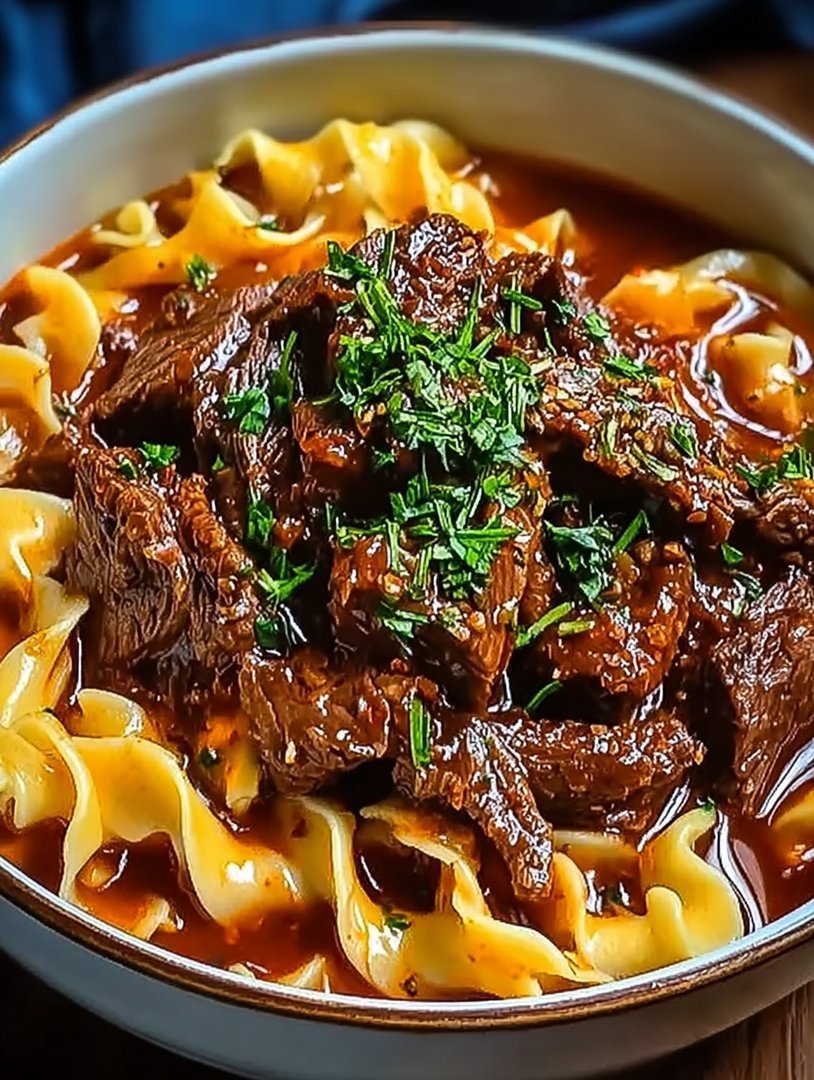
Achieving the perfect consistency requires sequencing your steps. Sear the beef chunks quickly before slow cooking for a deeper, richer flavor crust—though this step is optional if you prioritize pure speed. Cook the noodles only during the last ten minutes of the slow cooker cycle, ensuring they are perfectly al dente when mixed with the savory Korean Beef Noodles: Slow Cooker Comfort mixture.
Add Your Touch
To customize, swap flank steak for beef short ribs for an even richer texture. If you prefer a milder heat, halve the gochujang quantity. Try adding diced carrots or shiitake mushrooms during the last hour of cooking for extra vegetables and earthy flavor. A squeeze of fresh lime juice at serving brightens the robust sauce beautifully.
Storing & Reheating
Store leftover beef and sauce separately from the cooked noodles in airtight containers for up to four days in the refrigerator. When reheating, warm the beef mixture gently on the stovetop or in the microwave. Cook fresh noodles or reheat leftover noodles quickly, then combine just before serving to avoid a mushy texture.
Chef’s Insider Tips for Flavor Mastery
I learned these tricks the hard way, so you don’t have to!
- Always use fresh ginger and garlic, not dried powders; their aromatic oils are crucial for creating the complex depth of the Korean-style sauce.
- Don’t be shy about seasoning the sauce with a pinch of red pepper flakes near the end if you want a sharper, spicier heat profile in the final dish.
- Thicken the sauce slightly by mixing one tablespoon of cornstarch with two tablespoons of cold water, stirring this slurry into the liquid during the last 15 minutes of cooking.
I once served this Korean Beef Noodles: Slow Cooker Comfort dish at a low-key gathering, and my notoriously picky brother-in-law ate three bowls and then asked for the “takeout menu” when he realized I’d made it myself. It remains my favorite compliment.
Frequently Asked Questions About Slow Cooked Beef Noodles
What is gochujang, and can I substitute it?
Gochujang is a savory, sweet, and spicy fermented Korean chili paste. It provides a unique depth of flavor that is difficult to replicate exactly. If you must substitute, use sriracha or chili garlic sauce, but add extra sugar or honey to balance the fermentation notes you will inevitably lose.
Can I make this recipe using a different type of meat?
Absolutely. You can use chicken thighs or turkey breast, but drastically reduce the cooking time to around 3 hours on LOW, or the meat will become dry. Ensure you cut chicken into larger pieces so it maintains moisture during the long cooking process.
What kind of noodles work best for this recipe?
Thick, sturdy noodles are ideal because they hold up well to the heavy sauce. Udon, Lo Mein, or thick wheat noodles are excellent choices. Rice noodles or very thin ramen noodles might absorb too much liquid too quickly, resulting in a soggy dinner experience.
Why is my sauce too watery?
Slow cookers generate condensation, which can thin the sauce. To fix this, remove the lid for the final 30 minutes of cooking (if cooking on HIGH) to allow some moisture to escape, or use the cornstarch slurry trick mentioned above to achieve a thicker, glossy coating consistency.
Can I freeze the leftovers?
The cooked beef and sauce freeze very well! Transfer the shredded beef and sauce to an airtight, freezer-safe container and freeze for up to three months. Thaw overnight in the refrigerator and reheat gently. Do not freeze the cooked noodles, as they will degrade upon thawing.
Why Slow Cooked Comfort Food Reigns Supreme
In a world of fast-paced cooking videos and elaborate gastronomic feats, there is something deeply grounding about a meal that simply requires patience and minimal intervention. This recipe is a testament to the fact that the best flavors often come from the simplest methods. It strips away the stress of dinner preparation, delivering profound, restaurant-quality results every time.
The blend of umami from the soy sauce, the mild, sweet heat of the gochujang, and the melt-in-your-mouth beef is unforgettable. Whether you are feeding a crowd or simply stocking your own freezer with future lunch happiness, this recipe is guaranteed to become a reliable staple in your culinary repertoire. Go ahead, plug in that slow cooker, and let the comforting aroma of Korean spices fill your kitchen. You deserve a stress-free dinner that delivers huge flavor payoff without demanding hours of your precious time.
Conclusion for Korean Beef Noodles: Slow Cooker Comfort
This recipe transforms complex flavors into effortless weeknight dining. After a long day, there is truly nothing better than coming home to the intoxicating aroma of deep, savory sauces filling your entire kitchen. Preparing Korean Beef Noodles: Slow Cooker Comfort isn’t just about preparing a meal; it is about providing instant, soul-soothing gratification in a bowl. It demands minimal effort upfront, allowing your trusty slow cooker to handle all the heavy lifting, tenderizing the beef to absolute perfection and perfectly infusing those rich, slightly sweet, and tangy Korean-inspired spices. Forget complicated cooking methods; this dish delivers maximum flavor payoff with zero stress. Go ahead, and treat yourself to the ultimate comforting slow cooker experience tonight.
Print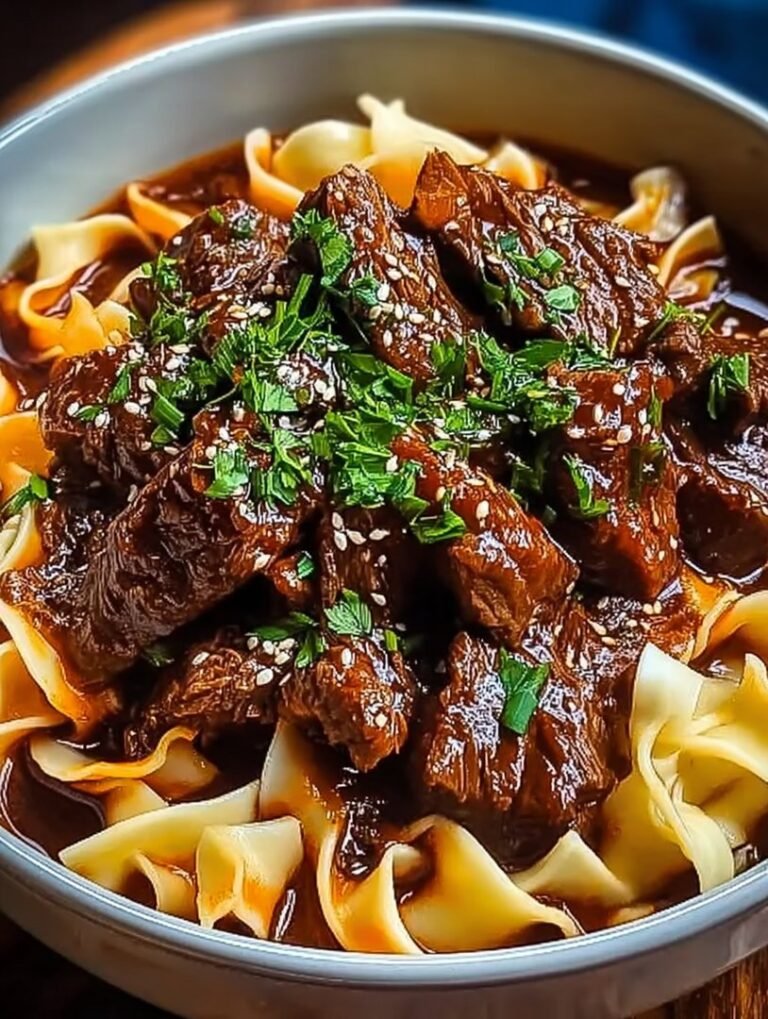
Korean Beef Noodles: Slow Cooker Comfort
Achieve fork-tender beef immersed in a sweet, spicy Gochujang-laced soy glaze. This slow cooker marvel minimizes effort while maximizing deep umami flavor.
- Total Time: 35 minutes
- Yield: 4 servings 1x
Ingredients
- 3 lbs Beef chuck roast, trimmed and cut into 2-inch chunks
- 1/2 cup Low-sodium soy sauce
- 1 cup Beef broth
- 1/4 cup Packed light brown sugar
- 1 tablespoon Minced fresh ginger
- 4 cloves Garlic, minced
- 1 tablespoon Gochujang (Korean chili paste)
- 12 oz Wide egg noodles
Instructions
- Step 1: Combine the soy sauce, beef broth, brown sugar, minced ginger, minced garlic, and Gochujang in the bottom of the slow cooker insert. Whisk the mixture until the sugar is dissolved and the sauce is thoroughly combined.
- Step 2: Place the cut beef chunks into the sauce mixture. Turn the beef gently to coat all sides. Cover the slow cooker and cook on the LOW setting for 7 to 8 hours, or on the HIGH setting for 3.5 to 4 hours, until the beef is fork-tender.
- Step 3: Remove the beef from the slow cooker and transfer it to a cutting board. Using two forks, shred the beef, discarding any large pieces of fat. Return the shredded beef to the slow cooker and stir to mix it thoroughly with the cooking liquid.
- Step 4: Increase the slow cooker heat to HIGH (if not already there). Add the wide egg noodles directly into the slow cooker liquid. Cover and cook for an additional 15 to 25 minutes, or until the noodles are tender and have absorbed some of the sauce.
- Step 5: Taste the noodles and sauce, adjusting with a pinch of salt if necessary. Serve the Korean Beef Noodles immediately in deep bowls, garnished with chopped scallions or toasted sesame seeds, if desired.
Notes
- If you anticipate leftovers, cook the wide egg noodles separately and store them apart from the shredded beef and sauce mixture to prevent them from becoming too soft in the refrigerator.
- When reheating the beef and noodle leftovers, stir in a spoonful of reserved beef broth or water to restore moisture and prevent the starches from clumping.
- To cut through the rich, savory sauce, serve the noodles with a side of quick-pickled cucumbers or a kimchi garnish for a refreshing, acidic counterpoint.
- For a deeper, more aromatic base, briefly sauté the minced ginger and garlic in a little oil before adding them to the slow cooker sauce in Step 1.
- Prep Time: 15 minutes
- Cook Time: 20 minutes
- Method: Stovetop
- Cuisine: American
FAQs
What is the best cut of beef to achieve ultimate tenderness in this Korean Beef Noodles: Slow Cooker Comfort recipe?
For peak tenderness in your slow cooker meal, chuck roast or beef stew meat works wonders. These cuts are marbled with connective tissue that breaks down slowly over low heat, resulting in extraordinarily tender, fall-apart beef. While lean cuts dry out easily, the higher fat content in chuck ensures it stays succulent and absorbs all those beautiful savory flavors from the Korean-inspired sauce. Cube the meat uniformly before adding it to the pot for even cooking and maximum comfort and convenience when preparing your Korean Beef Noodles: Slow Cooker Comfort.
Can I substitute different types of noodles or add extra vegetables to this dish?
Absolutely! Part of the joy of making this recipe is its inherent flexibility. While traditional wheat noodles or egg noodles are superb for soaking up the sauce, you can easily use ramen, udon, or even gluten-free rice noodles if you prefer a different texture or have dietary needs. Regarding vegetables, don’t hold back! Toss in some sliced carrots, bell peppers, or broccoli florets during the last hour of cooking. They will maintain a slight crunch while adding freshness and nutritional value to balance the richness of the slow-cooked beef and savory sauce base.
How much active preparation time is required for making these slow cooker Korean Beef Noodles?
One of the biggest advantages of this recipe is its remarkably minimal active prep time. Typically, you only need about 15 to 20 minutes maximum to get this dinner started. This includes quickly searing the beef (optional but highly recommended for developing a deeper layer of flavor), mixing the sauce ingredients, and dumping everything into the slow cooker pot. Once those critical steps are complete, the kitchen appliance handles the rest, simmering away for 6 to 8 hours while you go about your busy day. It’s the perfect set-it-and-forget-it weeknight warrior meal.
How should I store leftover Korean Beef Noodles: Slow Cooker Comfort, and will they freeze well?
Storing leftover Korean Beef Noodles: Slow Cooker Comfort is simple and straightforward. Transfer any remaining portion into an airtight container and refrigerate them immediately; they will stay fresh and delicious for up to four days. Reheating is best done gently on the stovetop or quickly in the microwave. However, be cautious when considering freezing the entire dish. While the seasoned beef and sauce freeze beautifully, cooked noodles often become mushy and lose their desired chewy texture upon thawing. If you anticipate freezing large batches, freeze the sauce and meat separately, then cook fresh noodles later.




Leave a Comment