
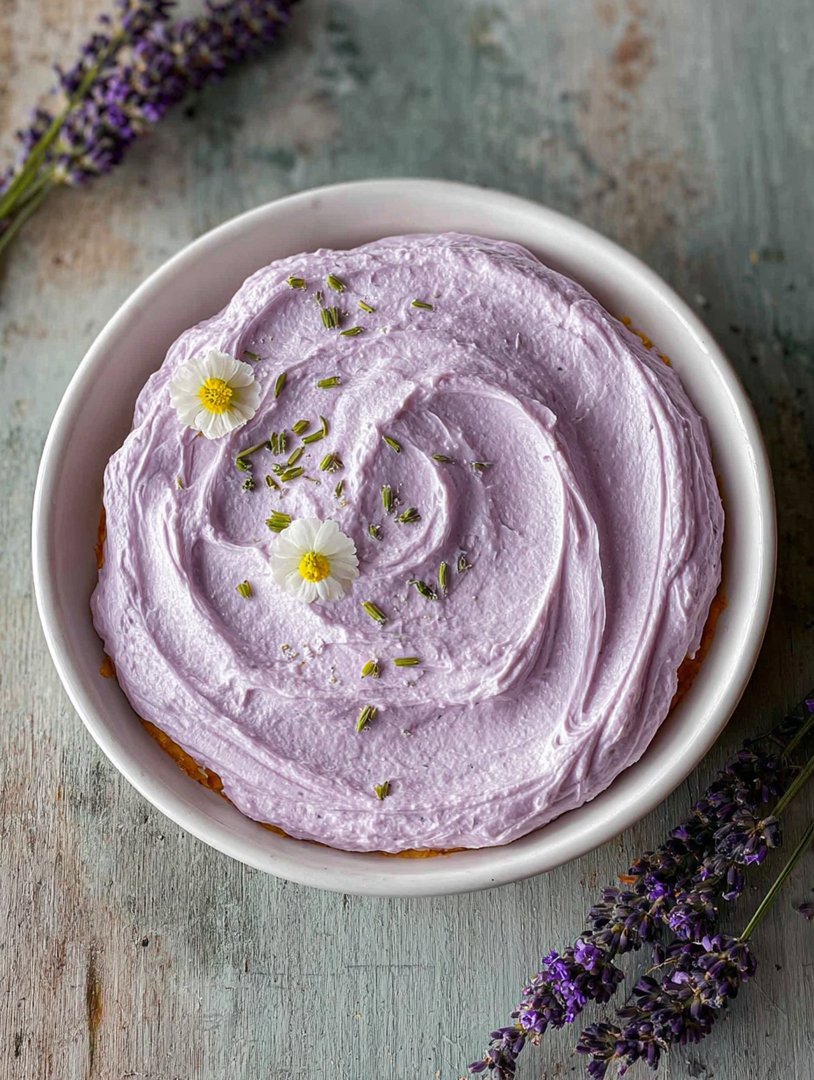
Forget everything you thought you knew about floral desserts. We’re moving past rosewater disasters and diving headfirst into the creamy, dreamy world ofLavender Buttercream Frosting. This isn’t potpourri, friends; it’s pure, delicate magic.
Get ready to transform mundane cakes and simple vanilla cupcakes into something breathtakingly elegant without spending hours in the kitchen. This is the sophisticated, enchanting topping you have been waiting for, guaranteed to make your dessert table legendary.
- This recipe comes together faster than you can debate whether you should eat the batter, requiring minimal chilling time and effort for maximum results.
- Experience a delicate, earthy floral note perfectly balanced by rich, sweet butter, avoiding any dreaded soapy aftertaste commonly associated with floral icing.
- Achieve that perfect, cloud-like swirl and stunning pale purple hue that makes every dessert look instantly professional and ready for a magazine cover shoot.
- Spread this enchanting frosting on lemon cakes, vanilla cupcakes, shortbread cookies, or simply enjoy a spoonful straight from the bowl—no judgment here at all.
The Quest for Perfectly Floral Flavor
I will admit something embarrassing: the first time I attempted to make a floral dessert, it tasted exactly like my grandmother’s hand soap. I had visions of light, airy sophistication, but instead, I produced something that belonged in the laundry room, not on a dessert platter. The problem with floral flavorings, especially when dealing with herbs, is that they can easily cross the line from delicate to disinfectant. That is why this particular recipe forLavender Buttercream Frostingis a game-changer; we tackle the infusion process with surgical precision.
This recipe isn’t just about mixing things until they look right; it is a masterclass in achieving balance. You want the earthy, almost peppery notes of the lavender to whisper sweet nothings to the butter, not shout them. The secret lies in a careful infusion process that pulls the essential oils into the fat, then strains the buds away completely. This method prevents the flavor from becoming too bitter or overwhelming, ensuring that your finished product tastes like a sweet, fragrant meadow, not a poorly mixed perfume sample. When you nail this technique, the subtle hint of floral sweetness transforms everything it touches, elevating a basic sugar cookie or simple sponge cake to an entirely new level of deliciousness and aesthetic beauty.
Choosing Your Culinary Lavender
Before you run out and clip the beautiful lavender bushes lining your driveway, stop! Not all lavender is created equal, especially when it comes to consumption. You absolutely must use culinary-grade lavender. Ornamental lavender varieties often have higher camphor content, which is the compound that creates that intensely soapy, sometimes bitter flavor we desperately try to avoid in baking. Culinary varieties, typicallyLavandula angustifolia(English lavender), are lower in camphor and boast a sweeter, milder aroma that pairs beautifully with sugar and butter.
Make sure you purchase dried lavender buds specifically labeled for cooking or baking. You only need a small amount, but the quality makes a monumental difference. Think of it as the difference between a cheap tea bag and loose-leaf gourmet brew—both steep, but the resulting flavor profiles are worlds apart. Using the right type ensures that your resulting floral frosting is delicate, fragrant, and utterly edible, bypassing that dreaded soap flavor entirely. A good rule of thumb: if it smells pungent rather than sweet, skip it.
Science Meets Sweetness: Why This Recipe Works
Making great buttercream requires patience and a basic understanding of emulsion, but making this delicate purple topping requires a specific, controlled extraction. We start by infusing the essential oils right into the cream component, usually cream or milk, which acts as the solvent. Heat is necessary to release the oils, but excessive boiling destroys the delicate flavor profile. Therefore, we gently steep the buds, much like brewing a delicate tea, before chilling the liquid rapidly. This prevents the bitter tannins from being released while ensuring the floral notes are captured completely.
The success of the final texture hinges on the quality and temperature of your butter. Your butter must be truly softened—not melted, not cold, but yielding easily when pressed. If the butter is too cold, the frosting will be clumpy and grainy; if it is too warm, the whole mixture will collapse into a soupy mess that refuses to hold a shape. We also rely heavily on powdered sugar, which includes a small amount of cornstarch to help stabilize the structure, preventing separation and adding that necessary bulk and sweetness. Incorporating the sifted sugar gradually ensures a smooth, lump-free final product, making your piping experience seamless and beautiful.
Temperature and Texture Secrets
Achieving that airy, fluffy texture—the signature of a perfect buttercream—depends entirely on controlling the air incorporation and avoiding lumpy ingredients. Always sift your powdered sugar, no exceptions. Powdered sugar naturally clumps in the bag, and those microscopic lumps become noticeable, gritty granules once mixed into the rich butter. Sifting guarantees the silky smooth mouthfeel we are aiming for in this fantastic floral frosting.
When you start creaming the butter, let it whip for several minutes on medium speed until it visibly lightens in color and nearly doubles in volume. This step introduces vital air, making the buttercream light instead of dense. Once you introduce the powdered sugar and the chilled, strained lavender-infused liquid, whip it on high for the final few minutes. This process emulsifies the fat and liquid completely, creating a sturdy, pipeable frosting that holds its shape beautifully on cakes and cupcakes.
Ingredients for Lavender Buttercream Frosting
Here’s what you’ll need to make this delicious dish:
- Unsalted ButterEnsure the butter is perfectly softened to room temperature so it creams smoothly and avoids lumps in the final mixture.
- Powdered SugarThis provides the bulk and sweetness; always sift it thoroughly to guarantee a light, non-gritty texture.
- Culinary Lavender BudsUse high-quality, dried English lavender to ensure a delicate floral flavor without any soapy bitterness.
- Heavy Cream or Whole MilkThis liquid helps steep the lavender and adjusts the consistency of the frosting to make it creamy and pipeable.
- Vanilla PowderA splash of pure vanilla powder enhances the overall sweetness and provides a necessary aromatic base note.
- Pinch of SaltSalt is crucial for balancing the intense sweetness and ensuring the flavors are bright and not cloying.
- Purple Food Coloring (Optional)Use a tiny amount of gel food coloring if you desire a visually striking, pale purple hue to match the flavor profile.
The full ingredients list, including measurements, is provided in the recipe card directly below.
How to Make Lavender Buttercream Frosting
Follow these simple steps to prepare this delicious dish:
- Infuse the Cream Base
In a small saucepan, gently warm the heavy cream or milk until just simmering (do not boil). Remove from the heat immediately, add the dried culinary lavender buds, and cover the pan tightly. Allow the lavender to steep for 20 to 30 minutes. Strain the mixture through a fine-mesh sieve, pressing lightly on the solids to extract all liquid, and then chill the infused cream thoroughly until cold.
- Cream the Butter
Place the softened unsalted butter in the bowl of a stand mixer fitted with the paddle attachment. Beat the butter on medium speed for 5 to 7 minutes, scraping down the sides occasionally, until the butter is noticeably pale, light, and fluffy, indicating proper aeration.
- Add Powdered Sugar Gradually
Reduce the mixer speed to low. Gradually add the sifted powdered sugar, one cup at a time, ensuring it fully incorporates before adding the next. Once all the sugar is added, mix until combined, then add the vanilla powder and salt.
- Incorporate the Lavender Liquid
With the mixer running on low speed, slowly pour in the chilled, lavender-infused cream, a tablespoon at a time. The mixture may look loose initially, but keep mixing until it comes together. If using, add a tiny drop of purple food coloring now.
- Whip to Perfection
Increase the mixer speed to medium-high and beat the frosting for another 3 to 5 minutes. The mixture should become light, voluminous, and hold stiff peaks. If the frosting seems too stiff, add a few drops more cream; if too loose, beat longer or add a tablespoon of extra powdered sugar.
Transfer the delicate Lavender Buttercream Frosting to a piping bag or spread it generously onto your cooled cakes, cupcakes, or cookies for the perfect finishing touch.
Troubleshooting and Tips for Flawless Floral Frosting
Even the most experienced bakers sometimes run into trouble with buttercream—it is notoriously sensitive to temperature. If your kitchen is warm, you must work fast to maintain the perfect texture. Always have a backup plan ready if your frosting decides to stage a revolt.
Fixing Frosting Fails
If your buttercream is too runny (often happening when the butter was too soft or the infused cream wasn’t cold enough), chill the entire bowl of frosting in the refrigerator for 15 to 20 minutes. Once chilled, put it back on the mixer and beat it on high speed for several minutes. The slight cooling helps the butter fat firm up, allowing the emulsion to stabilize and whip properly.
Conversely, if your frosting is too stiff or grainy (usually because the butter was too cold or the sugar wasn’t sifted), try adding a teaspoon of warm cream or milk while mixing on low speed until the texture loosens slightly. If the graininess is from undissolved sugar, continuing to mix vigorously for several minutes can sometimes help, though proper sifting remains the best defense. Always ensure your infusion liquid is cold before adding it; adding warm liquid melts the butter and guarantees a soupy catastrophe.
Making Lavender Paste for Deeper Flavor
For an exceptionally intense lavender flavor without any texture interference, consider grinding the dried culinary lavender buds with a small amount of powdered sugar in a food processor or spice grinder until they form a very fine powder. You can then add this paste directly into the butter during the creaming stage, skipping the liquid infusion step entirely. This method delivers a concentrated flavor punch, perfect for small batches or when you need the frosting to be extra structurally sound, making it easier to achieve a perfect swirl.
Pairing Your Lavender Buttercream
The subtle, sophisticated flavor of this frosting makes it incredibly versatile. While it shines brightly on a simple vanilla cake, it also complements citrus and berry flavors beautifully. Try pairing this lavender-flavored icing with a tangy lemon layer cake; the sweet floral notes cut through the tartness of the lemon, creating a heavenly combination. It also works wonderfully on blueberry or raspberry baked goods, where the bright fruit flavors interact wonderfully with the earthy undertones of the herb.
For a truly elegant presentation, try using this frosting to fill delicate French macarons or sandwich them between shortbread cookies. The rich texture and pale color immediately elevate these smaller treats. Remember, a little goes a long way with this intensely flavored frosting, so spread it judiciously and enjoy the compliments that are sure to follow.
Frequently Asked Questions About Floral Frosting
Can I use fresh lavender instead of dried buds?
It is generally recommended to use dried culinary lavender. Fresh lavender contains more moisture, which can interfere with the balance of the buttercream, and the flavor potency is less reliable and harder to control than the dried equivalent.
How long will Lavender Buttercream Frosting last?
Stored in an airtight container in the refrigerator, this frosting will last perfectly for up to one week. When you are ready to use it, let it come back almost to room temperature, then whip it briefly in the mixer until it returns to its light, fluffy consistency.
How do I prevent the frosting from tasting like soap?
The key to preventing a soapy taste is using high-quality culinary grade lavender (English lavender) and controlling the infusion time. Never boil the buds, and strain them completely after steeping to avoid over-extraction of bitter compounds.
Is this recipe suitable for filling layer cakes?
Yes, this rich buttercream has an excellent, sturdy texture suitable for filling and frosting layer cakes. If you live in a very warm climate, you might consider adding 2 tablespoons of meringue powder during the final whipping stage to provide extra stability.
The moment I decided to bake a cake for my highly competitive cousin, Beatrice, I knew I needed something utterly unexpected. Beatrice is the type of person who judges your life choices based on the flakiness of your pie crust and the precision of your piping. Standard vanilla was out. Chocolate? Too common. I needed elegance, surprise, and a flavor bomb that screamed, ‘Yes, I am sophisticated, and no, I didn’t just buy this from a fancy bakery.’
That’s how I stumbled into the soothing, subtly floral magic of lavender. I initially worried it would taste exactly like soap—a completely valid fear, considering I once accidentally used my fancy lavender-scented hand lotion instead of vanilla powder (don’t ask). But when steeped correctly, culinary lavender offers a gentle, almost meditative sweetness that pairs beautifully with rich, creamy butter. It transforms a simple dessert into an event.
The first time I whipped up a batch of this magnificentLavender Buttercream Frosting, my kitchen smelled like a sun-drenched French garden, and I felt instantly 80% less stressed about Beatrice’s impending judgment. The key is balance; we are aiming for subtle floral notes, not an overwhelming potpourri explosion. This frosting is the culinary equivalent of a spa day.
This recipe is a true game-changer. It’s light yet stable, remarkably silky smooth, and carries that delicate floral essence that keeps everyone guessing what your secret ingredient might be. It’s perfect for springtime layer cakes, delicate shortbread cookies, or—let’s be honest—just eating straight off the paddle. Forget heavy, overly saccharine mixtures; thisLavender Buttercream Frostingbalances richness with unparalleled fragrance. It’s so undeniably good, even Beatrice asked for the recipe. Which, trust me, is the highest compliment a competitive cousin can bestow.
Ingredients for the Dreamy Lavender Buttercream Frosting
- 1 cup (2 sticks or 226g) unsalted butter, softened to room temperature
- 4 cups (480g) powdered sugar, sifted
- 1/4 teaspoon salt
- 2 tablespoons whole milk or heavy cream
- 1 1/2 teaspoons high-quality vanilla powder
- 1 tablespoon culinary dried lavender buds
Essential Equipment Check
- Stand mixer with paddle attachment (or a hand mixer)
- Fine-mesh sieve or strainer
- Large mixing bowl
- Measuring cups and spoons
Step-by-Step Guide to Silky Success
Creating perfect floral buttercream requires patience and attention to temperature. Follow these steps precisely to achieve a light, airy, and stable final result.
- Infuse the Cream:In a small saucepan, gently heat the milk or heavy cream until just warm, but do not boil. Remove from heat immediately and stir in the culinary dried lavender buds. Cover the pan and let the lavender steep for 20 to 30 minutes. This allows the subtle flavor to fully transfer to the liquid.
- Strain the Infusion:Once steeped, pour the lavender-infused cream through a fine-mesh sieve, pressing gently on the buds to extract all the liquid. Discard the lavender buds and set the fragrant cream aside to cool slightly.
- Cream the Butter:In the bowl of your stand mixer fitted with the paddle attachment, beat the softened butter and salt on medium speed for about three to five minutes. The butter should become pale yellow and exceptionally fluffy. This step incorporates essential air for a light texture.
- Introduce the Sugar:Turn the mixer speed to low. Gradually add the sifted powdered sugar, one cup at a time, ensuring it is fully incorporated before adding the next. If the mixture looks very thick or stiff, scrape down the sides of the bowl.
- Achieve the Perfect Consistency:Once all the sugar is mixed in, the buttercream will look dry and crumbly. With the mixer still running on low, slowly drizzle in the vanilla powder and the cooled lavender-infused cream.
- Whip to Perfection:Increase the mixer speed to medium-high and whip the frosting vigorously for three to five minutes. The goal is a light, airy texture that holds its shape. Stop the mixer, scrape down the bowl one last time, and whip for 30 seconds to ensure total smoothness. Your beautifulLavender Buttercream Frostingis now ready to spread!
Expert Tips for Flawless Frosting
My best friend swore she couldn’t make this until she chilled the mixing bowl and paddle attachment for fifteen minutes first. That small move instantly stabilized the frosting, transforming her previously lumpy mess into a smooth, airy masterpiece.
- Always use high-quality butter at the perfect room temperature; if it’s too warm, the frosting will separate, requiring a quick chill before re-whipping.
- Sifting the powdered sugar is crucial for the silkiest texture; this eliminates any lumps that can make your buttercream grainy and difficult to pipe smoothly.
- If the frosting seems too thin after whipping, add 1-2 tablespoons more sifted powdered sugar. If it’s too thick, add a tiny splash more infused cream.
Perfecting the Cooking Process
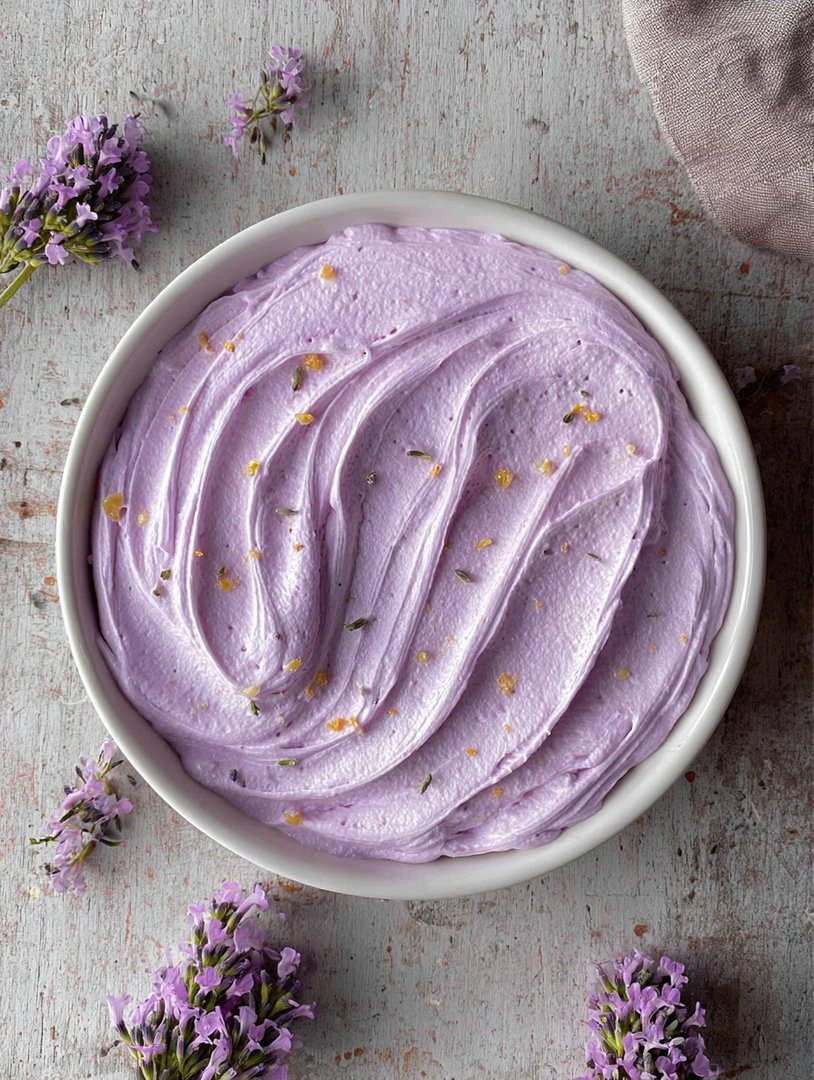
For maximum efficiency, begin by steeping the culinary lavender in the cream or milk first; this allows the flavor to infuse fully while you focus on creaming the butter and gradually adding the powdered sugar, ensuring the liquid is ready precisely when the base mixture requires the stabilizing moisture.
Add Your Touch
Elevate this recipe by swapping the standard vanilla powder for almond paste for a subtle marzipan note, or try incorporating a tablespoon of freshly grated lemon zest for a bright, citrusy counterpoint. You can also lightly color theLavender Buttercream Frostingwith a natural violet food coloring for visual impact.
Storing & Reheating
Store any leftover floral buttercream tightly sealed in an airtight container in the refrigerator for up to one week. When you are ready to use it again, allow it to come completely to room temperature, then whip it vigorously for two to three minutes to restore its light, fluffy texture before spreading or piping.
Frequently Asked Questions About Lavender Buttercream
Can I use fresh lavender instead of dried buds?
It is strongly recommended that you use only dried culinary lavender buds for this recipe. Fresh lavender has a much higher oil content, and the flavor can quickly become overpowering or taste overwhelmingly vegetal. Dried culinary buds provide a concentrated and manageable flavor that infuses beautifully into the cream without dominating the sweetness of the buttercream.
Why did my frosting come out grainy?
Graininess is usually caused by two things: using powdered sugar that wasn’t sifted, or not whipping the mixture long enough after adding the liquid. Always sift your powdered sugar, and make sure you whip the final mixture for at least three full minutes on medium-high speed to dissolve any remaining sugar granules and incorporate sufficient air.
How can I stabilize this buttercream for hot weather?
To make the floral buttercream more heat-stable, especially during warm months, substitute half of the unsalted butter with vegetable shortening. While shortening doesn’t contribute flavor, it keeps the frosting structure rigid and prevents excessive melting, making it ideal for outdoor events or transporting layer cakes. Alternatively, ensure your cake and frosting are well chilled before serving.
What kind of desserts pair best with Lavender Buttercream Frosting?
This versatile frosting is truly divine on delicate desserts. It pairs exceptionally well with vanilla bean cake, lemon loafs, white velvet cupcakes, and shortbread cookies. The light, herbal notes also complement subtle flavors like honey or Earl Grey tea cake, elevating them into something truly special.
What is the difference between culinary and ornamental lavender?
Ornamental lavender varieties are often sprayed with pesticides and are bred for strong fragrance, not flavor. Culinary lavender is grown specifically for consumption and usually belongs to the English lavender variety, which has a naturally sweeter, less camphorous flavor profile. Always ensure the label explicitly states “culinary” before using it in any food preparation.
Creating this floral buttercream elevates any dessert from simple baked good to sophisticated centerpiece. Mastering the subtle infusion of lavender flavor is the key to culinary success, ensuring a creamy, aromatic treat that impresses every single time. Enjoy the baking process, and prepare for a cascade of compliments!
Conclusion for Lavender Buttercream Frosting
Creating this aromatic and delicate Lavender Buttercream Frosting transforms any ordinary dessert into an elegant centerpiece. We walked through the essential steps, from selecting high-quality culinary lavender to achieving that perfect, airy consistency, ensuring your frosting never tastes soapy or heavy. Remember that practice makes perfect when mastering the temperatures for butter and liquids, and never hesitate to re-whipping chilled frosting for maximum fluffiness. This unique flavor profile offers sophistication and charm, making it an ideal choice for celebrations, afternoon tea, or simply treating yourself. Go forth and spread the floral joy!
The Unexpected History of My Kitchen Catastrophe
Let’s be honest, baking rarely goes as smoothly as those five-second Instagram reels suggest. My first attempt at anything floral involved rosewater and resulted in something tasting suspiciously like my grandmother’s potpourri dish. I was ready to quit the entire botanical baking trend until I discovered the magic of culinary lavender. Done correctly, it doesn’t taste like soap; it tastes like walking through a spring garden—light, refreshing, and utterly intoxicating. This frosting recipe is the culmination of several failed experiments, one minor smoke alarm incident, and the eventual realization that less is definitely more when dealing with powerful floral notes. Prepare yourself for a frosting so good, your guests will demand to know your secret garden source.
Why Lavender and Buttercream Are a Perfect Match
Buttercream, at its heart, is pure comfort—a blend of fat and sugar whipped into submission. But sometimes, comfort needs a little refinement. Lavender offers that gentle refinement, cutting through the richness of the butter without being overwhelming. The key lies in the infusion process. We aren’t just throwing buds into the mixer; we are patiently coaxing the delicate oils from the culinary lavender into the hot cream or milk before it even meets the sugar. This step ensures deep, nuanced flavor penetration. Think of it as aromatherapy for your taste buds. This method guarantees a beautifully balanced creamy frosting that enhances, rather than dominates, the flavor of the cake beneath it. It’s the finishing touch that elevates simple vanilla or lemon layers to luxury status.
Essential Ingredients for Dreamy Frosting
Forget the shortcuts; quality ingredients are non-negotiable here. Since we are dealing with such potent flavors, every component needs to be fresh and excellent. Make sure your unsalted butter is room temperature—not melted, not fridge-cold, but perfectly pliable, easily indented with a finger. This consistency is vital for proper emulsification and achieving that characteristic light texture. We use heavy cream or whole milk for the infusion, avoiding watery substitutes that dilute the flavor profile. And, of course, the star of the show: high-quality dried culinary lavender buds. Don’t cheap out on the sugar either; finely sifted powdered sugar prevents lumps that ruin the smooth finish of the Lavender Buttercream Frosting.
- 1 cup (2 sticks) unsalted butter, softened
- 3–4 cups powdered sugar, sifted
- 1/4 cup heavy cream or whole milk
- 1 1/2 teaspoons dried culinary lavender buds
- 1 teaspoon vanilla powder
- Pinch of salt
- Optional: 1 drop purple or violet food coloring (gel preferred)
Step-by-Step Guide to Perfect Lavender Infusion
The infusion is where the magic happens, so pay close attention. First, combine the heavy cream and the culinary lavender buds in a small saucepan. Heat the mixture over medium-low heat until it just begins to steam—do not boil it. Remove the pan from the heat immediately, cover it, and let it steep for at least 15 to 20 minutes. If you want a stronger flavor, you can let it sit for up to 30 minutes, but taste test as you go. Once steeped, strain the cream mixture through a fine-mesh sieve or cheesecloth to remove all the solid lavender buds. Press down lightly on the buds to extract all the flavorful liquid. Allow this infused cream to cool completely before using it in the buttercream.
Whipping Up the Lavender Buttercream Frosting
Now for the fun part: turning simple ingredients into magnificent frosting. In the bowl of a stand mixer fitted with the paddle attachment (or using a hand mixer), beat the softened butter on medium speed until it is light and fluffy, about 3 minutes. Scraping down the bowl is essential during this stage. Gradually add the sifted powdered sugar, one cup at a time, mixing on low speed initially to avoid a sugar cloud disaster that coats your kitchen. Once combined, increase the speed to medium. Slowly drizzle in the cooled, strained lavender-infused cream, the vanilla powder, and the pinch of salt.
Tips for Achieving Cloud-Like Texture
The final whipping stage determines whether you end up with a smooth, cloud-like texture or a dense, heavy spread. After all the ingredients are incorporated, increase the mixer speed to medium-high. Beat the frosting for a full 5 to 7 minutes. This lengthy beating process incorporates air, making the buttercream light and structurally sound for piping. If the frosting seems too stiff, add a tiny splash more cream; if it’s too loose, add a tablespoon more sifted powdered sugar. For a subtle hint of color, now is the time to add a single drop of gel food coloring, mixing just until the desired hue is reached. Stop mixing once it reaches perfection; overmixing can sometimes deflate the air you worked so hard to incorporate.
Print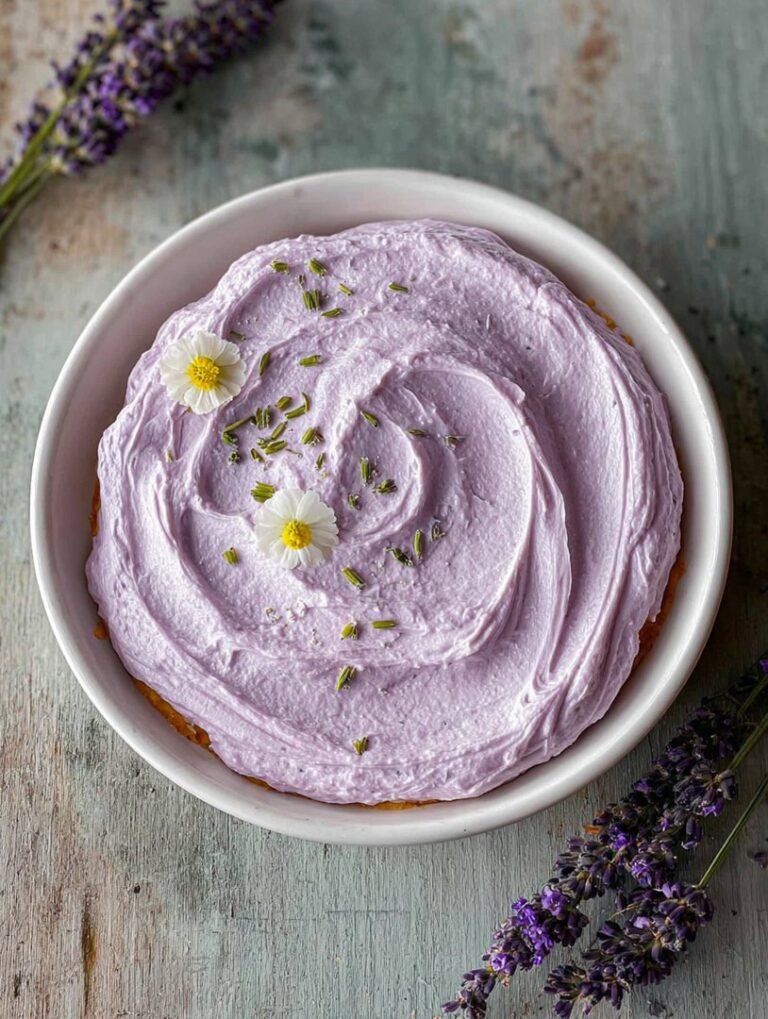
Lavender Buttercream Frosting
Achieve true elegance with this floral Lavender Buttercream. We steep culinary buds in warm cream, ensuring a subtle, fragrant flavor profile.
- Total Time: 35 minutes
- Yield: 4 servings
Ingredients
- Unsalted butter: 1 cup (2 sticks), softened
- Powdered sugar: 4 cups, sifted
- Heavy cream or whole milk: 4 tablespoons
- Culinary dried lavender buds: 1 tablespoon
- vanilla bean paste: 1 teaspoon
- Fine sea salt: 1/4 teaspoon
Instructions
- Step 1: Gently heat the heavy cream or milk in a small saucepan until just simmering. Remove immediately from the heat, stir in the dried culinary lavender buds, and let the mixture steep for 15 to 20 minutes to infuse the flavor.
- Step 2: Strain the lavender-infused cream through a fine-mesh sieve into a clean bowl, pressing down on the buds to extract as much liquid as possible; discard the lavender buds. Set the cooled, strained liquid aside.
- Step 3: In the bowl of a stand mixer fitted with the paddle attachment, beat the softened butter and salt on medium speed until the butter is very light and creamy, about 3 to 4 minutes. Reduce the speed to low and gradually add the sifted powdered sugar, one cup at a time, mixing until fully incorporated.
- Step 4: Add the alcohol-free vanilla extract, then slowly drizzle the strained lavender-infused cream into the mixture while the mixer is running on low. Increase the speed to medium-high and beat for an additional 2 to 3 minutes until the frosting is light, airy, and smooth, scraping down the sides of the bowl as needed.
Notes
- Store this buttercream at cool room temperature for up to 24 hours, or refrigerate it in an airtight container for up to one week.
- If the frosting is chilled, allow it to come fully to room temperature before re-whipping it vigorously in the stand mixer for 60 seconds to restore the light, fluffy volume.
- This subtle, floral frosting beautifully complements simple almond or vanilla baked goods, or try piping it onto fresh lemon shortbread cookies.
- For maximum fluff, always ensure the lavender-infused cream is completely cooled before it is drizzled into the whipped butter and sugar, preventing the butter from melting.
- Prep Time: 15 minutes
- Cook Time: 20 minutes
- Method: Stovetop
- Cuisine: American
FAQs
Can I make Lavender Buttercream Frosting ahead of time?
Absolutely! Preparing this delicious Lavender Buttercream Frosting in advance is a great way to save time before a big event. You can store the frosting in an airtight container in the refrigerator for up to two weeks. When you are ready to use it, let it come to room temperature, which usually takes about an hour. Once softened, whip it again vigorously for a few minutes using a stand mixer or hand mixer. This re-whipping process restores the light, fluffy texture that defines a perfect buttercream, ensuring your finished cake looks and tastes professionally made. It’s perfect for those who like to stay organized.
What is the best type of lavender to use for baking this recipe?
When creating treats like this, always opt for culinary lavender, specifically theLavandula angustifoliaspecies, commonly known as English lavender. This variety has a sweet, delicate flavor profile and lacks the strong camphor notes found in ornamental or craft lavenders, which can make your final product taste soapy. You can buy dried culinary lavender buds online or at specialty food stores. Ensure the lavender has a beautiful aroma and is free from pesticides, as you will be infusing it directly into the cream or sugar. Using the right type is crucial for achieving that gentle, floral hint in your frosting.
How do I fix Lavender Buttercream Frosting that looks curdled?
A curdled buttercream is usually a result of temperature imbalance, but panic not—it’s fixable! If your frosting looks chunky or separated, it likely means the butter was too cold or the mixture was incorporated too quickly. The simplest remedy is to add a small amount of warm liquid, perhaps a teaspoon of warm milk or cream, while beating the frosting at high speed. Alternatively, scoop out about half a cup of the curdled frosting, microwave it briefly until just melted (but not hot), and slowly stream it back into the remaining mixture while whipping. The warm addition will emulsify the ingredients perfectly, bringing back that velvety smooth texture.
What desserts pair well with Lavender Buttercream Frosting?
The subtle, floral notes of this creamy frosting elevate a variety of baked goods far beyond simple vanilla cake. It pairs incredibly well with citrus flavors, such as lemon or orange zest cakes, as the acidity provides a beautiful counterpoint to the sweetness. Chocolate cake can also be enhanced by the unexpected earthy fragrance of the lavender. For a lighter touch, try spreading it generously on sugar cookies, or piping it onto delicate shortbread biscuits. Ultimately, any dessert that benefits from a light, sophisticated flavor twist will shine when topped with a generous swirl of Lavender Buttercream Frosting. Experimentation is highly encouraged!




Leave a Comment