
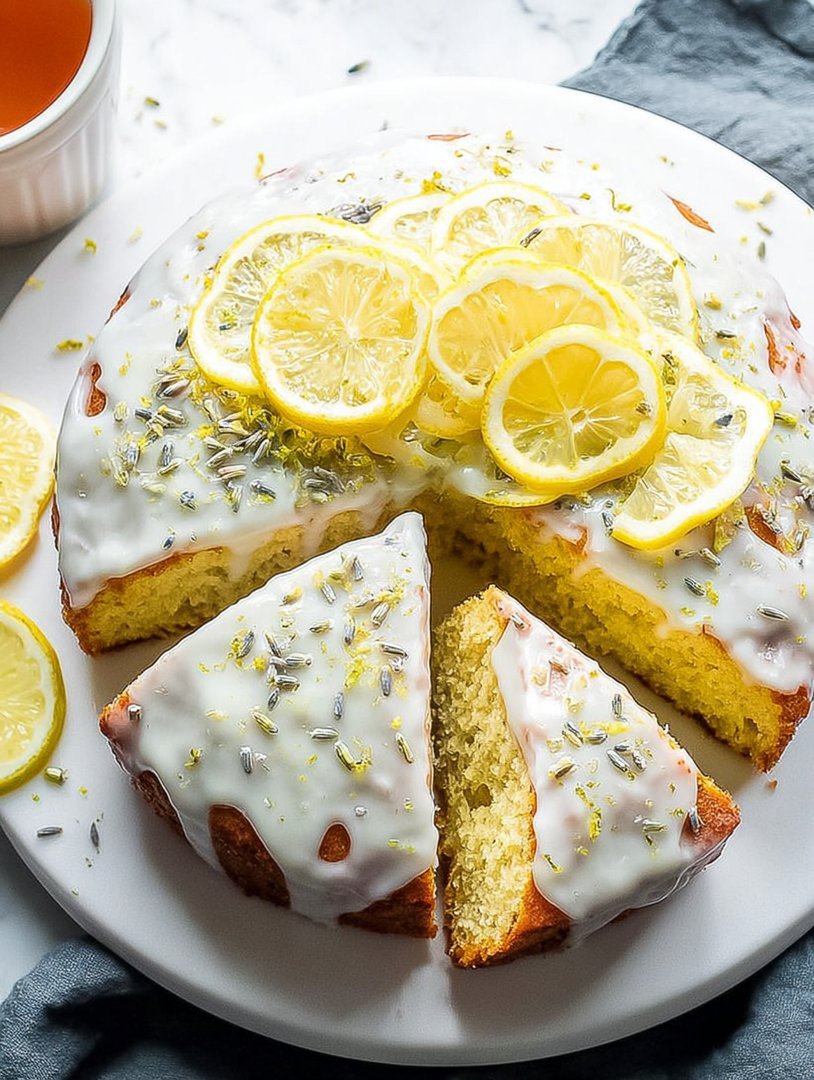
Imagine the scent of bergamot mingling with gentle floral notes; that’s the magic of this magnificentlavender Earl Grey tea cake. This recipe solves the age-old problem of wanting effortless sophistication without spending three days stuck perfecting a complex bake. Forget everything you know about dry, boring loaf cakes, because this light, aromatic creation is the culinary equivalent of wearing a luxurious cashmere sweater on a perfectly crisp autumn day.
- This recipe is surprisingly simple, transforming basic pantry staples into an elegant, show-stopping dessert with minimal fuss and effort.
- Experience a complex yet delicate flavor profile where citrusy bergamot meets soothing lavender for a truly unique afternoon treat sensation.
- The pale purple hue and delicate floral garnish ensure this tea cake boasts incredible visual appeal perfect for any sophisticated gathering or event.
- Easily transform this classic loaf into beautiful cupcakes or a stunning layered cake, offering excellent versatility for casual brunches or formal parties.
The Secret History of the World’s Best Afternoon Tea
I must confess, I have a deep, emotional relationship with tea. Not just the act of drinking it, but the ritual, the steam, the quiet moment of contemplation—or, in my case, the frantic search for a biscuit that hasn’t crumbled into dust. My quest for the ultimate afternoon tea accompaniment led me down many dark paths, including an attempt at a fennel and black pepper shortbread (which we shall never speak of again). But then I discovered the transcendent joy of marrying two quintessential British flavors: the robust, citrusy elegance of Earl Grey and the soothing, fragrant calm of culinary lavender.
The result was pure poetry, alavender Earl Grey tea cakethat tastes exactly like a garden smells after a gentle rainstorm. You are not just baking a cake; you are creating an experience. When you pull this loaf out of the oven, the aroma alone is enough to silence a room full of rowdy toddlers—or even a spouse trying to tell you about their commute. This cake is your escape hatch, your moment of calm, baked into a perfectly golden crumb. The process is deceptively simple, yet the flavor profile suggests you studied patisserie in the rolling hills of Provence. Do not let the fancy ingredients intimidate you; if you can stir, you can conquer this bake.
When Life Gives You Earl Grey, Make a Cake
The key to unlocking the depth of flavor in this bake lies in the infusion. We are essentially brewing a very strong, creamy cup of tea and then integrating that liquid and those beautiful, finely ground tea leaves directly into the batter. This step bypasses the need for artificial flavorings and gives the cake a genuine, authentic warmth. Don’t skimp on the quality of your Earl Grey; the better the tea, the better the final result. If you use dusty teabags found at the back of your pantry from 2008, I cannot guarantee culinary bliss. Invest in loose-leaf tea, or at least fresh, high-quality bags. You deserve it.
Furthermore, managing the floral notes is crucial. Lavender is wonderful, but it is also powerful. Too much, and your cake will taste like a fancy soap you accidentally purchased at a farmer’s market. We aim for delicate whisper, not a floral shout. Using dried culinary lavender and grinding it finely with the sugar helps distribute the aroma evenly without overwhelming the delicate bergamot. The combination should be harmonious, a quiet duet rather than a wrestling match between bitter citrus and overpowering perfume. This careful balance is what elevates this simple tea loaf from merely good to truly unforgettable, ensuring that every slice delivers a smooth, aromatic experience.
Ingredients for lavender Earl Grey tea cake
Here’s what you’ll need to make this delicious dish:
- All-Purpose FlourUse unbleached flour for the best texture, ensuring it is properly sifted to prevent lumps in the batter.
- Granulated SugarThis provides sweetness and helps to cream with the butter, creating air pockets for a light structure.
- Unsalted ButterEnsure the butter is truly at room temperature; this is vital for achieving a light and fluffy crumb when creaming.
- Large EggsUse room temperature eggs, as they emulsify much better into the butter mixture, creating a smoother, uniform batter.
- Baking Powder and SaltThese leavening agents and seasonings are essential for rise and balancing the sweetness of the cake.
- Earl Grey TeaYou will need 2 tablespoons of loose-leaf tea or 4 strong teabags for maximum flavor infusion into the milk and batter.
- Milk or Heavy CreamUse whole milk or cream, warmed, to steep the tea and add necessary moisture and richness to the batter.
- Culinary Lavender BudsOnly use dried culinary-grade lavender, ensuring it is finely ground to prevent sharp, overly floral bursts of flavor.
- Vanilla Bean PasteA splash of pure vanilla bean paste enhances the overall sweetness and complements the floral and citrus notes beautifully.
The full ingredients list, including measurements, is provided in the recipe card directly below.
How to Make lavender Earl Grey tea cake
Follow these simple steps to prepare this delicious dish:
Step 1: Infuse and Prepare the Ingredients
Preheat your oven to 350°F (175°C) and grease and flour a 9×5 inch loaf pan, or line it with parchment paper for easy removal. Warm the milk or cream gently (do not boil) and steep the Earl Grey tea leaves in the warm liquid for 15 minutes. Strain the liquid, discarding the leaves, and set the infused liquid aside to cool completely. In a separate bowl, whisk together the flour, baking powder, and salt.
Step 2: Cream the Butter and Sugar
In a large mixing bowl, combine the room temperature butter and the granulated sugar. Add the culinary lavender buds to the sugar mixture. Beat these ingredients together using an electric mixer on medium-high speed until the mixture is visibly pale and fluffy, about 3 to 5 minutes. This creaming process incorporates necessary air into the cake structure.
Step 3: Add Eggs and Dry Mixture
Beat the eggs into the creamed mixture one at a time, making sure each egg is fully incorporated before adding the next. Scrape down the sides of the bowl often. Reduce the mixer speed to low and gradually add the dry ingredients (flour mixture) in three alternating additions with the cooled Earl Grey infused milk, beginning and ending with the flour mixture. Mix only until just combined; avoid over-mixing the batter.
Step 4: Bake the Aromatic Loaf
Pour the prepared batter evenly into the loaf pan. Bake for 50 to 65 minutes, or until a wooden skewer inserted into the center of thelavender Earl Grey tea cakecomes out clean. If the top browns too quickly, loosely tent the cake with aluminum foil halfway through the baking time. Allow the cake to cool in the pan for 10 minutes before turning it out onto a wire rack to cool completely.
Step 5: Prepare the Simple Glaze
While the cake cools, prepare a quick glaze if desired. Whisk together powdered sugar, a few drops of milk or lemon juice, and optionally, a pinch of finely ground lavender buds or a teaspoon of the infused tea liquid. The glaze should be thick enough to drizzle slowly but not watery. Once the cake is completely cool, drizzle the glaze generously over the top.
Transfer the cooled tea cake to a serving platter and slice thickly for the perfect finishing touch to any afternoon gathering.
Achieving Peak Floral Flavor: Tips for Success
Baking a cake that uses delicate flavors like lavender and bergamot requires a little finesse, but these simple tips guarantee success. First, pay attention to the lavender itself. If you cannot find culinary lavender, or if you are nervous about its strength, use less than the recipe calls for initially. You can always add more to the sugar mixture, but you cannot take it out once it is incorporated into the batter. Always grind the lavender with the sugar; this mechanical action helps release the oils and distribute the flavor evenly, preventing any concentrated bursts of soapiness.
Don’t Panic About the Frosting
This lavender tea cake is truly delightful naked, but if you desire a little extra sweetness and sheen, the glaze is non-negotiable. I recommend a simple lemon and lavender glaze. The acidity of the lemon cuts through the richness of the cake and brightens the overall flavor profile, ensuring the treat isn’t overly heavy. You don’t need fancy tools for the glaze; a fork and a small bowl are sufficient. Make sure the cake is completely cool before glazing, otherwise, the glaze will melt right off and create a sticky puddle of disappointment.
If you prefer a richer topping, a simple cream cheese frosting infused with a small amount of the cooled Earl Grey tea liquid works beautifully. Just remember to keep the frosting light and airy so it doesn’t overpower the subtle floral notes of the cake itself. The goal here is enhancement, not complete flavor domination. You want people to ask, “What is that amazing subtle flavor?” not “Did you bake this in a perfume factory?” Mastering the delicate balance is the difference between a good dessert and an outstanding one.
Flavor Variations and Serving Suggestions
This recipe provides a fantastic foundation, but you can customize this tea loaf easily to suit your specific preferences. For a brighter flavor, replace half of the infused milk with fresh lemon juice or even orange juice. Citrus enhances the bergamot notes present in the Earl Grey tea wonderfully. If you want a more autumnal feel, consider adding 1/2 teaspoon of ground cardamom or nutmeg to the dry ingredients, which pairs surprisingly well with the floral undertones.
Another popular variation involves adding fruit. Fold 1/2 cup of fresh or frozen blueberries (do not thaw) into the batter just before baking. Blueberries and lavender are a classic combination that adds moisture and a burst of tartness. For an extra layer of texture, sprinkle the top of the batter with turbinado sugar or chopped, toasted almonds before placing it in the oven. This creates a wonderfully crunchy crust that contrasts beautifully with the soft, moist interior of the tea cake.
Serving this floral bake requires minimal effort. Serve warm slices with a dollop of clotted cream or mascarpone cheese and maybe a small bowl of fresh mixed berries. It is the quintessential afternoon tea treat, pairing perfectly with a strong cup of black tea or a delicate floral infusion. For a sophisticated dessert, serve it alongside a scoop of vanilla bean ice cream drizzled with a homemade berry reduction sauce. The presentation should remain simple, letting the beautiful aroma and light flavor of thelavender Earl Grey tea cakespeak for itself.
Frequently Asked Questions About Baking This Tea Cake
How do I prevent my lavender Earl Grey tea cake from becoming dry?
The secret to a moist cake lies in two things: accurate measurement of flour and avoiding over-mixing. Use the spoon-and-level method for measuring flour, and mix the batter only until the streaks of flour disappear. Also, ensure you do not overbake the loaf; check the temperature five minutes before the recipe suggests, as ovens vary greatly.
Can I use fresh lavender instead of dried culinary lavender?
While fresh lavender is tempting, it contains much more moisture and tends to have a significantly stronger flavor which can easily overwhelm the cake. Stick to dried culinary lavender buds for the best and most consistent results in this particular recipe.
What is the best way to store leftover tea cake?
Store this tea cake at room temperature in an airtight container for up to 3 days. If it is glazed, it might be slightly stickier. For longer storage, you can tightly wrap the cooled loaf in plastic wrap and aluminum foil and freeze it for up to 3 months. Thaw overnight at room temperature before serving.
Can I substitute the Earl Grey tea for a different type of tea?
Absolutely, you can experiment with flavor! A robust English Breakfast tea or a slightly smoky Lapsang Souchong would offer a darker, more intense flavor profile. However, if you choose another tea, be aware that the citrusy bergamot notes that complement the lavender so well will be absent.
There is a sacred ritual that occurs every afternoon around 4 PM. It involves a strong cup of tea, a moment of profound silence, and, ideally, something spectacular to nibble on. I spent years chasing the perfect afternoon treat—something elegant enough for a fussy aunt, yet comforting enough for a dreary Monday. Brownies were too heavy, cookies too casual. I needed an architectural masterpiece of aroma.
My kitchen adventures led me through numerous trials involving various floral infusions. There was the Rosewater Disaster of ’19 (which tasted suspiciously like expensive soap) and the Chamomile Calamity of ’20 (which made everyone sleepy). I finally struck gold when I realized the rich, bright notes of Earl Grey tea, with its distinctive bergamot oil, needed a delicate partner. That partner? Lavender.
The resulting creation is this incredibly aromatic and tenderlavender Earl Grey tea cake. It is sophisticated, light, and frankly, a little bit magical. It brings together the deep, malty complexity of black tea and the subtle, earthy sweetness of dried lavender, wrapped up in a moist, buttery loaf that begs to be sliced and served.
The Secret to Sophisticated Baking: Discovering the Lavender Earl Grey Tea Cake
This fragrant cake is more than just a dessert; it’s an experience. The magic truly lies in the infusion process. Instead of simply tossing the dried lavender into the batter, we gently warm the milk and steep the tea and lavender together. This slow, low-temperature infusion coaxes out the nuanced flavors without releasing the bitter compounds, ensuring the loaf maintains its elegant profile.
The tea cake structure itself relies on the classic creaming method, where butter and sugar are beaten until pale and fluffy. This step incorporates essential air, giving the loaf its signature lift and tender crumb. When you pair this light texture with a bright, tart glaze infused with more bergamot essence, you have a recipe that will elevate any afternoon gathering from routine to remarkable. Prepare to become known as the baker who mastered floral dessert.
Gather Your Tools: Ingredients for the Perfect Fragrant Loaf
For the Cake Batter
- 1 cup (2 sticks or 226g) unsalted butter, softened
- 1 cup granulated sugar
- 3 large eggs, at room temperature
- 1 teaspoon pure vanilla bean paste
- 2 cups all-purpose flour
- 1 teaspoon baking powder
- ½ teaspoon salt
- ¾ cup whole milk
- 3 Earl Grey tea bags (high quality recommended)
- 2 teaspoons culinary dried lavender buds
For the Bergamot Glaze
- 1 ½ cups powdered sugar, sifted
- 3 tablespoons fresh lemon juice or clementine juice
- 1 teaspoon Earl Grey loose tea leaves (optional, for decoration)
- 1 tablespoon whole milk or water, adjust as needed
Baking Bliss: Step-by-Step Instructions
We need to start with the flavor infusion, which is the heart of this tea cake. In a small saucepan, gently heat the ¾ cup of whole milk until it is steaming but not boiling. Remove from heat and drop in the Earl Grey tea bags and the lavender buds. Cover the pan and let it steep for 10 minutes, extracting maximum aroma. Squeeze the tea bags gently and discard them, then strain the milk mixture to remove all the lavender buds. Let the infused milk cool completely.
Preheat your oven to 350°F (175°C) and grease and flour a 9×5-inch loaf pan, or line it with parchment paper for easy removal. In a large bowl, using an electric mixer, cream together the softened butter and granulated sugar on medium speed until the mixture is light, pale, and fluffy—about three to five minutes. Beat in the eggs one at a time, ensuring each is fully incorporated before adding the next. Stir in the vanilla bean paste.
In a separate bowl, whisk together the flour, baking powder, and salt. Gradually add the dry ingredients to the wet ingredients, alternating with the cooled lavender and Earl Grey infused milk. Begin and end with the flour mixture, mixing only until just combined. Overmixing will develop the gluten and yield a tough loaf, which is not the goal here.
Pour the batter evenly into your prepared loaf pan. Bake for 50 to 60 minutes, or until a wooden skewer inserted into the center comes out clean. If the top browns too quickly, loosely tent it with aluminum foil during the last 15 minutes of baking. Let the loaf cool in the pan for 15 minutes before carefully turning it out onto a wire rack to cool completely.
While the cake cools, prepare the glaze. Whisk together the sifted powdered sugar, lemon juice, and the tablespoon of milk until smooth and pourable. Adjust the consistency by adding a few more drops of milk if it seems too thick, or a tiny spoonful of sugar if it’s too thin. Once the tea cake is completely cool, drizzle the glaze liberally over the top and sprinkle with a few loose Earl Grey tea leaves for an added visual touch. Allow the glaze to set for about 30 minutes before slicing and serving.
Perfecting the Cooking Process

Achieve an ethereal crumb by first ensuring your butter and sugar are perfectly creamed, incorporating air for lift. Next, steep the Earl Grey tea strongly and allow it to cool before mixing it into the wet ingredients. Bake the loaf until a toothpick comes out clean, then let it cool completely before adding the zesty glaze.
Expert Advice: Achieving Aromatic Excellence
My best friend once tried to steep the lavender in boiling water, resulting in a strangely medicinal flavor. I learned then that infusing dried herbs in warm milk offers a much smoother, complex floral note.
- Use culinary-grade dried lavender only, as decorative lavender can taste bitter and ruin the cake’s delicate flavor profile, making it taste artificial.
- Do not overmix the batter once you add the flour; mixing too vigorously develops the gluten, resulting in a tough instead of tender cake.
- For maximum flavor, steep the Earl Grey tea bags in the warm milk for a full 10 minutes before cooling, ensuring a strong bergamot essence.
Add Your Touch
If you enjoy a textural contrast, fold in a half cup of chopped pistachios or blanched almonds for crunch. You can substitute the lemon juice in the glaze with fresh orange or clementine juice for a brighter citrus note. For intense floral flavor, use vanilla bean paste instead of extract.
Storing & Reheating
Store the glazed cake wrapped tightly in plastic wrap at room temperature for up to four days; refrigeration often makes tea cakes dry. If freezing, wrap slices individually and thaw them at room temperature when ready to serve. This delicate dessert is always best enjoyed at room temperature.
Frequently Asked Questions About Tea Cakes
Can I substitute the dried lavender buds?
While dried lavender provides a unique floral element, you can swap it out. Try using finely grated lemon zest and a pinch of cardamom for a spicy citrus variation, or substitute the lavender with a ½ teaspoon of rosewater added to the wet ingredients.
Why did my tea cake turn out dry?
A dry cake usually stems from two issues: measuring errors or overbaking. Ensure you measure the flour correctly using the spoon-and-level method, and always check the cake five minutes before the recommended time to avoid excessive heat exposure.
How do I ensure the Earl Grey flavor is strong enough?
The key to maximum flavor is using high-quality tea bags and ensuring the milk is properly heated before steeping. Allowing the tea to steep for the full ten minutes in warm milk, rather than boiling, maximizes the flavor extraction without introducing bitterness.
Thislavender Earl Grey tea cakeprovides the perfect balance of comfort and sophistication, making it an ideal companion for your next cup of tea. Whether you are hosting an elegant brunch or simply seeking a peaceful moment alone, this floral cake offers a sophisticated sweetness that is hard to beat. Happy baking!
Conclusion for lavender Earl Grey tea cake
This delightful lavender Earl Grey tea cake transcends the ordinary afternoon treat, offering a symphony of complex yet comforting flavors. We have journeyed through the subtle art of tea infusion, mastering the balance between bright citrus bergamot and gentle, soothing lavender. The moist crumb, achieved through the generous syrup soak, ensures an unforgettable texture that pairs perfectly with the airy, floral frosting. Whether you are hosting an elegant brunch or simply seeking a sophisticated baking project, this cake delivers on both charm and flavor. It is a truly unique dessert that invites reflection and enjoyment, proving that sometimes, the simplest ingredients, when combined with care, create the most memorable culinary masterpieces.
Print
lavender Earl Grey tea cake
A sophisticated loaf: Lavender and bergamot infuse warm milk for an exceptionally fragrant crumb. Creamed butter and sugar provide the perfect texture.
- Total Time: 35 minutes
- Yield: 4 servings 1x
Ingredients
- 1 3/4 cups All-Purpose Flour
- 1 cup Granulated Sugar
- 1/2 cup (1 stick) Unsalted Butter, softened
- 2 large Eggs
- 1 tablespoon Culinary Lavender Buds
- 3 Earl Grey Tea Bags
- 1/2 cup Whole Milk
- 1 cup Powdered Sugar (for glaze)
Instructions
- Step 1: Preheat oven to 350°F (175°C) and grease a 9×5 inch loaf pan. Gently heat the whole milk until simmering, then remove from heat and steep the Earl Grey tea bags and lavender buds for 10 minutes. Strain the mixture well to remove all solids and set the infused milk aside to cool slightly.
- Step 2: In a medium bowl, whisk together the all-purpose flour and a pinch of salt; set aside. In a large mixing bowl, use an electric mixer to cream the softened butter and granulated sugar until the mixture is light and fluffy. Beat in the eggs one at a time, ensuring each is fully incorporated before adding the next.
- Step 3: Gradually incorporate the dry ingredients into the wet mixture, alternating with the cooled lavender Earl Grey milk mixture, beginning and ending with the flour mixture. Mix on low speed only until the batter is just combined and smooth.
- Step 4: Pour the finished batter into the prepared loaf pan and bake for 45-55 minutes, or until a toothpick inserted into the center comes out clean. Let the cake cool in the pan for 10 minutes before transferring it to a wire rack to cool completely.
- Step 5: To make the glaze, whisk the powdered sugar with 2-3 tablespoons of the reserved lavender Earl Grey milk (or plain milk) until smooth and pourable. Drizzle the glaze generously over the completely cooled cake before slicing and serving.
Notes
- To keep the crumb moist and the flavor vibrant, store the cooled, glazed cake in an airtight container at room temperature for up to two days, or wrap well and refrigerate for up to a week.
- To enhance the comforting tea aroma, warm individual slices slightly in the microwave for 10-15 seconds just until barely warm to the touch, especially delicious if paired with fresh clotted cream.
- Serve slices alongside a generous spoonful of homemade lemon curd or a light, unsweetened yogurt to brighten the subtle floral and citrus notes of the tea.
- Take care not to overmix the final batter; once the flour and infused milk are just combined and smooth, stop immediately to guarantee a tender, light crumb.
- Prep Time: 15 minutes
- Cook Time: 20 minutes
- Method: Stovetop
- Cuisine: American
FAQs
How do I prevent my lavender Earl Grey tea cake from becoming dry?
The secret to achieving an intensely moist and tender crumb for your lavender Earl Grey tea cake lies primarily in the application of the infused syrup. While precise ingredient measurements and avoiding overmixing the batter are crucial first steps, the tea syrup acts as a flavor and moisture sealant. Immediately after the cake comes out of the oven, while it is still warm, gently poke holes across the surface using a skewer or fork. Brush or pour the warm Earl Grey syrup over the cake slowly, allowing it to soak deep into the layers. This process ensures every bite is soft, fragrant, and perfectly hydrated, combating the natural tendency of baked goods to dry out over time.
Is it necessary to use culinary-grade dried lavender, or can I use fresh lavender?
For this specific recipe, using culinary-grade dried lavender is highly recommended over fresh lavender. Fresh lavender flowers retain a lot of moisture, which can throw off the balance of the batter, leading to inconsistent baking results. More importantly, dried culinary lavender provides a concentrated, consistent flavor, crucial for achieving that delicate floral note without tasting soapy or overwhelmingly perfumed. If you use fresh lavender, you risk introducing too much volatile oil, which can ruin the sophisticated flavor profile we are aiming for. Always source lavender specifically labeled for cooking to guarantee purity and flavor safety in your dessert.
Can I prepare the components of the lavender Earl Grey tea cake ahead of time?
Absolutely! Preparing certain elements ahead of time significantly streamlines the assembly process for this elegant dessert. You can bake the cake layers up to two days in advance; wrap them tightly in plastic wrap once cooled completely and store them at room temperature. The Earl Grey syrup can also be made a week prior and stored in an airtight container in the refrigerator. However, it is best to prepare the lavender frosting no more than 24 hours before assembly, as buttercreams taste best when used fresh. Always bring chilled frosting back to room temperature and give it a quick whip before decorating to restore its fluffy texture.
What are some excellent flavor pairings that complement the floral notes in this lavender Earl Grey tea cake?
The beauty of the subtle floral notes and citrus undertones inherent in this lavender Earl Grey tea cake allows for fantastic flexibility in flavor pairings. Lemon zest or juice naturally brightens the flavor profile, enhancing the bergamot found in the tea. If you desire a slightly nutty richness, a sprinkle of toasted pistachios or almonds adds a pleasant textural contrast. For a deeper, autumnal twist, a touch of cardamom or a whisper of ground ginger in the batter pairs beautifully with the spiced complexity of the Earl Grey. These additions elevate the cake, moving it beyond a simple tea cake into a truly gourmet experience.




Leave a Comment