
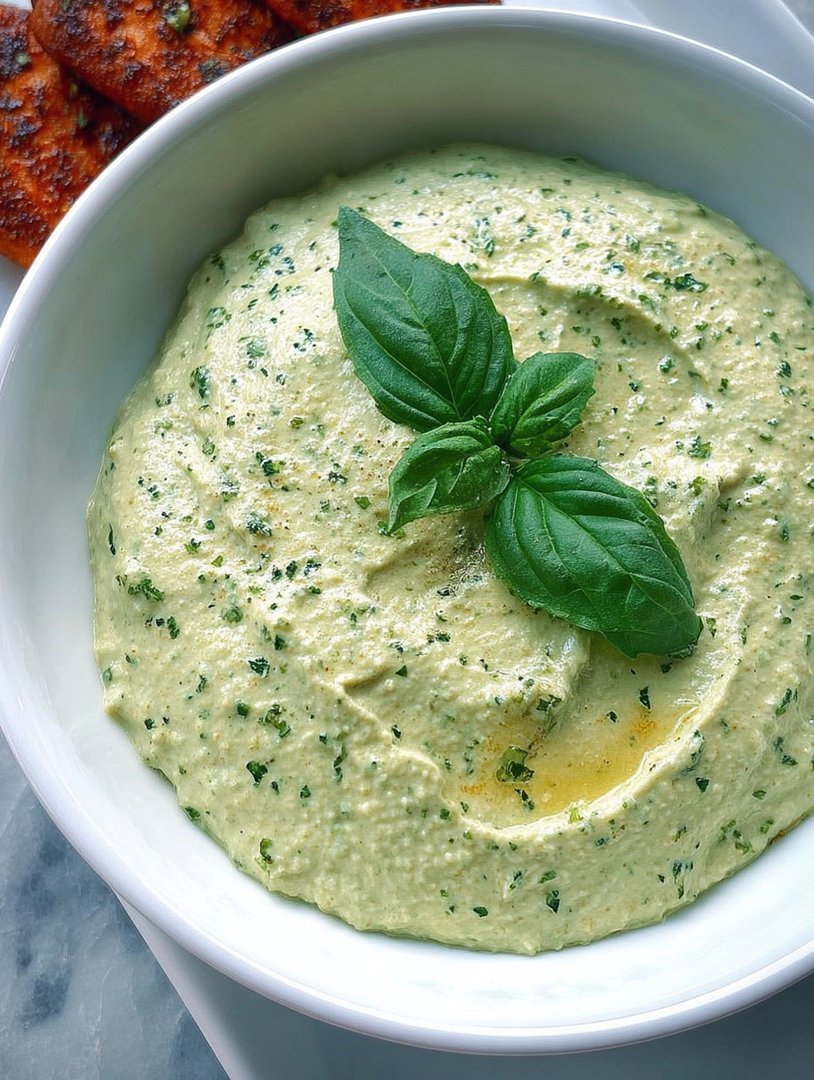
Forget everything you thought you knew about dull party dips. Imagine the bright zing of fresh citrus meeting the intoxicating perfume of garden basil, all swirling in a creamy vortex of chickpea magic. This isn’t just a snack; it’s sunshine in a bowl.
I stumbled upon this recipe during a disastrous attempt at catering a barbecue, desperate for something refreshing. The resultingLemon Basil Hummussingle-handedly salvaged the entire afternoon, proving that true heroes often wear a vibrant shade of pale green.
- This irresistible citrus dip requires minimal effort, transforming basic pantry items into a sophisticated and unbelievably creamy appetizer in under fifteen minutes.
- The flavor profile is impeccably balanced, featuring a bright lemon punch complemented by the sweet, peppery aroma of fresh summer basil leaves.
- Its vibrant, light green hue and velvety smooth texture ensure that this homemade spread instantly becomes the centerpiece of any cheese board or platter.
- Enjoy this versatile chickpea spread with crunchy vegetables, pita chips, sandwiches, or even as a surprisingly tangy and fresh salad dressing base.
Why Lemon Basil Hummus is Your Summer Kitchen MVP
I am willing to bet serious money—or at least a very good quality jar of tahini—that you have been personally victimized by a lackluster store-bought hummus. It usually lurks in the back of the fridge, tasting vaguely of dusty chickpeas and regret. We deserve better. The moment you introduce fresh, vibrant flavors like bright lemon and aromatic basil, the game changes entirely. This recipe forLemon Basil Hummusdidn’t just happen by accident; it was born out of necessity—specifically, the necessity of having a perfect, reliable dip ready for unexpected guests who arrive fifteen minutes after calling.
My quest for the ultimate dip began during the Great Patio Party Debacle of 2019. I had planned an ambitious spread involving slow-cooked beef and homemade artisan bread. The moment the first guest arrived, the bread promptly collapsed, and the beef looked suspiciously gray. Panic set in. I needed a quick win, a flavor explosion that required zero cooking and minimal fuss. I grabbed canned chickpeas, half a neglected basil plant from the windowsill, and a couple of lemons. What emerged from the food processor was pure genius: a refreshing, intensely flavorful dip that instantly erased the memory of the sad, gray beef. People didn’t even notice the rest of the food; they just kept circling the bowl of hummus, demanding the recipe. That day taught me a vital lesson: sometimes, the simplest things are the most spectacular, especially when they involve the perfect marriage of citrus and herb.
Making your own hummus gives you total control over the texture, allowing you to achieve that elusive, ultra-smooth consistency that elevates a simple snack into a gourmet experience. We skip the bitterness often found in mass-produced dips and amplify the natural sweetness of the chickpeas. Plus, the fresh basil not only provides that gorgeous green tint but also infuses the entire batch with an unmistakable garden-fresh fragrance. This recipe uses simple, accessible ingredients, proving that culinary excellence doesn’t require a complicated shopping trip or a culinary degree. It simply requires a good food processor and a passion for zesty flavor.
Ingredients for Lemon Basil Hummus
Here’s what you’ll need to make this delicious dish:
- Canned ChickpeasEnsure they are drained and rinsed thoroughly. Rinsing removes excess sodium and starch, which can make the hummus gritty.
- Tahini PasteUse good quality, creamy tahini. The better the tahini, the creamier yourLemon Basil Hummuswill be; look for brands made from hulled, lightly toasted sesame seeds.
- Fresh Lemon JuiceUse freshly squeezed juice for the best flavor; bottled juice often tastes flat and lacks the necessary vibrant acidity.
- Fresh Basil LeavesPack the leaves tightly. This is the star flavor component, providing the sweet, peppery freshness crucial for this recipe.
- Garlic ClovesUse fresh garlic for a pungent bite. You can roast the cloves first for a milder, sweeter garlic flavor if preferred.
- Ice Water or BrothA crucial ingredient for achieving a light, fluffy texture. Adding cold liquid helps emulsify the mixture beautifully.
- Olive OilHigh-quality extra virgin olive oil works best, adding richness and a subtle fruity note. It also helps with the final drizzle.
- Salt and PepperKosher salt and freshly ground black pepper are used to enhance and balance all the robust herbal and citrus flavors.
The full ingredients list, including measurements, is provided in the recipe card directly below.
How to Make Lemon Basil Hummus
Follow these simple steps to prepare this delicious dish:
Step 1: Process the Tahini and Lemon Base
In the bowl of your food processor, combine the tahini paste and fresh lemon juice. Process this mixture for approximately 60 to 90 seconds until it becomes thick and pale. This essential step, often called “whipping the tahini,” lightens the color and texture dramatically, creating the foundation for truly airy hummus.
Step 2: Add Chickpeas and Flavorings
Add the rinsed chickpeas, garlic cloves, and a large pinch of salt to the tahini-lemon mixture. Process the mixture continuously for about three minutes, scraping down the sides as needed. You want the ingredients to break down completely into a very thick, almost paste-like consistency.
Step 3: Incorporate the Basil and Chill
Stop the processor and add the fresh basil leaves. Pulse the mixture until the basil is fully incorporated and the hummus achieves a uniform light green shade. This step quickly introduces the herb flavor without over-processing the basil and making the hummus bitter.
Step 4: Achieve Ultimate Smoothness
With the processor running, slowly drizzle in the ice-cold water or vegetable broth, one tablespoon at a time, until the hummus reaches your desired silky-smooth consistency. This cold liquid infusion helps create the signature fluffiness characteristic of high-quality hummus. You should process it for at least another minute after the last tablespoon of liquid has been added.
Step 5: Adjust and Serve
Taste theLemon Basil Hummusand adjust the seasoning. You might need a little extra salt or another squeeze of lemon juice to achieve perfect balance. Transfer the finished hummus to a shallow serving bowl. Drizzle generously with olive oil and garnish with a few extra basil leaves or a sprinkle of lemon zest for the perfect finishing touch.
The Art of Perfecting Hummus Texture
Achieving that beautifully velvety, melt-in-your-mouth hummus texture can sometimes feel like a dark art, but the secret lies in two non-negotiable steps. First, never skip whipping the tahini with the lemon juice. This chemical reaction, resulting in a lighter, fluffier base, is absolutely critical. If your mixture looks like thick sludge before adding the chickpeas, you are doing it right. Secondly, always use cold liquid—ice water or cold broth—added slowly while the processor is running. Warm liquid causes the tahini and oil to separate, resulting in a heavier, denser dip. The cold liquid helps everything emulsify, creating an airy structure.
Another common mistake home cooks make is rushing the process. For genuinely smooth hummus, you must allow the machine to run for longer than you think necessary, often five or six minutes in total. The friction generated by the blades helps break down the tiny chickpea shells that survived the initial draining. Some experts even recommend peeling the chickpeas, though honestly, if you process them long enough and use enough cold liquid, peeling is entirely optional and frankly, too much work for a busy weeknight. If you find your hummus tasting slightly gritty, try processing it for another full minute while adding a tablespoon of ice water.
Finally, remember that temperature matters beyond just the cold water. Hummus often thickens considerably when chilled, so if you plan to serve it cold, make it slightly looser than you think you need it to be. If you prefer to serve it immediately at room temperature—which maximizes the aromatic compounds of the basil—you can stop adding liquid a little sooner. Adjusting the consistency based on serving temperature is a professional trick that makes all the difference in presenting this gorgeousLemon Basil Hummus.
Serving Suggestions for Lemon Basil Hummus
The beauty of thisLemon Basil Hummusrecipe is its incredible versatility. It shines equally well as a show-stopping appetizer or as a surprisingly effective cooking component. Forget serving it only with pita chips; while classic, that combination limits its potential. For a truly Mediterranean experience, pair it with crunchy cucumber spears, bell pepper slices, and crisp radishes. The coolness of the vegetables contrasts beautifully with the zesty, creamy dip. Try spreading it generously onto toasted sourdough bread, topping it with sliced heirloom tomatoes and a sprinkle of flaky sea salt for a luxurious bruschetta twist.
Beyond dipping and spreading, incorporate this vibrant hummus into your main meals. Thin it slightly with extra lemon juice or broth and use it as a powerful, herbaceous dressing for a grilled chicken or roasted vegetable salad. It also works brilliantly as a replacement for mayonnaise or heavy sauces in sandwiches and wraps. Imagine a turkey or slow-cooked beef wrap slathered with this bright, fresh dip—it completely elevates the flavor profile and adds an unexpected creamy texture. If you are grilling, try dolloping a spoonful over grilled lamb chops or even mixing a bit into scrambled eggs for a gourmet breakfast.
For a beautiful presentation, swirl the hummus attractively in a wide bowl, creating a depression in the center. Fill the well with a fragrant pool of high-quality olive oil, then garnish the edges with finely chopped pistachios or pine nuts, along with some tiny, whole basil leaves and a dusting of paprika or sumac. The visual contrast of the bright green and the ruby red garnish makes this simple dish look effortlessly elegant, ensuring your Lemon Basil Hummus is the first thing guests reach for.
Frequently Asked Questions About Lemon Basil Hummus
Can I use dried basil instead of fresh basil for this recipe?
While you technically could use dried basil, it is strongly discouraged for this specific recipe. Dried herbs lack the bright, sweet, aromatic oils that fresh basil provides, which are crucial for the distinctive flavor of theLemon Basil Hummus. If you must substitute, use only about one teaspoon of dried basil, but expect a less vibrant final product.
How long does homemade hummus last in the refrigerator?
When stored in an airtight container, homemade hummus generally stays fresh and delicious for about four to five days in the refrigerator. The vibrant flavors of the basil and lemon will be strongest in the first two days, so try to enjoy it quickly!
Can I freeze Lemon Basil Hummus?
Freezing hummus is possible, but it may affect the texture. The freezing process can cause the emulsion to break slightly, making the hummus slightly grainy or separating the oil when thawed. If you choose to freeze it, thaw it overnight in the refrigerator and then re-whip it vigorously in the food processor with a tablespoon of fresh lemon juice before serving to restore its texture.
What is the best way to get a super creamy texture?
The two best tips for creamy texture are ensuring you process the tahini and lemon juice alone for over a minute until thick and pale, and adding ice water or cold broth very slowly while the machine is running. Additionally, ensuring your tahini is fresh and runny will significantly improve the overall smoothness of the finished dip.
Is there a substitute for tahini if I have a sesame allergy?
If sesame is an issue, you can try using sunflower seed butter or cashew butter as a replacement for tahini. These alternatives provide the necessary fat and body for the hummus, though they will subtly change the traditional flavor profile of theLemon Basil Hummus. Start with half the amount specified and adjust based on taste and desired texture.
The beauty of the perfect dip is its ability to transform a simple moment into a memorable experience. This bright, zestyLemon Basil Hummusis more than just a recipe; it is your new go-to secret weapon for effortlessly impressive entertaining. Whip up a batch today and prepare for the compliments to roll in!
The culinary world is full of complicated recipes involving smoking, searing, and simmering, but sometimes, the greatest kitchen victories come from simple, vibrant ingredients thrown together in a glorious whirlwind of blending. I’m talking about hummus, of course. Not just any hummus—I’m talking about the kind of spread that makes store-bought tubs weep silent, chickpea tears: the legendary, sun-kissedLemon Basil Hummus.
I first attempted this recipe years ago during a heatwave. It was one of those unbearably hot summer days where the thought of turning on the oven felt like self-sabotage. I needed something refreshing, something bright, and something that required zero actual cooking time. I had a disastrous garden full of overgrown basil, lemons I’d forgotten about in the fruit bowl, and a pantry perpetually stocked with chickpeas. Necessity, truly, is the mother of creamy, irresistible dips.
This recipe is more than just a dip; it is the ultimate party trick. It is what you serve when you want people to believe you spent hours preparing when in reality, your food processor did 90% of the heavy lifting. The combination of zesty lemon and sweet, peppery basil is incredibly uplifting. It takes the familiar comfort of traditional hummus and launches it into high-summer sophistication, making it the perfect companion for grilled vegetables, sandwiches, or just a giant spoon.
The Essential Ingredients for Superior Creaminess
Achieving that coveted, ultra-smooth texture requires two things: patience and the right ratio of fat to acid. While many recipes just tell you to dump everything in, we are going to treat these ingredients like the royalty they are, resulting in a smoother, lighter, and much more flavorful spread. We utilize ice-cold water to help stabilize the mixture and give it that signature fluffiness that defines great hummus.
Gathering Your Supplies
- 1 (15-ounce) can chickpeas, rinsed thoroughly and drained (reserve the liquid, or aquafaba, just in case)
- 1/4 cup fresh lemon juice (about 2 large lemons)
- 1/4 cup high-quality tahini (stir well before measuring)
- 1 cup fresh basil leaves, loosely packed
- 2 cloves garlic, peeled
- 1/4 cup olive oil, plus extra for serving
- 2 to 4 tablespoons ice-cold water or vegetable broth
- 1/2 teaspoon ground cumin
- 1/2 teaspoon salt (or to taste)
- A pinch of red pepper flakes (optional, for a subtle kick)
The Blending Mastery: Step-by-Step
The secret to great hummus isn’t just the ingredients; it’s the sequence in which you process them. Follow these steps precisely to achieve a dip so light and airy you will wonder if it could float away.
Prepping the Chickpeas
For the absolute smoothest result, you should peel your chickpeas. Yes, it sounds tedious, but the fibrous outer skins are the enemy of creamy dip. Place the drained chickpeas in a bowl of water and gently rub them between your hands; the skins will float to the top. Skim them off. Alternatively, boil the chickpeas for 10 minutes with a teaspoon of baking soda to loosen the skins, then rinse. Drain them thoroughly before moving to the food processor.
Building the Flavor Foundation
Start by placing the tahini and the fresh lemon juice in the bowl of your food processor. Process for about 60 seconds. The mixture will seize up and become thick and pasty. This is exactly what you want! Now, slowly drizzle in two tablespoons of the ice-cold water or broth while the machine is running. The mixture will miraculously transform into a smooth, pale, fluffy paste. This step is critical because it lightens the tahini base before the bulkier ingredients are added.
Introducing the Stars: Basil and Garlic
Add the garlic cloves and the fresh basil leaves to the fluffy tahini base. Process this mixture thoroughly until the basil is completely minced and incorporated, leaving a vibrant green paste. Scrape down the sides of the bowl often. The powerful aromas released in this step are incredibly promising—this is where theLemon Basil Hummustruly gets its character.
The Final Blend
Now, add the peeled chickpeas, cumin, and salt to the processor. Blend continuously for 2 to 3 minutes, pausing to scrape down the sides several times. The mixture will be thick. With the processor running, drizzle in the 1/4 cup of olive oil. Continue processing until the hummus is creamy. If it feels too stiff, add the remaining cold water or broth, one teaspoon at a time, until the desired luxuriously smooth consistency is achieved. Taste and adjust the salt, lemon juice, or extra basil as needed.
Spoon the finished hummus into a serving bowl. Drizzle generously with a high-quality extra virgin olive oil and a sprinkle of paprika or some reserved basil leaves. Serve immediately or chill briefly.
Perfecting the Cooking Process
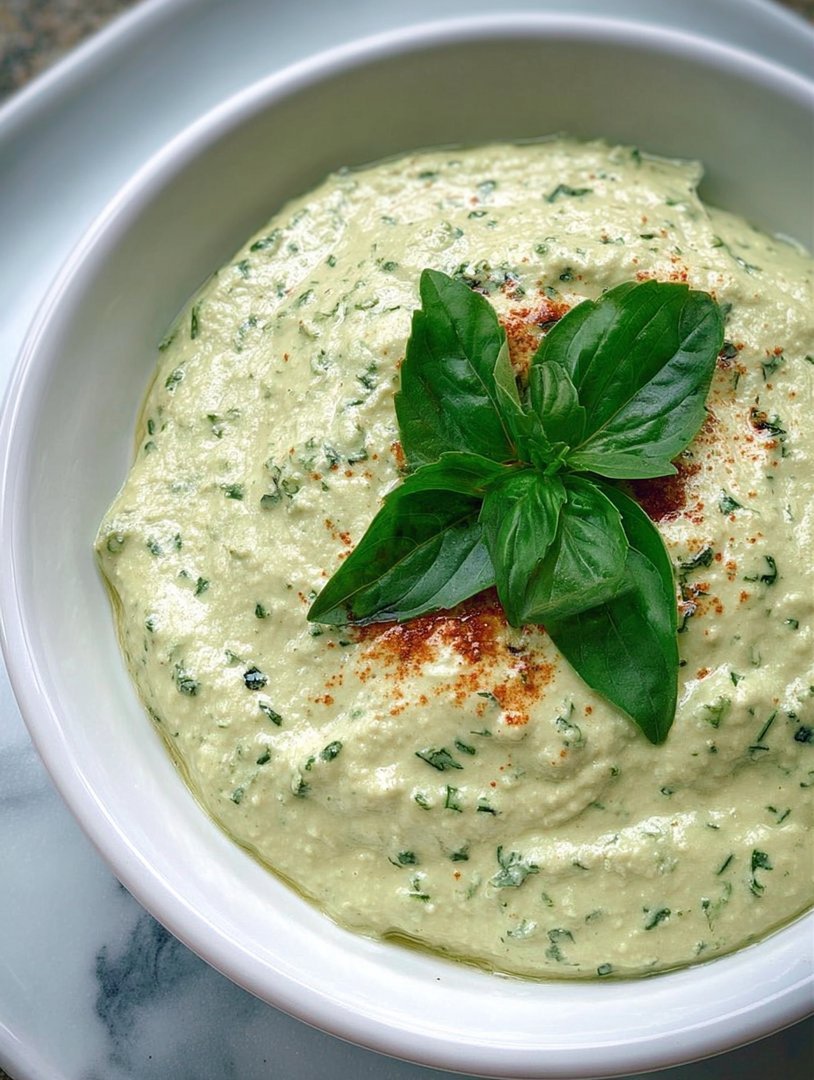
Achieve silky-smooth texture by first blending the tahini and lemon juice with ice water until light and fluffy, essentially creating a creamy emulsion. Then, introduce the garlic and basil before adding the pre-softened chickpeas and processing until perfectly creamy and spreadable.
Add Your Touch
Try swapping out half the basil for fresh mint for a Mediterranean twist, or add a pinch of smoked paprika for earthy depth. For extra protein, blend in a tablespoon of smooth cashew butter instead of traditional tahini, adjusting the amount of liquid as needed.
Storing & Reheating
Store this vibrant dip in an airtight container in the refrigerator for up to four days. If it thickens upon chilling, stir in a teaspoon of olive oil or cold water to restore its creamy, spreadable consistency before serving for the best texture and flavor.
My Aunt Clara once accidentally used dried basil, resulting in a gritty, green mess. That taught me the hard way: fresh herbs truly elevate thisLemon Basil Hummusto perfection.
Chef’s Expert Hummus Tips
- Always use high-quality tahini. If it is too stiff, warm it slightly before blending; runny tahini emulsifies far better than thick, pasty varieties.
- Do not skip the ice water step. The temperature shock helps ‘fluff up’ the tahini and create that famous light, airy texture, rather than a dense paste.
- Process the mixture longer than you think you need to. Run the food processor for at least three full minutes after adding the chickpeas to break down all the fibers thoroughly.
Creative Ways to Serve Your Fresh Herb Hummus
While the standard pita chip delivery system is perfectly acceptable, this vibrant dip deserves a grander stage. Its bright flavor profile means it pairs beautifully with robust ingredients and light fare alike. Think beyond the appetizer platter and incorporate this spread into your everyday meals for a huge flavor boost.
Pairing Perfection
- As a Sandwich Spread:Ditch the mayonnaise! Spread a generous layer of this citrus and herb spread onto turkey sandwiches or wraps filled with grilled bell peppers and cucumbers.
- With Roasted Vegetables:Toss carrots, zucchini, or sweet potatoes in olive oil and roast until tender. Serve them piled high on a dollop ofLemon Basil Hummusfor an easy, flavorful side dish.
- A Quick Salad Dressing:Thin the hummus out with a little extra lemon juice and cold water until it reaches a pourable consistency. Drizzle it over simple mixed greens or a hearty grain salad.
- Hummus Bowls:Create vibrant bowls featuring ingredients like sun-dried tomatoes, Kalamata olives, fresh cucumber, and a sprinkle of pine nuts atop a generous base of the basil chickpea dip.
Frequently Asked Questions About Lemon Basil Hummus
We’ve tackled the technique, but sometimes the devil is in the details. Here are the answers to the most common questions about making the perfect creamy spread.
Why didn’t my hummus turn out smooth?
There are usually two culprits: the quality of your tahini or not processing long enough. Ensure your chickpeas are soft (peeled or boiled) and always blend the tahini and lemon juice first to create a solid base emulsion. Also, use the required ice-cold liquid.
Can I use dried basil instead of fresh?
Please don’t! Dried basil has a far different, muted flavor and texture. This recipe relies entirely on the bright, peppery quality of fresh basil. Using dried will result in a gritty texture and dull taste, completely defeating the purpose of the recipe.
How can I make this recipe oil-free?
You can certainly make a tasty, oil-free version. Replace the olive oil entirely with additional ice-cold water or the reserved aquafaba (chickpea liquid). The texture will be slightly less rich and fatty, but still wonderfully creamy, thanks to the tahini.
Can I freeze Lemon Basil Hummus?
While technically possible, freezing is not recommended. Freezing changes the structure of the water content, which can cause the hummus to become grainy and separate upon thawing. It is best enjoyed fresh within four days of preparation.
Conclusion for Lemon Basil Hummus
We have reached the culmination of our kitchen adventure, and hopefully, your counter is now graced with a bowl of the most enchanting dip imaginable. Creating this vibrant Lemon Basil Hummus is more than just a recipe; it is an exercise in fresh, simple perfection and a true testament to the power of high-quality ingredients. We discovered how simple components—chickpeas, rich tahini, bright lemon, and aromatic basil—can transform into something truly extraordinary and effortlessly smooth. Ditch the store-bought tubs and embrace this homemade version which bursts with flavor. Whether you are hosting a casual gathering or just need a joyful afternoon snack, this zesty, herbaceous spread promises to deliver pure sunshine in every delicious scoop. Go forth and share the creamy goodness!
Print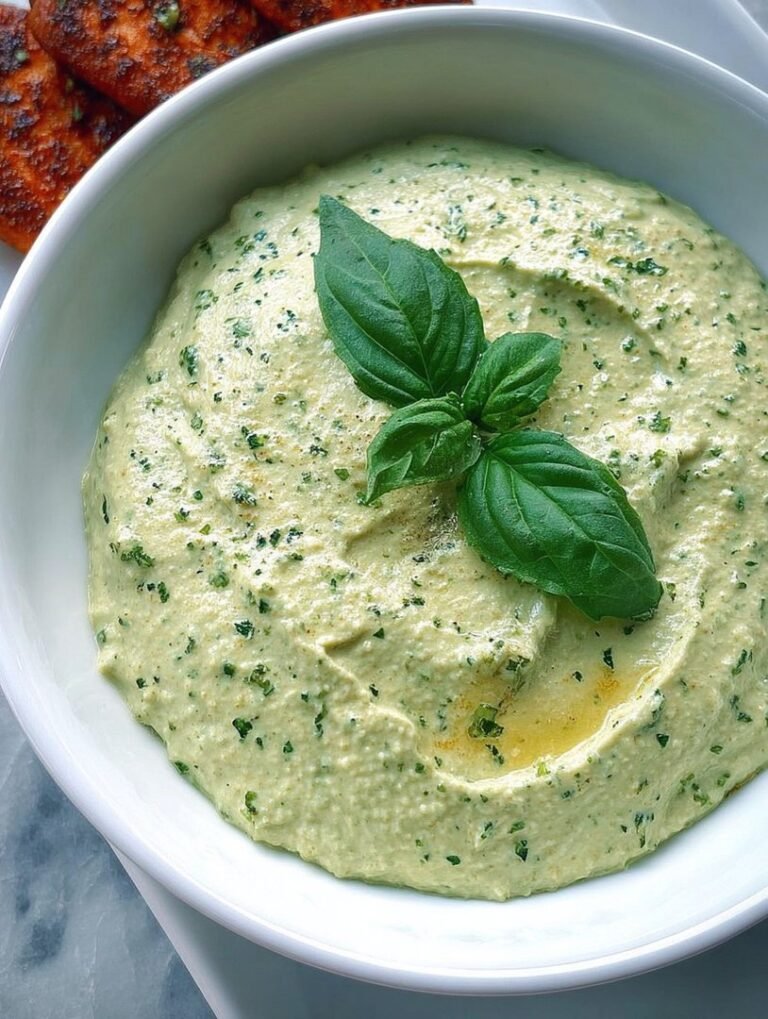
Lemon Basil Hummus
Unlock perfect, smooth Lemon Basil Hummus. We blend the basil first for maximum infusion, delivering unparalleled herbaceous flavor.
- Total Time: 35 minutes
- Yield: 4 servings 1x
Ingredients
- 1 (15-ounce) can chickpeas, drained (reserve the liquid)
- 1 cup fresh basil leaves, loosely packed
- 1/4 cup tahini
- 1/4 cup fresh lemon juice
- 2 cloves garlic, peeled
- 2 tablespoons extra virgin olive oil (plus more for garnish)
- 1/2 teaspoon kosher salt
- 1/4 teaspoon ground cumin
Instructions
- Step 1: Combine the tahini, lemon juice, garlic cloves, salt, and cumin in the bowl of a food processor and process for 30 seconds until the mixture is thick and creamy; scrape down the sides of the bowl.
- Step 2: Add the fresh basil leaves and continue processing for 1 minute until the basil is completely minced and fully incorporated into the tahini mixture.
- Step 3: Add the drained chickpeas to the food processor. Process the mixture for 2-3 minutes, scraping down the sides as necessary, until the hummus starts to become smooth.
- Step 4: With the food processor running, slowly drizzle in the 2 tablespoons of olive oil, followed by 2 to 4 tablespoons of the reserved chickpea liquid (or ice water), until the hummus reaches your desired creamy consistency.
- Step 5: Taste the hummus and adjust seasonings, adding more salt or lemon juice if needed. Transfer the hummus to a serving dish, drizzle with a little extra olive oil, and garnish with small basil leaves before serving.
Notes
- Store leftover hummus tightly sealed in the refrigerator for up to 5 days, adding a thin layer of olive oil on the surface before sealing to keep the vibrant green color and prevent drying.
- For the best texture and flavor, allow refrigerated hummus to rest on the counter for 15-20 minutes before serving, as chilling tends to stiffen the consistency.
- Elevate this dip by using it as a vibrant spread on grilled chicken or fish, or thin it slightly with extra lemon juice to create a creamy, herbaceous salad dressing.
- For a truly velvety texture, ensure you process the tahini and lemon juice mixture for the full 30 seconds before adding the chickpeas, which helps stabilize the emulsion base.
- Prep Time: 15 minutes
- Cook Time: 20 minutes
- Method: Stovetop
- Cuisine: American
FAQs
How long does fresh Lemon Basil Hummus last and how should I store it?
You can keep this vibrant dip fresh in an airtight container in the refrigerator for up to four days. To maintain its bright flavor and prevent the surface from drying out, many chefs recommend drizzling a thin layer of high-quality olive oil over the top before sealing the container. If you notice any separation or discoloration, stir it vigorously before serving. Remember that homemade hummus, unlike store-bought varieties, lacks preservatives, so enjoy this delicious batch quickly while the basil aroma is at its peak. The quality and flavor of homemade Lemon Basil Hummus diminish rapidly after the fourth day.
My hummus turned out grainy; what are the secrets to achieving that super-smooth texture?
Achieving silky smooth hummus requires two main tricks that professionals swear by. First, peel your chickpeas after cooking; this small step removes the slightly tough outer shell, which is the primary culprit of graininess. Alternatively, if peeling feels too tedious, boil the chickpeas with a small amount of baking soda to help break down those shells quickly and effectively. Second, ensure you process the tahini and lemon juice first, creating a light, emulsified paste before adding the chickpeas. Finally, always process for longer than you think you need, gradually adding ice-cold water until the texture transforms into that perfect creamy cloud.
Can I substitute the fresh basil or adjust the tanginess in this Lemon Basil Hummus recipe?
Absolutely! While fresh basil provides a unique sweetness that pairs wonderfully with the citrus, you can certainly experiment with other leafy herbs to find your perfect blend. Try using half parsley and half mint for a different kind of brightness, or perhaps a dash of fresh oregano for an earthier profile if basil is unavailable. If you find the lemon tang too intense for your palate, start with less juice and add a teaspoon of water or a bit more tahini to balance the acidity effectively. Remember, cooking is about personal preference, so taste as you go and adjust the proportions of lemon and fresh herbs until the flavor profile sings just for you.
Beyond pita bread, what are the best ways to serve and enjoy Lemon Basil Hummus?
This zesty dip is incredibly versatile and shines far beyond just being a simple snack for pita triangles. Consider using it as a sophisticated, flavorful spread on grilled chicken or lamb wraps, easily replacing mayonnaise for a healthier flavor boost. It also makes a fantastic, protein-packed base for vibrant grain bowls, adding essential creaminess and complexity. For elegant appetizer options, try dolloping it onto cucumber rounds topped with sun-dried tomatoes, or thin it slightly with water or broth to create a delicious, savory salad dressing. Its bright, herbaceous flavor profile complements virtually any fresh vegetable platter.




Leave a Comment