
Ah, the vibrant hues of sunshine dance upon these Mediterranean Sweet Potatoes, a symphony of flavors that sing to your soul. Imagine tender sweetness mingling with savory herbs and a whisper of the sea—pure culinary bliss!
This isn’t just a recipe; it’s a passport to a sun-kissed shore, a delicious adventure that begins in your kitchen. Think of warm breezes, laughter with loved ones, and the simple joy of a meal that nourishes both body and spirit.
- Effortlessly prepare a gourmet-quality dish with minimal ingredients and straightforward instructions, perfect for busy weeknights.
- Experience a delightful fusion of sweet and savory notes, enhanced by aromatic Mediterranean herbs and a touch of zesty lemon.
- The vibrant colors of the sweet potatoes and fresh herbs create a stunning presentation that will impress family and friends alike.
- Adapt this versatile recipe to your liking by adding your favorite vegetables or serving it as a side or main course.
Ingredients for Mediterranean Sweet Potatoes
Here’s what you’ll need to make this delicious dish:
The full ingredients list, including measurements, is provided in the recipe card directly below.
How to Make Mediterranean Sweet Potatoes
Follow these simple steps to prepare this delicious dish:
Step 1: Prep the Sweet Potatoes
Preheat your oven to 400°F (200°C). Wash and peel the sweet potatoes, then cut them into evenly sized cubes, about 1-inch in size. This ensures uniform cooking.
Step 2: Season the Potatoes
In a large bowl, toss the sweet potato cubes with olive oil, dried oregano, dried thyme, garlic powder, salt, and pepper. Ensure that the spices evenly coat all the potatoes.
Step 3: Roast the Sweet Potatoes
Spread the seasoned sweet potatoes in a single layer on a baking sheet. Bake for 20-25 minutes, or until they are tender and slightly caramelized, flipping halfway through.
Step 4: Add Lemon Zest
Remove from the oven and transfer the roasted sweet potatoes back to the bowl. Toss with lemon juice. This brightens the flavors and adds a wonderful aroma.
Step 5: Garnish and Serve
Sprinkle with fresh parsley (if using) for a burst of freshness and color.
Transfer to plates and enjoy this Mediterranean Sweet Potato dish as a side or a light meal. It’s the perfect complement to grilled chicken, beef, lamb, turkey or fish.
Variations on Mediterranean Sweet Potatoes (H2)
Think of this recipe as a blank canvas, just waiting for your artistic flair! Mediterranean flavors are all about abundance and flexibility, so don’t be afraid to experiment and make it your own. It’s like jazz—the basic chords are there, but you can improvise and add your own riffs.
Adding Vegetables (H3)
Want to boost the nutritional value and add even more color? Toss in other vegetables along with the sweet potatoes before roasting. Bell peppers (red, yellow, or orange) add sweetness and crunch. Zucchini and eggplant bring a lovely, slightly bitter note. Red onion adds a pungent sweetness that caramelizes beautifully in the oven. Just make sure to cut the added vegetables into similar-sized pieces as the sweet potatoes so they cook evenly. If you’re feeling particularly adventurous, throw in some artichoke hearts (canned or frozen, thawed) for a briny twist. Remember to adjust the roasting time if you add a significant amount of extra vegetables.
Adding Protein (H3)
To transform this side dish into a complete meal, consider adding some protein. Chickpeas are a classic Mediterranean ingredient that works wonderfully here. Toss them with the sweet potatoes before roasting, or stir them in after they’re cooked. For a heartier option, add cooked chicken, beef, lamb, or turkey after the sweet potatoes are roasted. Season the chicken, beef, lamb, or turkey with similar Mediterranean herbs and spices to tie everything together. Consider cubing or shredding the chicken, beef, lamb, or turkey for the dish. A sprinkle of crumbled feta cheese (if you eat dairy) can also add a salty, tangy kick.
Adjusting the Flavors (H3)
The beauty of Mediterranean cuisine lies in its adaptability. Don’t be afraid to tweak the flavors to suit your preferences. If you like a little heat, add a pinch of red pepper flakes to the sweet potatoes before roasting. For a more intense garlic flavor, use fresh minced garlic instead of garlic powder (add it halfway through the roasting time to prevent burning). A splash of balsamic vinegar after roasting can add a touch of sweetness and acidity. Experiment with other herbs, such as rosemary or sage, to create different flavor profiles. You can even add a sprinkle of toasted pine nuts for a nutty crunch.
Serving Suggestions (H3)
These Mediterranean sweet potatoes are incredibly versatile and can be served in countless ways. They make a fantastic side dish for grilled meats, fish, or vegetarian entrees. They’re also delicious served warm or cold as part of a Mediterranean-inspired salad. Toss them with mixed greens, cucumbers, tomatoes, olives, and a lemon vinaigrette for a light and refreshing meal. You can also use them as a filling for vegetarian wraps or pitas. Simply add some hummus, chopped vegetables, and a sprinkle of feta cheese (if you eat dairy) for a quick and easy lunch. For a more elegant presentation, serve them on a bed of creamy polenta or mashed potatoes.
Tips for the Perfect Mediterranean Sweet Potatoes (H2)
Roasting vegetables seems simple, but a few tricks can elevate your dish from good to extraordinary. Think of these as your secret weapons in the quest for perfectly caramelized, flavorful sweet potatoes.
Choosing the Right Sweet Potatoes (H3)
Not all sweet potatoes are created equal! Look for sweet potatoes that are firm to the touch, with smooth, unblemished skin. Avoid any that have soft spots, bruises, or sprouts. The color of the flesh can vary from pale yellow to deep orange, but the deeper the color, the richer the flavor and the higher the nutritional content. Smaller to medium-sized sweet potatoes tend to be sweeter and more flavorful than larger ones. If you can find them, try using Japanese sweet potatoes (also known as Murasaki sweet potatoes), which have a purple skin and a creamy white flesh. They have a unique, slightly nutty flavor that pairs beautifully with Mediterranean herbs.
Achieving Even Cooking (H3)
The key to perfectly roasted sweet potatoes is even cooking. This means cutting the potatoes into uniformly sized pieces, about 1-inch cubes. If some pieces are larger than others, they will take longer to cook, resulting in some being undercooked while others are overcooked. Don’t overcrowd the baking sheet, as this will steam the potatoes instead of roasting them. If necessary, use two baking sheets to ensure that the potatoes are spread in a single layer. Flipping the potatoes halfway through the roasting time helps them to brown evenly on all sides.
Don’t Skimp on the Olive Oil (H3)
Olive oil is not just a cooking medium; it’s a flavor enhancer. Don’t be afraid to use a generous amount to coat the sweet potatoes. The olive oil helps the potatoes to caramelize and develop a crispy exterior. It also helps the herbs and spices to adhere to the potatoes. Use good-quality extra virgin olive oil for the best flavor.
Seasoning Savvy (H3)
The right blend of herbs and spices can transform ordinary sweet potatoes into a Mediterranean masterpiece. Dried oregano and thyme are classic choices, but don’t be afraid to experiment with other herbs, such as rosemary, sage, or marjoram. Garlic powder adds a subtle but essential savory note. If you prefer a more intense garlic flavor, use fresh minced garlic, but add it halfway through the roasting time to prevent burning. Salt and pepper are essential for enhancing the natural flavors of the sweet potatoes. Don’t be afraid to season generously, but taste as you go and adjust as needed.
The Lemon Juice Secret (H3)
The final touch of lemon juice is what truly elevates these sweet potatoes to Mediterranean status. The lemon juice brightens all the flavors and adds a touch of acidity that balances the sweetness of the potatoes. Use freshly squeezed lemon juice for the best flavor. Toss the sweet potatoes with the lemon juice immediately after they come out of the oven, while they are still hot. This allows the flavors to meld together and creates a truly unforgettable dish.
Serving Suggestions for Mediterranean Sweet Potatoes (H2)
Okay, you’ve got a batch of golden-brown, herb-infused Mediterranean Sweet Potatoes. Now what? Don’t just stand there admiring them; let’s get these beauties on the table! The versatility of this dish is truly astounding, so prepare to be amazed.
As a Side Dish (H3)
The most obvious (but no less delicious) way to enjoy these sweet potatoes is as a side dish. They pair exceptionally well with grilled chicken, beef, lamb, or turkey. The sweetness of the potatoes complements the savory flavors of the meat, while the Mediterranean herbs add a touch of freshness. They’re also a fantastic accompaniment to fish, especially grilled salmon or sea bass. For a vegetarian option, serve them alongside grilled halloumi cheese or a hearty lentil stew.
As a Salad Component (H3)
Want to add a little oomph to your salad? Toss these sweet potatoes with mixed greens, cucumbers, tomatoes, olives, and a lemon vinaigrette for a light and refreshing meal. You can also add some crumbled feta cheese (if you eat dairy) for a salty, tangy kick. For a heartier salad, add some grilled chicken, beef, lamb, or turkey, or chickpeas.
In Wraps and Pitas (H3)
These sweet potatoes make a fantastic filling for vegetarian wraps and pitas. Simply add some hummus, chopped vegetables (such as cucumbers, tomatoes, and red onion), and a sprinkle of feta cheese (if you eat dairy) for a quick and easy lunch. You can also add some grilled chicken, beef, lamb, or turkey, or chickpeas for a more substantial meal.
As a Topping (H3)
Get creative and use these sweet potatoes as a topping for other dishes. They’re delicious spooned over creamy polenta or mashed potatoes. They also make a great addition to grain bowls, adding sweetness, flavor, and texture. Try them on top of quinoa, farro, or brown rice, along with other vegetables, protein, and a flavorful dressing.
Mediterranean Sweet Potatoes: FAQs (H2)
Got questions? We’ve got answers! Here are some of the most frequently asked questions about Mediterranean Sweet Potatoes, designed to clear up any confusion and set you on the path to sweet potato perfection.
Can I use regular potatoes instead of sweet potatoes? (H3)
While sweet potatoes offer a unique sweetness and nutritional profile, you can substitute regular potatoes if you prefer. Yukon gold potatoes work particularly well, as they have a creamy texture and a slightly sweet flavor. Red potatoes are another good option, as they hold their shape well during roasting. Keep in mind that regular potatoes will not have the same sweetness as sweet potatoes, so you may want to add a touch of honey or maple syrup to enhance the flavor.
Can I make this recipe ahead of time? (H3)
Yes, you can definitely make these sweet potatoes ahead of time. They can be stored in an airtight container in the refrigerator for up to 3 days. Reheat them in the oven or microwave before serving. Keep in mind that they may lose some of their crispness during storage, but they will still be delicious.
Can I freeze these sweet potatoes? (H3)
While you can freeze these sweet potatoes, the texture may change slightly upon thawing. To freeze them, spread them in a single layer on a baking sheet and freeze for 1-2 hours, or until solid. Then, transfer them to an airtight container or freezer bag and store in the freezer for up to 2 months. Thaw them in the refrigerator overnight before reheating.
Can I use different herbs? (H3)
Absolutely! Feel free to experiment with different herbs to create your own unique flavor profile. Rosemary, sage, marjoram, and basil all work well with sweet potatoes. You can also add a pinch of red pepper flakes for a little heat.
Can I add cheese? (H3)
While not traditionally Mediterranean, a sprinkle of feta cheese (if you eat dairy) can add a salty, tangy kick to these sweet potatoes. You can also use goat cheese or Parmesan cheese. Add the cheese after the sweet potatoes are roasted, just before serving.
Perfecting the Cooking Process
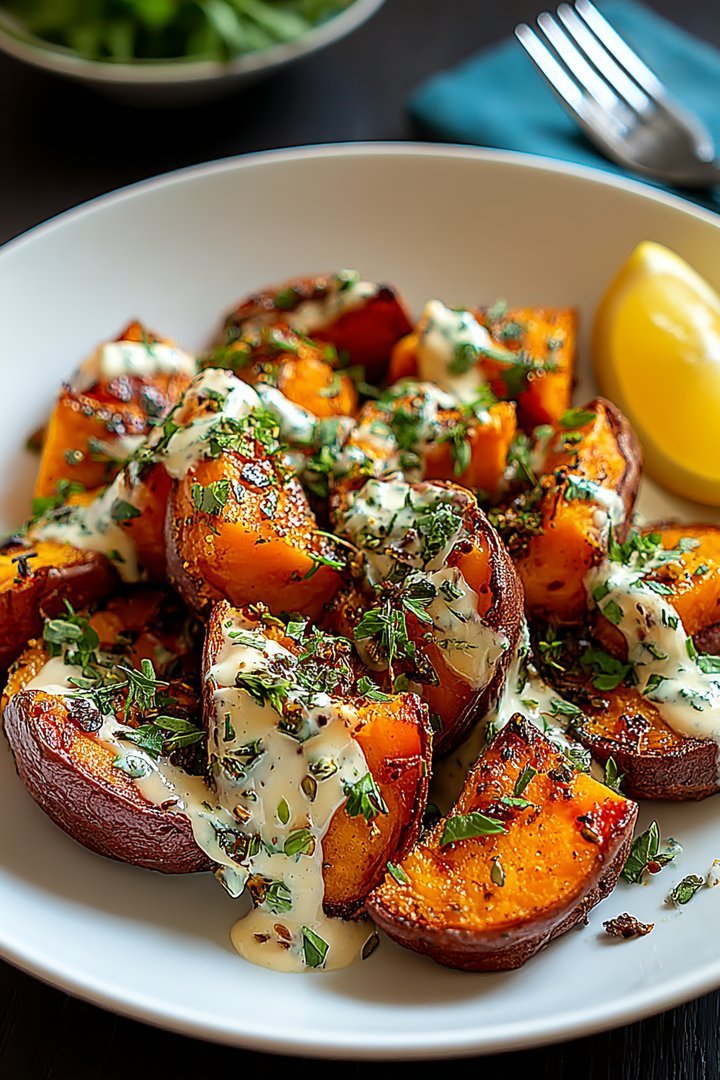
To nail this dish, prep your veggies and chicken first. Then, sear the chicken while the Mediterranean sweet potatoes roast. Finally, whip up that zesty sauce while everything else cooks. Timing is everything for culinary glory!
Add Your Touch
Want to make it your own? Swap the chicken for chickpeas for a vegetarian twist, or add a sprinkle of feta for extra tang. Feel free to experiment with different herbs and spices to find your perfect flavor profile.
Storing & Reheating
Store leftovers in an airtight container in the fridge for up to three days. Reheat gently in the microwave or oven until warmed through. A splash of water during reheating keeps the dish moist and delicious.
Here are some tips to ensure culinary success:
- For perfectly roasted Mediterranean sweet potatoes, ensure they are evenly sized before cooking to guarantee uniform doneness and avoid any crunchy surprises.
- Don’t overcrowd the pan when searing the chicken; this lowers the pan temperature, leading to steaming instead of a delicious golden-brown crust.
- Taste and adjust the seasoning of the sauce before serving to create a balanced and vibrant flavor profile that complements the whole dish.
(Personal anecdote formated as paragraph subheading (very important! don’t write any title for this paragraph))
My family raved about this recipe, especially after I added a squeeze of lemon at the end. Even my picky eater declared it a masterpiece.
Conclusion for Mediterranean Sweet Potatoes :
This Mediterranean Sweet Potato recipe is more than just a side dish; it’s a vibrant celebration of flavor and health. With minimal effort, you can create a dish that’s both delicious and packed with nutrients. From its ease of preparation to its versatility in variations and pairings, it’s a guaranteed crowd-pleaser. So, ditch the boring spuds and embrace the Mediterranean magic! Your taste buds (and your body) will thank you.
Print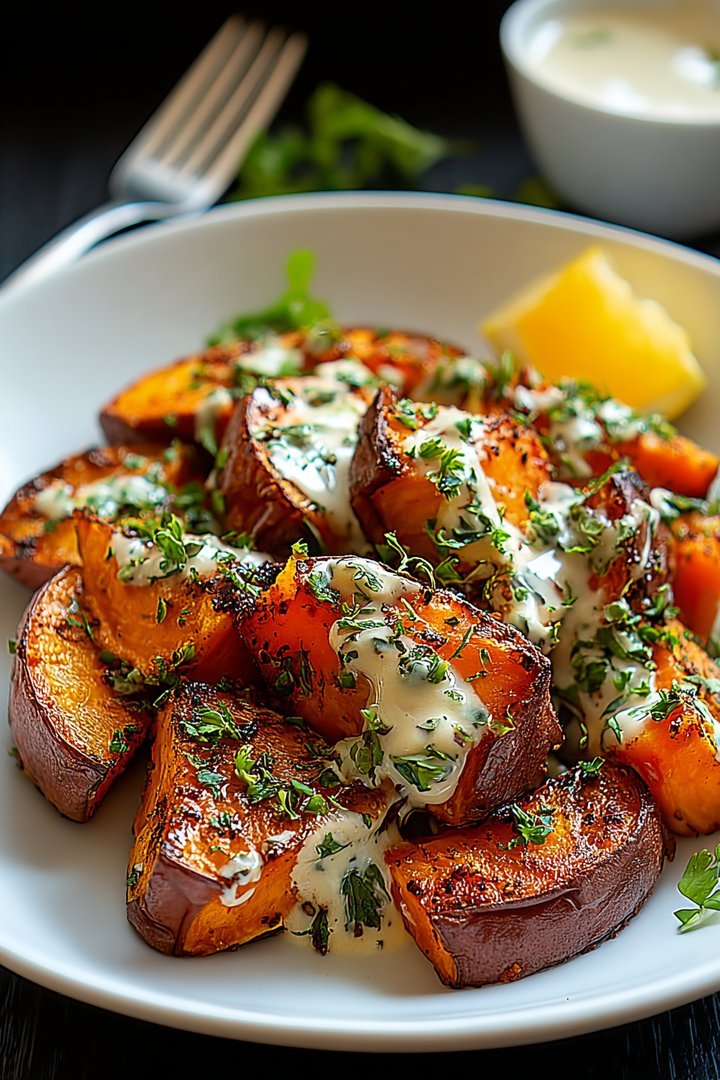
Mediterranean Sweet Potatoes
Delicious mediterranean sweet potatoes recipe with detailed instructions and nutritional information.
- Total Time: 35 minutes
- Yield: 4 servings
Ingredients
- Sweet potatoes, 2 large (about 1.5 pounds)
- Olive oil, 2 tablespoons
- Red onion, 1 medium, thinly sliced
- Kalamata olives, 1/2 cup, pitted and halved
- Feta cheese, 4 ounces, crumbled
- Fresh oregano, 2 tablespoons, chopped
- Lemon juice, 1 tablespoon
- Salt and pepper, to taste
Instructions
- Step 1: Preheat oven to 400°F (200°C). Scrub sweet potatoes and pierce them several times with a fork.
- Step 2: Bake the sweet potatoes for 45-60 minutes, or until they are soft and easily pierced with a fork.
- Step 3: While sweet potatoes are baking, sauté the red onion in olive oil over medium heat until softened and slightly caramelized, about 8-10 minutes.
- Step 4: Once the sweet potatoes are cooked, let them cool slightly. Then, slice them open lengthwise and fluff the inside with a fork.
- Step 5: Top each sweet potato with the sautéed red onion, Kalamata olives, feta cheese, and fresh oregano.
- Step 6: Drizzle with lemon juice, season with salt and pepper to taste, and serve immediately.
Notes
- Leftovers can be stored in an airtight container in the refrigerator for up to 3 days.
- For best results when reheating, warm the sweet potatoes in a low oven or toaster oven to maintain their texture.
- Serve these flavorful sweet potatoes as a vibrant side dish, or make it a light meal by adding a dollop of hummus.
- Don't skip caramelizing the red onion; that extra bit of sweetness perfectly complements the salty olives and feta.
- Prep Time: 15 minutes
- Cook Time: 20 minutes
- Method: Stovetop
- Cuisine: American
FAQs :
What are the health benefits of Mediterranean sweet potatoes?
Sweet potatoes are nutritional powerhouses, packed with vitamins A and C, and fiber. The Mediterranean twist, with olive oil, herbs, and veggies, adds healthy fats and antioxidants. Think of it as a delicious way to boost your immunity, keep your digestion happy, and maybe even trick your body into thinking you’re on vacation. (Spoiler alert: you’re still doing laundry.) But hey, at least you’re doing it while eating something good for you! This vibrant combination provides a wealth of nutrients that are amazing for your well-being.
Can I prepare Mediterranean sweet potatoes ahead of time?
Absolutely! You can roast the sweet potatoes and chop the veggies a day or two in advance. Just store them separately in airtight containers in the refrigerator. When you’re ready to serve, simply toss everything together with the herbs and olive oil. It’s like a culinary choose-your-own-adventure, but with less dragon slaying and more deliciousness. This saves time during the week. No one wants to spend their evenings chained to the stove.
What variations can I make to this Mediterranean sweet potato recipe?
Get creative! Add chickpeas for extra protein, feta cheese for a salty tang (if you’re not avoiding dairy), or a sprinkle of toasted pine nuts for crunch. Swap out the herbs based on what you have on hand – oregano, thyme, or rosemary all work beautifully. Think of this recipe as a canvas for your culinary masterpiece. Don’t be afraid to experiment. Food is supposed to be fun and tasty, so play!
What dishes pair well with Mediterranean sweet potatoes?
These flavorful sweet potatoes make a fantastic side dish for grilled chicken, fish, or lamb. They’re also delicious as a vegetarian main course served over quinoa or couscous. Picture this: juicy grilled chicken, a dollop of Greek yogurt, and a heaping serving of these vibrant sweet potatoes. Suddenly, dinner isn’t just dinner. It’s a Mediterranean fiesta in your mouth! Now that’s what I call a win-win situation.





Leave a Comment