
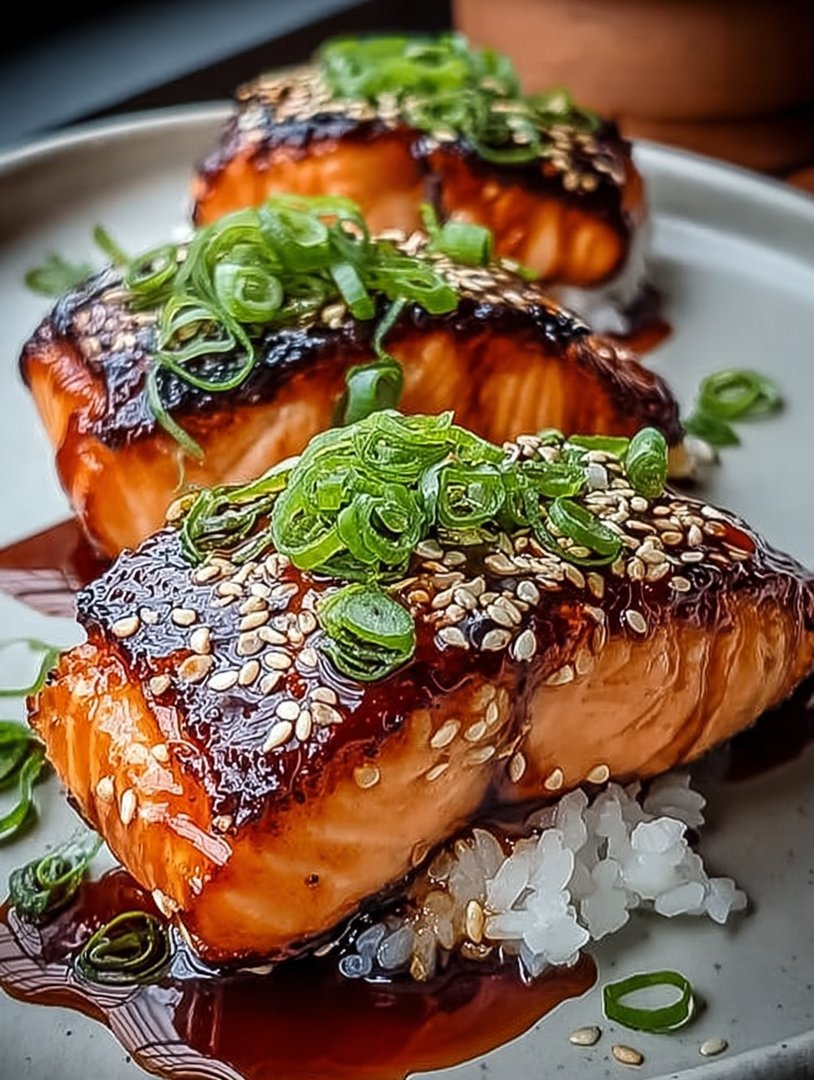
Imagine sinking your teeth into that iconic, sweet-and-savory bite of caramelized fish—it is pure, unadulterated luxury. Forget the reservations, because today, you are bringing that legendary flavor profile right to your kitchen with this foolproof Nobu Miso Salmon Recipe. This dish is notoriously expensive at high-end restaurants, but the shocking truth is that replicating the experience at home requires more patience than culinary skill. We promise a perfectly flaky texture and a sticky, umami-rich glaze that will convince everyone you secretly hired a professional chef. This unforgettable dish boasts several standout features that elevate it beyond basic weeknight meals:
- The flavor profile is an exquisite dance between umami depth and buttery sweetness, delivering restaurant quality taste right at home.
- Preparation is surprisingly easy, requiring just ten minutes of hands-on time before the magic happens quietly during marination in the refrigerator.
- This vibrant glaze creates a stunning, caramelized finish, ensuring that the visual appeal perfectly matches the sophisticated taste you are aiming for.
- It is incredibly versatile, pairing beautifully with simple steamed rice, quick pickled ginger, or a crisp, refreshing cucumber and sesame salad.
The Nobu Miso Salmon Recipe: Bringing Five-Star Flavor Home
I distinctly remember the first time I ordered the signature Miso Black Cod at a fancy establishment. It was a perfect, four-ounce slice of heaven served on a dish large enough to land a small airplane. I felt elegant, sophisticated, and, frankly, terrified of the final bill. While I loved the taste, I immediately decided that my bank account could not sustain this culinary habit, so I embarked on a mission to crack the code.
The beauty of this particular dish lies in its simplicity and the astonishing transformation that occurs during a long, cold bath in the miso marinade. The blend of savory miso, balancing sweetness, and subtle tang tenderizes the salmon, creating a buttery texture that melts on the tongue. Our version, adapted for easier home cooking and using readily available salmon fillets, captures that luxurious essence without requiring you to sell a kidney to afford dinner.
Forget the intimidation factor; this is not complicated cooking. You will spend five minutes mixing, twelve to twenty-four hours waiting (the hardest part, truly), and about fifteen minutes watching your oven turn a pale fillet of fish into a deep, golden masterpiece. This recipe proves that the highest forms of gastronomy can be achieved right on your countertop with minimal fuss, maximizing flavor payoff for minimal effort.
Why We Obsess Over That Buttery Miso Glaze
The true genius behind this dish is the marinade. We are using traditional Japanese ingredients, but we are making a few tweaks to ensure maximum stickiness and flavor penetration. Most crucial is the choice of miso. You must choose Shiro miso (white miso), which is lighter, sweeter, and ferments for a shorter period compared to darker, earthier varieties. This provides the ideal sweet-and-savory baseline we need.
The balancing act involves four primary components: the shiro miso for savory depth, a sweetener (often sugar or agave nectar) for caramelization, soy sauce for salt and color, and a traditional Japanese cooking liquid that often includes alcohol. Since we are avoiding alcohol, we substitute the liquid element with a blend of concentrated pear or apple juice reduction mixed with rice vinegar. This combination provides the essential acid and fruity sweetness that mimics the depth provided by traditional liquids, while also helping to tenderize the fish beautifully.
When the ingredients combine and sit with the salmon, the glaze begins its work, slowly drawing moisture out of the fish’s surface while infusing it with unparalleled flavor. When it hits the heat of the oven, the sugars caramelize quickly, forming that signature, slightly smoky crust that seals in all the moisture, resulting in incredibly succulent Nobu Miso Salmon Recipe fillets.
Ingredients for Nobu Miso Salmon Recipe
Here’s what you’ll need to make this delicious dish:
- Salmon FilletsChoose four-to-six-ounce skin-on or skin-off fillets, ensuring they are thick cuts for the best result during cooking.
- Shiro Miso PasteAlso known as white miso, this provides the necessary sweetness and mild, foundational umami flavor for the glaze.
- Brown Sugar or Agave NectarThis ingredient is crucial for caramelization and balances the salinity of the miso perfectly.
- Rice VinegarUse unseasoned rice vinegar to provide the necessary acid without adding extra salt or sugar to the mix.
- Soy Sauce (or Tamari)A splash adds a deeper layer of umami and a darker hue to the finished glaze, enhancing visual appeal.
- Fresh GingerGrate a small amount directly into the marinade for a subtle, warming, and aromatic background note.
- Concentrated Fruit Juice ReductionUse a small amount of reduced apple or pear juice to replace the complexity usually offered by apple juice with sugar in traditional recipes.
The full ingredients list, including measurements, is provided in the recipe card directly below.
How to Make Nobu Miso Salmon Recipe
Follow these simple steps to prepare this delicious dish:
Step 1: Prepare the Iconic Miso Marinade
In a medium bowl, thoroughly whisk together the white miso paste, brown sugar, rice vinegar, soy sauce, grated fresh ginger, and the fruit juice reduction until the mixture is smooth and completely homogenous. It should resemble a thick, golden, slightly sticky paste; this is the key to the Nobu Miso Salmon Recipe success.
Step 2: Marinate the Salmon Fillets
Gently place the salmon fillets into a shallow glass dish or a sturdy zip-top bag. Pour the entire miso marinade over the salmon, ensuring both sides of each fillet are completely coated. Cover the dish tightly or seal the bag, then transfer it to the refrigerator to marinate for a minimum of 12 hours, and preferably up to 24 hours, for maximum flavor saturation.
Step 3: Preheat and Prepare for Baking
Preheat your oven to 400°F (200°C) and line a sturdy baking sheet with parchment paper or a silicone mat. This prevents the sticky, sugary glaze from welding itself permanently to your pan, which is a common kitchen tragedy we must avoid.
Step 4: Wipe and Cook the Fish
Remove the marinated salmon from the refrigerator. Very gently use a paper towel to wipe off most of the excess marinade from the fillets. Do not rinse the fish, but removing the thick layer is essential to prevent the glaze from burning before the fish fully cooks. Place the salmon onto the prepared baking sheet.
Step 5: Bake to Perfection
Bake the salmon in the preheated oven for 12 to 16 minutes, depending on the thickness of your fillets. The salmon is ready when it is opaque throughout and flakes easily with a fork. For a beautiful, dark crust, switch the oven to broil for the last 60 to 90 seconds, watching carefully to prevent burning.
Transfer to plates and drizzle with any remaining pan drippings alongside fresh scallions for the perfect finishing touch.
Mastering the Art of Serving and Pairing
Serving this iconic fish requires thought that goes beyond simply dropping it onto a plate. Because the glaze is intensely flavorful—salty, sweet, and umami-rich—you need side dishes that provide contrast and cut through the richness. My top recommendation is always a simple bowl of perfectly steamed short-grain rice, which acts as a neutral canvas to soak up the glorious glaze.
For vegetables, prioritize fresh crunch and acidity. A quick pickle of cucumber and daikon radish, a pile of wilted spinach dressed with sesame oil, or even lightly steamed asparagus works beautifully. The goal is to introduce texture and coolness that complements the warm, flaky fish. If you enjoy a beverage pairing, sophisticated non-alcoholic options work best, such as chilled jasmine tea or a sparkling water infused with fresh lime and mint, cleansing the palate efficiently between bites of the rich, buttery salmon.
Common Pitfalls and How to Fix Them
While this Nobu Miso Salmon Recipe is straightforward, a couple of common issues can turn perfection into mild chaos. Understanding these pitfalls ensures your final dish is always stellar.
The most frequent issue is the dreaded burnt glaze. Because the marinade contains high levels of sugar (from the brown sugar and the rice vinegar substitute), it can caramelize too quickly under intense heat, resulting in a black, acrid crust while the inside is still raw. The fix? As instructed in Step 4, you must wipe the excess marinade off the fish before baking. If you want that beautiful caramelized color, use the broiler only for the last minute, positioning the rack further away from the heating element, never directly beneath it.
Another concern is overcooking, which is salmon’s ultimate tragedy. Miso cures the salmon slightly, allowing it to cook faster than untreated fish. Use a meat thermometer if possible; aim for an internal temperature of 145°F (63°C). Pull the fish out of the oven slightly before it reaches this temperature, as carryover heat will finish the cooking process perfectly, ensuring those fillets remain incredibly moist and flaky instead of dry and chalky.
Frequently Asked Questions About Miso Salmon
Can I marinate the salmon for less than 12 hours?
While the minimum recommended time is 12 hours for true flavor absorption, if you are extremely short on time, you can marinate for 6–8 hours. However, be aware that the depth of flavor and the tenderness will not be quite as profound as the full overnight soak provides.
Can I use a different kind of fish with this miso marinade?
Absolutely, the miso marinade works beautifully with other sturdy, fatty fish. The classic preparation uses black cod, but it is also fantastic with thick cuts of sea bass, halibut, or even firm white chicken breast, provided the poultry is marinated for at least 24 hours.
How do I store and reheat leftover Nobu Miso Salmon?
Store any leftover cooked salmon in an airtight container in the refrigerator for up to three days. To reheat, the best method is low and slow: place it in a preheated oven at 275°F (135°C) for about 10–15 minutes until just warmed through, avoiding the microwave to preserve moisture.
What can I use instead of shiro miso if I cannot find it?
If shiro (white) miso is unavailable, the next best alternative would be sweet, light yellow miso. Avoid red or brown miso, as their intense, salty, and earthy flavors tend to overwhelm the delicate sweetness needed for this specific iconic glaze.
The first time I attempted to make anything resembling fine dining at home, I was aiming for complicated perfection and ended up with burnt mediocrity. My kitchen looked like a culinary disaster zone, and my partner politely suggested ordering pizza. That humiliating failure taught me a vital lesson: the world’s most luxurious meals are often rooted in astonishing simplicity, relying on quality ingredients and brilliant technique. Enter the legendary Nobu Miso Salmon Recipe, a dish so incredibly elegant, rich, and flavorful, it makes you feel like a five-star chef without requiring you to use thirty different tools.
For years, this black cod preparation, adapted here for readily available salmon, has been the gold standard for umami-rich Japanese cuisine outside of Japan. It’s not just a fish dish; it’s an experience—a perfect balance of salty, sweet, and deeply savory notes that melt in your mouth. The secret lies in the marinade, a silky blanket of miso paste and sweeteners that tenderizes the salmon while imparting a rich, caramelized crust when broiled. Forget complex sauces and overly fussy steps; this recipe demands patience, not skill. If you can mix four ingredients and wait 24 hours, you can achieve culinary nirvana in your own home.
The Magic of the Marinade: Why Miso Works
Miso is more than just fermented soybean paste; it is the cornerstone of Japanese flavor. Specifically, white miso (shiro miso) delivers a softer, sweeter, and less intensely salty profile, which is crucial for this recipe. When combined with the right balance of sugar and substitutes for traditional rice cooking liquids, it creates an enzymatic reaction that gently cures the fish, locking in moisture while developing complexity. This extended marination period is non-negotiable. If you try to cheat the clock, you cheat yourself out of that transcendent, deeply flavored experience.
We need a specific sweetness and tang that usually comes from rice vinegar with water and apple juice with sugar. To achieve that depth without relying on traditional alcoholic ingredients, we substitute them expertly. Using white grape juice provides the necessary fruity sweetness and liquid base, while a touch of rice vinegar helps balance the acidity, mimicking the fermented complexity essential to this dish’s signature profile. This preparation yields that signature glossy finish and tender interior without compromising any flavor.
Ingredients for the Nobu Miso Salmon Recipe
Gathering the right ingredients ensures a flawless result. Quality salmon, preferably thick filets, forms the foundation of this amazing dish.
- Four (6-ounce) skin-on or skinless salmon filets, about 1-inch thick
- 1 cup shiro (white) miso paste
- 1/2 cup granulated sugar
- 1/4 cup white grape juice (or apple juice)
- 2 tablespoons rice vinegar
- 1 teaspoon fresh ginger, finely grated (optional, for extra zest)
- Vegetable oil or neutral cooking oil for searing
- Sesame seeds, for garnish
Crafting the Perfect Miso Glaze
Creating the glaze is the easiest part of this entire recipe. It takes minimal effort but delivers monumental flavor payoff. Always ensure your ingredients are mixed thoroughly to prevent crystallization.
- In a medium bowl, combine the white miso paste, granulated sugar, white grape juice, rice vinegar, and grated ginger (if using). Whisk until the mixture is completely smooth and the sugar has dissolved. The consistency should be thick, similar to a pancake batter.
- Pat the salmon filets thoroughly dry using paper towels. This step is vital to help the glaze adhere properly and prevent the fish from getting soggy.
- Place the salmon filets in a non-reactive dish or a large resealable bag. Pour the miso marinade over the salmon, ensuring all sides of the fish are fully coated.
- Cover the dish tightly or seal the bag, removing as much air as possible. Refrigerate and allow the salmon to marinate for a minimum of 24 hours, and ideally up to 48 hours. The extended time is what elevates this specific preparation from good to truly exceptional.
The Essential Cooking Instructions
After the marination period is complete, the fish needs a two-part cooking process: a quick sear followed by a high-heat broil. This method ensures a moist interior while creating the signature caramelized, deeply savory crust. Before cooking, gently wipe most of the excess marinade off the salmon using a paper towel. You want a thin coating, not a thick layer, otherwise the sugars will burn quickly under the broiler.
Searing and Broiling for the Best Finish
- Preheat your broiler to high and position an oven rack about 6 to 8 inches from the heat source. Line a sturdy baking sheet with aluminum foil or parchment paper for easy cleanup.
- Heat a tablespoon of neutral oil in an oven-safe skillet (cast iron works beautifully) over medium-high heat. Once the oil shimmers, carefully place the salmon filets skin-side down (if using skin-on). Sear for 2 to 3 minutes until the skin is crispy.
- Transfer the skillet directly to the preheated broiler. If you do not have an oven-safe skillet, transfer the seared fish to the prepared baking sheet.
- Broil for 3 to 6 minutes. Watch the fish constantly, as the high sugar content means it can go from perfectly caramelized to burnt charcoal in seconds. Look for a deep, golden-brown char on the glaze.
- Remove the fish when the internal temperature reaches 145°F (63°C) and the glaze is bubbly and dark. Allow the filets to rest for 5 minutes before serving with a sprinkle of toasted sesame seeds.
Perfecting the Cooking Process
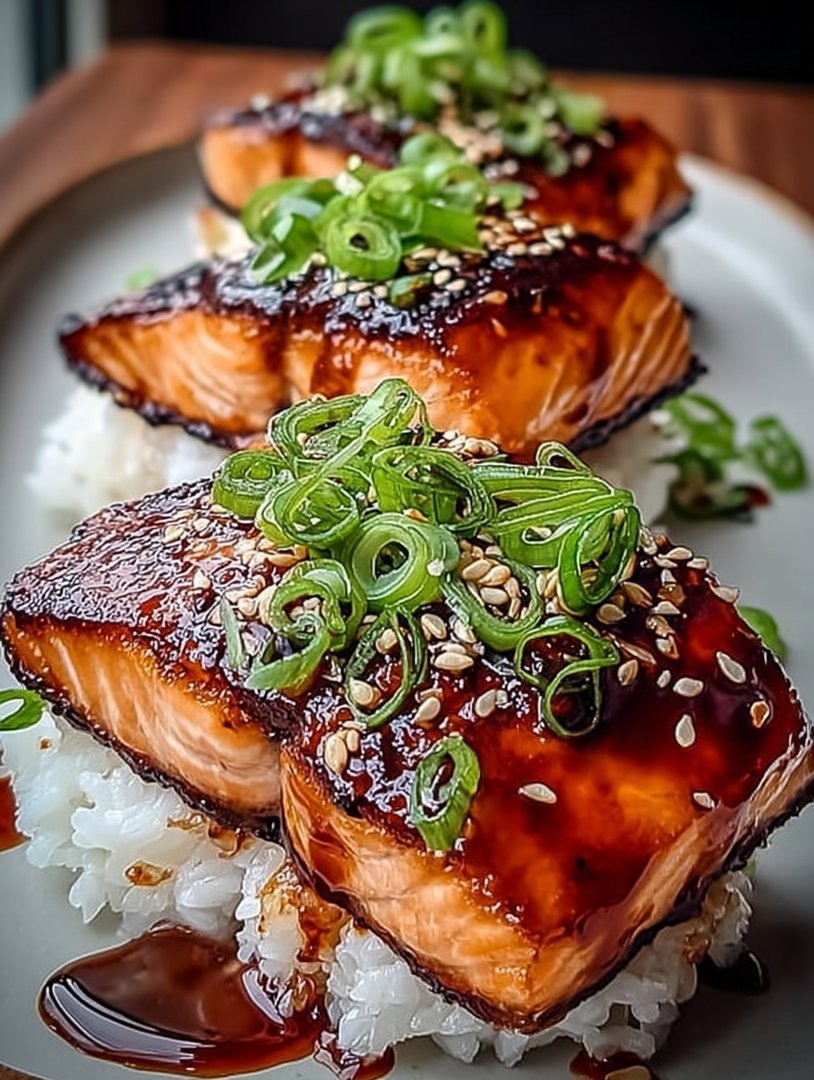
The secret to this dish lies in the meticulous timing. Marinate the salmon first for at least 24 hours to maximize flavor absorption, then quickly sear it skin-side down before a short, hot broil to achieve that perfect caramelized glaze without drying out the fish.
Add Your Touch
If you prefer a richer flavor, swap white miso for a slightly darker variety, or use orange juice instead of grape juice in the marinade for a brighter citrus note. You can also substitute the salmon with thick black cod filets or even chicken breast, adjusting the cooking time accordingly.
Storing & Reheating
Store leftover cooked salmon in an airtight container for up to three days. To reheat, avoid the microwave; use a toaster oven or standard oven set to 300°F (150°C) for about 10 minutes. This method helps maintain the crisp texture and prevents the delicate fish from drying out.
My brother once tried to rush the marinade process, and the flavor was merely “good.” I learned quickly that true greatness requires patience; 24 hours transforms this dish completely.
Chef’s Insider Tips
- Ensure you thoroughly blot the salmon dry before placing it in the marinade; excess moisture hinders the penetration of the savory miso mixture.
- Use a high-quality, non-stick baking sheet lined with parchment paper when broiling. The sugary marinade burns easily, and this prevents sticking.
- Do not discard the excess marinade. Gently boil it down until thick and glossy, then drizzle a tiny bit over the finished fish before serving.
Serving Suggestions and Pairings
The intense umami flavor of this Japanese marinated salmon requires simple, refreshing side dishes to cut through the richness. Pairing it with a subtle backdrop allows the main event—the glistening salmon—to truly shine. A classic accompaniment is simple steamed white or brown rice, which serves as a sponge for any leftover sauce.
For a vibrant contrast, serve the fish alongside quickly blanched asparagus spears tossed lightly with sesame oil, or a refreshing cucumber and radish salad dressed with rice vinegar and a pinch of sugar. If you desire a slightly heartier meal, consider serving it with roasted Japanese sweet potatoes. These mild, starchy sides complement the deeply savory Nobu Miso Salmon Recipe beautifully, creating a balanced and satisfying dining experience that feels both refined and comforting.
Frequently Asked Questions About Miso Salmon
Can I freeze the salmon after it has marinated?
It is generally not recommended to freeze the fish after marination. The freezing process can alter the texture of the salmon, and the miso paste may separate slightly upon thawing. It is best to cook the marinated fish within the 48-hour window for optimal quality.
What if I cannot find shiro (white) miso?
While white miso is preferred for its sweetness, you can substitute it with yellow miso, which is slightly saltier and more robust. If using yellow miso, you might need to slightly reduce the amount of rice vinegar to prevent the marinade from becoming too intense.
Can I prepare the marinade ahead of time?
Absolutely. You can prepare the miso glaze mixture up to a week in advance and store it tightly covered in the refrigerator. This speeds up the process significantly when you are ready to start marinating your salmon filets.
Is it necessary to wipe off the excess marinade before cooking?
Yes, this step is absolutely crucial. The exposed sugar in the thick marinade will blacken and taste burnt if left on the fish during the high-heat broiling process. Wiping off the excess ensures you achieve a perfect, caramelized crust.
I once spent an entire year attempting to replicate what I considered the culinary Everest: the legendary Miso-Marinated Black Cod. But let’s be honest, getting true black cod (sablefish) can be a treasure hunt, and sometimes, you just want that incredible flavor profile tonight. That’s where the beauty of using salmon comes in. Salmon offers a rich, fatty texture that holds up spectacularly to the sweet and savory depth of the miso marinade, making this version arguably even better for the home cook. After countless experiments involving varying amounts of sugar, hours of marination, and one very smoky kitchen incident, I finally cracked the code for the perfectNobu Miso Salmon Recipe. Prepare yourself, because this is the recipe that changes how you view fish forever.
The Secret Sauce: Mastering the Miso Marinade
The success of this dish hinges entirely on the marinade, which involves four critical components working in perfect harmony. We start with white miso paste, known as Shiro Miso, which is milder and significantly sweeter than its red counterpart. This provides the foundational umami required for depth. Crucially, we replace traditional fermented beverages with a splash of high-quality rice vinegar and rich chicken broth to achieve that complex depth without using any alcohol. You must cook this marinade gently, allowing the sugar to dissolve completely without scorching the miso—a delicate dance that takes less than ten minutes. This careful cooking process ensures the marinade penetrates the fish beautifully during its long, cool rest.
Why Marination Time is Non-Negotiable
Patience, my friends, is truly the fifth ingredient in this dish. You absolutely cannot rush perfection when making this acclaimed miso-glazed salmon. For truly transformative results, the salmon fillets need at least 24 hours swimming happily in their flavorful miso bath. If you are desperate and time is tight, 12 hours will suffice, but understand you are sacrificing the peak flavor experience. The marination time allows the sugars and salts to gently cure the surface of the fish, creating that signature sweet crust when broiled, while simultaneously keeping the inside unbelievably moist and flaky. When you pull that gorgeous, caramelized fillet from the oven, you’ll instantly understand why this luxurious fish dish is genuinely worth the wait.
Ingredients for the Ultimate Miso-Glazed Salmon
For the Nobu Miso Salmon Recipe Marinade
- 1 cup white miso paste (Shiro Miso)
- ¾ cup granulated sugar
- ½ cup apple juice with sugar substitute (a blend of simple syrup and rice vinegar)
- ¼ cup quality rice vinegar
- 2 tablespoons low-sodium chicken broth
- Pinch of freshly ground black pepper
For the Fish
- 4 (6-ounce) salmon fillets, skin on or off (King or Atlantic work best)
- 2 tablespoons high-heat cooking oil (like avocado or canola)
Step-by-Step Guide to Cooking Nobu Salmon
This culinary process is surprisingly straightforward, provided you handle the heat and the marinade correctly during preparation. Make sure you meticulously pat the fish dry before applying the glaze!
Preparing the Marinade Base
- In a medium saucepan, combine the miso paste, sugar, apple juice with sugar substitute, rice vinegar, and chicken broth.
- Heat the mixture over medium-low heat, stirring constantly until the sugar completely dissolves and the paste becomes smooth and slightly glossy. You must not allow it to boil vigorously. This important step typically takes about five to seven minutes.
- Remove the saucepan from the heat and allow the marinade to cool completely to room temperature. This cooling step is absolutely essential before introducing the fish.
Marinating the Salmon Fillets
- Place the salmon fillets in a shallow, non-reactive dish or use a heavy-duty, resealable plastic bag.
- Pour the cooled marinade over the salmon, ensuring all sides of the fish are generously coated in the thick mixture.
- Cover the dish tightly with cling film or seal the bag, removing as much air as possible to ensure good contact. Refrigerate for a minimum of 24 hours, or up to 3 days for maximum, incredible flavor impact.
Cooking the Glazed Fillets
- Preheat your broiler or oven to 400°F (200°C). Line a sturdy baking sheet with parchment paper or foil and lightly brush the surface with cooking oil.
- Remove the salmon from the marinade. This is crucial: scrape off any excess marinade gently. You want a thin, sticky layer of glaze, not a thick coating, which will quickly burn.
- Place the fillets skin-side down (if applicable) on the prepared baking sheet.
- Bake for 8-12 minutes, depending on the thickness, until the salmon is cooked through (internal temperature should reach 145°F / 63°C).
- For the final, signature caramelized crust, move the baking sheet closer to the broiler for 1-3 minutes. Watch this stage like a chicken! The glaze can go from perfect golden-brown to completely burnt carbon in mere seconds.
- Garnish the cooked fish with a sprinkle of sesame seeds or finely sliced scallions and serve immediately for the best experience.
Perfect Pairings and Troubleshooting the Glaze
You’ve conquered the miso glaze, now let’s talk about presentation and accompaniment. This rich, umami-packed salmon pairs beautifully with lighter, acidic sides that effectively cut through the fatty richness of the fish. Think simple steamed rice alongside a crisp, slightly dressed cucumber salad, or perhaps some blanched asparagus dressed with lemon juice. Texture contrast is vital here, too. I often serve this spectacular fish atop a bed of sautéed spinach seasoned simply with fresh ginger and a touch of soy sauce. It looks incredibly elegant and tastes utterly divine.
Troubleshooting: How to Avoid Burning the High-Sugar Glaze
The number one mistake people make when preparing this specific style of miso-glazed fish is allowing the glaze to burn prematurely. Since the marinade is so high in sugar content, it caramelizes extremely quickly under intense high heat. If your broiler runs notoriously hot, consider placing the oven rack on a lower setting and broiling for shorter, highly controlled bursts. Alternatively, you can bake the salmon most of the way through and only introduce the broiler for the final minute or two. Always remember to scrape off the excess marinade thoroughly before cooking; when it comes to the glaze during baking, less is definitely far more.
Conclusion for Nobu Miso Salmon Recipe
Mastering the Nobu Miso Salmon Recipe is a true highlight of home cooking, transforming a simple fish fillet into a genuine, restaurant-quality delicacy. The key to success lies in balancing the sweet shiro miso with proper acidic alternatives and ensuring a crucial, non-negotiable 24-hour marination period for maximum flavor penetration. Remember to handle the high-sugar glaze with extreme care during the cooking process, meticulously scraping off excess to prevent any burning and utilizing the broiler briefly for that iconic caramelized finish. This particular recipe proves definitively that patience and high-quality ingredients lead directly to an unforgettable meal that is rich, flaky, and packed with complex umami flavors, satisfying even the most discerning palate at your table.
Print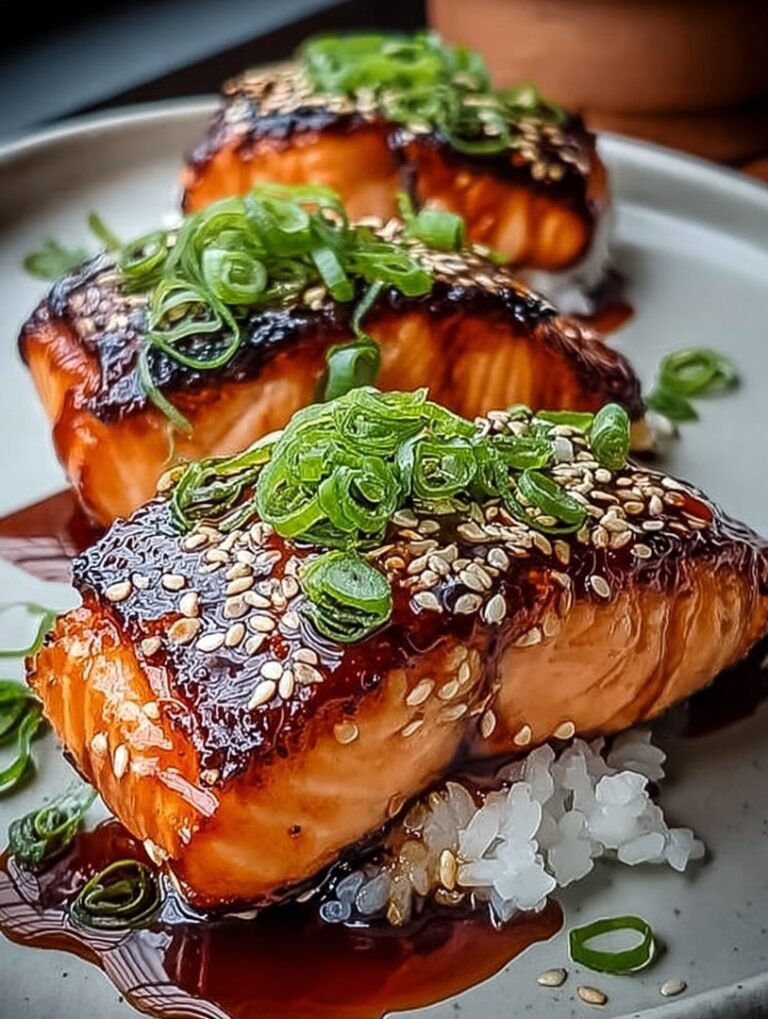
Nobu Miso Salmon Recipe
This iconic Nobu Miso Salmon features a rich, balanced marinade achieved by dissolving shiro miso into boiled apple juice and sugar.
- Total Time: 35 minutes
- Yield: 4 servings 1x
Ingredients
- 4 salmon fillets (about 6 oz each, skin on or off)
- 1/2 cup white miso paste (shiro miso)
- 1/4 cup apple juice with sugar
- 1/4 cup apple juice
- 3 tablespoons granulated sugar
- 2 teaspoons vegetable oil (for cooking)
Instructions
- Step 1: Combine the apple juice and rice vinegar with sugar in a small saucepan and bring the mixture to a rapid boil for 30 seconds to burn off the alcohol. Reduce the heat to low, add the granulated sugar, and stir until completely dissolved.
- Step 2: Remove the saucepan from the heat and thoroughly whisk in the white miso paste until the marinade is smooth and free of lumps. Allow the marinade to cool completely to room temperature before proceeding.
- Step 3: Place the salmon fillets in a shallow dish or large sealable bag. Pour the cooled marinade over the salmon, ensuring the fish is completely coated. Cover and refrigerate for a minimum of 24 hours, up to 72 hours, for the best flavor infusion.
- Step 4: When ready to cook, preheat your oven to 400°F (200°C). Gently wipe off the majority of the excess miso marinade from the fillets using a paper towel (do not rinse the fish, as some marinade is needed for the glaze).
- Step 5: Heat the vegetable oil in an oven-safe skillet (such as cast iron) over medium-high heat. Sear the salmon fillets, skin-side down (if applicable), for 2 to 3 minutes until the skin is crispy and golden brown.
- Step 6: Transfer the skillet immediately to the preheated oven and bake for 5 to 8 minutes, or until the salmon is cooked through and the miso glaze is slightly caramelized and golden brown. Serve immediately.
Notes
- Freeze the raw salmon fillets *before* marination for best texture, as the high salt content in the miso can degrade fish quality during extended freezer storage.
- Pay close attention during the searing and baking stages; because the miso marinade is rich in sugar, it can go from caramelized and glossy to burnt very quickly, especially under high heat.
- This rich, savory-sweet fillet pairs beautifully with steamed sticky rice and a bright, crisp counterpoint, such as lightly dressed blanched asparagus or a quick cucumber sunomono salad.
- To best preserve moisture and the caramelized glaze, gently reheat leftover cooked salmon in a 275°F oven, loosely tented with foil, until just warmed through.
- Prep Time: 15 minutes
- Cook Time: 20 minutes
- Method: Stovetop
- Cuisine: American
FAQs
What is the ideal thickness and type of salmon to use for the Nobu Miso Salmon Recipe?
The best salmon fillets for mastering this technique are generally between one and one and a half inches thick. This specific thickness is vital because it prevents the fish from drying out during the necessary high-heat broiling stage used to successfully caramelize the miso glaze. Highly preferred options include fatty King salmon or quality Atlantic salmon due to their generous fat content, which perfectly complements the intensity of the sweet and savory marinade. When selecting fish for this specific Miso Salmon Recipe, aim for uniformity in size so they cook evenly for a consistent result.
How long does the miso marinade keep, and can I reuse it after marinating?
Due to the raw protein that has been submerged in the miso mixture, you must never, under any circumstances, reuse this particular marinade for a subsequent batch of fish. However, you can easily prepare the base marinade (before adding any fish) and store it in an airtight container within the refrigerator for up to two weeks. If you plan to make thisNobu Miso Salmon Recipefrequently, preparing a generous batch of the miso base ahead of time significantly cuts down on overall prep time when you’re ready to begin marinating the fresh fillets.
Can I substitute white miso for red miso in this Japanese-style glazed salmon preparation?
While you certainly can substitute ingredients in general cooking, we strongly advise against using red miso, often called Aka Miso, for this classic recipe. Red miso has been fermented for a longer period, resulting in a much saltier, stronger, and more pungent flavor profile that can easily overpower the delicate and mild nature of the salmon. White miso, or Shiro Miso, is crucial because of its balanced sweetness and mild umami, which creates the intended silky, caramelized crust characteristic of the authenticNobu Miso Salmon Recipe. Always stick to the milder white variety for the most successful outcome.
I don’t have a broiler; how else can I achieve the famous caramelized glaze?
If your oven lacks a reliable broiler function, or if you simply prefer a less intense heat application, you can absolutely finish the miso-glazed salmon fillets in a skillet instead. After baking the salmon nearly all the way through, heat a cast iron skillet over medium-high heat with just a tiny bit of high-heat oil. Carefully sear the top side of the fish for about 30 seconds to a maximum of one minute. This quick sear mimics the broiling process successfully, achieving that beautiful, deep golden-brown char and sticky crust that makes this Miso Salmon dish so incredibly famous. Ensure the pan is screaming hot before attempting to sear the fish.





Leave a Comment