
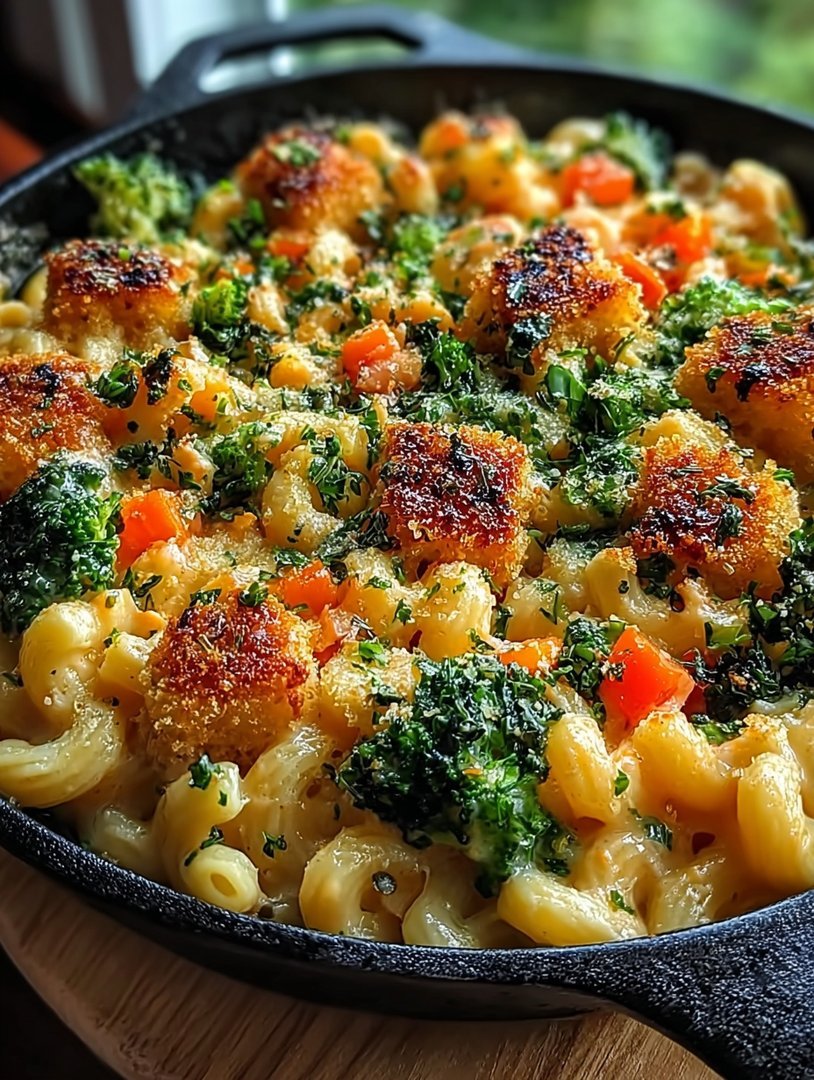
We all have those evenings where the thought of washing three separate saucepans makes us want to order takeout immediately. Forget the dishwashing marathon; tonight, we embrace simplicity with a vibrant, intensely flavorful meal that requires minimal cleanup.
This revolutionaryOne Pot Veggie Dinneris bursting with aromatic herbs and caramelized vegetables, proving that convenience never has to sacrifice spectacular flavor.
- Cleanup is practically nonexistent, making this the ideal weeknight hero when you are far too tired for kitchen acrobatics and juggling multiple pots.
- The flavor profile is deeply savory and slightly sweet, achieved by roasting root vegetables until they are perfectly tender and utterly irresistible.
- Visually stunning, this dish is a rainbow of seasonal produce, ensuring your plate looks as good as it tastes without requiring any fancy garnish.
- Highly versatile, this recipe easily adapts to whatever lonely-looking produce lurks in the back of your refrigerator, reducing food waste effortlessly.
The Glorious Art of Minimal Effort Cooking
I distinctly remember the era of my culinary life known as “The Great Dinner Disaster.” It was characterized by elaborate recipes, towering piles of dirty dishes, and a growing existential dread every time 5 PM rolled around. If a recipe called for three bowls for prepping and two pans for cooking, I was already stressed. Then, I discovered the magic of the single-pan meal, a concept so profoundly efficient it changed my weeknight trajectory forever. This isn’t just about saving time; it’s about reducing decision fatigue and maximizing the pleasure derived from cooking.
When you commit to aOne Pot Veggie Dinner, you are signing a pact with future-you that guarantees leisure time instead of scrubbing time. The secret lies in strategic layering and timing. By ensuring all ingredients are chopped to similar sizes and introduced to the pot in the correct sequence—harder vegetables first, softer ones later—we guarantee everything finishes cooking simultaneously. It’s a culinary symphony where the oven, or the skillet, plays the role of the conductor, guiding carrots and broccoli alike to perfect, harmonious tenderness.
Choosing Your Vegetable Co-Stars
The beauty of this type of dish is its inherent flexibility. Think of your refrigerator as a casting agency, and you are the director choosing the next big stars. For a robust, satisfying meal, you need a balance between hearty root vegetables and quicker-cooking greens. Sweet potatoes, sturdy carrots, and chunked Yukon gold potatoes form the essential foundation. They love high heat and develop deep, earthy flavors as they caramelize. These are your anchors.
Next, introduce mid-range cooking vegetables like broccoli florets, bell peppers, and maybe some chunky zucchini. They need less time but contribute vital texture and color. Finally, right before serving, consider tossing in some delicate items like fresh spinach or cherry tomatoes, allowing the residual heat to wilt or soften them slightly. Remember the principle: variety equals visual appeal and complexity of flavor. Don’t be shy about incorporating unusual suspects like cubed butternut squash or even Brussels sprouts, as high heat transforms their potentially bitter notes into delightful nuttiness. Always select fresh, vibrant produce; their natural sugars are what drive the incredible taste of this effortless vegetable bake.
The Flavor Formula: Building Depth in a Single Pan
A common mistake when preparing single-vessel meals is relying solely on salt and pepper, resulting in a dish that tastes flat and uninspired. A successfulOne Pot Veggie Dinnerdemands layering flavor, ensuring every bite offers something complex and exciting. Our flavor base starts with good quality olive oil, which acts as the vehicle for our aromatics and herbs. Do not skimp on this step.
The Power of Aromatics and Herbs
Garlic and onion are non-negotiable. They must soften and release their fragrance before the main vegetables enter the stage. Sautéing them briefly gives the entire dish a foundational savory sweetness. Once the aromatics are singing, the herbs step in. We skip the delicate, fresh herbs initially and focus on dried, robust ones that can withstand prolonged cooking, like dried thyme, rosemary, and oregano. These infuse the oil and coating the vegetables, creating a deep, resonant background note. Smoked paprika adds a fantastic depth that mimics a long, slow cook without the time commitment. If you crave a little kick, a pinch of crushed red pepper flakes elevates the profile instantly.
To ensure a creamy texture and further dimension, we often introduce a liquid element. This isn’t soup; it’s a necessary moisture source to prevent sticking and allows the starches in the potatoes to slightly emulsify the final sauce. A rich vegetable broth or even a splash of lemon juice mixed with a touch of good quality vinegar provides acidity and brightens the often heavy, earthy notes of the root vegetables. This balancing act ensures the dish remains lively and never becomes boring.
Preparation Tips for Maximum Efficiency
The true genius of the single-pan supper is the concept of “mise en place lite.” While we aren’t aiming for professional kitchen precision, a few minutes of focused chopping saves significant time later. Get all your dense vegetables cut first. Aim for pieces roughly one inch in size so they cook uniformly. If your pieces are vastly different—say, small button mushrooms next to massive potato chunks—you’re headed for a textural imbalance.
Optimizing Oven Space and Heat
When using a large baking sheet for this all-in-one dish, crowding is the enemy of crispiness. If the vegetables are piled too high, they will steam instead of roast, resulting in mushy textures rather than crispy, caramelized edges. Use the largest baking sheet you own, or even divide the mixture between two sheets if necessary. Adequate spacing allows the hot air to circulate, guaranteeing those coveted browned edges and tender interiors. For oven preparation, a starting temperature of 400°F (200°C) is usually perfect for achieving both speed and flavor development.
Remember, the goal is simple luxury. This isn’t just about eating fast; it’s about eating well, quickly. This skillet supper offers a hearty, satisfying, and deeply flavorful alternative to typical weeknight fare. Once you master the technique of managing different vegetable cooking times within the constraints of a single pot, your relationship with dinner preparation will transform from a chore into a highly anticipated, stress-free routine. Furthermore, the inherent healthiness of a vegetable-forward meal allows you to indulge without any accompanying guilt.
Ingredients for One Pot Veggie Dinner
Here’s what you’ll need to make this delicious dish:
- Root VegetablesA mix of carrots, sweet potatoes, and Yukon gold potatoes, chopped into uniform one-inch pieces for even cooking.
- Broccoli FloretsFresh florets provide texture and a wonderful green color contrast; ensure they are firm and bright green.
- Bell PeppersUse a mix of red and yellow peppers for sweetness and visual appeal; cut them into medium strips.
- Red Onion and GarlicThe essential aromatic base; the onion should be roughly chopped and the garlic minced finely.
- Olive OilHigh-quality extra virgin olive oil to coat the vegetables thoroughly and act as the flavor vehicle.
- Dried HerbsA robust blend of dried thyme, rosemary, and oregano to create a deep, earthy flavor profile.
- Smoked PaprikaCrucial for adding a warm, subtle smokiness that elevates the dish beyond simple roasted vegetables.
- Vegetable BrothA small amount is needed to introduce moisture, prevent sticking, and build a light sauce at the bottom of the pot.
- Lemon Juice and VinegarA splash of fresh lemon juice and a touch of apple cider vinegar provide necessary acidity to brighten the overall taste.
- Salt and Black PepperEssential seasonings; use coarse sea salt and freshly cracked black pepper generously.
The full ingredients list, including measurements, is provided in the recipe card directly below.
How to Make One Pot Veggie Dinner
Follow these simple steps to prepare this delicious dish:
Step 1: Prepare and Season the Foundation Vegetables
Preheat your oven to 400°F (200°C). Wash and chop all the hard root vegetables (potatoes, carrots, sweet potatoes) into similar 1-inch pieces. Place these foundational vegetables onto a large baking sheet, ensuring they are not crowded. Toss them immediately with half of the olive oil, all the dried herbs, smoked paprika, salt, pepper, and the minced garlic. Roast this mixture for 15 minutes to give the hard vegetables a head start on softening.
Step 2: Introduce Mid-Range Vegetables and Aromatics
While the root vegetables are roasting, chop the red onion and slice the bell peppers. After the initial 15 minutes, remove the baking sheet from the oven. Add the chopped onions, bell peppers, and the broccoli florets to the sheet. Drizzle with the remaining olive oil, ensuring the new additions are also well-coated with the seasonings already present on the tray. Toss gently to combine everything.
Step 3: Add Liquid and Continue Roasting
Pour the vegetable broth and the vinegar evenly over the vegetables. This liquid helps steam the broccoli slightly and adds necessary moisture. Return the sheet to the oven and continue roasting for another 20 to 25 minutes. The vegetables should be fork-tender, and the edges of the potatoes and carrots should be beautifully caramelized and browned.
Step 4: The Final Flavor Polish
Once the vegetables are cooked, remove the pan from the oven. If you are incorporating delicate vegetables like cherry tomatoes or spinach, toss them into the mixture now and let the residual heat soften them for about 5 minutes. Drizzle the entire pan with the fresh lemon juice, which will instantly brighten the heavy flavors. Check the seasoning and add more salt and pepper if needed.
Transfer to plates and drizzle with any remaining flavorful liquid from the bottom of the pan for the perfect finishing touch. A sprinkle of fresh parsley adds vibrancy if you wish.
Let’s be honest: the absolute worst part of cooking isn’t the chopping, the stirring, or even the accidental burning of the entire meal. It’s the moment you look up and realize you’ve created a towering Everest of dirty pots and pans. That dread is what drove me to crusade against excessive cookware, ultimately leading to the discovery of this culinary masterpiece—a vibrant, flavor-packed single-skillet meal that requires only one pot and about thirty minutes of your undivided attention.
I call it the “Mediterranean Dream Skillet,” but you can just call it your new weeknight superhero. This particular vegetable creation transcends the typical idea of quick cooking. It’s not just fast; it’s deeply nourishing, customizable, and capable of converting even the most skeptical vegetable critics. This easy one pot veggie dinner delivers complex, savory notes usually reserved for meals that require three days of preparation and an industrial dishwasher.
The Essential Tools for Zero Cleanup
Before diving into the recipe, we must acknowledge the vessel of honor: the trusty heavy-bottomed pot or large, deep skillet. Choosing the right equipment is half the battle won when tackling aone pot veggie dinner. A Dutch oven or a large, high-sided cast-iron skillet (around 12 inches) works wonders because they retain heat evenly, ensuring your grains cook perfectly without sticking to the bottom or leaving half your vegetables raw.
I highly recommend using a lid that fits snugly. During the critical simmering phase, steam is your best friend. It traps the moisture needed to fully hydrate the grains—be it rice, quinoa, or lentils—and prevents the top layer of ingredients from drying out into sad, crunchy submission. Invest in a good pot, and you invest in your sanity, because nobody wants a scorched bottom and a still-raw interior.
Ingredients: Building the Flavor Foundation
The beauty of this recipe lies in its flexibility, but these core ingredients create a flavor profile that is sunny, earthy, and satisfyingly rich.
- 1 tablespoon olive oil
- 1 large yellow onion, chopped
- 2 cloves garlic, minced
- 1 medium zucchini, diced
- 1 red bell pepper, diced
- 1 cup uncooked brown rice or quinoa (rinsed well)
- 2 cups vegetable broth (low sodium)
- 1 (14.5 ounce) can diced tomatoes, undrained
- 1 teaspoon dried oregano
- 1/2 teaspoon dried thyme
- 1/4 teaspoon crushed red pepper flakes (optional, for a kick)
- 1/2 cup pitted Kalamata olives, halved
- 1 cup fresh spinach, roughly chopped
- Salt and freshly ground black pepper to taste
- Fresh parsley or basil for garnish
Instructions: The Single-Skillet Symphony
The method is designed for simplicity, but timing is crucial to avoid mushiness. We build flavor in layers, maximizing the impact of every single ingredient we add to this vegetable creation.
- Heat the olive oil in your large skillet or pot over medium-high heat. Add the chopped onion and sauté for about 5 minutes until softened and fragrant. If you want a truly deep flavor, let the onions caramelize slightly.
- Stir in the minced garlic, zucchini, and red bell pepper. Cook for another 3 to 4 minutes until the peppers start to soften. This initial sauté step is key to unlocking the flavor of the vegetables before they cook down with the liquid.
- Add the rinsed brown rice or quinoa, oregano, thyme, and red pepper flakes (if using). Stir constantly for 1 minute, allowing the grains and herbs to slightly toast in the hot oil. This step, known as toasting, gives the grains a deeper, nuttier flavor and helps them hold their shape better during the long simmer.
- Pour in the vegetable broth and the undrained diced tomatoes. Stir everything together well, scraping up any browned bits from the bottom of the pot. Bring the mixture to a strong boil.
- Once boiling, reduce the heat immediately to low, cover the pot tightly with the lid, and let it simmer for 20 minutes (for quinoa) or 35–40 minutes (for brown rice). Do not lift the lid during this time, or you will release essential steam.
- After the simmering time, remove the lid. The liquid should be mostly absorbed. Stir in the Kalamata olives and the fresh spinach. Replace the lid for 2 more minutes to allow the spinach to wilt from the residual heat.
- Remove the pot from the heat. Taste and adjust the seasoning with salt and pepper. Fluff the grains gently with a fork. Serve immediately, topped with fresh parsley or basil.
The Accidental Discovery of Sunshine on a Plate
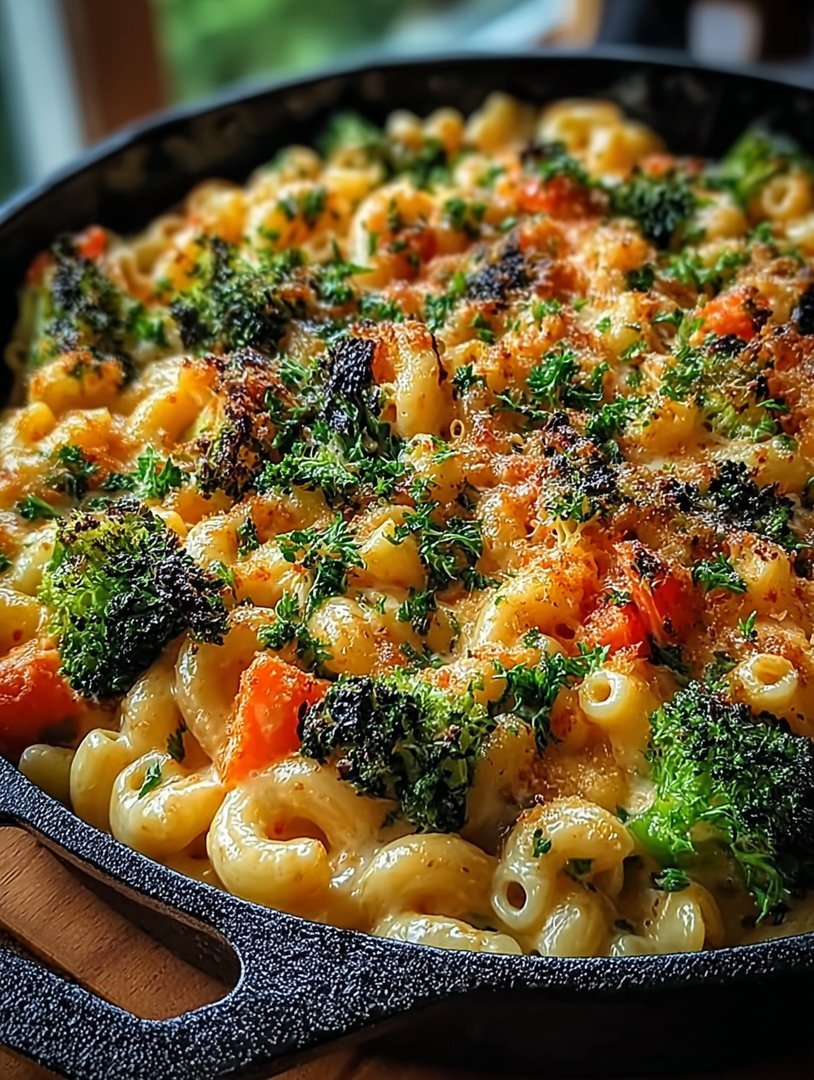
I invented this glorious one pot veggie dinner during a kitchen apocalypse—a night when the fridge was bare, and my motivation was lower than sea level. Turns out, throwing some pantry staples into one pan created a surprisingly vibrant, flavorful dish that tasted like pure summer magic.
Perfecting the Cooking Process
For maximum efficiency, start by sautéing the hard vegetables like carrots and onions to build flavor depth. Next, introduce the grains and broth, letting them simmer. Add the softer elements, such as spinach and canned tomatoes, in the last ten minutes to ensure everything finishes cooking perfectly simultaneously.
My kids, who usually view vegetables with suspicion, devoured this dish so fast I barely got a bowl. That was the moment I realized this easy one pot veggie creation was a permanent fixture in our weekly rotation.
Chef’s Insider Tips for Success
If you want to achieve truly perfect results with your single-skillet meal every time, these are the few non-negotiable pieces of advice I give every home cook:
- Toast your dry grains, like quinoa or rice, for two minutes before adding the liquid; this deeply enhances the nutty flavor profile.
- Always measure your broth precisely. Too much liquid leads to mushy veggies, while too little results in crunchy, undercooked grains.
- If you are using frozen vegetables, avoid thawing them first and add them in the last five minutes of cooking so they don’t get soggy.
Add Your Touch
Feel free to swap chickpeas for lentils, or trade zucchini for cubed sweet potato for a heartier texture. Instead of dried herbs, finish with a handful of fresh basil and a generous squeeze of lemon juice. A touch of smoked paprika or a dash of apple cider vinegar can also elevate this simple vegetarian meal.
This single-pot methodology is incredibly forgiving and truly begs for experimentation. If you have some leftover roasted chicken or beef strips, you can absolutely toss those in right at the end for an added protein boost, though it is incredibly satisfying just as a purely vegetable dish. The key is to keep the cooking sequence logical: hard ingredients first, grains and liquids in the middle, and quick-cooking elements last.
Creative Variations on the One-Pan Theme
Don’t feel restricted by the Mediterranean theme. This cooking technique works for virtually any cuisine. You could pivot this entire one pot veggie dinner concept by swapping out the herbs and vegetables. For instance, creating an Asian-inspired skillet requires only minor adjustments.
Use sesame oil, fresh ginger, and soy sauce (or tamari for gluten-free) as the liquid base. Add firm cubed tofu instead of olives, and incorporate vegetables like broccoli florets and shredded carrots. Serve it over noodles instead of rice, and finish with a sprinkle of roasted peanuts and fresh cilantro. The core philosophy remains—everything cooks together, locking the flavors into a single, cohesive unit—but the profile changes entirely. The freedom to customize is truly the most exciting part of mastering the single-skillet supper.
Another popular rotation in my kitchen is a Southwest version. Swap the oregano and thyme for chili powder, cumin, and a pinch of cayenne. Use black beans and corn alongside bell peppers, and stir in some lime juice and cilantro at the end. Serve with a dollop of plant-based sour cream or avocado slices. It’s an easy, hearty, and highly economical way to feed a crowd without incurring the wrath of the dreaded dish pile.
Storing & Reheating
Store any leftovers of this hearty one pot veggie dinner in an airtight container in the refrigerator for up to four days. To reheat, add a splash of vegetable broth to prevent drying and warm it gently on the stovetop over medium-low heat until piping hot. Avoid the microwave for the best texture.
When reheating, remember that the grains—especially rice and quinoa—will continue to absorb moisture as they sit. Adding a tablespoon or two of liquid prevents the dish from becoming dry and ensures the texture remains appealingly soft. If you find the mixture is too thick upon reheating, you can always stir in a little more broth to bring it back to life. This dish also works beautifully served chilled, transformed into a sort of hearty vegetable salad the next day.
Conclusion for One Pot Veggie Dinner
This single-skillet wonder truly proves that spectacular flavor doesn’t require a mountain of dirty dishes. Whether you are aiming for a quick weeknight solution or just trying to sneak more fiber into your diet, this satisfying One Pot Veggie Dinner delivers every time. Remember the key steps: build flavor with the initial sauté, measure your liquids, and finish with fresh herbs. It’s a versatile, economical, and delicious way to bring sunshine to your supper table, promising maximum taste with minimal cleanup.
Print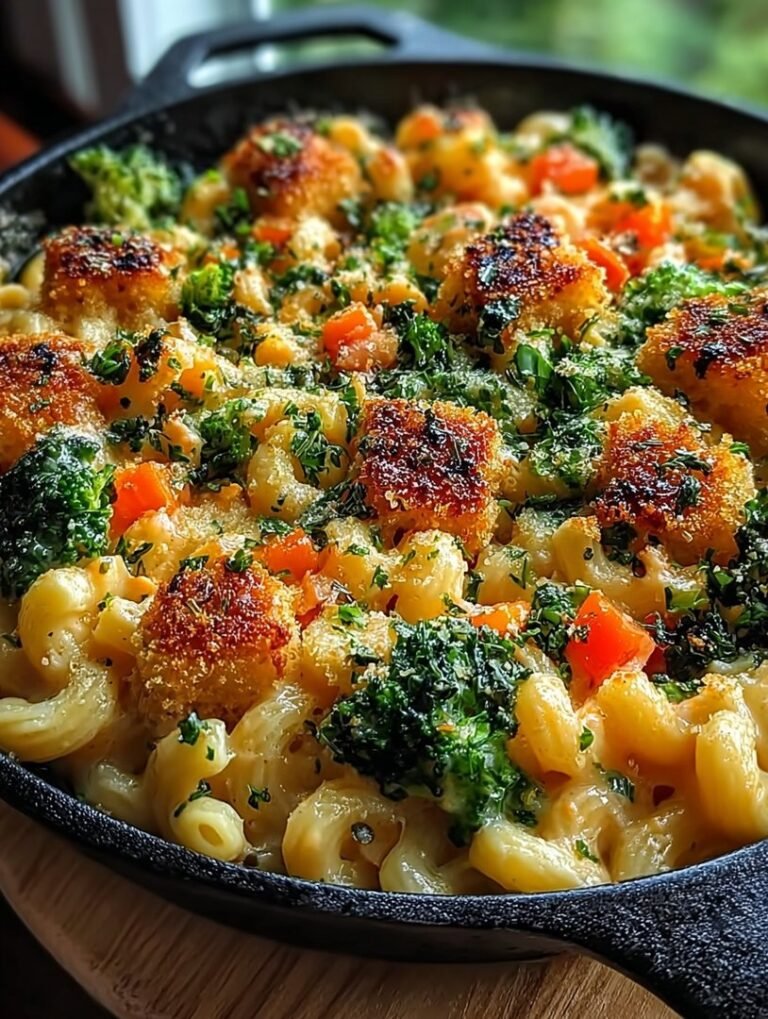
One Pot Veggie Dinner
Simplify dinner with this smoky, spiced sheet pan feast! Sweet potatoes, chickpeas, and peppers roast perfectly. Full instructions and detailed nutrition facts included.
- Total Time: 35 minutes
- Yield: 4 servings 1x
Ingredients
- 2 medium sweet potatoes, peeled and cubed
- 1 head of broccoli, cut into florets
- 1 (15-ounce) can chickpeas, rinsed and drained
- 1 red bell pepper, sliced
- 3 tablespoons olive oil
- 1 teaspoon smoked paprika
- 1/2 teaspoon dried oregano
- 4 cloves garlic, minced
Instructions
- Step 1: Preheat your oven to 400°F (200°C). Line a large, sturdy sheet pan with parchment paper for easy cleanup.
- Step 2: In a large bowl, combine the sweet potatoes, bell pepper, and rinsed chickpeas. Add the olive oil, smoked paprika, dried oregano, minced garlic, and a pinch of salt and pepper. Toss vigorously until all ingredients are evenly coated.
- Step 3: Spread the mixture onto the prepared sheet pan in a single, even layer, ensuring ingredients are not overlapping too much. Place the sheet pan in the preheated oven and roast for 15 minutes.
- Step 4: Remove the sheet pan from the oven. Add the broccoli florets to the pan and gently toss all the ingredients together to incorporate the broccoli and coat it with the seasonings.
- Step 5: Return the sheet pan to the oven and continue roasting for an additional 10 to 15 minutes, or until the sweet potatoes are fork-tender and the broccoli edges are slightly crispy. Serve immediately.
Notes
- Store leftovers in an airtight container in the refrigerator for up to 3 days, keeping in mind the broccoli will lose its snap the longer it sits.
- To revive the crispy edges, reheat your leftovers quickly on a sheet pan in a 350°F (175°C) oven or toaster oven instead of using the microwave.
- Brighten up the smoky paprika flavor by adding a fresh garnish of chopped parsley or serving with a spoonful of cool, tangy Greek yogurt.
- Don't overcrowd the pan during roasting; if the mixture is piled too high, the vegetables will steam instead of caramelize, so use a second tray if necessary for true one-layer roasting.
- Prep Time: 15 minutes
- Cook Time: 20 minutes
- Method: Stovetop
- Cuisine: American




Leave a Comment