
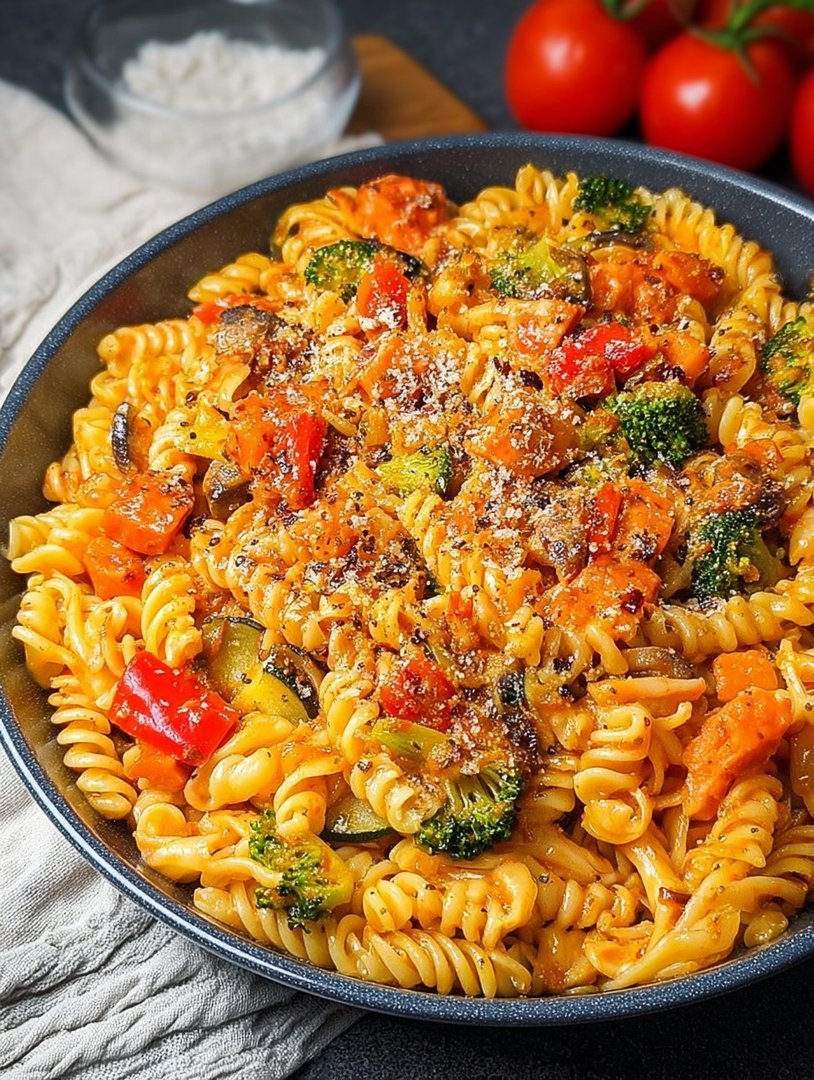
Imagine a weeknight where the sheer thought of dirtying five pots makes you want to order takeout; that is where the magic ofOne-Pot Veggie Pastasaves the day.
This vibrant, creamy, yet surprisingly easy dish eliminates the cleanup chaos while delivering deeply satisfying flavors that feel straight out of an Italian trattoria.
- Simplify your weeknight dinner rotation dramatically because everything, from the boiling pasta to the simmering sauce, happens in just one glorious pot.
- Enjoy the rich, savory broth infused with roasted garlic and fresh herbs that perfectly coats every noodle and tender piece of colorful vegetable.
- The stunning mix of sun-dried tomatoes, bright green spinach, and creamy sauce ensures this dish looks just as good as it tastes on the plate.
- Easily customize this simple recipe by swapping in your favorite seasonal vegetables or adding lean protein like shredded chicken or crumbled beef.
Ingredients for One-Pot Veggie Pasta
Here’s what you’ll need to make this delicious dish:
- Olive OilUse a high-quality extra virgin olive oil to sauté the aromatics and build a foundational flavor base for the sauce.
- Yellow Onion and GarlicThese aromatic staples provide depth; mince them finely so they melt into the creamy sauce base during the cooking process.
- Dried PastaLinguine, fettuccine, or penne work best for this recipe, as the starch they release is crucial for thickening the final sauce.
- Vegetable BrothOpt for low-sodium vegetable broth since it acts as the cooking liquid, ensuring the pasta absorbs flavor while releasing its starches.
- Diced TomatoesCanned diced tomatoes add acidity and moisture, balancing the richness of the creamy sauce while providing texture.
- Sun-Dried TomatoesThese intensify the flavor profile with their deep, concentrated sweetness and slight chewiness that complements the fresh vegetables.
- Bell Peppers and ZucchiniCut these into uniform, bite-sized pieces so they cook evenly and become tender simultaneously with the pasta.
- Fresh SpinachAdd the spinach right at the end to wilt; its freshness offers a necessary bright green contrast to the creamy sauce.
- Heavy Cream or Milk AlternativeThis component adds the luxurious, velvety texture that transforms the broth into a rich, single-skillet pasta sauce.
- Parmesan Cheese AlternativeA generous grating of a good quality vegetarian or dairy-free alternative cheese provides salty, umami depth essential for the finish.
The full ingredients list, including measurements, is provided in the recipe card directly below.
How to Make One-Pot Veggie Pasta
Follow these simple steps to prepare this delicious dish:
Step 1: Sauté the Aromatics
Pour the olive oil into a large, heavy-bottomed pot or Dutch oven and set it over medium heat. Add the diced yellow onion and cook until softened, about 5 to 7 minutes. Stir in the minced garlic and cook for just one minute until fragrant, making sure not to burn it, which would introduce a bitter flavor to your finished dish.
Step 2: Build the Flavor Base
Add the diced tomatoes, chopped sun-dried tomatoes, bell peppers, and zucchini to the pot. Stir well to coat the vegetables in the oil and onion mixture. Let this cook together for about 3 minutes, allowing the flavors to meld and the vegetables to slightly soften before adding the liquid.
Step 3: Add Liquid and Pasta
Carefully pour in the vegetable broth, ensuring it completely covers the added pasta. Add the dried pasta—resist the urge to break longer noodles like linguine. Bring the mixture to a rolling boil over high heat, then immediately reduce the heat to medium-low, cover the pot loosely, and let it simmer vigorously for 12 to 15 minutes.
Step 4: Stir and Check for Doneness
During the simmering process, stir the pasta every 3 to 4 minutes to prevent the noodles from sticking to the bottom of the pot or clumping together. The liquid will reduce significantly, and the starches released from the pasta will start to create a thick, creamy consistency. The pasta is ready when it is perfectly al dente, meaning tender but still slightly firm to the bite.
Step 5: Finish with Cream and Greens
Once the pasta is cooked and the sauce has thickened, turn off the heat. Stir in the heavy cream or milk alternative, then gently fold in the fresh spinach until it just begins to wilt. This last-minute addition maintains the spinach’s bright color and nutritional value. If the sauce seems too thick, add a splash more broth; if it is too loose, let it sit uncovered for a moment.
Transfer to plates and garnish generously with the parmesan cheese alternative and a pinch of fresh basil for the perfect finishing touch.
The Science Behind One-Pot Perfection
Many home cooks mistakenly believe that cooking pasta directly in the sauce results in gummy or sticky noodles, but this streamlined vegetable dish leverages kitchen chemistry to achieve peak creaminess. Traditional pasta cooking discards the starchy water, which is essentially culinary gold. When you cook the pasta in a measured amount of seasoned broth, the starch molecules released from the semolina are retained, acting as a natural, highly effective thickening agent. This phenomenon creates an emulsified, velvety sauce that clings beautifully to every strand of pasta, something impossible to replicate using water alone.
Furthermore, using the one-pot method allows the pasta to absorb the rich flavors of the garlic, sun-dried tomatoes, and vegetable broth directly while it cooks. This infusion of flavor means every bite tastes exponentially more complex than if the pasta were boiled separately in plain water. This technique drastically reduces cleanup time while maximizing flavor depth, proving that sometimes, being lazy in the kitchen yields the most delicious results. Embrace the efficiency; your dishwasher will thank you profusely.
Choosing the Best Pasta Shape
Selecting the right pasta shape is actually quite important for the success of this creamy noodle bake. You want shapes that are sturdy enough to withstand the continuous simmering and stirring required without turning into mush. Medium-sized noodles like fettuccine, linguine, or penne work excellently because their surface area provides ample starch release for the sauce. Avoid very small pasta shapes like orzo or tiny shells, which tend to break down too quickly, resulting in a sauce that is overly gluey. Conversely, extremely large shapes, such as lasagna or thick rigatoni, may require more liquid and longer cooking times than this recipe accounts for, throwing off the delicate liquid-to-starch balance.
Ingredient Swaps and Customization
The beauty of this recipe lies in its adaptability; consider it a highly customizable framework for using up whatever you have lingering in your refrigerator. If zucchini isn’t available, try substituting chopped broccoli florets or diced butternut squash, though heartier vegetables may require being added earlier in the cooking process. For a protein boost, easily incorporate pre-cooked, shredded chicken breast or browned lean ground beef during Step 2 with the vegetables. If you crave a spicier profile, a pinch of red pepper flakes added with the garlic provides a lovely warmth. When swapping liquids, ensure you use broth, not water, and always adjust the seasoning aggressively, as the pasta soaks up significant amounts of salt during cooking.
Troubleshooting Common Pasta Issues
Even though this One-Pot Veggie Pasta recipe is incredibly straightforward, sometimes minor hiccups occur in the kitchen, often related to the consistency of the final sauce. The biggest difference between a glorious, creamy dish and a disappointing, sticky mess usually boils down to heat management and stirring technique. Remember that altitude, stovetop strength, and the exact volume of liquid evaporation can vary significantly among kitchens, requiring minor adjustments in real-time. Mastering the simmer is key; you want a persistent, gentle bubble, not a violent boil that evaporates all your liquid too quickly, resulting in undercooked noodles and a dry finish.
Why Your Pasta Might Be Too Dry
If you reach Step 5 and find your pasta is cooked but the sauce has completely vanished, it is usually an indicator that the heat was too high during the simmering phase, causing excessive evaporation. To fix a dry pot, immediately remove the pot from the heat and stir in an additional half cup of warm vegetable broth. Allow the pot to sit covered for 5 minutes; the noodles will absorb some of this liquid and rehydrate the sauce. Next time, ensure your pot is loosely covered, which traps steam and maintains a steady moisture level, preventing the dreaded desert-pot syndrome.
Achieving Maximum Creaminess
If your final dish lacks that luxurious, restaurant-quality creaminess, you might need to lean more heavily on the starch or fat content. First, confirm you used the correct pasta shape and stirred frequently to encourage starch release. If the sauce is still too thin, try mashing a small spoonful of cooked pasta against the side of the pot; this releases extra starch without drastically altering the texture of the remaining noodles. Alternatively, ensure you are using heavy cream for the richest texture; low-fat milk alternatives will not provide the same body and mouthfeel. A final trick is tossing in two tablespoons of cream cheese or mascarpone at the end to instantly boost richness and stability.
Frequently Asked Questions
How long does One-Pot Veggie Pasta last in the refrigerator?
You can store leftovers of this single-skillet pasta in an airtight container in the refrigerator for up to 3 to 4 days. Note that the pasta will continue to absorb the sauce as it cools, so the dish will be thicker upon reheating, likely requiring a splash of additional broth or milk to loosen it up.
Can I use frozen vegetables instead of fresh?
Yes, you absolutely can use frozen vegetables! Add them directly to the pot during Step 3, right before adding the liquid. Avoid defrosting them first. You may need to slightly increase the cooking time by 1 to 2 minutes, as the frozen vegetables will temporarily drop the temperature of the broth when added.
What is the best way to reheat leftovers?
The best method for reheating is gently on the stovetop over low heat. Place the desired portion in a saucepan, add 1/4 cup of vegetable broth or water, and stir occasionally until heated through. Microwaving works, but it can dry out the noodles and cause the sauce to separate if done too aggressively.
Is this recipe suitable for preparing ahead of time?
While the actual preparation takes so little time that prepping ahead isn’t necessary, you can chop all the vegetables and measure the dry ingredients the night before. However, the final cooking step should be done right before serving to ensure the pasta achieves the optimal al dente texture and the sauce remains perfectly emulsified.
The Quest for the Weeknight Wonder Meal
Picture this: It’s 6:30 PM. The dog needs walking, the laundry needs folding, and your stomach is performing an opera of growls demanding sustenance. You want something comforting, flavorful, and filling, but the thought of juggling three different pots and pans just sends you straight back to the delivery menu. Sound familiar? That exact scenario is why the existence of theOne-Pot Veggie Pastabecame a non-negotiable mission in my kitchen.
For years, I chased the elusive weeknight recipe that delivered maximum flavor with minimum cleanup. I tried complicated casseroles and quick stir-fries, but nothing quite hit that sweet spot of creamy, hearty goodness without requiring an architectural degree in stacking dishes in the sink. The breakthrough came when I realized the key wasn’t speed—it was efficiency. We needed a meal where the pasta cooked directly in the sauce, absorbing all those delicious aromas and spices along the way. When I finally perfected this technique, my cleanup routine shrank to less than ten minutes. It was revolutionary!
This dish is vibrant, packed with garden goodness, and delightfully simple. It transforms humble pantry staples and fresh vegetables into a culinary triumph that tastes like you slaved over it all afternoon. Forget complicated steps; we are here to celebrate the supreme ease of the one-pot approach.
Why We Love the One-Pot Revolution
The core philosophy behind this recipe is simplicity and flavor infusion. Unlike traditional methods where you boil pasta separately and then drain it (losing all that starchy goodness), cooking the pasta directly in the vegetable broth and diced tomatoes releases starch that naturally thickens the sauce. This process creates an incredibly rich, creamy texture without needing heavy cream or complex reduction steps.
Beyond the fantastic flavor profile, the biggest win is undoubtedly the cleanup. One pot means one wash. That’s it! On those nights when energy levels are running on fumes, eliminating the mountain of dishes is a genuine lifesaver. This simple, delicious pasta dish ensures you spend less time scrubbing and more time relaxing on the couch enjoying your well-deserved meal.
Gathering Your Arsenal: Ingredients List
You probably have most of these items hiding in your pantry right now. This recipe is wonderfully flexible, allowing you to swap in seasonal favorites. We focus on bright, colorful vegetables and savory liquids to build the perfect foundation for our quick pasta meal.
- 1 tablespoon olive oil
- 1 large yellow onion, diced
- 3 cloves garlic, minced
- 1 red bell pepper, roughly chopped
- 1 cup chopped zucchini
- 1 cup chopped carrots or sweet potato (optional, for extra body)
- 1 (14.5 ounce) can diced tomatoes, undrained
- 4 cups vegetable broth (or low-sodium chicken broth)
- 1 teaspoon dried Italian seasoning
- 1/2 teaspoon red pepper flakes (adjust to heat preference)
- 12 ounces dried short pasta (such as penne, rotini, or farfalle)
- 2 cups fresh spinach, roughly chopped
- Salt and black pepper to taste
- Fresh basil or parsley for garnish
The Magic Begins: Step-by-Step Method
Ready to witness the easiest cooking method known to humankind? Grab your largest pot or Dutch oven, because that’s the only tool you will need for this entire process. Remember, the key is maintaining a steady simmer and resisting the urge to walk away entirely—a quick stir here and there prevents sticking.
Step 1: Building the Base Flavor
Heat the olive oil over medium heat in your large pot. Add the diced onion and sauté until softened, which usually takes about five minutes. Next, toss in the minced garlic, stirring for about 30 seconds until fragrant. Be careful not to let the garlic burn, as nobody enjoys bitter pasta sauce!
Step 2: Adding the Hearty Veggies
Introduce the chopped bell pepper, zucchini, and carrots (if using) into the pot. Sauté these vegetables for about three to four minutes until they begin to soften slightly. This brief sauté helps develop a deeper, richer flavor base before the liquid goes in.
Step 3: The Big Dump
Now comes the satisfying part. Pour in the canned diced tomatoes (including the liquid), the vegetable broth, Italian seasoning, and red pepper flakes. Give everything a good stir and bring the mixture to a rapid boil. Once boiling, add the dried pasta, pushing it down gently so it is mostly submerged in the liquid.
Step 4: Simmer and Stir
Reduce the heat immediately to a medium-low setting to maintain a steady, gentle simmer. Cook uncovered for approximately 15 to 20 minutes. You must stir frequently—every two minutes or so—to prevent the pasta from sticking to the bottom of the pot and to ensure even cooking. The liquid will reduce significantly and thicken into a creamy sauce as the pasta absorbs it.
Step 5: Finishing Touches
When the pasta is tender (al dente) and most of the liquid has been absorbed, stir in the fresh spinach. Cook for just one minute until the spinach wilts. Taste the sauce and adjust seasonings, adding salt and pepper as needed. Serve immediately, topped with fresh herbs. This fantasticOne-Pot Veggie Pastais ready to make your weeknight shine!
Perfecting the Cooking Process
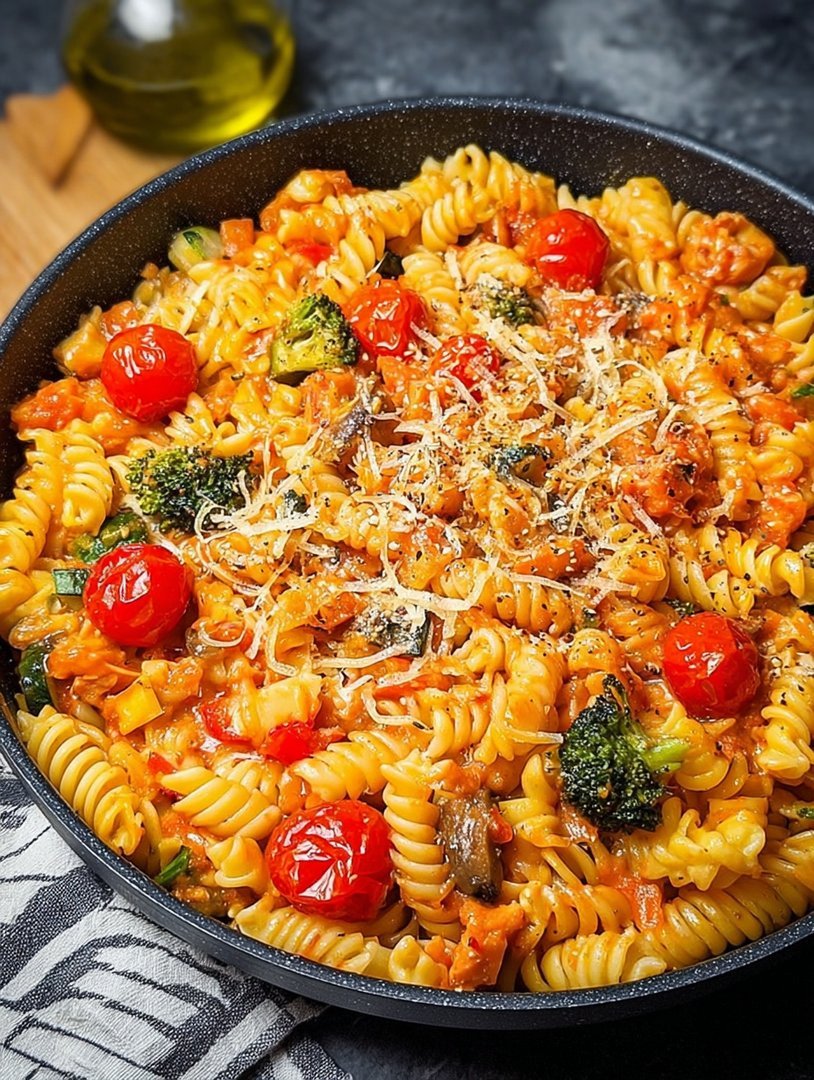
Achieving that beautiful, creamy consistency requires attention to the simmering stage. First, sauté the aromatics and firm vegetables thoroughly to unlock deep flavor. Next, ensure the broth is rapidly boiling when you add the pasta, then immediately reduce to a steady, low simmer while stirring regularly to prevent clumping and encourage starch release.
Add Your Touch
Feel free to customize this dish by adding ground chicken or crumbled turkey substitute for a protein boost. Instead of zucchini, use mushrooms or eggplant. Try adding a dash of smoked paprika for a deeper flavor profile, or finish with a sprinkle of nutritional yeast for a cheesy texture without actual cheese.
Storing & Reheating
Store leftovers of this creamy vegetable pasta in an airtight container in the refrigerator for up to three days. When reheating, the pasta tends to absorb all remaining moisture, so add a splash of water or extra broth before microwaving or heating gently on the stovetop to restore its desired consistency.
My friend Sarah, who usually orders takeout five nights a week, made this recipe last Tuesday and immediately texted me, raving that it felt like cheating. It’s that easy and that satisfying.
- Ensure your broth is hot before adding the pasta; this jumpstarts the cooking process and prevents the pasta from turning gummy or soaking up too much liquid too quickly.
- Use a sturdy short pasta like penne or fusilli, as delicate shapes like spaghetti tend to break down or stick together too easily during the one-pot simmering process.
- Do not overcook the pasta initially; remove the pot from the heat slightly before al dente, as residual heat will continue cooking the pasta while you add the spinach.
FAQs About Quick Veggie Pasta
Troubleshooting the Texture
Sometimes, even the simplest recipes can present unexpected challenges. When making one-pot meals, texture issues often top the list. Let’s tackle the most common questions about consistency, sticking, and seasoning.
Is my sauce too thick or too thin?
If your sauce is too thin after the pasta has cooked for 20 minutes, remove the lid and continue simmering aggressively for a few minutes to reduce the liquid. If it is too thick, simply stir in an additional half cup of broth or water until you reach your desired creamy consistency. Remember, the sauce thickens significantly as it cools.
Why is my pasta sticking to the bottom of the pot?
Sticking almost always happens if the simmer is too low or if you aren’t stirring frequently enough. You must stir vigorously, especially during the first ten minutes of cooking, to release the starches and prevent the pasta from settling on the bottom of the pot where the heat is highest.
Can I freeze this vegetable pasta recipe?
While technically you can freeze it, cooked pasta often suffers texturally upon thawing and reheating, becoming mushy. This dish is best enjoyed fresh or refrigerated for quick lunches. Since it takes only 30 minutes to make, we recommend cooking a fresh batch when needed.
What kind of vegetables work best in this one-pot method?
Harder vegetables like carrots and squash work well because they need longer cooking times and soften alongside the pasta. Softer vegetables like mushrooms, cherry tomatoes, or greens should be added later in the process. Avoid adding watery vegetables like cucumbers.
Making It a Complete Meal
The beauty of this easy pasta dish lies in its versatility. While it is fully satisfying on its own, pairing it with the right side dishes can elevate it into a celebratory meal worthy of weekend company, all while keeping the cooking process stress-free.
What should I serve alongside this easy pasta dish?
Since the pasta is already rich in carbohydrates and vegetables, pair it with something light and crunchy. A simple side salad dressed with balsamic vinegar and olive oil is perfect. Alternatively, you could serve it with some warm, crusty bread for dipping into the remaining sauce, soaking up every last bit of flavor.
Can I add a source of protein directly to the pot?
Absolutely! If you wish to incorporate chicken or lean ground beef, brown the meat in the potbeforeadding the onions and garlic, and drain any excess fat. Ensure the meat is fully cooked through by the time the pasta finishes simmering. This adjustment maintains the one-pot spirit while creating a truly robust and hearty main course.
A Simpler Way to Dine
TheOne-Pot Veggie Pastaisn’t just a recipe; it’s a lifestyle adjustment for the busy and the flavor-conscious. It proves that you don’t need extensive culinary training or a sink full of dishes to enjoy a nourishing, vibrant meal at home. This method saves time, reduces waste, and delivers a consistent level of deliciousness every single time. Next time the weeknight scramble hits, remember that all the magic you need is waiting inside a single, glorious pot.
Go ahead, embrace the one-pot revolution. Your taste buds—and your dishwasher—will thank you.
The Genius of the One-Pot Veggie Pasta Revolution
Let’s be honest, the greatest enemy of a quick weeknight dinner isn’t time; it’s the mountain of dishes waiting afterwards. I once spent 45 minutes making a complex meal that required five different pots. It looked like a stainless steel graveyard when I was done. That’s why discovering the ultimate easy dinner—the incredible, life-changingOne-Pot Veggie Pasta—felt like achieving culinary enlightenment. This recipe isn’t just fast; it’s an absolute dish-washing marvel. It condenses all the flavor, all the cooking, and all the nourishment into a single vessel. You will spend more time choosing a podcast than actually cleaning up.
Taming the Midweek Dinner Beast
This method requires virtually zero pre-cooking. You toss everything, seriouslyeverything, into a large Dutch oven. The starch from the cooking pasta naturally thickens the liquid, creating a velvety sauce that clings perfectly to every noodle. It’s science, but tasty science. We are skipping the draining, the separating, and the juggling act that usually makes weeknight cooking stressful. If you can boil water, you can master this easy vegetarian noodle meal. Plus, it is endlessly customizable. Feeling like mushrooms? Toss them in. Got some leftover bell peppers? They belong here too, making this a true kitchen sink dinner.
Essential Tools and Vibrant Ingredients
What You Need Before You Start
- A large, heavy-bottomed pot or Dutch oven (the bigger, the better).
- A sturdy wooden spoon for stirring.
- A sharp knife and cutting board (yes, you still have to chop the vegetables).
Ingredients for the Perfect One-Pot Veggie Pasta
- 12 oz dried pasta (Linguine, penne, or fettuccine work best)
- 1 medium yellow onion, thinly sliced
- 2 cloves garlic, minced
- 1 large red bell pepper, thinly sliced
- 1 cup cherry tomatoes, halved
- 2 cups fresh spinach, roughly chopped
- 1 cup vegetable broth
- 3 cups water
- 1/2 cup heavy cream (or plant-based alternative)
- 1/4 cup grated Parmesan cheese (optional)
- 2 tablespoons olive oil
- 1 teaspoon dried oregano
- 1/2 teaspoon red pepper flakes (for a little kick)
- Salt and black pepper to taste
Cooking Instructions: The Magical Dump-and-Simmer Method
Step 1: Building the Flavor Base
Pour the olive oil into your large pot. Add the sliced onion, garlic, and red pepper flakes. Cook these aromatics over medium heat for about 3 minutes until the onion softens. You don’t want them brown, just fragrant. This step is crucial for developing deep flavor that permeates the final dish.
Step 2: The Great Tossing
Now, add the pasta, sliced bell pepper, cherry tomatoes, oregano, salt, and pepper into the pot. Pour in the vegetable broth and the water. Ensure the liquid nearly covers the pasta. If your pasta is particularly long, you might need a splash more water. Give everything a good, hearty stir to make sure all ingredients are combined.
Step 3: Simmer and Stir
Bring the mixture to a rapid boil over high heat. Once boiling, reduce the heat immediately to a medium simmer. This is where the magic happens. Cook, uncovered, for about 10 to 12 minutes. You must stir frequently—every minute or so—to prevent the pasta from clumping or sticking to the bottom. The liquid will reduce and become milky as the starch releases. Taste a noodle to check for doneness; it should be perfectly al dente.
Step 4: Finishing Touches and Creaminess
Turn off the heat. Stir in the heavy cream and the chopped spinach. The residual heat from the pasta and the pot will wilt the spinach perfectly in seconds. Stir in the Parmesan cheese if you are using it. Adjust the seasoning one last time. If the sauce is too thick, add a tablespoon of water or broth. If it is too thin, let it sit uncovered for two minutes. Serve immediately with extra cheese and fresh herbs, if desired. Enjoy your minimal cleanup!
Conclusion for One-Pot Veggie Pasta
The quest for an effortless, flavor-packed dinner often ends in the kitchen sink surrounded by unnecessary cookware. Thankfully, the easy vegetarian noodle meal changes that narrative completely. ThisOne-Pot Veggie Pastarecipe offers vibrant flavors, perfect texture, and, most importantly, unparalleled convenience. By combining the liquid, starch, and vegetables in one magnificent pot, you create a cohesive, restaurant-quality sauce without the hassle. Embrace this culinary shortcut and reclaim your weeknights. It’s comforting food engineered for minimal effort, proving that incredible meals don’t require incredible cleanup.
Print
One-Pot Veggie Pasta
Skip the mess! This true one-pot wonder blends rich crushed tomatoes with fragrant garlic and tender pasta. The ultimate weeknight comfort food.
- Total Time: 35 minutes
- Yield: 4 servings 1x
Ingredients
- 12 ounces penne or rotini pasta
- 2 tablespoons olive oil
- 1 medium yellow onion, chopped
- 3 cloves garlic, minced
- 1 (28 ounce) can crushed tomatoes
- 4 cups vegetable broth
- 1 large red bell pepper, diced
- 5 ounces fresh spinach
Instructions
- Step 1: Heat the olive oil in a large pot or Dutch oven over medium heat. Add the chopped onion and sauté for 5 minutes until softened. Stir in the minced garlic and cook for 1 minute until fragrant.
- Step 2: Add the crushed tomatoes, vegetable broth, uncooked pasta, and diced bell pepper to the pot. Stir well to combine, ensuring the pasta is mostly submerged.
- Step 3: Increase the heat to high and bring the mixture to a rapid boil. Once boiling, reduce the heat to medium-low to maintain a strong simmer.
- Step 4: Cook for 15-20 minutes, stirring frequently (every 1-2 minutes) to prevent the pasta from sticking to the bottom, until the pasta is al dente and most of the liquid has been absorbed, creating a thick sauce.
- Step 5: Remove the pot from the heat. Stir in the fresh spinach until it wilts completely into the sauce, about 1 minute.
- Step 6: Taste the pasta and sauce, then adjust seasonings (salt and pepper) if necessary before serving immediately.
Notes
- Store leftovers promptly in an airtight container for up to 3 days; add a splash of broth or water before sealing as the pasta will continue to absorb the sauce.
- To revive leftovers, reheat gently on the stovetop with a tablespoon or two of water or broth; this will loosen the sauce and prevent the pasta from becoming too thick or gummy.
- For a final burst of flavor, serve each bowl with a sprinkle of fresh basil or Parmesan cheese, and pair it with warm, crusty bread to soak up the hearty sauce.
- During the 15-20 minute simmer, your most important job is to stir frequently—especially the corners and bottom—as the released pasta starch creates a thick sauce that loves to stick and scorch.
- Prep Time: 15 minutes
- Cook Time: 20 minutes
- Method: Stovetop
- Cuisine: American
FAQs
Can I easily swap the vegetables in this One-Pot Veggie Pasta recipe?
Absolutely! This recipe is incredibly versatile and encourages customization based on what you have on hand. Root vegetables like carrots or potatoes require longer cooking times, so add them with the liquid at the beginning. Softer vegetables, such as zucchini, mushrooms, or asparagus, should be added about halfway through the simmering process to prevent them from becoming mushy. The key is maintaining the ratio of liquid to pasta and ensuring denser items are fully submerged so they cook thoroughly alongside your noodles.
What is the best type of pasta to use for a successful one-pan pasta dish?
We recommend using medium-sized, sturdy pasta shapes for the best results in this cooking style. Penne, rotini, farfalle (bow ties), or linguine all work exceptionally well because they hold their shape and absorb the sauce evenly. Avoid very thin pasta like angel hair, which tends to cook too quickly and turn gummy before the sauce thickens adequately. Also, stay away from oversized shapes like rigatoni, as they sometimes require too much liquid to cook through properly in the short timeframe.
How do I prevent my One-Pot Veggie Pasta from sticking to the bottom of the pot?
Sticking is the number one enemy of this method, but it is easily defeated with vigilance. The secret weapon is frequent stirring, especially during the first five minutes of boiling and reduction. Ensure you scrape the bottom of the pot with your wooden spoon every 60 to 90 seconds. Also, ensure you use a heavy-bottomed pot, like a quality Dutch oven, as thinner pots create hot spots and burn the starch quickly. If you notice persistent sticking, reduce the heat slightly.
Can I make this quick vegetarian noodle meal ahead of time?
While this dish is best enjoyed immediately upon finishing, you can certainly store leftovers in an airtight container in the refrigerator for up to three days. Keep in mind that as the pasta sits, it will continue to absorb the remaining sauce, causing the texture to become less creamy and thicker over time. To reheat, add a splash of water or broth to loosen the sauce when warming it gently on the stovetop or in the microwave. This will bring back some moisture and ensure the pasta is palatable.






Leave a Comment