
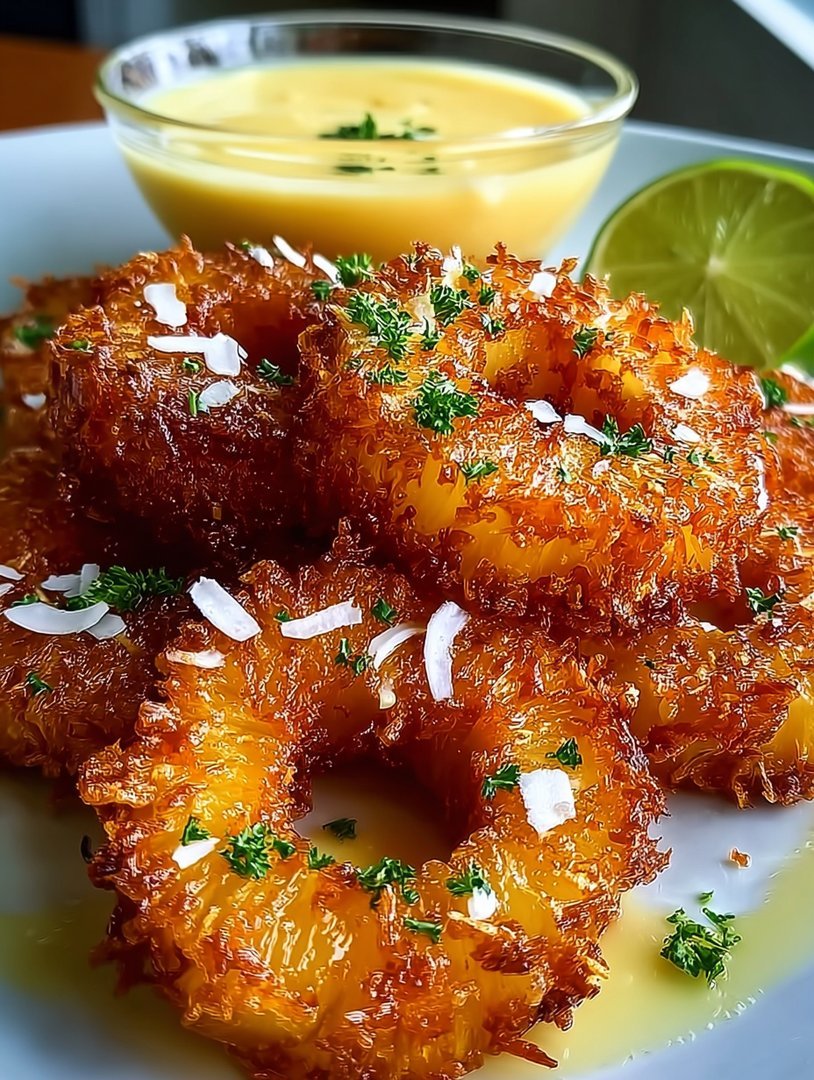
The smell of caramelized sugar mixed with tropical tang is pure magic, a symphony that promises sunshine on a plate. If you thought pineapple was only good for pizza debates, prepare yourself for the revelation ofpineapple juice-Soaked Fried Pineapple. This dessert revolutionizes tropical flavors, transforming simple fruit slices into crispy, warm, golden masterpieces.
- The soaking process infuses the fruit deeply, ensuring every bite bursts with concentrated, sweet, and tangy tropical goodness.
- Achieve an impossibly crispy exterior contrasting beautifully with the tender, molten interior, creating a fantastic textural experience.
- This recipe is surprisingly simple, requiring minimal active cooking time and basic pantry staples for maximum flavor payoff.
- Serve these golden rings as a unique stand-alone dessert, a dazzling brunch centerpiece, or a vibrant accompaniment to grilled chicken or lamb.
The Culinary Journey: From Spiky Fruit to Golden Glory
My kitchen experimentation started, as most good stories do, with an accidental spill. I had sliced a perfectly ripe pineapple, intending to simply grill it, but then a pitcher of tropical fruit infusion—meant for a mocktail—toppled right over the slices. Instead of tossing the soggy, citrus-drenched fruit, I decided to take a gamble and batter them up.
What emerged from the hot oil was nothing short of miraculous. The tropical juice had tenderized the fruit’s core while intensifying its natural sweetness, resulting in a depth of flavor that a simple slice of fried fruit could never achieve. This discovery marked the birth of the belovedpineapple juice-Soaked Fried Pineapplerecipe, a dish so simple yet so profoundly delicious it feels like cheating. Forget everything you thought you knew about pineapple; we are embarking on a journey where crispy meets molten, and tangy meets sweet in a beautiful, harmonious collision. You need to experience the magic of this method for yourself.
Why We Soak It: The Secret to Supreme Juiciness
Soaking the pineapple slices isn’t just a preparatory step; it’s the core technique that separates the good fried fruit from the legendary. When pineapple soaks in extra tropical liquid, two key things happen. First, the natural sugars from the pineapple juice penetrate the fruit fibers, making the rings intensely sweeter and preventing them from drying out during the rapid frying process. Second, the slight acidity of the juice helps to gently break down the fruit’s structure, ensuring that when the heat hits, the inside becomes meltingly tender while the outside crisps up instantly. This infusion process requires patience—aim for at least an hour—but the rewards are astronomical, giving you a uniquely moist and flavorful bite.
Choosing Your Pineapple: Fresh vs. Canned
The eternal debate: fresh or canned? While fresh pineapple always offers the best texture and bright, acidic punch, you can certainly use canned rings if time is pressing. If you choose fresh, make sure it is ripe; a simple test involves pulling a leaf from the crown—if it comes out easily, the pineapple is ready. Cut it into thick rings, about half an inch, after removing the core. If you use canned pineapple, drain it completely before soaking it in fresh pineapple juice (don’t use the syrup it came in, which is often too sugary and sticky). Using canned rings saves preparation time, but remember that the texture will be slightly softer after frying. Either way, the crucial soaking step remains non-negotiable for maximum flavor.
Tips for Achieving the Perfect Tropical Crunch
Frying can sometimes feel intimidating, but with a few essential tricks, you can achieve that sought-after golden, crisp exterior without fear. Remember, we are looking for a shell that shatters, revealing a warm, yielding interior. Consistency in technique ensures success every time. One of the biggest mistakes people make is rushing the process or using the wrong type of oil. We must treat this delicate fruit with respect as it undergoes its transformation. Pay close attention to the details, especially the heat level, which dictates whether you get a perfect crisp or a greasy mess.
Batter Consistency is Key
Your batter needs to be neither too thin nor too thick—aim for the texture of a thick pancake mix or melted milkshake. A batter that is too runny will slide off the slick, soaked pineapple rings, leading to patchy coverage. A batter that is too heavy will create a dense, doughy coating that overwhelms the delicate fruit flavor. I recommend using a combination of all-purpose flour and cornstarch for the ideal structural integrity. Cornstarch ensures that extra crispiness that stands up to the moist fruit inside. Dip the rings quickly, allowing excess batter to drip off, and then immediately transfer them to the hot oil. This fast movement prevents the batter from becoming gloppy.
The Importance of Oil Temperature
Temperature control is perhaps the single most important factor when frying. If your oil is too cool, the batter will absorb the fat instead of crisping, leaving you with heavy, greasy fried fruit. If the oil is too hot, the exterior will burn instantly while the interior remains cold. The ideal frying temperature range is between 350°F and 375°F (175°C to 190°C). Use a thermometer to monitor the temperature continuously. Fry the rings in small batches. Crowding the pan causes the oil temperature to drop dramatically, leading straight back to that soggy disaster we are trying to avoid. Frying small batches ensures a consistent temperature and perfect golden results every time.
Ingredients for pineapple juice-Soaked Fried Pineapple
Here’s what you’ll need to make this delicious dish:
- PineappleSelect one ripe, large fresh pineapple, peeled, cored, and sliced into half-inch rings, or use two cans of thick-cut rings drained well.
- Pineapple JuiceUse 100% pure unsweetened pineapple juice for the soaking marinade; this intensifies the fruit flavor without unnecessary added sugar.
- All-Purpose FlourThis forms the base of the batter, providing structure and allowing the mixture to cling effectively to the moist pineapple.
- CornstarchEssential for achieving an incredibly light and crisp coating, ensuring the fried batter holds its texture beautifully.
- Granulated SugarA small amount adds sweetness to the batter, helping with browning and balancing the tartness of the tropical fruit.
- Baking PowderActs as a leavening agent, creating a light, airy batter that puffs up slightly when hitting the hot oil.
- Cold Water or Milk AlternativeUsing a very cold liquid helps to inhibit gluten development, resulting in a tender, crispy final product.
- Vegetable Oil or Canola OilUse a high smoke point, neutral-flavored oil suitable for deep frying, ensuring it is heated to the correct temperature.
The full ingredients list, including measurements, is provided in the recipe card directly below.
How to Make pineapple juice-Soaked Fried Pineapple
Follow these simple steps to prepare this delicious dish:
Step 1: Prep and Soak the Pineapple
Slice the fresh pineapple into ½-inch thick rings, ensuring the core is removed. If using canned rings, drain them thoroughly. Place the pineapple slices in a shallow dish and pour the pure pineapple juice over them until fully submerged. Allow the slices to soak for a minimum of 60 minutes, or up to 4 hours in the refrigerator, to fully absorb the liquid.
Step 2: Prepare the Frying Station and Batter
In a large, heavy-bottomed pot or deep fryer, pour enough vegetable oil to reach a depth of about 2 inches. Heat the oil slowly until it reaches a stable temperature of 365°F (185°C). While the oil heats, whisk together the flour, cornstarch, sugar, and baking powder in a large bowl. Gradually incorporate the cold water or milk alternative until the batter forms a smooth consistency, similar to a thin pancake mix.
Step 3: Dip and Coat the Rings
Remove the pineapple rings from the soaking juice and gently pat them slightly dry using a paper towel—this helps the batter adhere better. Working one ring at a time, fully immerse the pineapple into the prepared batter. Lift the ring and allow any excess batter to drip back into the bowl before carefully placing the coated ring into the hot oil.
Step 4: Fry to Golden Perfection
Fry the pineapple rings in small batches of two or three at a time to prevent overcrowding and temperature drops. Cook them for 2 to 3 minutes per side, turning gently with tongs until they achieve a deep golden-brown color and look visibly crisp. Once cooked, remove the rings immediately and place them on a cooling rack lined with paper towels to drain excess oil.
Step 5: Finishing Touches and Presentation
Sprinkle the hot fried pineapple slices lightly with a dusting of powdered sugar or cinnamon sugar immediately after they come out of the oil. This step helps the topping stick beautifully. Transfer to plates and drizzle with maple syrup or a dash of honey for the perfect finishing touch.
Flavor Variations and Serving Pairings
While the classicpineapple juice-Soaked Fried Pineappleis perfect on its own, its versatility allows for exciting flavor tweaks and pairing explorations. If you want to elevate the dish beyond a simple treat, consider incorporating subtle spices or unexpected savory elements. These small adjustments can transform the dish from a satisfying dessert into a culinary centerpiece. For instance, adding a tiny pinch of chili powder to the batter gives it a wonderful, complex kick that complements the sweetness of the fruit.
Spice Up the Batter
You can dramatically alter the profile of the batter with simple additions. Try mixing ½ teaspoon of ground cardamom and a pinch of ground cloves into the dry ingredients for a warmly spiced, exotic flavor profile. Alternatively, if you want a subtle, tropical zest, grate the peel of half a lime into the batter just before adding the cold liquid. This provides a bright, acidic lift that cuts through the richness of the fried exterior and adds incredible aromatic complexity.
Beyond Dessert: Savory Applications
Although often relegated to the dessert menu, these crispy, tangy, sweet rings are a revelation when paired with savory main courses. Their structure holds up beautifully against proteins. Serve them alongside slow-cooked lamb shoulder or grilled marinated chicken breast. The tropical sweetness acts as an exquisite counterpoint to rich, smoky, or heavily seasoned savory flavors. You can even chop them up and toss them into a vibrant cabbage slaw or use them as a textural garnish on beef tacos, providing a juicy pop of flavor.
Frequently Asked Questions
We’ve answered some of the most common queries about preparing this tropical delight.
Can I Bake the Pineapple Instead of Frying?
While you technically can bake it, you won’t achieve the same textural contrast. Baking results in a softer coating. If you must bake, ensure the batter is thick, place the rings on parchment paper, and bake at 400°F (200°C) until golden, flipping once, but expect a less crispy result.
What is the Best Substitute for Cornstarch in the Batter?
Rice flour or arrowroot powder both work very well as substitutes for cornstarch. They provide the necessary structure to keep the batter light and incredibly crisp, ensuring that the moisture from the soaked pineapple does not make the coating soggy.
How Do I Ensure My Fried Pineapple Isn’t Greasy?
Greasy fried food is almost always the result of oil that is too cool. Use a thermometer to maintain the oil temperature between 365°F and 375°F (185°C to 190°C). Also, always place the freshly fried items on a wire rack—not directly on paper towels—so that air can circulate around the bottom, preventing steam and condensation from creating a soggy base.
Can I Prepare the Pineapple Slices Ahead of Time?
Yes, you can slice and soak the pineapple up to 4 hours in advance, keeping it refrigerated in the pineapple juice. However, do not mix the batter until you are ready to fry, and never coat the pineapple in the batter until the oil is hot and ready. The batter must be fried immediately after coating for the best texture.
The Tropical Twist We Didn’t Know We Needed
There is a sacred rule in the world of desserts: when in doubt, fry it. If that sounds like extreme kitchen advice, hear me out. We have all experienced the deep sadness of a lackluster fruit dessert. Sometimes, fruit is too tart; sometimes, it’s just plain boring. I spent years searching for the perfect warm weather treat—something that captured the spirit of a vacation without requiring a flight or a complicated soufflé technique.
That journey led me, quite accidentally, to the glorious, crunchy, and ridiculously juicy world of fried pineapple. But we aren’t just tossing cold chunks of fruit into hot oil. Oh no, my friends. We are elevating this fruit to superstar status by employing a secret weapon that transforms the flavor profile entirely: the soak. The key to truly achieving dessert perfection lies in the preparatory bath—a step that ensures every bite bursts with concentrated flavor.
The finished product, the magnificent pineapple juice-Soaked Fried Pineapple, boasts a shell that shatters delightfully upon contact, revealing a core of warm, intensely sweet, almost caramelized fruit. This recipe is simple, fast, and guaranteed to silence any dinner guest who claims they are “too full for dessert.”
Why Soaking Pineapple is a Game Changer
Frying fruit presents a common dilemma: how do you prevent the inside from drying out before the outside turns golden? The answer is moisture control and flavor infusion. By bathing the fresh pineapple pieces in concentrated pineapple juice before they meet the batter, we achieve two crucial things. First, we hyper-hydrate the fruit cells, making the final product incredibly juicy and steam-cooked from the inside out when fried.
Second, this soaking process intensifies the inherent sweetness and acidity of the pineapple itself. It’s like giving the fruit a flavor power-up. We are creating a density of flavor that generic fried fruit simply cannot achieve. This technique moves the dish beyond a simple snack and firmly into the category of sophisticated dessert, perfect for topping ice cream or serving alongside a rich custard.
Gathering Your Tropical Arsenal
This recipe uses standard kitchen ingredients, focusing on simple steps that maximize flavor and crunch. Make sure your pineapple is ripe but firm—not mushy—for the best structural integrity during frying.
Equipment Needed
- Large, deep heavy-bottomed pot or a dedicated deep fryer
- Wire rack for draining
- Shallow bowls for the dipping stations
- Tongs and a thermometer (crucial for consistent results)
Ingredients for Pineapple Juice-Soaked Fried Pineapple
For the Pineapple Soak:
- 1 large, ripe pineapple, cored and cut into 1-inch thick rings or chunks
- 2 cups unsweetened pineapple juice (freshly squeezed is divine, but quality boxed juice works well)
- 1 teaspoon vanilla bean paste
- 1/2 teaspoon ground cardamom (optional, but highly recommended)
For the Batter:
- 1 1/2 cups all-purpose flour
- 1/2 cup cornstarch
- 2 tablespoons granulated sugar
- 1 teaspoon baking powder
- 1/2 teaspoon fine sea salt
- 1 1/4 cups sparkling water or club soda (must be very cold)
For Frying and Serving:
- 4 cups vegetable, canola, or peanut oil, for frying
- Cinnamon-sugar mixture, for dusting
Step-by-Step Instructions for the Perfect Fry
The secret to this recipe is patience during the soaking stage and confidence during the frying stage. Read through all the instructions before you begin.
Step 1: The Flavor Infusion
Combine the pineapple juice, vanilla bean paste, and cardamom in a medium bowl. Place the pineapple rings or chunks into the juice mixture. Ensure all pieces are fully submerged. Cover the bowl and refrigerate the fruit for a minimum of 30 minutes, and up to 2 hours. This soaking time is non-negotiable for achieving that signature juicy interior.
Step 2: Preparing the Batter and Oil
In a separate large bowl, whisk together the flour, cornstarch, sugar, baking powder, and salt. When you are ready to fry, pour the very cold sparkling water into the dry ingredients. Mix gently until just combined; a few lumps are fine. Do not overmix the batter, or the coating will be tough rather than crisp.
Heat the oil in your heavy pot or fryer over medium-high heat until it reaches 350°F (175°C). Use a thermometer to maintain the temperature throughout the cooking process.
Step 3: Coating and Frying
Remove the pineapple pieces from the juice soak, allowing excess liquid to drip off slightly, but do not pat them dry. Working in small batches (3-4 pieces at a time), dip the soaked pineapple into the batter, ensuring full coverage.
Carefully lower the battered pineapple into the hot oil. Fry for 2 to 3 minutes per side, turning only once, until the crust is deeply golden and visibly crisp. Frying too many pieces at once lowers the oil temperature, resulting in greasy pineapple.
Step 4: Finishing Touches
Use tongs to remove the fried pieces and immediately transfer them to a wire rack lined with paper towels to drain excess oil. While still piping hot, dust the fried pineapple liberally with the cinnamon-sugar mixture. Serve immediately. These are best eaten within minutes of leaving the fryer.
Perfecting the Cooking Process
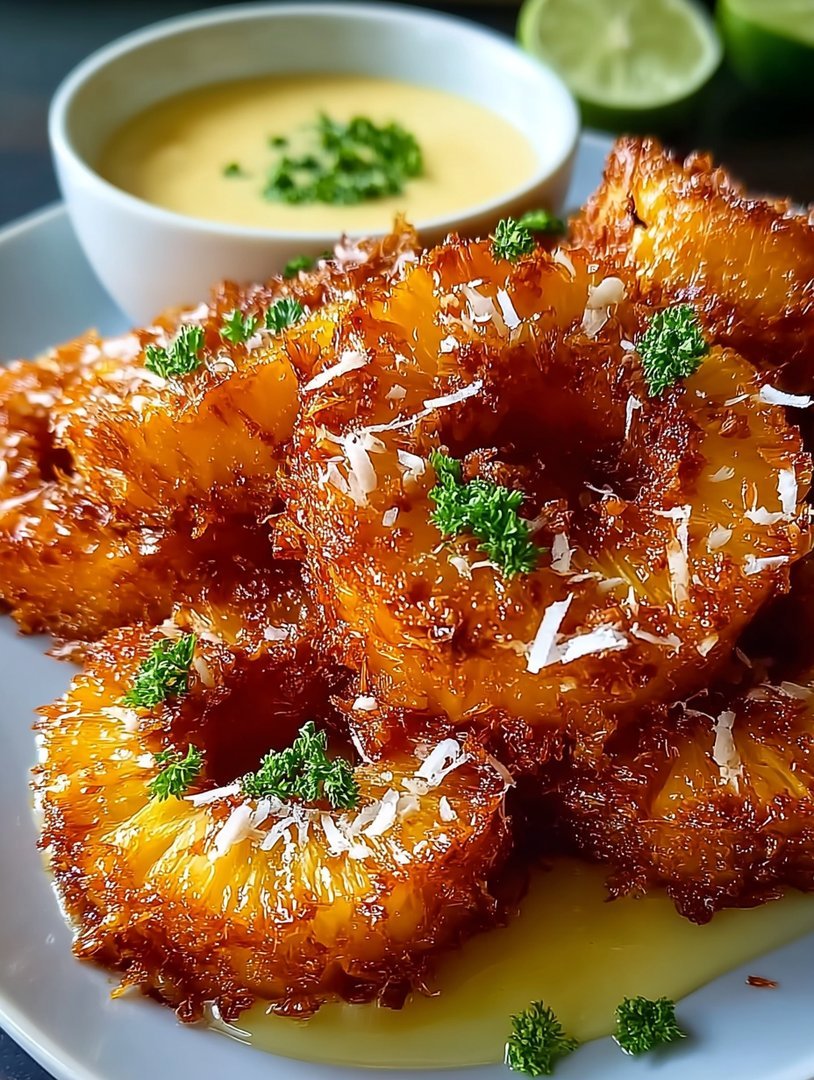
Achieve peak texture by soaking the pineapple pieces for at least 30 minutes before coating. Fry the soaked pineapple in batches to maintain high oil temperature, guaranteeing a golden, crisp exterior without making the final product oily or soggy. Drain excess oil immediately.
Add Your Touch
Swap regular flour for rice flour or cornstarch for extra crunch. Try adding a dash of smoked paprika or chili powder to the batter for a spicy kick. Serve alongside a rich, vanilla bean-infused yogurt dip or a simple lime zest glaze instead of plain syrup.
Storing & Reheating
Store leftover fried pineapple in an airtight container in the refrigerator for up to three days. Reheat in a toaster oven or air fryer at 350°F (175°C) for five minutes until the crust returns to a crisp state; reheating in a microwave is strongly discouraged.
My neighbor, skeptical about frying fruit, tried this dish and immediately demanded the recipe. She told me the intense, caramelized flavor achieved by this treat reminded her of a tropical beach holiday.
Chef’s Insider Tips for Frying Success
- Never skip the resting period after coating; this ensures the batter adheres perfectly and prevents it from falling off during frying.
- Maintain an oil temperature around 350°F (175°C); too cool and the pineapple absorbs oil, too hot and it burns before cooking through.
- For an even sweeter result, use slightly caramelized pineapple juice for the soak, heating it briefly before cooling it completely.
Serving Suggestions: Beyond the Simple Dusting
While the cinnamon-sugar dusting is classic, this juicy fried pineapple is versatile. You can transform it into several different desserts easily. Try pairing it with high-contrast flavors and textures.
- A la Mode:Serve the warm, crispy rings with a scoop of coconut sorbet or vanilla bean ice cream. The temperature contrast is spectacular.
- Caramel Drizzle:Skip the cinnamon sugar and drizzle the hot fried pineapple with a non-alcoholic caramel sauce. Top with toasted macadamia nuts for crunch.
- Tropical Parfait:Layer crumbled fried pineapple chunks with alternating layers of creamy Greek yogurt and fresh mango puree.
- Savory Pairing:Believe it or not, this juicy tropical side pairs perfectly with grilled chicken satay or savory beef skewers, offering a sweet and acidic counterpoint to the meat.
Frequently Asked Questions About Fried Pineapple
What is the best type of pineapple to use for this recipe?
Always choose a fresh, fully ripe pineapple. You want a fruit that smells intensely sweet at the base but still feels firm to the touch. Canned pineapple slices are far too soft and already saturated with syrup, making them unsuitable for the necessary pineapple juice-Soaked Fried Pineapple technique.
Can I prepare the batter ahead of time?
No, you must mix the batter immediately before frying. The carbonation from the cold sparkling water creates the light, airy, and ultra-crisp texture. If the batter sits, the bubbles dissipate and the gluten develops, leading to a much heavier, doughy coating. Mix right before the first batch goes into the oil.
What can I use instead of sparkling water in the batter?
For the crispiest result, cold sparkling water is superior because it evaporates quickly and inhibits gluten development. However, if you are truly out, you can use cold milk or plain cold water, though the crust will be slightly less crisp and light.
How do I know if my oil is at the correct temperature without a thermometer?
While a thermometer provides the most accurate results, you can test the oil by dropping a tiny piece of excess batter into the pot. If the batter sinks immediately and then lazily rises, the oil is too cool. If the batter sizzles violently and burns instantly, the oil is too hot. If the batter sinks slightly and rises immediately, sizzling steadily, it is ready.
Mastering the technique for this pineapple juice-Soaked Fried Pineapple truly transforms a simple fruit into an unforgettable dessert. Enjoy the burst of tropical sunshine!
Conclusion for pineapple juice-Soaked Fried Pineapple
We’ve reached the delicious finale of this culinary adventure, and hopefully, your kitchen now smells like a tropical paradise crossed with a carnival concession stand. Mastering the pineapple juice-Soaked Fried Pineapple recipe is all about embracing that preliminary soak—it’s the step that guarantees unparalleled moisture and flavor saturation. Remember the keys to success: cold batter, hot oil, and not overcrowding the pan. This dessert transforms a simple tropical fruit into an extraordinary, crispy-edged, gooey-centered delight that steals the show every time. Go ahead, wow your friends with this unexpected, unbelievably juicy twist on fried fruit!
Print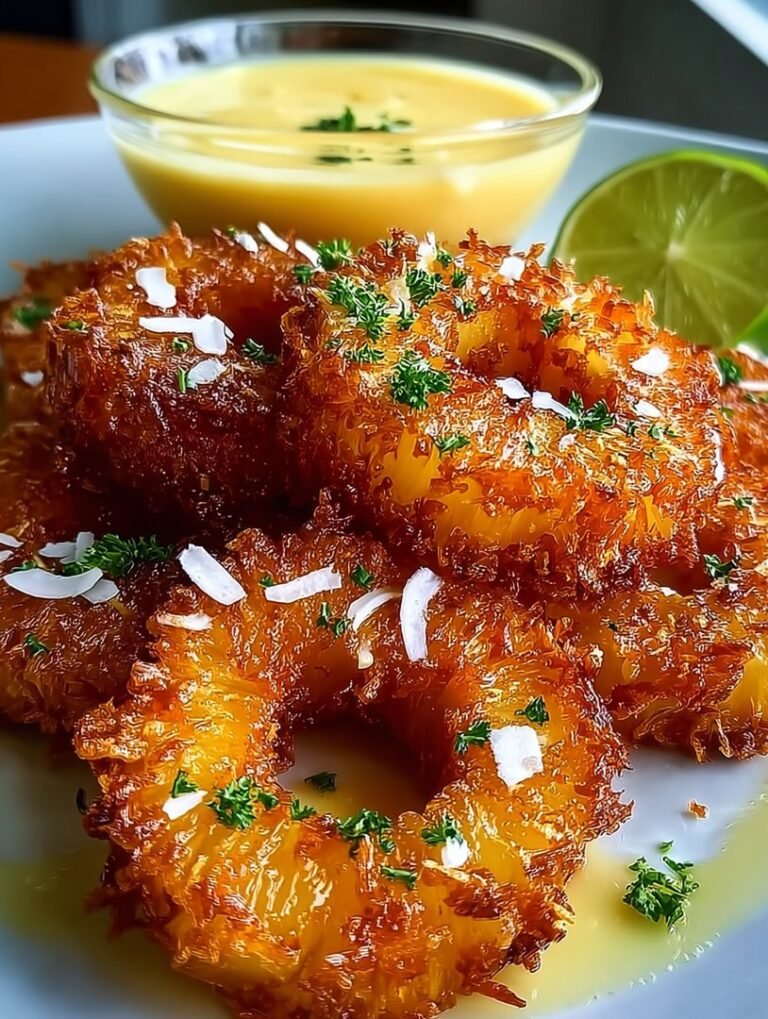
pineapple juice-Soaked Fried Pineapple
Unlock peak tropical flavor! We supersaturate fresh pineapple slices in juice before frying them in a light, sweet batter. The result? Caramelized crunch and explosive moisture.
- Total Time: 35 minutes
- Yield: 4 servings 1x
Ingredients
- 1 large fresh pineapple, peeled, cored, and sliced into 1/2-inch thick rings or wedges
- 1 cup pineapple juice (canned or fresh)
- 1 cup all-purpose flour
- 2 tablespoons granulated sugar
- 1 large egg
- 1 teaspoon baking powder
- 1/4 teaspoon fine sea salt
- 3 cups high smoke point oil (such as canola or vegetable), for frying
Instructions
- Step 1: Slice the fresh pineapple into 1/2-inch thick rings or wedges. Place the slices in a shallow dish and pour the 1 cup of pineapple juice over them. Marinate the pineapple for at least 30 minutes, turning the slices once halfway through to ensure full saturation.
- Step 2: While the pineapple soaks, prepare the batter. In a medium bowl, whisk together the flour, granulated sugar, baking powder, and salt. In a separate small bowl, whisk the egg with 2 tablespoons of the remaining pineapple juice (reserving the rest of the marinade).
- Step 3: Pour the wet mixture into the dry ingredients and whisk until a smooth, slightly thick batter forms. If the batter is too thick, add a tiny splash more of the reserved pineapple juice marinade. Set the batter aside.
- Step 4: Pour the frying oil into a deep pot or skillet to a depth of about 2 inches, and heat the oil to 350°F (175°C). Remove the soaked pineapple slices from the marinade and gently pat them dry with a paper towel to remove excess liquid before dipping.
- Step 5: Dip each pineapple slice entirely into the prepared batter, ensuring it is fully coated on all sides. Carefully place 2-3 coated pineapple slices into the hot oil, avoiding overcrowding, which can drop the oil temperature.
- Step 6: Fry the pineapple for 2-3 minutes per side, until the exterior is puffy and deeply golden brown. Remove the fried pineapple with a slotted spoon and place it on a wire rack or paper towel-lined plate to drain excess oil before serving immediately.
Notes
- Never microwave; to revive the crisp exterior, reheat the cooled fried pineapple slices in a 350°F oven or air fryer for 5-7 minutes until hot and golden again.
- For best short-term storage, cool leftovers completely on a cooling rack and store loosely covered at room temperature for no more than 12 hours to minimize condensation and sogginess.
- Enhance the tropical flavor by dusting the hot slices with a mix of powdered sugar and finely grated lime zest, or serve alongside a scoop of vanilla bean ice cream.
- The crucial step for a crisp, puffy coating is thoroughly patting the soaked pineapple dry before dipping; excess marinade will thin the batter and lead to greasy, inconsistent results.
- Prep Time: 15 minutes
- Cook Time: 20 minutes
- Method: Stovetop
- Cuisine: American
FAQs
Why is the soaking process essential for this pineapple juice-Soaked Fried Pineapple recipe?
The soaking stage is the secret weapon for achieving maximum juiciness and flavor depth. By submerging the pineapple slices in their own concentrated juice, we ensure that the fruit rehydrates slightly and absorbs an extra layer of tropical tang. When the slices hit the hot oil, this internal moisture steams, keeping the core tender while the exterior crusts up beautifully. It prevents the fruit from drying out during the frying process, giving you an intensely flavorful, melt-in-your-mouth bite that ordinary fried pineapple just can’t match. This crucial step elevates the entire dessert experience.
What is the best way to keep the batter crisp on the fried pineapple?
To achieve that satisfying crunch, temperature control is paramount. Make sure your frying oil maintains a steady heat, ideally between 350°F and 375°F (175°C–190°C). If the oil is too cool, the batter will absorb the fat and become soggy. Also, ensure your batter is thick enough to adhere fully but thin enough to puff up rapidly. We recommend using very cold sparkling water or soda water in your mix, as the carbonation helps create a light, airy structure that fries up incredibly crisp. Fry the pineapple in small batches to avoid dropping the oil temperature drastically.
What are the best serving suggestions for juice-infused fried pineapple?
This tropical treat is fantastic on its own, but you can turn it into an absolute spectacle with the right accompaniments. A drizzle of rich caramel sauce or a scoop of creamy vanilla bean ice cream provides a delightful contrast to the warm, tangy fruit. For a fresher twist, try sprinkling toasted coconut flakes or a dash of cinnamon-sugar immediately after frying. If you’re feeling extra adventurous, pair this delightful fried fruit with a scoop of mango sorbet and a touch of fresh mint. The sweetness and acidity are perfectly balanced for a truly luxurious dessert.
Can I use canned pineapple for making the pineapple juice-Soaked Fried Pineapple?
While fresh pineapple offers the superior texture and flavor required for this specific recipe, you can use canned rings if fresh is unavailable. However, be cautious: canned pineapple is usually packed in a heavy syrup, which is sweeter and stickier than natural juice. If you use canned, rinse the rings thoroughly under cold water first to remove excess syrup. Then, use the reserved juice from the can for the soaking process. The result will still be tasty, but the texture might be slightly softer than when using firm, fresh fruit, so watch your frying time carefully.





Leave a Comment