
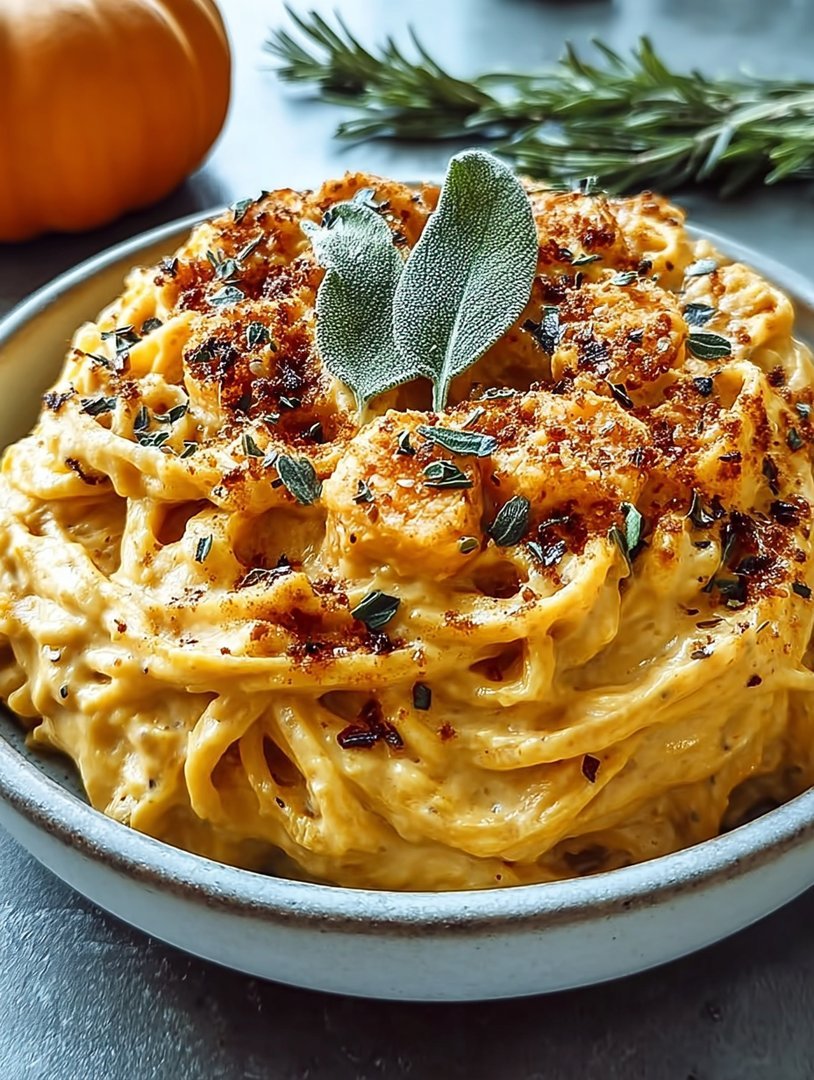
When the first crisp autumn air hits, my brain immediately switches to “squash mode,” demanding creamy, comforting dishes that taste like a warm hug and require minimal effort. Forget complicated roux or fancy blending techniques; this recipe is the cozy cheat code we desperately need.
I stumbled upon this masterpiece after accidentally buying too much cottage cheese—a truly first-world problem—and decided to marry it with seasonal pumpkin purée. The result? A shockingly luxurious, high-protein weeknight wonder known asPumpkin Cottage‑Cheese Pastathat redefined my fall cooking routine forever.
- This incredibly simple recipe delivers maximum flavor with minimal fuss, making it the perfect choice for busy weeknights when time is definitely not on your side.
- The combination offers an unexpectedly luxurious and creamy texture, mimicking traditional heavy cream sauces while providing a substantial protein boost for sustained energy.
- The vibrant orange hue and delightful aroma of autumn spices transform any regular dinner into a visually appealing and deeply satisfying seasonal feast.
- Its foundation is highly versatile, allowing easy adjustments with different herbs, spices, or added vegetables like spinach and roasted mushrooms for customization.
Ingredients for Pumpkin Cottage‑Cheese Pasta
Here’s what you’ll need to make this delicious dish:
- PastaChoose a short shape like rigatoni, penne, or cavatappi; these hold the thick, creamy sauce perfectly in their ridges and tubes.
- Pumpkin PuréeEnsure you are using 100% pure pumpkin purée, not pumpkin pie filling, as the latter contains added sugars and spices.
- Cottage Cheese (Full-Fat or Low-Fat)This ingredient is the secret to creaminess and protein; full-fat yields a richer flavor, but low-fat works just fine.
- Butter or Olive OilUsed for sautéing the aromatics and providing a rich, foundational layer of flavor for the sauce base.
- Garlic and OnionThese indispensable aromatics, finely diced, provide depth and savory complexity essential for balancing the sweetness of the pumpkin.
- Vegetable BrothUse a good quality, low-sodium vegetable broth or even chicken broth to thin the sauce to the perfect, silky consistency.
- Spices (Nutmeg, Cinnamon, Sage)A tiny pinch of these warm, earthy spices amplifies the classic autumn flavor profile without making the dish overly sweet.
- Parmesan Cheese (for finishing)Freshly grated Parmesan adds a salty, umami kick and contributes to the overall velvety texture when stirred into the final dish.
The full ingredients list, including measurements, is provided in the recipe card directly below.
How to Make Pumpkin Cottage‑Cheese Pasta
Follow these simple steps to prepare this delicious dish:
Step 1: Preparing the Base Aromatics
Heat 2 tablespoons of butter or olive oil in a large skillet or Dutch oven over medium heat. Add finely diced onion and sauté until translucent, about 5 minutes. Stir in minced garlic and cook for just 1 minute until fragrant; do not let the garlic burn, as this will introduce a bitter flavor into your sauce.
Step 2: Cooking the Pasta
While the aromatics cook, bring a large pot of salted water to a rolling boil. Add your chosen pasta shape and cook according to package directions until it reaches the al dente stage—slightly firm to the bite. Before draining, reserve about 1 cup of the starchy pasta water; this liquid gold will help emulsify the sauce later.
Step 3: Creating the Cottage Cheese Sauce
The magic happens now. In a high-speed blender or food processor, combine the cottage cheese, pumpkin purée, vegetable broth, and all the warm spices, including nutmeg and sage. Blend until the mixture is completely smooth and looks like a luxurious, uniform cream. This step eliminates the tell-tale texture of cottage cheese, turning it into liquid velvet.
Step 4: Combining and Finishing the Dish
Pour the blended sauce mixture into the skillet with the sautéed aromatics. Bring the sauce to a gentle simmer, stirring constantly for about 3 minutes until heated through. Add the drained al dente pasta to the sauce. Stir everything together, ensuring every noodle is coated. If the sauce seems too thick, gradually add small amounts of the reserved pasta water until you reach your desired creamy consistency.
Transfer to plates and drizzle with a little extra olive oil, sprinkle with fresh sage leaves, and a generous grating of Parmesan cheese for the perfect finishing touch.
Why Cottage Cheese is the Ultimate Creamy Shortcut
For decades, rich pasta sauces relied heavily on heavy cream or complicated bechamel sauces to achieve that coveted richness. However, modern cooking demands both flavor and nutritional efficiency. This is where cottage cheese steps onto the stage, clad in its surprising disguise as a luxurious sauce base. Many people overlook cottage cheese, seeing it only as a breakfast topping or a bland diet food, but blending it transforms its destiny completely.
When processed until smooth, the curds emulsify into a thick, uniform liquid that mimics the mouthfeel of heavy cream but carries a fraction of the fat and significantly more protein. It provides a slightly tangy, lactic flavor that brightens the heavy, earthy notes of the pumpkin. This swap is particularly appealing because it allows you to enjoy a genuinely decadent-tasting plate of pasta without feeling sluggish afterward. It offers satiety thanks to the high protein content, ensuring this dish functions as a complete and satisfying meal, rather than just a carb-heavy indulgence. Furthermore, it saves immense time; you skip the traditional slow simmering needed to reduce dairy or thicken flour-based sauces. You simply blend, heat, and serve, making dinner prep a breeze even on the most hectic evenings.
Variations and Enhancements for Your Pumpkin Cottage‑Cheese Pasta
While the base recipe forPumpkin Cottage‑Cheese Pastais divine in its simplicity, feel free to treat it as a canvas for culinary exploration. You can easily adapt this dish to fit different palates or whatever happens to be lurking in your refrigerator crisper drawer.
Adding Protein and Substance
If you need to turn this vegetarian dish into a heartier meal, adding lean protein is simple. Sautéed ground chicken or ground turkey works beautifully, absorbing the flavor of the sauce. For a richer taste, browned ground lamb seasoned with rosemary provides a Mediterranean twist. If you prefer to keep it meat-free, stir in a can of drained and rinsed chickpeas or white beans during the final simmering stage for added fiber and substance.
Flavor Boosts and Spice Adjustments
Try incorporating a little heat by adding a pinch of red pepper flakes to the garlic and onion sauté; the subtle spice offers a nice counterpoint to the sweetness of the pumpkin. For a deeper, earthier flavor, incorporate smoked paprika into the sauce blend. Lemon zest brightens the entire dish, particularly when grated over the top just before serving. If you crave a more intensely savory profile, a tablespoon of white miso paste blended into the sauce adds significant umami depth without relying on excessive salt.
Vegetable Integration
This creamy sauce is remarkably forgiving and pairs well with robust, autumn vegetables. Roast cubed butternut squash or sweet potato and stir them in at the end for texture variation. Sautéed mushrooms, particularly cremini or shiitake, add a meaty texture and deep flavor. If you want a quick green boost, stir a few handfuls of fresh spinach or baby kale into the warm sauce; the residual heat will wilt them perfectly in just a minute or two.
Choosing the Right Pumpkin and Pasta for Success
The quality of your main ingredients directly influences the success of this recipe. Not all canned pumpkin purée is created equal, and pasta shape choice matters more than you might think.
Selecting the Perfect Pumpkin Purée
Always double-check the label when buying canned pumpkin. Avoid anything that says “pie filling,” as this includes sugar, condensed milk, and pre-mixed spices, which will sweeten your savory dish unnecessarily. Look for cans labeled “100% pure pumpkin” or “pure puréed squash.” If you are feeling ambitious, roasting and puréeing your own sugar pumpkins (like a Long Island Cheese or small Pie Pumpkin) yields the freshest, most intensely flavored result. However, high-quality canned purée is perfectly acceptable and convenient for this recipe.
Pasta Shape Strategy
The key to pairing pasta with a thick, creamy sauce like this one is surface area and texture. Short, tubular, or ridged shapes are superior because they act like tiny scoops and sponges. Rigatoni, penne, and ziti have ridges and holes that trap the luxuriousPumpkin Cottage‑Cheese Pastasauce, ensuring you get maximum flavor in every single bite. Avoid long, thin strands like spaghetti or linguine, which tend to struggle to hold such a thick sauce adequately.
Troubleshooting and FAQs for the Perfect Dinner
Even simple recipes can sometimes present small challenges. Here are answers to common questions to ensure your dish is flawless.
What if my sauce is too thin or too thick?
If your sauce is too thick, incorporate more of the reserved pasta water, adding it one tablespoon at a time until the desired consistency is achieved. If it’s too thin, simmer it gently for an extra 3 to 5 minutes uncovered, allowing some moisture to evaporate and the sauce to naturally reduce and thicken.
Can I make this recipe ahead of time?
You can prepare the pumpkin cottage cheese sauce up to 3 days in advance and store it tightly sealed in the refrigerator. When ready to serve, reheat the sauce gently on the stovetop and cook fresh pasta just before combining them. This ensures the best texture for the finished pasta dish.
What can I use instead of cottage cheese if I have a dairy sensitivity?
While the focus is on cottage cheese for its unique protein profile, you could substitute it with a high-quality cashew cream or a blended silken tofu mixture for a creamy, dairy-free result. Be aware that these substitutes will change the protein content and slightly alter the final flavor profile.
Is this suitable for freezing leftovers?
Freezing pasta mixed with a dairy-based sauce is generally discouraged because the dairy can separate and become grainy upon reheating. However, you can freeze the prepared sauce on its own for up to 3 months. Thaw it overnight in the refrigerator and reheat gently before tossing it with freshly cooked pasta.
I don’t have sage or nutmeg; can I substitute the spices?
Absolutely! The warm spice combination is flexible. You can substitute the sage and nutmeg with a pinch of allspice, ground ginger, or even a very small dash of pumpkin pie spice blend. Alternatively, focusing entirely on savory herbs like thyme or rosemary yields an excellent, robust flavor variation.
ThisPumpkin Cottage‑Cheese Pastarecipe proves that gourmet results do not require hours of labor or complex ingredients. It’s a testament to simple, wholesome food that truly delivers on flavor and comfort, cementing its status as the MVP of my autumn dinner table.
The Legend of the Languishing Leftovers
You know those evenings. The ones where you stare into the fridge, expecting a culinary epiphany, only to be met by a half-empty can of pumpkin puree and a tub of cottage cheese looking suspiciously lonely. That, my friends, is how brilliance is born—out of necessity and sheer panic before the dinner bell rings. I was aiming for a simple, savory comfort dish, something hearty enough to chase away the autumn chill but light enough not to require a post-meal nap on the couch. What resulted was an unexpected symphony of textures: the earthiness of pumpkin meeting the creamy tang of fresh cheese, all hugging perfectly cooked pasta.
My neighbor, Brenda, who usually only praises dishes containing copious amounts of deep-fried cheese, took one bite and immediately demanded the recipe. She said it tasted like a sweater materialized into food. High praise, indeed. Since then, this dish has become my fall staple, proving that even the most desperate fridge raids can yield gourmet results.
Why Pumpkin Cottage‑Cheese Pasta is Your New Best Friend
If you think cottage cheese belongs exclusively in sad diet lunches, prepare to have your mind blown. When blended into a hot sauce base, it performs alchemy, melting into a velvety, protein-rich creaminess that rivals heavy cream, but without the corresponding dairy guilt spiral. Paired with sweet, aromatic pumpkin, we achieve a sauce that is simultaneously light, savory, and incredibly satisfying. This Pumpkin Cottage‑Cheese Pasta is the definition of stealth health—it’s deceptively nutritious while tasting like pure indulgence.
The beauty of this recipe lies in its simplicity and speed. You can easily get this dish on the table in under thirty minutes, making it ideal for busy weeknights when you want gourmet flavor without the fuss. We are skipping the slow roasting and endless stirring. Instead, we focus on maximizing flavor through strategic spices like sage and nutmeg, ensuring that every strand of pasta is coated in autumnal bliss. Whether you’re feeding a crowd or just trying to jazz up your standard midweek meal, this creamy autumn pasta delivers complex flavor notes with minimal effort.
Ingredients for the Ultimate Comfort Dish
The Pantry Staples
- 1 pound dried pasta (rigatoni, penne, or fusilli work best)
- 2 tablespoons olive oil
- 1 yellow onion, finely chopped
- 4 cloves garlic, minced
- 1 (15-ounce) can pure pumpkin puree (not pie filling)
- 1 cup vegetable broth
- 1 teaspoon dried sage
- 1/2 teaspoon ground nutmeg
- 1/4 teaspoon cayenne pepper (optional, for a kick)
- Salt and freshly ground black pepper to taste
Fresh Produce & Dairy
- 1 1/2 cups cottage cheese (full-fat recommended for creaminess)
- 1/4 cup grated Parmesan or a suitable nutritional yeast substitute
- Fresh parsley or sage, chopped, for garnish
Step-by-Step: Crafting Creamy Perfection
The Preparation Phase
Start by bringing a large pot of salted water to a rolling boil. Drop in the pasta and cook according to package directions until perfectly al dente. Reserve about 1 1/2 cups of the starchy pasta water before draining. Do not forget the pasta water! It’s the secret ingredient that binds the sauce together, giving it that luxurious, emulsified texture.
Cooking the Sauce
While the pasta boils, begin the sauce. Heat the olive oil in a large skillet or Dutch oven over medium heat. Add the chopped onion and sauté until softened and translucent, about 5 to 7 minutes. Next, stir in the minced garlic, cooking for just 60 seconds until fragrant. Be careful not to burn the garlic; burnt garlic adds a bitter note we definitely want to avoid in this lovely seasonal pasta dish.
Pour in the pumpkin puree, vegetable broth, sage, nutmeg, and cayenne pepper (if using). Stir well to combine. Bring the mixture to a gentle simmer, then reduce the heat to low. Allow it to simmer gently for about five minutes, letting those beautiful spices truly wake up and mingle with the squash base. Season generously with salt and pepper.
Assembly and Finishing Touches
Remove the skillet from the heat. This is where the magic happens. Stir in the cottage cheese and the grated Parmesan (or yeast substitute). Use an immersion blender (or carefully transfer the mixture to a standard blender) and blend until the sauce is completely smooth and creamy. If you notice the sauce is too thick, gradually stir in some of the reserved pasta water until you reach your desired consistency—think velvety river, not thick cement.
Return the sauce to the skillet over low heat. Add the drained, cooked pasta directly into the sauce. Toss everything gently until every piece of pasta is thoroughly coated in the rich, orange sauce. Garnish lavishly with fresh parsley or sage before serving immediately. The warm, comforting nature of this seasonal squash and ricotta bake truly shines best right off the stove.
Chef’s Secrets for Flawless Flavor
I distinctly remember the first time I served this. My usually skeptical teenage nephew devoured three bowls and asked if “Uncle Mark had finally stopped trying to make kale taste like cake.” That moment alone made the accidental invention of this seasonal sensation worthwhile.
-
Always blend the cottage cheese off the heat. Adding cold dairy to a screaming hot pan can sometimes cause separation, leading to a grainy, rather than creamy, texture.
-
Use high-quality nutmeg. A fresh pinch of grated nutmeg instead of pre-ground powder will elevate the earthy sweetness of the pumpkin dramatically. Trust me on this flavor boost.
-
If the sauce seems too dense, don’t use regular water. The starch in the reserved pasta water is vital for creating that perfect, glossy emulsion that clings lovingly to the noodles.
Perfecting the Cooking Process
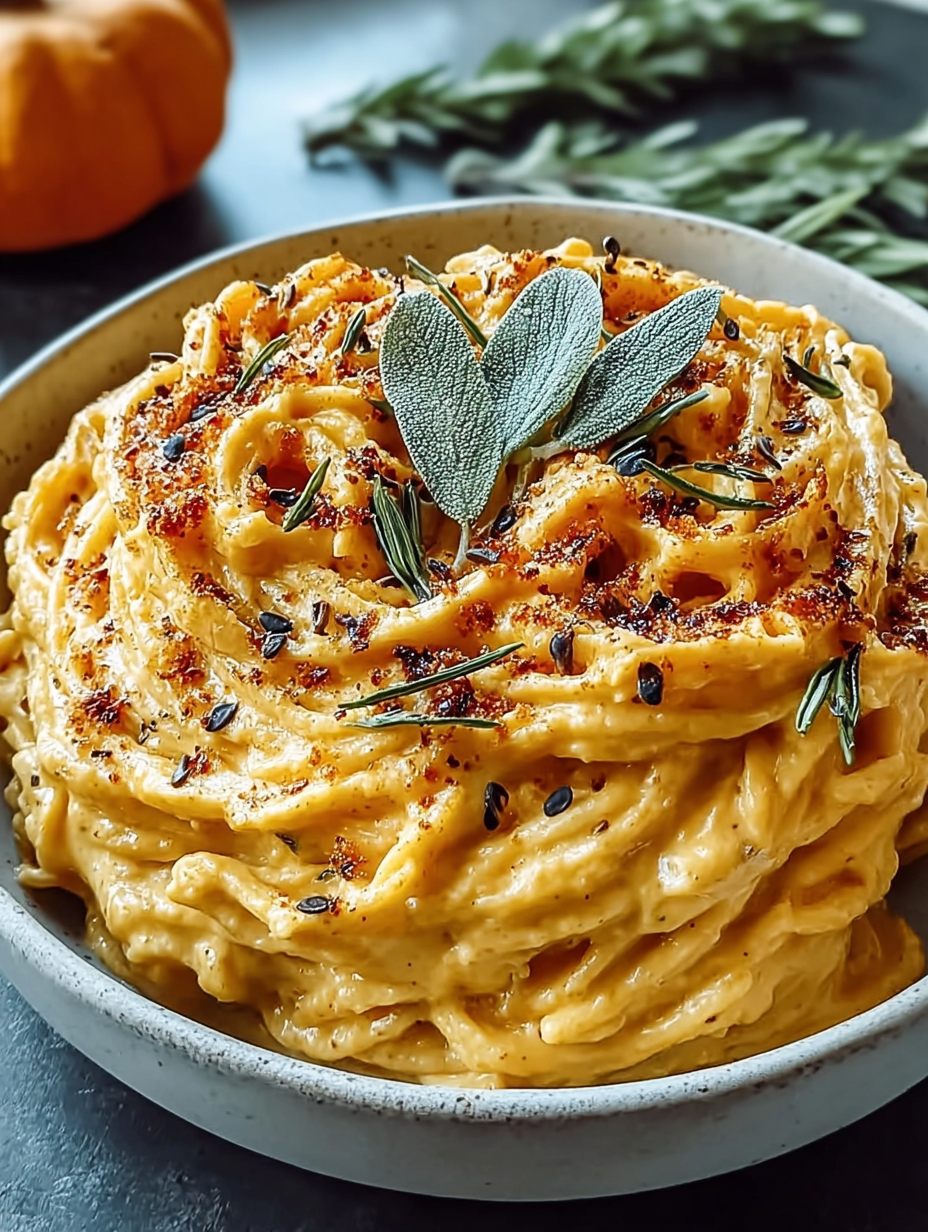
For peak efficiency, start heating the water immediately for the pasta. While the pasta boils, you should simultaneously sauté the aromatics and build the pumpkin base. Blend the cottage cheese into the sauce just before the pasta finishes cooking, ensuring everything is ready for a quick, hot toss.
Add Your Touch
Feel free to toss in some sautéed shredded chicken or browned ground turkey for added protein. For a deeper flavor profile, incorporate smoked paprika or a splash of apple cider vinegar. Roasted butternut squash puree works as a fantastic substitute for the canned pumpkin.
Storing & Reheating
Store leftovers in an airtight container in the refrigerator for up to three days. When reheating, add a tablespoon or two of milk or vegetable broth before warming gently on the stovetop or in the microwave to restore the creamy consistency.
Creating this rich, savory pasta dish involves mastering a few core techniques, mainly focused on heat control and emulsification. If you are new to using cottage cheese in sauces, the key takeaway is precision blending. A powerful blender will guarantee the silky smoothness we are aiming for, transforming humble curds into a sophisticated, invisible thickener.
Another fantastic variation involves turning this into a baked dish. After coating the pasta, transfer it to a baking dish, sprinkle with a breadcrumb and cheese topping, and bake until golden and bubbly. This transformation creates a hearty casserole perfect for weekend entertaining. Just remember to add a little extra broth or reserved pasta water before baking, as the pasta will soak up more moisture in the oven.
If you prefer a richer, more complex flavor than plain vegetable broth provides, try using a slow-simmered chicken or beef broth. These options deepen the umami notes without overpowering the subtle sweetness of the pumpkin. This seasonal squash and ricotta bake truly shines with a balanced savory foundation.
Troubleshooting Common Cottage Cheese Sauce Issues
Sometimes, when blending the sauce, you might find it looks slightly grainy. This usually happens if the cheese wasn’t blended long enough or if the sauce was too hot when the cheese was incorporated. If you encounter this, simply return the sauce to the blender (or use the immersion blender) for another 30 seconds, pulsing until it is utterly smooth. Remember, patience in the blending stage is rewarded with supreme creaminess.
For readers looking to increase the vegetable content, try stirring in a cup of baby spinach or massaged kale right before serving. The residual heat of the creamy autumn pasta sauce will wilt the greens perfectly. This addition not only adds color but also boosts nutritional value without compromising the dish’s comforting core.
Finally, consider the garnish. While parsley is standard, crispy fried sage leaves are an absolute game-changer here. Gently fry fresh sage leaves in a tablespoon of olive oil until crisp, then scatter them over the finished dish. They provide a beautiful texture contrast and an intensified herbal aroma that screams “autumn comfort.” This elevates the simple preparation into something truly memorable for any dinner guest. This Pumpkin Cottage‑Cheese Pasta recipe proves that high flavor doesn’t require high effort.
Frequently Asked Questions (FAQ)
Can I use frozen pumpkin instead of canned puree?
Yes, absolutely. If using frozen pumpkin, ensure you thaw it completely and press out any excess moisture before incorporating it into the sauce. Extra water will dilute the flavor and compromise the creamy texture we achieve with this specific seasonal pasta dish.
What is the best type of pasta for this sauce?
We recommend using short, sturdy pasta shapes like rigatoni, penne, or cavatappi. These shapes have ridges or tubes that capture the thick, creamy Pumpkin Cottage‑Cheese Pasta sauce beautifully, ensuring maximum flavor in every bite.
Is there a dairy-free substitute for cottage cheese?
While the texture of cottage cheese is unique when blended, you can achieve a similar creamy, protein-rich sauce using a cashew cream base. Soak raw cashews, blend them with a little vegetable broth, and incorporate them in the same step as the cottage cheese for a vegan alternative.
Conclusion for Pumpkin Cottage‑Cheese Pasta
So there you have it: the creamy, dreamy dish that proves healthy eating doesn’t require sacrificing comfort or flavor. This Pumpkin Cottage-Cheese Pasta is ridiculously easy to execute, transforming simple ingredients into a sophisticated, satisfying meal in under thirty minutes. We’ve managed to sneak extra protein and essential vegetables into a classic comfort food format, fooling even the pickiest eaters at the table. Say goodbye to heavy, guilt-ridden sauces and hello to your new favorite autumnal—or year-round—pasta obsession. Give this unique recipe a whirl; your blender and your taste buds will thank you profusely for the cheesy, squash-infused magic.
Print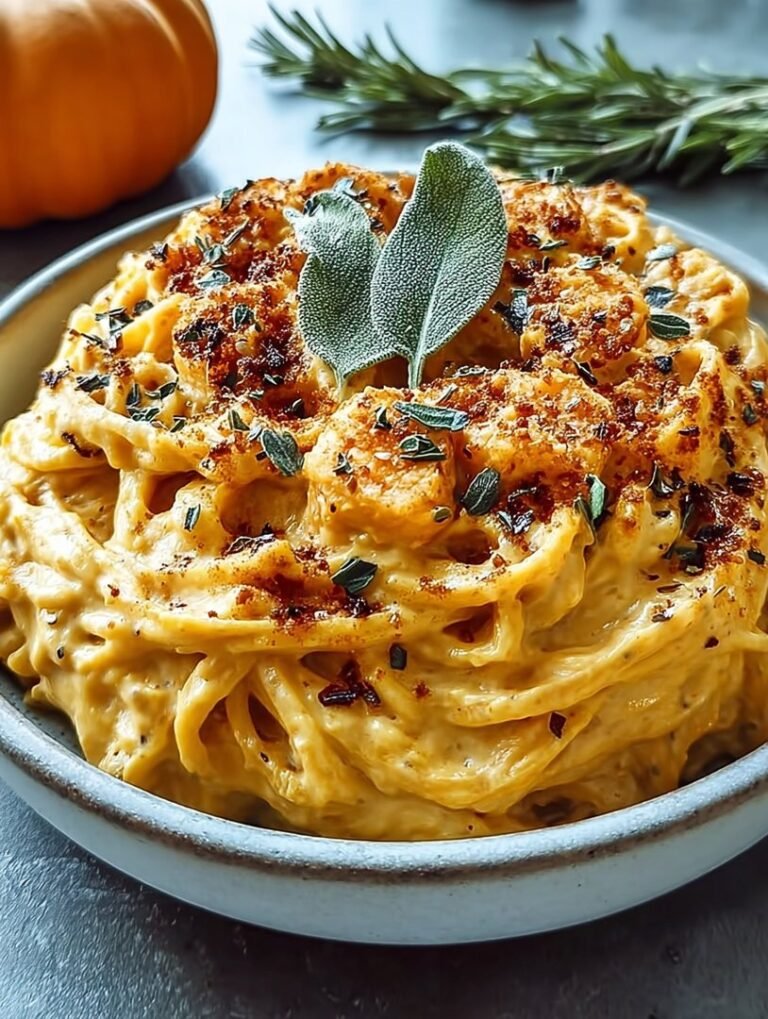
Pumpkin Cottage‑Cheese Pasta
Silky pumpkin meets tangy cottage cheese in this surprisingly creamy pasta. Two steps! Cook pasta, whisk sauce. A comforting weeknight meal. Full instructions and nutrition breakdown provided.
- Total Time: 35 minutes
- Yield: 4 servings 1x
Ingredients
- 1 pound of medium pasta shells or penne
- 1 (15 oz) can of 100% pure pumpkin puree (not pie filling)
- 1 cup of full-fat or low-fat cottage cheese
- 1/2 cup of milk or vegetable broth
- 2 tablespoons of unsalted butter or olive oil
- 1 teaspoon of garlic powder or minced fresh garlic
- 1/2 teaspoon of ground nutmeg
- Salt and freshly ground black pepper, to taste
Instructions
- Step 1: Cook the pasta according to the package directions until al dente. Reserve about 1/2 cup of the starchy pasta cooking water before draining the pasta, then set the drained pasta aside.
- Step 2: Prepare the sauce base by melting the butter or heating the olive oil in a large saucepan or skillet over medium heat. If using fresh garlic, sauté it briefly (about 30 seconds) until fragrant.
- Step 3: Combine the pumpkin puree, cottage cheese, milk (or broth), garlic powder, ground nutmeg, salt, and pepper in a blender or food processor. Blend until the mixture is completely smooth and creamy, scraping down the sides as needed.
- Step 4: Pour the blended pumpkin-cottage cheese sauce into the saucepan. Heat the sauce over low to medium heat, stirring occasionally, until it is warmed through. If the sauce is too thick, stir in the reserved pasta water, one tablespoon at a time, until the desired consistency is reached.
- Step 5: Add the drained pasta to the saucepan with the sauce. Toss thoroughly to coat all the pasta evenly. Serve immediately, garnished with fresh herbs or a sprinkle of Parmesan cheese, if desired.
Notes
- Store chilled leftovers tightly covered for up to 3 days; expect the high-protein cottage cheese sauce to thicken significantly when cold.
- When reheating, add a splash of milk or broth and heat gently on the stovetop or in the microwave to restore the pasta's original creaminess and prevent the sauce from breaking.
- Enhance the cozy fall flavor by serving this creamy pasta alongside a crisp side salad dressed with balsamic vinaigrette, or topped with toasted pepitas for satisfying crunch.
- For the silkiest sauce texture, make sure the cottage cheese is blended completely smooth before heating, and use the reserved pasta water sparingly, adding it one tablespoon at a time to nail the perfect consistency.
- Prep Time: 15 minutes
- Cook Time: 20 minutes
- Method: Stovetop
- Cuisine: American
FAQs
How do you ensure the Pumpkin Cottage-Cheese Pasta sauce is perfectly smooth?
Achieving that velvety smoothness requires blending the cottage cheese with the pumpkin puree before heating. Cottage cheese, unlike ricotta, benefits from a vigorous whirl in a high-speed blender or food processor. Make sure you add a splash of reserved pasta water—the starches help emulsify the sauce and prevent graininess. If the mixture still seems too thick, gradually add hot broth until it reaches your desired consistency, usually resembling thick cream. This blending step is non-negotiable for a luxurious mouthfeel when preparing your Pumpkin Cottage-Cheese Pasta.
Can I use a different type of squash instead of pumpkin puree?
Absolutely! While the recipe calls for pumpkin, almost any dense winter squash will work beautifully. Butternut squash is an excellent substitute, offering a slightly sweeter, nuttier profile. Acorn squash or even sweet potato puree can also be utilized, though they might require a slight adjustment to the spices, perhaps needing a little extra smoked paprika or a pinch more cayenne pepper to maintain the savory balance. Always ensure you use plain, unsweetened cooked squash, not the pie filling variety, for the best flavor foundation in this delightful savory noodle dish.
How does this savory squash noodle dish compare nutritionally to traditional cream sauces?
This specific recipe offers a significantly lighter profile than traditional heavy cream or béchamel sauces. Cottage cheese provides a substantial protein boost while drastically reducing the saturated fat content typical of heavier dairy products. It’s a genius swap for those aiming to increase protein intake without sacrificing that comforting, creamy texture. Additionally, the inclusion of pumpkin means you are incorporating important vitamins, fiber, and beta-carotene into your meal, making this a delicious and unexpectedly virtuous way to satisfy those cozy, creamy pasta cravings without compromise.
What is the best way to store and reheat leftover Pumpkin Cottage-Cheese Pasta?
Store any leftovers of the Pumpkin Cottage-Cheese Pasta in an airtight container in the refrigerator for up to three days. When reheating, the key is moisture retention, as the sauce tends to tighten upon cooling. Reheat gently on the stovetop over low heat, adding a tablespoon or two of vegetable broth or water to loosen the sauce back up. This added liquid ensures the sauce returns to its creamy glory. Avoid microwaving at high power, which can sometimes cause the cottage cheese to separate slightly. Low and slow reheating ensures the creamy texture returns perfectly, tasting almost as good as it did fresh.


Leave a Comment