
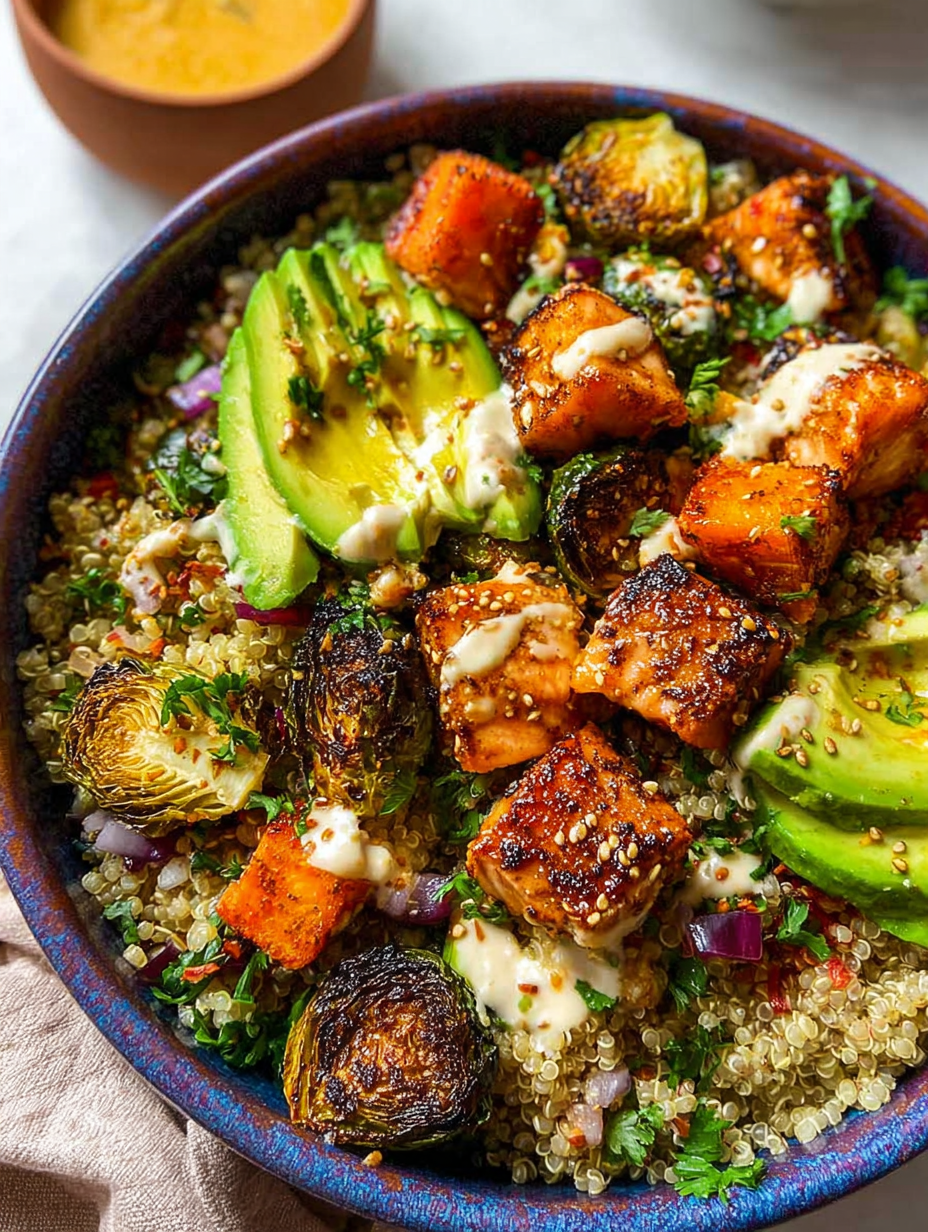
My life used to revolve around sad desk lunches, usually involving questionable leftovers and existential dread by 3 PM. Then I discovered the magnificent solution: the vibrant, satisfying, and utterly customizableQuinoa and Veggie Power Bowls. Imagine biting into a masterpiece of textures—crunchy, creamy, and earthy—that actually keeps you energized past 2 PM. Prepare to conquer lunch like the culinary superhero you were always meant to be, fueled by grains and glorious vegetables.
- It’s a masterclass in easy assembly, requiring minimal actual cooking time, making it the perfect weeknight savior for your busy schedule.
- The flavor profile boasts a perfect symphony of tangy lemon vinaigrette, savory roasted vegetables, and creamy avocado, satisfying every craving imaginable.
- Visually, this bowl is a rainbow on a plate, guaranteed to impress even your most food-snobby friends with its vibrant aesthetic appeal and freshness.
- The recipe is infinitely adaptable; swap proteins and vegetables based on what you have lurking in your refrigerator or what is currently in season at the market.
Ingredients for Quinoa and Veggie Power Bowls
Here’s what you’ll need to make this delicious dish:
- QuinoaUse white or tri-color quinoa, ensuring you rinse it well before cooking to remove saponins that can cause a bitter taste.
- Sweet PotatoesDice these uniformly to ensure even roasting; they provide a sweet and hearty base layer to the bowls.
- Broccoli FloretsFresh broccoli heads work best, cut into bite-sized pieces for maximum crispiness when roasted.
- Red OnionThinly slice the onion; roasting mellows its sharp flavor, adding a pleasant sweetness and depth.
- Chicken Breast or ChickpeasChoose lean chicken breast, cubed, or canned chickpeas, rinsed, as your primary protein source for sustained energy.
- Olive OilNecessary for tossing the vegetables and protein before roasting, helping them brown beautifully and achieve great texture.
- Spices (Smoked Paprika, Garlic Powder, Cumin)These spices are essential for building the deep, savory flavor profile of the roasted components.
- AvocadoProvides a necessary creamy element and healthy fats; select one that yields slightly to gentle pressure.
- Lemon Juice and Apple Cider VinegarThe core acidic components of the dressing, providing a necessary brightness and tanginess to cut through the richness.
- Dijon Mustard and Maple SyrupThese act as emulsifiers and flavor stabilizers for the dressing, adding depth and a touch of sweetness.
The full ingredients list, including measurements, is provided in the recipe card directly below.
How to Make Quinoa and Veggie Power Bowls
Follow these simple steps to prepare this delicious dish:
Step 1: Prep and Cook the Quinoa Base
First things first, tackle the quinoa. Rinse 1 cup of quinoa thoroughly under cold running water using a fine-mesh sieve. Combine the rinsed quinoa with 2 cups of vegetable broth or water in a medium saucepan. Bring the mixture to a boil, then reduce the heat immediately to low, cover the pan tightly, and simmer for 15 minutes. Once the liquid is absorbed, remove the pan from the heat and let it steam, covered, for another 5 to 10 minutes before fluffing it gently with a fork.
Step 2: Season and Roast the Vegetables and Protein
Preheat your oven to 400°F (200°C). On a large baking sheet, spread out the diced sweet potatoes, broccoli florets, and red onion. If using chicken, add the cubed breast pieces now. Drizzle everything generously with olive oil and toss them with the smoked paprika, cumin, garlic powder, salt, and black pepper. Ensure the vegetables and chicken are arranged in a single layer for proper caramelization and crisp edges. Roast for 20 to 25 minutes, flipping the contents halfway through, until the vegetables are tender and slightly charred, and the chicken is fully cooked.
Step 3: Whisk Together the Zesty Vinaigrette
While the roasting sheet is doing its magic, prepare the vibrant dressing. In a small jar or bowl, whisk together the fresh lemon juice, apple cider vinegar, Dijon mustard, and a small touch of maple syrup. Slowly drizzle in about three tablespoons of olive oil while continuing to whisk vigorously until the dressing emulsifies and thickens slightly. Taste and adjust the seasoning, adding more salt or pepper as necessary. Remember, a great dressing is the defining feature of superior grain bowls.
Step 4: Assemble the Power Bowls
Now comes the fun part: assembly! Grab four large, sturdy bowls. Start by adding a generous scoop of the fluffy quinoa base to each bowl. Next, artfully arrange the roasted sweet potatoes, broccoli, and protein on top of the quinoa. Slice the avocado and add several fan slices to each bowl. Feel free to add some extra elements here, like shredded carrots, sunflower seeds, or fresh herbs, for added crunch and nutritional complexity.
Transfer to plates and drizzle generously with the zesty vinaigrette for the perfect finishing touch.
The Culinary Alchemy: Why Power Bowls Work
The rise of the grain bowl concept isn’t just a fleeting food trend; it’s a brilliant strategy for balanced eating and efficient meal preparation. These bowls thrive on the concept of modular nutrition, meaning you gather distinct components—a grain, a protein, vegetables, healthy fats, and a sauce—and stack them to create a nutritionally complete and texturally exciting meal. When you design your bowl with intention, like theseQuinoa and Veggie Power Bowls, you are guaranteeing a sustained energy release, avoiding the dreaded post-lunch crash that often plagues sandwiches or sugary snacks.
Mastering the Quinoa Base
Quinoa, technically a seed, behaves like a grain and provides a fantastic, complete protein source, which is rare in plant-based ingredients. To ensure your quinoa is never mushy, the secret lies in the resting period. Allowing the quinoa to steam, covered, off the heat after cooking ensures that the grains finish absorbing the moisture without boiling into a sticky clump. Use vegetable broth instead of water for an immediate, impactful flavor boost that carries through the whole meal, laying a rich foundation for the rest of the ingredients.
Perfecting the Roast
The difference between a good power bowl and a truly unforgettable one often lies entirely in the roasted vegetables. You want caramelization, not steaming. To achieve maximum crispiness, never overcrowd the baking sheet. If you try to cram too many vegetables onto one sheet, they will release moisture and steam themselves, resulting in sad, soggy sides. Use two sheets if necessary, and ensure a generous, even coating of oil and spices. High heat and adequate space are your allies in the quest for deeply savory, slightly charred edges on your sweet potatoes and broccoli.
Endless Adaptations for Your Power Bowl
One of the greatest joys of makingQuinoa and Veggie Power Bowlsis their inherent versatility. Once you understand the basic formula—base, component 1, component 2, fat, dressing—you can tailor the meal to whatever flavors you crave or whatever sad, forgotten items are hiding in your crisper drawer. This adaptability is key for minimizing food waste and maximizing enjoyment. If you prepare a large batch of quinoa and dressing on Sunday, you can mix and match components throughout the week without ever suffering from meal fatigue.
Protein Swaps for Variety
While the recipe suggests chicken or chickpeas, don’t stop there. For a heartier profile, try incorporating shredded lamb seasoned with rosemary and oregano. If you prefer fish, grilled or baked salmon fillets provide omega-3s and a flaky texture that pairs beautifully with the quinoa. Lentils cooked until just tender offer another excellent, fiber-rich, plant-based alternative that holds up well against the robust flavors of the roasted vegetables. Remember, the goal is high quality, lean protein to keep you feeling satisfied.
Dressing Drama: Creating the Perfect Sauce
The dressing ties the entire bowl together, acting as the delicious binder for the disparate elements. While the lemon-apple cider vinaigrette is a classic, feel free to explore other flavor profiles. A creamy tahini dressing, thinned with water and seasoned with garlic and a touch of soy sauce alternative, offers a rich, nutty flavor. Alternatively, a spicy peanut sauce using natural peanut butter, lime juice, and chili paste brings an exciting, Southeast Asian flair. Always start with acid, balance with sweetness, emulsify with fat, and finish with seasonings.
Smart Meal Prep and Storage Strategies
These nutrient bowls are phenomenal for meal prepping. You can prepare nearly every component ahead of time, drastically reducing your preparation time during busy weekdays. Cooking all the quinoa, roasting the vegetables, and preparing the dressing on Sunday should be your standard practice. However, successful meal prepping requires smart storage techniques to maintain freshness and texture. Store the roasted vegetables and protein separately from the quinoa to prevent the grains from becoming mushy due to residual heat and moisture. Keep the dressing completely separate until the moment you are ready to serve.
When you assemble a bowl for lunch the next day, pack the dressing in a small, leak-proof container on the side. This prevents the quinoa from soaking up all the liquid and getting soggy overnight. When stored correctly in airtight containers in the refrigerator, the prepared components will remain fresh and delicious for up to five days. This simple preparation cycle ensures you have access to vibrant, healthy lunches without the daily effort.
Frequently Asked Questions About Power Bowls
How long does quinoa last after cooking?
Cooked quinoa, when stored properly in an airtight container in the refrigerator, remains fresh and enjoyable for 4 to 6 days. Make sure it cools completely before sealing the container to avoid condensation that can lead to premature spoilage.
Can I swap out the sweet potatoes for another starch?
Absolutely. You can easily substitute sweet potatoes with diced butternut squash, roasted carrots, or even small cubes of roasted potatoes. Ensure you adjust the roasting time as necessary, as denser vegetables may require a longer cooking period to become tender.
What non-dairy alternative can I use for a creamier texture?
If you crave more creaminess than avocado provides, you can add a dollop of high-quality plant-based yogurt or a simple cashew cream to the top of your bowl. Cashew cream is made by blending soaked cashews with a little water until perfectly smooth and velvety.
How do I prevent the roasted vegetables from becoming tough when reheating?
The best way to enjoy these nutrient bowls is slightly warm or at room temperature. If you must reheat the roasted vegetables, use an oven or a toaster oven for a few minutes at a low temperature (around 300°F or 150°C) rather than a microwave. This method helps maintain their texture and prevents them from becoming rubbery.
The Day I Conquered Meal Prep Fatigue
There was a dark time in my life—let’s call it “The Era of Sad Desk Lunches.” Every Monday morning, I stared into the abyss of my refrigerator, contemplating whether a stale slice of whole-wheat bread and a wilting piece of lettuce counted as ‘fuel.’ I needed something satisfying, something colorful, something that didn’t make me sigh dramatically by 11:30 AM. My body craved genuine sustenance, but my schedule demanded speed and efficiency. Enter the magnificent, life-changingQuinoa and Veggie Power Bowls. They aren’t just a meal; they are an act of culinary revolution, a declaration that you deserve better than lukewarm leftovers.
I remember the first time I attempted these bowls. I was skeptical. Quinoa often felt like the dusty, virtuous cousin of rice—nutritious, yes, but rarely exciting. However, when paired with perfectly roasted, caramelized vegetables and a vibrant, acidic dressing, the grain transforms into a powerhouse base. This recipe is designed not just for health, but for flavor, ensuring every bite is a burst of texture and freshness. You will spend one glorious hour prepping, and then coast through the week feeling like a well-fed champion.
Why Quinoa and Veggie Power Bowls Are Your New Best Friend
These nutrient-dense vitality bowls eliminate the guesswork from weekday eating. They stack up beautifully, maintaining structure and freshness for days, making them the ideal choice for anyone striving for consistent, delicious, and healthful eating. Forget complicated cooking methods; this approach uses simple roasting and assembling techniques to maximize natural sweetness and crunch. We rely on seasonal vegetables, ensuring maximum flavor payoff with minimal effort. Plus, these customizable bowls serve as the perfect vehicle for using up those random veggies lurking in the crisper drawer, reducing food waste and saving you time and money.
Essential Ingredients for Power Bowl Glory
The beauty of this bowl lies in its structure: a base grain, a protein, a selection of roasted or fresh vegetables, healthy fats, and a phenomenal dressing. We are focusing on bold colors and robust textures to ensure every mouthful is interesting. Feel free to substitute based on what you love, but this classic combination delivers consistent results.
- The Base:2 cups cooked quinoa (ensure thorough rinsing before cooking for the best texture).
- The Protein:1 pound chicken breast or firm tofu, cubed and seasoned (alternatively, utilize canned chickpeas).
- The Roasted Veggies:1 large head of broccoli, chopped; 2 bell peppers (any color), diced; 1 red onion, roughly chopped; 1 cup sweet potatoes, diced small.
- The Fresh Crunch:1 cup cherry tomatoes, halved; 1 avocado, sliced (added right before serving); 1/2 cup fresh spinach or arugula.
- Healthy Fats & Flavor:1/4 cup toasted pumpkin seeds or slivered almonds.
The Magic of the Zesty Lemon-Tahini Dressing
A power bowl is only as good as its dressing, and this lemon-tahini creation is non-negotiable. It’s creamy, tangy, and bright, cutting through the richness of the roasted vegetables and perfectly coating the quinoa. You can whisk this together in under five minutes using a jar and a tight lid—no fancy blenders required. If the mixture seems too thick, simply thin it with a tablespoon of water or vegetable broth until it reaches your desired consistency.
- 1/2 cup tahini
- 1/4 cup fresh lemon juice (key to the zest!)
- 2 tablespoons extra virgin olive oil
- 1 tablespoon maple syrup or agave nectar (optional, for sweetness balance)
- 1 clove garlic, minced
- Salt and black pepper to taste
- 3-4 tablespoons of warm water (for thinning)
Whisk all ingredients vigorously until smooth. The mixture might seize up initially due to the tahini and lemon acid reacting, but keep whisking and gradually add water until it becomes beautifully smooth and pourable.
Step-by-Step: Assembling Your Quinoa Kingdom
The secret to successful meal preparation is simultaneous cooking. Get the components moving at the same time so everything finishes around the same time. While the quinoa simmers gently on the stove, the oven should be heating up, ready to embrace the colorful bounty of vegetables and protein. This simultaneous approach drastically cuts down on active cooking time, leaving you more time to admire your organized spice rack or maybe even relax.
Prepping the Produce Like a Pro
First, rinse the quinoa thoroughly under cold running water; this crucial step removes saponins and prevents a soapy, bitter taste. Cook the quinoa according to package instructions, typically two parts liquid to one part grain, simmered gently for about fifteen minutes. While the quinoa absorbs its water, dice your sweet potatoes and chop the hard vegetables like broccoli and peppers. Toss the chopped vegetables with two tablespoons of olive oil, salt, pepper, and a pinch of dried herbs like oregano or thyme. If using chicken, cube it and season well with paprika, garlic powder, and onion powder.
Roasting for Maximum Flavor
Preheat your oven to 400°F (200°C). Arrange the prepared vegetables and the protein (chicken or tofu) in a single layer across two large baking sheets. Do not overcrowd the trays, or you will steam the vegetables instead of roasting them, resulting in a soggy texture rather than a crisp, caramelized edge. Roast for 20 to 25 minutes, flipping halfway through, until the vegetables are tender-crisp and the chicken is fully cooked through to an internal temperature of 165°F (74°C). The caramelized edges of the sweet potato and broccoli add incredible depth to the overall bowl structure.
Once everything is cooked, allow the quinoa, roasted vegetables, and protein to cool slightly. Cooling the components before assembling the Quinoa and Veggie Power Bowls prevents condensation in your storage containers, ensuring the longevity and fresh texture of the meal prep throughout the week. Divide the cooked quinoa evenly among five to six meal prep containers. Layer the roasted vegetables and protein on top of the quinoa. Place the fresh ingredients, like cherry tomatoes and spinach, in their own section of the container, keeping them separated from the warm components.
Frequently Asked Questions About Healthy Power Bowls
What if I don’t have time to roast the vegetables?
If roasting time is tight, you can quickly sauté hardy vegetables like broccoli and peppers in a skillet until they are tender-crisp. Alternatively, utilize pre-cut, steamed vegetables from the freezer section for an even faster preparation, though roasting offers superior flavor depth.
Can I prepare the quinoa ahead of time?
Absolutely! Quinoa is an excellent candidate for advance preparation. Cook a large batch on Sunday, cool it completely, and store it in an airtight container in the refrigerator for up to four days. Having the base ready significantly speeds up the assembly process on meal prep day.
Perfecting the Cooking Process
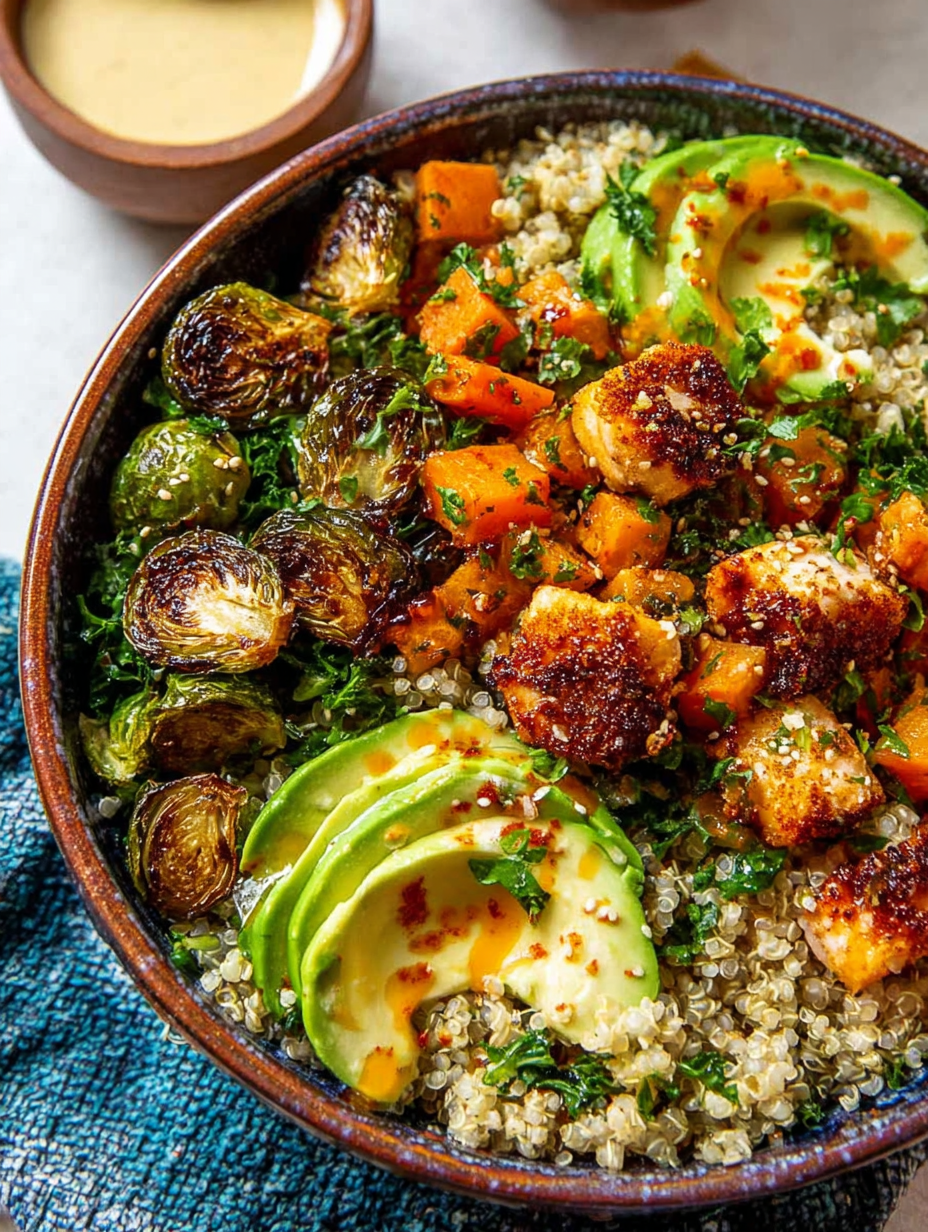
Start by rinsing and cooking the quinoa immediately while the oven preheats for the vegetables. Dice and season your protein and dense vegetables first, ensuring everything hits the sheet pan simultaneously for efficient, even cooking. Prepare the dressing while the roasting is underway.
Add Your Touch
Swap sweet potatoes for butternut squash or replace the broccoli with asparagus based on seasonal availability. For a bolder flavor, incorporate a tablespoon of balsamic vinegar into the dressing or swap chicken for seasoned ground turkey. Feel free to add feta or goat cheese for extra tang.
Storing & Reheating
Store individual power bowls in airtight containers in the refrigerator for up to four days, keeping the dressing and avocado separate. If you include leafy greens, avoid heating them; simply reheat the protein and roasted vegetables briefly, then top with fresh components.
Chef’s Insider Tips for Ultimate Success
I once served these bowls at a casual backyard gathering, expecting polite nods, but instead, friends were demanding the recipe immediately. My sister claimed the leftover dressing was so good she nearly drank it straight from the jar!
- Avoid overcrowding the roasting tray; spacing the vegetables properly ensures crisp edges and caramelization rather than disappointing steaming.
- Always cool the roasted vegetables and quinoa fully before assembling the bowls; this simple action prevents premature sogginess during storage.
- Use a pressure cooker or rice cooker to prepare the quinoa perfectly every time, saving you valuable time and guaranteeing a fluffy, never mushy, texture.
Embracing the creation of Quinoa and Veggie Power Bowls marks the definitive end of the Sad Desk Lunch Era. You are now equipped with the knowledge and the recipe to produce vibrant, filling, and incredibly flavorful meals that will truly sustain you through the busiest week. Enjoy the freedom that comes with knowing a satisfying, healthy lunch is always waiting for you.
Conclusion for Quinoa and Veggie Power Bowls
We’ve successfully transformed the mundane lunch into a masterpiece of flavor and nutrition. These colorful and robust Quinoa and Veggie Power Bowls offer an unparalleled solution for healthy eating on the go, making sad desk lunches a thing of the past. They provide the perfect mix of high-fiber quinoa, lean protein, and crunchy, satisfying vegetables, all tied together with a zesty, vibrant dressing. Whether you are aiming for a healthier diet or simply seeking to inject some excitement into your weekday routine, this recipe provides the perfect blueprint. Customization is easy, allowing you to continually refresh the flavors and ingredients. Embrace the power bowl lifestyle—your taste buds and your energy levels will certainly thank you.
Print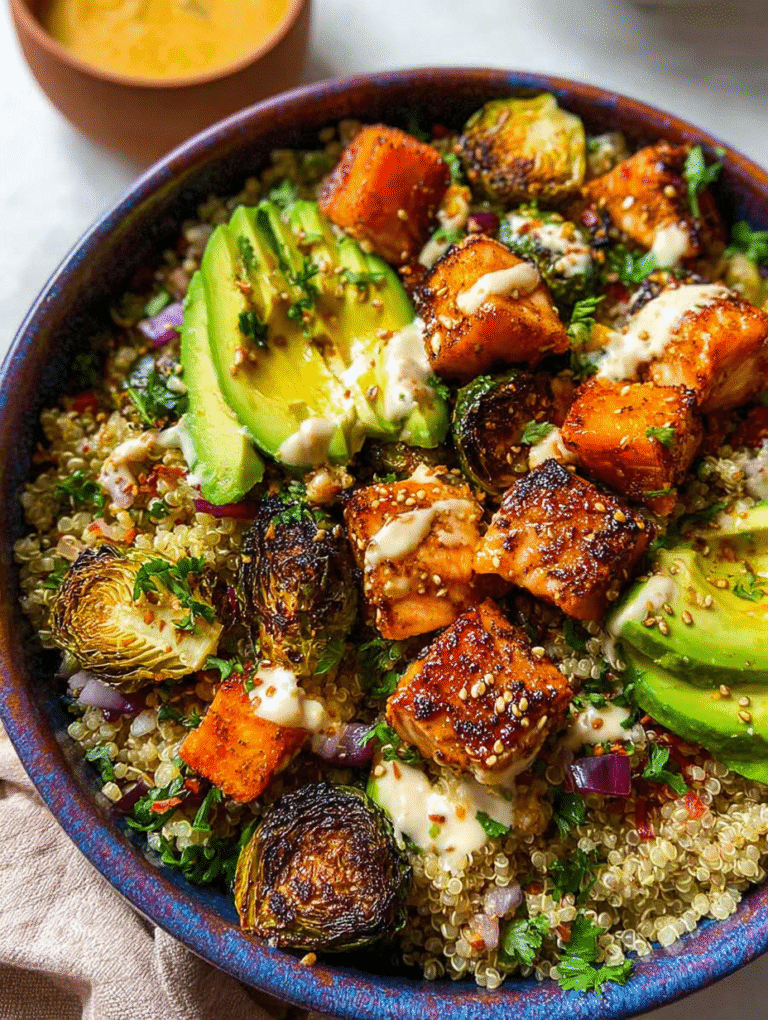
Quinoa and Veggie Power Bowls
Achieve flavor nirvana with fluffy quinoa anchoring caramelized sweet potato and tender, oven-roasted broccoli. A zesty lemon finish! Full instructions and nutrition included. (156 characters)
- Total Time: 35 minutes
- Yield: 4 servings 1x
Ingredients
- 1 cup dry Quinoa
- 2 cups Broccoli florets
- 1 large Sweet Potato, diced
- 3 tablespoons Olive Oil, divided
- 2 tablespoons fresh Lemon Juice
- 4 cups fresh Baby Spinach
- 1 large Avocado, sliced
- Salt and freshly ground Black Pepper (to taste)
Instructions
- Step 1: Rinse and cook the quinoa according to package directions (usually 1 cup quinoa cooked with 2 cups water or broth) until fluffy. Set aside and keep warm.
- Step 2: Preheat your oven to 400°F (200°C). Toss the diced sweet potato and broccoli florets with 1 tablespoon of olive oil, salt, and pepper on a baking sheet. Roast for 20-25 minutes, or until the vegetables are tender and slightly caramelized.
- Step 3: While the vegetables roast, prepare the simple dressing: whisk together the remaining 2 tablespoons of olive oil, the lemon juice, and a pinch of salt and pepper in a small bowl until emulsified.
- Step 4: To assemble the power bowls, divide the cooked quinoa and the fresh baby spinach evenly among four large serving bowls.
- Step 5: Top the quinoa and spinach with the roasted sweet potato and broccoli mixture, and finish each bowl with a few slices of fresh avocado. Drizzle the lemon vinaigrette generously over the ingredients before serving.
Notes
- For the best leftovers, store the roasted vegetables and quinoa separately from the spinach, avocado, and dressing, combining them right before serving to prevent wilting.
- Gently reheat the cooked quinoa and roasted vegetables in a microwave or oven, always adding fresh, cold avocado and spinach only after the warm ingredients are plated.
- Boost the flavor and protein by adding toasted nuts (like pecans or almonds) or a sprinkle of crumbled feta cheese right before drizzling the lemon vinaigrette.
- To ensure your simple vinaigrette emulsifies beautifully, add a small teaspoon of Dijon mustard to the olive oil and lemon juice mixture before whisking; it stabilizes the dressing perfectly.
- Prep Time: 15 minutes
- Cook Time: 20 minutes
- Method: Stovetop
- Cuisine: American
FAQs
How long do Quinoa and Veggie Power Bowls last when prepped for the week?
When properly stored, your finished Quinoa and Veggie Power Bowls are delicious and safe to consume for up to four days in the refrigerator. To maximize freshness and avoid early wilting, ensure that you store the wet ingredients, such as the dressing and any highly watery vegetables like tomatoes, in separate containers. Only dress the bowl immediately before you plan to eat it. Keep the prepared quinoa, beans, and robust chopped vegetables like bell peppers mixed together, which will maintain the vibrant crunch you expect from a high-quality lunch. This method ensures maximum longevity and minimal fuss when grabbing your meal.
What is the best way to prevent my Quinoa and Veggie Power Bowls from getting soggy?
Preventing sogginess is the primary challenge in power bowl meal preparation, but it is easily overcome with layering and separation. Always ensure all cooked grains, like the quinoa, are completely cooled before mixing them with other components. If adding greens, place them at the very top layer, away from heavy or wet ingredients. Most importantly, never pre-mix the dressing. Store your homemade zesty dressing in a small separate container and add it right before serving. This simple step keeps every ingredient crisp, colorful, and prevents the quinoa base from becoming overly saturated and mushy during storage.
Can I substitute the quinoa base with another grain in these power bowls?
Absolutely! The beauty of creating power bowls lies in their adaptability. If you prefer a different foundation, brown rice, farro, or even bulgur wheat make excellent substitutes for the quinoa. Each grain offers a different textural element and nutritional profile. For instance, farro provides a wonderful chewy texture, while brown rice delivers a classic, hearty base. Ensure that whichever grain you choose is cooked fully, cooled completely, and remains unsauced until serving time. This flexibility allows you to constantly refresh the flavor profile of your weekly meal prep without ever getting bored of your lunchtime routine.
Besides chicken, what other plant-based proteins work well in these Quinoa and Veggie Power Bowls?
These versatile bowls pair wonderfully with a wide array of protein sources beyond lean chicken. For those seeking plant-forward alternatives, firm tofu or tempeh, marinated and pan-fried until crispy, provides a fantastic texture and protein boost. Lentils are another outstanding option; their earthy flavor marries beautifully with the vibrant dressing and fresh vegetables. You could also include edamame or chickpeas for quick, no-cook protein additions. Experimenting with different protein preparations keeps the meal exciting and ensures that every bowl delivers sustained energy throughout your busy afternoon.




Leave a Comment