
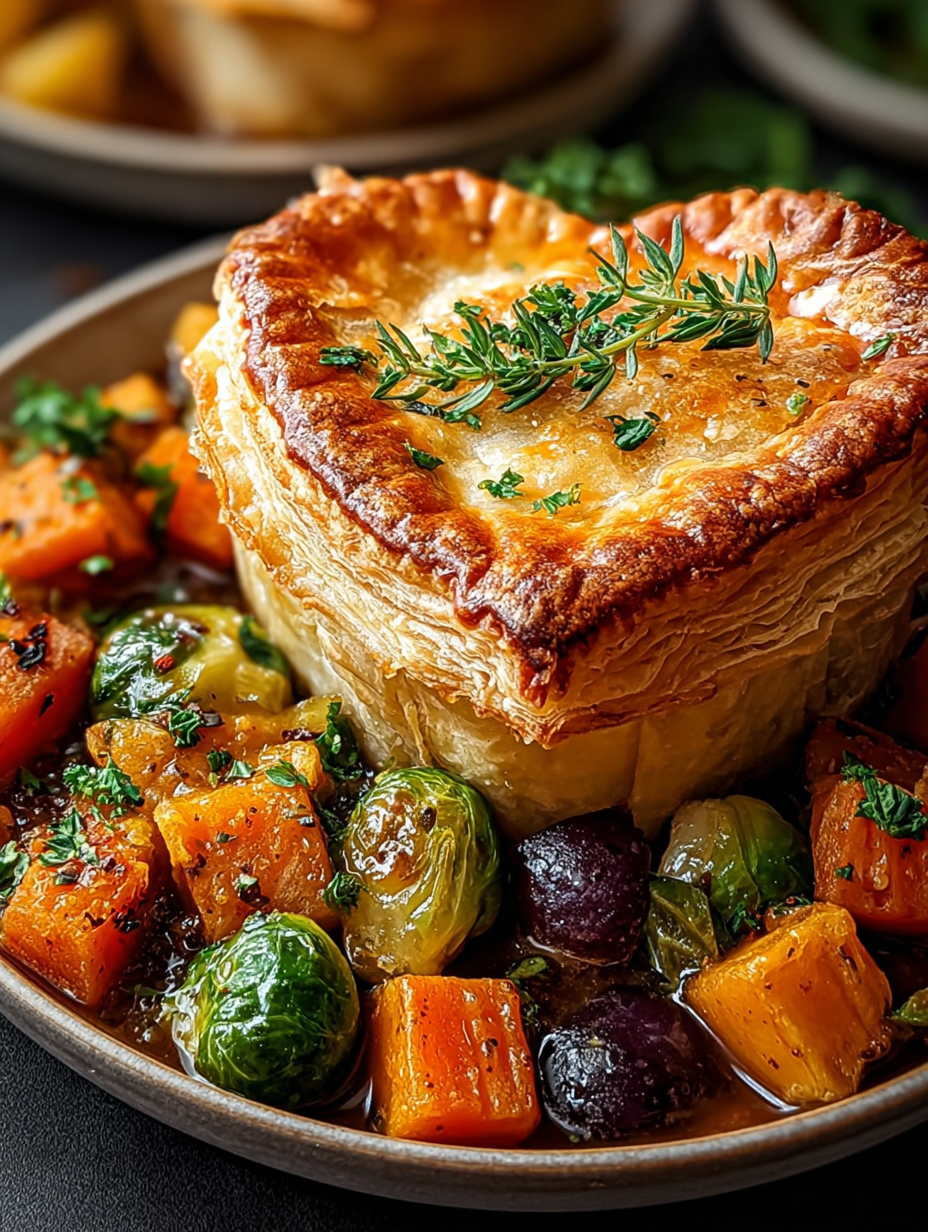
The moment the air gets crisp and the leaves turn copper, my internal kitchen clock starts demanding comfort food that requires significant spoon handling. Forget delicate summer salads; we need a substantial hug in a bowl, wrapped tightly in flaky, golden pastry.
And nothing delivers that warm, cozy, and profoundly satisfying bliss quite like deeply flavorful, rusticRoasted Autumn Vegetable Pot Pies, proving once and for all that seasonal root vegetables truly deserve a decadent, buttery crown.
- Roast the vegetables while you prepare the quick, savory filling, making this individual serving dish a deceptively simple weeknight masterpiece to execute.
- Experience the deep caramelization of sweet potatoes and parsnips mingling perfectly with savory herbs and a hearty, thyme-infused chicken broth base.
- These individual pies boast shatteringly crisp, golden pastry tops that contrast beautifully against the warm, jewel-toned filling nestled snugly beneath.
- Easily customize the recipe based on your garden haul or seasonal market finds, ensuring delicious and heartwarming results every single time you bake.
Why I Swapped My Summer Grills for Cozy, Crusted Comfort
There is a specific moment in October when the weather shifts from “refreshing breeze” to “did someone leave the refrigerator door open?” That’s my signal. I immediately retire my grilling tongs, dust off the heavy ceramic ramekins, and start dreaming of things encased in puff pastry. My partner calls it my “Hibernation Prep Phase,” which sounds dramatic, but honestly, it’s just prioritizing warmth and flavor over everything else.
I perfected these Roasted Autumn Vegetable Pot Pies after a disastrous attempt at a traditional stew that ended up tasting suspiciously like wet cardboard. My mistake? Boiling the vegetables. Autumn vegetables like carrots, butternut squash, and parsnips scream out for high heat. Roasting them first caramelizes their natural sugars, intensifying their earthy flavor profile and adding necessary textural integrity to the dish. If you toss them straight into the creamy filling, they become mushy, indistinguishable lumps of disappointment.
The brilliance of this recipe lies in the preparation method. You get the hard work of caramelization out of the way before you even start the stove-top filling. While your kitchen fills with the seductive aroma of roasting root vegetables—the kind of aroma that makes neighbors suspiciously hover near your back gate—you effortlessly whip up the rich, herbaceous sauce. You don’t have to spend hours stirring a heavy sauce, nor do you need overly complicated techniques. This is rustic comfort food designed to maximize flavor while minimizing kitchen stress, allowing you more time to complain about the temperature outside.
Roasting Fundamentals: Mastering the Autumn Crunch
The secret weapon in achieving truly remarkable vegetable pot pies is the roast itself. You must treat those humble root vegetables with respect. They need space on the baking sheet and a healthy dose of olive oil and coarse salt. If you overcrowd the tray, they steam instead of roast, leading straight back to that wet cardboard problem we are actively trying to avoid. Think of the roasting stage as giving the vegetables their time in the spotlight; they need to become slightly scorched and deeply sweet.
For the filling, we prioritize a deep, savory broth base thickened slightly with a simple roux, creating a velvety mouthfeel that clings perfectly to the roasted chunks. Avoid overloading the pies with too much liquid; a good pot pie filling should be hearty, not soupy. We use quality chicken or vegetable broth, rich herbs like thyme and rosemary, and a dash of apple cider vinegar (in place of white grape juice with vinegar) to lift the flavors and prevent the final dish from tasting flat or overly rich. This careful balance ensures that the robust flavor of the roasted vegetables remains the star, perfectly complimented by the flaky crust. You’ll find this approach much more rewarding than relying on heavy cream alone.
Selecting the Perfect Pastry and Substitutions
While making your own puff or shortcrust pastry is deeply satisfying, sometimes life requires a shortcut. Feel free to use high-quality, pre-made frozen puff pastry for the tops of your individual pot pies. Puff pastry provides unparalleled height and flakiness, creating that beautiful golden dome effect. If you opt for a store-bought option, ensure it is thawed properly according to the package directions, usually in the refrigerator overnight, to prevent it from cracking when you roll it out.
When it comes to the autumn vegetables, flexibility is key. If parsnips aren’t your favorite, feel free to substitute them with celery root or more sweet potato. If you prefer green vegetables, stir in some frozen peas or cut green beans right before you assemble the pies, which prevents them from becoming overcooked in the oven. For a heartier main meal, you can easily add cooked, shredded chicken or diced beef (ensure they are already cooked and tender) to the filling mixture before transferring it to the ramekins. The beauty ofRoasted Autumn Vegetable Pot Pieslies in their forgiving nature; they adapt to what you have available while maintaining their comforting essence.
If you need a totally plant-based meal, simply swap the chicken broth for vegetable broth and use a dairy-free milk alternative (like soy or oat milk) for the splash of liquid required in the roux. The roasted vegetables provide so much inherent flavor that you truly won’t miss the meat or dairy components.
Ingredients for Roasted Autumn Vegetable Pot Pies
Here’s what you’ll need to make this delicious dish:
- Mixed Root VegetablesUse a blend of sweet potatoes, carrots, parsnips, and butternut squash, cut into one-inch cubes to ensure even roasting.
- Olive OilEssential for coating the vegetables before roasting, helping them achieve a beautiful, crisp caramelization.
- Yellow OnionFinely diced and sautéed until softened, forming the fragrant base of the savory pie filling.
- All-Purpose FlourUsed to create a basic roux with butter, which acts as the crucial thickening agent for the rich sauce.
- Unsalted ButterThe fat component of the roux, providing richness and a silky texture to the final pie filling.
- Chicken or Vegetable BrothChoose low-sodium broth to control the overall saltiness of the deeply savory filling.
- Thyme and RosemaryFresh herbs offer the best autumnal flavor; chop them finely for integration into the sauce.
- Frozen PeasAdd them near the end for a pop of color and necessary textural variety without overcooking.
- Puff Pastry SheetsStore-bought, thawed pastry is the quickest way to achieve that signature golden, flaky, and high-rising pot pie top.
- Apple Cider VinegarA splash brightens the overall flavor profile of the filling, balancing the richness of the root vegetables.
- Egg WashA simple mixture of one egg beaten with a teaspoon of water, brushed over the pastry for a desirable golden-brown sheen.
The full ingredients list, including measurements, is provided in the recipe card directly below.
How to Make Roasted Autumn Vegetable Pot Pies
Follow these simple steps to prepare this delicious dish:
Step 1: Roast the Autumn Vegetables
Preheat your oven to 400°F (200°C). Toss the cubed root vegetables with two tablespoons of olive oil, salt, and black pepper. Spread them onto a large baking sheet, ensuring they are in a single layer to avoid steaming. Roast for 25 to 30 minutes, turning halfway through, until the vegetables are tender and slightly caramelized around the edges.
Step 2: Prepare the Herbaceous Filling
While the vegetables roast, melt the butter in a large saucepan over medium heat. Add the diced yellow onion and sauté until translucent, about 5 minutes. Stir in the all-purpose flour to create a roux, cooking for 1 minute. Slowly whisk in the chicken broth, stirring constantly until the mixture thickens slightly. Reduce the heat and stir in the fresh thyme, rosemary, apple cider vinegar, salt, and pepper.
Step 3: Combine and Cool the Filling
Gently fold the roasted autumn vegetables and the frozen peas into the thickened broth mixture. Taste the filling and adjust seasoning if necessary; it should be robustly flavored. Remove the mixture from the heat and allow it to cool slightly while you prepare the pastry lids. Cooling prevents the hot filling from melting the puff pastry prematurely.
Step 4: Assemble the Individual Pot Pies
Lightly grease four to six individual ramekins. Divide the pot pie filling evenly among the ramekins, filling them about three-quarters of the way full. Roll out the thawed puff pastry and cut circles large enough to comfortably overlap the edges of your ramekins. Place a pastry circle over each filled ramekin, crimping the edges to seal and cutting a small vent in the center of the pastry to allow steam to escape.
Step 5: Bake and Achieve Golden Perfection
Brush the tops of the assembled pies generously with the prepared egg wash for that beautiful golden finish. Place the ramekins on a baking sheet to catch any potential drips. Bake at 400°F (200°C) for 15 to 20 minutes, or until the pastry is puffed, deeply golden brown, and cooked completely through. Allow the pies to cool for 5 minutes before serving.
Transfer the piping hot pots to plates, perhaps alongside a crisp, lightly dressed green salad, for the perfect comforting finishing touch.
Tips for the Flakiest Pot Pie Pastry
Achieving a truly flaky crust is less about magic and more about cold temperatures. When working with puff pastry, ensure both the pastry and your filling are cool. Warm ingredients will compromise the butter layers in the pastry, resulting in a flat, dense lid instead of a light, airy puff. If your kitchen is warm, chill the cut pastry circles in the refrigerator for 10 minutes just before placing them on the ramekins and applying the egg wash. Also, remember that vital vent hole; steam buildup inside the pie will ruin the structural integrity of your crust.
Frequently Asked Questions About Vegetable Pot Pies
Can I prepare the Roasted Autumn Vegetable Pot Pies ahead of time?
Yes, you can easily prepare the filling (Steps 1 through 3) up to two days in advance. Store the cooled filling tightly covered in the refrigerator. When you are ready to bake, transfer the cold filling into the ramekins, top with fresh pastry, apply the egg wash, and bake as directed, possibly adding 5 to 10 minutes to the baking time since the filling is cold.
What is the best way to store and reheat leftovers?
Store leftover pies, covered, in the refrigerator for up to 3 days. To reheat, place them in a preheated oven (around 350°F or 175°C) for 10 to 15 minutes. Avoid the microwave, which turns the beautiful crust soft and rubbery; the oven ensures the pastry remains delightfully crisp.
Are there specific vegetables that roast better than others for this dish?
Hearty, starchy vegetables like sweet potatoes, carrots, parsnips, turnips, and firm squash (like butternut or acorn) hold their shape excellently during high-heat roasting and mixing. Avoid high-water content vegetables like zucchini, which tend to become overly soft and detract from the robust texture of the pie.
What can I use instead of puff pastry if I need a lighter topping?
If you desire a lighter top, you can use a biscuit dough instead of puff pastry. Prepare the biscuit dough, cut out rounds, and place them on top of the filling before baking. Biscuit tops are dense and savory, offering a different, yet equally comforting, texture to the final dish.
Autumn arrives not with a gentle whisper, but usually with a sudden, chilly gust that steals your afternoon sun. When the leaves turn riotous shades of burnt orange and deep crimson, my kitchen philosophy immediately shifts toward maximum coziness. Forget fussy salads; we crave dishes that hug us from the inside out. Nothing achieves that level of culinary embrace quite like a savory, crusty pot pie.
But forget the watery, bland versions of your childhood. We are elevating this classic today by focusing on depth, warmth, and the incredible caramelization only high heat can achieve. Get ready to experience the magic ofRoasted Autumn Vegetable Pot Pies. This recipe transforms standard root vegetables into a complex, satisfying filling that proves pot pie should be treated like royalty, not leftovers.
The Secret to Depth: Roasting for Flavor
Most pot pie recipes treat vegetables like an afterthought, merely boiling them until they are mushy and flavorless. We refuse that mediocrity! The key to making this pie truly unforgettable is giving those hardy autumn staples a spa day in the oven before they meet the creamy filling. When carrots, sweet potatoes, and parsnips are tossed with olive oil and herbs and blasted with heat, their natural sugars caramelize.
This intense roasting process concentrates their earthy sweetness, preventing a bland filling and providing a complexity that defines true comfort food. This technique is non-negotiable for achieving the richest flavor profile. The result is a pot pie filling that tastes deep, savory, and intensely autumnal, proving that a little time spent roasting is the best investment you can make in your dinner.
Gathering Your Autumn Arsenal
Ingredients for the Roasted Autumn Vegetable Pot Pies Filling
You’ll need a symphony of textures and colors for this masterpiece. Make sure everything is chopped into roughly one-inch pieces so they roast evenly.
- 2 cups Butternut Squash, peeled and cubed
- 1 cup Carrots, chopped
- 1 cup Parsnips, peeled and chopped
- 1 large Sweet Potato, peeled and cubed
- 1 yellow Onion, roughly chopped
- 2 cloves Garlic, minced
- 1 tbsp fresh Thyme leaves
- 2 tbsp Olive Oil
- Salt and freshly ground Black Pepper to taste
For the Creamy Sauce and Crust
The sauce needs to be rich enough to hold up against the hearty roasted autumn vegetables. If you are using pre-made dough, ensure it is fully thawed but still cold.
- 4 tbsp unsalted Butter (or plant-based alternative)
- 1/4 cup All-Purpose Flour
- 3 cups Chicken or Vegetable Broth (low sodium)
- 1/2 cup heavy Cream or evaporated milk
- 1 tsp Dried Rosemary
- 1/4 tsp Nutmeg
- 1 batch refrigerated or homemade Pie Dough (two disks)
- 1 Egg, beaten (for egg wash)
Step-by-Step for Supreme Comfort
I always recommend tackling the roasting first; it handles itself while you prep the remaining elements. This systematic approach ensures maximum flavor extraction and minimizes kitchen chaos.
The Golden Roast
Preheat your oven to 400°F (200°C). On a large baking sheet, combine the butternut squash, carrots, parsnips, sweet potato, onion, garlic, olive oil, thyme, salt, and pepper. Spread the mixture in a single layer—crowding causes steaming, which is the enemy of flavor. Roast for 25 to 30 minutes, tossing halfway through, until the vegetables are tender and slightly caramelized around the edges. Set these glorious roasted autumn vegetables aside to cool completely.
Crafting the Creamy Embrace
While the vegetables cool, melt the butter in a large saucepan over medium heat. Whisk in the flour to create a smooth roux, cooking it for about one minute until it smells nutty, ensuring you cook out the raw flour taste. Gradually whisk in the broth, stirring continuously to prevent lumps. Bring the sauce to a simmer and cook until it has thickened significantly, usually about five to seven minutes. Reduce the heat and stir in the cream, rosemary, and nutmeg. Taste and adjust seasoning as needed, remembering that your savory pot pies need bold flavor.
Gently fold the cooled roasted vegetables into the thickened creamy sauce. Divide the filling among four to six individual ramekins or pour into a nine-inch pie plate. Ensure the mixture is evenly distributed so everyone gets a fair share of the roasted goodness.
Assembly and Baking
Top each dish with a sheet of prepared pie dough, crimping the edges to seal. Cut a few small slits in the top crust to allow steam to escape during baking—this is vital to prevent soggy pastry. Brush the crust generously with the egg wash for that signature golden sheen. Bake at 375°F (190°C) for 30 to 35 minutes, or until the crust is deeply golden brown and the filling is enthusiastically bubbling. Let the pies rest for 10 minutes before serving, preventing any painful steam burns or structural collapse and allowing the filling to settle.
My friend Sarah once attempted this recipe without roasting the root vegetables, and the result was, in her words, a sad, beige disappointment. The following week, she tried theRoasted Autumn Vegetable Pot Piesthe right way, and she hasn’t stopped bragging about them since.
Insider Tips from the Kitchen
- Use cold butter and water when making homemade pastry; this ensures flaky layers by minimizing gluten development and maximizing steam lift during baking.
- If you want to add protein, sear cubed chicken breast or beef chunks quickly before starting the sauce, then stir them in with the roasted vegetables.
- For an extra deep color on your crust, mix a teaspoon of evaporated milk into your standard egg wash before brushing it on the unbaked pastry.
Perfecting the Cooking Process
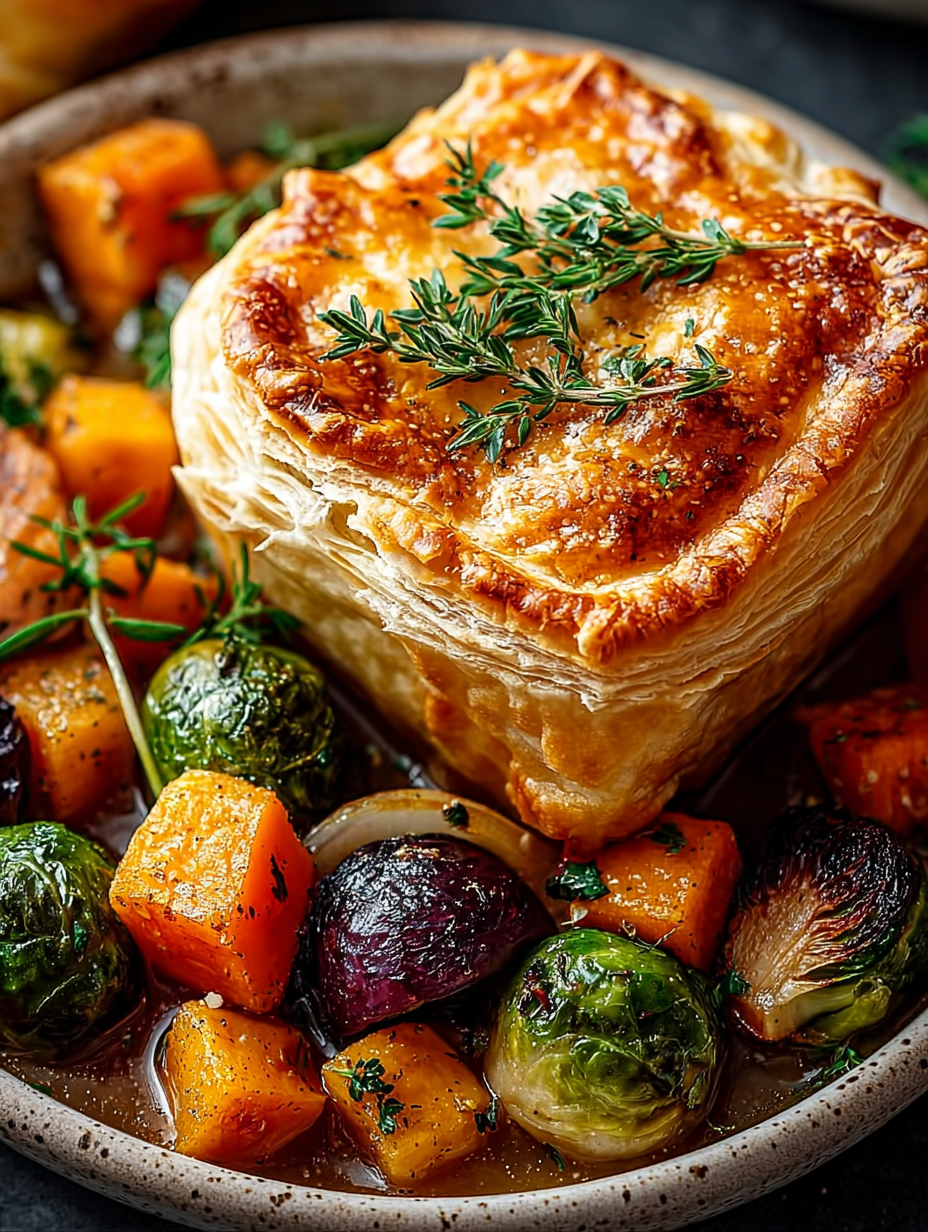
Achieve peak efficiency by starting the vegetable roasting first; this allows you 30 minutes to make the roux, whisk the broth into a creamy sauce, and prepare the pie dough. Combining the fully cooked elements right before assembly guarantees a perfectly cooked filling and a golden, flaky crust.
Add Your Touch
Swap out the nutmeg for a pinch of smoked paprika to add a subtle, complex smokiness to the sauce. For a brighter filling, introduce fresh apple cider vinegar to the broth. If you prefer a richer flavor, add sautéed mushrooms or cubed lamb to the roasted vegetable mix.
Storing & Reheating
Store individual leftovers, covered tightly, in the refrigerator for up to three days. To reheat, bake at 350°F (175°C) for 15 minutes until the crust is crisp again. You can also freeze assembled, unbaked pies for up to three months; thaw overnight before baking as directed.
Frequently Asked Questions About Pot Pies
How do I keep my bottom crust from getting soggy?
To prevent a soggy bottom, make sure your filling is completely cooled before it goes into the raw dough. You can also pre-bake the bottom crust (blind bake) for about 10 minutes before adding the filling and topping it with the final crust.
Can I make this recipe completely vegan?
Absolutely! Use vegetable broth and a high-quality plant-based butter and heavy cream substitute for the sauce base. The roasting process provides so much flavor that the rich creaminess is easily achieved without dairy.
Why do my vegetables need to cool down before mixing into the sauce?
Adding hot vegetables to the sauce can cause the roux to break or the cream to separate. More importantly, hot filling will prematurely melt the butter in your pie crust, which destroys the flakiness before it ever reaches the oven.
Conclusion for Roasted Autumn Vegetable Pot Pies
These magnificent Roasted Autumn Vegetable Pot Pies deliver comfort, flavor, and a satisfying crunch in every bite. We explored how roasting brings out the natural sweetness of fall produce, transforming simple vegetables into a deeply flavorful, caramelized filling. Remember the key tricks: chilling the filling thoroughly, venting your pastry, and embracing the flexibility of making the filling ahead of time. Whether you are battling a chilly evening or simply seeking a spectacular centerpiece for a Sunday dinner, these individual savory pies are guaranteed to warm the soul and impress every diner. Go forth and conquer the kitchen—the season of cozy baking awaits!
Print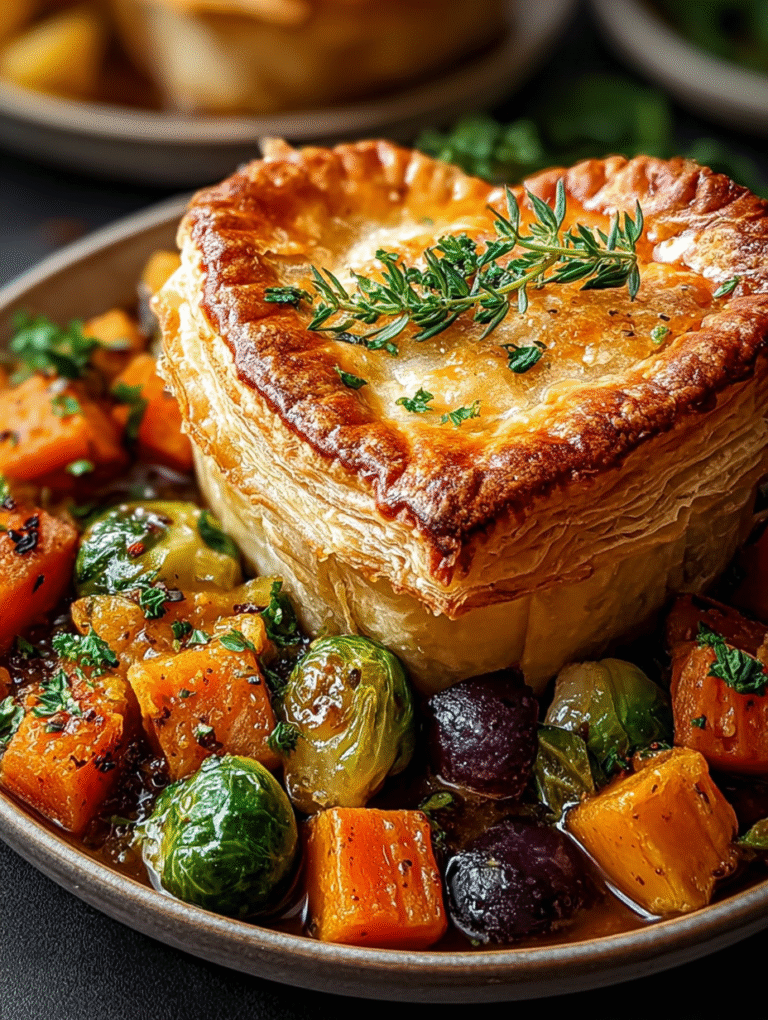
Roasted Autumn Vegetable Pot Pies
Embrace fall comfort! These pot pies feature deeply caramelized carrots, squash, and parsnips, folded into a rich thyme gravy and crowned with flaky pastry. Roasting adds incredible depth.
- Total Time: 35 minutes
- Yield: 4 servings 1x
Ingredients
- 2 cups assorted autumn vegetables (carrots, parsnips, butternut squash), diced
- 1 box (2 sheets) refrigerated pie crust dough
- 2 tablespoons olive oil
- 4 tablespoons unsalted butter
- 1/4 cup all-purpose flour
- 2 cups vegetable broth
- 1 teaspoon dried thyme
- 1 large egg, beaten (for egg wash)
Instructions
- Step 1: Preheat oven to 400°F (200°C). Toss the diced autumn vegetables with olive oil, salt, and pepper. Spread them on a baking sheet and roast for 15-20 minutes, or until tender and lightly caramelized. Reduce the oven temperature to 375°F (190°C) after roasting.
- Step 2: While the vegetables roast, prepare the filling base. In a large saucepan over medium heat, melt the butter. Whisk in the flour and cook for 1 minute to create a roux. Gradually pour in the vegetable broth, whisking constantly until the sauce is smooth and thickened into a gravy. Stir in the dried thyme.
- Step 3: Remove the roasted vegetables from the oven and fold them into the prepared gravy. Taste and adjust seasoning as needed. Spoon the vegetable filling evenly into four individual ramekins or small pot pie dishes.
- Step 4: Roll out the refrigerated pie crust dough. Cut four rounds slightly larger than the tops of your ramekins. Place a dough round over each filled ramekin, pressing and crimping the edges to seal. Cut a few small slits in the center of each crust to allow steam to escape.
- Step 5: Brush the top of each pie crust generously with the beaten egg wash. Bake at 375°F (190°C) for 25-30 minutes, or until the crusts are golden brown and the filling is hot and bubbling. Let cool for 5 minutes before serving.
Notes
- Store leftover baked pies covered in the fridge for up to 3 days, or freeze the finished, unbaked pies (before the egg wash) for easy future baking.
- For the best texture, reheat cooled individual pies in a 350°F oven for 10-15 minutes until piping hot, ensuring the crust remains delightfully crisp.
- Serve these hearty pies alongside a simple, peppery arugula or mixed greens salad dressed with a bright lemon vinaigrette to cut through the richness of the filling.
- Maximize the 'autumn' flavor by ensuring your diced root vegetables achieve deep, golden caramelization during the initial roast, as this sweetens the final filling considerably.
- Prep Time: 15 minutes
- Cook Time: 20 minutes
- Method: Stovetop
- Cuisine: American
FAQs
Why do my Roasted Autumn Vegetable Pot Pies always have soggy crusts?
A soggy bottom is the existential dread of every pot pie baker! The culprit is usually steam trapped between the filling and the pastry. To banish the dreaded dampness, make sure your filling—especially for these hearty Roasted Autumn Vegetable Pot Pies—is completely cooled before adding the crust. Additionally, try brushing the inside of the bottom crust with an egg white wash or a thin layer of melted butter before pouring in the filling. This creates a small moisture barrier, ensuring your pastry stays flaky and achieves maximum structural integrity for that perfect golden crunch.
Can I prepare the filling for these fall pot pies ahead of time?
Absolutely, preparing the vegetable filling in advance is a massive time-saver, perfect for busy weekday evenings or when hosting a cozy dinner party. Roast your autumn vegetables—squash, carrots, and sweet potatoes—the day before, then prepare the savory sauce and combine everything. Store the filling mixture in an airtight container in the refrigerator for up to three days. When you are ready to bake, simply spoon the chilled filling into your ramekins, top with pastry, and bake as directed. This allows the robust seasonal flavors to deepen even further, making the final dish wonderfully rich and satisfying.
What is the best type of pastry to use for the Roasted Autumn Vegetable Pot Pies?
While puff pastry offers a delightful, airy lift, a classic shortcrust pastry is often the preferred choice for a truly rustic and comforting pot pie. Shortcrust provides the necessary sturdiness to hold the substantial filling of roasted autumn vegetables without collapsing. If you are feeling ambitious, making homemade flaky pastry yields the best results. However, high-quality store-bought pastry is a fantastic shortcut. Remember to vent the pastry top with a few small slits before baking. This simple trick allows steam to escape, preventing the crust from ballooning disastrously in the oven.
How should I store and reheat leftover Roasted Autumn Vegetable Pot Pies?
If you manage to have leftovers (a rare culinary miracle, frankly), storing them properly ensures the crust remains enjoyable. Cool the pot pies completely, then cover them tightly with plastic wrap or aluminum foil and refrigerate for up to four days. To reheat without compromising the crust’s integrity, avoid the microwave! Instead, place the pot pies on a baking sheet and reheat them in an oven set to 325°F (160°C) for about 15 to 20 minutes. This gentle reheating method warms the savory filling through while reviving the flaky texture of the pastry top.






Leave a Comment