
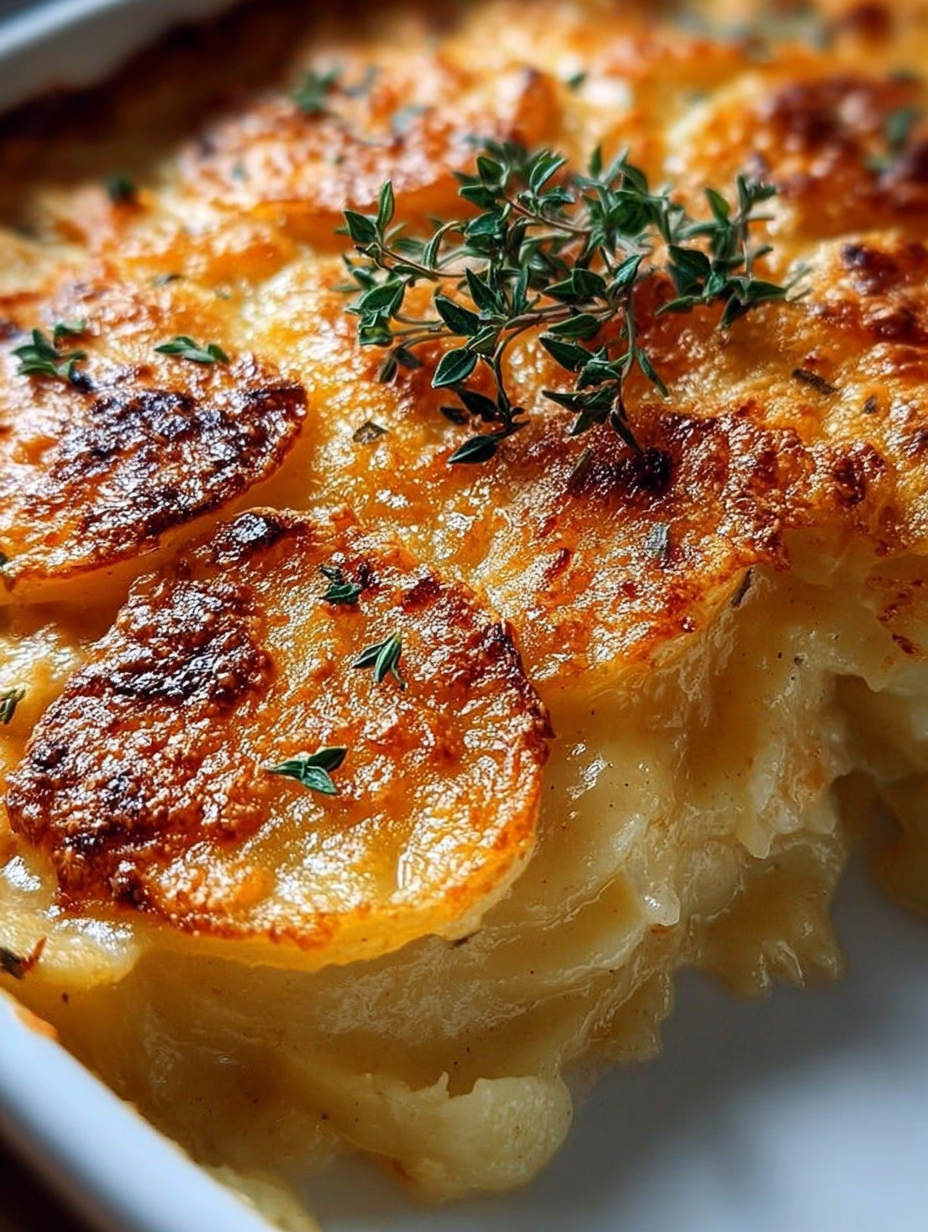
There is no sound more comforting than the sizzle of cream bubbling around thinly sliced potatoes. When I sayScalloped Potatoes, I picture a golden, bubbly casserole dish promising cheesy, savory bliss.
Forget bland sides forever; this recipe delivers pure, luxurious comfort, transforming humble spuds into the centerpiece of any meal. Prepare for the ultimate creamy delight.
This recipe isn’t just a side dish; it’s a culinary hug. Here is why you must try these:
- The preparation process is shockingly simple, requiring minimal slicing and straightforward mixing, making it perfect even for novice kitchen adventurers.
- We achieve an unbelievably rich and creamy flavor profile using aged cheddar and savory aromatics without becoming overly heavy or greasy.
- The beautiful golden crust and perfectly layered structure ensure this dish stands out visually on any holiday or family dinner table.
- This versatile dish pairs flawlessly with roasted chicken, tender beef short ribs, or simple green salads, adapting to every occasion beautifully.
Ingredients for Scalloped Potatoes
Here’s what you’ll need to make this delicious dish:
- PotatoesUse starchy Russets or waxy Yukon Golds; aim for uniform slices for even cooking.
- Butter and FlourThese form the base roux, essential for thickening the creamy sauce without lumps.
- Milk and CreamUse a blend of whole milk and heavy cream for the perfect balance of richness and texture.
- Chicken BrothA splash of savory liquid enhances the depth of flavor and prevents the sauce from becoming too dense.
- Yellow Onion and GarlicFinely mince these foundational aromatics to infuse the cream with essential savory notes.
- Nutmeg and ThymeA pinch of nutmeg brightens the cream, while dried thyme adds an earthy, classic seasoning.
- Aged Sharp CheddarFreshly grated sharp cheddar provides the necessary sharpness and melts beautifully for the golden topping.
- Salt and Black PepperGenerously season the layers, as potatoes absorb a significant amount of salt during baking.
The full ingredients list, including measurements, is provided in the recipe card directly below.
How to Make Scalloped Potatoes
Follow these simple steps to prepare this delicious dish:
-
Step 1: Prep and Preheat
Preheat your oven to 400°F (200°C). Lightly grease a 9×13-inch baking dish. Peel the potatoes and slice them uniformly thin, ideally 1/8 inch thick, using a mandoline or sharp knife, then set them aside in cold water.
-
Step 2: Build the Cream Sauce
Melt the butter in a large saucepan over medium heat. Add the minced onion and sauté until softened, about 5 minutes. Stir in the garlic, then whisk in the flour to create a smooth roux, cooking for 1 minute.
-
Step 3: Whisk the Liquid Base
Gradually whisk in the milk, heavy cream, and chicken broth until the mixture is smooth and begins to thicken slightly. Stir in the salt, pepper, nutmeg, and thyme. Bring the sauce to a gentle simmer, then remove it immediately from the heat.
-
Step 4: Layer the Potatoes
Drain the potato slices completely and pat them dry if needed. Pour a thin layer of cream sauce onto the bottom of the prepared baking dish. Arrange half of the potato slices in overlapping, neat layers. Pour half of the remaining cream sauce over the potatoes, then sprinkle with half of the freshly grated cheddar cheese.
-
Step 5: Final Layer and Bake
Create the second layer with the remaining potatoes, pouring the final cream sauce mixture over the top. Cover the dish tightly with aluminum foil and bake for 45 minutes to steam the potatoes until tender and almost cooked through.
-
Step 6: Golden Finish
Remove the foil, sprinkle the remaining cheddar cheese evenly over the top, and return the dish to the oven uncovered for 15-20 minutes, or until the cheese is deeply golden brown and bubbly and the sauce is set.
Let the dish rest for 15 minutes before serving; this allows the sauce to set perfectly, resulting in clean slices that hold their shape beautifully.
The Science Behind the Perfect Creamy Potato Bake
Making truly exceptionalScalloped Potatoesrequires understanding a few simple kitchen chemistry concepts. The biggest challenge people face is ensuring the potatoes cook evenly and the sauce remains creamy without breaking or becoming oily. The secret lies in the starch content of your potatoes and the precise ratio of fat to liquid in your sauce. If you accidentally use too much low-fat milk, you risk a runny result, while not cooking your roux long enough might leave a noticeable raw flour taste. We need that perfect marriage of dairy and starch released by the sliced potatoes during the baking process to achieve that signature luscious, thick sauce.
Selecting the Right Spud for Creamy Spuds
The choice of potato drastically impacts the final texture of your dish. Russets are high in starch, which helps naturally thicken the cream sauce, often resulting in a richer, slightly softer texture. However, they can sometimes fall apart if sliced too thin. Yukon Golds offer a fantastic middle ground; they are waxy enough to hold their shape perfectly even when sliced thinly, yet they release enough starch to maintain a beautifully creamy sauce. I highly recommend Yukon Golds for beginners because they are incredibly forgiving and deliver that glorious buttery flavor that complements the cheese so well. Always ensure your slices are uniform, regardless of the potato variety, to guarantee consistent cooking.
Why the Sauce Breaks (And How to Prevent It)
The culinary heartbreak of seeing a beautiful cheesy potato bake emerge from the oven looking separated and grainy often stems from one culprit: boiling the dairy. When you add the liquids (milk and cream) to the roux, you must introduce them gradually and whisk constantly. Once the mixture thickens, never allow it to reach a rolling boil; only a gentle simmer is needed. High heat causes the proteins in the milk to curdle, resulting in that dreaded grainy texture. Furthermore, high-fat dairy stabilizes the sauce, which is why we insist on heavy cream alongside whole milk. If you find your sauce still looks slightly broken before baking, whisk in a teaspoon of cold butter off the heat—a technique called “mounting”—to emulsify the mixture back together before pouring it over the potato layers.
Elevating Your Scalloped Potatoes
While the classic recipe is perfect on its own, sometimes you want to take your potato game to the next level. Customizing the aromatic profile or adding subtle vegetable textures can transform this already beloved side dish into a sophisticated main course. Remember, the beauty of this dish is its flexibility, allowing you to experiment with flavors that complement your main protein, whether that is a rich roast turkey or a simple grilled fish. Just make sure whatever additions you choose are also thinly sliced or finely diced so they cook at the same rate as the potato layers.
Adding Savory Depth
To deepen the savory element without relying on heavily processed flavors, consider integrating caramelized onions or sautéed mushrooms. For the caramelized onions, slice one large onion very thinly and cook it low and slow in butter until deep brown and sweet—about 25 minutes—before folding it into the cream sauce. You could also include a small amount of finely minced roasted red pepper for a smoky undertone. If you want a slightly earthier and richer final product, you might replace half of the chicken broth with a robust beef broth, paying attention to its sodium level to avoid over-salting the dish. For an acidic lift that cuts through the richness, a teaspoon of apple cider vinegar whisked into the finished cream sauce adds a welcome tang.
Serving Suggestions and Storage
CreamyScalloped Potatoesare the quintessential holiday side dish, but they also serve perfectly alongside weeknight comfort meals. Serve them beside a perfectly roasted chicken seasoned with rosemary and lemon, or as the comforting counterpoint to hearty meatloaf. The rich, cheesy layers also pair wonderfully with fresh, crisp green beans tossed in a little garlic and olive oil. The contrast of the rich potato bake with something bright and fresh elevates the entire meal experience. Since this dish is quite filling, remember that a little goes a long way!
For storage, leftovers should be cooled completely and refrigerated in an airtight container within two hours of baking. They typically last well for 3 to 4 days. When reheating, cover the dish with foil to prevent the cheese topping from burning and bake at 350°F (175°C) until heated through, usually 20 to 30 minutes. You can freeze the baked dish, though the texture might suffer slightly upon thawing due to the high dairy content; the sauce may become slightly grainy, but it remains perfectly edible and delicious.
Frequently Asked Questions About Scalloped Potatoes
How thin should I slice the potatoes?
Aim for about 1/8 inch thick slices. If the slices are too thick, they take forever to cook, and the cream often evaporates before they soften. If they are too thin, they dissolve entirely into the sauce, losing their distinct layered structure.
Can I make the cream sauce ahead of time?
You can certainly prepare the cream sauce up to a day in advance. Store it in the refrigerator in an airtight container. When you are ready to assemble the dish, gently reheat the sauce on the stovetop over low heat until it is pourable again, whisking out any slight separation.
Why do I need to cover the dish initially when baking?
Covering the dish with foil traps steam, which helps cook the potatoes thoroughly and prevents the top layer of cream from drying out or burning before the internal slices are tender. You remove the foil only for the last 15–20 minutes to achieve that beautiful golden-brown crust.
What kind of cheese works best besides cheddar?
Gruyère is an excellent, classic substitute, offering a nutty, complex flavor and melting beautifully. Alternatively, a sharp Parmesan combined with a mild mozzarella will give you a great flavor profile with excellent stretch and texture.
There are side dishes, and then there are legends. The humble potato, often overshadowed by a majestic roast or a perfectly grilled chicken, suddenly transforms into the star of the show when drenched in a creamy, savory blanket and baked until bubbling gold. We are talking, of course, about the quintessential comfort classic:Scalloped Potatoes. Forget everything you thought you knew about simple starch; this dish is rich, indulgent, and capable of stealing the spotlight from even the most ambitious main course.
The Great Debate: Gratin vs. Scalloped Potatoes
Before we dive into the delicious preparation, let us settle a culinary feud that has plagued dinner tables for generations. What is the difference between scalloped and au gratin? It is simple: cheese. Traditional scalloped potatoes feature thin slices baked in a rich, seasoned cream sauce. Au gratin, derived from the French term “gratter,” meaning “to scrape” or “to grate,” always includes a generous amount of grated cheese, usually Gruyère or cheddar, sprinkled on top to form a crisp crust.
My recipe today leans towards the rich creaminess of true scalloped potatoes, but feel free to add cheese if you crave that crispy top layer later. The real magic, regardless of the cheese debate, lies in the layering technique. When you master the delicate balance of potato thickness and sauce consistency, you achieve a dish that is simultaneously tender, creamy, and deeply satisfying. This recipe requires patience, but the resulting dish proves worth every minute spent thinly slicing those starchy wonders.
Choosing Your Spuds: The Starch Factor
Selecting the correct potato is absolutely vital. You might think any potato will do, but believe me, using a waxy variety like Red Bliss results in sad, firm, separated layers. For truly luscious, tenderScalloped Potatoes, we require high-starch potatoes. Russets, or Idaho potatoes, are your best friend here. Their high starch content ensures they break down slightly during baking, absorbing the rich cream sauce and melding the layers together beautifully. If you slice them too thick, they remain crunchy; too thin, they dissolve entirely. Aim for slices that are about 1/8 inch thick. A mandolin slicer is a lifesaver for achieving uniform results quickly, but a sharp knife and a steady hand will certainly work.
Crafting the Velvety Cream Sauce
The sauce forms the heart and soul of this dish. It must be thick enough to cling to the potato slices but liquid enough to bubble down and penetrate the lower layers during baking. Start by melting unsalted butter in a heavy-bottomed saucepan. You will whisk in flour to create a quick roux—this is the base that gives the sauce its structure. Cook the roux for just a minute to remove that raw flour taste. Then, gradually whisk in whole milk and heavy cream. Using both types of dairy ensures maximum richness without the sauce becoming excessively dense.
Seasoning is paramount. I use a combination of fresh thyme, bay leaf, ground nutmeg (a surprisingly crucial ingredient that brightens the flavor), salt, and freshly ground black pepper. Bring the mixture to a gentle simmer, stirring constantly until the sauce thickens enough to coat the back of a spoon. Remember, do not boil it violently; you want a slow, happy simmer. Once thickened, remove the bay leaf and prepare for assembly.
Assembly: The Art of Layering
This is where precision pays off. If you simply dump the potatoes and sauce into the dish, you will end up with an uneven mess. We need structure. Grease a large, deep casserole dish thoroughly. Start by spooning a thin layer of the cream sauce onto the bottom of the dish—this prevents the first layer of potatoes from sticking and burning. Next, arrange a layer of potato slices, slightly overlapping, covering the base completely. Drizzle about a third of the remaining cream sauce evenly over this layer.
Repeat this process twice more: potato layer, then cream sauce layer. When you reach the top, ensure the final layer of potatoes is completely covered by the remaining sauce. This prevents the top slices from drying out or browning too quickly during the long bake time. The height of the dish matters; if the potatoes are too shallow, they dry out, and if they are too deep, the center might not cook properly. A good rule of thumb is keeping the layers below two inches high.
Achieving the Perfect Texture Balance
One common mistake people make is baking the potatoes uncovered from the start. This results in a golden-brown top that hides a disappointingly crunchy interior. The trick to ensuring creamy tenderness throughout is a two-stage bake. Start by covering the casserole dish tightly with aluminum foil. The foil traps the steam and moisture, allowing the potatoes to cook gently in the cream bath until they are fork-tender—usually about 45 to 50 minutes. This steaming phase is non-negotiable for tenderScalloped Potatoes.
After the initial covered bake, remove the foil. Now, the magic happens. Increase the oven temperature slightly, or simply continue baking uncovered until the top layer is beautifully golden brown, bubbling fiercely, and the sauce is fully reduced and intensely creamy. This typically takes another 20 to 30 minutes. Always test the tenderness with a fork inserted into the center. If it meets resistance, cover it back up and give it ten more minutes.
Once baked, do not rush to serve! Allow the dish to rest for at least ten minutes outside the oven. This resting time is vital; it allows the sauce to fully settle and the layers to cement together. If you scoop them immediately, you will get a runny mess. Resting gives you those beautiful, clean slices we all crave. Serve this dish alongside a roasted beef tenderloin or a simple roast chicken for an unforgettable meal.
Perfecting the Cooking Process
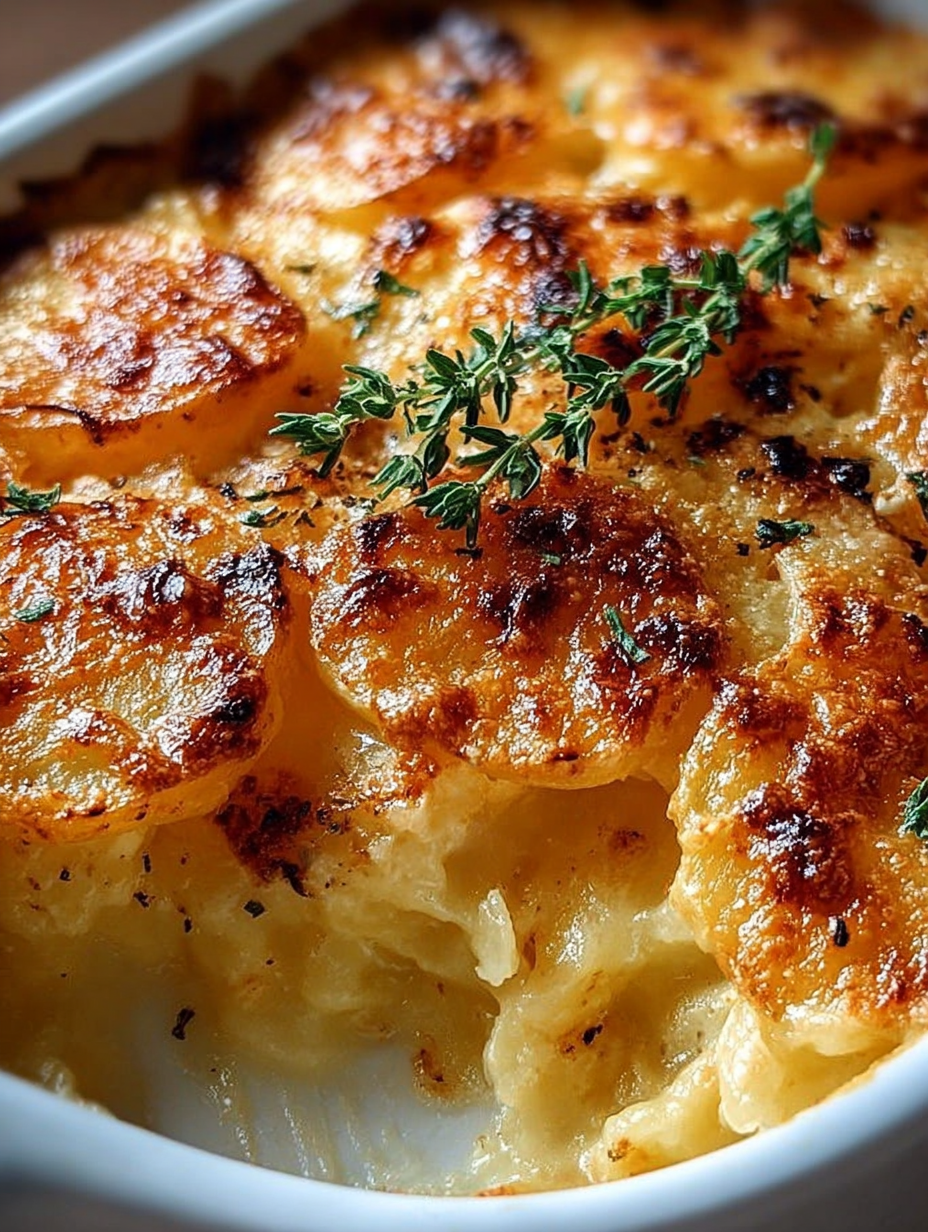
Achieving perfect Scalloped Potatoes requires sequential thinking. First, prep all ingredients, especially slicing the potatoes thinly and evenly. While the cream sauce simmers and thickens, you can arrange the layers in the baking dish. This sequence minimizes standing time for the potatoes and ensures everything is ready for the oven simultaneously.
Add Your Touch
To customize this recipe, try infusing the milk with smoked paprika for depth, or add finely chopped caramelized onions to the sauce before layering. For a richer flavor profile, stir in a quarter cup of finely grated Parmesan cheese during the last ten minutes of baking, focusing on related cheese variants.
Storing & Reheating
Store leftover Scalloped Potatoes tightly covered in the refrigerator for up to four days. Reheat individual portions gently in the microwave or place the covered casserole back into a 300°F oven until heated through. Adding a splash of milk before reheating prevents dryness.
My grandmother once brought this dish to a massive family gathering, and the platter was empty before the roast was even carved. That’s when I knew this specific, high-cream recipe was officially the family treasure.
Expert Tips for Flawless Scalloped Potatoes
-
Always rinse the sliced potatoes in cold water to remove excess starch, which helps prevent the sauce from becoming gluey or gummy during the cooking process.
-
Use hot cream sauce when layering the dish; starting with a warm mixture helps jumpstart the cooking process and ensures even absorption into the raw potatoes.
-
Avoid using low-fat dairy products. The fat content in whole milk and heavy cream is necessary to achieve the luxurious texture and prevent curdling in the oven.
Frequently Asked Questions About Scalloped Potatoes
Can I prepare Scalloped Potatoes ahead of time?
While you can slice the potatoes and make the sauce up to a day in advance, assembling the casserole should be done just before baking. Raw potatoes can oxidize and turn gray when stored in the cream sauce.
What kind of dish should I bake this recipe in?
Use a ceramic or glass casserole dish that is at least 9×13 inches. Ensure the dish walls are tall enough to prevent the bubbling cream sauce from spilling over into your oven during baking.
Why are my potatoes still crunchy after baking?
If your potatoes are still crunchy, they were likely sliced too thick, or you did not bake the casserole covered long enough. Ensure the slices are uniform and thin (1/8 inch) and prioritize the initial covered baking time.
Conclusion for Scalloped Potatoes
Mastering the art of Scalloped Potatoes means achieving that perfect balance: tender, starchy slices enveloped in a rich, smooth cream sauce, topped with a golden, bubbly crust. This dish is the undisputed champion of comfort food, proving that simple ingredients handled with patience yield spectacular results. Whether you are hosting a holiday feast or simply seeking a deeply satisfying weeknight side, remember that careful layering and gentle sauce preparation are your keys to success. Go forth, embrace the cream, and delight your guests with the ultimate potato bake. It’s guaranteed to steal the show and become a permanent fixture in your culinary rotation.
Print
Scalloped Potatoes
Master the classic! Thinly sliced Russets layered in a rich, buttery roux sauce, baked until tender perfection. Full step-by-step instructions guarantee a flawless side dish. (152 characters)
- Total Time: 35 minutes
- Yield: 4 servings 1x
Ingredients
- 4 pounds Russet potatoes, peeled and thinly sliced (about 1/8 inch thick)
- 4 tablespoons unsalted butter
- 4 tablespoons all-purpose flour
- 3 cups whole milk (or half-and-half for richer sauce)
- 1 1/2 teaspoons kosher salt
- 1/2 teaspoon black pepper
- 1/2 teaspoon garlic powder
- 1/4 teaspoon ground nutmeg
Instructions
- Step 1: Preheat oven to 375°F (190°C). Grease a 9×13 inch baking dish. Ensure the potatoes are peeled and sliced uniformly thin (no more than 1/8 inch thick) to ensure even cooking.
- Step 2: Prepare the sauce: Melt the butter in a medium saucepan over medium heat. Whisk in the flour and cook for 1 minute (this creates a roux). Gradually whisk in the milk until smooth. Bring the sauce to a simmer, stirring constantly, until it thickens slightly. Remove from heat and stir in the salt, pepper, garlic powder, and nutmeg.
- Step 3: Layer the potatoes and sauce: Arrange one-third of the sliced potatoes in an even layer across the bottom of the prepared baking dish. Pour one-third of the prepared sauce evenly over the potatoes. Repeat this layering process twice more until all potatoes and sauce are used.
- Step 4: Initial Bake: Cover the baking dish tightly with aluminum foil and bake for 45 minutes to steam the potatoes and begin softening them without browning the top.
- Step 5: Finish Baking: Remove the aluminum foil and continue baking for an additional 30–45 minutes, or until the potatoes are tender when pierced with a fork and the sauce is bubbly and lightly golden brown. Let the dish rest for 10 minutes before serving.
Notes
- Store any leftovers tightly covered in the refrigerator for up to three days, though freezing is generally not recommended as the thawed sauce may develop a grainy texture.
- If reheating the entire dish, cover it tightly with foil and bake at 300°F (150°C) until warmed through, adding a splash of whole milk over the top if the sauce appears dry.
- Pair the ultimate comfort of these creamy potatoes with a contrasting element, such as roasted turkey ham, prime rib, or a simple side of acidic steamed green beans to balance the richness.
- For the most tender results, use a mandoline to achieve the required uniform 1/8-inch thickness, as perfectly even slicing is the single most important factor for even cooking.
- Prep Time: 15 minutes
- Cook Time: 20 minutes
- Method: Stovetop
- Cuisine: American
FAQs
Why should I choose specific potato varieties when making Scalloped Potatoes?
Choosing the right potato is the secret weapon against a watery casserole. Russets are starchy heroes; they break down slightly during baking, which naturally thickens the sauce, turning your dish into a luscious masterpiece. Yukon Golds, on the other hand, hold their shape better while offering a buttery flavor and texture. Avoid waxy potatoes like red potatoes, as they refuse to release their starch, leaving you with slices swimming sadly in a thin, disappointing liquid. For truly decadent results, aim for a blend of high-starch and medium-starch varieties to ensure both structure and maximum creaminess in your final potato bake.
How do I stop the creamy sauce for my Scalloped Potatoes from curdling?
Curdling happens when dairy products are heated too quickly or combined with acidic ingredients at high heat. To ensure your Scalloped Potatoes boast a silky, smooth sauce, make sure you temper your milk and cream mixture gently. Bring the sauce to a low simmer—never a rolling boil—and stir constantly while thickening with your chosen agent, like flour or cornstarch. If you are adding cheese, remove the sauce from the heat before stirring in the grated cheddar or Gruyère slowly. This careful temperature management prevents the proteins from seizing up, guaranteeing a perfect, velvety texture every time you bake this classic dish.
Can I prepare this potato casserole dish ahead of time for entertaining?
Absolutely, prepping ahead is a lifesaver, especially when hosting a dinner party and you need to optimize oven space. You have a couple of options: you can slice the potatoes and assemble the whole casserole dish up to 24 hours in advance, covering it tightly and refrigerating it. However, be aware that the raw potatoes might slightly discolor. A better technique is to prepare the sauce completely, slice the potatoes, and then assemble and bake the dish only one or two hours before serving. If baking from cold, add about 15 minutes to the total baking time to ensure the center heats through properly and the dish is bubbling hot.
What is the best way to incorporate meat or vegetables into classic Scalloped Potatoes?
Adding texture and flavor boosts your standard Scalloped Potatoes into a hearty main course. If you want to include protein, thinly sliced, pre-cooked smoked turkey breast or shredded rotisserie chicken works beautifully layered between the potato slices. If you prefer vegetables, sautéed mushrooms, caramelized onions, or even blanched spinach add wonderful depth. Ensure any additions are pre-cooked and drained well before layering them in the dish. Excessive moisture will dilute the luxurious cream sauce. Layering them evenly guarantees that every serving gets a delightful mix of creamy potatoes and savory additions, elevating your simple side dish.





Leave a Comment