
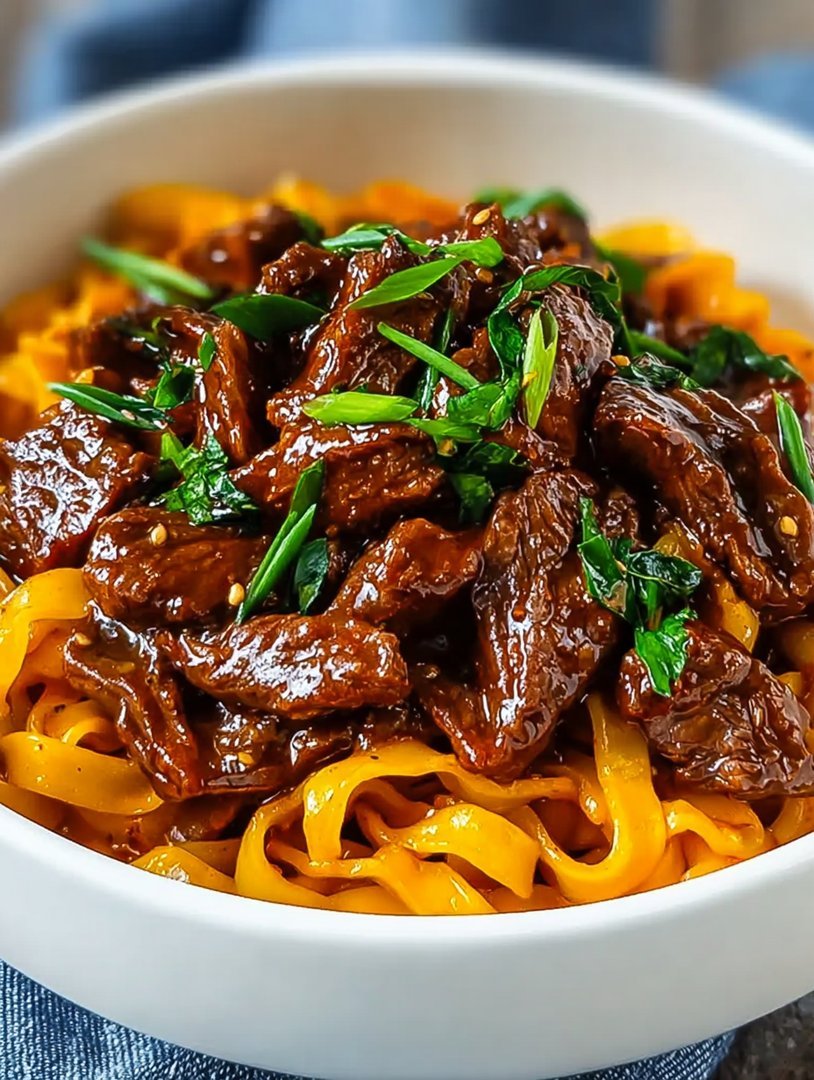
If your weeknights resemble a frantic squirrel trying to hide a massive nut, you need dinner that practically cooks itself. Imagine walking into the kitchen and being greeted by the comforting, spicy-sweet aroma of tender beef.
This incredibleSlow Cooker Korean Beef Noodlesrecipe delivers maximum flavor with minimal effort, proving that gourmet dinner doesn’t require a culinary degree—just patience and a reliable appliance.
- Unbelievable Ease:Simply dump all the ingredients into the slow cooker in the morning and return home to a fragrant, ready-to-eat feast.
- Deep Umami Flavor Profile:The sauce perfectly balances savory soy, spicy gochujang, and sweet brown sugar, coating the beef in addictive layers of flavor.
- Vibrant Visual Appeal:Brightened with colorful scallions and sesame seeds, this dish looks as inviting as it tastes, perfect for family dinners or casual entertaining.
- Highly Versatile Meal:Easily swap in various types of noodles or serve the tender beef over fluffy rice or lettuce wraps for endless meal possibilities.
Why the Slow Cooker is Your Best Friend
I learned quickly in life that there are two kinds of kitchen appliances: those you use constantly and those that collect dust until you finally decide to host a garage sale. The slow cooker, affectionately known in my house as “The Culinary Babysitter,” definitely falls into the former category. If you haven’t yet embraced the magic of set-it-and-forget-it cooking, you are missing out on precious hours of freedom. The real genius behind this approach is not just the lack of effort, but the quality of the resulting food.
For dishes featuring tougher cuts of meat, like beef chuck or flank steak, low and slow cooking is absolutely indispensable. Standard stove-top cooking would leave these cuts chewy and sad, forcing you to use expensive, premium cuts just to achieve tenderness. But when you immerse beef in a rich, slightly acidic sauce and let it simmer for hours, the connective tissues break down beautifully. The result is fork-tender beef that melts in your mouth, infused deeply with every note of garlic, ginger, and Korean chili paste. Plus, the sheer joy of smelling a delicious dinner cooking all day, without having to lift a finger, is a small, luxurious pleasure we all deserve.
Key Ingredients and Flavor Secrets
The success of any great Korean-inspired dish lies in balancing sweet, savory, salty, and spicy elements. You cannot simply throw sauce ingredients together and hope for the best; the ratios matter immensely. We skip the hassle of complicated marinades by creating a concentrated sauce base that permeates the beef during its long, slow cooking process. This sauce is robust enough to flavor both the meat and the noodles later, transforming simple ingredients into a complex, satisfying meal that tastes like you spent all day hovering over a stove.
The foundation of the sauce is soy sauce, offering intense umami and salinity. To counteract the salt, we rely on brown sugar and a touch of Asian pear juice (or apple juice if Asian pear is unavailable), which adds natural sweetness and helps tenderize the meat. Crucially, we use fresh aromatics. Do not, under any circumstance, substitute garlic powder or dried ginger for the fresh versions specified in the recipe. Fresh garlic and ginger release volatile oils and aromas that elevate the dish from “good” to “I need the recipe immediately.” We also introduce a tanginess using rice vinegar, which cuts through the richness of the beef and balances the sweeter elements, ensuring the final dish isn’t cloyingly sweet.
The Magic of Gochujang and Soy Sauce
Gochujang, the star of most modern Korean cuisine, is a fermented chili paste that provides depth and a pleasant heat without overwhelming your palate. Unlike pure cayenne pepper heat, gochujang brings a subtle fermented sweetness and profound color. If you are sensitive to spice, you can reduce the amount slightly, but I strongly recommend keeping at least a teaspoon, as it is vital for the authentic flavor profile of theseSlow Cooker Korean Beef Noodles. Combining this paste with low-sodium soy sauce ensures we control the salt level while maximizing the savory, fermented goodness that defines Korean cooking.
Another often overlooked component is the sesame oil. While it seems like a small addition, toasted sesame oil delivers a warm, nutty aroma and flavor that ties all the other elements together beautifully. It should be added towards the end of the cooking process or used as a drizzle upon serving, as heating it for too long can mute its delicate flavor. These small, deliberate choices are what transition a simple beef stew into a truly spectacular bowl of noodles. Pay attention to quality when selecting your ingredients; they are the backbone of this straightforward yet deeply satisfying recipe.
Ingredients for Slow Cooker Korean Beef Noodles
Here’s what you’ll need to make this delicious dish:
- Beef Chuck RoastSelect a 3-pound piece, trimmed of excess large chunks of fat; this cut is ideal for slow cooking and shredding.
- Low-Sodium Soy SauceThis forms the savory base of the marinade and sauce; using low-sodium helps control the overall saltiness.
- Brown SugarEssential for balancing the salty soy and providing the signature sweet element found in Korean barbecue flavors.
- Gochujang (Korean Chili Paste)Provides a fermented complexity and manageable heat; adjust the amount based on your spice preference.
- Fresh GingerGrate this finely to release its pungent, spicy aroma, which brightens the heavy sauce components.
- Garlic ClovesUse at least six cloves, minced, as the long cooking time mellows their intensity and infuses the beef deeply.
- Rice VinegarA splash of tanginess to cut through the richness of the beef and provide necessary acidity for balance.
- Beef Broth or WaterThis liquid prevents the sauce from becoming too thick and ensures the meat stays submerged and moist while cooking.
- Toasted Sesame OilAdded at the end for its intense, nutty aroma and finishing flavor; do not use it for initial cooking.
- NoodlesUse firm wheat noodles, thick egg noodles, or even rice noodles; they absorb the flavorful sauce wonderfully.
- Scallions and Sesame SeedsThese are purely for garnish, adding visual contrast and a fresh, subtle onion flavor upon serving.
The full ingredients list, including measurements, is provided in the recipe card directly below.
Preparation Tips for Perfect Beef
While the slow cooker does most of the heavy lifting, a few minutes of preparation can drastically improve the texture and flavor of the final dish. We aim for beef that is succulent, not dry, and powerfully flavored, not simply stewed. One of the most common mistakes people make when preparing slow-cooked beef is skipping the sear.
Searing the beef—quickly browning it on all sides in a hot pan before placing it in the slow cooker—adds immense depth of flavor known as the Maillard reaction. This process caramelizes the exterior proteins, locking in savory juices and creating a complex flavor crust that remains even after hours of slow cooking. Do this step quickly, focusing only on color, not cooking the meat through. Another critical tip involves cutting the beef. Cut the beef chuck roast into roughly 2-inch chunks. This size ensures maximum surface area for the sauce to penetrate and allows for uniform tenderness once the meat is ready to be shredded, maximizing flavor absorption and overall deliciousness.
How to Make Slow Cooker Korean Beef Noodles
Follow these simple steps to prepare this delicious dish:
- Prepare and Sear the Beef:Cut the beef chuck roast into 2-inch pieces. Heat 1 tablespoon of cooking oil in a large skillet over medium-high heat. Sear the beef pieces in batches until they are nicely browned on all sides, about 2–3 minutes per batch. Transfer the seared beef directly into the basin of your slow cooker.
- Whisk Together the Korean Sauce:In a medium bowl, combine the low-sodium soy sauce, brown sugar, gochujang, grated ginger, minced garlic, rice vinegar, and the beef broth or water. Whisk these ingredients thoroughly until the sugar dissolves and the chili paste is fully incorporated into a uniform sauce.
- Slow Cook the Beef:Pour the prepared sauce mixture over the seared beef in the slow cooker, ensuring the beef is mostly submerged. Place the lid securely on the slow cooker. Cook the beef on the LOW setting for 7 to 8 hours, or on the HIGH setting for 3 to 4 hours, until the meat is completely fork-tender and shreds easily.
- Shred the Beef:Once cooked, carefully remove the beef chunks from the slow cooker and place them on a cutting board. Using two forks, shred the beef into bite-sized pieces. Return the shredded beef to the slow cooker and stir it thoroughly to coat it completely with the rich sauce.
- Prepare the Noodles:Just before serving, cook your chosen noodles according to the package directions. Drain the noodles well and add them directly into the slow cooker with the shredded beef and sauce. Gently toss everything together until the noodles are fully coated and warm.
Transfer to plates, drizzle with a touch of toasted sesame oil, and garnish liberally with sliced scallions and toasted sesame seeds for the perfect finishing touch.
Serving Suggestions and Customization
While the recipe title specifically calls for noodles, the beauty of this slow-cooked beef is its versatility. If you are watching carbohydrates or simply prefer rice, the tender Korean beef is magnificent served over a bed of steaming white rice, brown rice, or even quinoa. The remaining sauce acts as the most flavorful gravy you could ask for, soaking into the grains and creating a truly satisfying bowl.
For a lighter, fresher meal, try using the shredded beef mixture as a filling for lettuce wraps. Use crisp butter lettuce or romaine hearts and load them up with the beef, adding extra garnishes like matchstick carrots, fresh cilantro, and a squeeze of lime juice for a vibrant crunch. If you prefer to add vegetables directly to the dish, stir in some frozen peas, broccoli florets, or sliced bell peppers during the last 30 minutes of cooking. This allows them to soften slightly without turning mushy. Remember, this recipe is a template; you can adjust the heat level with more or less gochujang, or add complexity with a dash of fish sauce if you enjoy that intense savoriness.
Slow Cooker Korean Beef Noodles: Frequently Asked Questions
Can I use a different cut of beef?
You absolutely can substitute beef chuck roast. Beef short ribs, brisket, or even flank steak cut into thick pieces work wonderfully in the slow cooker, though cooking times might vary slightly. Ensure whichever cut you choose has enough fat and connective tissue to break down into tender, succulent strands during the long cooking process.
What if my sauce is too thin or too thick?
If the sauce seems too thin after the beef is shredded and returned to the cooker, you can easily thicken it. Mix one tablespoon of cornstarch (or arrowroot powder) with two tablespoons of cold water to create a slurry. Stir this mixture into the hot sauce in the slow cooker, switch the setting to HIGH, and let it cook for another 15 to 20 minutes until the sauce has reached your desired consistency.
What can I use instead of traditional wheat noodles?
If you need a gluten-free or alternative option, glass noodles (made from sweet potato starch), rice vermicelli, or even zucchini noodles (zoodles) are excellent substitutes. If using zoodles, only add them during the last five minutes, stirring gently so they warm up without becoming watery. This ensures you maintain the delightful texture of theSlow Cooker Korean Beef Noodles.
How long will the leftovers last?
Properly stored in an airtight container in the refrigerator, leftovers of this Korean beef and sauce mixture will keep safely for 3 to 4 days. I recommend storing the noodles separately from the beef and sauce if possible, as the noodles tend to absorb all the liquid and swell up over time, becoming less desirable.
The Culinary Power of Laziness (and a Slow Cooker)
There is a profound, universal truth about weeknights: they demand maximum flavor for minimum effort. I discovered this necessity one Tuesday when I arrived home after what felt like a 48-hour workday, facing a fridge full of potential and a soul full of exhaustion. The thought of chopping, stirring, and monitoring seemed equivalent to running a marathon. That night, the hero wasn’t me; it was my trusty slow cooker, and its triumph was the creation of the most irresistibleSlow Cooker Korean Beef Noodles.
Before this revelation, I believed Korean flavors required precision, high heat, and perhaps a grandmother who knew the secrets of fermented cabbage (which, sadly, I lack). However, this recipe proves that complex, savory, slightly sweet, and gloriously sticky dishes can emerge from the simplest set-and-forget method. We are talking about tender shreds of beef swimming in a vibrant, umami-rich sauce, ready to drape lovingly over a pile of chewy noodles. This is less cooking and more magic, and it single-handedly justifies the counter space that gargantuan slow cooker takes up.
The Secret Weapon: Transforming Tough Cuts into Velvet
The genius of slow cooking lies in its ability to take an affordable cut of beef—like chuck roast—and transform it into something that melts on your tongue. We marinate it briefly, give it a splash of deeply flavorful liquids, and let time and low heat do all the heavy lifting. While traditional Korean preparations might involve grilling or quick stir-frying, using the slow cooker ensures the beef absorbs every nuance of the gochujang and soy-based sauce until it’s unbelievably tender.
If you are tired of recipes that require you to hover nervously over a hot stove, constantly adjusting temperatures and second-guessing your seasoning, then welcome home. This dish needs about ten minutes of prep time in the morning, and by the time you clock out, dinner is waiting, smelling incredible, and ready to feed a hungry crowd. Forget expensive takeout; your kitchen is now the premier destination for fantastic Korean-inspired comfort food.
Ingredients for Slow Cooker Korean Beef Noodles
Gather these components for a truly effortless feast. Note: We are using brown sugar for sweetness, but you can always adjust to taste.
For the Beef and Marinade:
- 2.5 lbs beef chuck roast, trimmed and cut into 1-inch chunks
- 1/2 cup soy sauce (low sodium preferred)
- 1/4 cup brown sugar, packed
- 1/4 cup pear juice (or apple juice for a similar effect)
- 2 tablespoons sesame oil
- 2 tablespoons rice vinegar
- 1 tablespoon fresh grated ginger
- 4 cloves garlic, minced
- 1 tablespoon gochujang (Korean chili paste—adjust for spice preference)
- 1 teaspoon black pepper
For Serving:
- 1 lb udon or lo mein noodles (or preferred sturdy noodle)
- 1 cup beef broth (if needed for thinning the sauce)
- 2 scallions, thinly sliced, for garnish
- 1 tablespoon toasted sesame seeds, for garnish
- Optional: Kimchi or steamed broccoli for serving
The Effortless Path to Flavor: Step-by-Step Instructions
Preparing the Beef
Step 1: Combine the Sauce.In a medium bowl, whisk together the soy sauce, brown sugar, pear juice, sesame oil, rice vinegar, grated ginger, minced garlic, gochujang, and black pepper. Whisk until the sugar dissolves slightly and the mixture is well combined. Give it a quick taste test—it should be savory, sweet, and tangy.
Step 2: Load the Cooker.Place the beef chunks directly into the basin of your slow cooker. Pour the entire sauce mixture evenly over the beef. Stir gently to ensure all pieces are coated. You do not need to add any additional liquid at this point; the beef will release moisture as it cooks.
Step 3: Set and Forget.Cover the slow cooker and set it to cook on the LOW setting for 6 to 8 hours, or on the HIGH setting for 3 to 4 hours. The goal is to cook until the beef is fork-tender and easily shreds apart. Resist the urge to lift the lid during the cooking process, as this releases valuable heat and moisture.
Finishing the Noodles
Step 4: Shred the Beef.Once the cooking time is complete, use two forks to shred the beef directly inside the slow cooker, stirring it back into the flavorful cooking liquid. The sauce will thicken slightly on its own, but if you prefer a thicker sauce, you can remove the beef and reduce the remaining liquid on the stovetop for 10 minutes, or stir in a slurry of cornstarch and water.
Step 5: Cook the Noodles.Prepare your chosen noodles (udon or lo mein work best) according to package directions. Drain them immediately and toss them with a tiny drizzle of sesame oil to prevent sticking.
Step 6: Assemble and Serve.Ladle a generous portion of the saucy, shredded beef mixture over the hot noodles. Garnish liberally with sliced scallions and toasted sesame seeds. Serve immediately while everything is piping hot.
Perfecting the Cooking Process
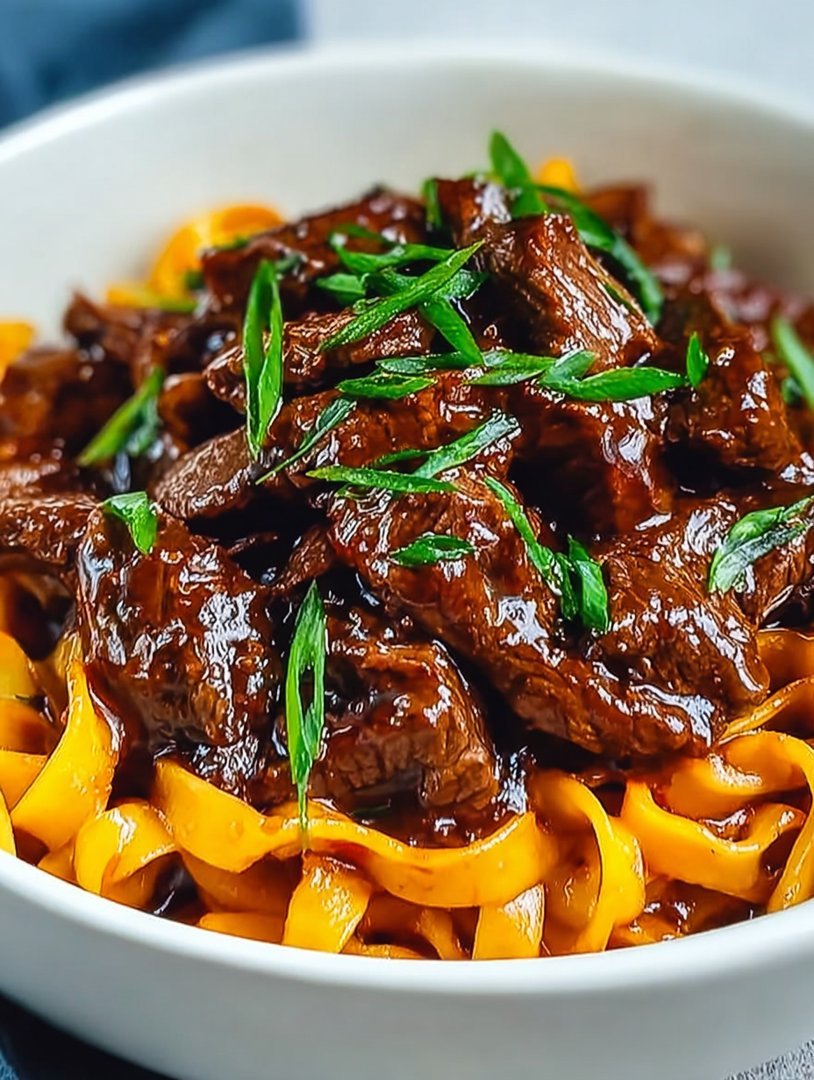
To achieve maximum flavor efficiency, start by ensuring the sauce ingredients are fully incorporated before adding the beef. Set the slow cooker to low for the most tender result; while high heat is faster, the extended low simmer truly allows the collagen in the beef to break down completely, yielding velvet texture.
Add Your Touch
For a vegetarian spin, swap the beef for large cubes of firm tofu or shiitake mushrooms. If you enjoy heat, increase the gochujang or add a dash of chili garlic sauce. You can also mix in crunchy vegetables like shredded carrots or bell peppers during the last 30 minutes of cooking for added color and texture.
Storing & Reheating
Store leftoverSlow Cooker Korean Beef Noodlesseparately, keeping the saucy beef mixture in an airtight container in the refrigerator for up to four days. Reheat the beef gently on the stovetop or in the microwave, then toss with freshly cooked noodles for the best texture and flavor quality.
Chef’s Expert Advice for Flawless Results
- Choose chuck roast with good marbling; fat renders beautifully over long cooking times, ensuring the shredded beef remains moist and deeply flavorful when finished.
- Do not overcook the noodles; they should be slightly firmer than usual since the hot beef sauce will continue cooking them once plated, preventing a mushy result.
- Always taste the sauce before committing to the full cooking time and adjust the salt or sweetness; remember that different brands of soy sauce affect the overall sodium level dramatically.
I served this dish last winter during a sudden blizzard, and my neighbor immediately confessed she considered stealing the slow cooker just to keep the aroma in her own house. It was the highest compliment.
Why This Slow Cooker Korean Beef Noodles Recipe Wins the Week
We’ve established that this recipe requires minimal intervention, but the true brilliance of these Korean Beef Noodles lies in their versatility. They are sophisticated enough for entertaining guests yet comforting enough for a solo movie marathon. The interplay of salty soy, fiery gochujang, and the underlying sweetness provided by the brown sugar and pear juice creates an addictive depth that is hard to achieve without hours of active cooking. This recipe capitalizes on what the slow cooker does best: melding flavors seamlessly.
Furthermore, beef cooked this way provides incredible leftovers. You can use the remaining shredded beef mixture in tacos, on sandwiches, or even over rice bowls the following day, making it an excellent candidate for meal prep. We focus heavily on fresh aromatics like ginger and garlic, ensuring the final dish tastes bright and never dull, a pitfall many slow cooker recipes face. If you are seeking a recipe that delivers huge flavor payoff with zero stress, look no further than this incredibly satisfyingSlow Cooker Korean Beef Noodles.
Frequently Asked Questions about Korean Beef Noodles
How can I make the sauce thicker for the Slow Cooker Korean Beef Noodles?
How to thicken the sauce?
If your sauce seems too thin after the beef is shredded, you have a couple of options. The simplest method is to create a slurry by mixing 1 tablespoon of cornstarch with 2 tablespoons of cold water. Remove the slow cooker lid, switch the setting to HIGH, and stir in the slurry. Cook for about 15 to 20 minutes until the sauce has reached your desired consistency. Alternatively, you can transfer the liquid to a saucepan and reduce it rapidly on the stovetop.
Can I use a different cut of beef, or substitute chicken?
Beef cuts and protein alternatives for this recipe?
Yes, absolutely. While chuck roast is ideal due to its fat content and structural integrity under long, moist heat, you can also use beef short ribs (boneless) or even flank steak, though flank steak may require a slightly shorter cooking time on low. If substituting with chicken, use boneless, skinless chicken thighs, and reduce the cooking time significantly to about 3 to 4 hours on LOW to prevent dryness.
What type of noodles works best with this savory Korean beef dish?
Best noodles to pair with the beef sauce?
The best noodles are those sturdy enough to hold up to the heavy, sticky sauce without breaking down into mush. Udon noodles are fantastic because of their thick, chewy texture. Lo Mein or even thick spaghetti noodles (cooked al dente) also work wonderfully. Avoid very thin rice vermicelli, as they tend to become overwhelmed by the richness of theSlow Cooker Korean Beef Noodlessauce.
How long should I marinate the beef before slow cooking?
Marination time recommendations?
Because the slow cooking process provides extended time for the flavors to penetrate the beef, traditional marination time is not strictly necessary. You can literally dump all the ingredients into the slow cooker and start cooking immediately. However, for an even deeper flavor profile, mixing the beef and the sauce and letting it rest in the refrigerator for 2 to 4 hours before turning on the cooker can intensify the final taste.
Is Gochujang very spicy, and can I omit it?
Spice level adjustment for gochujang?
Gochujang (Korean chili paste) provides crucial flavor complexity—it’s savory and sweet, not just fiery. Standard gochujang has a medium heat level, milder than many hot sauces. While you can omit it, doing so removes an essential part of the Korean flavor profile. If you are very sensitive to spice, start with just one teaspoon, or substitute with half a teaspoon of smoked paprika mixed with a pinch of cayenne for color and warmth without the same heat intensity.
The Emergency Button Dinner: Slow Cooker Korean Beef Noodles
There are days when you feel like a domestic superhero—you’ve meal-prepped, the laundry is folded, and you might even have remembered to water the basil. Then there are the other days. The days where 5:00 PM hits like a brick, and the only thing resembling cooking ambition you possess is staring blankly into the pantry. This, my friends, is why we have the slow cooker. Specifically, this is why we have the recipe for Slow Cooker Korean Beef Noodles.
This isn’t just dinner; it’s an act of culinary rebellion against chaos. You toss a few ingredients into the ceramic pot before noon, wander off to conquer the world (or the couch), and six hours later, you return to a kitchen smelling like a five-star Seoul street food stall. Forget complicated searing or intricate prep. This recipe proves that maximum flavor demands minimal effort. Trust me, your slow cooker deserves a raise after this.
Gathering Your Arsenal: Ingredients for the Ultimate Comfort Dish
To achieve peak flavor with minimal fuss, we focus on tender beef and a vibrant, deeply savory sauce that clings perfectly to the noodles. We use simple ingredients that pack a powerful punch, avoiding anything complicated or requiring last-minute trips to specialty stores.
For the Meltingly Tender Beef
- 2.5 lbs beef chuck roast, trimmed and cut into 1-inch chunks
- 1 tablespoon olive oil
- 1 medium yellow onion, sliced
- 4 cloves garlic, minced
- 1 tablespoon fresh ginger, grated
For the Sticky, Sweet, and Savory Sauce
- 1/2 cup soy sauce (low sodium preferred)
- 1/4 cup brown sugar or honey
- 1/4 cup beef broth
- 2 tablespoons sesame oil
- 1/4 cup rice vinegar (not seasoned)
- 2 tablespoons Gochujang (Korean chili paste – adjust to heat preference)
- 1 tablespoon molasses or dark corn syrup (for color and depth)
- 1 teaspoon black pepper
For Serving
- 1 lb dry noodles (udon, ramen, or lo mein work beautifully)
- Garnishes: Sliced green onions, sesame seeds, a drizzle of extra sesame oil
The Magic Happens: Step-by-Step Cooking Instructions
The beauty of this slow cooking method is that it’s almost impossible to mess up. We start by ensuring the beef has a head start in flavor development before we allow the cooker to take over the heavy lifting.
Prep and Initial Sauté
First, pat your beef chunks dry. In a large skillet, heat the olive oil over medium-high heat. Sear the beef quickly on all sides until it develops a beautiful brown crust. This step is non-negotiable; that crust is where flavor lives! Transfer the seared beef into your slow cooker. If you skipped the searing, it will still taste good, but you’ll miss that gorgeous depth.
Next, use the same skillet (don’t wipe it out—those brown bits are gold) to quickly sauté the sliced onion, minced garlic, and grated ginger for about two minutes, just until fragrant. This mellows their bite and infuses them with the beefy richness left in the pan. Scoop this aromatic mixture right over the beef in the slow cooker.
The Sauce and the Wait
In a medium bowl, whisk together all the sauce ingredients: soy sauce, brown sugar, beef broth, sesame oil, rice vinegar, Gochujang, molasses, and black pepper. Whisk until the sugar is dissolved and the sauce is uniform. Pour this liquid magic directly over the beef and onion mixture in the slow cooker. The beef should be mostly submerged; if not, add a splash more broth.
Cover the slow cooker and set it to LOW for 6 to 8 hours, or HIGH for 3 to 4 hours. You are waiting for the beef to be fork-tender—it should practically fall apart when you nudge it. The aroma filling your house during this time is your reward for your minimal effort.
Finishing Touches and Serving Strategies
Once the meat reaches peak tenderness, it’s time to incorporate the starches and thicken the sauce. If you prefer a thicker sauce, you can remove about 1/4 cup of the liquid and whisk it with 1 tablespoon of cornstarch (a slurry), then pour it back in and stir until slightly thickened. Alternatively, let the sauce reduce naturally by setting the cooker to HIGH for the last 30 minutes, uncovered.
The Noodle Integration
While the sauce is reducing slightly, cook your noodles according to package directions. We recommend thick udon or hearty lo mein noodles because they stand up well to the rich, heavy sauce. Drain them well. Stir the cooked noodles directly into the slow cooker, tossing gently to coat them completely in the sticky, savory sauce and succulent beef chunks.
Serve immediately in wide bowls, generously topped with sliced green onions for freshness and a sprinkle of toasted sesame seeds for texture. This meal is fantastic on its own, but pairs wonderfully with a side of steamed broccoli or quick-pickled cucumbers if you need a splash of green on your plate.
Customizing Your Korean-Inspired Meal
The best recipes are flexible, allowing you to tweak the flavors to suit your particular cravings. Whether you need more heat or a sweeter finish, mastering this basic slow cooker technique allows for endless customization.
Tips for Boosting Flavor Depth
If you prefer a deeper, more fermented flavor profile, consider adding a tablespoon of doenjang (Korean soybean paste) to the sauce mixture before cooking. This provides an umami boost that complements the richness of the beef. For those who enjoy a bit of brightness, a squeeze of fresh lime juice just before serving can cut through the richness beautifully.
If the heat level from the Gochujang isn’t quite enough for your palate, simply stir in a dash of chili flakes or finely minced fresh bird’s eye chili when you add the noodles. Remember, you can always add heat, but you can’t easily take it away, so start slow!
Conclusion for Slow Cooker Korean Beef Noodles
The invention of the slow cooker might just be the greatest gift bestowed upon the busy home cook, and this recipe for Slow Cooker Korean Beef Noodles perfectly exemplifies why. We started with the humble promise of fork-tender beef and a deeply savory, slightly sweet sauce, and finished with a comforting, flavorful meal that required minimal hands-on time. This dish delivers complex Korean-inspired flavors without the need for endless stirring or complicated techniques, making it an ideal choice for chaotic weeknights. Preparing this meal guarantees a delicious and aromatic end to your day, proving that sometimes, the best cooking happens while you’re away.
Print
Slow Cooker Korean Beef Noodles
Set it and forget it! This Korean Beef uses slow cooking to make chuck roast meltingly tender in a savory-sweet, garlicky glaze. Full instructions & nutrition details available. (174 Characters)
- Total Time: 35 minutes
- Yield: 4 servings 1x
Ingredients
- 2 lbs boneless beef chuck roast, trimmed and cut into 2-inch chunks
- 1/2 cup low sodium soy sauce
- 1/2 cup beef broth
- 1/4 cup packed light brown sugar
- 4 cloves garlic, minced
- 1 tbsp toasted sesame oil
- 1 tsp red pepper flakes (optional, for heat)
- 12 oz dried lo mein noodles
Instructions
- Step 1: Place the beef chunks in the bottom of a 6-quart slow cooker. In a medium bowl, whisk together the soy sauce, beef broth, brown sugar, minced garlic, sesame oil, and red pepper flakes (if using). Pour the sauce mixture evenly over the beef.
- Step 2: Cover the slow cooker and cook on the LOW setting for 6 to 8 hours, or on HIGH for 3 to 4 hours, until the beef is fork-tender and easily shredded.
- Step 3: Carefully remove the beef from the slow cooker and place it on a cutting board. Using two forks, shred the beef and discard any excess fat. Return the shredded beef to the slow cooker and stir thoroughly to coat it in the Korean sauce.
- Step 4: About 15 minutes before serving, cook the lo mein noodles according to the package instructions until al dente. Drain the noodles well and set them aside.
- Step 5: Add the drained lo mein noodles directly into the slow cooker with the beef and sauce. Toss everything together until the noodles are fully coated. Serve immediately, garnished with chopped green onions or sesame seeds if desired.
Notes
- For optimal leftovers, store the shredded beef and sauce separately from the cooked lo mein noodles; this prevents the noodles from becoming overly soft when refrigerated for up to 3 days.
- To refresh refrigerated leftovers, gently reheat the beef and sauce on the stovetop, adding a splash of water or broth if the sauce has thickened, then toss with the pre-cooked noodles right before serving.
- Cut through the richness of the savory sauce by serving the noodles alongside a small dish of quick-pickled carrots and cucumbers, or a spoonful of good quality kimchi for tang and crunch.
- For a deeper, funkier umami flavor, consider swapping out half of the brown sugar for one tablespoon of Korean gochujang paste before the slow cooker begins its work.
- Prep Time: 15 minutes
- Cook Time: 20 minutes
- Method: Stovetop
- Cuisine: American
FAQs
The delicious journey of creatingSlow Cooker Korean Beef Noodlesoften leads to a few common questions. Here are the answers to ensure your dish is perfect every time.
What kind of beef is best for Slow Cooker Korean Beef Noodles?
The ideal cut for this recipe is beef chuck roast. Chuck is marbled with enough fat and connective tissue to break down beautifully during the long, slow cooking process. When cooked on low for several hours, this usually tough cut transforms into incredibly tender, shredded beef that soaks up the savory Korean sauce perfectly. You could also use flank steak or round steak, but they may require slightly less cooking time and won’t achieve the same falling-apart tenderness as the chuck roast. Ensuring the beef is cut into uniform, manageable chunks helps guarantee even cooking throughout the batch.
Can I substitute the noodles in this Slow Cooker Korean Beef Noodles recipe?
Absolutely! While traditional Korean dishes might lean towards glass noodles or specific ramen styles, the sauce base for this dish is robust enough to pair well with almost any hearty noodle. Udon and lo mein are popular choices because their thickness and texture hold up well against the rich sauce without becoming soggy. If you prefer a gluten-free option, wide rice noodles or even zoodles (zucchini noodles) can work, though be sure to add the rice noodles only minutes before serving to avoid overcooking them in the slow cooker liquid.
How do I prevent the sauce from being too watery or thin?
Watery sauce often results from the liquid released by the beef during cooking. To combat this, you have two simple options. First, you can remove the lid during the last 30 to 60 minutes of cooking, setting the slow cooker to high; this allows some of the moisture to evaporate naturally. Second, and more reliably, prepare a simple cornstarch slurry (equal parts cold water and cornstarch) and stir it into the hot liquid after the beef is tender. Let it cook for ten minutes on high, and the sauce will thicken beautifully, ready to cling to those delicious noodles.
What are the best side dish recommendations to serve with this dish?
SinceSlow Cooker Korean Beef Noodlesare rich and savory, pairing them with something fresh and acidic creates a perfect balance. Quick-pickled vegetables, such as thinly sliced cucumbers or daikon radishes marinated in rice vinegar and a pinch of sugar, offer a welcome crunch and tang. Steamed or quickly stir-fried green vegetables like broccoli florets, snap peas, or bok choy tossed lightly with sesame oil also provide necessary texture and color, making the overall meal satisfying and well-rounded.






Leave a Comment