

You know that moment when 6 PM hits and your stomach starts hosting a tiny, demanding orchestra? That is when the perfect, sizzlingSteak Fajita Bowlswoops in, offering maximum flavor with minimal kitchen chaos.
Forget dull weeknight dinners; this recipe delivers smoky, spicy excitement directly to your hungry taste buds, proving that quick meals can still be deeply satisfying and totally unforgettable.
This recipe is about pure, unadulterated weeknight victory:
- These bowls are shockingly fast to assemble, utilizing high heat for rapid cooking, achieving maximum flavor in under 30 minutes from prep to plate.
- Experience a robust flavor profile featuring deeply caramelized onions, smoky chili spices, and tender, marinated steak slices that truly sing.
- The vibrant color palette of charred peppers, juicy beef, and fresh toppings transforms a simple meal into a stunning, photo-worthy culinary masterpiece.
- Customize your bowl endlessly with different grains and toppings, making this versatile beef fajita concept ideal for meal prepping or entertaining guests.
Ingredients for Steak Fajita Bowl
Here’s what you’ll need to make this delicious dish:
- SteakUse flank steak or skirt steak, cutting against the grain for maximum tenderness; this cut handles the high heat of the fajita preparation perfectly.
- Bell PeppersA mix of red, yellow, and green peppers adds color and sweetness that balances the savory, smoky notes of the beef marinade.
- OnionUse one large yellow or white onion, sliced thinly, ensuring it caramelizes slightly alongside the peppers, adding a necessary textural and flavor foundation.
- Olive OilEssential for high-heat searing and creating the smoky char on the vegetables and meat without burning.
- LimesFreshly squeezed lime juice is non-negotiable, acting as a key acidic tenderizer for the steak and a bright finishing note for the entire bowl.
- Chili Powder and CuminThese spices form the backbone of the classic fajita flavor profile, offering warmth and earthy depth to the marinade.
- Smoked PaprikaCrucial for imparting that deep, authentic smoky flavor found in traditional Mexican-inspired cooking without needing specialized equipment.
- Garlic Powder and Onion PowderUsed in the rub to ensure that savory, aromatic foundation permeates every piece of steak and vegetable.
- Rice or Grain BaseUse cooked brown rice, white rice, or quinoa as the foundation of your bowl, providing a filling and neutral base for the fajita mix.
- ToppingsConsider fresh cilantro, sliced avocado, pico de gallo, or sour cream alternatives to add coolness, texture, and brightness when serving.
The full ingredients list, including measurements, is provided in the recipe card directly below.
How to Make Steak Fajita Bowl
Follow these simple steps to prepare this delicious dish:
-
Marinating the Steak
Thinly slice the flank steak against the grain into strips about half an inch thick. In a medium bowl, combine the sliced steak with olive oil, lime juice, chili powder, cumin, smoked paprika, and salt. Mix thoroughly, ensuring every strip is coated. Allow the steak to marinate for at least 15 minutes at room temperature, or up to 4 hours in the refrigerator for deeper flavor infusion.
-
Slicing the Vegetables
While the steak is marinating, prepare your vegetables. Slice the bell peppers and onion into uniform strips, aiming for about the same thickness as the steak. This ensures they cook evenly and reach that perfect balance of tender-crisp texture and smoky char.
-
High-Heat Searing
Heat a large cast-iron skillet or heavy-bottomed pan over medium-high to high heat—this is critical for achieving the signature fajita sizzle. Add a splash of olive oil. Once the oil is shimmering, add the sliced vegetables and cook, stirring occasionally, for 5 to 7 minutes until they are softened but still retain some bite and have developed caramelized edges.
-
Cooking the Beef
Remove the vegetables from the pan and set them aside. Increase the heat to high. Add the marinated steak strips in a single layer, ensuring not to overcrowd the pan; cook in batches if necessary. Sear the steak for only 2 to 3 minutes per side. Overcooking will make the steak tough, so cook it quickly until it is nicely browned on the edges but still tender inside.
-
Combining and Finishing
Return the cooked vegetables to the pan with the steak and toss everything together quickly over the heat for about 30 seconds. Squeeze a final dash of fresh lime juice over the mixture and adjust seasoning with salt if necessary. This final high-heat toss ensures the flavors meld beautifully.
Transfer the steaming fajita mix directly onto a bed of rice or grain, adding your favorite fresh toppings like creamy avocado slices or a spoonful of fresh salsa for the perfect finishing touch.
The Anatomy of the Perfect Fajita Sizzle
There is a specific, magical sound that signals a good dinner is about to happen, and it is the aggressive, joyous sizzle of steak meeting blistering hot cast iron. If your neighbors are not peeking over the fence convinced you are having a backyard fiesta, you are not cooking your fajitas correctly. Achieving this professional-grade sizzle is not just for theatrics; it seals in the juices and creates that deeply caramelized crust that transforms simple ingredients into an extraordinarySteak Fajita Bowl.
The Art of the Marinade: Acid, Oil, and Spice
Too often, weeknight marinades are neglected, relegated to a quick sprinkle of salt and a shrug. However, a great fajita is built on a bold marinade. Remember, we are not just flavoring the meat; we are tenderizing it. The lime juice performs the heavy lifting here, gently breaking down the fibers of the skirt or flank steak. Think of the lime juice as the steak’s personal trainer, getting it ready for the high-intensity workout of the searing pan. It is crucial to use freshly squeezed lime juice—bottled juice simply lacks the zing and volatile oils that give this dish its characteristic brightness.
The seasoning blend—chili powder, cumin, and smoked paprika—must be generous. If you think you have added enough spice, add a little more. You want the aroma to fill your kitchen long before the first bite hits your mouth. This isn’t the time to be shy. Mix the spices directly into the oil before tossing the steak. This technique ensures the spices bloom, releasing their full potential flavor as they hit the heat of the pan later. A quick 15-minute soak is enough to get the job done when hunger strikes, but an hour makes the flavors truly inseparable from the beef.
Heat Management: Why Your Pan Needs Therapy
I know what you are thinking: medium-high heat is usually enough for everything, right? Wrong. Fajitas demand intensity. You need your skillet to be aggressively hot, almost uncomfortable to stand near. If you put your steak or peppers into a lukewarm pan, they will steam rather than sear, resulting in sad, gray, limp strips instead of the crispy, smoky perfection we crave. Use a cast-iron skillet if you have one; its ability to retain and distribute fierce heat is unmatched for recipes that require a proper char.
The goal is rapid, shocking heat. The meat hits the pan, sizzles instantly, and is done in minutes. This preserves the internal tenderness of the steak while maximizing that crispy exterior crust. This is also why you must cook the steak and the peppers separately. If you overload the pan, the temperature drops immediately, ruining the sizzle effect. Patience, or rather, the lack of overloading, is your friend when building this magnificent bowl.
Customizing Your Ultimate Beef Fajita Bowl
The beauty of the beef fajita bowl lies in its infinite customizability. Once you have the perfectly seasoned steak and peppers, the remaining components are up to your imagination—or, more realistically, whatever you managed to grab at the grocery store on the way home. Turning this into the ultimate weeknight meal is surprisingly easy once the searing is complete.
Choosing the Perfect Base
While the classic presentation involves tortillas, serving this dish in a bowl over a sturdy base offers a more complete, filling meal experience perfect for busy nights. Cooked white rice is traditional and absorbent, soaking up all those delicious meat juices and lime dressing. For a healthier or more texturally complex option, consider cilantro-lime cauliflower rice, fluffy quinoa, or even a blend of leafy greens for a lighter, salad-style approach. The base is the canvas; the fajita mixture is the masterpiece.
Building the Topping Tower
Toppings are where the flavor intensity meets refreshing relief. They provide the necessary contrast—cool, creamy, and crunchy—to the hot, spicy fajita mix. Do not skimp here. A non-dairy sour cream alternative provides crucial coolness, while a good salsa or pico de gallo adds freshness and acidity. For texture, consider thinly sliced radishes or even some crunchy shredded lettuce. The addition of sliced avocado or a generous scoop of guacamole brings healthy fats and a smooth, luxurious mouthfeel that complements the intense smokiness of the beef. If you are planning to meal prep these bowls, keep the toppings completely separate until serving time. This prevents the greens from wilting and ensures the avocado does not brown, keeping your lunch vibrant and appealing even three days later. A little bit of planning goes a long way when preparing several of these fantastic meals ahead of time.
Advanced Tips for Steak Fajita Success
Transforming a good meal into a legendary one often comes down to attention to small details and understanding the ingredients. These pro tips ensure your next fajita bowl is the best you have ever made, cementing its place in your regular dinner rotation.
Slice Smarter, Not Harder
The cardinal rule of steak preparation is to slice against the grain. If you look closely at your flank or skirt steak, you will notice long, parallel fibers running through the meat. Cutting perpendicular to these lines shortens those fibers, guaranteeing tender strips that are easy to chew. Cutting with the grain—a common mistake—results in chewy, tough fajita pieces, no matter how perfectly you cooked them. Take the extra thirty seconds to identify the grain before you start slicing; your jaw will thank you later.
The Vinegar Alternative
To add complex depth to the marinade, a great technique is incorporating a dash of apple cider vinegar or white vinegar alongside the lime juice. Vinegar enhances the tenderizing effect of the lime and adds a slight tanginess that complements the savory beef without overpowering the core flavors. Use it sparingly, ensuring it balances the smokiness of the paprika and cumin, rather than becoming the dominant flavor in the beef mixture. This technique provides the necessary complexity often sought in richer, slower marinades.
Prepping the Vegetables for Maximum Char
While uniformity is important for even cooking, do not wash your peppers and onions until they are bone dry before searing. Any residual moisture will immediately cool the pan and prevent charring. Pat them down thoroughly with a clean kitchen towel or paper towel. When they hit that screaming hot skillet, the lack of moisture allows them to quickly caramelize and blister, developing the smoky char flavor profile that defines a truly magnificent fajita.
Ultimately, the perfectSteak Fajita Bowlis not just a collection of ingredients; it is a rapid-fire culinary experience that proves dinner doesn’t have to be complicated to be amazing. This dish truly delivers maximum satisfaction, transforming an ordinary weeknight into a vibrant fiesta of flavor, ready in the time it takes to set the table and announce that dinner is ready, usually to a round of applause.
The Accidental Discovery of Sunshine on a Plate

I stumbled upon the perfectSteak Fajita Bowlduring a disastrous attempt at making sophisticated beef Wellington. After burning the pastry, I sliced the marinated steak, tossed it with peppers, and served it over rice. It was pure, unadulterated flavor joy—a happy accident that became a staple.
Let’s be honest, who hasn’t been there? You start the week with grand, culinary ambitions, usually involving tweezers and garnishes, only to have reality hit by Tuesday evening. Suddenly, the complex four-course meal feels like a distant fever dream, and all you crave is something fast, flavorful, and capable of being eaten while binge-watching your favorite show. Enter the glorious, infinitely customizable, and remarkably simpleSteak Fajita Bowl.
Fajitas are an experience, right? The sizzling platter, the theatrical steam, the inevitable mess on the table. But sometimes, you want all that intense flavor without the table-side performance anxiety. That’s why we take the best elements—the perfectly seasoned, searing hot beef, the charred, sweet peppers, and the vibrant toppings—and bundle them neatly into a bowl. This dish is your weeknight superpower, transforming mundane ingredients into a culinary fiesta that takes less time than arguing about what to order for takeout.
Choosing Your Fajita Fuel: Steak and Peppers
We need robust ingredients to anchor this flavor fiesta. Let’s talk steak. Flank or skirt steak are the traditional heroes here because they handle high heat beautifully and absorb the marinade like a sponge. Remember, we are not looking for filet mignon refinement; we are looking for rugged, intense fajita glory. Slice your steak thinly, cutting against the grain, which is the secret handshake to tender meat.
Now, the marinade. This liquid gold bath is non-negotiable. Forget pre-bottled sauces; we mix fresh lime juice, orange juice (for a surprising depth), cumin, smoked paprika, chili powder, and oregano. This blend creates a deeply savory and slightly bright flavor profile. Let the steak luxuriate in this mixture for at least two hours, but ideally four. This tenderizing process is what transforms a simple strip of beef into the star of yourSteak Fajita Bowl. If you are truly pressed for time, even a 30-minute soak is better than none, but if you can manage the full session, your taste buds will send thank-you notes.
The peppers and onions deserve equal respect. Slice them into uniform strips. A mix of red, yellow, and orange bell peppers provides visual appeal and different levels of sweetness. The onions—I prefer a sharp yellow or white onion—will soften and sweeten dramatically during the cooking process. When you hit them with the high heat, they should retain a slight crispness, offering a beautiful contrast to the tender steak and soft rice base. Avoid the temptation to cook them down until they are mushy; we want that fajita crunch.
Perfecting the Cooking Process
Achieve peak flavor efficiency by searing the marinated steak first in a screaming hot skillet to lock in juices. Remove the steak, then cook the peppers and onions until crisp-tender. Combine everything right before serving, ensuring the rice base is hot and ready for assembly.
The key to authentic fajita flavor lies in the heat. You are looking for a cast-iron skillet or a heavy-bottomed frying pan that can handle intense temperatures. Get that pan hot—we are talking borderline smoking hot. Add a high-smoke point oil, like canola or grapeseed, and then introduce your marinated steak strips in a single layer. Do not overcrowd the pan; otherwise, the temperature will plummet, and you’ll end up steaming the meat instead of searing it. We are chasing that beautiful, slightly charred crust.
Sear the steak for only 1 to 2 minutes per side, depending on thickness. You want them cooked quickly to retain tenderness. Remove the steak immediately and let it rest on a cutting board, covered loosely with foil. Resting the meat is non-negotiable for maximum juiciness.
Next, use the same pan—don’t clean it, those browned bits are flavor gold! Add a touch more oil if necessary and toss in the peppers and onions. Sauté them rapidly until they begin to soften and develop those smoky, brown edges. This usually takes 5 to 7 minutes. Once the vegetables reach the desired crisp-tender texture, slice the rested steak and toss it back into the pan with the vegetables just to warm through, mixing in any residual meat juices that collected on the cutting board.
The Art of Assembling the Ultimate Steak Fajita Bowl
Once your steak is perfectly rested and sliced, and your peppers are caramelized, it’s time to construct the masterpiece. Think of this as edible architecture. Start with the foundation: warm rice. While fluffy white rice is classic, try brown rice or even quinoa for an added nutritional punch. The rice serves as the comforting base, absorbing all those delicious fajita juices dripping down from the beef and vegetables.
Layer the steak and pepper mixture directly over the rice. This is where the magic happens. Don’t skimp on the toppings! A truly magnificentSteak Fajita Bowldemands accessories. We are talking about creamy, homemade guacamole, fresh pico de gallo or a chunky salsa, and maybe a generous dollop of plain Greek yogurt or sour cream alternative for that necessary tangy coolness. If you have some shredded lettuce or thinly sliced cabbage, adding a layer of crisp greenery provides textural relief.
Scatter some chopped cilantro and a final squeeze of lime juice right before you dive in. This fresh finish elevates the entire experience, transforming a simple meal into a vibrant, flavorful adventure. The contrast between the smoky, savory steak and the bright, cool toppings is what makes this simple beef and pepper bowl truly legendary.
Add Your Touch
Swap the rice base for cauliflower rice or sweet potato hash for a low-carb alternative. Try substituting skirt steak with chicken or robust portobello mushrooms for a vegetarian twist. For extra heat, toss in some diced jalapeño alongside the bell peppers while searing them.
Storing & Reheating
Store the steak and vegetable mixture separately from the rice and toppings in airtight containers for up to four days. Reheat the steak and veggies in a skillet or microwave, then combine them with freshly warmed rice. Add fresh toppings immediately before serving to maintain texture.
-
Always pat the steak completely dry before marinating; excess moisture prevents the formation of a perfect, caramelized crust during searing.
-
Use separate, high heat for the peppers and steak. Overcrowding the skillet lowers the temperature, resulting in steamed, rather than properly seared, ingredients.
-
Rest your steak tented with foil for five minutes after cooking. This crucial step redistributes the juices, ensuring maximum tenderness and flavor in every bite.
My nephew, a notorious vegetable hater, devoured this Fajita style beef bowl, asking for seconds of the sautéed peppers. That night, I realized I had accidentally cracked the code to making vegetables irresistible.
Conclusion for Steak Fajita Bowl
TheSteak Fajita Bowlis more than just a quick weeknight dinner; it is a celebration of vibrant flavors and textures that you can easily master at home. From the perfectly marinated, sizzling steak to the crisp-tender peppers and cooling, creamy toppings, this recipe delivers restaurant-quality satisfaction with minimal fuss. Embrace the customizable nature of the bowl—it adapts easily to whatever you have on hand, whether you substitute the base or switch up the protein. Once you master the simple high-heat searing technique, you will find yourself relying on this robust, flavorful meal whenever you need a dose of sunshine on a plate. It truly is the ultimate fast-casual upgrade for your dinner rotation, proving that complex flavor doesn’t require complex effort.
Print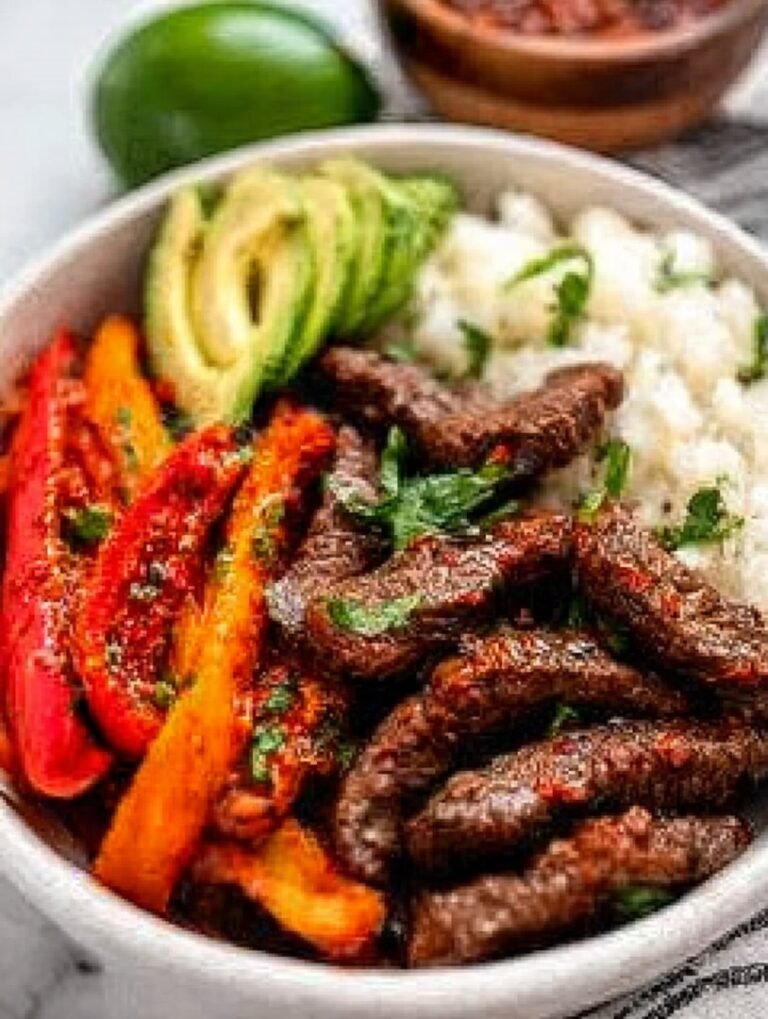
Steak Fajita Bowl
Achieve restaurant-quality Steak Fajita Bowls instantly! Thinly sliced skirt steak, coated in bold seasoning, is seared to perfection in a hot cast-iron pan.
- Total Time: 35 minutes
- Yield: 4 servings 1x
Ingredients
- 1 pound Skirt Steak or Flank Steak
- 1 large Red Bell Pepper, thinly sliced
- 1 large White Onion, thinly sliced
- 2 tablespoons Fajita Seasoning mix
- 2 tablespoons Olive Oil, divided
- 1 cup Cooked Cilantro-Lime Rice
- 1/4 cup Salsa or Pico de Gallo
- 1 Lime, cut into wedges
Instructions
- Step 1: Slice the skirt steak thinly against the grain. In a medium bowl, toss the steak slices with 1 tablespoon of the olive oil and the fajita seasoning until the meat is thoroughly coated.
- Step 2: Heat the remaining 1 tablespoon of olive oil in a large skillet or cast-iron pan over medium-high heat. Add the seasoned steak and sear for 3-4 minutes until cooked through and nicely browned. Remove the steak from the pan and set it aside, covering loosely with foil.
- Step 3: Add the sliced bell pepper and onion to the same skillet, using the residual steak drippings and heat. Sauté the vegetables for 5-7 minutes, stirring occasionally, until they are tender-crisp and slightly caramelized.
- Step 4: Begin assembling the bowl by placing the cooked cilantro-lime rice in the bottom of a serving bowl. Layer the sautéed peppers and onions over the rice, and then arrange the cooked steak slices on top of the vegetables.
- Step 5: Finish and Serve: Garnish the steak fajita bowl with a spoonful of salsa or pico de gallo and a squeeze of fresh lime juice from one of the wedges before serving immediately.
Notes
- Store leftover steak, rice, and sautéed vegetables separately in airtight containers for up to 3 days; keep fresh salsa and lime wedges separate until serving to maintain freshness.
- For the best texture, quickly reheat the steak and vegetables together in a hot skillet instead of using the microwave, which tends to dry out the seasoned meat.
- To make this bowl truly deluxe, incorporate some healthy fats by adding a dollop of sour cream or Greek yogurt and a few slices of fresh avocado.
- Always slice the skirt or flank steak thinly against the grain before cooking; this crucial step shortens the muscle fibers, guaranteeing a tender, easy-to-chew bite every time.
- Prep Time: 15 minutes
- Cook Time: 20 minutes
- Method: Stovetop
- Cuisine: American




Leave a Comment