
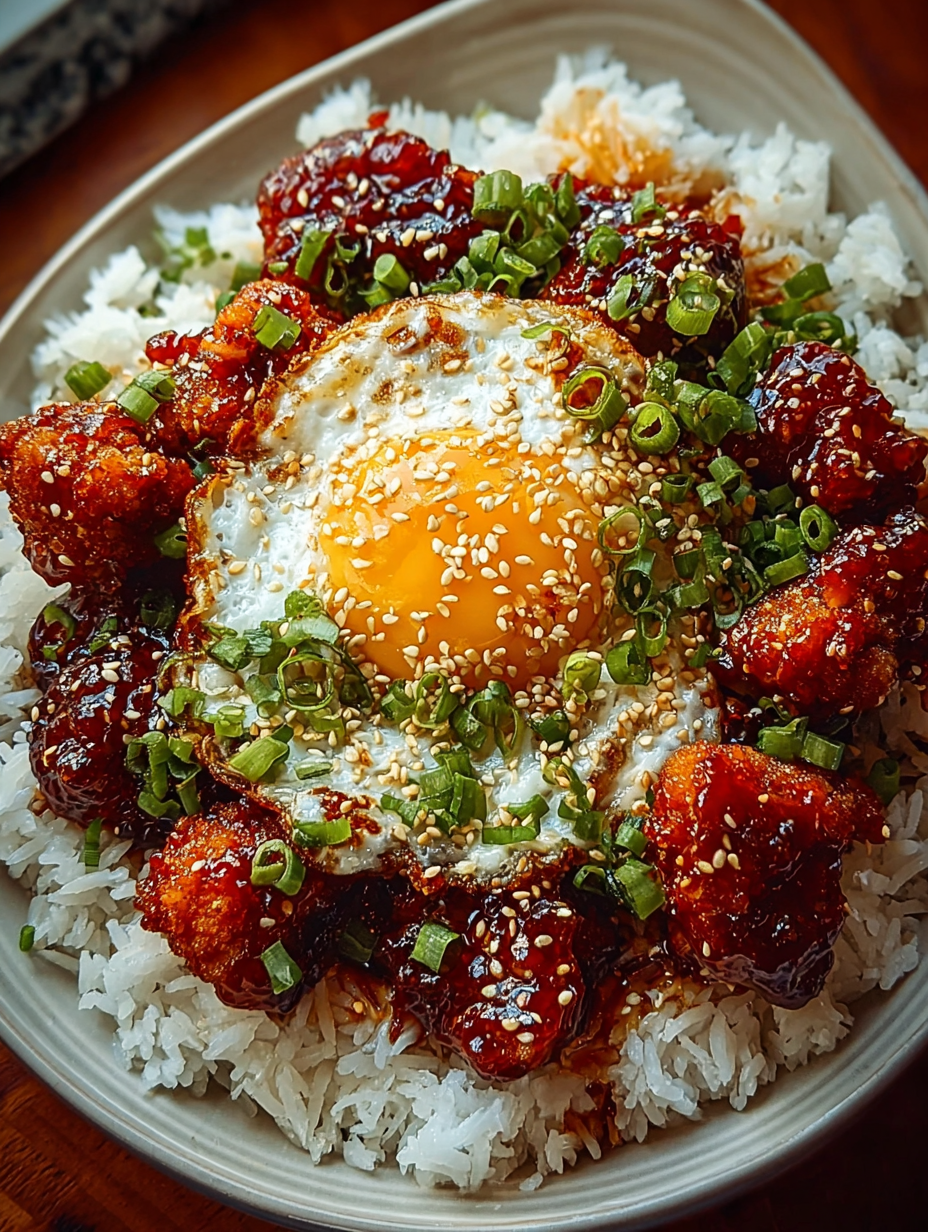
My kitchen usually smells like controlled chaos, but the moment that sweet and spicy glaze hits the hot chicken, pure magic happens. If you’re craving a crunch that echoes through the house followed by a flavor explosion, then you need theseSticky Korean Fried Chicken and Rice Bowlsin your life immediately.
Forget the delivery menus; this homemade version delivers that coveted ultra-crispy texture and a thick, glossy sauce that truly defines comfort food. Preparing this iconic dish at home is surprisingly straightforward and incredibly rewarding.
- This recipe simplifies the traditionally complex frying process, ensuring maximum crispiness with minimal hassle, perfect for weeknight dinners.
- The flavor profile strikes a perfect balance between savory depth, fiery heat from the gochujang, and a hint of welcome sweetness.
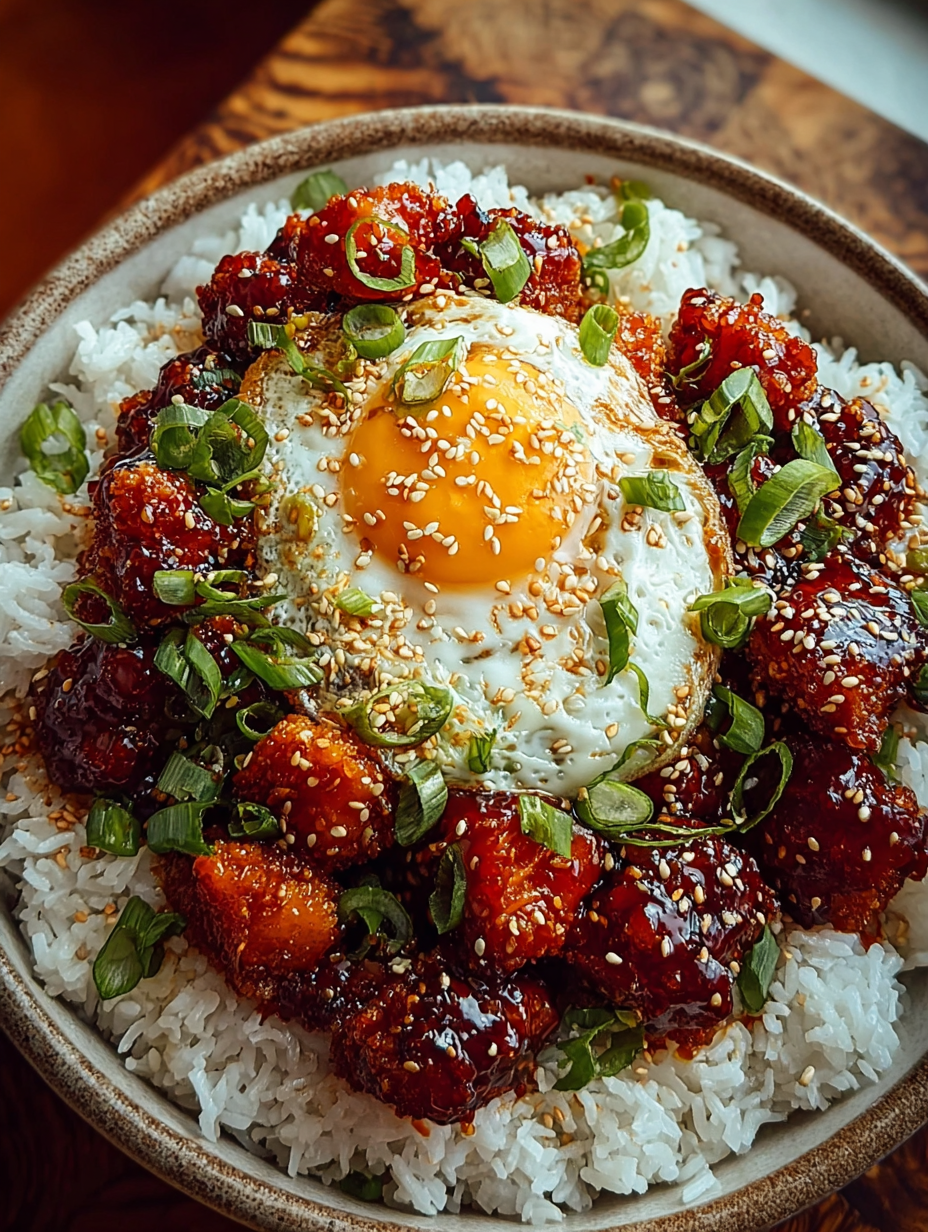
- Visually, the dish is stunning, featuring golden, craggy chicken pieces coated in a vibrant, glossy glaze that glistens under kitchen lights.
- Serve these versatile chicken pieces over fluffy steamed rice or nestled inside soft lettuce wraps for diverse and delicious dining options.
Ingredients for Sticky Korean Fried Chicken and Rice Bowls
Here’s what you’ll need to make this delicious dish:
- Boneless, Skinless Chicken ThighsThighs remain moist and flavorful during the deep-frying process, providing better texture than breast meat.
- Potato Starch or CornstarchThis is the secret weapon for achieving that famous, shatteringly crisp crust that holds up against the sticky sauce.
- Ginger and GarlicEssential aromatic foundation ingredients that provide warmth and depth to both the marinade and the final glaze.
- Gochujang (Korean Chili Paste)The backbone of the sauce, offering rich, fermented savoriness and controllable levels of spiciness.
- Soy Sauce and Rice VinegarThese liquids balance the sweetness and heat, providing crucial umami depth and necessary acidity to the glaze.
- Brown Sugar or Maple SyrupUsed to counteract the intense heat of the gochujang, creating the perfect balance of sweet, spicy, and savory flavor.
- Toasted Sesame OilAdded near the end of the cooking process to provide a nutty aroma and a signature richness to the final dish.
- Vegetable or Canola OilChoose a neutral oil with a high smoke point suitable for frying the chicken pieces safely and effectively.
The full ingredients list, including measurements, is provided in the recipe card directly below.
How to Make Sticky Korean Fried Chicken and Rice Bowls
Follow these simple steps to prepare this delicious dish:
Step 1: Prep the Chicken and Coating
Cut the chicken thighs into bite-sized pieces, roughly 1.5 inches each. In a medium bowl, lightly season the chicken with salt, pepper, and a dash of ground ginger. Toss the chicken pieces liberally in potato starch or cornstarch, ensuring every piece is completely coated for maximum crispiness later on.
Step 2: Double Fry for Optimal Crunch
Heat the frying oil in a deep pot or Dutch oven to 325°F (160°C). Fry the chicken in batches for 4–5 minutes until lightly golden and cooked through; do not overcrowd the pot. Remove the chicken and let it rest for 10 minutes. Then, increase the oil temperature to 375°F (190°C) and fry the chicken again for 1–2 minutes until it reaches a deep, golden-brown color and achieves that incredible, characteristic crunchy exterior. This double-fry technique is key to the texture.
Step 3: Whisk the Sticky Glaze
While the chicken drains on a wire rack, prepare the glaze. In a small bowl, whisk together the gochujang, soy sauce, rice vinegar, brown sugar, minced garlic, and a splash of water or broth until smooth. This combination forms the perfect sweet, salty, and spicy foundation for the finished dish.
Step 4: Cook Down the Glaze
Pour the glaze mixture into a wide skillet or pan and bring it to a gentle simmer over medium heat. Stir constantly for about 3–5 minutes until the sauce thickens significantly and becomes glossy and cohesive. Be mindful not to scorch the sugar at the bottom of the pan.
Step 5: Toss and Finish the Dish
Remove the pan from the heat and quickly toss the freshly double-fried chicken pieces directly into the sticky glaze. Work fast to ensure every piece is thoroughly coated in the glossy sauce. Stir in a teaspoon of toasted sesame oil just before serving to heighten the aroma and flavor. Transfer to plates and drizzle with extra sauce for the perfect finishing touch.
The Science of the Crunch: Achieving Restaurant-Quality Fried Chicken
When you embark on making fried chicken at home, the main goal, aside from flavor, is the crunch. That enviable, loud shatter when you bite into the coating is what separates good fried chicken from legendary fried chicken. This texture is especially vital for the success ofSticky Korean Fried Chicken and Rice Bowlsbecause the coating needs to withstand the weight and moisture of the thick, sticky sauce. If the crust is weak, it becomes soggy almost instantly, ruining the entire experience.
The secret lies primarily in two areas: the starch choice and the temperature control during the frying process. Many recipes use wheat flour, but Korean recipes traditionally rely on potato starch or cornstarch. These starches contain less protein and moisture than flour, which allows them to dry out quicker and form a harder, more glass-like exterior when heated. Using potato starch ensures that ultra-crisp, almost craggy shell that locks in the chicken’s juices while providing the structural integrity needed for the heavy glaze.
Mastering the Double-Fry Technique
The secondary secret weapon is the double-fry technique, which might seem fussy but is scientifically sound and makes a world of difference. The first fry, conducted at a lower temperature (around 325°F or 160°C), cooks the chicken through gently and dehydrates the starch coating slightly. This initial dehydration creates tiny fissures and channels within the crust. Then, the resting period allows the internal heat to redistribute and for the surface moisture to evaporate further. When the chicken hits the much hotter oil (375°F or 190°C) for the second time, those channels rapidly expel moisture, resulting in a dramatic expansion and hardening of the crust, yielding that signature, lasting crunch. This process ensures the coating stays crispy even when submerged in the gooey, sweet, and tangy Korean glaze.
Building the Perfect Bowl and Flavor Variations
A fried chicken recipe, no matter how perfect the glaze, is only as good as the accompaniments that turn it into a full, satisfying meal. The rice bowl format is perfect for integrating different textures and temperatures that complement the intensity of the gochujang-glazed chicken. Start with properly prepared steamed rice—short-grain sticky rice is traditional and helps anchor the dish, capturing every drop of the delectable sauce.
Next, consider your contrast elements. The chicken is rich, crispy, sweet, and spicy, so you need fresh, acidic components to cut through that intensity. Quick pickles are a fantastic choice; think thinly sliced cucumbers or radishes marinated briefly in rice vinegar, water, and a pinch of sugar. These provide a cold, sharp, and watery crunch that acts as a palate cleanser between bites of the sticky, fiery chicken. You could also include a refreshing side of kimchi, which adds probiotic goodness and another layer of fermented spiciness, or simply some blanched, salted spinach.
Creative Toppings and Garnish Ideas
Toppings elevate the dish from mere dinner to an impressive culinary experience. Sesame seeds, both black and white, add a subtle nuttiness and visual appeal. Thinly sliced green onions (scallions) offer a sharp, fresh bite, while a light dusting of chili flakes (like gochugaru) can enhance the heat without altering the sauce texture. For a cool element, a simple dollop of mayonnaise mixed with a little lemon juice or a fried egg with a runny yolk cascading over the rice and chicken introduces richness and creaminess. Don’t be afraid to experiment with finely shredded cabbage or lettuce for added volume and freshness in your bowl.
Troubleshooting Common Sticky Chicken Mistakes
While preparing this magnificent dish is relatively straightforward, a few common pitfalls can derail your sticky chicken aspirations. The main issues usually revolve around achieving the right texture and balancing the powerful flavors of the glaze. Addressing these quickly ensures your dinner results in perfectly crispy chicken and a flawless, glossy sauce.
Avoiding Soggy Chicken
Sogginess is the arch-nemesis of fried chicken. As mentioned, the double-fry technique is your primary defense, but proper draining is equally important. Never place hot, freshly fried chicken directly onto paper towels, as they trap steam and moisture right against the crust. Instead, always drain the chicken on a wire rack set over a baking sheet. This allows air to circulate entirely around the pieces, promoting maximum crispness retention. Additionally, be sure the glaze is cooked down and thickened sufficiently before tossing; a watery glaze is guaranteed to soften the crust almost immediately.
Balancing the Gochujang Glaze
Gochujang can vary widely in heat level, sometimes catching cooks off guard. If your finished sauce tastes too aggressively spicy, you need more sweetness and acidity to balance it out. Stir in an extra teaspoon of brown sugar or maple syrup, or add a few extra drops of rice vinegar until the flavor profile mellows. If the sauce is too thick and cloying, simply thin it out gradually with a tablespoon of warm broth or water until it reaches that perfect, glossy consistency that coats the back of a spoon.
Finally, always toss the chicken into the sauceoffthe heat. If you toss the chicken while the glaze is still simmering intensely, the high heat can steam the chicken pieces inside the sauce, compromising the crunch you worked so hard to achieve. A quick, decisive toss off the burner ensures the sauce adheres perfectly without destroying the crispy coating.
The Accidental Discovery of Sunshine on a Plate
It was a truly miserable Tuesday when I first threw these flavors together, driven by pure pantry desperation. I needed comfort, not a project. What emerged was this glorious, sticky, crunchy chicken dish—a genuine accident that felt like bottled sunshine, proving the best meals often come from chaos.
The Unbeatable Crunch: Preparing the Chicken
We all know the standard fried chicken drill: flour, egg, fry. But Korean-style frying relies on a specific secret weapon: starch. Using potato starch or cornstarch yields an impossibly light, shatteringly crisp crust that holds up magnificently even after being drenched in the glorious, sticky sauce. Forget heavy batter; we are aiming for architecture, not insulation.
Start by cubing 2 pounds of boneless, skinless chicken thighs (they stay infinitely juicier than breasts) and tossing them with a tablespoon of oil, salt, pepper, and a generous half-cup of potato starch. Shake off the excess—this step is crucial to avoid a thick, gummy coating. Heat up your neutral oil (canola, peanut, or vegetable) to about 350°F (175°C). We are going to double-fry these beauties to achieve maximum auditory satisfaction.
The first fry, lasting about 5–6 minutes, cooks the chicken through completely. Once done, remove the chicken and let it rest on a wire rack for a few minutes. Then, crank up the heat slightly (around 375°F or 190°C) for the second, quick 1–2 minute fry. This second bath aggressively removes any residual moisture and locks in that world-class crunch. Trust me, double frying is non-negotiable for true Sticky Korean Fried Chicken and Rice Bowls perfection.
Crafting the Ultimate Sticky Glaze
The magic truly happens in the sauce, a glorious creation that coats the chicken in layers of flavor. This isn’t just a glaze; it’s a flavor bomb—sweet, savory, and spicy in perfect harmony. While some recipes rely on grape juice with vinegar or other forms of alcohol for depth, we achieve the necessary richness and balance using rice vinegar and rich chicken broth instead, creating a family-friendly sauce everyone can enjoy.
In a small saucepan, combine half a cup of gochujang (Korean chili paste), 1/4 cup of soy sauce, 1/4 cup of honey or maple syrup, 2 tablespoons of rice vinegar, 1 tablespoon of finely minced fresh ginger, 3 cloves of crushed garlic, and a splash of chicken broth to loosen it up. Simmer this mixture gently over medium heat for about 5 to 7 minutes, stirring occasionally, until it reduces, thickens slightly, and coats the back of a spoon with a beautiful sheen. You want it glossy, viscous, and seductive, ready to hug that crispy chicken.
Once the sauce is ready and the chicken has finished its second fry, toss the piping hot chicken pieces immediately in the glaze. Work quickly so the sauce adheres beautifully without penetrating the crust too deeply. Serve this masterpiece over freshly steamed short-grain rice, sprinkled generously with toasted sesame seeds and thinly sliced scallions. This transformation of simple ingredients results in the dynamic, flavorful dish that defines Sticky Korean Fried Chicken and Rice Bowls.
Perfecting the Cooking Process
For maximum efficiency, prepare the Sticky Korean Fried Chicken and Rice Bowls components simultaneously. Fry the chicken first, keeping it warm while you simmer the glaze. Use the simmering time to steam your rice and chop your toppings, ensuring everything hits the bowl hot and crisp.
Ingredient List for Sticky Korean Fried Chicken and Rice Bowls
Get ready to transform simple pantry staples into a culinary sensation that will make you rethink takeout.
- For the Chicken:2 lbs boneless, skinless chicken thighs (cut into 1-inch cubes), 1/2 cup potato starch or cornstarch, 1 tsp salt, 1/2 tsp black pepper, Neutral oil for frying.
- For the Sticky Glaze:1/2 cup gochujang, 1/4 cup soy sauce, 1/4 cup honey or maple syrup, 2 tbsp rice vinegar, 3 cloves garlic (minced), 1 tbsp fresh ginger (minced), 1/4 cup chicken broth.
- For the Bowls:3 cups cooked short-grain white rice, 2 scallions (sliced), 1 tbsp toasted sesame seeds.
The Secret to Super Sticky Coating
Many home cooks struggle with achieving that perfect, lacquered coating that characterizes great Korean fried dishes. If you’ve ever ended up with a runny puddle instead of a thick glaze, you know the frustration. The key is threefold: proper temperature control, timing, and using the right ingredients. When frying, monitor your oil closely. If the oil is too cool, the chicken absorbs too much grease; if too hot, the exterior burns before the inside cooks. Maintaining that consistent, measured temperature is vital for ensuring the chicken remains crisp upon saucing.
A crucial element often overlooked is the quality and type of sweetener used in the glaze. While white sugar works, using honey or a quality maple syrup adds a depth of flavor and a natural viscosity that enhances the “stickiness” of the sauce without relying on artificial thickeners. This simple swap significantly improves the final texture of the Sticky Korean Fried Chicken and Rice Bowls glaze.
Another common mistake is tossing the chicken too early. You must toss the chicken and sauce right before serving—ideally, less than 60 seconds before they hit the table. Do not let the chicken sit waiting in the sauce; the steam trapped inside will quickly migrate to the crust, turning your beautiful crunch into a soggy disappointment. We are aiming for instantaneous satisfaction here—a coating that grips the chicken tightly and retains that beautiful sound when you bite into it.
If you enjoy extra vegetables in your bowl, consider quick-pickled cucumber or carrots. The acidity and cold crunch provide a fantastic counterpoint to the hot, rich, and sweet chicken. Simply slice them thin and toss them with a splash of rice vinegar and a pinch of sugar while you wait for the sauce to simmer. It’s an easy, low-effort addition that elevates the entire meal experience.
Add Your Touch
Feeling adventurous? Swap chicken thighs for turkey tenders for a leaner protein option. Use brown rice instead of white for extra fiber, or incorporate pickled radishes for a bright, tangy contrast that cuts through the richness of the Sticky Korean Fried Chicken and Rice Bowls sauce beautifully.
Tips from the Test Kitchen
-
Always use potato starch for the crispiest result; it adheres better and creates a lighter texture compared to standard wheat flour or even pure cornstarch.
-
If your glaze seems too thin after simmering, mix 1 teaspoon of cornstarch with 1 tablespoon of cold water, then whisk into the sauce until thickened slightly.
-
Double-check your oil temperature with a thermometer before each fry. Guessing the temperature is the quickest route to overly greasy or burnt chicken.
My younger brother, who generally hates anything remotely spicy, devoured two bowls of this dish after a long soccer practice. He claimed the sweetness perfectly balanced the heat, proving this recipe is truly a crowd-pleaser for all ages.
Storing & Reheating
Store leftover chicken and rice separately in airtight containers for up to three days. To revive the Sticky Korean Fried Chicken, reheat it briefly in a 350°F oven or air fryer until hot and crisp again, avoiding the microwave to preserve the texture.
Conclusion for Sticky Korean Fried Chicken and Rice Bowls
Creating the perfect Sticky Korean Fried Chicken and Rice Bowls at home is a deeply rewarding experience, transforming mundane ingredients into an extraordinary meal. Remember the key steps: utilize the power of the double fry for unbeatable texture, master the sweet and spicy glaze using quality gochujang, and serve everything immediately over steaming rice.
This dish offers a perfect blend of satisfying crunch and intense flavor, proving that comfort food doesn’t have to be complicated or time-consuming. Whether you are whipping it up on a chaotic Tuesday or preparing it for a weekend feast, this recipe is guaranteed to become a highly requested favorite in your culinary repertoire for years to come.
Print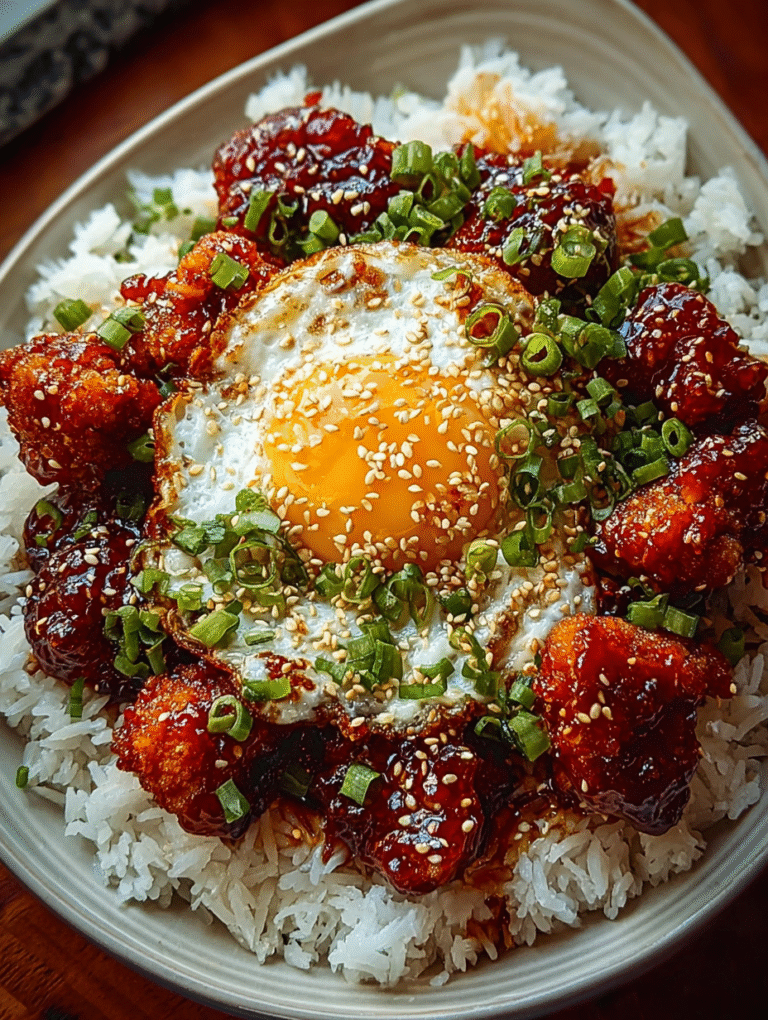
Sticky Korean Fried Chicken and Rice Bowls
Achieve shatteringly crisp chicken, tossed in a fiery, sweet gochujang-honey glaze. This addictive bowl uses cornstarch coating and precise frying (350°F).
- Total Time: 35 minutes
- Yield: 4 servings 1x
Ingredients
- 1.5 lbs boneless, skinless chicken thighs, cut into 1-inch pieces
- 1/2 cup cornstarch (for coating)
- 3 cups vegetable oil (for frying)
- 1/4 cup gochujang (Korean chili paste)
- 3 tablespoons honey
- 2 tablespoons soy sauce
- 1 tablespoon rice vinegar
- 2 cups cooked white rice (for serving)
Instructions
- Step 1: Prepare the chicken by seasoning the pieces lightly with salt and pepper, then tossing them thoroughly with the 1/2 cup cornstarch until evenly coated. Heat the vegetable oil in a large deep pan or pot to 350°F (175°C).
- Step 2: Carefully fry the coated chicken in batches, ensuring not to overcrowd the pan. Fry for 6–8 minutes per batch, turning occasionally, until the chicken is golden brown and cooked through. Remove the chicken and place it on a wire rack or paper towels to drain excess oil.
- Step 3: While the chicken drains, prepare the sticky sauce. In a small saucepan, combine the gochujang, honey, soy sauce, and rice vinegar. Bring the mixture to a simmer over medium heat, stirring continuously until the sauce thickens into a glossy glaze, about 3–4 minutes.
- Step 4: Remove the sauce from the heat. Add the crispy fried chicken pieces directly into the saucepan and toss quickly until every piece of chicken is fully coated and sticky with the Korean glaze.
- Step 5: Assemble the rice bowls immediately. Divide the cooked white rice among serving bowls and top generously with the sticky Korean fried chicken. Garnish with sesame seeds or sliced scallions if desired.
Notes
- If storing leftovers, keep the sauced chicken separate from the rice in airtight containers, but know the coating will soften overnight.
- To revive the chicken's texture, reheat leftovers spread out on a baking sheet in a 350°F oven for about 8 minutes, or use an air fryer, rather than microwaving.
- For a perfect textural balance, serve these bowls with a quick side of pickled radishes (danmuji) or a handful of fresh, thinly sliced cucumber.
- Achieve maximum crispness by ensuring the sauce is ready *before* the last batch of chicken comes out of the fryer, minimizing the time the cooked chicken sits waiting to be glazed.
- Prep Time: 15 minutes
- Cook Time: 20 minutes
- Method: Stovetop
- Cuisine: American



Leave a Comment