
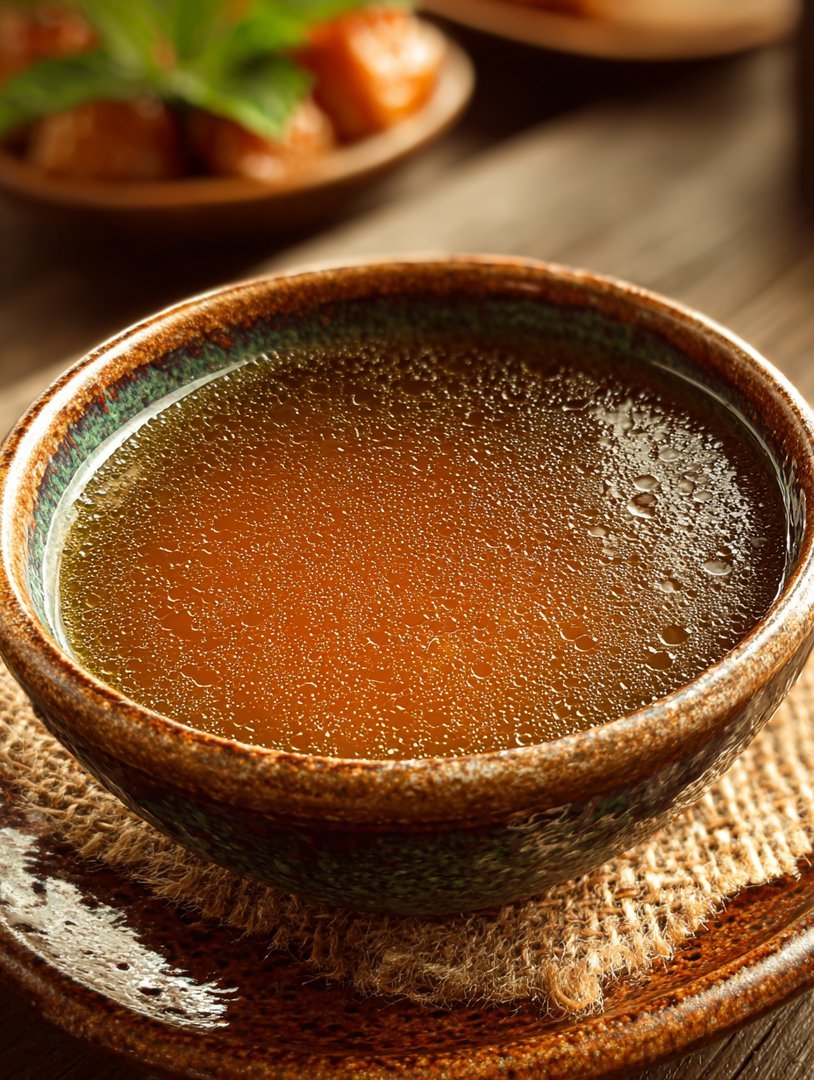
The moment those spicy, citrusy aromas hit the air, your kitchen transforms into a bustling Bangkok street stall. This isn’t just soup base; it’s a flavor bomb designed to cure any culinary ennui. Get ready to master the essentialThai Broth Recipethat makes everything taste magical.
We are diving deep into the secrets of creating liquid gold—a flavorful foundation so rich and complex, it will elevate any noodle dish or simple soup into a gourmet experience. Stop pouring flavorless hot water over your vegetables and embrace this incredible culinary upgrade.
- Achieve deep, restaurant-quality flavor profiles using simple ingredients found easily in your local grocery store.
- This vibrant aromatic broth serves as an incredibly versatile base for various stews, noodles, and dipping sauces.
- The preparation process is surprisingly hands-off, requiring minimal active cooking time for maximum impact.
- Its stunning golden hue and fresh herbal garnishes make this soup base visually appealing for any dinner party.
Why You Need This Aromatic Broth In Your Life
I distinctly remember my first attempt at homemade Thai soup. It was a disaster of epic proportions. I had all the ingredients—the chicken, the mushrooms—but when I took that first sip of the “broth,” I realized I had just created expensive, diluted dishwater. It was flavorless, weak, and ultimately depressing. That day, I swore an oath to the culinary gods: never again would I rely on substandard stock or a canned substitute.
That journey of flavor redemption led me directly to the authentic techniques behind this phenomenal aromatic broth. What most people miss is that the broth isn’t just the water; it is the entire personality of the dish. If your foundation is weak, the entire skyscraper of flavor collapses. This recipe is your culinary scaffolding, ensuring that whatever you build upon it—whether it is a simple noodle bowl, a complex seafood curry, or just a comforting sip on a cold evening—will stand strong and taste spectacular.
We are skipping shortcuts and focusing on maximum extraction. Think of the intense depth that comes from properly toasted spices and slowly bloomed aromatics. The beauty of the authenticThai Broth Recipelies in its balance. It manages to be fiery yet refreshing, rich yet delicate, all at once. We achieve this complexity by utilizing aggressive freshness—huge chunks of ginger, bruised lemongrass, and the essential zing of kaffir lime. This results in a potent liquid base that you can freeze, store, and deploy whenever your taste buds demand an exotic escape. Forget bland; this is liquid vibrancy bottled.
The Secret to Depth: Building Layers of Flavor
The foundational difference between passable broth and truly magnificent broth lies in layering. You cannot just dump everything into a pot and hope for the best. To achieve that signature depth required for a high-quality Thai-inspired soup base, we use a three-stage approach that ensures every ingredient contributes its maximum potential. First, the bones (if using) or primary vegetables must simmer low and slow to release collagen and body, creating a luxurious mouthfeel.
Second, we activate the key aromatics. Bruising lemongrass and tearing kaffir lime leaves ensures their essential oils are released fully into the liquid during the primary cooking phase. If you just toss them in whole and intact, they simply float around looking pretty but contribute minimal flavor. Crush, smash, and bruise them mercilessly. This violence yields magnificent results.
Finally, we add an essential brightness element at the very end. The high heat required for simmering can diminish delicate flavors like fresh lime juice or cilantro. By adding a small dose of fresh acid right before straining, we ensure the broth retains that necessary, mouth-watering zing that cuts through the richness and balances the heat from the chilies and ginger. Mastering these layers ensures your final product is not only flavorful but perfectly balanced, ready to tackle any culinary challenge.
Essential Ingredients for the Perfect Thai Broth Recipe
Here’s what you’ll need to make this delicious dish:
- Chicken or Beef Bones/ScrapsUse meaty bones, backs, or feet to maximize collagen extraction, resulting in a rich, silky mouthfeel.
- Fresh Ginger or GalangalChoose fresh, firm rhizomes; galangal offers a sharper, more citrusy note but fresh ginger works excellently as an accessible substitute.
- Lemongrass StalksTrim the dry ends and remove the outer layers; aggressively bruise the stalks with the back of a knife to release the aromatic oils.
- Kaffir Lime LeavesThese provide the unique, essential floral citrus note; they can often be found frozen in Asian markets if fresh ones are unavailable.
- Mushrooms (e.g., Dried Shiitake)Rehydrated dried mushrooms add deep umami notes and a rich, earthy complexity that enhances the overall savory quality.
- Shallots and GarlicLightly smash these cloves and bulbs before adding them to the pot to ensure maximum diffusion of flavor during the long simmer.
- Fish Sauce (or Soy Sauce Alternative)A small amount provides essential saltiness and depth (umami); this is crucial for balancing the sweet and sour elements.
- Bird’s Eye Chilies (Optional)Use these whole and pierce them lightly for slow heat release, adjusting the quantity based on your preferred spice level.
- Cilantro Roots (Optional but Recommended)If you can find cilantro with the roots attached, these offer an intensely concentrated cilantro flavor superior to the leaves.
The full ingredients list, including measurements, is provided in the recipe card directly below.
How to Make Thai Broth Recipe
Follow these simple steps to prepare this delicious dish:
Step 1: Preparation of Aromatics and Bones
Rinse the chicken or beef bones thoroughly under cold water to remove any impurities that could cloud the broth later. If using chicken, roasting the bones at 400°F (200°C) for 20 minutes first will deepen the color and flavor dramatically. While the bones roast, smash the lemongrass stalks, slice the ginger or galangal, smash the garlic and shallots, and gently tear the kaffir lime leaves.
Step 2: Initial Simmer and Skimming
Place the rinsed bones, fresh water, and dried mushrooms into a large, heavy stock pot. Bring the mixture to a boil quickly, then immediately reduce the heat to the lowest setting possible. As the mixture begins to simmer, a layer of gray foam and scum will rise to the surface. Use a ladle or fine-mesh sieve to meticulously skim this off; this step is vital for achieving a clear broth.
Step 3: Adding the Essential Thai Aromatics
Once the broth looks relatively clear, add the smashed lemongrass, ginger, kaffir lime leaves, chilies (if using), and cilantro roots. Let the mixture simmer very gently, uncovered, for a minimum of 2 hours and up to 4 hours. Do not let the broth boil vigorously, as this emulsifies the fats and breaks down the proteins, leading to a cloudy and sometimes greasy result.
Step 4: Seasoning and Final Infusion
After the desired simmering time, stir in the fish sauce or soy sauce substitute, adding salt to taste. Taste the broth to check the seasoning; it should be robust. Turn off the heat and allow the broth to rest for 15 minutes. This cooling period allows any remaining impurities to settle at the bottom and ensures the flavors from the fresh additions fully infuse.
Step 5: Straining and Clarification
Carefully strain the entire contents of the pot through a fine-mesh sieve lined with cheesecloth. Discard all the solids—bones, aromatics, and sediment. You now have a brilliantly clear, golden liquid. If you plan to store the broth, cool it rapidly in an ice bath before transferring it to airtight containers.
Transfer to bowls immediately and garnish with fresh lime juice, basil leaves, and sliced chili for a bright and unforgettable meal.
Tips for the Clearest Broth
Achieving perfectly clear broth requires patience and a little technical precision. Firstly, resist the urge to stir the pot during the long simmer. Stirring causes the small sediment particles at the bottom to float up and mix with the liquid, making clarification nearly impossible. Once your ingredients are in and the initial skimming is complete, simply leave it alone.
Secondly, always use cold water at the start. Starting with cold water allows the proteins and fats to dissolve slowly and extract gently as the temperature rises. If you start with hot water, the proteins cook too quickly, coagulating and trapping impurities within the liquid, resulting in a cloudy appearance.
Finally, the cooling process matters immensely. When cooling the broth, do so quickly, ideally using an ice bath or transferring the pot to a large sink filled with ice. Rapid cooling prevents bacterial growth and, crucially, encourages the fat to solidify on the surface. Once the fat hardens, you can lift it off easily, leaving behind a perfectly clear and clean Thai-inspired soup base.
Variations and Serving Suggestions
Once you master this phenomenalThai Broth Recipe, you open the door to countless culinary explorations. Its versatility is truly one of its greatest assets, transforming easily to suit different palates and dietary preferences. For a richer, earthier flavor profile, consider incorporating a tablespoon of mushroom powder or dark roasted spices like coriander and star anise during the final hour of simmering. If you want a brighter, almost sour flavor typical of Tom Yum, increase the amount of fresh lime juice and add extra sliced ginger.
This savory aromatic broth shines as the base for traditional Tom Kha Gai (coconut milk soup) or quick weeknight pho-style bowls. Simply add cooked rice noodles, shredded chicken, and blanched vegetables like bok choy or spinach for a complete meal. You can also use this broth in unconventional ways; try simmering lentils or rice in it instead of plain water to imbue your grains with an incredible depth of Thai flavor.
If you prefer a completely vegetarian version, omit the bones and significantly increase the quantity of umami-rich vegetables. Use roasted carrots, onions, celery, and a generous amount of dried shiitake mushrooms. Roasting the vegetables before simmering caramelizes their natural sugars, lending a rich, savory sweetness that effectively replaces the body provided by meat bones. Whether you serve it straight up as a rejuvenating sipping broth or use it as a foundational liquid for a major meal, this recipe ensures a vibrant, restaurant-quality flavor every single time.
Thai Broth Recipe FAQs
What is the difference between Thai broth and standard chicken stock?
Standard chicken stock relies on basic aromatics like carrots and celery, focusing on a neutral, savory base, whereas a Thai Broth Recipe utilizes intense flavorings such as lemongrass, galangal, kaffir lime leaves, and fish sauce, creating a distinctively spicy, sour, and aromatic profile.
Can I freeze this Thai-inspired soup base for later use?
Absolutely, this broth freezes beautifully. Cool it completely, then transfer it into freezer-safe containers, leaving a little headspace for expansion. It will last effectively for up to six months, ready to be thawed and used in moments.
How can I make the broth vegetarian while maintaining depth of flavor?
To keep the depth without meat, focus heavily on dried shiitake mushrooms, which are natural sources of glutamates (umami). Roast your root vegetables like sweet potato and onion until deep brown before simmering them to add complexity and body.
What should I do if my broth tastes too acidic or sour?
If your broth tastes overly acidic, counterbalance the sour notes by adding a small pinch of granulated sugar or a tiny splash of coconut milk, which will gently round out the flavors without masking the essential aromatics.
The first time I attempted to make an authentic Southeast Asian broth, I ended up with something resembling lightly seasoned dishwasher runoff. It lacked depth, punch, and that essential “wow” factor that makes your nostrils flare happily. But after years of obsessive testing, consulting countless cookbooks, and accidentally setting off the fire alarm with too much chili oil (a story for another time), I finally cracked the code to culinary Nirvana.
This isn’t just soup; this is the soul of Thai cooking captured in a bowl. It’s spicy, sour, sweet, and unbelievably fragrant—the perfect foundation for noodles, dumplings, or simply enjoyed straight from the mug when you need a vibrant, warming pick-me-up. Forget those bland store-bought cubes; we are building layers of flavor today. Get ready to elevate your weeknight meals with the ultimate Thai Broth Recipe.
Why This Aromatic Broth Base Stands Apart
Many recipes focus only on simmering water and spices, forgetting that true depth comes from roasting or searing the aromatics first. We utilize galangal, lemongrass, and lime leaves not just for flavor, but for texture and fragrance released under high heat. Think of it like a flavor orchestra, where every ingredient plays a vital role, conducted by the gentle, long simmer that fuses the vibrant spices into a seamless, golden elixir.
This approach ensures that the broth is not merely hot and salty, but complex and refreshing. Whether you are battling a cold or hosting a sophisticated dinner party, mastering this Thai Broth Recipe guarantees success. It serves as a versatile base for everything from Tom Yum to Khao Soi, proving that sometimes, the simplest foundations yield the most dramatic culinary results. We focus on slow extraction and intense, natural flavor components to avoid relying on heavy fats or processed seasonings.
The Essential Ingredients for Flavor Bomb Status
Gathering the right ingredients is half the battle. If you can’t find fresh galangal, fresh ginger is an acceptable substitute, but the flavor profile will shift slightly. Do not skimp on the fresh herbs; they are non-negotiable for achieving that signature Thai aroma.
Aromatics and Spices
- 1 large yellow onion, roughly chopped
- 4 stalks fresh lemongrass, roughly chopped and bruised
- 3 inches fresh galangal (or ginger), sliced thin
- 1 head garlic, halved horizontally (do not peel)
- 6-8 fresh Kaffir lime leaves, torn
- 2-3 red bird’s eye chilies (adjust to your heat preference)
- 1 tablespoon vegetable oil
Broth Base and Seasoning
- 8 cups low-sodium chicken or beef broth (or vegetable stock)
- 3 tablespoons fish sauce (or soy sauce for vegan option)
- 2 tablespoons lime juice, freshly squeezed
- 1 teaspoon brown sugar (or maple syrup)
- A handful of fresh cilantro and Thai basil, for finishing
Step-by-Step Cooking Instructions
Follow these steps precisely to unlock the full potential of your ingredients. Remember, patience is the secret ingredient when crafting a robust Thai broth. The initial sautéing stage is crucial; it caramelizes the aromatics and creates a richer base color for the final product.
Prep and Sauté the Aromatics
In a large stockpot, heat the vegetable oil over medium-high heat. Add the chopped onion, bruised lemongrass, sliced galangal, halved garlic head, and chilies. Sauté for 5 to 7 minutes, stirring occasionally, until the onions are translucent and the garlic is lightly browned. This step concentrates the earthy, pungent flavors beautifully.
Simmer the Broth
Pour in the 8 cups of chicken broth. Add the torn Kaffir lime leaves. Bring the mixture to a rolling boil, then immediately reduce the heat to the lowest setting. Cover the pot loosely and allow the broth to simmer gently for at least 45 minutes, but ideally for 60 to 90 minutes. The longer it simmers, the more complex and deep the flavor profile becomes. Skim any foam or impurities that rise to the surface during the initial 15 minutes.
Strain and Season
Once the simmering time is complete, remove the pot from the heat. Carefully strain the broth through a fine-mesh sieve into a clean pot or heat-safe container, discarding all the solids (we’ve extracted all their goodness). Now, we move to the crucial tasting phase.
Stir in the fish sauce, fresh lime juice, and brown sugar. Taste the broth and adjust the balance. Does it need more sourness? Add a splash more lime juice. More savory depth? A dash more fish sauce. Remember, the perfect Thai broth should hit all five flavor notes: sour, sweet, salty, spicy, and umami.
Garnish the finished broth with fresh cilantro and Thai basil immediately before serving, or add them directly to your finished noodle bowl for maximum freshness.
Perfecting the Cooking Process
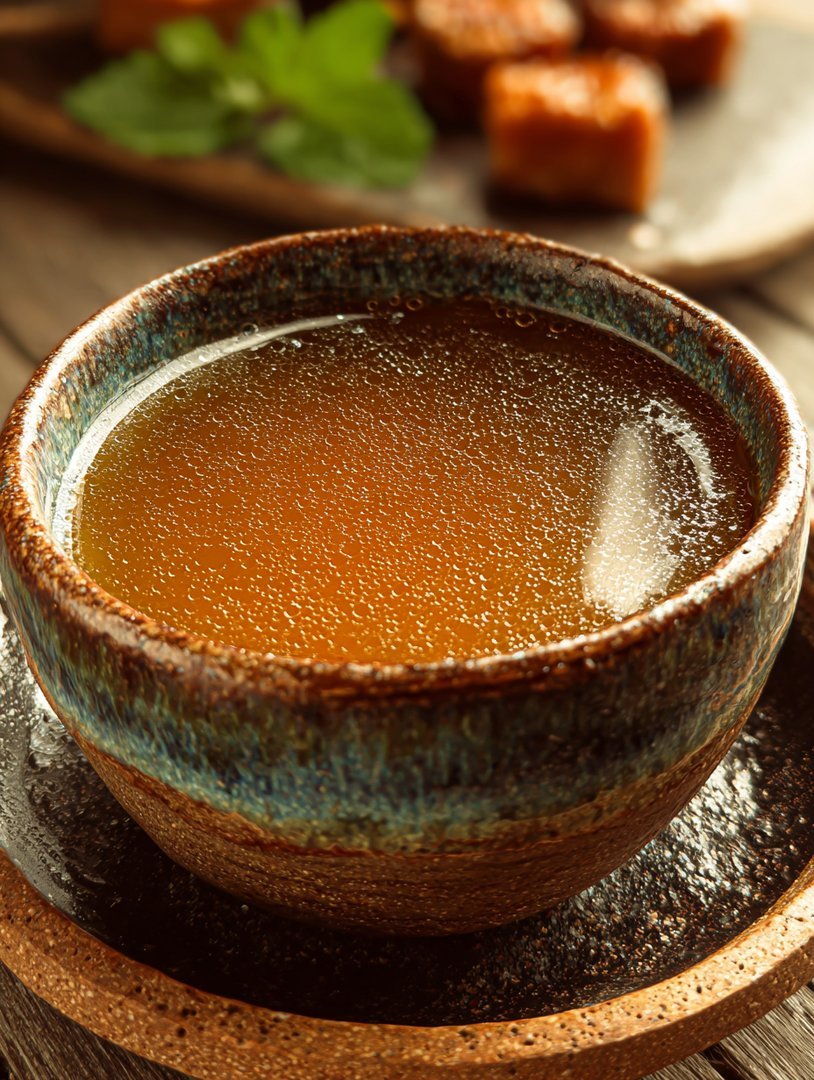
First, aggressively sauté the aromatics until caramelized to deepen the flavor base, then introduce the stock immediately. Simmer the mixture for at least one hour, maintaining a low, gentle heat to fully extract the complex compounds before seasoning the finished liquid.
Expert Tips for the Ultimate Flavor
One time, my brother-in-law tried to skip the simmering step and just boiled everything quickly. The resulting broth tasted thin and disjointed, proving that patience truly is the most important ingredient in this Thai Broth Recipe.
- Always bruise the lemongrass and galangal extensively before adding them to the pot; this releases their essential oils for maximum aromatic impact.
- Do not add the lime juice or sugar until after the broth is strained; high heat degrades the fresh citrus flavor, leading to a dull finish.
- If you want a clearer broth, do not stir it excessively during the simmering stage, as agitation can break down the solids and cloud the liquid.
My grandmother once told me that the quality of a broth reflects the cook’s intention. I forgot to toast the chilies once, and she knew instantly, claiming the lack of smokiness signaled distraction. Ever since, I focus purely on the aromas during the initial sauté.
Add Your Touch
Swap the sugar for a tiny splash of apple cider vinegar to add acidic complexity if you prefer less sweetness. You can infuse the broth with dried shiitake mushrooms for added umami, or include thinly sliced chicken breast during the last 15 minutes of simmering for extra protein.
Serving Suggestions and Pairings
This aromatic broth is incredibly versatile. While spectacular on its own, it truly shines when paired with simple additions. For a comforting meal, ladle the hot broth over rice noodles, shredded turkey, and maybe some baby bok choy. A squeeze of fresh lime over the finished bowl is highly recommended.
If you are looking for an appetizer, serve the broth hot in small ceramic cups, garnished only with a chiffonade of basil and a drizzle of chili oil. This focuses the experience entirely on the depth of the Thai Broth Recipe itself. For a vegetarian option, use vegetable stock and add cubes of firm tofu that have been lightly pan-fried for textural contrast.
Storing & Reheating
Cool the finished broth completely before transferring it to airtight containers; it stores well in the refrigerator for up to five days. To reheat, warm it gently on the stovetop until simmering, ensuring the subtle flavors remain perfectly balanced.
Frequently Asked Questions About Crafting Thai Broth
Is it better to use fresh or dried spices for the Thai Broth Recipe?
Fresh is always superior, especially for ingredients like galangal, lemongrass, and lime leaves, as their essential oils and vibrant fragrances are significantly diminished when dried. If you must use dried alternatives, double the quantity to achieve comparable flavor intensity.
Can I freeze this broth for later use?
Absolutely! This broth freezes beautifully. Allow it to cool completely, then portion it into freezer-safe containers, leaving a little headspace as liquid expands when frozen. It will keep well in the freezer for up to three months without losing its distinctive flavor.
What gives Thai broth its signature bright color?
The bright, often golden-yellow color comes primarily from the natural pigments released by the gentle caramelization of the onions and the compounds in the fresh galangal and lemongrass during the long simmer. Sometimes, a tiny dash of turmeric is added for extra vibrancy, although it’s not required in this specific Thai Broth Recipe.
How can I adjust the heat level?
To reduce the heat, simply omit the bird’s eye chilies entirely or replace them with a single, mild jalapeño, removing all the seeds. To increase the heat, slice the chilies lengthwise to expose the seeds, or add a pinch of dried chili flakes during the final seasoning stage.
Why is it important to bruise the lemongrass?
Bruising the lemongrass stalks—usually by hitting them firmly with the back of a knife or a rolling pin—breaks down the tough outer fibers, allowing the oils and fragrant inner layers to release their flavor compounds readily into the hot liquid during simmering. Without bruising, the flavor extraction will be minimal.
Mastering this intense and flavorful Thai Broth Recipe is a cornerstone of Asian cooking. It requires minimal effort but yields maximum reward, transforming basic pantry items into a deeply satisfying, fragrant liquid gold. Go forth, simmer well, and taste the vibrant flavors of Thailand!
The Quest for the Ultimate Comfort
Remember that feeling? The day is cold, the couch is calling, and your soul needs a culinary hug that only intense, savory flavor can provide. Forget overly complicated cooking; we are talking about pure, restorative magic. I stumbled upon this incredible method years ago during a particularly grueling week of moving furniture and battling endless spreadsheets. I desperately needed warmth, flavor, and minimal active effort in the kitchen.
That is how this magnificent aromatic liquid came into my life—a vibrant elixir packed with ginger, lemongrass, and enough chili to make your worries sweat right out of you. This process is not just about making soup stock; it is about creating liquid sunshine, ready to transform plain rice noodles or vegetables into a nourishing, flavorful feast. We will dive into exactly how you can brew this deep, complex base that becomes the secret weapon in all your future Southeast Asian dishes.
Essential Components for the Perfect Thai Broth Recipe
Mastering this delicious Thai broth recipe requires balancing savory, sour, salty, and aromatic components. These ingredients work together to create the complex, layered flavor profile that Thai cuisine is famous for. Do not feel intimidated; most of these items are easily found in any large grocery store or Asian market.
The Aromatic Foundation
Achieving that unmistakable Southeast Asian perfume starts with the holy trinity of aromatics. Do not skimp on bruising your lemongrass and slicing your ginger thick; these actions release the essential oils that give the broth its incredible depth. We need these flavors to fully infuse the water during the long simmer.
- Six stalks of fresh lemongrass (roughly chopped and aggressively bruised)
- One large knob of ginger (about 4 inches, sliced but unpeeled)
- Two whole shallots (peeled and halved)
- Eight kaffir lime leaves (crinkled or torn to release fragrance)
- Two to four red bird’s eye chilies (optional, adjust heat preference)
- One teaspoon of whole white peppercorns
Savory Depth
While the herbs handle the perfume, we need the structure and richness. The base material provides body and essential umami, ensuring the broth feels satisfying rather than watery. We carefully balance the stock using traditional Thai seasonings.
- Two pounds of chicken bones or beef bones (or 4 ounces of dried shiitake mushrooms for plant-based stock)
- Twelve cups of purified water
- Three tablespoons of quality fish sauce (or soy sauce/tamari)
- One tablespoon of brown sugar or coconut sugar
- Two tablespoons of fresh lime juice (added at the end)
Brewing Bliss: Step-by-Step Instructions
Creating this deep flavor requires patience, allowing the ingredients to marry slowly. The magic happens during the simmer, so commit to ignoring the pot for a couple of hours while your kitchen fills with incredible aromas.
Prep Work That Pays Off
Preparation is simple but crucial for flavor extraction. First, roughly chop all your aromatics—we want chunks, not finely diced pieces, since we strain them later. Use the back of a large knife or a rolling pin to aggressively smash the lemongrass stalks. This step breaks the fibrous outer layers and releases those vital oils directly into the liquid.
A secret technique professional chefs use involves lightly charring the shallots and ginger directly over a low gas flame before adding them to the pot. This quick char adds a smoky complexity that noticeably deepens the finished broth’s character, giving it a rich undertone.
The Simmering Secret
Place all your prepped ingredients—aromatics, bones (if using), water, peppercorns, and sugar—into a large stockpot. Bring the mixture just to a boil, then immediately reduce the heat to the lowest possible setting. You are looking for a gentle, slow bubble, not a furious boil. Boiling aggressively results in cloudy broth and muddies the delicate flavors.
Simmering slowly, uncovered, for at least two hours (and up to four) concentrates the flavor beautifully. Skim off any impurities that rise to the surface during the first 30 minutes using a fine spoon. Once the simmering time is complete, strain the entire mixture thoroughly through a fine-mesh sieve, discarding all the solids. Stir in the fish sauce and lime juice right before serving or cooling.
Serving Suggestions and Customization
Now you possess liquid gold! This concentrated flavor bomb is incredibly versatile, extending far beyond the soup bowl. Use this base for noodle soups like classic Tom Kha or Tom Yum, or as the foundational liquid for simmering hearty curry dishes. The broth itself is light yet deeply satisfying.
Alternatively, keep it simple by heating the broth and adding pre-cooked items such as shredded chicken or pan-fried tofu, a handful of fresh spinach, and fresh cilantro. You can efficiently freeze the broth in standard ice cube trays for easy access to single servings, perfect for fortifying stir-fry sauces or cooking rice with added flavor. Remember, the final seasoning happens when you reheat it, so always taste and adjust the lime and fish sauce right before serving time.
Conclusion for Thai Broth Recipe
Mastering this homemade Thai broth recipe means equipping your kitchen with a true culinary powerhouse. We successfully transformed simple, intense aromatics and good quality base materials into a versatile, fragrant elixir that offers deep comfort and intense flavor. Whether you choose to sip it plain when you need a gentle pick-me-up or use it as the foundational flavor for your favorite noodle dish, this liquid sunshine proves that the best meals often require the simplest ingredients and a little patience. Embrace the slow simmer, and enjoy the unparalleled satisfaction of creating your own authentic, deeply nourishing Thai flavor base. (99 words)
Print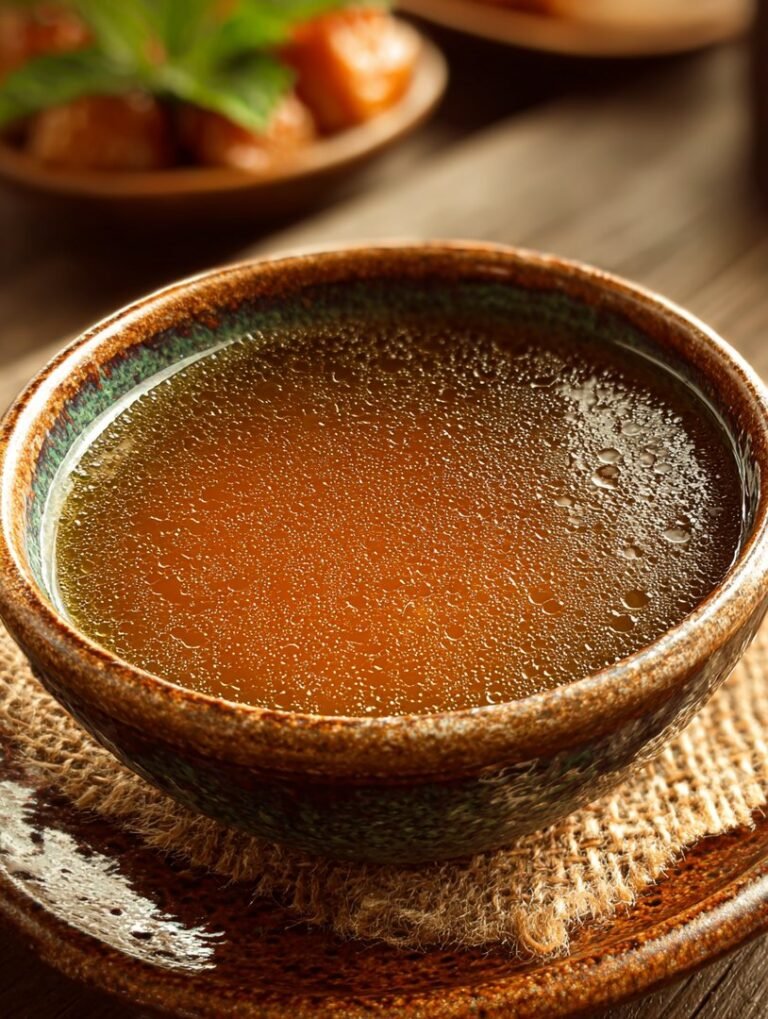
Thai Broth Recipe
Achieve peak Southeast Asian flavor! Bruised lemongrass, fragrant galangal, and kaffir lime leaves slowly infuse a rich stock during a 30-minute simmer. Essential base for Tom Yum or noodle dishes.
- Total Time: 35 minutes
- Yield: 4 servings
Ingredients
- Chicken stock (low sodium): 6 cups
- Lemongrass: 2 stalks, tough outer layers removed and bruised
- Galangal (or fresh ginger): 1 inch piece, sliced thinly
- Kaffir lime leaves: 4 leaves, torn gently
- Fish sauce: 3 tablespoons
- Palm sugar (or light brown sugar): 1 teaspoon
- Fresh lime juice: 2 tablespoons
- Thai chilies (optional for heat): 2 small chilies, left whole
Instructions
- Step 1: Combine the stock, bruised lemongrass, sliced galangal, torn kaffir lime leaves, and whole Thai chilies (if using) into a large heavy-bottomed pot.
- Step 2: Bring the mixture to a rolling boil over high heat, then immediately reduce the heat to the lowest setting. Allow the broth to simmer gently, uncovered, for 25 to 30 minutes to fully infuse the aromatic flavors.
- Step 3: After the simmering time, stir in the fish sauce and the palm sugar until the sugar has completely dissolved. Taste the broth and adjust the seasoning if necessary (add more fish sauce for saltiness).
- Step 4: Carefully strain the broth through a fine-mesh sieve or colander lined with cheesecloth to remove all solid aromatics, ensuring the resulting broth is clear. Discard the strained solids.
- Step 5: Return the clear broth to the pot (or serve immediately) and stir in the fresh lime juice just before use or serving. The broth is now ready as a base for noodles, soup, or curry.
Notes
- Store strained, cooled broth in an airtight container in the refrigerator for up to 5 days, or freeze portions for up to 3 months, saving the fresh lime juice addition until just before serving.
- Reheat the broth gently over low heat, specifically avoiding a rapid boil after the lime juice has been mixed in, which can dull the fresh, bright acidity.
- For a light dinner, serve the hot broth poured over vermicelli noodles and garnish generously with chopped scallions, fresh basil, and a few slivers of red bell pepper.
- To ensure the deepest flavor, make sure to thoroughly bruise the lemongrass stalks and gently tear the kaffir lime leaves to help release their potent aromatic oils during the simmering process.
- Prep Time: 15 minutes
- Cook Time: 20 minutes
- Method: Stovetop
- Cuisine: American
FAQs
Can I make this Thai Broth Recipe vegetarian?
Absolutely! To ensure a robust, vegetarian Thai broth recipe, substitute the animal bones entirely with dried shiitake mushrooms, large chunks of carrots, and celery. Soak the shiitake mushrooms in warm water before adding them to the pot to maximize their incredible umami flavor release. Instead of fish sauce, use high-quality tamari or dark soy sauce to achieve the necessary savory depth and saltiness. The extended simmering time remains crucial to extract maximum flavor from the vegetable and mushroom components, yielding a surprisingly rich broth base for all your favorite Thai dishes. (88 words)
How long does homemade Thai stock last?
Properly stored homemade Thai stock stays fresh in the refrigerator for about five to seven days. Ensure you cool it rapidly before transferring it into an airtight container to prevent bacterial growth and maintain peak flavor. For long-term storage, freezing is the most effective option. Pour the cooled liquid into freezer-safe containers, leaving adequate headspace for expansion; it will maintain its quality and vibrant flavor profile for up to six months. Thaw frozen broth overnight in the refrigerator before reheating gently on the stovetop. (89 words)
What is the difference between this Thai Broth Recipe and Tom Yum?
This base Thai broth recipe is fundamentally a clear, deeply flavored stock designed to be built upon, focusing primarily on extraction from aromatics and bones during a long simmer. Tom Yum, conversely, is a finished soup characterized by its intense sour, spicy, and often slightly creamy profile, usually achieved through added coconut milk, chili paste, and copious amounts of fresh lime juice. You would use this foundational broth, along with added protein and seasonings, as the clean starting point to create a finished Tom Yum soup or any other highly flavored Thai dish. (99 words)
What if I cannot find kaffir lime leaves for the recipe?
Kaffir lime leaves are challenging to replace due to their specific, sharp perfume, but you can achieve a similar bright, citrusy note using a decent alternative. Try combining the zest from one regular lime and the zest from half a lemon to mimic some of the citrus complexity. Alternatively, incorporate a large strip of fresh lime peel, ensuring you strictly avoid the bitter white pith, during the simmering phase. Remember to always remove the peel before straining the broth to prevent any lingering bitterness from overpowering the delicate flavors in the finished liquid. (95 words)






Leave a Comment