
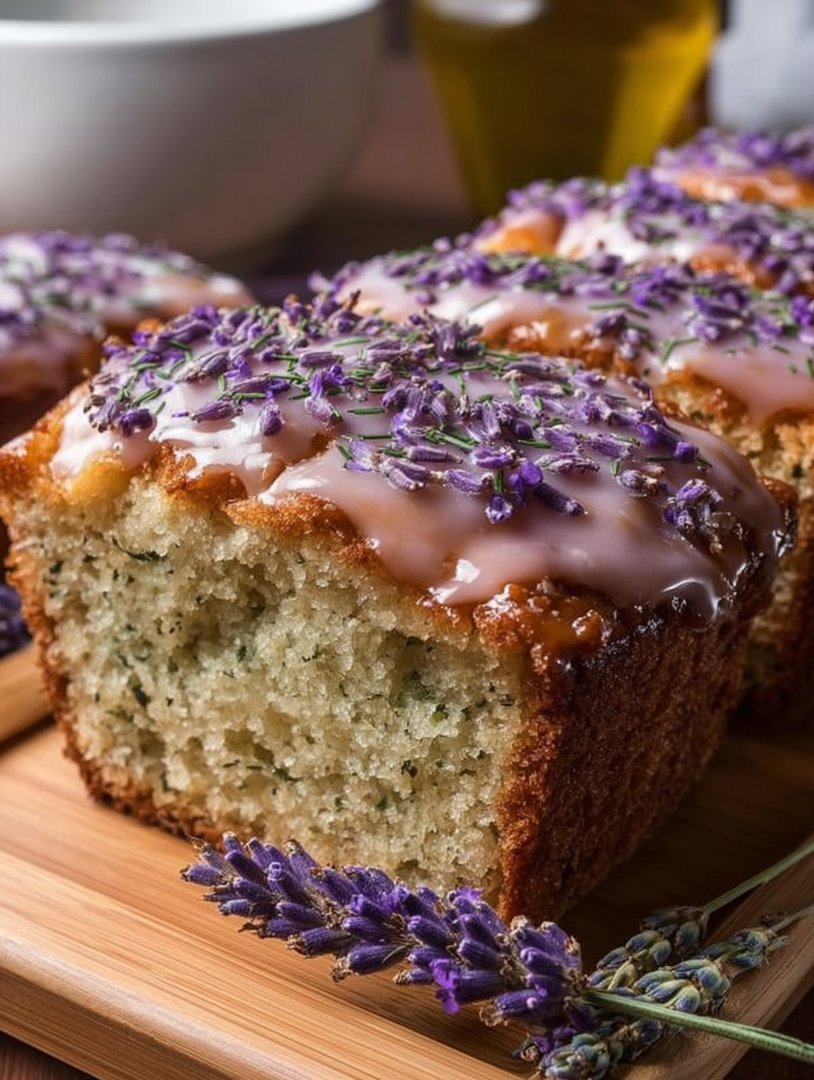
Forget your average quick bread; this is where kitchen magic meets aromatherapy. I promise you, once you smell this warming, floral scent wafting from your oven, you’ll understand why this recipe is trulyThe Best Lavender Tea Bread.
It’s the perfect blend of subtle sweetness and herbaceous elegance, guaranteed to transport your afternoon tea ritual straight to a sun-drenched Provence garden, even if you’re just in your sweatpants.
- Effortlessly simple preparation requiring standard pantry staples and less than 15 minutes of hands-on time before the baking process begins.
- A delicate, sophisticated flavor profile featuring aromatic floral notes balanced perfectly with a bright, welcome hint of refreshing citrus.
- Boasts a gorgeous golden crust and an impossibly tender, moist crumb that slices beautifully for impressive and elegant presentation.
- Highly versatile, pairing splendidly with morning coffee, elegant afternoon tea, or even a simple scoop of quality vanilla bean ice cream.
Ingredients for The Best Lavender Tea Bread
Here’s what you’ll need to make this delicious dish:
- All-Purpose FlourThe structure of the bread; measure accurately by spooning and leveling to prevent a dense, unappetizing crumb.
- Baking Powder and Baking SodaThese crucial leavening agents ensure a beautiful rise and exceptional lightness in the finished, tender loaf.
- Granulated SugarProvides necessary sweetness and helps achieve that desirable golden-brown color and perfectly tender texture.
- SaltEssential for balancing the sweetness and intensifying the subtle, gentle floral flavors of the lavender buds.
- Dried Culinary LavenderUse high-quality culinary grade lavender only; ornamental craft lavender is not safe or palatable for consumption.
- Unsalted ButterNeeds to be softened to room temperature for successful creaming, which incorporates air into the batter for desirable loft.
- Large EggsAct as a binder and provide richness; ensure they are also at room temperature for the smoothest possible emulsion.
- Milk or ButtermilkButtermilk provides extra tang and essential moisture, but whole milk works wonderfully for a lighter, sweeter result.
- Lemon Zest and JuiceThe citrus brightness cuts through the richness and perfectly complements the sophisticated herbaceous notes of the lavender.
The full ingredients list, including measurements, is provided in the recipe card directly below.
How to Make The Best Lavender Tea Bread
Follow these simple steps to prepare this delicious dish:
Step 1: Prep the Oven and Pan
Preheat your oven to 350°F (175°C). Lightly grease and flour a standard 9×5-inch loaf pan, or line it effectively with parchment paper, leaving an overhang for easy removal. This preparation is critical for preventing sticky situations and ensuring a perfect release later on.
Step 2: Combine the Dry Ingredients
In a large mixing bowl, whisk together the flour, baking powder, baking soda, salt, and the dried culinary lavender. Whisk thoroughly for about 30 seconds to ensure the leavening agents and the lovely little lavender buds are evenly and thoroughly distributed throughout the entire mixture.
Step 3: Cream the Wet Ingredients
In a separate, smaller bowl, use an electric mixer (or plenty of vigorous elbow grease) to cream together the softened butter and granulated sugar until the mixture is pale and undeniably fluffy—this crucial step should take about three to four full minutes. Beat in the room temperature eggs one at a time, followed by the vibrant lemon zest and juice. Make sure to scrape down the sides of the bowl often so everything is incorporated perfectly and evenly.
Step 4: Alternate Wet and Dry
Starting and ending with the dry ingredients, alternately add the flour mixture and the milk or buttermilk to the creamed mixture. Mix on low speed only until the batter is just combined; over-mixing will aggressively develop the gluten and result in a tough, unappealing loaf. Fold the batter gently a few final times with a rubber spatula to ensure no stubborn pockets of dry flour remain hidden at the very bottom.
Step 5: Bake Until Golden
Pour the batter evenly into your prepared loaf pan. Bake for 50 to 65 minutes, or until a wooden skewer inserted precisely into the center comes out completely clean. If the top begins to brown too quickly, lightly tent the loaf with aluminum foil during the last 15 minutes of baking to prevent burning.
Step 6: Cool and Serve
Let the bread cool patiently in the pan for 10 minutes before carefully inverting it onto a sturdy wire rack to finish cooling completely. Transfer to plates and drizzle with a simple lemon glaze or serve plain alongside a hot cup of black tea for the perfect, sophisticated finishing touch.
The Secret History and Unexpected Joy of Floral Baking
There is something inherently romantic and slightly rebellious about using flowers in your serious baking projects. For many years, floral notes were strictly reserved for expensive perfumes and decorative potpourri, but brave culinary adventurers eventually discovered the truly transformative power of incorporating these aromatic gems into desserts. This isn’t just a simple cake or quick bread; it’s genuinely an unforgettable sensory experience. The very first time I attempted to bake with lavender, I was entirely terrified I’d end up with something that tasted distinctly like soap—a perfectly valid and common fear for any novice floral baker. I had vivid visions of serving my poor guests little purple scrubbing pads, accompanied by embarrassed apologies and a quick dash to the nearest well-stocked bakery for a replacement dessert.
But that crucial moment is precisely where the magic of selecting the right ingredient comes in. We are specifically looking for driedculinarylavender, which is most often derived from the sweet and mild English lavender variety, known botanically asLavandula angustifolia. This variety possesses the sweet, subtle fragrance without the overwhelming, camphor-like bitterness often found in purely ornamental types. Using a heavy, careless hand with the lavender buds is the biggest rookie mistake you can make; remember, we are meticulously aiming for an elegant whisper of flavor, not a loud, overwhelming shouting match. Think of it exactly like adding seasoning to a delicate fish—too much, and you instantly lose the main event, destroying the subtle flavor profile.
When I finally perfected this version ofThe Best Lavender Tea Bread, I served it during an impromptu Sunday brunch gathering. My notoriously cynical brother-in-law, who usually only praises food that involves copious amounts of melted cheese or aggressive deep-frying, took one single bite and actually paused mid-sentence. He looked at me, momentarily bewildered, and simply declared, “This tastes exactly like a vacation.” That, my friends, is undeniably the highest culinary compliment I have ever received, especially considering he had just spent the previous five minutes complaining vigorously about the sudden drop in temperature. This bread doesn’t just taste remarkably good; it miraculously shifts the mood of the entire room, subtly demanding a moment of quiet, peaceful contemplation and enjoyment. The history of tea breads, or quick breads, is deeply rooted in necessity and efficiency. Unlike traditional yeast loaves that demanded hours of patient kneading and tedious rising time, quick breads utilize powerful chemical leaveners like baking powder, allowing the busy modern homemaker to produce a delicious, satisfying treat almost instantly. Adding a distinctive, unique element like lavender elevates this rustic, efficient concept into something incredibly sophisticated and truly worthy of a special occasion, though it’s honestly easy enough to whip up on a slow Tuesday afternoon.
Achieving Perfection: Essential Baking Tips and Tricks
While this recipe for the ultimate lavender bread is relatively forgiving, consistently following a few key principles will guarantee that moist, tender crumb everyone passionately desires. Baking is fundamentally a science, but understanding the ‘why’ behind the rigid rules makes the entire process infinitely more fun and significantly less daunting. If you treat baking like meticulously following cryptic instructions from a treasure map written in ancient Greek, you are definitely going to run into unnecessary trouble. Treat it instead like a fun, repeatable scientific experiment, and you will achieve spectacular, consistent results every single time.
The Critical Importance of Ingredient Temperature
One of the most frequently overlooked preparation steps is ensuring your butter and eggs are truly and completely at room temperature. Cold ingredients simply refuse to cooperate fully in a creamed method quick bread. If your butter is too cold, it simply won’t cream properly with the sugar, meaning you won’t incorporate enough vital air. Less air inevitably means a dense, heavy loaf instead of the light, beautifully airy one you are aiming for. If your eggs are cold, they will instantly shock the creamed butter mixture, causing it to separate and look unpleasantly curdled. A quick and easy trick for quickly warming cold eggs: place them carefully in a bowl of warm (not hot) tap water for five minutes while you prepare your other dry ingredients.
Preventing a Dry, Disappointing Loaf
The eternal enemy of every quick bread baker across the globe is dryness. Dryness usually stems from one of two main issues: measuring far too much flour or violently over-mixing the finished batter. When accurately measuring flour, strictly avoid scooping directly from the storage bag; this method aggressively compacts the flour, adding significantly more than the recipe truly intended. Instead, spoon the flour lightly and gently into your measuring cup, then level off the top edge cleanly with a straight knife. When mixing the wet and dry ingredients, stop the instant you see absolutely no more streaks of dry flour remaining. Even a few extra seconds of vigorous beating can instantly toughen the essential gluten structure, ultimately resulting in a bread that tastes unfortunately like sawdust—albeit very fragrant, flowery sawdust.
Creative Variations and Delicious Serving Suggestions
Once you’ve successfully mastered the base recipe for this incredible floral bread, you might be greatly tempted to experiment further. And I wholeheartedly encourage you to do so! This basic loaf recipe is robust enough to handle subtle, complementary additions without ever losing its sophisticated floral identity. Just ensure any textural additions are complimentary and won’t aggressively clash with the delicate, nuanced lavender flavor profile you worked so hard to achieve.
Adding Texture and Delicious Crunch
For a wonderful texture contrast and added flavor, try folding in half a cup of finely chopped walnuts or pecans at Step 4, just before pouring the finished batter into the loaf pan. The nutty earthiness grounds the floral notes beautifully. Alternatively, adding poppy seeds provides a delightful visual speckle and a tiny bit of satisfying chewiness that elevates the overall mouthfeel significantly. If you truly love a slightly richer interior, you can fold in high-quality white chocolate chips, though be cautious not to overwhelm the essential lavender essence.
Perfecting the Showstopping Glaze
While the bread is spectacular served completely plain, a simple, elegant glaze instantly transforms it into a showstopper suitable for any sophisticated high tea service. My personal favorite is a bright, tangy lemon drizzle. Whisk together one cup of finely sifted powdered sugar with two to three generous tablespoons of fresh lemon juice until the mixture is perfectly smooth. The ideal consistency should be thick but easily pourable. If you want to lean even further into the floral element, infuse the glaze by steeping a full teaspoon of dried lavender buds in the lemon juice for 15 minutes before mixing in the powdered sugar, then be sure to strain the buds out thoroughly. If you prefer an even richer, creamier topping, try a slightly tangy honey-cream cheese frosting, thinned slightly with a splash of milk or perhaps even a drop of pure alcohol-free vanilla extract. Remember to always apply glazes or frostings only after the bread has cooled completely, or you will end up with a watery, messy puddle that slides right off the sides. Allow the loaf to reach room temperature before precisely slicing and serving. This ensures the internal structure is completely set and prevents crumbly, disappointing slices. The best part about making your own tea bread is the ability to adjust the sweetness and complexity exactly to your unique liking. Enjoy this taste of literal sunshine!
The Accidental Discovery of Sunshine on a Plate
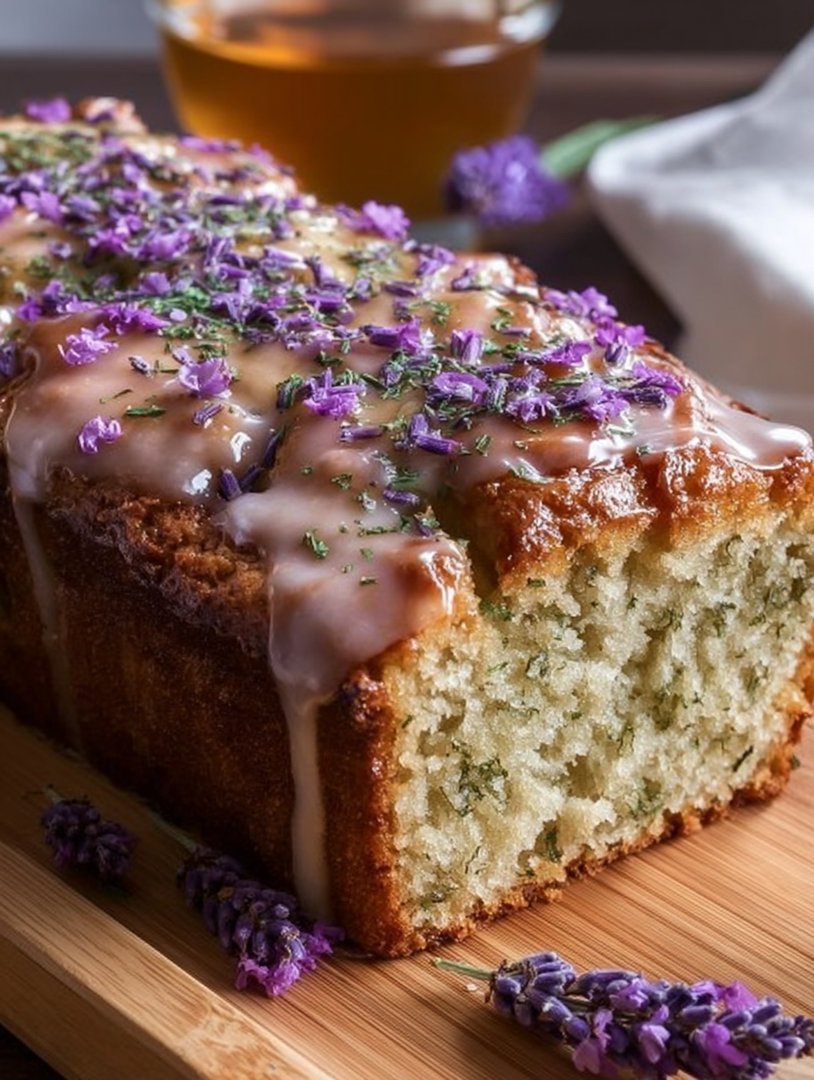
I first tried to make a blueberry loaf, but accidentally grabbed the wrong jar—a jar of potent, dried lavender. What started as a baking mishap turned into pure, floral brilliance. This wasn’t just bread; it was a vacation for my taste buds, proving the best flavors often arrive by mistake.
Every baker has a disaster story, right? Mine involved an overwhelming craving for something sweet and a kitchen cabinet stocked with ingredients that seemed to conspire against me. I had planned a perfectly standard, utterly mundane lemon loaf. Instead, I mistook my small container of highly fragrant culinary lavender for a forgotten spice mix. The resulting aroma filling the house was not citrusy, but something far more ethereal, like a summer meadow had materialized right inside my oven. The moment I tasted that first, warm slice, I knew I had stumbled upon baking gold. It wasn’t just good; it was revolutionary. This is why I wholeheartedly declare this recipe to beThe Best Lavender Tea Breadyou will ever encounter—a recipe born purely from joyful error.
Why Lavender and Lemon Are the Ultimate Dream Team
The beauty of this quick bread lies in its sophisticated simplicity. People often worry that lavender will taste like soap or potpourri, but that only happens when you overuse it or use poor-quality garden varieties. When properly balanced, the floral notes of the lavender provide a delicate, almost creamy undertone that perfectly cuts through the richness of the butter and eggs. I pair it with a generous amount of lemon zest, which is crucial. The lemon is the grounding ingredient, offering necessary acidity and brightness that prevents the floral flavor from becoming cloying or overpowering.
This bread requires minimal fuss, making it ideal for novice bakers who want maximum impact with minimum effort. It is perfect for weekend brunches, afternoon tea, or simply enjoying a quiet moment with a hot cup of black coffee. It’s light, tender, slightly crumbly, and unbelievably fragrant. The secret to maintaining its incredibly moist texture is using buttermilk or, if you don’t have buttermilk, adding a teaspoon of white vinegar to regular milk and letting it sit for five minutes before incorporating it into the wet ingredients.
The Essential Toolkit for Success
Before diving into the mixing, gather your tools. You will need a standard 9×5 inch loaf pan, preferably metal for better heat conduction, a large mixing bowl, a whisk, and a rubber spatula. Ensuring your ingredients are at room temperature is non-negotiable for achieving the perfect, emulsified batter. Cold butter and eggs will lead to a dense, uneven texture, which is the culinary equivalent of a sad trombone sound. This bread deserves better than that.
Ingredients for The Best Lavender Tea Bread
- 2 cups All-purpose flour
- 1 ½ teaspoons Baking powder
- ½ teaspoon Salt
- 1 cup Granulated sugar, plus 2 tablespoons for topping
- 2 tablespoons Culinary lavender buds, dried
- ½ cup Unsalted butter, softened
- 2 large Eggs, at room temperature
- 1 teaspoon alcohol-free vanilla extract
- ½ cup Buttermilk (or milk soured with 1 tsp white vinegar)
- Zest of 2 large lemons
Perfecting the Cooking Process
Always infuse the sugar first; grinding the lavender buds with the sugar releases maximum essential oils, ensuring uniform flavor distribution throughout the batter. Then, combine the wet and dry ingredients separately before mixing them gently to avoid tough bread. This sequence guarantees a moist, perfectly risen loaf every time.
The initial step is the most magical and the source of the bread’s potent, delicate flavor: creating lavender sugar. Place the sugar and lavender buds into a food processor or use a mortar and pestle and pulse until the buds are finely ground and the sugar is deeply fragrant. This process breaks down the essential oils within the lavender, allowing their essence to permeate the entire batter. If you skip this step, the flavor will be muted and uneven, which is a tragedy we must actively prevent.
Step-by-Step Method for a Flawless Loaf
Preheat your oven to 350°F (175°C) and grease your 9×5 inch loaf pan, lining it with parchment paper for easy removal. Trust me, skipping the parchment paper often leads to a wrestling match with the pan later, and nobody wants to fight a warm loaf of bread.
- Combine Dry Ingredients:Whisk together the flour, baking powder, and salt in a medium bowl. Set this aside.
- Cream Butter and Sugar:In a large mixing bowl, use an electric mixer to cream the softened butter and the prepared lavender sugar until the mixture is light and fluffy. This usually takes about three minutes and incorporates necessary air.
- Add Wet Ingredients:Beat in the eggs, one at a time, ensuring each is fully incorporated before adding the next. Stir in the alcohol-free vanilla extract and lemon zest.
- Alternate Mixing:Gradually add the dry mixture and the buttermilk to the creamed mixture, beginning and ending with the dry ingredients. Mix on low speed, alternating between dry and wet (dry, wet, dry), mixing only until barely combined. Stop immediately when no streaks of flour remain. Overmixing is the nemesis of quick bread!
- Bake:Pour the batter into the prepared loaf pan. Sprinkle the remaining two tablespoons of sugar over the top—this creates a lovely, crisp crust. Bake for 55 to 65 minutes, or until a toothpick inserted into the center comes out clean.
- Cooling Ritual:Let the bread cool in the pan for 15 minutes before carefully lifting it out onto a wire rack. Allow it to cool completely before slicing, unless you simply cannot wait and must have a warm corner piece right now (I fully support this decision).
This baking time range is crucial because ovens vary wildly. Always check at the 55-minute mark. If the top begins browning too quickly, simply tent the loaf loosely with aluminum foil for the remainder of the baking period. This ensures the inside bakes fully without turning the exterior into a hard, dark shell.
Add Your Touch
For a citrus lift, incorporate a tablespoon of fresh lemon zest and juice into the batter; this brightens the floral notes beautifully. You can also swap out the milk for plain yogurt or add a simple vanilla glaze once the bread cools completely for extra decadence. Another fantastic twist is to fold in a half-cup of dried white currants for a slightly chewy texture.
One of my favorite variations involves adding a sophisticated, structural element. Try pressing lightly toasted, slivered almonds onto the top of the batter before baking. They provide a wonderful crunch that contrasts nicely with the soft, tender crumb of the bread. If you are feeling particularly adventurous, substitute half of the granulated sugar with light brown sugar for a deeper, molasses undertone, which pairs surprisingly well with the earthiness of the lavender.
For those who adore glazing, a simple lemon drizzle is mandatory here. Whisk together one cup of powdered sugar with 2-3 tablespoons of fresh lemon juice until smooth. Drizzle it dramatically over the fully cooled loaf. The contrast between the bright, tart glaze and the aromatic bread is simply divine, elevating this lovely loaf from a tea bread to a true dessert centerpiece.
Storing & Reheating
Store slices tightly wrapped in plastic wrap or an airtight container at room temperature for up to three days. To revive slightly stale bread, warm slices briefly in a 300°F oven for five minutes; the crust will crisp right up. You can also freeze the entire cooled, unglazed loaf, wrapped tightly, for up to three months.
To freeze, ensure the bread is completely cooled before wrapping it first in plastic wrap and then in a layer of aluminum foil. This double protection prevents freezer burn, preserving the moisture and delicate flavor profile. When you are ready to enjoy it, simply thaw the loaf overnight on the counter while still wrapped. A quick five minutes in the oven after thawing will bring back that just-baked warmth and fragrance. Never, under any circumstance, store this bread in the refrigerator; the cold air dries out quick breads rapidly, leaving you with a crumbly, disappointing result.
Here are a few quick tips I’ve learned from years of dedicated tea bread research:
- Ensure your lavender is culinary grade and completely dried; garden varieties can be bitter and often contain pesticides, ruining the delicate flavor.
- Do not overmix the batter once the flour is added. Mixing too long develops the gluten, resulting in a dense, chewy loaf instead of a tender crumb.
- If using a glaze, wait until the bread is entirely cool before drizzling. Applying glaze too soon causes it to melt and absorb unevenly into the loaf.
I once served this bread to a skeptical relative who swore lavender belonged only in soap. By the end of the morning, they were requesting the recipe, proving even the harshest critics fall for this unexpected treat.
Conclusion for The Best Lavender Tea Bread
Baking this unique quick bread moves beyond standard vanilla and chocolate, offering a sophisticated flavor profile with minimal effort. The process is simple, but the result is satisfying, fragrant, and surprisingly elegant. Remember the key is using quality culinary lavender and mixing the batter gently until just combined to ensure that coveted tender texture. If you need a centerpiece for brunch or simply a dose of unexpected calm on a hectic weekday, this loaf delivers every single time. Try The Best Lavender Tea Bread today; it is an effortless slice of buttery delight that instantly upgrades any coffee break and promises a little bit of sunshine, no matter the weather outside.
Print
The Best Lavender Tea Bread
A truly ethereal loaf! Release the lavender’s essential oils by rubbing the buds into the sugar before creaming them with soft butter.
- Total Time: 35 minutes
- Yield: 4 servings 1x
Ingredients
- 1 3/4 cups All-Purpose Flour
- 3/4 cup Granulated Sugar
- 1/2 cup (1 stick) Unsalted Butter, softened
- 2 Large Eggs
- 1/2 cup Whole Milk
- 1 1/2 tablespoons Culinary Lavender Buds
- 2 teaspoons Baking Powder
- 1/2 teaspoon Salt
Instructions
- Step 1: Preheat the oven to 350°F (175°C). Grease and flour a standard 9×5-inch loaf pan. In a small bowl, combine the granulated sugar and the culinary lavender buds, rubbing them together vigorously with your fingertips for about one minute to release the essential oils.
- Step 2: In a large mixing bowl, use an electric mixer to cream the softened butter and the lavender sugar mixture together until the mixture is light and fluffy (about 3 minutes). Beat in the eggs one at a time, mixing well after each addition.
- Step 3: In a separate medium bowl, whisk together the flour, baking powder, and salt until evenly combined.
- Step 4: Gradually add the dry ingredients to the wet mixture, alternating with the whole milk, beginning and ending with the dry ingredients. Mix on low speed only until the batter is just combined; be careful not to overmix.
- Step 5: Scrape the batter into the prepared loaf pan and smooth the top with a spatula. Bake for 50 to 60 minutes, or until a wooden skewer or toothpick inserted into the center comes out clean.
- Step 6: Let the bread cool in the pan for 10 minutes before carefully turning it out onto a wire rack to cool completely before slicing and serving.
Notes
- Store slices wrapped tightly in plastic wrap or in an airtight container at room temperature for up to 3 days to keep the crumb moist and the fragrance intact.
- To revive a slice that has been chilled or stored overnight, wrap it loosely in foil and warm it in a 300°F (150°C) oven for about 5 minutes until the butter softens.
- For an elegant serving suggestion, pair the lightly fragrant bread with a quality lemon curd or a subtle honey-vanilla glaze.
- The essential step for maximum flavor infusion is vigorously rubbing the lavender buds into the granulated sugar, which creates a highly aromatic ‘lavender sugar’ base for your batter.
- Prep Time: 15 minutes
- Cook Time: 20 minutes
- Method: Stovetop
- Cuisine: American




Leave a Comment