

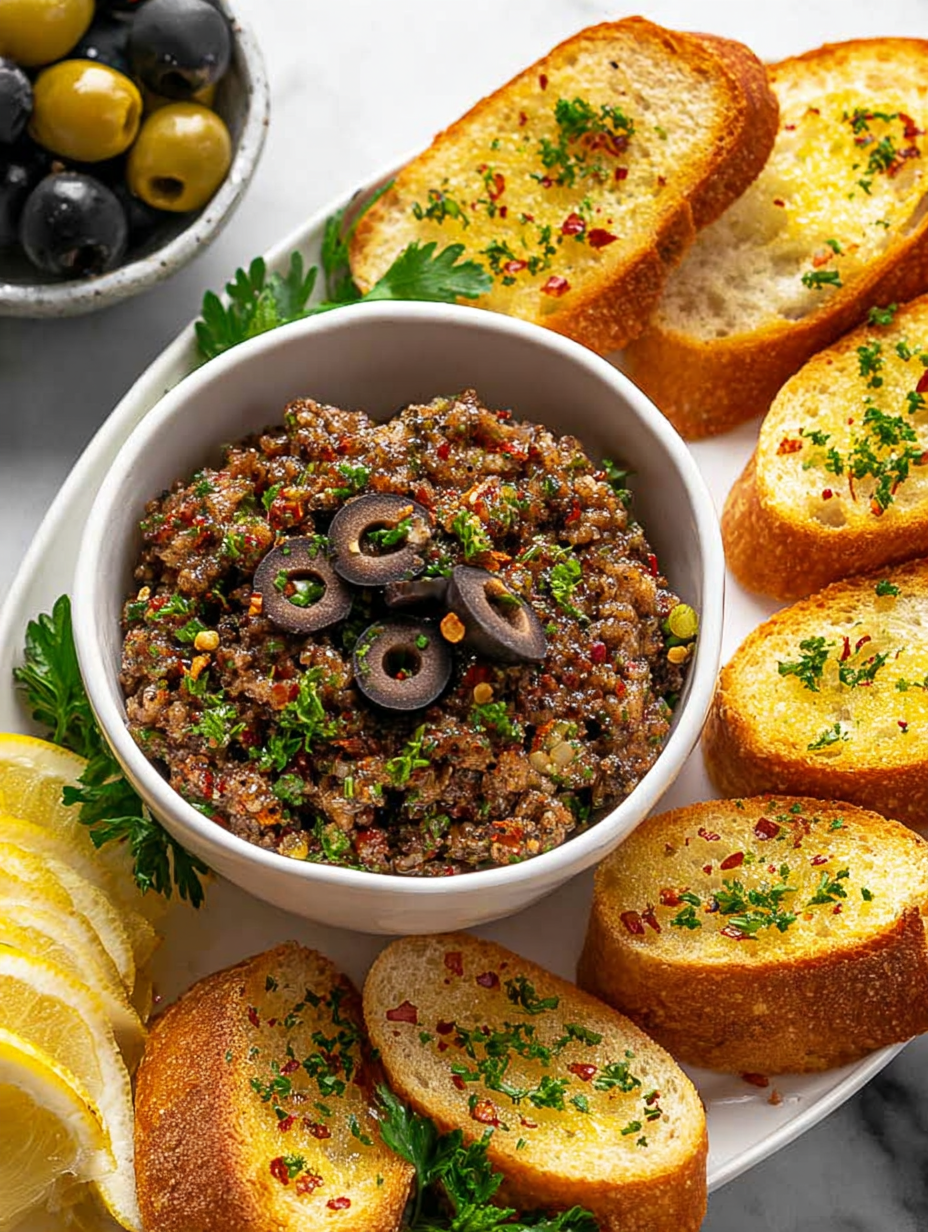
Forget everything you thought you knew about appetizers that taste suspiciously like sad, salty mush. Imagine the intense, satisfying burst of Kalamata and green olives perfectly emulsified with vibrant citrus and aromatic herbs. This stellarVegan Olive Tapenaderecipe is not just a dip; it is a full-blown Mediterranean flavor vacation.
I once served a batch so dull, my guests used it as an emergency brake on their rolling baguette slices. That disaster taught me the importance of balance, leading me to finally perfect this intensely flavorful, oil-rich, and incredibly simple olive spread that instantly elevates any gathering.
- Effortlessly prepare this luxurious spread in under ten minutes using just a simple food processor or high-powered immersion blender setup.
- Experience the complex depth of Kalamata olives balanced perfectly with bright lemon zest, high-quality olive oil, and fresh aromatic herbs.
- The rich, deep purple-green hue provides a stunning, rustic presentation perfect for any gathering, afternoon snack, or elegant dinner party setup.
- Serve it gorgeously slathered on crusty bread, alongside roasted vegetables, or as an unexpected savory base for pasta or flatbreads.
The Day I Became the Olive Whisperer
My first attempt at making tapenade was, to put it mildly, an utter catastrophe. I thought, “How hard can it be? Just mash olives.” What I ended up with looked like gravelly swamp mud and tasted profoundly of disappointment. The texture was gritty, the flavor flatlined somewhere around ‘salt,’ and worst of all, it lacked the necessary acidity and depth to truly sing.
The culinary journey from swamp mud to stellar appetizer required rigorous testing, involving numerous bowls of bruised, rejected olives and a lot of very patient friends who became my taste testers. We learned that making a great olive tapenade is less about mashing and more about marrying the powerful saltiness of the olives with brilliant acidity and savory background notes. We needed something that felt authentic and rich, but remained completely plant-based.
Why Achieving the Perfect Consistency Matters
Many recipes tell you to blitz everything until it turns into baby food. Do not do this. The magic of a good olive spread is in the texture; you want some resistance, a little chew, and a rustic unevenness that reminds you this was made by human hands, not a factory machine. This texture provides a better mouthfeel and ensures the spread doesn’t slide right off your cracker and into your lap.
We solve the texture challenge by pulsing the ingredients rather than running the processor continuously. We also incorporate toasted nuts, which not only add a beautiful buttery richness but also provide structural integrity, preventing the tapenade from separating into oily and dry layers. This method yields a robust, spreadable, and addictive dip that maintains its integrity for days in the refrigerator. Honestly, if you hide it behind the container of forgotten leftovers, it might even last a week.
Ingredients for Vegan Olive Tapenade
Here’s what you’ll need to make this delicious dish:
- Kalamata OlivesUse pitted olives of the highest quality available; they provide the essential fruity, rich flavor and deep purple color base.
- Green OlivesSelect mild, brine-cured green olives, such as Manzanilla, to balance the intensity of the Kalamatas with a slightly sharper, lighter flavor note.
- CapersThese tiny, pickled flower buds are essential for adding a concentrated punch of briny, salty complexity and textural variation to the mixture.
- Fresh ParsleyUtilize flat-leaf Italian parsley, including the tender stems, for a necessary fresh green note and a beautiful contrast to the deep olive flavors.
- Garlic ClovesUse one or two small cloves; raw garlic adds a potent savory heat that must be monitored closely to avoid overpowering the delicate olive profile.
- Lemon Zest and JuiceThe acidity of the fresh lemon is non-negotiable, cutting through the richness of the oil and salt to brighten the entire flavor profile.
- Extra Virgin Olive OilA high-quality oil is critical here, as it forms the base of the spread and emulsifies the ingredients into a smooth, luxurious texture.
- Almonds or WalnutsLightly toasted almonds or walnuts add a delightful subtle crunch and creamy background richness, thickening the spread beautifully.
- Dried Oregano and ThymeJust a pinch of these dried Mediterranean herbs enhances the overall aroma and adds a warm, earthy layer of flavor depth.
The full ingredients list, including measurements, is provided in the recipe card directly below.
How to Make Vegan Olive Tapenade
Follow these simple steps to prepare this delicious dish:
Step 1: Prep the Processor Base
Gather all of your ingredients and place the toasted almonds or walnuts into the bowl of a food processor fitted with the standard blade. Pulse the nuts about 4-5 times until they are coarsely chopped, creating a rustic base layer for the tapenade texture. This ensures that you don’t end up with pure olive paste.
Step 2: Add Dry Ingredients and Pulse
Now, add the Kalamata olives, green olives, capers, garlic cloves, fresh parsley, dried oregano, and thyme into the processor bowl. Pulse the mixture in short bursts—about 10 to 15 pulses total—scraping down the sides of the bowl between every few pulses. You are aiming for a coarse, chunky paste, not a smooth puree; retain visible pieces of olive.
Step 3: Incorporate Acidity and Oil
Add the fresh lemon juice and lemon zest to the chunky olive mixture. With the food processor running on low speed, slowly stream the extra virgin olive oil through the feeder tube until the tapenade achieves a thick, spreadable consistency. Do not add too much oil too quickly, as this can make the spread oily rather than emulsified.
Step 4: Season and Rest
Stop the processor and taste the tapenade. Due to the high sodium content of the olives and capers, you likely won’t need much, if any, additional salt. Adjust seasoning with a tiny dash of black pepper or perhaps another squeeze of lemon juice if it needs more brightness. Transfer the finishedVegan Olive Tapenadeto an airtight container.
Step 5: Chill for Maximum Flavor
For the best flavor outcome, cover the tapenade and refrigerate it for at least 30 minutes before serving. This resting time allows the garlic, herbs, and lemon to truly meld into the olive base, deepening the overall flavor complexity. Serving the tapenade slightly chilled also enhances the textural integrity.
Transfer to a rustic bowl and serve alongside warm, grilled sourdough or crunchy vegetable sticks for the perfect finishing touch.
Serving Suggestions That Don’t Involve Bread
While tapenade and crusty bread are a classic pairing, limiting this luxurious spread to just one vessel is a culinary crime. The intensity of this olive preparation makes it incredibly versatile, working beautifully in both hot and cold applications. Think outside the baguette!
Harnessing the Power of Tapenade
Use this incredible spread to elevate simple meals into gourmet experiences. Spread a thin layer beneath the cheese on a grilled sandwich for an unexpected layer of savory depth. Alternatively, mix a tablespoon or two into plain cooked quinoa or couscous along with some diced cherry tomatoes to create a quick, satisfying Mediterranean side salad. It completely transforms plain starches.
For a beautiful presentation, use the tapenade as a sophisticated base layer on a grazing board, providing a vibrant, dark anchor among brighter elements like hummus and roasted peppers. It pairs exceptionally well with roasted chicken or baked white fish, used as a marinade or a simple dollop served right on top.
Tapenade in Cooking
Do not underestimate its power as a cooking ingredient. If you need a quick, intensely savory pasta sauce, simply thin out a few generous spoonfuls ofVegan Olive Tapenadewith warm vegetable broth and toss it through freshly cooked spaghetti. You achieve deep flavor in minutes without requiring hours of simmering. You can also mix it into mashed potatoes for a vibrant, savory twist, or use it as a filling for stuffed mushrooms before baking them until tender.
If you’re hosting a party, try swirling a spoonful into vegan mayonnaise to create a unique dipping sauce for crispy sweet potato fries or raw veggie crudités. The possibilities are truly endless once you recognize the incredible foundational flavor that good tapenade provides.
Frequently Asked Questions About Olive Tapenade
Navigating new recipes often brings up questions, especially when dealing with intense flavors like olives. Here are some of the most common inquiries:
How long does homemade tapenade last?
Stored properly in an airtight container in the refrigerator, homemade tapenade remains fresh and delicious for about five to seven days. Ensure you use very fresh ingredients and keep it well-covered to prevent drying out and preserve the vibrant flavor.
Can I freeze tapenade?
Yes, you can absolutely freeze tapenade! Transfer it to a freezer-safe container, leaving about half an inch of headspace, and freeze it for up to three months. Thaw it slowly in the refrigerator overnight. Be aware that the texture may be slightly softer once thawed, so stir it vigorously before serving.
What kind of olives are best for this recipe?
A mix is best. Using only Kalamatas can sometimes result in a flavor that is too winey and strong. Combining Kalamatas with milder green olives ensures a more balanced, complex flavor profile that appeals to a wider range of tastes. Always choose pitted olives to save yourself a very messy prep time.
How do I fix tapenade that is too salty?
If you find your tapenade overly salty, do not panic. The easiest fix is to add volume and acidity. Incorporate a little extra lemon juice and perhaps a few more toasted almonds or a spoonful of plain mashed white bean puree. This helps absorb and dilute the excessive saltiness without compromising the thick texture of the spread.
What is the difference between tapenade and olive paste?
Traditional tapenade, which originated in Provence, France, must contain capers, olive oil, and herbs, and often includes anchovies (which we exclude here for the vegan version). Olive paste, by contrast, is a simpler spread that often contains only olives and oil, resulting in a much smoother, less complex flavor and texture.
Final Thoughts on the Ultimate Vegan Spread
ThisVegan Olive Tapenadeis more than just a recipe; it is a declaration that simple ingredients, treated with respect and balanced with care, can yield extraordinary results. It takes minutes to prepare but delivers the robust, sunny flavors of the Mediterranean straight to your table. Whether you are hosting a grand dinner party or just looking for a simple, savory snack, this recipe is guaranteed to be a hit. Go forth and conquer your appetizer board!
I once had a kitchen disaster involving three pounds of lentils and a faulty pressure cooker. The cleanup took days, and I almost swore off cooking forever. That’s why, when I discovered the sheer, effortless brilliance ofVegan Olive Tapenade, I felt like a culinary genius who had finally found an easy win. This isn’t just a spread; it’s proof that the most complicated-tasting things often require the least amount of effort. Forget fancy equipment and tedious simmering—we are talking about five minutes of glorious blending.
Tapenade, for the uninitiated, is a classic Provençal condiment rooted deeply in Mediterranean cuisine. Historically, the word “tapenade” comes from the Provençal word for capers,tapenas, highlighting their crucial role alongside the star of the show: olives. Traditionally, anchovies often find their way into the mix, lending a salty depth. However, our version elevates the flavor profile without needing those fishy friends. We achieve that necessary umami punch through powerful, savory ingredients, ensuring this plant-based olive spread is robust, complex, and utterly addictive.
Why This Plant-Based Olive Spread Is Your New Best Friend
If you’re hosting a party and need a sophisticated appetizer that looks like you labored for hours but only took minutes, this is your recipe. The versatility of this Mediterranean paste is truly remarkable. You can slather it on toasted baguette slices, toss it with pasta, or use it as a vibrant spread in sandwiches and wraps. It’s naturally dairy-free and full of healthy fats thanks to the generous use of quality olive oil. Preparing a truly excellent olive spread is not about following rigid rules; it’s about balancing salt, acid, and herbaceous notes perfectly. This recipe nails that balance.
The secret to a truly outstanding flavor profile lies in the quality of your olives. Forget the pre-pitted, watery variety sitting in brine. Seek out robust, meaty olives—Kalamata and Niçoise are often the champions here. Their natural bitterness and deep, fruity flavor provide the foundation for this delectable spread. We’ll be utilizing capers, fresh garlic, a squeeze of lemon juice, and a blend of Mediterranean herbs to bring it all together. This recipe is an ideal starting point for anyone looking to incorporate more easy, flavor-packed, plant-forward dishes into their routine.
Gathering Your Mediterranean Arsenal: Ingredients
The beauty of this recipe lies in its simplicity. You likely have most of these flavor bombs waiting in your pantry right now. Remember, choosing good quality ingredients makes all the difference when the preparation process is minimal.
- 1 ½ cups mixed olives (such as Kalamata and Niçoise), pitted
- ¼ cup capers, drained (but not rinsed—we want the brine)
- 2 cloves fresh garlic, roughly chopped
- ½ teaspoon dried oregano
- 1 teaspoon fresh lemon juice
- ¼ cup high-quality extra virgin olive oil (plus more for topping)
- 1 tablespoon fresh parsley, roughly chopped
- Pinch of black pepper
Crafting the Perfect Consistency: Step-by-Step Instructions
Preparing this plant-based olive dip is less a cooking process and more an assembly line of fabulous ingredients meeting a food processor. Follow these simple steps for maximum flavor and minimal fuss. The goal is always a rustic texture that still holds together as a cohesive paste.
Step 1: The Flavor Foundation
Combine the pitted olives, drained capers, chopped garlic, dried oregano, fresh lemon juice, and black pepper into the bowl of a food processor. Ensure all the ingredients are relatively evenly distributed before pulsing. Lemon juice here helps brighten the salty olives.
Step 2: Pulsing to Perfection
Pulse the mixture several times until the olives and capers are coarsely chopped. This is the critical stage: do not over-process! We are aiming for a rustic, chunky texture—not a smooth paste. If you process it too long, it will lose its satisfying bite and become an unpleasant purée.
Step 3: Integrating the Olive Oil
With the food processor running, slowly drizzle in the ¼ cup of extra virgin olive oil. The oil will help bind the mixture and enhance the luxurious mouthfeel. Stop immediately once the oil is incorporated and the mixture holds together. Give it one last scrape down of the sides if needed.
Step 4: Finishing Touches
Transfer the tapenade to a small serving bowl. Stir in the fresh parsley. Taste and adjust seasonings if necessary. If the olives were very salty, you might not need additional seasoning. If the flavor needs a lift, add a tiny bit more lemon juice. Drizzle a final tablespoon of olive oil over the top for presentation and to prevent the surface from drying out. Serve immediately or chill until ready to use.
Chef’s Expert Tips for the Ultimate Flavor
- Always use a combination of different olive varieties, like Kalamata for fruitiness and green olives for brightness, to develop complexity in the spread.
- Rinse the capers if you find the brine too intense, but generally leaving a little brine helps inject necessary acidity and deepens the overall flavor profile.
- Chill the tapenade for at least 30 minutes before serving; this allows the garlic and herbs time to fully integrate their aromas into the olive oil mixture.
I once served this simple olive spread at a dinner party where everyone swore it must have taken me all afternoon to prepare. When I confessed it took seven minutes, the hostess demanded the recipe immediately. It truly is the ultimate flavor cheat code.
Serving Suggestions That Will Impress
Once you have mastered this creamy, flavorful spread, you need ideas on how to deploy it. This flavorful spread pairs wonderfully with almost anything requiring a salty, savory kick, making your appetizer game instantly stronger.
- Crusty Bread:The quintessential pairing. Toast slices of baguette until golden and spread generously.
- Vegetable Dip:Serve alongside raw vegetables like carrots, bell peppers, and cucumbers for a vibrant appetizer.
- Pasta Sauce Amplifier:Stir a tablespoon or two into warm pasta (especially spaghetti or linguine) along with a little of the pasta water for a quick, robust sauce.
- Burger Topping:Use it as a powerful condiment on grilled vegetable or bean burgers instead of ketchup or mustard.
- Pizza Base:Thinly spread theVegan Olive Tapenadeon pizza dough before adding cheese and vegetables for an intense, Mediterranean base.
My grandmother once tried to make tapenade by hand using a mortar and pestle. It took her nearly an hour, and she ended the process covered in olive oil splatter. The result was delicious, but the effort was immense. Modern food processors are a blessing; they achieve the perfect, rustic texture in seconds, proving that sometimes, technology truly is the friend of traditional cuisine and a champion for time-strapped home chefs.
Perfecting the Cooking Process
For maximum efficiency, drain your olives and capers first, setting them aside. Next, roughly chop the garlic and parsley. Finally, process the solids until desired texture is achieved, and only then slowly stream in the olive oil for perfect emulsification.
Add Your Touch
Try adding sun-dried tomatoes (oil-packed) for sweetness, or a pinch of red pepper flakes for heat. For an extra herbaceous layer, incorporate fresh thyme or rosemary into the blending process, giving the olive dip an earthier depth.
Storing & Reheating
Store the Vegan Olive Tapenade in an airtight container in the refrigerator for up to two weeks. To maintain quality, pour a thin layer of olive oil over the top before sealing. This dip is best served at room temperature, so let it sit out for 15 minutes before serving.
The Mediterranean Diet Superpower
Incorporating simple, robust flavors into your daily cooking habits significantly elevates your culinary experience without the burden of complexity. This plant-based olive creation stands as a testament to the power of high-quality, whole ingredients. Whether you are aiming to increase your intake of heart-healthy fats or simply searching for a snack that truly delivers on taste, this recipe is a winner.
The key to mastering any simple recipe like this rich olive preparation is practice, but honestly, the main challenge here is stopping yourself from eating it straight out of the food processor with a spoon. Embrace the salt, savor the tang, and enjoy the ease of preparing a globally inspired dish right in your own kitchen. This dip provides phenomenal flavor and requires absolutely no heat, making it perfect for summer preparation.
Frequently Asked Questions About Tapenade
How long does homemade olive tapenade last?
When properly stored in an airtight container in the refrigerator, homemade tapenade generally remains fresh and delicious for 10 to 14 days. Ensure it is topped with a layer of olive oil to preserve its vibrant green color and flavor.
Can I freeze tapenade?
While you technically can freeze tapenade, the texture often suffers upon thawing, becoming slightly mushier and less desirable. It is best enjoyed fresh or simply refrigerated, as the ingredients are designed for short-term storage and maximum flavor.
What kind of olives are best for this vegan spread?
A blend of olives works best. Kalamata olives provide a rich, dark flavor, while green olives (like Manzanilla or Niçoise) offer brighter, sharper notes. Make sure to buy pitted olives or pit them yourself thoroughly to avoid unwanted crunch!
Conclusion for Vegan Olive Tapenade
Making the perfect homemade Vegan Olive Tapenade proves that culinary brilliance doesn’t require complexity. We successfully navigated the minimal ingredients and simple processing steps, resulting in a rich, deeply flavorful spread that tastes straight out of the south of France. This plant-based appetizer is not only ridiculously easy to prepare in under ten minutes, but it also stands as a testament to the power of quality ingredients like Kalamata olives and capers working in harmony. Whether you serve this savory spread on crusty bread, incorporate it into creamy pasta dishes, or gift it to friends, this recipe guarantees maximum flavor payoff with minimal effort. Go ahead, unleash your inner Mediterranean chef and enjoy the incredible taste.
Print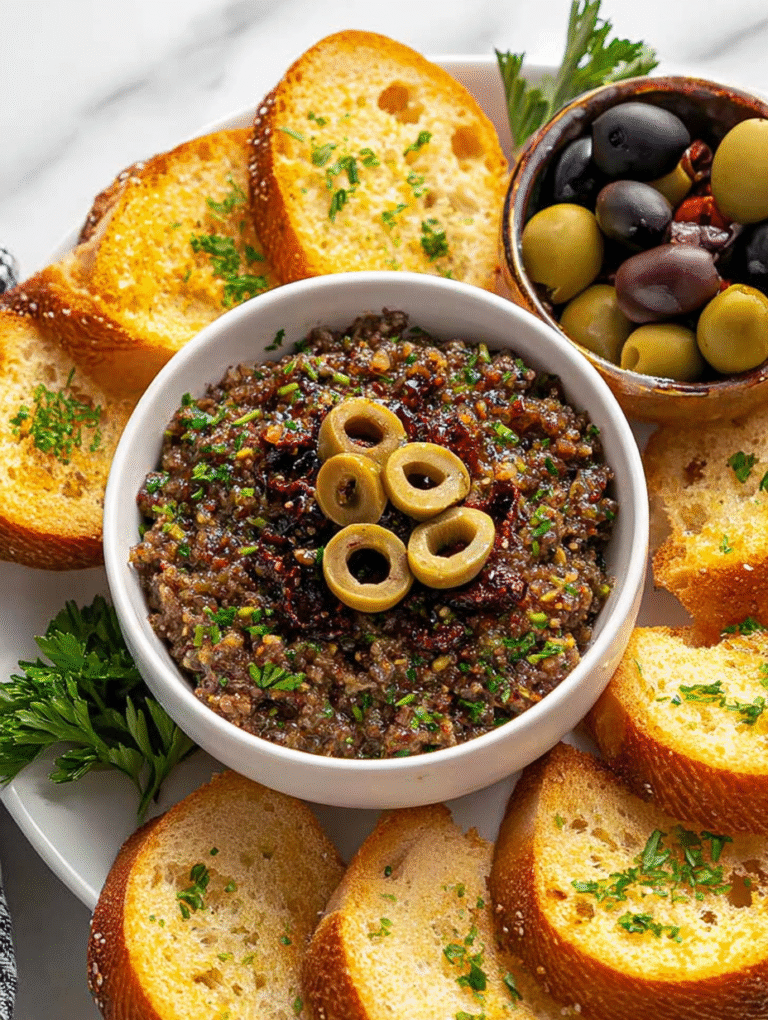
Vegan Olive Tapenade
Bold Kalamata and sharp capers create this zesty, rich Vegan Tapenade. Just blend garlic, lemon, and EVOO! Quick instructions & complete nutrition details included.
- Total Time: 35 minutes
- Yield: 4 servings 1x
Ingredients
- 1 cup (approx. 8 oz) pitted Kalamata olives
- 2 tablespoons capers, drained
- 3 tablespoons extra virgin olive oil
- 1 tablespoon fresh lemon juice
- 2 cloves garlic, peeled
- 1/4 cup fresh parsley, roughly chopped
- 1/4 teaspoon freshly ground black pepper
Instructions
- Step 1: Gather all ingredients and prepare them: ensure the olives are fully pitted and the capers are thoroughly drained. Peel the garlic cloves.
- Step 2: Place the olives, drained capers, peeled garlic, and fresh parsley into the bowl of a food processor or a high-speed blender.
- Step 3: Pulse the mixture in short bursts (about 5-8 times) until the ingredients are finely chopped but retain a chunky, coarse texture. Scrape down the sides of the bowl as needed.
- Step 4: Add the 3 tablespoons of olive oil, the fresh lemon juice, and the black pepper. Pulse 2-3 more times until the ingredients are just combined and the tapenade is slightly moist. Avoid blending until it becomes a smooth paste.
- Step 5: Taste the tapenade and adjust seasoning if necessary (add a pinch more black pepper or lemon juice for brightness). Serve immediately with crusty bread or crackers, or store in an airtight container in the refrigerator for up to one week.
Notes
- For best flavor retention and preservation, store the tapenade in an airtight container and pour a thin layer of extra virgin olive oil over the surface before sealing; it will keep well for up to 7 days in the refrigerator.
- Since the cold dulls the intensity of the olives and garlic, let the tapenade sit at room temperature for 15 to 20 minutes after taking it out of the fridge before serving for the most expressive flavor.
- The key to achieving the perfect chunky texture is using short, deliberate pulses and stopping just before you think it's done, as over-processing releases bitterness and turns it into a smooth paste.
- Beyond the usual crostini, use this intense tapenade as a rich layer inside veggie wraps, smear it generously on grilled eggplant slices, or toss a spoonful into warm pasta salad for an instant Mediterranean flavor boost.
- Prep Time: 15 minutes
- Cook Time: 20 minutes
- Method: Stovetop
- Cuisine: American
FAQs
How long does homemade Vegan Olive Tapenade last, and how should I store it?
Storing this vibrant spread correctly is key to enjoying it for days. Once you’ve finished blending your fresh batch of Vegan Olive Tapenade, transfer it immediately into an airtight container. Make sure you pour a thin layer of olive oil over the top before sealing; this acts as a natural preservative and keeps the color bright. When refrigerated, homemade tapenade generally maintains its peak freshness and flavor for up to two weeks. Always use a clean spoon when serving to prevent contamination and maximize shelf life, ensuring every dip is as delightful as the first.
Can I use green olives instead of black olives in this recipe?
While the classic recipe traditionally relies on the rich, meaty flavor of Kalamata or Niçoise olives, you can certainly swap them out for green olives, or even use a mixture of both if you prefer a sharper, brighter taste profile. If you choose green olives, remember they tend to be saltier, so you might want to rinse them thoroughly before processing and slightly reduce any added salt in the recipe. The texture will remain similar, but the resulting flavor profile will lean towards a tangier, more piquant spread, which is absolutely delicious on crunchy crudités or toasted pita chips.
What are the best uses for this savory plant-based olive spread besides crackers?
The versatility of this delicious plant-based olive spread extends far beyond just appetizers and crackers. Try using it as an unexpected secret ingredient in your kitchen. It makes a fantastic, flavorful layer on sandwiches and wraps, replacing standard mayonnaise or mustard for an instant flavor upgrade. You can whisk it into a simple lemon vinaigrette for a Mediterranean twist on salad dressing, or even toss a spoonful through warm pasta for a quick weeknight dinner. Additionally, smearing it onto grilled chicken or robust roasted vegetables before serving adds an instant punch of depth and umami richness.
How can I adjust the texture of my Vegan Olive Tapenade if it turns out too runny?
If your Vegan Olive Tapenade seems a little too loose after blending, don’t panic—it’s an easy fix! Usually, too much added liquid, such as oil or lemon juice, is the culprit. To thicken it up naturally without altering the flavor significantly, try adding a few tablespoons of finely ground breadcrumbs (ensure they are vegan) or sun-dried tomato paste. Both ingredients absorb excess moisture beautifully. Alternatively, simply adding a few more whole olives or capers and pulsing again will increase the bulk and provide the desired chunky texture that characterizes a truly perfect tapenade experience.




Leave a Comment