
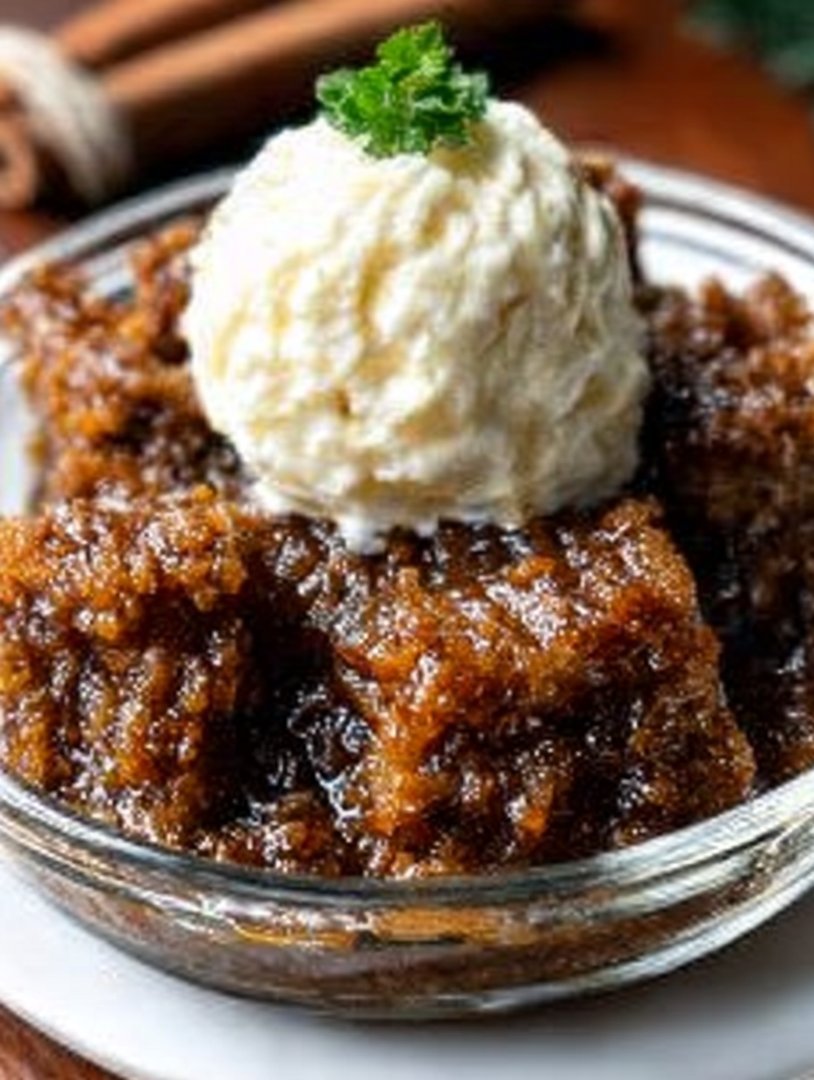
The world outside looked like a forgotten dishcloth, gray and miserable, but inside, magic was brewing. That slightly piney scent? It’s the glorious, slightly rebellious aroma ofWarm juniper teagerbread Pudding, defying all conventional expectations for comfort food.
Forget everything you thought you knew about dessert architecture; this isn’t your grandma’s soggy bake. This eccentric, spiced embrace promises deep warmth, rich flavor, and a story worth telling every time you take a spoonful.
- This recipe elegantly resurrects stale baked goods, transforming day-old gingerbread into a luxurious, satisfying dessert with surprisingly minimal fuss.
- Experience a sophisticated flavor profile where traditional spicy gingerbread meets the subtle, aromatic complexity of steeped black tea and bright juniper notes.
- The deep caramel coloring and rich custard texture, served piping hot with a scoop of vanilla bean ice cream, create a stunning visual presentation perfect for cozy gatherings.
- Easily adaptable for various highly flavored chai or herbal tea blends, allowing you to customize the intensity of this unique and comforting winter warmer.
The Curious Case of Culinary Rebellion: Why Juniper?
If you told me five years ago that I’d be obsessing over a dessert featuring crushed juniper berries, I would have politely suggested you find a new hobby—perhaps stamp collecting or competitive napping. Juniper, to my palate, belonged firmly in the realm of savory cooking or, well, sophisticated beverages that involved tonic water. It certainly didn’t belong nestled alongside molasses and cinnamon.
The genesis of this recipe, like all great culinary breakthroughs, was born entirely out of chaos and a misunderstanding involving a spice drawer reorganization project. I was attempting to make a traditional gingerbread bread pudding on a particularly chilly November evening, but I had accidentally swapped the box labeled “Allspice Berries” for the box labeled “Dried Juniper.” I didn’t realize my mistake until the aroma hit the oven door.
Initially, I panicked. It smelled vaguely of a Winter Holiday tree in a spice market—a scent I wasn’t sure I wanted to eat. But necessity is the mother of invention, and I had guests arriving shortly. I forged ahead, figuring the robust flavors of black tea and potent gingerbread spices could maybe, just maybe, overpower the pine notes. Instead of fighting, the flavors decided to harmonize in the most surprising, delicious way. The juniper didn’t dominate; it acted as a bright, crisp counterpoint to the heavy sweetness and spice, creating an unforgettable dessert that tasted like an adult winter hike followed by a warm hug. It was a revelation, and thus, theWarm juniper teagerbread Puddingwas officially born into the world, ready to challenge your dessert comfort zone.
The Art of the Teagerbread Base
The foundation of this unique pudding lies in selecting the right base. While you can certainly bake a fresh loaf of gingerbread, this recipe truly shines when you use day-old or slightly stale gingerbread. The dryness allows the bread to soak up the rich, tea-infused custard completely without immediately turning to mush. If your gingerbread is fresh, slice it and let it sit out uncovered for several hours or briefly toast the slices in a low oven until the edges begin to stiffen.
The “tea” element is crucial. I strongly recommend a robust, dark tea like Earl Grey or a strong breakfast blend. The tea provides the necessary earthy tannins that balance the sweetness of the molasses and brown sugar. Steeping the tea properly and allowing it to cool slightly before mixing it into the eggs is essential; nobody wants scrambled eggs masquerading as custard. Make sure you use fresh, high-quality juniper berries. They should be lightly crushed—not ground into a fine powder—to allow their aromatic oils to release slowly into the custard, offering those delightful little bursts of flavor throughout the finished pudding.
Ingredients for Warm juniper teagerbread Pudding
Here’s what you’ll need to make this delicious dish:
- Gingerbread CubesUse about 8 cups of cubed, day-old gingerbread; this ensures maximum absorption of the custard mixture.
- Whole Milk and Heavy CreamA combination of the two provides the necessary richness and texture for a velvety, indulgent custard base.
- Large EggsThese act as the binder and thickening agent, ensuring the pudding sets properly and holds its structure when baked.
- Dark Brown Sugar and MolassesThe sugar provides sweetness, while the molasses enhances the classic dark, smoky gingerbread flavor profile.
- Strong Black TeaSteeped and cooled, this liquid forms the backbone of the custard, providing a subtle, balancing bitterness.
- Juniper BerriesCrushed lightly to release their essential oils, they introduce the signature piney, bright aroma that elevates this dessert.
- Vanilla Powder and Ground SpicesA generous splash of vanilla and a pinch of extra cinnamon, ginger, and nutmeg enhance the inherent warmth of the gingerbread.
The full ingredients list, including measurements, is provided in the recipe card directly below.
How to Make Warm juniper teagerbread Pudding
Follow these simple steps to prepare this delicious dish:
Step 1: Prep the Gingerbread and Oven
Preheat your oven to a cozy 350°F (175°C). Lightly grease a deep 9×13 inch baking dish. Arrange the cubed gingerbread evenly in the prepared dish. Ensure the bread is distributed loosely; stacking too tightly will prevent the custard from saturating every piece.
Step 2: Prepare the Tea and Infuse the Juniper
In a medium saucepan, gently heat the milk, heavy cream, and molasses until steaming but not boiling. Remove the saucepan from the heat. In a separate cup, steep the black tea bags in a small amount of boiling water until very strong, then remove the bags. Combine the hot steeped tea and the milk mixture. Add the lightly crushed juniper berries, brown sugar, and ground spices, stirring until the sugar dissolves completely. Let this mixture cool slightly for about 10 minutes to prevent curdling the eggs.
Step 3: Whisk the Custard Base
In a large bowl, whisk the eggs vigorously with the vanilla powder until they are pale yellow and slightly frothy. Slowly, in a thin stream, pour the warm (but not hot) milk and tea mixture into the eggs while continuously whisking. This critical step, known as tempering, ensures the eggs integrate smoothly into the custard without scrambling. Once combined, taste the mixture and adjust sweetness if necessary, though the gingerbread typically provides plenty.
Step 4: Soak and Rest the Pudding
Pour the prepared custard slowly and evenly over the cubed gingerbread in the baking dish. Gently press the bread cubes down using the back of a spatula to ensure they are fully submerged and soaking up the liquid. Let the pudding rest on the counter for at least 30 minutes. This resting time is non-negotiable; it guarantees a moist interior texture by allowing the dried bread to fully hydrate.
Step 5: Bake and Check for Doneness
Cover the baking dish loosely with aluminum foil and bake for 40 minutes. After 40 minutes, remove the foil and bake for an additional 10 to 15 minutes, or until the top is golden brown and puffy. The pudding is done when a knife inserted near the center comes out clean, indicating the custard has fully set. The internal temperature should register around 180°F (82°C).
Transfer to plates and drizzle with a simple caramel sauce or a spoonful of whipped cream for the perfect finishing touch.
Tips for Mastering Your Teagerbread Pudding
While the recipe itself is forgiving, a few simple techniques can elevate this dessert from merely good to absolutely legendary. Pay close attention to temperature control and the quality of your primary ingredients, especially the unusual ones like the juniper, as they dramatically impact the final result.
The Critical Role of Crushing Juniper Berries
When working with juniper berries, precision matters. Do not grind them into a powder; you want texture and bursts of flavor, not an overwhelming essential oil saturation. Place the berries on a sturdy cutting board and press them gently with the side of a heavy chef’s knife or use a mortar and pestle for a quick, rough crush. This releases the aromatic compounds beautifully without pulverizing them entirely. If you crush them too finely, the resulting flavor will be harsh and overly medicinal, rather than pleasantly piney and sharp.
If you are apprehensive about the intensity of the juniper flavor, start by steeping half the recommended amount directly in the warm milk and cream mixture during Step 2. You can strain these out before mixing the custard, leaving only the infused flavor behind. For those who love the complexity, leave the crushed berries in the custard for those wonderful flavor pops.
Avoiding the Dreaded Soggy Bottom
The enemy of a good bread pudding is the soggy, unset bottom layer. This usually happens for two reasons: insufficient resting time or improper bread density. Make sure your gingerbread is truly stale or dry enough to absorb the custard without immediately dissolving. The 30-minute rest period allows the starch molecules in the bread to swell and stabilize, which helps the pudding set evenly during baking.
Additionally, ensure your oven temperature is accurate. If the heat is too low, the custard will take too long to set, leading to a mushy texture. If you notice the top browning too quickly during the final baking stage, lightly tent the dish again with foil to protect the surface while the center finishes cooking. A properly baked pudding should have a crispy, caramelized crust and a warm, tender, moist interior.
Serving Suggestions and Pairing Perfection
ThisWarm juniper teagerbread Puddingis fantastic on its own, especially straight out of the oven, but it reaches peak performance with the right accompaniments. Because the pudding has strong, warm spices and bright juniper notes, it pairs exceptionally well with cool, creamy, and slightly tart elements.
A classic scoop of vanilla bean ice cream is always a winner, providing a cold, contrasting relief against the warm spices. Alternatively, try a dollop of lemon curd mixed with whipped cream for a citrusy tang that really makes the juniper sing. For a richer pairing, prepare a simple hard sauce using clarified butter, powdered sugar, and a splash of orange juice or cider vinegar to thicken, drizzling it over the pudding while it’s still hot. If you are looking for texture, sprinkle some toasted pecans or walnuts over the top just before serving. The combination of warmth, spice, and that unique aromatic lift from the juniper makes this a sensational end to any cold weather meal.
Remember that bread pudding is versatile, and leftovers—if you manage to have any—reheat beautifully in a microwave or a low oven, maintaining their rich texture and complex flavor profile for several days.
The Accidental Discovery of Sunshine on a Plate
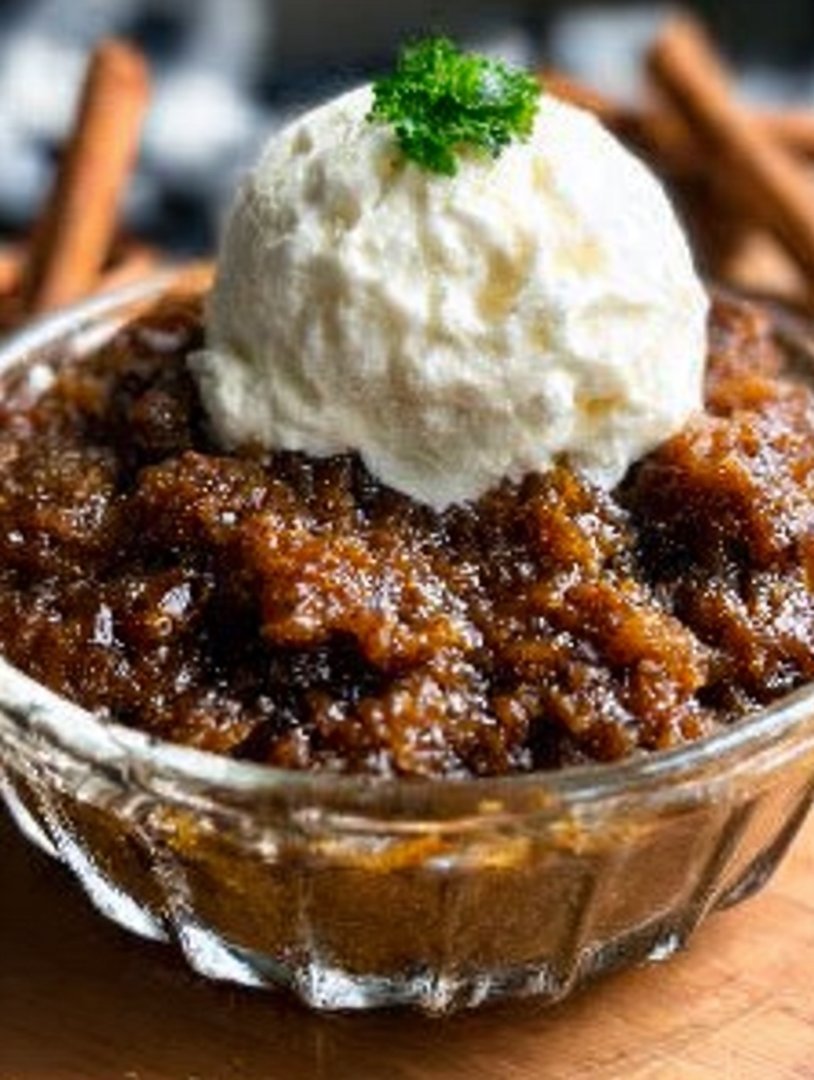
I nearly threw out the batch when I realized I’d mixed up the spice jars, mistaking dried juniper berries for star anise. Instead of panicking, I tasted it. That happy mistake delivered a bright, earthy warmth that transformed mundane gingerbread into the ultimate, cozy winter dessert.
We’ve all been there: staring into the refrigerator abyss, convinced we have nothing suitable for dessert, despite the mountain of baked goods sitting on the counter. My issue wasn’t the lack of sweets; it was the lack of inspiration. I had a beautiful loaf of spiced teagerbread—a hybrid of tea cake and gingerbread that I often bake when the mood strikes—and it was rapidly approaching peak staleness. Repurposing it into a bread pudding seemed obvious, but I needed a twist. I needed something that would stop the inevitable, “Oh, it’s just bread pudding,” commentary dead in its tracks.
The solution, as most great culinary breakthroughs are, was pure accident. While reaching for the vanilla, I knocked over the spice rack. Amidst the chaos of cardamom pods and cinnamon sticks, I spotted the juniper berries, typically reserved for savory rubs. A light bulb flickered: what if that piney, slightly peppery flavor could cut through the richness of the molasses and brown sugar? The resultingWarm juniper teagerbread Puddingis proof that sometimes, the universe wants you to make a mess.
This dessert is comfort food elevated. It retains the soul of the traditional classic—the creamy custard, the tender, soaked bread—but introduces an unexpected layer of complexity. The juniper doesn’t scream at you; it whispers, offering a sophisticated, almost frosty brightness that makes every spoonful feel like a delightful surprise. It’s perfect for a chilly evening, capable of melting away the stress of a long day with its powerful aroma alone.
Gathering the Jewels: Ingredients for Warm juniper teagerbread Pudding
Creating this masterpiece starts with selecting high-quality ingredients. Remember, the “teagerbread” component should be rich in spices like cinnamon and cloves; if you use standard white bread, you’ll lose the depth needed to stand up to the juniper infusion.
For the Juniper Custard Base
- 4 large eggs
- 1 cup heavy plant-based cream (such as cashew or oat cream)
- 1 cup unsweetened plant-based milk
- ½ cup packed brown sugar
- 1 teaspoon vanilla powder
- 1 tablespoon finely crushed juniper berries
- ½ teaspoon ground nutmeg
- A pinch of salt
The Teagerbread and Topping
- 8 cups cubed, day-old teagerbread (or dense spiced gingerbread)
- 2 tablespoons melted, non-dairy butter or oil
- 2 tablespoons white sugar (for dusting)
The Ritual: Baking the Ultimate Comfort
This recipe is straightforward, but success lies in patience and ensuring proper bread saturation. Think of this process as giving your stale bread a much-needed spa day, letting it soak up all that decadent, juniper-infused goodness.
Preparing the Juniper Infusion
In a medium saucepan, gently heat the plant-based milk, plant-based cream, and crushed juniper berries just until the mixture begins to steam, but do not let it boil. Remove it from the heat immediately, cover the pan, and allow the juniper to infuse its flavor for 20 minutes. This step is critical; it extracts the essential oils from the berry without overpowering the custard.
Mixing the Custard
After the infusion time, strain the milk mixture through a fine-mesh sieve into a large bowl, discarding the juniper solids. In a separate bowl, whisk the eggs, brown sugar, vanilla powder, nutmeg, and salt until the mixture is smooth and slightly pale. Gradually whisk the warm, juniper-infused milk mixture into the egg mixture until fully combined. Make sure to whisk slowly to temper the eggs and prevent scrambling them—nobody wants scrambled eggs in their dessert pudding!
Assembling the Pudding
Preheat your oven to 350°F (175°C). Lightly grease a 9×13 inch baking dish. Arrange the cubed teagerbread evenly in the prepared dish. Pour the custard mixture slowly and evenly over the bread cubes, ensuring every piece receives a generous soak. Gently press the bread down slightly with a spatula to encourage absorption. Now, the waiting game begins: let the pudding rest at room temperature for at least 30 minutes, or even up to an hour, for maximum custard absorption.
Baking to Perfection
Drizzle the melted non-dairy butter over the top of the rested pudding and sprinkle with the 2 tablespoons of white sugar. Bake for 40 to 50 minutes, or until the top is golden brown and the center is mostly set. The Warm juniper teagerbread Pudding should still have a slight wiggle in the middle when you take it out, as residual heat will finish the cooking. Let it cool slightly before serving, ideally warm, perhaps topped with a scoop of vanilla bean ice cream or a light drizzle of maple syrup.
Perfecting the Cooking Process
First, always toast your bread cubes gently; this prevents sogginess later. While the bread cools, whisk the custard base thoroughly to ensure the sugars dissolve completely. Finally, let the pudding rest for 15 minutes before baking to guarantee maximum absorption and a tender texture.
Add Your Touch
If you prefer a citrus lift, swap the ground ginger for a teaspoon of orange zest. For texture, sprinkle chopped pecans or walnuts over the top before baking. If juniper isn’t your favorite, use finely ground cardamom seeds for a similar aromatic, sophisticated depth.
The beauty of theWarm juniper teagerbread Puddinglies in its flexibility. While the juniper is the star, the supporting cast can easily be swapped out based on what you have available or what suits your current craving. Imagine adding a touch of dried cranberry for a burst of tartness, or swirling in a few tablespoons of robust, dark cherry preserve before baking. This dessert begs for personal interpretation, transforming it from a simple recipe into a family tradition built on flavor experimentation. Don’t be shy about testing unique, contrasting elements that enhance the deep, earthy spice of the teagerbread base.
Chef’s Insider Tips for Pudding Success
- Infuse the plant-based milk with the juniper berries before mixing the custard; strain it out to get the flavor without the intense crunch of the berry.
- Use slightly stale gingerbread or day-old teacakes; drier bread absorbs the rich custard better, leading to a truly superior final pudding texture.
- Do not overbake the pudding; the center should still have a slight wobble when removed from the oven, as it continues to set while cooling.
Storing & Reheating
Store leftovers in an airtight container in the refrigerator for up to three days. For the best reheating experience, place individual servings in the oven at 300°F (150°C) until warmed through, or microwave quickly with a splash of plant-based milk to re-moisten.
This pudding is fantastic served warm right out of the oven, but it holds up exceptionally well as a make-ahead dessert. If you plan to serve it for a gathering, you can prepare the entire assembly—custard poured over the bread—and keep it covered in the refrigerator overnight. Just remember to give it about an hour at room temperature before baking, and you might need to add 5 to 10 minutes to the total baking time since it starts cold. This preparation strategy makes entertaining infinitely easier, allowing you to focus on your guests instead of stressing about the oven clock.
My neighbor, who usually sticks to vanilla ice cream, devoured two servings last week. She claimed the unique spice blend felt like wearing a luxurious cashmere sweater on a chilly evening.
Conclusion for Warm juniper teagerbread Pudding
ThisWarm juniper teagerbread Puddingis far more than the sum of its parts; it’s an adventurous take on a beloved classic. The unexpected brightness of the juniper paired with the comforting depth of spiced gingerbread creates a truly memorable dessert experience. By following the steps—especially the crucial infusion and resting periods—you ensure a perfect texture that is never soggy, only tender and custardy. Whether you are hosting a festive dinner or simply seeking a cozy treat, this recipe offers sophistication and warmth in every delicious bite. Embrace the unique flavor profile and prepare for requests for this recipe to become a regular fixture in your baking rotation.
Print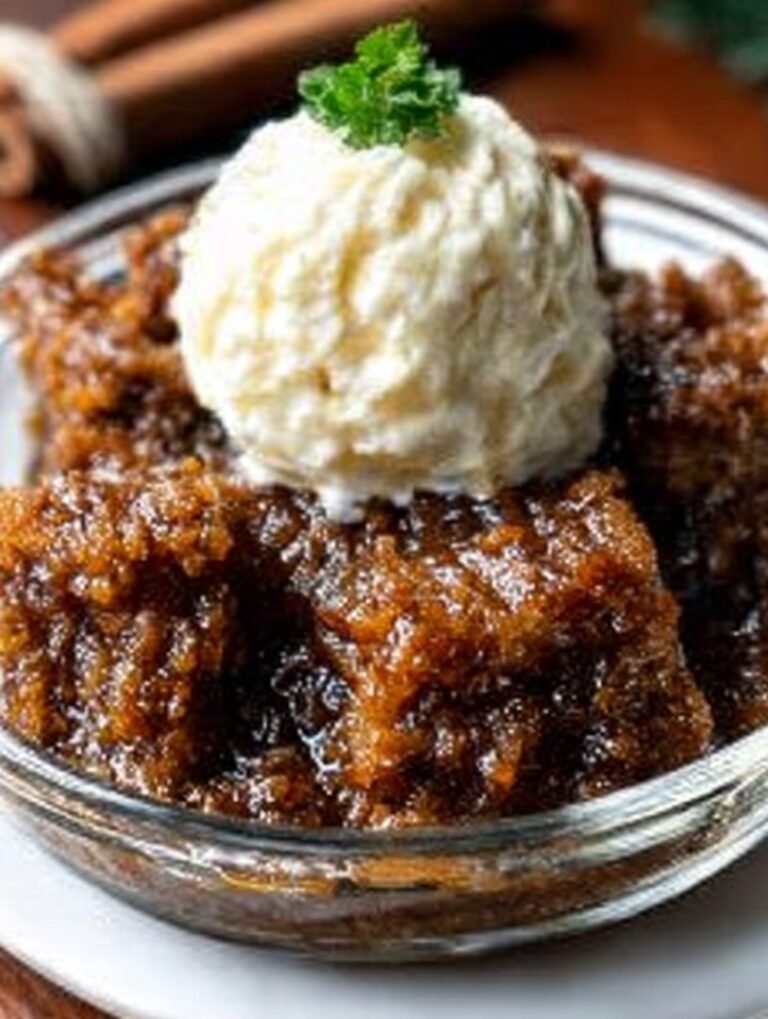
Warm juniper teagerbread Pudding
Experience the sublime fusion of dark molasses and aromatic juniper-infused black tea in this moist Teagerbread Pudding. Steeping the berries creates a unique, complex warmth.
- Total Time: 35 minutes
- Yield: 4 servings
Ingredients
- All-Purpose Flour: 1 3/4 cups
- Dark Molasses: 1/2 cup
- Unsalted Butter: 1/2 cup (melted)
- Strongly Brewed Black Tea: 1 cup (hot)
- Crushed Juniper Berries: 1 tablespoon
- Granulated Sugar: 1/4 cup
- Ground Spices (Ginger, Cinnamon, Cloves): 2 teaspoons total
- Baking Soda: 1 teaspoon
Instructions
- Step 1: Preheat oven to 350°F (175°C). Grease and lightly flour a 9×5 inch loaf pan or an 8×8 inch baking dish. Crush the juniper berries and steep them in the hot brewed tea for 10 minutes; strain the tea to remove the berries and set aside.
- Step 2: In a large bowl, whisk together the flour, ground spices, and baking soda. In a separate bowl, whisk together the melted butter, granulated sugar, molasses, and egg until well combined.
- Step 3: Gradually incorporate the dry ingredients into the wet ingredients. Once partially mixed, slowly pour in the strained warm juniper tea and mix until the batter is smooth but do not overmix.
- Step 4: Pour the batter into the prepared baking dish. Bake for 35 to 45 minutes, or until a wooden skewer inserted into the center comes out clean. The pudding should be dark, moist, and slightly springy to the touch.
- Step 5: Allow the pudding to cool in the pan for 10 minutes before turning it out onto a cooling rack. Serve the pudding warm, optionally accompanied by vanilla cream sauce or whipped mascarpone.
Notes
- Store leftover pudding tightly wrapped at room temperature for up to 3 days, or refrigerate for up to a week, knowing the deep spices will actually intensify overnight.
- If reheating, warm individual slices wrapped loosely in foil in a 300°F oven for about 8 minutes to help retain the pudding's luxurious moisture better than microwaving.
- For the best contrast, serve warm slices topped with a generous dollop of cold whipped mascarpone or crème fraîche and a light dusting of freshly grated nutmeg.
- Chef's Tip: Be absolutely certain you strain the juniper-infused tea completely after steeping; leaving whole berry fragments in the batter can lead to overly bitter spots in the finished pudding.
- Prep Time: 15 minutes
- Cook Time: 20 minutes
- Method: Stovetop
- Cuisine: American




Leave a Comment